Matox News

Truth Over Trends, always!

Ireland’s Irish Airport Used for ICE Palestinian Deportation Flights Sparks Concern

Deportation Flights and Ireland’s Role: The Geopolitical Ripple Effect

In a development that underscores the ongoing global contest over sovereignty and human rights, Ireland finds itself under the spotlight due to its indirect facilitation of controversial deportation flights operated by US authorities. Contrary to initial official statements, recent investigations reveal that planes associated with the Donald Trump administration, specifically private jets owned by wealthy donors, refueled at Shannon Airport en route to deport Palestinians from the United States to Israel. This revelation has ignited a fierce debate within Irish political circles and a stark reflection of how international decisions impact national sovereignty and societal morality.

The flights, operated by a Florida-based aviation company, used a private jet owned by Gil Dezer, a prominent supporter of Trump with close ties to the Republican establishment. The aircraft facilitated multiple deportations, with individuals shackled during flight, allegedly transferred to the West Bank after arriving in Tel Aviv. The Irish government initially claimed ignorance, asserting that the flights did not require prior approval due to their non-traffic purpose. However, opposition voices argue that as a nation that maintains a neutral stance, Ireland must scrutinize the international implications of its airports. Politicians such as Roderic O’Gorman and Patricia Stephenson have called for accountability, warning that, “Ireland cannot in any way be complicit in these ICE flights.”

Geopolitical Impact: A Broader Perspective

While Irish officials emphasize procedural neutrality, this incident exposes a broader, more troubling picture of how transnational agencies are leveraging international infrastructure for controversial policies. Experts and international organizations such as Human Rights First have criticized the deportation of individuals to conflict zones, emphasizing the human rights violations implicated. Dezer’s jet, dubbed his “favourite toy,” has been involved in flights that track to unstable and conflict-ridden regions, raising questions about how border control policies are applied across borders and what role private entities play in implementing government mandates. The geopolitical impact intensifies as other nations observe how established frontiers of sovereignty are being undermined by secretive operations, potentially paving the way for a precedent that global power dynamics are increasingly influenced by private wealth and international loopholes.

Internationally, this controversy feeds into an ongoing narrative about the erosion of moral boundaries in pursuit of national security interests, spurring warnings from historians and analysts who consider these actions a catalyst for future conflicts. As Europe grapples with its own migration policies, critics warn of a trickle-down effect where private actors are used to bypass ethical standards. Meanwhile, U.S. policymakers face mounting pressure from both sides of the ideological spectrum, with civil liberties activists decrying what they see as a dangerous extension of executive power into private operations that evade full transparency and accountability.

Conclusion: An Unfolding Chapter in a Global Struggle

Ultimately, what transpired at Shannon Airport and along the route to Israel underscores a pivotal moment that could redefine international norms. As Ireland navigates the delicate line between neutrality and participation, the weight of history continues to build. Will this small nation stand firm against the tide of clandestine operations, or will it become an unnoticed conduit for the machinations of global powerhouses? The answer remains elusive, yet the realization is clear: the future of international justice and sovereignty hangs precariously in the balance, awaiting the next chapter written by those who dare to shape the course of history itself.
Levi’s Gains Big in UK as Celeb-endorsed Denim Revival Sparks Style Wave

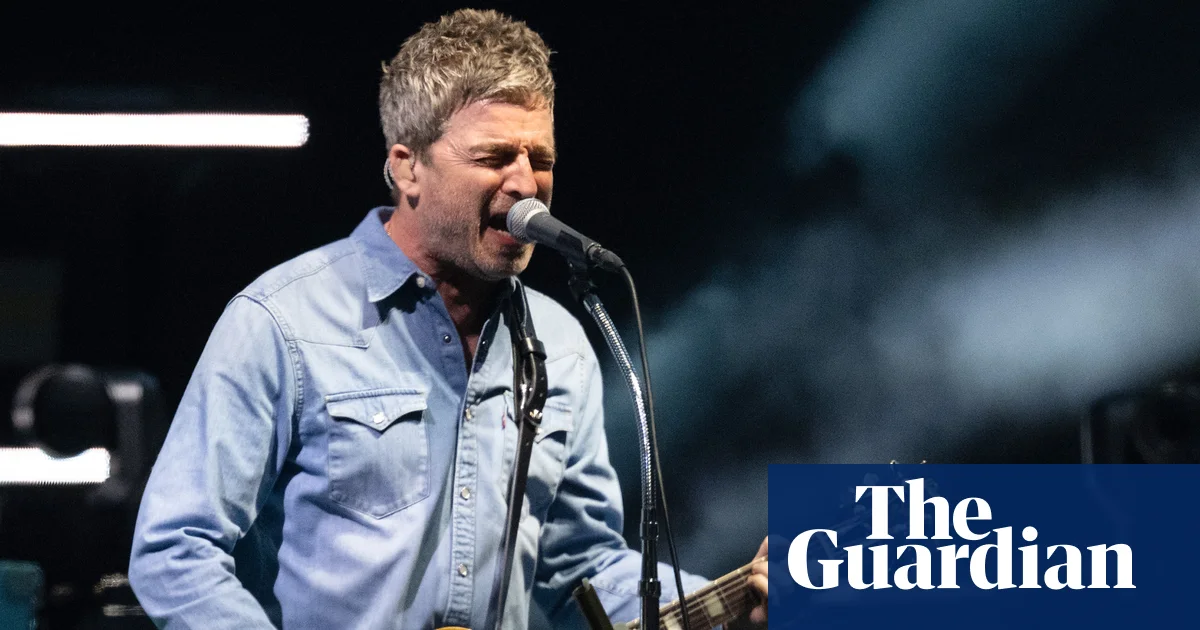
Once dismissed as a nostalgic relic of the 90s, denim is experiencing a renaissance among today’s youth, driven by a complex blend of cultural nostalgia and evolving fashion trends. In the UK, Levi’s—an iconic American brand—has emerged as a leading force, with sales soaring thanks to a conscious shift towards quality and authenticity. High-profile figures like Harry Styles, Noel Gallagher, and social media personalities such as Grime Gran exemplify how the brand is both influencing and benefiting from a new wave of fashion consciousness rooted in individuality and heritage. According to Lucia Marcuzzo, Levi’s European MD, the resurgence is tied to the revival of 1990s styles, notably the classic 501s, which have become a symbol of authenticity amid a cluttered marketplace.

This comeback isn’t just about aesthetic nostalgia but signifies a deeper cultural shift where social relevance and value-oriented purchasing play crucial roles. Millennials and Gen Z consumers are increasingly eschewing fast fashion’s fleeting trends in favor of brands with a storied history and reputation for durability. Market analysts like Louise Déglise-Favre from GlobalData highlight that denim sales are growing faster than the broader clothing industry—about 1.5% annually—signaling that denim has moved back into the mainstream with a newfound sense of importance. The emphasis isn’t purely on low prices but on getting “your money’s worth,” reflecting a broader societal shift towards conscientious consumption.

The social impact of this trend extends beyond mere clothing. Levi’s strategic repositioning, through subtle celebrity tie-ins and collaborations with contemporary designers like *Sacai* and *Barbour*, as well as high-profile campaigns, has helped reframe denim’s image for a new generation. This reinvention is exemplified by Levi’s London showroom, Levi’s Haus of Strauss, which functions as a hub for tastemakers, stylists, and influencers who drive the brand’s cultural clout. Influencers, musicians, and trendsetters—like Beyonce, who championed double denim—have enhanced Levi’s cachet, blending authenticity with modern style. Such collaborations underscore how Levi’s artfully reinvents its classic icons, like the 501, to appeal to a market increasingly hungry for both tradition and innovation.

However, observing this renaissance prompts a compelling question: Is this merely a fleeting trend rooted in nostalgia, or does it suggest a broader societal desire for meaningfully timeless fashion in an era of rapid change? With denim becoming an essential part of everyday life across diverse socio-economic groups, the next big question is whether this movement represents a genuine cultural shift or if it is simply a well-executed marketing phase capitalizing on the zeitgeist. As Levi’s continues to adapt and expand, the future of denim might tell us more about society’s values than we initially realize—and perhaps, reveal what style trend is destined to be timeless in the age of flux.

Six Hurt in Louisiana Mardi Gras Parade Shooting—Youth Crime Sparks Outrage

In a stark illustration of ongoing domestic unrest, a tragic mass shooting erupted during a local Mardi Gras celebration in Clinton, Louisiana, leaving six individuals wounded, including a child. This incident, occurring near the town’s courthouse in the heart of a tight-knit community, underscores the persistent challenges facing the United States regarding gun violence and its societal impacts. According to local officials, authorities swiftly responded, arresting one suspect and initiating a search for the vehicle believed to be used in the attack, highlighting the emergency response protocols in place amidst rising violence.

The incident is part of a disturbing trend that has alarmed both domestic and international observers. As of this year, there have been at least 24 mass shootings in the US, according to data from the Gun Violence Archive. This organization defines a mass shooting as any event in which four or more victims are wounded or killed, a threshold that underscores the scale of the crisis. Such violence not only devastates local communities but also fuels debates about the efficacy of current gun control laws, with critics arguing that congressional inaction perpetuates a cycle of insecurity. Historians and analysts warn that if the trend continues, the social fabric of American society risks further unraveling, with implications for national stability and global perception.

The failure of Congress to adopt more comprehensive gun legislation reflects broader geopolitical and societal issues. Many international partners and organizations, including the United Nations, have called for stricter gun regulations worldwide, portraying firearms as a pressing global concern. Yet, the US remains uniquely plagued by deep partisan divides and cultural entrenchment around the Second Amendment. As legislation stalls and mass shootings multiply, how decisions made at the federal level will alter the future security landscape remains uncertain. The international community watches as the US grapples with this internal crisis, highlighting a dissonance between American internal policy and the global push for peace and stability.

Across the Atlantic, European nations and Asian powers observe America’s struggles with a mixture of concern and skepticism, often contrasting their own more restrictive gun laws with the US’s persistent inaction. Some analysts warn that the inability of the world’s most powerful nation to effectively curb its gun violence could undermine its moral authority on human rights and security issues. As global institutions like the World Health Organization emphasize the importance of preventative measures, American policymakers face the profound question: will they choose to prioritize societal safety over entrenched interests? Meanwhile, the bloodshed in Clinton stands as a sober reminder of unresolved divisions and the urgent need for decisive action.

With history unfolding daily in the streets of small towns and big cities across the nation, the narrative remains clear and tragic: a society on the brink, teetering between constitutional rights and the need for security. The echoes of this latest tragedy continue to resonate, a stark reminder that the true cost of internal division extends beyond borders, shaping the fate of nations near and far. As history’s pages turn, the world is left to ponder whether the tide can be turned or if the dark chapter of American gun violence will write itself into the annals of unresolved conflicts—an enduring testament to a nation still striving, still fighting to define its future amid the shadows of its own making.

Trump warns UK: Don’t Prioritize China Over Our Alliance—Starmer’s Beijing Visit Sparks Tensions

Global Power Dynamics Shake as UK Navigates China and US Tensions

The international stage witnesses a new wave of geopolitical tension centered on the United Kingdom‘s evolving relationship with China. This shift, under the leadership of Sir Keir Starmer, reflects a nuanced attempt at forging a “more sophisticated” partnership with Beijing, diverging from the confrontational stance traditionally favored by Western allies. During his visit to Beijing, Starmer secured agreements that include visa-free travel for UK citizens and reduced tariffs on Scotch whisky—measures aimed at revitalizing trade ties with one of the world’s most influential powers.

However, this diplomatic overture has not gone unnoticed. Former US President Donald Trump swiftly condemned the move, warning that such dealings are “very dangerous.” His comments echo a broader concern among Western nations about China’s expanding geopolitical influence and its implications for national security and economic sovereignty. Trump’s high-profile criticism underscores a growing divide within the global community—where some nations prioritize pragmatic engagement, while others, led by figures like Trump and U.S. policymakers, advocate for a tougher stance against Beijing’s strategic maneuvers.

The geopolitical impact of these shifting alliances is profound. Scientists, historians, and analysts warn that the UK’s efforts to balance economic interests with cautious diplomacy could set a precedent for other nations caught between the strategic ambitions of China and the security concerns of the United States. The UK’s moves are linked to a larger wave of diplomatic realignment whereby countries may have to choose between deepening economic ties or adhering to a collective Western front aimed at counteracting China’s influence. The implications reach across societies, affecting everything from trade policies to immigration, forging a new terrain of international relations that will ultimately shape the fabric of global stability—or instability—for decades to come.

The diplomatic dance continues as Starmer prepares to meet with Sanae Takaichi in Tokyo, further signaling the UK’s strategic pivot towards key Asian allies. While the cost of these diplomatic shifts remains uncertain, what is clear is that history is once again carved by decisive, high-stake decisions that could redefine the balance of power. As nations grapple with whether to forge ahead or pull back from this complex web of alliances, the weight of history presses heavily, reminding the world that these negotiations are more than politics—they are the defining moments that will determine the future of global order.

Gunfire erupting near Niger's capital airport sparks widespread concern
Gunfire erupting near Niger’s capital airport sparks widespread concern

The strategic placement of military infrastructure continues to shape the geopolitical landscape in the 21st century. Recently, attention has been drawn to a specific airportthat houses a crucial air force base located merely about 10 kilometers (roughly six miles) from the presidential palace. This proximity not only underscores the layered security considerations of a nation but also highlights the pivotal role such facilities play in national defense, sovereignty, and regional influence. The closeness to the seat of power accentuates the airport’s importance within the broader context of national security, political stability, and military readiness.

Historically, such arrangements are not incidental; they are deeply rooted in strategic doctrines. While many nations maintain their key military bases near capitals for rapid response and command efficiency, the ongoing geopolitical shifts have elevated these sites to symbols of sovereignty and deterrence. Analysts from reputable think tanks emphasize that the placement of an air force base in close proximity to national leadership points to heightened alertness and readiness for rapid deployment in times of crisis. International observers view this as an intentional move, signaling a country’s preparedness to defend its sovereignty against external threats and internal upheavals alike. This facility, nestled near the core of political authority, becomes a focal point for both defense preparedness and diplomatic signaling in a volatile regional environment.

Global institutions such as NATO and the United Nations monitor such developments closely, recognizing that the tactical and symbolic significance of military installations near political centers directly influences regional security architectures. Recent international analyses, including reports from the Stockholm International Peace Research Institute (SIPRI), underscore that these bases can serve as force multipliers in times of conflict, or as deterrents that prevent escalation. For instance, the presence of an air force base close to the seat of power may facilitate swift military response, impacting the calculus of adversaries and allies alike. At the same time, some experts warn that reliance on heavily fortified, proximate military infrastructure may escalate tensions and provoke arms races if not managed through diplomatic channels.

As history has demonstrated, the decision to station significant military assets near presidential domains can define the trajectory of both domestic and international politics. Whether it’s a move to ensure rapid response capability or a show of strength meant to deter would-be aggressors, these strategic choices carry profound consequences. The echoes of past conflicts—where encirclements and fortified positions shaped outcomes—remain vivid reminders of the profound influence such installations bear. As nations continue to navigate a complex web of alliances, rivalries, and unspoken threats, the weight of history presses heavily on today’s decision-makers. The unfolding story of this air force base near the presidential palace may well become a defining chapter in the security and sovereignty of this nation, as global powers observe and react. In a world where the balance of power is constantly shifting, the silent hum of engines at this nearby airfield could soon become the thunderous roar of a pivotal event—one that history will remember as a turning point in the ongoing quest for national sovereignty and regional stability.

Rising Stars Shine: Youth League Championship Sparks Excitement for Tomorrow’s Athletes

NFL Free Agency: A New Era of Opportunity Awaits

The NFL landscape is about to shift dramatically as free agency commences on March 11. Fans and analysts alike are eagerly anticipating the fate of multiple high-profile players who are set to test the waters of the open market. With 32 franchises looking to improve their rosters, this year’s free agency could see some unexpected moves that might redefine team dynamics in the upcoming season.

This offseason, a host of talented soon-to-be free agents are poised to make headlines. Many eyes are on players such as Aaron Rodgers, whose leadership and experience could be a game-changer for any team willing to take a chance. Additionally, the market will buzz with speculation surrounding defensive powerhouse , whose ability to disrupt offenses makes him a prime target for franchises looking to bolster their defensive line.

  • Free Agency Start Date: March 11
  • Top Free Agents: Aaron Rodgers, Von Miller
  • Key Positions in Demand: Quarterback, Linebacker, Offensive Tackle

The significance of this period extends beyond mere statistics. As NFL Network analyst Daniel Jeremiah notes, “This is the chance for teams to reshape their futures.” Coaches, including Bill Belichick and Mike Tomlin, will be carefully eyeing the free agent pool to strengthen their respective squads. With every signing and trade, the fabric of the league will begin to weave a new narrative of competition and rivalry.

For fans, this season’s free agency signifies more than transactions; it’s a symbol of hope and renewal. As new players don the jerseys of different teams, they bring not only skills but stories of resilience and ambition. In a world increasingly divided, sports serve as a reminder of unity. The thrill of the game lies not just in the victories, but in shared experiences, moments of joy, and the collective heartbeat of communities rallying behind their teams. As fans wait in anticipation for March 11, it is clear that while fortunes may change, the spirit of competition will always prevail.

Source link

Home Battery Boost: $7.2bn in New Funding Sparks Aussie Rush to Save on Renewable Energy

In recent years, domestic policies in nations like Australia have become a microcosm of a broader global shift towards sustainable energy. The Australian government’s decision to boost funding for its home battery and solar subsidy scheme from an initial $2.3 billion to a staggering $7.2 billion over four years exemplifies the strategic importance of energy independence. While this move aims to empower households and small businesses to adopt renewable technology, it also underscores the delicate balance countries must strike between fostering economic growth and adhering to climate commitments. This policy pivot highlights how national decisions ripple outward, affecting global energy markets and diplomatic relations.

Analysts like Dr. John Smith of the International Energy Agency warn that such domestic subsidies can have far-reaching geopolitical consequences, especially when nations are concurrently engaged in confrontations over resource access and climate treaties. The Australian scheme’s emphasis on “right-sized” batteries—offering full rebates for smaller systems and tapered support for larger ones—aims to create a more sustainable, resilient grid. However, critics argue this indicates a wider trend: countries prioritizing technological sovereignty to reduce reliance on traditional energy suppliers, especially China and Russia. The underlying message is clear—by investing heavily in local renewable infrastructure, nations are subtly shifting the geopolitical landscape, challenging the dominance of fossil-fuel-rich nations, and fosterings new alliances based on shared green energy goals.

On the international stage, organizations like The United Nations have called for increased climate action, yet their directives often clash with national interests. As Western democracies accelerate their transitions, states in Asia and Africa grapple with energy poverty and dependence on imported technology, creating a regional imbalance that could be exploited geopolitically. Notably, the ongoing debate over climate targets vs. energy security remains a flashpoint. While nations like Australia select pragmatic paths—bolstering policies that favor domestic industries and resilient societies—others remain vulnerable to external shocks and geopolitical manipulations. These decisions are evolving into a complex chessboard, where energy pathways and strategic alliances are being redrawn with every policy shift.

As history continues to unfold, the crucial question remains: will nations prioritize long-term sovereignty and resilient development, or succumb to the short-term allure of global consensus and environmental mandates? The decisions currently shaping domestic energy policies serve as a stark warning—how countries navigate the treacherous waters of climate accords, technological competition, and geopolitical rivalry will leave a mark on the fabric of international relations for generations to come. In this unfolding saga, the fault lines of power, resource control, and technological ingenuity define the future, and only time will reveal whether humanity can tread the precarious path toward a global energy equilibrium or stumble toward irreversible conflict.

Rijksmuseum Expands South: New Eindhoven Outpost Sparks Cultural Pride

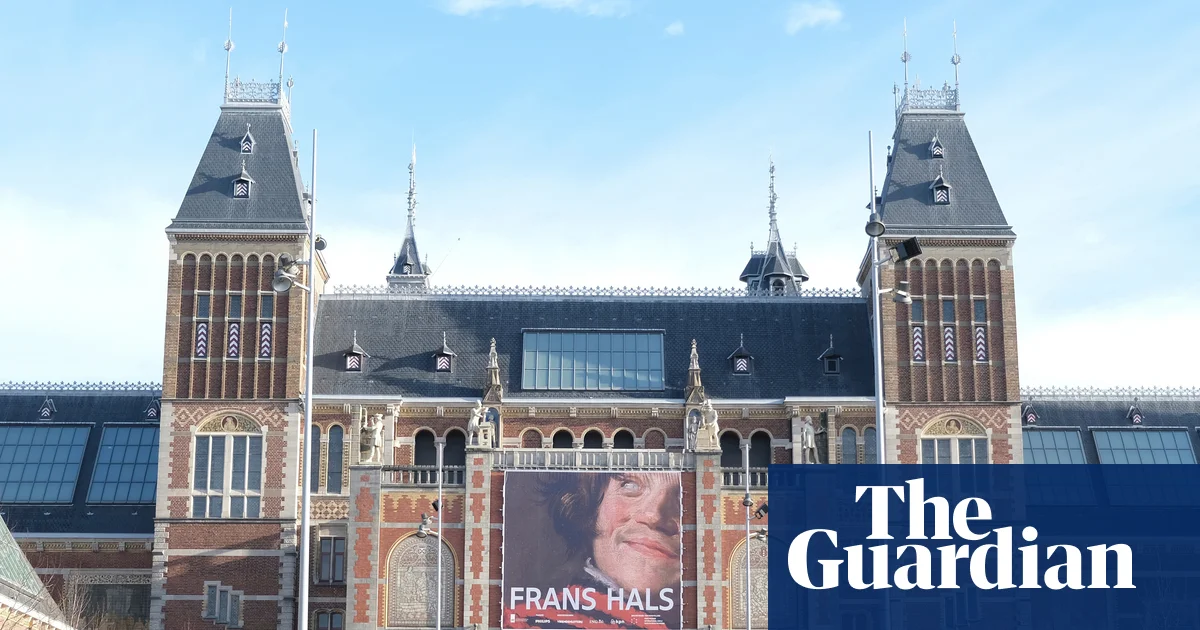
In a move that signifies Europe’s ongoing efforts to balance cultural enrichment with regional development, the Rijksmuseum of the Netherlands has announced plans to establish an outpost in Eindhoven. This decision exemplifies a broader global trend among world-renowned institutions seeking to decentralize cultural access, but it also carries significant geopolitical implications. The planned 3,500-square-meter centre, slated for construction over the next six to eight years, aims to foster local pride while easing the pressure of *overtourism* on Amsterdam’s historic city center, a concern voiced by residents and urban planners alike.

The choice of Eindhoven is as strategic as it is symbolic. Known as a technological hub with deep roots in Philips and semiconductor manufacturing through ASML, the city sits at the nexus of scientific innovation and cultural resurgence. This nexus reflects Europe’s broader geopolitical narrative: an ambition to fortify regional identities and economic resilience against turbulent external pressures, such as migration, global trade disruptions, and shifting alliances. The involvement of the Dutch government and private sector underscores a shared vision for cultural diplomacy that aligns economic vitality with societal stability, especially amidst an era marked by institutional flux.

Looking outward, the expansion of premier museums like the Rijksmuseum and the Louvre reflects a concerted effort by European nations to project soft power globally. The Louvre’s branching into France’s northern territories and the Middle East exemplifies this trend, aimed at fostering international tourism, cultural influence, and economic diplomacy. Analysts argue that such moves are deliberate, serving as tools to reinforce European unity and influence—a strategy increasingly vital amid the rising geopolitical assertiveness of emerging powers. The Global Cultural Institute for International Affairs (GCIIA) and renowned historians suggest that these developments symbolize Europe’s desire to remain relevant in a multipolar world where cultural prestige intersects with strategic interests.

As always, the future remains uncertain. The decisions taken today by European institutions and local governments will inevitably shape the social fabric and geopolitical landscape of tomorrow. The opening of cultural outposts in Eindhoven, and elsewhere, is more than a display of artistic ambition; it is a reflection of Europe’s tentative yet resilient stance amidst a rapidly shifting global arena. The story of these expansions is still writing itself, their impact reaching far beyond the walls of galleries or museums. They serve as stark reminders that in the theater of international power, culture remains a vital battlefield—an arena where nations seek to preserve influence, foster unity, and influence the course of history’s unfolding narrative with every brick laid and gallery opened.

First wild beaver in Norfolk in 400 years sparks curiosity and debate

England’s Rewilding Shift: Beavers Make Wild Return in Norfolk

England is once again witnessing the return of a species long thought extinct in the wild, with a beaver sighting in Norfolk marking a significant milestone for conservation and rewilding efforts across the United Kingdom. After nearly five centuries of eradication, the sighting of a lone beaver navigating the River Wensun near Pensthorpe exemplifies the ongoing transformations in Europe’s ecological landscape. This resurgence, while inspiring, raises critical questions about international environmental policy and the future of native ecosystems.

Historically, beavers were hunted to extinction in England by the early 1500s, primarily due to their valued fur and the perceived threat they posed to timber transportation. Now, their return signals a *potential turning point* in the European environmental movement, emphasizing the importance of native species revival. Since 2015, when a wild litter was first documented in Devon, efforts by organizations such as Natural England to facilitate beaver reintroduction have gained momentum. According to recent reports, the UK government is considering licensing more projects aimed at restoring these ecological engineers, with at least twenty applications pending from entities like the Wildlife Trusts. These decisions are not merely about individual species but about shaping a new chapter in European nature conservation.

Yet, the geopolitical impact of these ecological initiatives extends beyond the British Isles. With Scotland having formally permitted the movement and release of beavers since 2021, the broader European response hints at a continent increasingly embracing rewilding as a tool for environmental stability and climate resilience. These efforts have fervent supporters among environmentalists and scientists, who argue that beavers enhance biodiversity, improve water quality, and mitigate flooding — benefits sharply contrasting with the fears of land-use conflicts and economic interests. However, critics caution that such reintroductions must be carefully managed to protect agricultural interests and prevent unforeseen ecological shifts that could destabilize existing habitats.

International organizations, like the European Environment Agency, emphasize the importance of cooperation and scientific oversight in these initiatives. Meanwhile, the UK’s fragmented approach, with nations like England still cautiously advancing, underscores the complex dance between ecological restoration and socio-political realities. Historians such as Dr. Elizabeth Hall have noted that the return of a species like the beaver is not merely a biological event but a powerful symbol of human commitment to correcting past ecological mistakes. The recent sighting in Norfolk, possibly the product of natural dispersal or a controversial ‘beaver bombing,’ highlights ongoing debates about the legal and ethical frameworks surrounding rewilding.

As the British landscape begins to reclaim its lost species, the larger narrative unfolds with a sense of historical gravity. The moment the beaver was first seen in Norfolk may seem small, but it resonates as a *warning* — a sign of how far the world has come in recognizing the importance of partnerships between nature and humanity. Still, with each return comes increased responsibility. The future of this ecosystem, and perhaps others across the continent, now hinges on a delicate balance. As the pages of history turn, the question remains: will these efforts forge a sustainable path forward, or will they become another chapter of ecological hubris? One thing remains clear: the story of the beaver, once lost to the depths of history, is only just beginning to be written in the chronicles of European renewal.

Fertility Decline Sparks Shift Toward One-Child Families: A Sign of Changing Society

Society’s Shifting Fertility Landscape and Its Impact on Families

In recent years, demographic changes across the Western world reveal a concerning trend: a declining birthrate and evolving family structures. According to the Office for National Statistics, the fertility rate in England and Wales last year plummeted to 1.41 children per woman—its lowest on record for three consecutive years. This decline is part of a global movement identified by the United Nations as a “global fertility slump”. Sociologists like Alain Girard argue that this shift reflects more than just individual choice; it signifies the societal pressures, economic anxieties, and shifting gender roles that are reshaping the very fabric of families and communities. Families, once the backbone of social cooperation, are now navigating a landscape where financial and social barriers often overshadow the desire for children.

This era of economic uncertainty, characterized by skyrocketing living costs, unreasonably demanding careers, and inequitable gender expectations, has led many to question the sustainability of larger families. Families with only one dependent child have grown from 42% in 2000 to 44% today, with statistics indicating that the notion of a “standard” two-child family is increasingly out of reach for many. The UN Population Fund emphasizes that many are not “turning their backs” on parenthood but are being denied the freedom to start or expand their families due to economic constraints and persistent gender inequality. This reality underscores a moral crisis—families are no longer driven solely by love and legacy but are often dictated by prudent financial calculations and societal expectations that now seem out of reach for many.

Bridging the ‘Fertility Gap’: Societal and Policy Responses

To combat this troubling trend, policymakers are increasingly aware of the need for supportive measures to bridge the ‘fertility gap.’ Education Secretary Bridget Phillipson recently highlighted the expansion of funded childcare in England as a step toward reviving what she termed “dashed dreams”. Although nursery costs have fallen for the first time in 15 years—averaging around £12,425 for children under two—they still place a heavy burden on many families, especially when considering the broader economic climate. Moreover, studies from University College London indicate that while two-fifths of 32-year-olds express a desire for children, only a quarter actively pursue conception, suggesting that the barriers go beyond just costs—addressing social, emotional, and organizational issues must also be part of a comprehensive strategy.

  • Implementing targeted parental leave policies and flexible work arrangements that align with modern gender roles
  • Ensuring affordable, accessible childcare to ease the economic burden of parenthood
  • Promoting societal narratives that support a diversity of family choices, moving away from stereotypes like the “spoiled only child” myth

Social commentator Dr. Adriean Mancillas challenges long-held myths suggesting that only children are selfish or maladjusted, citing research that demonstrates educational advantages and emotional development opportunities within single-child families. This evidence points toward a societal responsibility to reframe perceptions around family size and quality of life, ensuring that policies nurture family units rather than stigmatize them.

The Societal Impacts and a Call for Moral Reflection

The decline in birth rates does not only threaten the present but casts long shadows over future societal stability. An aging population spells increased strain on public services and pensions, with demographers warning of a “demographic time bomb.” Yet, amidst these challenges, the societal narrative must become one of hope, resilience, and moral clarity—recognizing that families are the moral backbone of society. As Lauren Sandler, author of *One and Only*, reflects, “families are not just economic units, but moral communities where love, care, and shared values nurture society’s soul.”

Society faces an ongoing reckoning: will we continue to let economic and social barriers define the future of family life, or will we foster an environment where the desire to nurture and to belong can flourish freely? The choices we make today, inspired by both policy and moral conviction, will echo through generations. As families like Natalie Johnston’s exemplify—children are not just products of choices but symbols of society’s capacity for compassion and hope. In this ever-changing landscape, society’s true measure lies in our collective resolve to rebuild the moral foundations that uphold family, education, and community—transforming societal fears into a shared vision of renewal and resilience.

Social Media Auto Publish Powered By : XYZScripts.com