Matox News

Truth Over Trends, always!

Spotify’s Listening Age Feature Sparks Debate: A Fresh Take on Youth Culture and Identity

In an era where digital consumption shapes our very understanding of identity and tradition, the recent phenomenon of Spotify’s “Wrapped” feature highlights a paradox at the core of modern culture. This annual ritual, which provides personalized insights into one’s musical preferences, has become a mirror reflecting not just our taste but our generation—a cultural signpost forged by the relentless march of technology. What’s fascinating is how this data-driven exercise—from estimating listening age to choosing the most streamed artists—serves as a cultural ledger, recording our commitments to the past and aspirations for the future. As Ortega y Gasset observed, culture is the vapor of the masses, yet within that vapor lies a powerful affirmation of collective memory and societal identity.

Spotify’s playful hypothesis about our “listening age”—derived from a mash-up of the “reminiscence bump” and algorithmic estimations—reveals much about the narratives we tell ourselves through music. It can project a 19-year-old into their seventies or a middle-aged parent into their teens, exposing the fluidity and malleability of cultural memory. As Tocqueville might suggest, these digital reflections shape the habits of the mind that underline societal cohesion. For the young, it’s an act of rebellion, a declaration of allegiance to the cultural icons of their moment; for the older, a nostalgic salute to bygone eras. Yet, beneath the surface, these insights also expose how technology commodifies even our very sense of self, turning preferences into data points—making our cultural identities into marketable commodities.

Undeniably, this digital exercise underscores a broader cultural trend: the push and pull of tradition and innovation. The fact that the artist Linda Ronstadt can influence a listener’s perceived age, or that the most streamed artists are often contemporary icons like Taylor Swift or The Weeknd, illuminates a society cradled by its collective musical heritage. As G.K. Chesterton once argued, “Tradition refuses to die—until death itself.” Today, that tradition finds new expression in algorithms—an extraordinary paradox—fueling a narrative where the preservation of cultural memory becomes intertwined with the spectacle of self-surveillance. In this, we see the seeds of a cultural evolution that may lead us to a new renaissance, not born of art alone, but of the human story itself.

When we consider the larger implications—such as Spotify’s entanglement with AI-generated content and controversial advertising campaigns—our view of culture broadens yet again. It’s not merely about music; it is about how a society embeds values, allegiances, and historical contours within its digital fabric. As Chesterton might warn, “When tradition is replaced by trending algorithms, society risks losing its roots and planting artificial forests of fleeting novelty.” Nevertheless, amidst the noise of corporate interests and political protests, the enduring truth remains: Culture is both memory and prophecy. It is the echo of our ancestors’ voices and the premonition of generations yet to come, whispering through the data and melodies that define us. As Eliot famously said, “What we call the future is a continuation of memory”—and in music, as in life, that continuity is what makes us truly human.

Elon Musk sparks controversy with recent offensive posts again

Tech Industry at Crossroads: Innovation Meets Ethical Challenges

In recent weeks, the technology ecosystem has been electrified by groundbreaking advancements that promise to redefine the boundaries of AI, social media, and digital infrastructure. Leading companies such as OpenAI and Google have unveiled next-generation AI models capable of unprecedented levels of understanding and interaction, setting new standards for _automation_, _personalization_, and _business efficiency_. Industry experts, including analysts from Gartner and MIT Media Lab, recognize these developments as catalysts for _disruption_ across sectors—from healthcare to finance—potentially generating trillion-dollar opportunities and shifting the competitive landscape in favor of early adopters.

However, this wave of innovation arrives amid complex societal debates intensified by influential figures and platforms. Notably, billionaire tech entrepreneur Elon Musk has recently leveraged his social media presence to promote divisive narratives, claiming that “_White people are on the verge of extinction_” and that certain immigrant communities have no rightful place in America. Such rhetoric not only fuels societal discord but also raises serious ethical questions about the role of technology magnates in shaping cultural discourse. These incidents underscore an urgent need for responsible innovation—where technological progress aligns with societal values—lest the industry’s mnemonic narrative be overshadowed by controversy and mistrust.

From a market perspective, the implications are profound. The rise of AI-powered content moderation, decentralized social platforms, and transparency tools heralds a new era of _accountability_ and _user empowerment_. Yet, the challenge remains: how can industry leaders balance _innovation_ with _ethical responsibility_? Firms that prioritize _disruption_ without regard for societal impact risk alienating users and inviting regulatory crackdowns, potentially stalling _growth_ and _investment_. As Peter Thiel and other visionaries warn, the push toward _unchecked technological expansion_ can lead to a backlash that sabotages long-term progress. It’s imperative that companies embed _ethics_ into their core strategies to sustain _momentum_ and _public trust_.

Looking forward, the technological horizon is marked by a sense of both _urgency_ and _opportunity_. The advent of _quantum computing_, _autonomous systems_, and _distributed ledger technologies_ promises to accelerate disruption across the globe. Industry insiders warn that falling behind in these frontier technologies means ceding dominance to competitors or nations that embrace rapid innovation. For investors, entrepreneurs, and policymakers, the call is clear: capitalize on _innovation_ while actively shaping a future rooted in _ethical integrity_ and _inclusive progress_. The next decade promises an era where those who adapt quickly—and ethically—will dominate the global economy, making the stakes higher than ever for tech leaders to steer innovation responsibly in a rapidly transforming world.

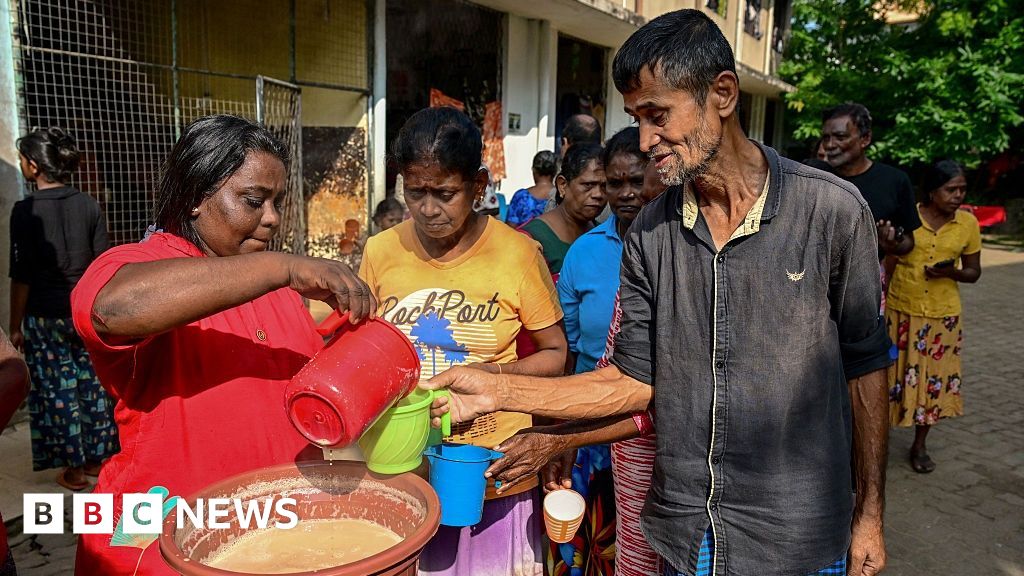
Flood crisis sparks youth-led volunteer efforts in Sri Lanka

Global Implications of Natural Disasters: Sri Lanka’s Battle Against Cyclone Ditwah

The recent devastation wrought by Cyclone Ditwah in Sri Lanka exemplifies how natural disasters are not merely humanitarian crises but also significant geopolitical turning points. With over one million residents affected, the island nation’s worst weather event in recent memory has exposed both the vulnerabilities and resilience of its societal fabric. Experts warn that climate-induced catastrophes will increasingly test the limits of nations like Sri Lanka, forcing a reevaluation of regional security and international aid strategies.

Analysts note that President Anura Kumara Dissanayake’s declaration of a state of emergency underscores the gravity of the crisis. The country’s military has swiftly deployed helicopters and rescue teams, with aid pouring in from around the world. However, questions about how the government handled weather warnings and preparedness are fueling political tensions, with opposition lawmakers accusing authorities of negligence. In a broader context, these internal conflicts threaten to undermine national unity at a critical moment, illustrating how a natural calamity can amplify political fractures. International organizations such as the United Nations are closely monitoring the situation, emphasizing that disasters like Cyclone Ditwah often serve as crucibles that reveal a nation’s capacity for social cohesion.

Within the country, grassroots activism has surged as communities rally to combat despair. In Colombo’s Wijerama neighborhood, volunteers—many previously involved in protests against the previous government’s economic mismanagement—are now channeling their energy into relief efforts, running community kitchens and organizing aid distribution.

  • Activists have compiled hundreds of requests for help, prompting a coordinated effort with authorities.
  • Volunteer groups have reactivated networks used during past crises, demonstrating a continuity of civil society’s resilience.

Despite the political discord at the national level, the people’s spirit of communal aid remains unbroken. Social media campaigns have created a public database of donations and relief needs, embodying a crucial shift from government-led to community-driven responses. As historians and analysts observe, this grassroots mobilization could serve as a template for future resilience, asserting the importance of civil society at a time when national institutions face scrutiny and criticism.

The international community continues to play a vital role, with foreign aid and humanitarian organizations providing critical supplies and expertise. Yet, the crisis in Sri Lanka also underscores the fragile geopolitics underscoring the region. With regional powers poised to influence recovery strategies, questions arise about how India, China, and Western nations will approach the evolving crisis—balancing aid, political interests, and regional stability. Historically, such environmental calamities have acted as catalysts for international intervention, but also as flashpoints for strategic competition, thereby reshaping the regional order.

As Sri Lanka faces an uncertain path to recovery, the lessons learned resonate far beyond its shores. The unfolding story of resilience amid chaos is a stark reminder that history is often written in moments of crisis, where societal bonds are tested and definitions of sovereignty are challenged. With each rescue, each act of solidarity, the island’s narrative blends into a larger tapestry of human endurance—yet the shadow of future storms looms large, urging the world to confront the reality that natural disasters are not on the decline, only escalating.

Indeed, the future hinges on whether nations will heed the warnings and act decisively or allow the currents of catastrophe and conflict to wash away the fragile hopes for stability. As history continues to unfold in Sri Lanka, the weight of the present demands that we recognize—

This is not merely a story of floods and rescue but a harbinger of the geopolitical shifts and societal transformations that define our era. The pages of history are turning, and it remains to be seen whether the forces of unity or division will dominate in this chapter of human resilience.

Teen Girl Dies in Minibus Crash Sparks Outrage in North Yorkshire

The recent fatal accident in North Yorkshire that claimed the life of a teenage girl has sent ripples through local communities and raised urgent questions about road safety, societal responsibility, and the impact of personal tragedies on national discourse. The collision involving a minibus carrying teenagers near Tadcaster underscores ongoing concerns over transportation safety, especially in regions where young lives are vulnerable. As details emerge, authorities have detained the driver of the Hyundai i10, a 40-year-old woman, marking yet another tragic chapter where individual decisions intersect with broader social issues.

Beyond the immediate tragedy, international analysts and public safety experts interpret this incident as a microcosm of larger systemic failures. Some argue that insufficient infrastructure investment or lax enforcement of traffic laws may contribute to such outcomes, highlighting a global pattern where youthful populations face heightened risks due to inadequate safeguards. The international community’s emphasis on developing safer transport networks, especially in regions with rising young populations in urban and rural areas, reflects a growing awareness that road safety is a critical component of national security and societal stability. Official statements from police serve as a stark reminder: every decision on the road has profound consequences, especially when lives are at stake.

  • School authorities have announced the immediate closure of Tadcaster Grammar School, citing safety concerns, a move that reflects broader societal anxieties about youth safety in a turbulent era.
  • The police appeal for witnesses and dashcam footage demonstrates the reliance on technology and community cooperation to piece together what happened, illustrating the modern challenges of law enforcement in the information age.
  • The incident comes amidst ongoing debates over public investment in transportation infrastructure and youth engagement programs aimed at preventing such tragedies, with some critics arguing that neglect in these areas directly exacerbates vulnerable situations.

At a geopolitical level, tragedies like these resonate with a disturbing awareness of how societal stability is intertwined with safe environments for young generations. Historians and global security analysts warn that repeatedly neglecting these issues can foster instability, as disillusionment and loss of faith in institutions may undermine societal cohesion. As nations navigate the challenges of economic development, social justice, and technological change, such setbacks serve as stark reminders that long-term prosperity requires a commitment to safeguarding the most vulnerable among us.

As the investigation continues and the community mourns, the shadows of this event stretch far beyond the borders of North Yorkshire. It underscores that humanity’s progress can be fragile, teetering on the decisions made in moments of crisis—decisions that carry the weight of history yet to be written. The question remains: will these tragedies serve as catalysts for meaningful change, or will they be forgotten until the next devastating event? The future remains uncertain, but one thing is clear: the fabric of society is only as strong as its commitment to protecting its children, and in the unfolding story of our age, each chapter reveals the enduring consequences of neglect and oversight.

Yermak Steps Down After Corruption Raid Sparks Crackdown

Ukraine’s Political Stability in Jeopardy Amid Corruption Scandal and Diplomatic Turmoil

In a development that has sent shockwaves through the international community and raised pressing questions about Ukraine’s internal stability, President Volodymyr Zelensky announced the resignation of his chief of staff, Andriy Yermak. The resignation follows a high-profile anti-corruption raid on Yermak’s residence in Kyiv, which analysts are assessing for its potential impact on Ukraine’s diplomatic negotiations and internal unity. Yermak, the long-standing confidant and a key figure in Zelensky’s administration, has played a pivotal role in steering Ukraine through the tumult of Russia’s ongoing invasion and the complex diplomatic efforts aiming for resolution. Despite not facing any formal charges, the raid symbolizes the heightened scrutiny, both domestically and internationally, on Ukraine’s fight against corruption—a persistent sore point that critics argue hampers Kyiv’s quest for legitimacy and stability amid war.

This diplomatic shake-up comes at a critical juncture, as Ukraine’s leadership faces mounting pressure from Western allies and U.S. officials to make concessions that could alter Ukraine’s territorial integrity. On the heels of Yermak’s departure, U.S. Secretary of the Army Dan Driscoll is scheduled to arrive in Kyiv to discuss President Donald Trump’s} recent push for a peace plan—an indication that international powers are intensifying efforts to broker a settlement that risks encroaching on Ukraine’s sovereignty. Kyiv’s leadership, under immense strain, has reiterated their stance that “no territory will be surrendered,” a line that echoes the steadfast resistance historically championed by Ukraine’s defenders. Nevertheless, analysts such as Dr. Robert C. H. Peters, an international security expert, warn that the window for diplomatic victory is narrowing, and inner political stability is crucial if Ukraine is to stand firm against external pressure.

Despite Ukraine’s official assertions of resolve, the scandal has exposed vulnerabilities within Zelensky’s government, leading to concerns about how internal discord may weaken their negotiating position. The continued conflict in the Donetsk region, where Russia demands the return of strategically vital cities, remains tense, with President Vladimir Putin warning that failure to withdraw by Kyiv could result in military escalation. Yermak’s remarks prior to the raid underscored the gravity of Ukraine’s stance, emphasizing that “as long as Zelensky is president, no one should expect us to cede territory,” encapsulating the indomitable spirit of Ukrainian resistance. The situation is further complicated by Russia’s relentless offensives and the international community’s divided response, which hinges on balancing diplomatic negotiations with the imperative to deter aggression.

As the dust settles over Kyiv and Moscow’s forces gird for further advances, the unfolding drama signifies more than mere political intrigue; it reflects the geopolitical stakes at play. Ukraine’s internal resilience, the capacity of its leadership to navigate scandals, and the international community’s resolve to support Kyiv are all critical factors in shaping the future of Eastern Europe. Facing an uncertain horizon, history may yet judge this moment as the early chapters of a new Cold War chapter—where the global order hangs precariously in the balance, and the fates of nations are dictated not only by soldiers but by the unseen battles of diplomacy and corruption. As the international spotlight intensifies, the weight of history presses down, reminding the world that the choices made today will echo through generations to come, defining the very fabric of freedom in a world teetering on the edge of chaos.

Australia Politics Live: Barnaby Joyce’s Potential Move to One Nation Sparks Buzz; AI 'Nudify' Service Hinders Aussies
Australia Politics Live: Barnaby Joyce’s Potential Move to One Nation Sparks Buzz; AI ‘Nudify’ Service Hinders Aussies

In a striking sequence of recent events, Australia stands at a pivotal crossroads, emblematic of broader global shifts impacting democracies and national sovereignties. The rumblings of political realignments within Australia, notably the potential defection of Barnaby Joyce from the Nationals to One Nation, underscore a period of intense internal dissent and ideological consolidation that could reverberate far beyond Down Under. As veteran analysts warn, such moves threaten to undermine established bipartisan consensus and potentially embolden populist and nationalist currents across the Pacific.

Meanwhile, the international community grapples with a darker shadow cast by the unchecked proliferation of AI-driven abuses. A recent crackdown by UK authorities on a company linked to “nudify” deepfake services illustrates how technological advancements—initially designed for entertainment or benign uses—are now being exploited to generate devastating child exploitation content. This global challenge highlights an urgent need for unified, comprehensive regulation of AI and digital services to prevent further societal harm. According to Australia’s eSafety commissioner, the company Itai Tech has been penalized and blocked from Australian users; a move hailed by advocates as a tangible step in combating online child exploitation. However, critics argue that without coordinated international efforts, such measures are only temporary repairs in a battle that demands systemic reform.

Geopolitical Ramifications ofInternal Political Shifts

The potential defection of Barnaby Joyce signals a substantive shift within Australian politics. Historically, such defections—while not unprecedented—are often precursors to wider realignments that challenge the stability of governing coalitions. Analysts warn that Joyce’s pivot could catalyze a broader realignment of populist sentiment, especially if it gains momentum among conservative voters galvanized by issues like environmental policy and national sovereignty. For the international community, a more fragmented Australian political landscape could slow progress on transnational issues such as climate change, trade, and regional security — crucial concerns given Australia’s strategic position in the Indo-Pacific.

Furthermore, the racial and cultural undertones often associated with One Nation might spark wider societal debates about multiculturalism, national identity, and the future trajectory of Australian values. According to regional security analysts, these internal shifts could impact Australia’s alliances with global powers, notably United States and China, by altering the political landscape and influencing Canberra’s foreign policy stance. Just as European nations face upheaval from populist surges, the Australian political scene’s current turbulence serves as an ominous warning of the fragility of consensus in democracies worldwide.

Technological Evil and International Responsibility

Simultaneously, the rise of AI-related malfeasance emphasizes the complex web of consequences that unchecked technological innovation can entail. The recent UK regulatory action against Itai Tech and the broader efforts by Hugging Face to halt AI model misuse exemplify a new frontier of international concern: digital misconduct transcending borders and aggravating societal vulnerabilities. The generation of child exploitation material via AI deepenfakes is not an isolated phenomenon but part of a disturbing pattern demonstrating how digital policies must evolve in tandem with rapid tech development.

Legal scholars and UN watchdogs warn that if nations do not craft cohesive, enforceable frameworks, the digital realm will remain a Wild West where predators operate with impunity. As Julie Inman Grant remarked, greater international cooperation is essential because, in the cyber age, the fight against abuse and exploitation cannot be restricted by national borders. Failure to act decisively risks ceding control of the digital universe to those who exploit its vulnerabilities for profit and power, condemning future generations to a digital dystopia rooted in societal decay.

The Unfolding Saga of Power and Society

The unfolding saga of political intrigue, technological peril, and societal resilience—encapsulated by Australia’s internal conflicts and the global fight against AI abuse—remains an enduring testament to the turbulent state of world affairs. As historians and international organizations observe with concern, the decisions made in these critical junctures will shape not only national destinies but also the fabric of global civilization. The weight of history presses heavily on the coming days, underscoring that the actions of leaders today are the chapters of tomorrow’s narrative: a story of resilience or ruin, unity or division—an epoch still in the making, with its destiny hanging in fragile balance.

Debate heats up as ‘Illegal Orders’ video sparks clash with Democrats over American patriotism

In an era defined by increasingly polarized politics, the dialogue surrounding patriotism has taken on new and contentious dimensions. Last week, a short yet provocative video emerged from six Democratic lawmakers—each with military or national security backgrounds—challenging the very notions of loyalty and obedience within the American military. By emphasizing the right—and perhaps the obligation—to disobey “unlawful orders,” these representatives sparked a firestorm in the political landscape. Their critique, whether seen as a call to uphold constitutional principles or as an act of political provocation, underscores a broader debate about the meaning of service, patriotism, and duty in contemporary America.

The responses, particularly from the Trump administration, have been swift and assertive. With Secretary of Defense Pete Hegseth and other officials scrutinizing whether these lawmakers violated military law, the situation has unfolded into a compelling example of America’s ongoing struggle over loyalty and loyalty’s limits. Legal experts like Rachel VanLandingham dismiss the possibility of a military law violation, describing efforts to recall lawmakers to active duty as “dead on arrival”—highlighting, perhaps, the disconnect between political rhetoric and the realities of military regulation. This controversy demonstrates that, in today’s climate, patriotism isn’t merely a matter of waving flags or attending rallies—it’s now intertwined with questions about the loyalty of those in power and their interpretations of the truth.

Meanwhile, the broader cultural narrative frames patriotism as a core element of American identity, especially within the Republican base. Popular icons like Donald Trump have long championed a vision of the United States as an exceptional nation, emphasizing strong national pride, military strength, and unwavering loyalty to the Constitution. His rallies, often set against the backdrop of patriotic anthems and American flags, serve as a reminder of the cultural importance of tradition and a sense of purpose—concepts that resonate with millions who believe that America’s greatness is rooted in a shared national pride. On the opposite side, polls reveal a stark divergence: only about 36% of Democrats consider themselves “extremely” or “very” proud to be American, compared to over 90% of Republicans. Such statistics underscore the cultural divide—the growing chasm between two visions of American identity.

In response to these shifts, many Democrats are attempting to reframe patriotism through a more inclusive lens—highlighting the importance of fighting for the country’s core ideals rather than a blind loyalty to leadership. Speeches by figures like Vice President Kamala Harris and the recruiting of military veterans into politics suggest that, on their side, patriotism is linked to ideals and the defense of constitutional values. Even as partisan sparks fly, the underlying reality remains: the journey toward understanding what it means to serve, to honor, and to be truly patriotic is increasingly a personal internal voyage, illuminated by the enduring desire to be part of something greater than oneself.

Ultimately, contemporary American lifestyle—shaped by the ongoing tension between tradition and change—invites a reflection: what will it take for the next generation to embrace their role as stewards of their nation’s legacy? It may be in embracing those disputed narratives and complex truths that young Americans can forge a meaningful, resilient identity. In a nation where symbols of unity are sometimes used more as battlegrounds than bonds, the challenge lies in cultivating a sense of purpose rooted not in division but in a shared vision of self-reliance, duty, and hope. As citizens and future leaders step into this ongoing story, they are invited to ask themselves: how will I carry the torch of patriotism without losing sight of my own authenticity and principles? The path forward is less about blind allegiance and more about heartfelt commitment—a journey that begins within us all, grounded in the indomitable spirit of American resilience.

Fifty children escape as gunmen’s mass school kidnapping in Nigeria sparks alarm

Flickers of Hope Amidst the Darkness of Nigeria’s Kidnapping Crisis

The recent mass abduction of schoolchildren in Nigeria has once again cast a shadow over a nation already battered by violence and instability. The daring kidnapping of over 300 students from St. Mary’s School in Niger state, and subsequent escapes of 50 of these children, signal a disturbing escalation in what international analysts describe as an ongoing crisis. Despite efforts by the Nigerian government, including the deployment of an additional 30,000 police officers, these criminal gangs—locally branded as bandits—continue to wield terror with impunity, revealing cracks in Nigeria’s security framework.

Experts like Dr. Samuel Okoye, a geopolitical analyst specializing in West African affairs, warn that the proliferation of kidnapping for ransom is not merely criminal enterprise but a test of state authority, exacerbating existing tensions within Nigeria’s multi-ethnic, multi-religious society. The wave of abductions, which now surpass the infamous Chibok incident of 2014—where 276 girls were seized—has reignited international concern. Such acts are not isolated but are symptomatic of broader upheavals involving Islamist insurgents, criminal syndicates, and communal conflicts fueled by competition over land and resources. The United Nations has expressed grave concern over the rise in violence, which threatens to destabilize the region further.

Geopolitical Implications and International Reactions

The Nigerian government’s response, which includes the closure of schools and redeployment of security forces, underscores the gravity of its crisis. Meanwhile, the U.S. and other Western nations have begun framing Nigeria’s instability within a global context of religious persecution—claims vehemently disputed by the Federal Nigerian government. Recently, President Donald Trump suggested intervening with military force in Nigeria, asserting that Christians face systematic persecution—a narrative that has sparked controversy and intensified geopolitical debates. Analysts argue such rhetoric risks further complicating Nigeria’s internal dynamics, where many victims are Muslims caught in ongoing jihadist conflicts primarily led by the Boko Haram insurgency, which has been battling the Nigerian state for over a decade.

This flashpoint in Nigeria echoes broader regional tension, with the Lake Chad Basin and Sahel zone serving as hotbeds for Islamist extremism, human trafficking, and illicit arms flows—further destabilizing neighboring countries. For international organizations like ECOWAS and AU, Nigeria’s safety is intertwined with regional stability. Many experts warn that without serious international cooperation and robust regional security strategies, the cycle of violence will persist, threatening to spill over borders and destabilize entire West African corridors.

How Decisions Shape the Future of Societies and Nations

The decision to assign additional security personnel, restrict movement, and close educational institutions marks a defensive approach—yet the root causes remain unaddressed. As historians observe, Nigeria’s history demonstrates that sustained, inclusive political reform is essential to long-term stability. The escalation of violence, the resurgence of religious and ethnic divides, and the chronic underfunding of governance structures suggest that crisis management alone cannot contain this tide of chaos. Instead, meaningful reforms that tackle systemic inequalities and foster community resilience are urgently needed. The unfolding story of Nigeria’s struggle against violent factions is a stark reminder of how fragile national sovereignty can be in the face of internal disorder.

As families mourn and hope flickers among the abducted students’ loved ones, the world watches a nation at a crossroads. The choices made today—whether through military action, diplomatic engagement, or reforms—will inscribe Nigeria’s legacy for generations to come. The darkness shrouding these kidnapping nightmares is compounded by the weight of history, and it remains to be seen whether Nigeria will rise from this abyss or succumb to the insidious forces that threaten to undo it. One thing remains certain: the pages of history are being written now, and Nigeria’s story is far from over.

San Francisco’s cherished cat’s passing sparks new Waymo scrutiny

In a stark reminder of the disruptive wave of autonomous vehicle technology, the recent death of a beloved neighborhood bodega cat named Kit Kat in San Francisco’s Mission District has ignited a fierce debate about the safety, accountability, and societal implications of driverless cars. The incident involved a Waymo robotaxi that ran over the feline, prompting community protests, memorials, and calls for regulatory reevaluation. This event underscores the urgent need for robust safety protocols and local or regional oversight in the emerging era of autonomous mobility.

Waymo, a major player in the autonomous vehicle ecosystem and a symbol of disruption in transportation, responded cautiously, citing that the incident was caused by a cat “darting under our vehicle as it was pulling away.” This explanation, however, has not assuaged community concerns, especially as local officials like Jackie Fielder advocate for a voter referendum on autonomous vehicle deployment. Fielder argued that the lack of human accountability in these self-driving systems creates significant risks—particularly for vulnerable populations—and emphasizes that regulatory gaps could have dire consequences for society. Her stance highlights a broader industry challenge: balancing technological innovation with urban safety and community trust.

This incident serves as a wake-up call for industry leaders and investors alike, emphasizing the pressing need for technological innovation in safety features. Experts predict that the future of autonomous mobility will hinge on integrating advanced sensors, AI-driven behavioral analysis, and fail-safe mechanisms to minimize accidents and deaths — especially in densely populated urban environments. Industry analysts at Gartner warn that failure to addressing these issues rapidly could hinder mainstream adoption, risking a potential backlash from regulators and the public. Companies like Waymo and rivals must accelerate their push into Disruptive safety technologies, which could redefine the entire industry landscape and unlock new business markets by establishing AI ethic standards and regulatory compliance frameworks.

Looking ahead, the transformation of urban transportation through autonomous vehicles promises unparalleled opportunities for disrupting traditional traffic paradigms, reducing emissions, and enhancing mobility. Yet, the incident in San Francisco illuminates a need for urgent innovation – not just in AI capabilities but also in societal and regulatory adaptation. As Elon Musk and Peter Thiel have long predicted, the next decade will determine whether autonomous tech becomes a societal enabler or a flashpoint for conflict and risk. Industries and policymakers must act swiftly—harnessing the potential of breakthroughs like real-time AI safety monitoring and accountability mechanisms—to ensure that urban mobility evolves responsibly. The future of autonomous vehicles will be written on this battleground of trust, innovation, and governance, and it is clear that the stakes have never been higher.

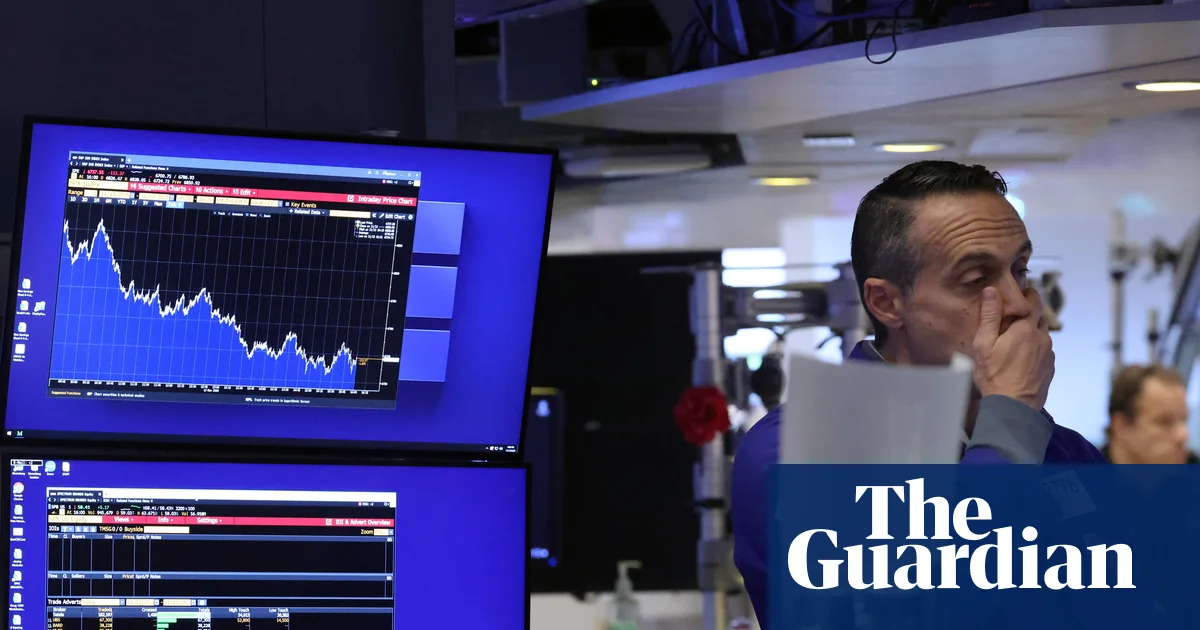
Global Markets tumbling as Tech Slumps and China's Economy Sparks Worries
Global Markets tumbling as Tech Slumps and China’s Economy Sparks Worries

The world economy finds itself at a critical juncture, as recent trading sessions reveal a landscape marked by volatility and uncertainty. Across continents, markets have responded sharply to a confluence of economic signals, geopolitical shifts, and internal political crises. The FTSE 100 in UK experienced a significant dip of 1.1%, closing near the 9,700-point threshold as banking giants like Barclays, Lloyds, and NatWest fell between 2.7% and 3.6%. Despite earlier hopes that the index might breach the 10,000 mark, signals from political circles—particularly the abandonment of the planned income tax hike—destabilized investor confidence. Meanwhile, the pound weakened against the US dollar, illustrating the deepening impact of fiscal indecision on the British economy.

Across the Atlantic, US markets displayed similar trepidation. Despite a brief rally, the S&P 500 and Dow Jones faced downward pressure, with the Nasdaq Composite falling as much as 1.8%, then rebounding slightly by the end of the day. Wall Street investors appeared preoccupied with two dominant concerns: the lingering government shutdown—the longest in US history—and the reevaluation of artificial intelligence sector valuations. Notably, Nvidia, a titan in AI technology valued at $4.5tn, saw its stock tumble 3.6%, reflecting a broader sector reassessment, particularly following SoftBank‘s decision to liquidate its entire stake.

This adjustment in technological valuations sent shockwaves through Asian markets as well. In Japan’s Nikkei, stock prices declined by 1.8%, while South Korea’s Kospi plunged 2.6%, and Australia’s equities fell 1.5%. The decline was driven partly by fears that the recent tech sell-off in the West signals a cooling economy with repercussions extending beyond regional borders. An expert from the International Monetary Fund noted that the persistent collapses reveal a fragile confidence in long-term growth prospects, exacerbated by geopolitical tensions and unpredictable fiscal policies. Meanwhile, China’s economic data revealed a distressing picture: *record* drops in fixed-asset investment, totaling a 1.7% decline for the first ten months of the year. The CSI 300 fell by 0.7%, with Hong Kong’s Hang Seng and Taiwan’s Taiex dropping by 0.9% and 1.4%, respectively—signs of a dawning slowdown that could ripple globally.

Amid these tumultuous shifts, attentions are keenly focused on *how* the United States manages this economic turbulence. The ongoing shutdown has stymied key data releases, heightening uncertainty over the direction of monetary policy. Some analysts warn that this could force the Federal Reserve to reconsider rate cuts already factored into markets, which could further dampen investor sentiment. Experts like Jim Reid from Deutsche Bank warn of a *volatile week*, marked by balancing relief over the shutdown’s end with cautious optimism about AI valuations and 📉dovish signals from the Fed. Meanwhile, UK markets and politicians face their own political headwinds, with Rachel Reeves’s repudiation of the income tax hike fueling speculation about future fiscal stability.

This confluence of economic fragility and political unrest sets the stage for a *turning point* in global history. As nations grapple with internal disarray and external shocks, the world’s geopolitical fabric undergoes a quiet but inexorable transformation. Some see this as the prelude to a new era—one marked by instability but also ripe for profound change. The decisions made today—about debt, trade, and governance—will echo for generations. The weight of history presses ever harder, suggesting that this volatile epoch is not merely a passing storm but the forge of a new geopolitical order, where resilience and adaptability will determine the future of nations and peoples.

Social Media Auto Publish Powered By : XYZScripts.com