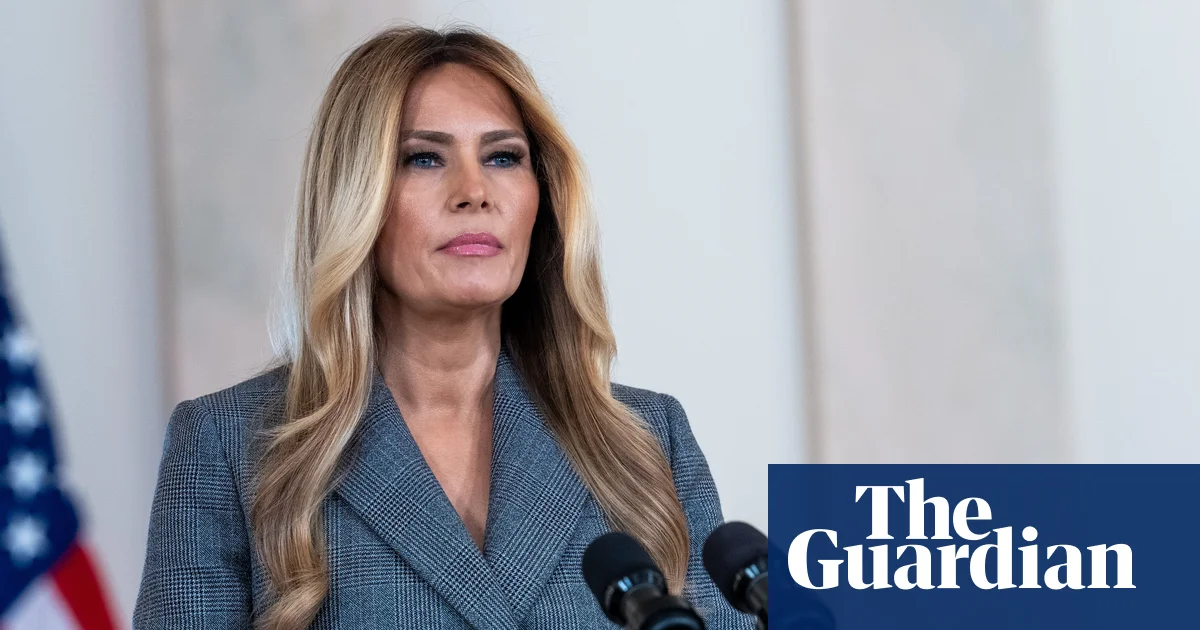

International observers are watching with keen interest as the United States navigates a complex tableau of internal political fallout scattered across multiple crises. Central to this turbulence are recent events surrounding the Jeffrey Epstein scandal, which reignited last week with a startling public stance from Melania Trump. Her impassioned denial of any relationship with Epstein, coupled with calls for congressional hearings into survivor testimonies, signals a strategic move that could ripple well beyond American borders. As domestic political infighting intensifies, the broader geopolitical impact becomes increasingly palpable, affecting allied nations and global institutions concerned with stability and the rule of law.
Commentators and international watchdogs speculate that the Epstein revelations hold the potential to undermine the current administration’s credibility, especially as questions swirl around Donald Trump’s own associations and decisions.
- The timing of Melania’s public stance, ahead of looming congressional hearings, raises questions about internal dissent within the administration and possible shifts in its political trajectory.
- History suggests that scandals involving influential elites—particularly linked to elite circles and political power—can have far-reaching consequences for national security and diplomatic relations.
- Some analysts argue this could open a window for opponents or foreign actors seeking to destabilize pre-existing U.S. alliances by exploiting internal division.
Prominent voices from academia and international organizations warn that these developments could reconfigure the landscape of international diplomacy. Experts like Dr. Helen R. Thomas, a geopolitical analyst, see the ongoing controversy as an example of how internal scandals may weaken America’s influence amid global competition. Meanwhile, the WHO and other multinational agencies remain watchful, noting that internal destabilization often emboldens autocrats and geopolitical adversaries, potentially derailing coordinated efforts on pressing international issues. The actions of U.S. lawmakers and the media will significantly influence how the world views American stability and reliability in the years to come.
As history continues to unfold with each disclosure, the weight of the moment remains heavy. The narrative that emerges in the coming weeks could either solidify a path toward accountability or accelerate a descent into chaos that rivals past geopolitical upheavals. What lies beneath these revelations may ultimately determine whether the United States can repair its fractured polity or fall victim to internal strife that spills over, shaking the foundations of the global order. The world watches, waiting for a pivotal turning point—a moment where history’s pen might finally be poised to rewrite the future, or perhaps, confirm its tragic fall into an epoch of turmoil and uncertainty.