Matox News

Truth Over Trends, always!

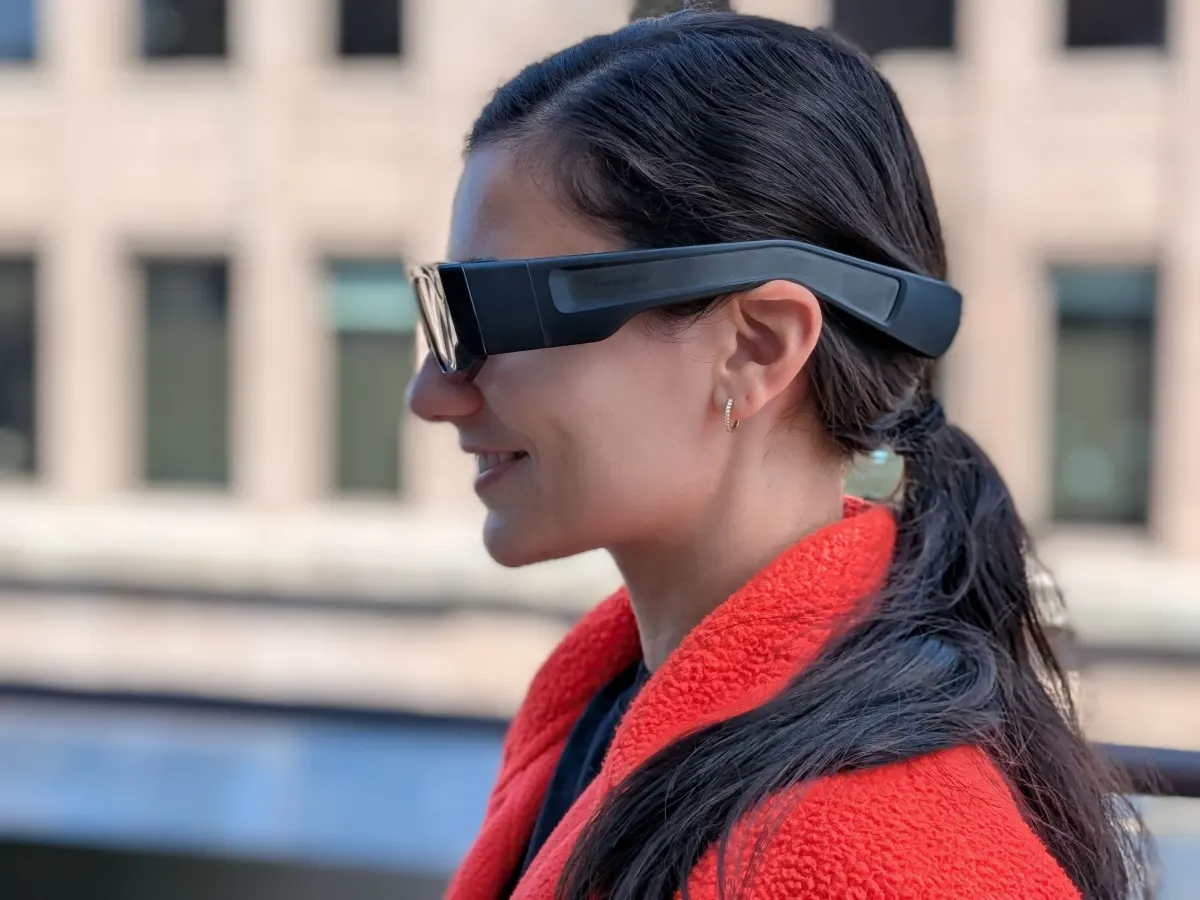
Snap’s AI Glasses Are Back — Ready to Power the Next Gen?

Innovative Leap: Snap‘s AR Glasses Enter a New Era with Qualcomm Partnership

In a move set to disrupt the burgeoning augmented reality (AR) landscape, Snap Inc. has announced a strategic partnership with Qualcomm, signaling a renewed push towards mainstream adoption of its AR glasses, formerly known as Spectacles. The collaboration leverages Qualcomm’s Snapdragon XR platforms, a family of system-on-a-chip solutions optimized for augmented and virtual reality devices. This union underscores the growing importance of hardware-software integration in the pursuit of immersive digital experiences, with industry analysts such as Gartner emphasizing that the next wave of consumer tech will be driven by hardware ecosystem innovation.

The significance of this partnership transcends mere product development; it embodies a broader shift toward **disruption of the traditional tech hierarchy**. Snap’s decision to spin off a dedicated entity for Specs demonstrates a focused approach to capture market share within the rapidly evolving AR sector. The move aligns with trends identified by institutions like MIT’s Media Lab, which highlight that on-device AI and multiuser digital environments represent the core of next-generation wearable computing. Snap aims to capitalize on this, emphasizing its commitment to integrating cutting-edge graphics, AI, and social connectivity into a compact form factor, with expectations that the new Spectacles will redefine user interaction and digital presence.

Market Implications and Future Outlook

The ongoing development of Snap’s AR glasses comes amid increasing competition from giants like Apple, Facebook (Meta), and Google – all investing heavily in wearable AR technology. The company’s pivot towards a developer-centric, iterative approach—having previously limited Spectacles as a consumer product—aims to position Snap as a pioneer in **multiuser AR environments**, essential for the evolution of social media, gaming, and enterprise sectors. Furthermore, Snap’s move anticipates a market that Gartner forecasts will see augmented reality hardware surpass $100 billion in revenue within the next five years, driven by innovation and strategic partnerships.

  • Key features: on-device AI, high-performance graphics, social connectivity capabilities
  • Disruption potential: redefining social interaction, creating new monetization avenues, challenging established tech giants
  • Business milestones: partnership with Qualcomm, focus on developer ecosystem, phased rollout of Spectacles

In the broader industry context, these advancements exemplify a **paradigm shift** where hardware capabilities, powered by Qualcomm’s advanced chipsets, integrate seamlessly with AI and multi-user platforms, fostering a new era of digital interaction. Elon Musk’s ventures into Neuralink and Peter Thiel’s investments in emerging tech bolster the narrative that disruption is accelerating at an exponential rate. Companies that prioritize **innovation and agile ecosystem development** will likely dominate the next decade’s AR landscape.

As Snap accelerates towards the upcoming release of its Spectacles, the industry faces an urgent call to action: **staying ahead in this rapidly evolving ecosystem demands relentless innovation and strategic partnerships**. The race to shape the future of immersive tech is intensifying, and those who lead today’s breakthroughs will determine the digital topography of tomorrow. With this partnership, Snap reinvigorates its ambitions, signaling that **the future belongs to those who dare to disrupt and redefine reality itself**.
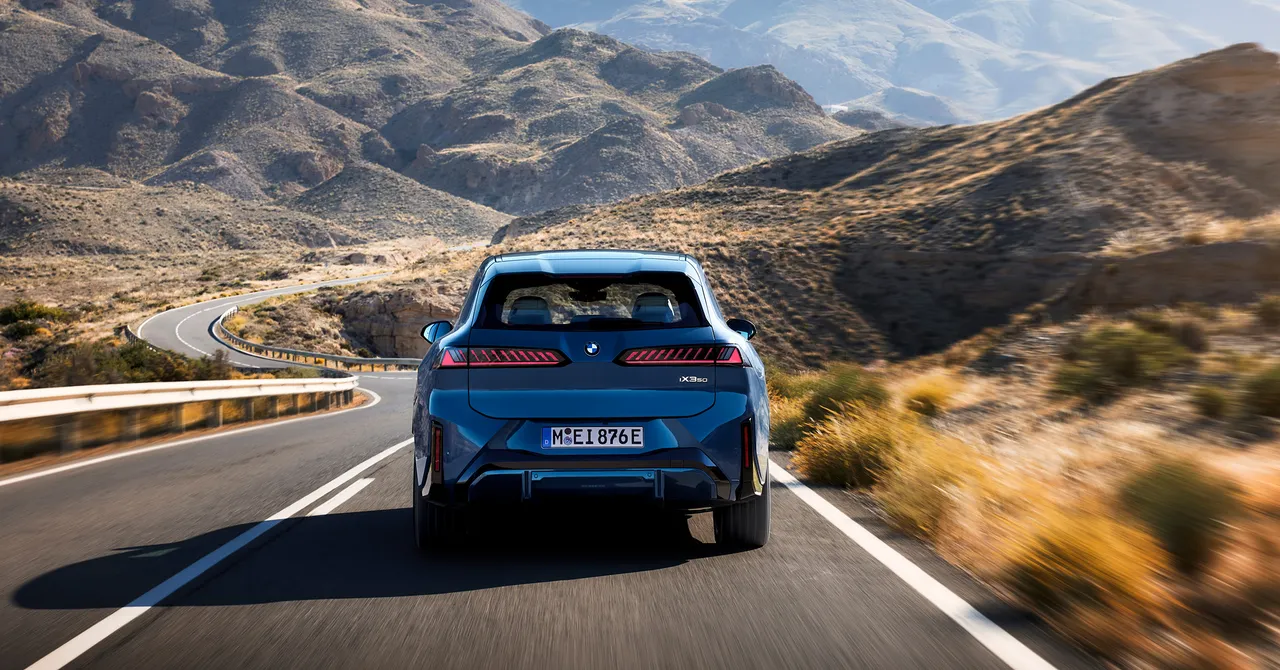
BMW iX3 2026 Unveiled: Specs, Price, When to Get Yours

BMW Unveils First EV on Revolutionary Platform Amid Global Car Industry Disruption

In a landmark milestone for European automaker BMW, the company’s inaugural electric vehicle (EV) utilizing its innovative new platform has officially arrived on the market. This launch signals a strategic pivot toward disruption in the automotive industry, where traditional giants are racing to out-innovate domestic and international competitors, especially China’s rapidly expanding EV ecosystem. BMW’s entry aims to combine cutting-edge battery technology, high-performance charging infrastructure, and a newly developed driving intelligence system to deliver an unparalleled driving experience.

The new model centers on a set of features designed to challenge the supremacy of Chinese EV manufacturers, who are swiftly gaining ground both in innovation and market share. With a range exceeding industry expectations, rapid charging capabilities—achieving a significant charge within minutes—and an AI-driven driver assistance system, BMW is positioning itself as a serious contender in the global EV race. Industry analysts from Gartner and MIT emphasize that these innovations are critical to capturing the market’s future, where disruption is driven by relentless advancements in battery tech, AI, and charging infrastructure. As Peter Thiel and Elon Musk have repeatedly warned, the race for technological dominance in EVs is fundamentally a strategic battleground that will determine the economic winners of tomorrow.

Corporate strategists highlight that BMW’s new electric platform is not merely incremental; it represents a paradigm shift in manufacturing and vehicle performance. The platform is built to be highly scalable and adaptable to new technological innovations, such as solid-state batteries and autonomous driving systems. Not only does this reflect BMW’s commitment to innovative disruption, but it also signals a broader industry shift towards software-defined vehicles—a domain where tech-savvy competitors, particularly Chinese firms, are making massive strides. BMW’s challenge is to leverage this technical edge while navigating the complex geopolitical and market dynamics that favor rapid innovation and aggressive market entry.

From a business perspective, the launch underscores a new era of competition and innovation in the EV space, with potential ramifications for supply chains, global manufacturing hubs, and automotive leadership. Industry insiders note that market shifts towards EVs are accelerating faster than traditional automakers anticipated, driven by consumer demand for sustainability and technological prowess. The key question is whether BMW’s focus on long-range capabilities and advanced charging tech will be enough to outpace Chinese and American rivals, who often benefit from state-backed R&D and aggressive subsidies. The company’s strategy also entails bolstering its ecosystem around the new platform—integrating charging networks, AI-driven features, and next-generation batteries—creating a moat that could redefine premium EV offerings.

Looking ahead, the automotive industry stands at a pivotal juncture where technological innovation, geopolitical considerations, and consumer preferences weave a complex tapestry of competition. As the market evolves rapidly, factors such as battery innovation, AI sophistication, and charging infrastructure will determine which players dominate the landscape. The arrival of BMW’s first EV on its revolutionary platform exemplifies a broader global shift: traditional automakers are no longer merely playing catch-up, but are actively redefining the rules of the game. In this fiercely competitive environment, timing, strategic investment, and relentless innovation will be the new currencies of success—and those who fail to adapt risk being left behind in the dust of disruptive change.

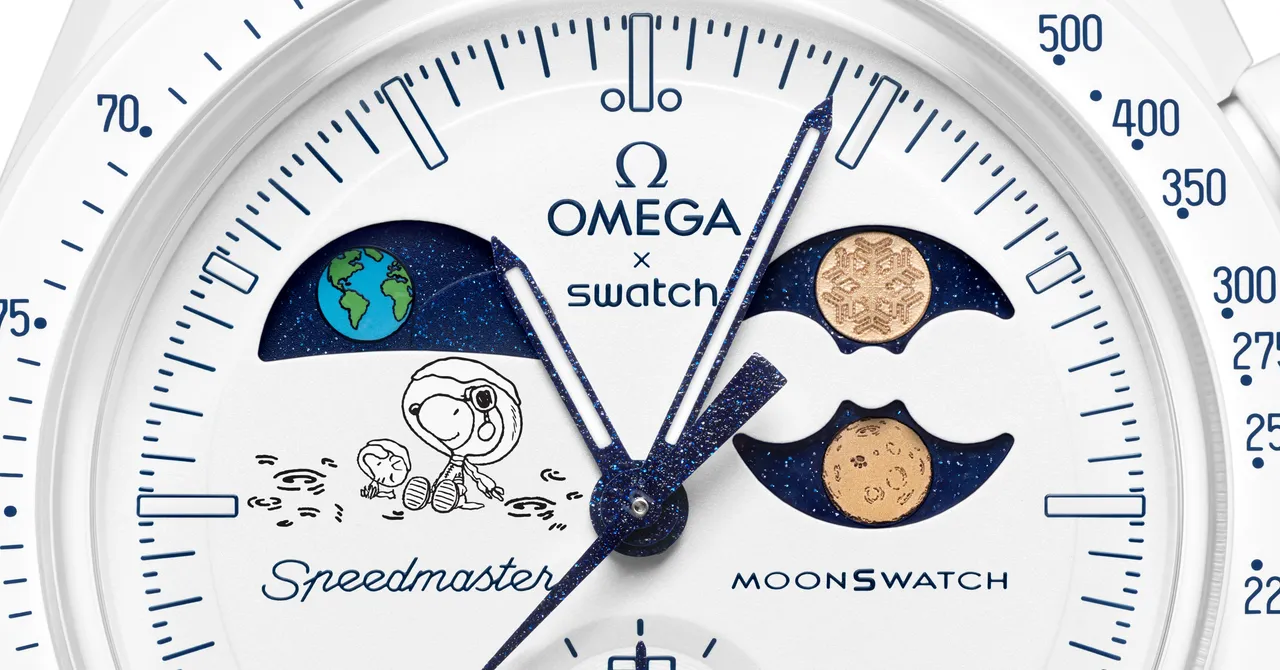
Swatch MoonSwatch Earthphase Moonshine Gold: Price, Specs & How to Get It

Swatch’s MoonSwatch Continues to Disrupt Traditional Watch Industry, Signals a Tech-Driven Future

The watch industry is experiencing a seismic shift driven by innovation and disruption, with Swiss giant Swatch once again leading the charge. The company’s MoonSwatch collection, a remarkable fusion of horological craftsmanship and mass-market savvy, has revolutionized how consumers perceive and purchase high-end timepieces. Despite its playful, affordable appeal—priced at just $285—MoonSwatch is netting hundreds of millions of dollars in sales, threatening traditional luxury brands’ dominance. This strategic move exemplifies how industry giants are leveraging unique collaborations and branding to harness a new era of consumer engagement.

The product itself is a testament to innovative market disruption. The collection melds Swatch’s bioceramic materials—a sustainable, lightweight composite—with design elements inspired by Omega’s iconic Moonwatch, creating a hybrid product that appeals to both nostalgia and modern sensibilities. Features such as

  • Playful hidden messages revealed under UV light
  • Customizable straps and aesthetic variants
  • Limited editions with unique moon phase displays

highlight Swatch’s strategic use of innovation not just in product design but in consumer experience.

Current industry leaders, like Gartner analyst Dr. Lisa Lopez, underscore the impact on the traditional luxury watch sector. She notes that this disruption is driving a wave of business model innovation, where quick-to-market collaborations and digital appeal threaten the long-standing exclusivity of haute horology. Additionally, Elon Musk’s ventures into mass-market wearables and MIT’s research into smart accessories further illustrate the trend toward integrating technology seamlessly into daily fashion. These developments push the market towards a landscape where disruption and innovation are no longer optional but essential for survival.

Despite the playful aesthetic, the MoonSwatch’s success with younger demographics signals a broader market shift. Industry shifts towards accessible luxury, combined with emphasis on sustainability and technological integration, are redefining the horizon. Swatch’s recent release of the Moonshine Gold Cold Moon model, featuring intricate moon phase mechanics with golden snowflake accents, exemplifies this trend. The release not only demonstrates technological innovation but also highlights the importance of timely, culturally resonant products that generate buzz and brand loyalty. As Peter Thiel often emphasizes, the pace of innovation is accelerating, and companies that fail to adapt risk being left behind in the dust of incumbents driven by tradition.

The future of the watch industry rests on how well brands can blend disruption, innovation, and consumer-centric strategies. Market watchers and tech innovators alike agree that the upcoming decade will be pivotal, with rapid advancements in materials science, smart tech, and augmented reality poised to redefine what a watch can be. The critical takeaway? In an era marked by unprecedented technological disruption, remaining passive is a path to obsolescence. Forward-looking companies must harness the full potential of technological innovation, disrupt traditional paradigms, and stay ahead of the consumer curve—because the next wave of market leadership hinges on their ability to do so.

Social Media Auto Publish Powered By : XYZScripts.com



