
Matox News

Truth Over Trends, always!

“They Tried to Break Me: My Bold Ride in the Speed Puzzling Showdown | Well, Actually”

In a world increasingly driven by instant gratification and digital entertainment, a fascinating lifestyle shift is quietly unfolding—one that champions patience, precision, and mental agility. Enter speed jigsaw puzzling, a burgeoning competitive sport that bridges the worlds of leisure and high-level skill. Originating in the US during the 1980s, the community experienced a renaissance during the COVID-19 pandemic, with online platforms like speedpuzzling.com propelling enthusiasts nationwide into a new kind of challenge. Today, national championships in places like Atlanta gather over 1,600 participants, proof that this hobby has transformed into a vibrant, fast-paced movement with a dedicated following across generations and backgrounds.

The phenomenon illustrates an unprecedented convergence of mindfulness and competition. Competitors—ranging from PhD students to middle schoolers—are discovering that, beyond casual pastimes, puzzles can serve as a tool for personal impact—sharpening cognition, fostering community, and even offering inspiration. The community is noted for its friendliness; amid fierce rounds, camaraderie shines through in fist bumps, high-fives, and supportive chatter. The diversity is striking: women constitute about 80-90% of puzzlers, yet the scene is rapidly welcoming new demographics, including kids like Conner from Texas, whose blistering times push the limits of speed and skill. As wellness expert Dr. Daniel G. Amen emphasizes, engaging in such focused, challenging activities nourishes mental health by cultivating patience and perseverance, essential virtues in today’s fast-moving age.

During these events, the intensity is palpable yet respectful; every piece placed is a victory shared with others, and each puzzle assembled is more than just a task—it’s a story of transformation and dedication. From initial nervousness to eventual triumph, participants experience an inspirational journey that underscores the value of deliberate practice and resilience. As spectators watch young prodigies like Alice Rowe or the spirited team “Three And A Half Men” claim victory, one realizes that the future of this sport may be brighter with youth divisions, fostering talent and enthusiasm. This rising trend reflects a universal truth: that embracing challenges, however simple they may appear, can lead to complex personal growth. The world of speed jigsaw puzzling shows us that amid the chaos of daily life, slow and steady—paired with a passionate community—can truly pave the way to a fulfilling lifestyle.

  • Seek out local or national competitions to experience the adrenaline firsthand.
  • Build a dedicated workspace—organized and distraction-free—to enhance focus and efficiency.
  • Follow wellness experts’ advice on mental agility activities to complement your puzzling journey.

As the story of speed jigsaw puzzling unfolds, it offers a profound reflection: in embracing a pastime that advocates patience, precision, and community, we embrace a journey to self-improvement. In a society often hurried, this movement encourages a beacon of calm and purpose. Every piece, every challenge, becomes a metaphor—an invitation to look more closely, think more deeply, and connect more meaningfully. Ultimately, the art of puzzle-solving reminds us that life itself is a complex mosaic—best appreciated one piece at a time, with dedication and passion guiding the way.
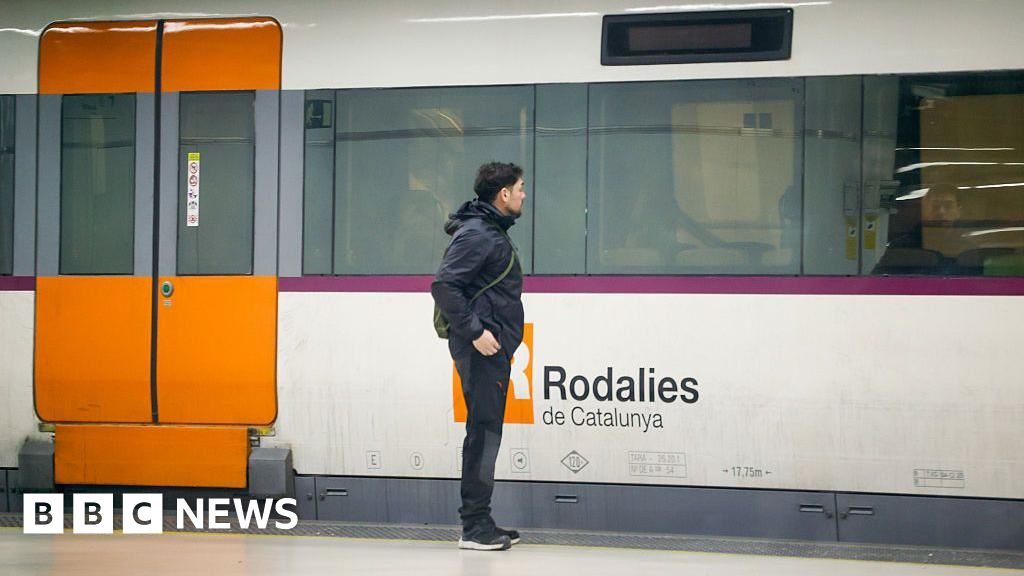
Spain cuts speed limit on key train line following safety flaw

Spain Faces a Rail Crisis as Safety Concerns Shake the Nation

The recent crises plaguing the Spanish rail system have thrust the country into a state of heightened alert and uncertainty, highlighting deep-seated questions about infrastructure integrity, government accountability, and the broader implications for European security. In the wake of the tragic accident in Adamuz, which resulted in 45 deaths, authorities have responded with drastic measures—most notably, the speed reductions along key high-speed lines, a move that underscores the fragility of Spain’s once-celebrated rail network.

Transport authorities, led by Minister Óscar Puente, announced the temporary lowering of speeds on the Madrid-Barcelona high-speed corridor—a crucial artery for Spain’s economy and mobility—from 300 km/h to a mere 80 km/h. This decision reflects mounting concerns over technical failures and aging infrastructure, with inspections revealing cracks and weld failures on recently renovated tracks. Such technical lapses not only jeopardize passenger safety but threaten Spain’s image as a leader in high-speed rail technology, which was once heralded as a testament to the country’s modernity and ingenuity.

Adding fuel to the fire, the Rodalies regional line in Catalonia has become a battleground of safety protests, service disruptions, and political contention. After the tragic loss of a trainee driver, the service was grounded amid demands for improved safety standards. The Catalan Republican Left (ERC) labeled the decades of neglect and underinvestment as the root cause of the current crisis, emphasizing how political disinvestment and bureaucratic complacency are putting lives at risk. Meanwhile, the Spanish government is under mounting pressure, with Prime Minister Pedro Sánchez scheduled to face Congress on 11 February to address the nation’s mounting concerns—a move seen by many as a deflection and a test of his administration’s resolve.

The investigation into the Adamuz derailment reveals unsettling details: a 40-centimeter section of track, welded together from pieces manufactured decades apart, likely caused the fatal derailment. Despite recent renovations and technical reviews, the weld’s failure exposes systemic flaws in Spain’s infrastructure oversight, raising fears that similar issues may lurk elsewhere in the network. International safety standards, lauded by global organizations like Transport Canada and European Railway Agency, mandate rigorous inspections—yet, the failure to prevent this tragedy indicates a troubling deviation from best practices.

Analysts warn that these failures have *geopolitical implications* extending beyond Spain’s borders. As a member of the European Union, Spain’s technological and safety lapses threaten the continent’s broader transit and security frameworks. Many voice concern over the potential for international confidence erosion, jeopardizing future investments and partnerships. Historians caution that this crisis echoes past errors: the cost of neglecting critical infrastructure in pursuit of innovation. As Spain grapples with its railway woes, the world watches, awaiting a response that will determine whether this once-proud nation can reclaim its reputation—or be remembered as a cautionary tale of hubris and neglect in an era when infrastructure is the backbone of sovereignty and resilience.

Social Media Auto Publish Powered By : XYZScripts.com



