Matox News

Truth Over Trends, always!

Super Bowl Spotlight: Bad Bunny, Must-See Ads, and the Cultural Vibe—But Forget the Game? | Culture

Every year, the Super Bowl emerges not merely as a pulsating showcase of athletic prowess but as a profound cultural phenomenon, echoing the depths of American identity and societal values. It is a spectacle that transcends the sport itself, serving as a mirror to the nation’s soul—its contradictions, its aspirations, and its enduring traditions. Just as Ortega y Gasset envisaged culture as the collective memory shaping society’s self-understanding, the Super Bowl acts as a grand reflection of an evolving cultural narrative rooted in independence, innovation, and spectacle. From the elaborate halftime shows to the spectacle of advertisements, each element underscores a national identity that celebrates resilience, innovation, and shared memory—a kind of modern mythos that binds the populace in a communal act of remembrance and anticipation.

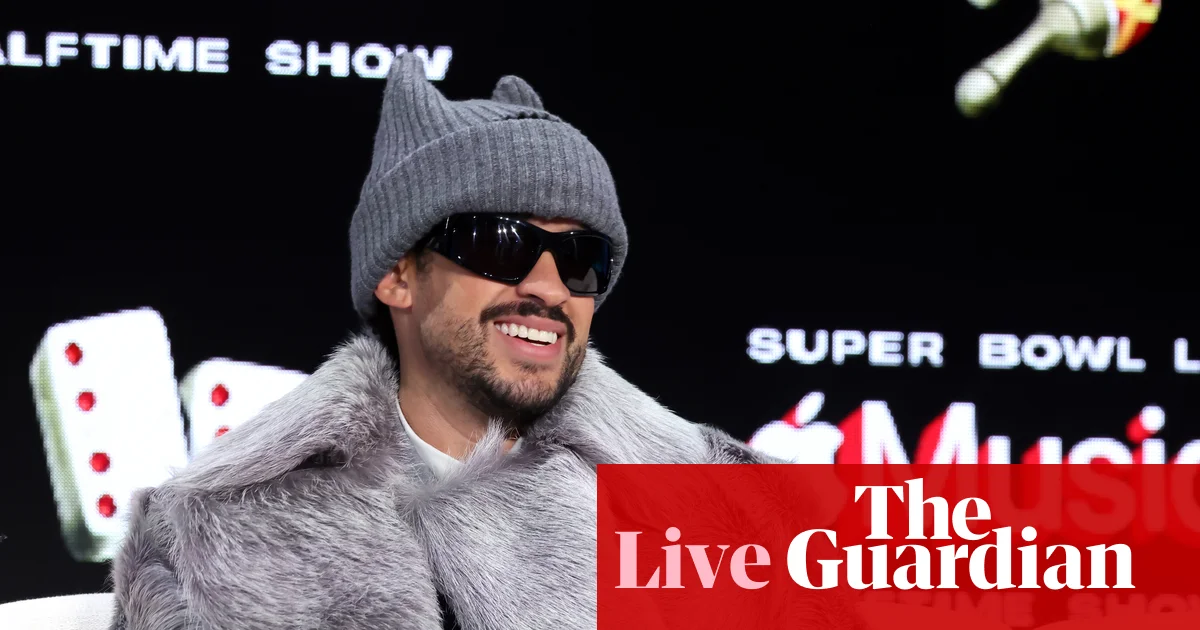
Beyond the roaring crowds and televised commercials, there is a layered dialogue between tradition and modernity, a dynamic that echoes the cultural shifts explored by historians like Tocqueville, who observed how American democratic taste shapes its cultural expressions. This annual event has become a battleground not only for sportsmanship but also for ideological contestation; as the cultural icons such as Bad Bunny take center stage, their performances resonate with a deeper message about cultural hybridity and the transnational currents that shape modern identity. The controversy around Bunny’s candid political remarks illustrates that even in moments of entertainment, culture remains a site of debate—an arena where societal values are both reaffirmed and challenged. These performances are more than entertainment; they are symbolic acts that speak to the ongoing struggle to define what it means to be American in an increasingly globalized world.

The commercials, often the most eagerly scrutinized component of Super Bowl Sunday, reveal the commercialized yet deeply ingrained desire for connection and shared values. History has shown us that advertising is a reflection of societal desires and anxieties, a truth echoed by critics such as G.K. Chesterton who warned against the commodification of culture. Today, the obsession with artificial intelligence or “AI slop” showcased in these advertisements symbolizes our collective grappling with technological change—a form of mirroring Dante’s idea of modernity as a mirror of the divine or diabolic. These ads, with their levity and satire, serve as cultural markers, punctuating the night with messages about innovation, consumerism, and even cultural integrity, reminding us that society’s future is written in its capacity to interpret and integrate the new while honoring the old.

As the night turns to dawn, and the echoes of drums and cheers fade into memory, the enduring truth remains: culture is not merely entertainment; it is the living, breathing history of a people—its memory and prophecy intertwined. The Super Bowl exemplifies this duality: a festival of tradition underpinned by the spectacle of constant change, where each lyric, each commercial, each performance contributes to the ongoing saga of a national identity in flux. Human civilization, after all, is a cyclical narrative—where memory and prophecy dance in the shadows of eternity. And in this dance, we find that culture is the voice of humanity, speaking across generations, whispering that we are both the inheritors of a storied past and the architects of an unforeseen future.
Next-Gen Stars Shine: Rising Athletes Steal the Spotlight in Thrilling Weekend Competitions

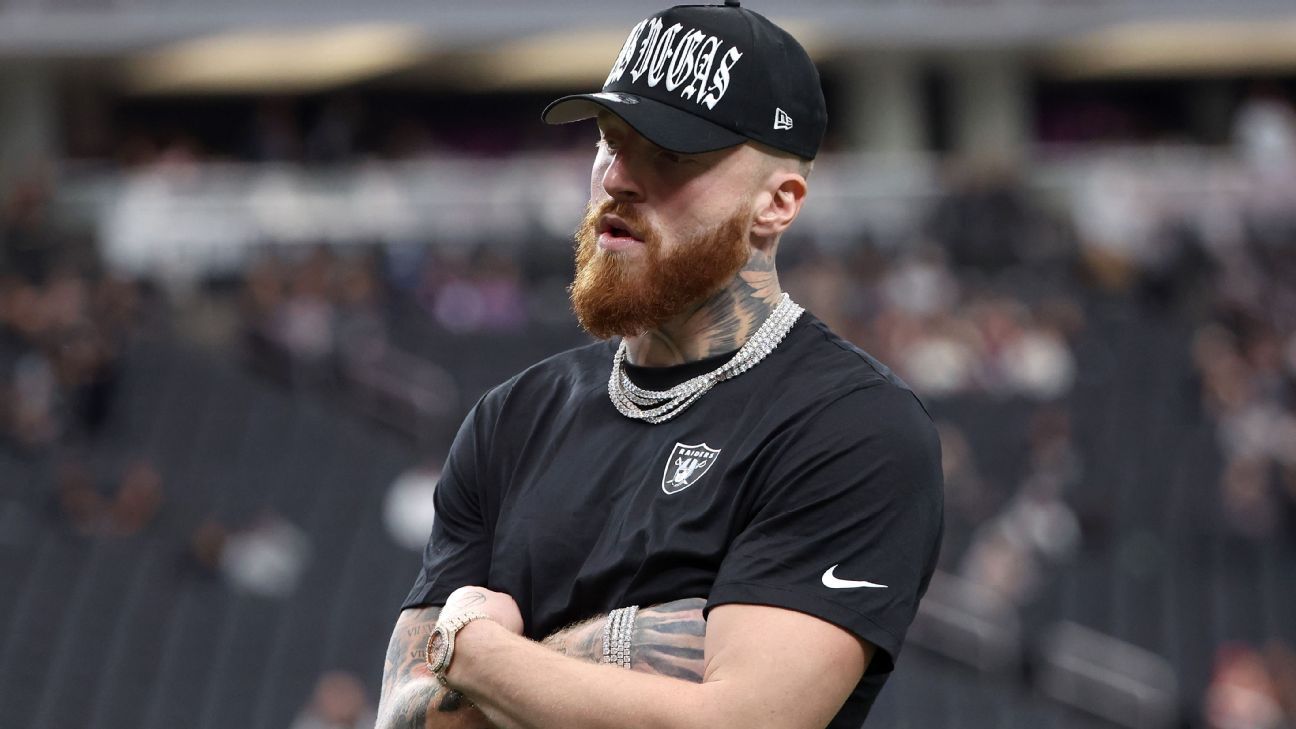
Maxx Crosby’s Commitment to the Raiders: Setting the Record Straight

In an important press conference held on Friday, Las Vegas Raiders star pass rusher Maxx Crosby categorically dismissed speculation that he desires to leave the team. Amid increasing rumors and discussions surrounding his future with the franchise, Crosby made it clear that any talk of wanting out did not originate from him. This statement not only casts a spotlight on his loyalty but also underscores the evolving dynamics within the Raiders community.

During his address, Crosby stated, “I’m all in for this team. My focus is solely on helping us win.” The 25-year-old defensive standout is coming off a career year, having tallied 54 tackles and 8.5 sacks, proving to be an integral part of the Raiders’ defensive strategies. Coach Josh McDaniels commented on Crosby’s commitment: “He is a cornerstone of our defense and someone we’ve built around.” The Raiders organization recognizes the value that Crosby brings, not just in play but also as a leader.

The questions surrounding Crosby’s future came as the team prepares for a pivotal offseason, aimed at enhancing their roster and solidifying their position within the challenging AFC West. Analysts and commentators have pointed out that with stars like Patrick Mahomes of the Kansas City Chiefs and Justin Herbert of the Los Angeles Chargers within the division, the Raiders must leverage their talents effectively. NFL analyst Mike Florio highlighted, “Crosby is a game-changer. Keeping him in Las Vegas is crucial for their ambitions.”

In conclusion, the declaration from Maxx Crosby not only serves to reinforce his personal commitment to the Raiders, but also encapsulates a broader narrative that resonates throughout sports: the power of unity and passion. As teams prepare for the upcoming season, the stories of loyalty and determination will undoubtedly shape the landscape of the NFL, making it clear that, while the scoreboard may reflect victories and losses, the true essence of sports lies in the connections forged among players, fans, and communities. In these moments, we find a shared spirit that transcends wins and losses, reminding us all why we love the game.

Source link

Rising Stars Shine: Young Athletes Steal the Spotlight in Thrilling Championship Showdown

The Twins Part Ways with Derek Falvey: A New Chapter for Minnesota Baseball

In a surprising turn of events, the Minnesota Twins have announced a mutual separation from their president of baseball and business operations, Derek Falvey, effective immediately. This decision marks a significant shift for the Twins, a franchise seeking to redefine its path in an increasingly competitive Major League Baseball landscape. The announcement came on Friday, catching many fans and analysts off guard as Falvey had been with the organization since 2016.

Under Falvey’s leadership, the Twins experienced a brief resurgence, particularly with their playoff appearances in 2017 and 2019, but the team has struggled to find consistent success in recent years. As the club transitions into a new era, it is important to reflect on both the achievements and the challenges of Falvey’s tenure. The Twins, once perennial contenders, have faced difficulties in recent seasons, leading to speculation about the future direction of the organization.

“This decision wasn’t made lightly,” commented Twins owner Jim Pohlad. “We appreciate Derek’s contributions and dedication. However, we believe it is essential to recalibrate our approach as we look to strengthen our position in the league.” The franchise aims to reinvigorate its core by possibly pursuing new leadership that aligns with the evolving game dynamics and the aspirations of a loyal fanbase.

Looking ahead, the Twins must now lay the groundwork for the future. The focus will likely be on identifying a new president who can drive the team’s strategy and build a roster capable of competing for championships. Fans can expect discussions surrounding potential candidates in the coming weeks, with names from various backgrounds emerging as potential fits for this pivotal role.

As the dust settles on this decision, it’s essential to remember that the heart of sports goes beyond the victories and defeats. Organizations like the Twins symbolize community and resilience, bridging divides and unifying fans in the excitement of America’s pastime. Whether it’s the thrill of a home run or the camaraderie of game nights, sports remain an enduring platform for connection. As we witness these transitions, the true spirit of baseball will undoubtedly continue to thrive, reminding all of us that it’s not just about the scoreboard; it’s about a shared passion that brings us together.

Source link

Rising Stars Shine: Young Talents Steal the Spotlight in Latest Sports Showdown

Assessing the Best and Worst Coaching Hires in NFL Since 2021

In the fast-paced and ever-evolving world of the NFL, coaching decisions can make or break a franchise. Since 2021, a total of 37 coaching moves have reshaped the league’s landscape, with varying degrees of success. These hires have not only impacted team performance but have also defined the very culture of each organization. An assessment of these moves reveals standout hires, as well as those that have left fans scratching their heads.

Among the most notable coaching hires is Brandon Staley, currently at the helm of the Los Angeles Chargers. His progressive approach to analytics and in-game decision-making has sparked conversations throughout the league and has revitalized a franchise that has struggled in postseason play. In his debut season, he led the Chargers to a decisive playoff appearance, showcasing the potential of his innovative tactics. Contrastingly, the Chicago Bears’ hiring of Matt Nagy has drawn criticism, particularly after a season marked by offensive struggles and personnel mismanagement.

The rankings also delve into the performance of the Super Bowl coaches. Mike Tomlin of the Pittsburgh Steelers continues to exemplify stability and success. Under his leadership, the team has maintained a competitive edge, making the playoffs consistently. Meanwhile, Sean McVay of the Los Angeles Rams stands out with his ability to adjust and innovate, leading the Rams to a Super Bowl victory in 2022. These coaches are not just managing games; they are crafting legacies.

Key highlights from the rankings feature insights from commentators such as Troy Aikman, who emphasized, “Coaching is about more than strategy; it’s about building resilience and teamwork.” As NFL franchises head into the next season, the weight of these past decisions looms large. Will teams like the Detroit Lions recover from their coaching blunders? Only time will tell.

Ultimately, the essence of sports transcends mere statistics and wins. It is about unity, passion, and the collective thrill of anticipation. As teams forge new paths with their coaching strategies, they remind us that while the scoreboard matters, the journey and community that emerge from it are what truly define the spirit of the game. Whether in triumph or defeat, the beauty of sports lies in its power to unite us, compelling fans from all walks of life to come together in shared experience and camaraderie.

Source link

Matthieu Blazy’s Bold Launch: Chanel’s Haute Couture Dream Takes the Spotlight

In a world where fashion giants often cling to tradition and legacy, the emergence of Matthieu Blazy at Chanel signals a seismic shift. The 41-year-old Belgian designer, once a relatively unknown name outside the industry, is now steering one of the most iconic brands in history through a curious blend of tradition and innovation. His recent debut Haute Couture collection, hosted at Paris’s Grand Palais, did not just earn applause; it ignited a cultural wave that challenges entrenched notions of beauty, age, and the role of storytelling in fashion.

The show’s aesthetic was a masterclass in redefining luxury. From a boxy suit in tissue-thin mousseline to daring transparent jackets adorned with ropes of gems, Blazy’s designs showcased craftsmanship that is both heroic and warm. In a deliberate break from the typical high-gloss runway, he included multigenerational casting, intentionally featuring models of diverse ages and backgrounds—women who “have lived” and “have seen the world.” According to the designer, this shift in casting isn’t just about visual representation but a statement that beauty, wisdom, and life experience are integral to modern femininity. This cultural impact resonates with a generation increasingly questioning superficial standards, turning their gaze towards authenticity and lived-in stories.

The influence of influencers like Dua Lipa and industry icons such as Anna Wintour backstage underscores a societal desire for brands to connect deeply with personal narratives and individual identities. Blazy’s request for models to incorporate personal items—a love letter, initials, a word like “kindness”—stands out as an extension of this shift. These intimate touches, stitched into garments by Paris’s renowned Lesage embroiderers, elevate fashion beyond mere aesthetics, making it a vessel for emotional storytelling. This approach is part of a broader trend where consumers seek a more meaningful engagement with brands, echoing a societal craving for authenticity and depth amidst a superficial influencer-driven culture.

What truly sets Blazy apart—and hints at the future of fashion—is how he balances youthful boldness with a reverence for craftsmanship. His use of trompe l’œil techniques, painted denim mimicking casual wear, and leather feathers crafted into dresses, all echo a conscious effort to blend fantasy with reality. This ‘fairytale’ era—exemplified by animated previews with Snow White bluebirds—serves as a metaphor for a collective desire for escapism and renewal. Yet beneath the enchantment, there is a strategic, almost revolutionary statement: fashion’s power to reflect societal shifts and redefine identity. As Blazy’s Chanel appears to embrace a storybook aesthetic, a question lingers: Could this fairy-tale phase be the new standard for aspirational society? Or is it just a temporary chapter in a larger movement towards genuine self-expression?

New streaming channel puts city hall in the spotlight for Gen Z viewers

Emerging Tech Innovator Hamlet Catalyzes Transparency in Local Government

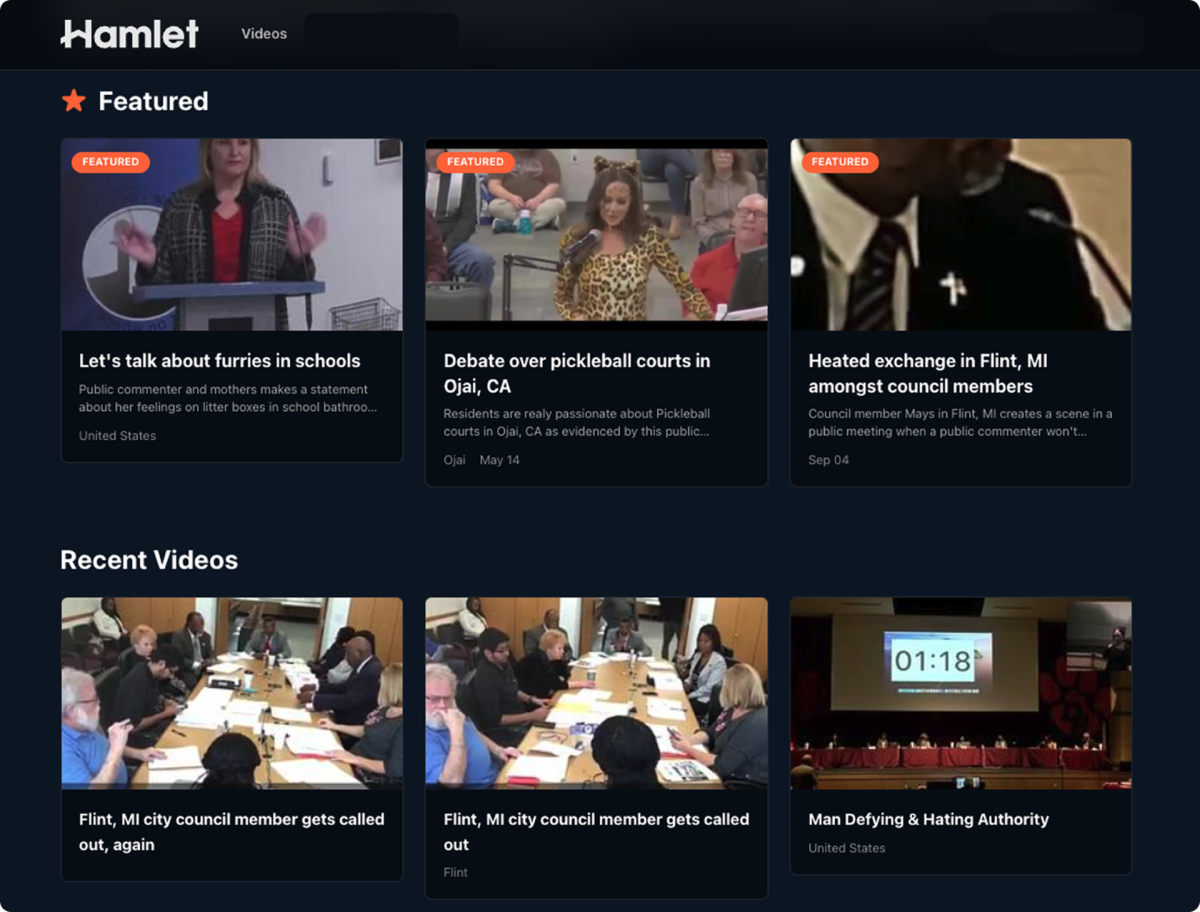
In a groundbreaking move that exemplifies the fusion of technology, civic engagement, and business disruption, Sunil Rajaraman has launched Hamlet TV, a streaming platform designed to democratize access to local government proceedings. Building upon the initial idea rooted in his personal experience of running for city council in a small California town, Rajaraman recognized a critical gap—the opacity and inaccessibility of municipal meetings. His company leverages advanced artificial intelligence (AI) to transform hours of city council videos into actionable intelligence, disrupting traditional legislative transparency and setting a new standard for civic accountability.

This innovative approach is not merely about convenience; it challenges entrenched industry norms. By processing and curating hours of recordings, Hamlet offers stakeholders—including local journalists, political actors, and private enterprise—the ability to search, analyze, and even receive alerts on relevant decisions or mentions. The platform’s features exemplify the potential for AI-driven data synthesis to revolutionize local governance transparency:

  • Real-time agenda tracking for target cities
  • Post-meeting summaries for efficient review
  • Searchable video archives to locate specific mentions or discussions

Industry analysts see Hamlet’s platform as a catalyst for market disruption—challenging the conventional meeting minute documents and increasing civic accountability through technology. Experts like Gartner emphasize that such innovations are pivotal in redefining how citizens and businesses interact with local governments, ultimately creating a more informed and engaged electorate.

Amplifying Civic Engagement Through Content and Community Building

Expanding beyond enterprise applications, Rajaraman’s strategy involves deploying Hamlet TV across various social media platforms, including TikTok, YouTube, Instagram, and AppleTV. This move underscores a broader trend of engaging younger audiences—those who are often disillusioned or disengaged from traditional civic processes. By showcasing highlight reels, humorous moments, and compelling stories from local meetings, Hamlet TV aims to make governance more accessible and relatable, a tactic that could redefine civic education and awareness.

Rajaraman stated that his team has processed thousands of hours of government meetings, curating moments that resonate with viewers—such as a city council meeting where a person dressed as a cockroach addressed pest issues. These instances reflect the platform’s potential to make civic proceedings compelling, an essential step in tackling what MIT researchers refer to as the ‘democracy deficit’. The focus on humor and human stories could significantly sway public perception, encouraging greater participation and oversight, vital as the social fabric of democracy faces mounting challenges.

Business Implications and Future Outlook

While Rajaraman admits that Hamlet may not become a dominant revenue generator, the broader business implications are unmistakable. By offering tools to local journalists and advocacy groups for free, his emphasis remains on creating a civic tech ecosystem that fosters transparency and accountability—traits critical in an era of increasing misinformation and political apathy. Moreover, plans to collaborate with entities in government affairs, advocacy organizations, and renewable energy sectors reflect an understanding that technology-driven transparency can translate into tangible policy and economic impacts.

Looking ahead, industry leaders like Elon Musk and Peter Thiel have long advocated for disruptive technologies that reimagine societal structures. Hamlet’s innovative approach aligns with this vision—disrupting the status quo and empowering citizens at the ground level. As AI and data analytics continue to evolve, the potential for such platforms to influence market behavior, regulatory policies, and democratic participation is immense. The key will be scaling these innovations quickly enough to keep pace with the fast-changing political landscape, making timely information the new currency of effective governance. The urgency to embrace such technological disruption has never been greater, setting the stage for a future where transparency and civic engagement are propelled by the relentless march of innovation.

Is Trump’s Absence Dimming South Africa’s Spotlight?

South Africa’s G20 Presidency: A Test of Diplomacy Amidst Geopolitical Tensions

As South Africa takes the helm of the G20 this year, its ambitions are clear: to amplify the voices of developing nations on the global stage and push for reforms that could reshape international economic governance. With a storied history of navigating complex diplomatic waters, Pretoria has positioned itself as a champion for economic fairness, advocating for lower borrowing costs for emerging markets, climate finance, and the strategic utilization of Africa’s critical minerals. This year’s summit, hosted amid a climate of rising global instability, underscores the crucial role that middle powers can play in steering the world away from exclusive oligarchic decision-making towards broader, more inclusive multilateral cooperation.

However, the summit is overshadowed by a significant diplomatic crisis that reflects broader geopolitical conflicts and a deepening rift between South Africa and the United States. President Donald Trump has publicly excused himself from the gathering, citing discredited claims about violence against South Africa’s white minority and alleged land seizures. The decision to withdraw US participation — initially signaling only a diplomatic boycott and later reinforcing it by refusing to send high-level representatives — signals not just a diplomatic shift but a realignment of global alliances and influence. Relations have frayed; the US expelled South Africa’s ambassador, cut aid, and imposed tariffs of up to 30%, the highest in sub-Saharan Africa, pointing to how decisions at this summit could influence future international cooperation.

Adding to the tension is the absence of key global leaders such as Vladimir Putin, Xí Jinping (sending only his Premier, Li Qiang), and Javier Milei from Argentina. These withdrawals, combined with the US’s stance, threaten to diminish the summit’s influence—raising questions about whether the assembly can produce meaningful outcomes without the participation of the world’s leading powers. Some analysts believe this could open a window for pushback from emerging economies and middle powers, who might seize the opportunity to foster consensus outside the shadows of superpower influence.

Despite the absences, South Africa remains resolute. Foreign Minister Ronald Lamola emphasized that the summit would proceed, asserting that the priorities of pressing issues—climate change, technology, and resource management—must be addressed regardless of US participation. As the summit unfolds, the key test lies in whether these nations can forge a collective vision that transcends the discord from Washington and Beijing, aiming to build a more resilient and equitable global order.

In the shadow of this unfolding diplomacy, the question endures: Will history remember this as a turning point towards a more multipolar world or as a failure of international collaboration in an era of relentless upheaval? With each wavering alliance and diplomatic absence, the stakes are higher than ever, as the world watches the fragile dance of power and principle, knowing that the decisions made in Johannesburg could resonate through the corridors of history long after the summit concludes. The unfolding story of Africa’s rise and the retreat of old alliances paints a vivid tableau—one where the future remains unwritten, yet undeniably shaped by the choices of today.

Rivian CEO RJ Scaringe Scores $5B Pay Package, Spotlight on EV Boom

Rivian Reshapes Executive Incentives to Accelerate Market Disruption

The EV startup Rivian has announced a strategic overhaul of its compensation strategy for founder and CEO RJ Scaringe, signaling a bold move to align executive incentives with future innovation and market dominance. According to a recent filing, Scaringe is being rewarded with a new performance-based stock award that could eventually be valued at approximately $5 billion, contingent on hitting ambitious growth benchmarks. This initiative underscores Rivian’s commitment to disruption, not just through its electric vehicles, but through a recalibrated business strategy that keeps pace with industry giants like Tesla and emerging players leveraging the latest in autonomous and clean tech innovation.

The company’s latest move follows a period marked by fluctuating market valuation, with Rivian’s stock soaring past $129 post-IPO in November 2021—only to slump to around $30 in subsequent months. Currently trading between $10 and $20, this volatility reflects broader industry challenges but also emphasizes why now more than ever, redefining incentives for leadership is critical in maintaining competitive advantage. Rivian’s decision to double Scaringe’s annual salary to $2 million and grant a significant 10% stake in its newest spinout, Mind Robotics, exemplifies an aggressive push towards technological diversification and integration. Such approach aims to unlock new revenue streams and deepen innovation pipelines, potentially changing the landscape of robotics and AI within the automotive sector.

By canceling Rivian’s previous 2021 performance grant, the company’s compensation committee aims to counteract what it calls a “lack of incentive,” replacing it with a more aggressive, goals-based equity scheme. This strategic pivot echoes trends seen across high-growth tech sectors, where disruption of traditional business models hinges on aligning executive rewards with technological milestones. The move also signals to investors and competitors alike that Rivian intends to accelerate R&D, especially as it prepares to launch its anticipated R2 model, a critical phase in its competitive push against legacy automakers and likes of Tesla’s autonomous vehicle empire.

Looking ahead, industry analysts like Gartner and think tanks such as MIT emphasize that the next wave of innovation in EVs and advanced automation is driven by relentless disruption in hardware, software, and business models. Rivian’s evolving incentive structure reflects a broader market recognition that attracting top-tier talent and incentivizing breakthrough performance is essential in a landscape where timing is everything. With the global push for cleaner transportation and autonomous tech accelerating, Rivian’s bold strategic incentives highlight a clear message: the race to redefine mobility is not just automation or electrification but the strategic mastery and vision of industry leaders prepared to disrupt the status quo at a moments’ notice. As the industry stands on the cusp of what may be a transformational decade, Rivian’s moves signal a clarion call—those who innovate fastest and incentivize effectively will shape the future of transportation.

Move Aside Claudia: Jonathan Ross Steals the Spotlight as a Traitors Style Icon in the Youth Scene

In the realm of reality television, style has long transcended mere aesthetics to become a cultural statement. This season of Celebrity Traitors, a hit UK-based game show, has vividly demonstrated that wardrobe choices are now more than just fashion—they’re powerful tools for social signaling. While the audience expects suspense over who will survive each night’s murder, a subtler, more profound battle is unfolding: the battle for perception. And no one has mastered this quite like Jonathan Ross. His eclectic, flamboyant outfits on the show are not only a reflection of his personality but are actively shaping the social narrative, blurring the lines between performance and strategy.

Influenced by a mix of vintage Hollywood style and pop culture icons, Ross’s wardrobe choices have become a cultural phenomenon in their own right. From tailored dapper suits to daring Top Gun-inspired jumpsuits, his looks are meticulously curated to *signal dominance and authority*. Fashion psychologist Dr. Dion Terrelonge highlights how Ross’s self-styled ‘costumes’ serve to convey the message: “I am a leader who commands attention.” Far from accidental, Ross’s choices are a calculated act rooted in perception management. His wardrobe is like a visual language, telling viewers he’s in control—even when he’s secretly orchestrating betrayal. This approach echoes the work of sociologists who argue that fashion, especially in high-stakes environments, functions as an extension of social power and status.

  • On-trend fashion as a social tool: Ross’s bold looks—ranging from aviator sunglasses to fuzzy stoles—are more than just eye candy; they’re part of a strategic play, signaling to both contestants and viewers that he’s a ‘big dog’ in the game.
  • Viral influence: Fans and fashion enthusiasts online have started mimicking Ross’s most striking outfits, turning his wardrobe into a trending cultural phenomenon that extends far beyond the show.
  • The social psychology behind costume: Experts suggest that dressing in a way that commands attention might increase perceived authority—vital in a game designed around deception and trust.

What makes Ross’s fashion stunt even more compelling is his choice to control his appearance even during moments of vulnerability. Known for plotting his looks himself—sometimes packing a full goth ensemble just in case—the broadcaster’s wardrobe becomes a live canvas for his dual identity: the charming host by day, the covert traitor by night. Such deliberate styling echoes the archetypes of the ‘big, bold’ hero characters in popular culture—think Maverick or Sherlock Holmes—yet here, it’s used for a much darker purpose. The social relevance of this trend is undeniable: it underscores how personal style can influence perception, especially when tied to concepts of authority, trustworthiness, and deception.

As the narrative twists unfold, the real question facing us is whether this trend of fashion-as-strategy will continue to evolve—especially in an era where image overtakes substance at an unprecedented pace. Is the rise of such flamboyant displays of style a sign that society is shifting towards an even more performative culture? And, perhaps more intriguingly, what could be next? If dressing complex and commanding on-screen can help a traitor hide in plain sight, are we witnessing the dawn of a new social era—where how we dress is becoming the ultimate form of social camouflage? The future, it seems, is as much about what’s on the outside as what’s hidden behind it.

Social Media Auto Publish Powered By : XYZScripts.com