Matox News

Truth Over Trends, always!

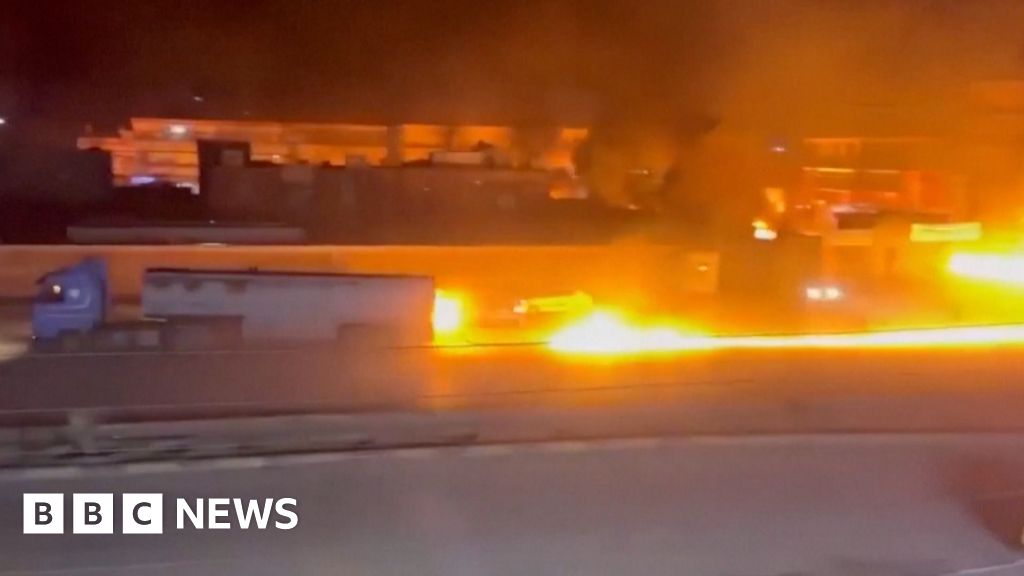
Watch: Fuel Truck Explodes, Spreading Fire Across Syrian Roads

Middle Eastern Turmoil Highlights Ongoing Regional Instability

The recent violent incident in Hasakah, Syria, exemplifies the devastating consequences of continued unrest across the region. Eyewitnesses reported a fuel tanker, engulfed in flames after catching fire at a local gas station, driving through the city’s center before veering toward a fire station. This tragic event resulted in seven injuries, the destruction of 11 vehicles and a bus, and a series of fires that cast a pall of chaos over the city. The Syrian regime’s state news agency SANA confirmed these details, underscoring the dangerous reality of a country still embroiled in civil conflict and insurgency.

Such incidents symbolize more than isolated moments of chaos—they reflect the broader geopolitical strain gripping Syrian society and the wider Middle East. Analysts from international think tanks warn that the persistent violence and weak central control threaten to destabilize neighboring nations and hinder regional recovery. Historically, Syria has been a crucible of conflict since 2011, fueled by external interventions, internal factions, and economic collapse. The incident in Hasakah serves as a grim reminder that despite international efforts, fragile ceasefires and peace processes remain tenuous, with many fearing a resurgence of violence destabilizing the broader Levant.

Global institutions have called for renewed diplomatic engagement, but critics note that Russia and Iran, along with Turkey and Western powers, are locked in a complex web of strategies and interests that often undermine peace prospects. The United Nations and other organizations emphasize the importance of regional stability, yet they are hampered by geopolitical rivalries. The recent unrest underscores how decisions made in global chancelleries—or lack thereof—directly impact ordinary Syrians suffering in a warzone. This scenario reflects a broader pattern evident across hotspots like Ukraine and Lebanon, where local conflicts intertwine with global rivalries, creating a chaotic mosaic that threatens international security.

Implications for Global Power Dynamics

The incident in Hasakah is also a microcosm of the shifting geopolitical landscape. The involvement of external actors, their strategic interests, and the subsequent influence on local factions reveal a new chapter in regional power play. Russia continues to assert itself as a key actor, backing the Syrian regime and stalling efforts toward comprehensive peace agreements. Meanwhile, USA and allies maintain a fragile presence that aims either to contain or to influence the evolving balance of power. This complex interplay highlights how international decisions and alignments fundamentally shape the survival prospects of societies caught in the middle of great power competition.

Historians and security analysts caution that such events could set dangerous precedents. Without decisive international action, the Middle East risks descending once again into chaos, with ripple effects felt across Europe and beyond. The regional conflicts, coupled with economic hardship and ideological extremism, threaten to draw more nations into a cycle of violence, destabilizing entire populations. As the weight of history presses down, the question remains: will diplomacy succeed, or will chaos become the new norm? The unfolding story in Syria and beyond continues to write itself into the annals of history—an ongoing crisis that demands not only attention but urgent, resolute action.
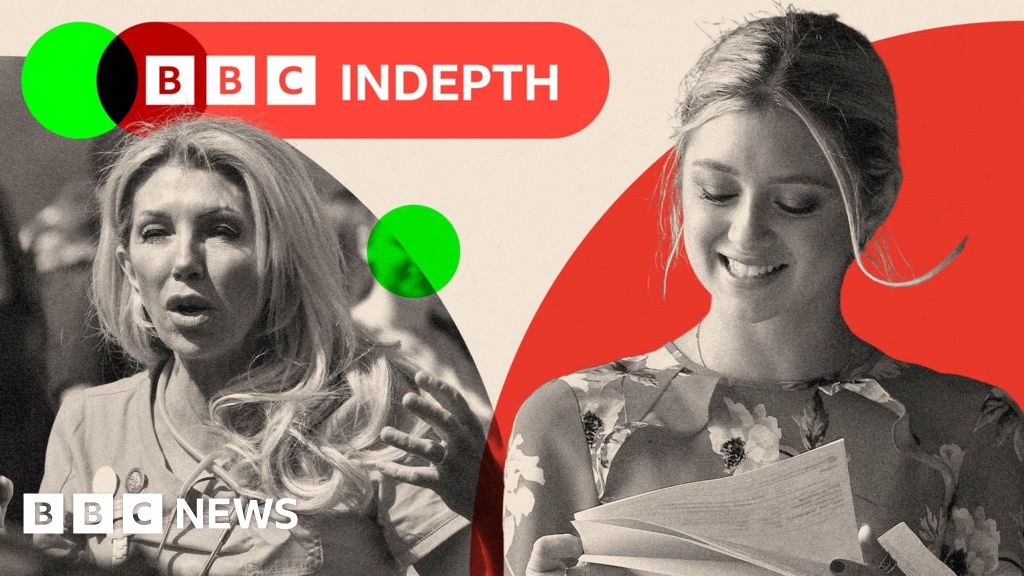
Fighting Back: Kids at Risk from Parents Spreading Dangerous Conspiracies

In recent years, the rise of misinformation has exposed profound vulnerabilities within our society, especially affecting families and communities. The tragic case of Paloma Shemirani, a young woman who succumbed to untreated cancer at the age of 23, underscores the dangerous consequences of unchecked conspiracy theories, fueled by social media and individuals with radical beliefs. Her mother, Kate Shemirani, a former nurse with a platform of over 80,000 followers, propagated unfounded claims about health and government interference, ultimately influencing her daughter’s critical health decisions. The inquest concluded that her care, heavily influenced by her mother’s beliefs and alternative treatments rejected by medical authorities, contributed significantly to her death. Such cases illustrate the devastating toll that cultural shifts towards skepticism of scientific consensus are taking on families and their trust in modern medicine.

Among the most troubling aspects is how social media serves as a breeding ground for conspiracy theories, creating insular communities where misinformation propagates rapidly and populates the minds of vulnerable individuals. Sociologists like Dr. Timothy Hill warn that these online communities form “a large network of people willing to bring others into the fold,” often trapping impressionable youth in an echo chamber that distorts reality. Data emphasize that individuals under 35 are disproportionately more susceptible to conspiracy beliefs, a demographic trend that threatens to weaken the pillar of public health initiatives. The decline in trust towards institutions such as the NHS and scientific authorities is a direct consequence of this misinformation, with experts like Liz O’Riordan emphasizing the life-threatening implications—ranging from declining vaccination rates to the resurgence of preventable diseases like measles.

At the core of this social dilemma lies a tension: balancing parental rights and community safety. The case of Paloma incited debate about how broad a parent’s influence should be when dangerous beliefs compromise their child’s well-being. While the UK law currently favors respecting parental autonomy, some specialists advocate for legislative reform that grants social services more authority to intervene in extreme cases of harmful misinformation. Critics, however, caution against overreach, warning that defining misinformation is subjective and that empowering the state to police beliefs could threaten fundamental freedoms. The challenge remains: how do societies protect vulnerable children without infringing on personal freedoms? This question persists at the intersection of morality, law, and societal responsibility.

Furthermore, the pervasive influence of social media platforms complicates efforts to counteract misinformation. The introduction of the UK’s Online Safety Act aims to curb illegal and harmful content; however, the murkiness of what constitutes “harmful” legal content raises concerns over censorship and free speech. Experts like Ms. O’Riordan advocate for equiping users—especially young people—with critical thinking skills, teaching them how to identify red flags and question authority—including family members. Gabriel Shemirani, Paloma’s brother, underscores this by emphasizing that conspiracy theories often thrive in isolation, but with education and open discourse, society can forge a resilient frontline against such destructive beliefs. In this fight, the strength of a community is rooted not just in legislation, but in empowering individuals to seek truth amidst the cacophony of falsehoods.

As society grapples with these issues, the hope lies in rebuilding trust in true knowledge and fostering a culture of inquiry. Just as a single seed can sprout into a mighty tree, the collective effort of communities, educators, and policymakers can invigorate the moral fabric needed to confront misinformation. Society must remember that behind every conspiracy theory is a human story—often of fear, loss, and longing for control. By recognizing this, society can transform its approach—moving beyond suspicion and suppression, toward understanding and resilience. In that future, the light of truth may yet pierce through the shadows of misinformation, guiding generations toward a society where families thrive on verified knowledge, and communities stand united in safeguarding their collective well-being.

Social Media Auto Publish Powered By : XYZScripts.com



