Matox News

Truth Over Trends, always!

Teacher stabbed by student: From educators to security, society’s slipping?

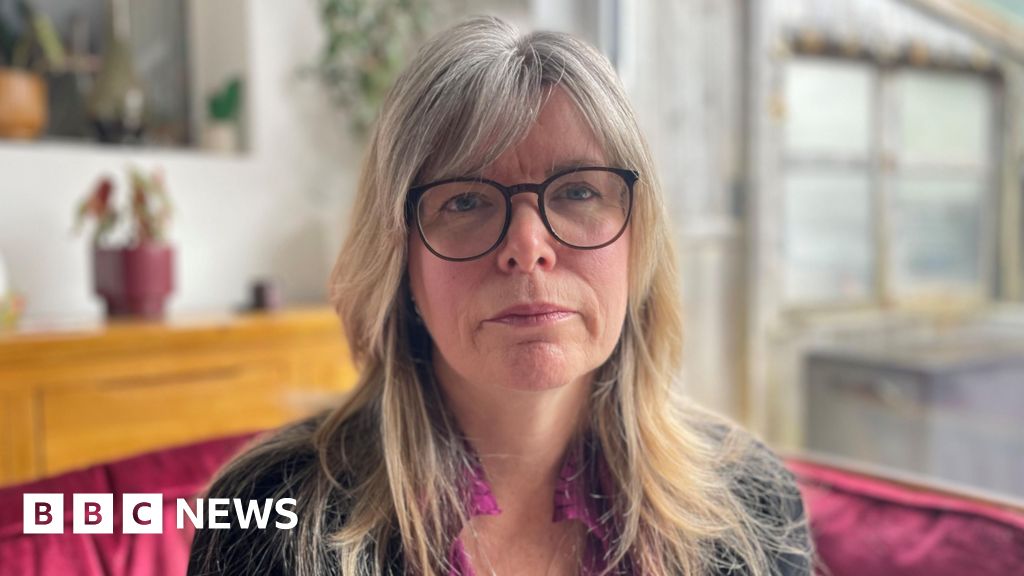
In recent discussions surrounding school safety and community well-being, a notable statement from a former Ysgol Dyffryn Aman educator has reignited debates about the appropriate roles of school staff and the overarching approach to maintaining security within educational institutions. The educator emphasized that staff are not security guards, arguing that equipping teachers and administrative personnel with handheld scanners or similar security devices would be ineffective in addressing broader social issues. Rather, the emphasis must rest on understanding the societal challenges that influence school environments, impacting families, education, and entire communities.

Historically, schools have been more than centers for academic learning; they are a mirror and a microcosm of societal health. As Dr. Mary Louise Pratt, a prominent social historian, notes, schools reflect the social fabric of their communities, inclusive or fractured. When societal tensions—such as increasing youth violence, economic disparities, or cultural divides—pervade neighborhoods, they inevitably seep into classrooms, challenging educators’ capacity to foster safe learning spaces. In this context, the idea that simply installing handheld scanners or security measures can resolve the complex web of social issues is both naive and superficial. This approach risks turning dedicated teachers into de facto security personnel, diluting their core role of cultivating knowledge and moral development.

Social commentators warn that overemphasizing security without addressing root causes of social unrest can further alienate communities and undermine the moral authority of educational institutions. Challenges such as

  • rising youth unemployment
  • family breakdowns
  • disenfranchisement

contribute to environments where violence and unrest flourish. These issues are deeply embedded in the demographic shifts experienced over recent decades, changing the fabric of local populations and hampering efforts to create cohesive, supportive school communities. The adoption of security-centric policies, without supportive social programs, risks alienating marginalized youth, who already face systemic obstacles.

In light of these complexities, it becomes clear that the real challenge lies in fostering resilient, inclusive communities. Schools need resources that extend beyond surveillance equipment—investment in mentoring programs, mental health services, and family support initiatives is vital. Sociologists like Michael W. Ross have argued that by empowering communities and creating care-centered environments, society can turn schools from battlegrounds into havens of hope. According to Professor Heather Macdonald, an expert in social dynamics, genuine change requires integrated efforts that recognize educational success is inseparable from societal stability.

As society stands at a crossroads, the dialogue should shift from viewing social issues as problems to be policed, toward recognizing them as challenges to be understood and addressed holistically. Families, educators, and community leaders must unite in confronting the underlying issues that threaten the fabric of our society. Only then can schools reclaim their true purpose: nurturing well-rounded individuals prepared not just to excel academically, but to contribute positively to their communities. Through this lens, the future of society hinges on our collective ability to transform societal struggles into opportunities for renewal, ensuring that every child’s right to a safe, supportive, and enriching educational environment is truly realized.
Teacher who fatally stabbed student gets life sentence, justice served

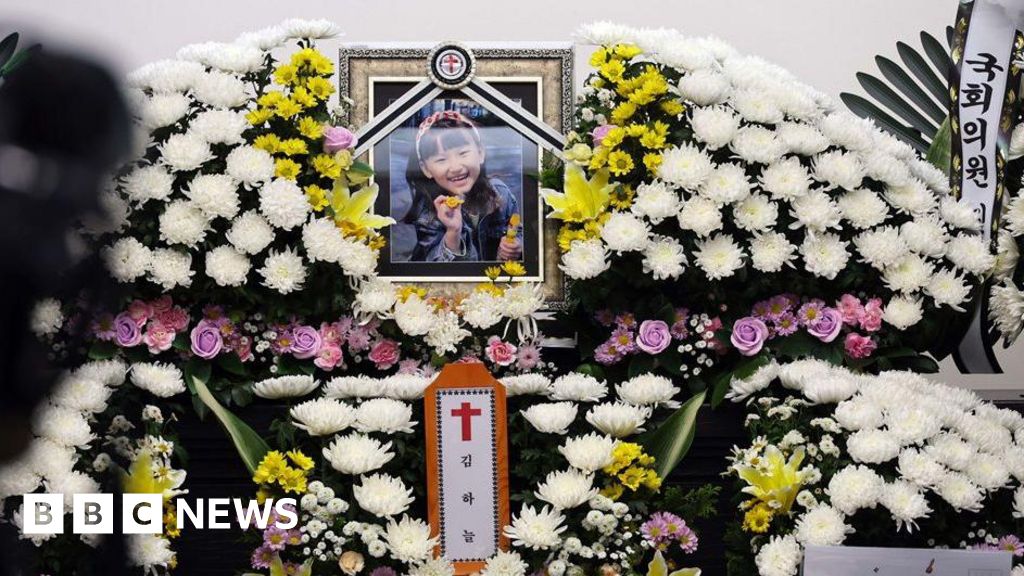
The recent tragic case in South Korea involving a teacher fatally stabbing an eight-year-old girl has sent shockwaves through the nation and reverberates across the international community. Myeong Jae-wan, a 48-year-old educator in the city of Daejeon, was sentenced to life imprisonment after a brutal attack that exposed vulnerabilities in the country’s educational and mental health systems. Such a disturbing incident underscores ongoing concerns about how institutions are failing to safeguard the most vulnerable—children—from internal threats and unaddressed mental health issues.

This case has sharply distinguished itself, not only because of the heinous act but also because of the broader geopolitical impact it carries. Analysts note that South Korea’s leadership faces mounting pressure to implement more rigorous safeguards within schools nationwide, emphasizing the necessity for improved mental health resources and security protocols. These measures are seen as vital in preventing similar tragedies and restoring public trust in education systems that are often heralded as models of discipline and societal progress. International organizations, including the United Nations, have long called for comprehensive child protection policies, but incidents like this illuminate the ongoing gaps even in developed nations.

The case also highlights how decisions made at the institutional and legislative levels directly shape societal safety and public perception. The court’s decision to sentence Myeong to life, rather than pursuing the death penalty, points to South Korea’s evolving judicial stance on sentences for offenders with related mental health conditions—a subject debated fiercely among legal scholars and human rights advocates. Meanwhile, Myeong’s own acknowledgment of her mental health struggles, coupled with her return to work shortly after a leave of absence, raises critical questions about the adequacy of mental health assessments and intervention strategies being in place within the educational sector. The case’s detailed conduct, including violent prior behavior and her plan to kill herself, reveals an urgent need for early detection and intervention strategies in high-stress environments like schools.

In response, South Korean authorities have called for stronger safety measures, including the mandatory wear of electronic monitoring devices for violent offenders, extending up to 30 years. The aftermath of the tragedy has also prompted renewed debates about the role of mental health support systems and school safety protocols—a clear reminder that the stability of a nation’s institutions intimately connects to the well-being of its citizens. Historians and analysts warn that the lessons learned from this incident could define the country’s future policies, serving as a stark milestone in the ongoing struggle against internal threats to societal safety. As the nation mourns yet strives to learn, the weight of history reminds us that security is never static—only as strong as the preparations and precautions we put in place.

Ultimately, the case leaves a haunting question lingering in the air: What are the true costs of neglecting mental health and institutional security? As South Korea struggles to rebuild trust and implement meaningful reform, the world watches closely. In the shadow of this tragedy, one thing remains painfully clear—the fight to protect lives is ongoing, and in the unfolding pages of history, the next chapter is yet to be written by those brave enough to face its consequences.

German mayor stabbed in attack, badly injured—police report sharp violence hitting the town

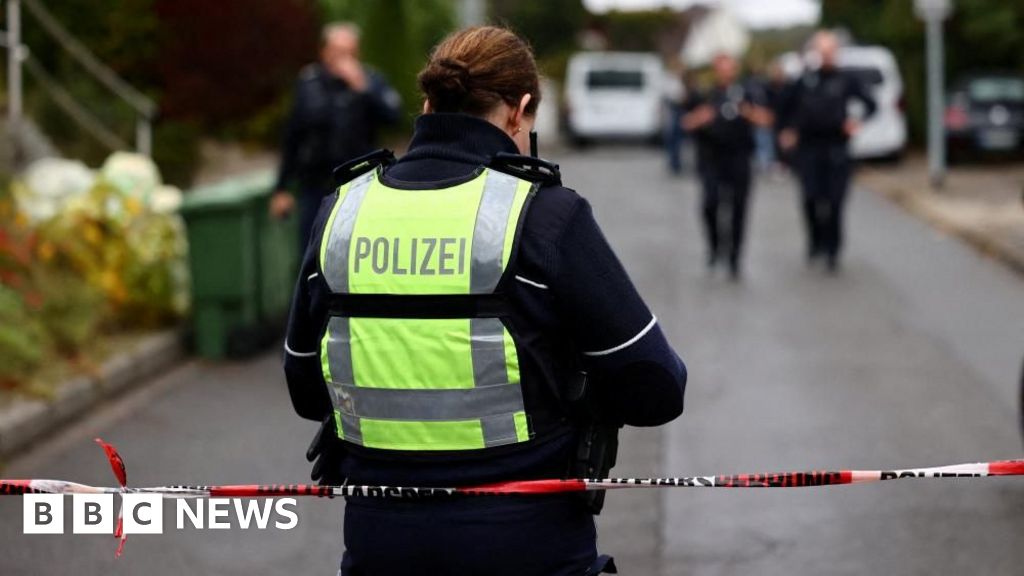
The recent assault on Iris Stalzer, the newly elected mayor of Herdecke in North-Rhine Westphalia, has sent shockwaves through the international community. The incident, which left the 57-year-old politician critically injured just near her home, underscores the fragile state of local political stability in parts of Germany. As police launch a sweeping investigation, the ramifications of this violent act resonate beyond the immediate community, raising alarms about the security faced by public officials in Europe amid rising polarization.

German Chancellor Friedrich Merz condemned what he called a “heinous act”, emphasizing the threat violence poses to democratic processes. His statement reflects a broader concern among international leaders and analysts, who warn that escalating domestic unrest could threaten the stability of democratic institutions. The attack has been linked to familial issues, with police considering a potential family connection in the crime, given the presence of Stalzer’s two adopted children at the scene and reports of domestic violence earlier this summer. Such revelations remind observers of the complex and often tragic intertwining of personal and political lives in today’s shaken social fabric.

The Social Democratic party (SPD), to which Stalzer belongs, expressed profound shock, emphasizing the dangers faced by political representatives who often find themselves vulnerable beyond the political arena. Officials disclosed that her children—a 17-year-old daughter and a 15-year-old son—made an emergency call, prompting a forensic investigation and police questioning. This incident spotlights the rising concerns about domestic issues within political families, which can sometimes become unpredictable flashpoints with national implications. As historians and cold-eyed analysts warn, such violent episodes threaten to undermine citizens’ faith in their leaders and the security of local governance, particularly in a Europe grappling with economic and social upheavals.

The international geopolitical impact of rising violence against politicians echoes far beyond Germany. With many nations confronting similar threats—whether driven by internal discord, ideological extremism, or other destabilizing forces—the attack on Mayor Stalzer might serve as a warning of a broader trend: the potential decline of civil discourse and an increase in political violence. These developments challenge the core principles of democracy and bring into focus how decisions made within political and security frameworks have profound effects on societal stability. The global community watches cautiously, aware that today’s local event could foreshadow larger crises with the power to reshape international order itself.

As the investigation unfolds and the world debates the implications, history offers a sobering perspective: acts of violence against political figures often mark turning points. They serve as stark reminders that while progress and stability may be built through cooperation and law, they are fragile and require constant defense. The shadows of history loom large, warning us that the ongoing struggle to preserve democratic ideals amid chaos remains a defining challenge of our era. With each chapter written in this unfolding saga, it becomes clear: the weight of history is not merely in the past, but in every decision that determines whether a society moves toward unity or descends into chaos.

Social Media Auto Publish Powered By : XYZScripts.com