Matox News

Truth Over Trends, always!

Plaid hits $8B after bold employee stake sale, boosting fintech’s future

Fintech Sector Sees Valuation Shifts Despite Growth Milestones

The recent valuation updates of Plaid, a prominent player in the fintech ecosystem, highlight ongoing market turbulence and the resilience of technological innovation. Despite announcing a new, larger headline valuation, the company’s worth remains approximately 40% below its 2021 peak of $13.4 billion. This decline reflects the broader repercussions of changing interest rate environments, with ultra-low rates that previously fueled a massive surge in fintech valuations now giving way to a recalibration driven by macroeconomic pressures and investor caution. Industry analysts suggest this trend exemplifies the volatility that disrupts overheated markets, compelling companies to innovate more strategically rather than chase premature IPO ambitions.

Importantly, Plaid continues to maintain technological leadership and operational momentum, evolving its core offerings while managing internal workforce needs. Notably, the company has introduced initiatives to support employee retention and address vesting-related tax burdens, a move that underscores how emerging tech giants are shaping their internal ecosystems amid a competitive landscape. These developments illustrate a shift in how fintech firms balance growth, talent retention, and long-term viability, signaling a maturing industry that prioritizes sustainable innovation over short-term market Flamboyance.

From a broader business implications perspective, these valuation dynamics are more than isolated setbacks; they serve as a bellwether for how disruption is unfolding across digital finance. Gartner and other leading analyst institutions emphasize that the shift away from speculative valuations towards realistic, innovation-driven business models will define the next wave of industry dominance.

  • Technological disruption fueled by API ecosystems
  • Emergence of decentralized finance (DeFi) platforms challenging traditional models
  • Increased focus on compliance, security, and user experience

presents opportunities for visionary firms to leap ahead. Companies like Stripe and Square are actively sculpting the future landscape, leveraging AI and blockchain to enhance transactional efficiencies and security.

Looking ahead, the fintech market appears set for a foundational transformation. Industry leaders, backed by innovative ventures and lessons learned from past exuberance, are forging pathways that integrate cutting-edge technology with pragmatic growth strategies. As Elon Musk and Peter Thiel have long emphasized, the real value lies in disruption through innovation, rather than mere market hype. Consequently, this environment demands agility and strategic foresight — qualities essential for crossing the chasm from startup to industry titan.

Ultimately, the message for stakeholders in the tech arena is clear: the era of unchecked valuation bubbles is waning, replaced by a landscape where disruption and technological innovation are paramount. With the right investment in R&D, talent, and strategic foresight, tomorrow’s national and global market leaders will emerge from these challenging times with the resilience and agility necessary to shape the future of finance. The question remains: who will capitalize on this historic shift, and how quickly can they turn disruption into dominance? The clock is ticking.

Supreme Court to weigh Trump’s bid to end birthright citizenship—what’s at stake?

US Supreme Court to Decide Future of Birthright Citizenship and Its Geopolitical Consequences

The United States stands at a pivotal crossroads as the Supreme Court prepares to decide on the legitimacy of Donald Trump’s executive order that seeks to restrict the constitutional guarantee of birthright citizenship. This significant legal battle stems from Trump’s attempt to reinterpret the 14th Amendment, ratified in 1868, which guarantees automatic citizenship to every individual born on U.S. soil. The case, Trump v Barbara, has ignited fierce debates around legal authority, immigration policy, and the very fabric of American identity.

The dispute centers on a direct challenge to a long-standing principle that has shaped U.S. society for over a century. Under President Trump’s order, if upheld, tens of thousands of children born in the U.S. annually could lose their citizenship if their parents are undocumented or temporarily residing in the country. The policy would deny these children access to vital government programs like Medicaid, food aid, and educational benefits, altering the socio-economic landscape for future generations and raising grave questions about how society treats its most vulnerable. Legal analysts suggest that such a move, if legalized, would signal a major shift in immigration policy—effectively redefining what it means to be an American at a fundamental constitutional level.

Historically, the U.S. has been among the roughly 30 nations worldwide that extend automatic citizenship to anyone born on their territory. Countries like Canada and Mexico have similar policies, framing them as both humanitarian standards and statements of national sovereignty. However, critics argue that Trump’s legal push—underpinned by a fringe interpretation of the 14th Amendment—aims to curtail immigration, particularly from Latin America and other regions viewed with suspicion by the current administration. The American Civil Liberties Union (ACLU) and numerous legal scholars have vocally opposed the executive order, asserting it violates the fundamental constitutional rights rooted in over 150 years of American legal tradition.

Internationally, this legal challenge signals a broader geopolitical impact. As global powers observe the U.S. re-assessment of its immigration and citizenship norms, foreign governments and international organizations are left to grapple with the implications. Many view the U.S. as a leader in human rights and legal standards; thus, altering its constitutional interpretation risks undermining its credibility on the world stage. Political analysts warn that such internal shifts could embolden other nations to reevaluate their own citizenship policies, potentially fueling regional instability and further complicating transnational migration patterns. The decision by the Supreme Court, expected in early summer, will not simply determine the fate of a legal principle but could recalibrate America’s role as a land of opportunity versus a fortress of exclusion.

As historians and international observers chart the turbulent waters of this legal showdown, the weight of history presses heavily upon the courtroom. What is at stake is not only the future of countless children and families but the very identity of a nation built upon the promise of equality and opportunity. The Court’s ruling will echo across generations, shaping the narrative of America’s commitment to its foundational ideals or signaling a profound departure into a more restrictive, divided society. In the unfolding chapters of this legal saga, the world watches—and the true story of what it means to be an American continues to be written, one verdict at a time, leaving a legacy that history may one day question as either a beacon of hope or a cautionary tale of loss and division.

Peers push back again to block assisted dying bill—our society’s values at stake

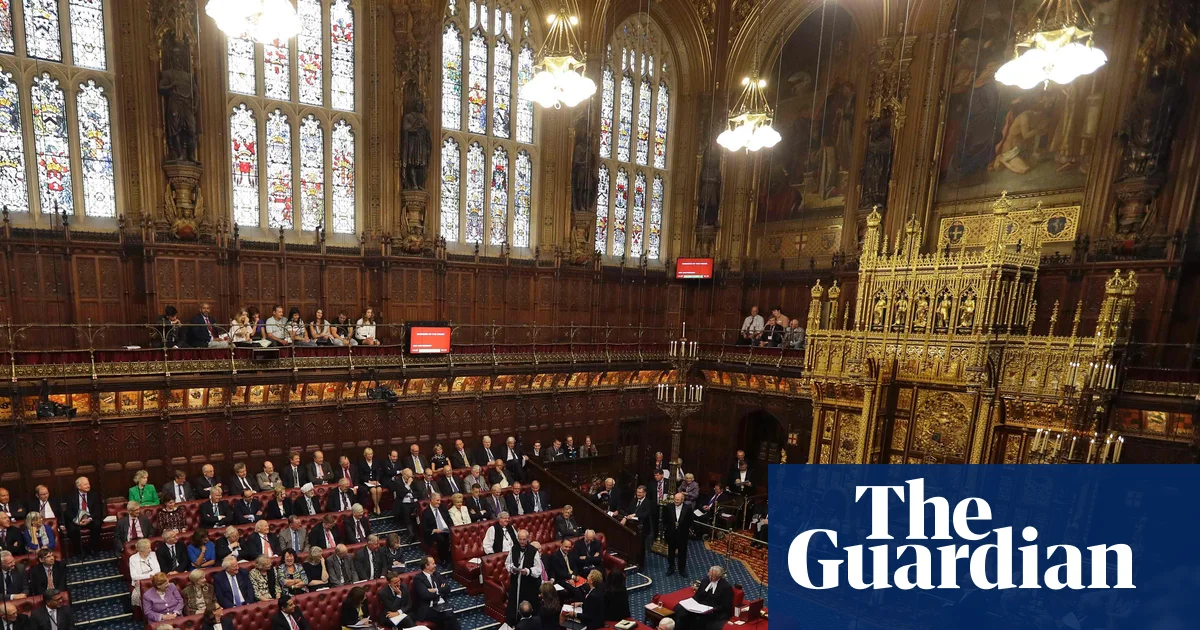
The ongoing legislative debate over assisted dying in the United Kingdom exemplifies the deep societal divisions that influence families, community cohesion, and how we approach aging and end-of-life care. The House of Lords this week is under intense scrutiny as nearly 1,000 amendments are tabled by a select group of peers, mostly opponents of the bill. This maneuver, described as a form of filibuster, underscores a broader societal conflict—one that pits progressive moral frameworks advocating for individual autonomy against traditional caution rooted in protecting vulnerable populations. The opposition reflects core fears that such legislation could erode the moral fabric built around human dignity, especially for families facing difficult choices about loved ones’ final days.

This debate’s ripple effects resonate strongly within families and communities. Critics, including figures like former Paralympian Tanni Grey-Thompson and ex-health secretary Thérèse Coffey, argue that the bill, as currently drafted, contains loopholes endangering vulnerable populations, notably people with disabilities and the elderly. The amendments they have proposed aim to tighten safeguards, emphasizing the moral responsibility to prevent harm and ensure that choices around death are free from coercion or systemic failure. Sociologists such as Dr. Alice Roberts warn that legislation perceived as hastening death can inadvertently stigmatize disability, foster familial guilt, and diminish community trust—factors that threaten the social fabric and the moral underpinnings of care for the most vulnerable. These fears, rooted in genuine concern, highlight the importance of resilient community structures that support families regardless of the legislation’s outcome.

The controversy also reveals the challenge of cultural shifts within our society—a nation grappling with how to reconcile the rapid pace of moral and technological change with age-old values. Supporters of the bill stress that public opinion favors reform, emphasizing that democratic mandates and the will of the electorate should shape the laws that govern our moral choices. Conversely, opponents argue that such societal change requires cautious, deliberate scrutiny. These prolonged debates reflect a societal tension—one that questions whether legislation that touches on mortality should be subject to political expediency or moral prudence. Leaders like he sociologists and historians warn that when policymaking sidesteps careful moral reflection, the fracture lines within society deepen, leaving vulnerable communities even more exposed to harm.

As the legislative process unfolds amidst accusations of partisanship and procedural delays, the enduring question remains: What kind of society do we want to be? One that places faith in the inherent dignity of each person, safeguarding the vulnerable while allowing individual choice? Or one that adheres to caution, prioritizing the collective moral standards that have long defined our social cohesion? Society’s greatest challenge is to forge a path that balances respect for personal agency with the collective responsibility to protect. The journey ahead demands not only legislative wisdom but a deep, moral reflection—on how we treat our families, nurture our communities, and uphold our shared humanity. As history teaches us, society’s true strength lies in its ability to confront difficult truths with compassion and resolve—nurturing hope that even amid divisions, a more equitable and humane future is within reach.

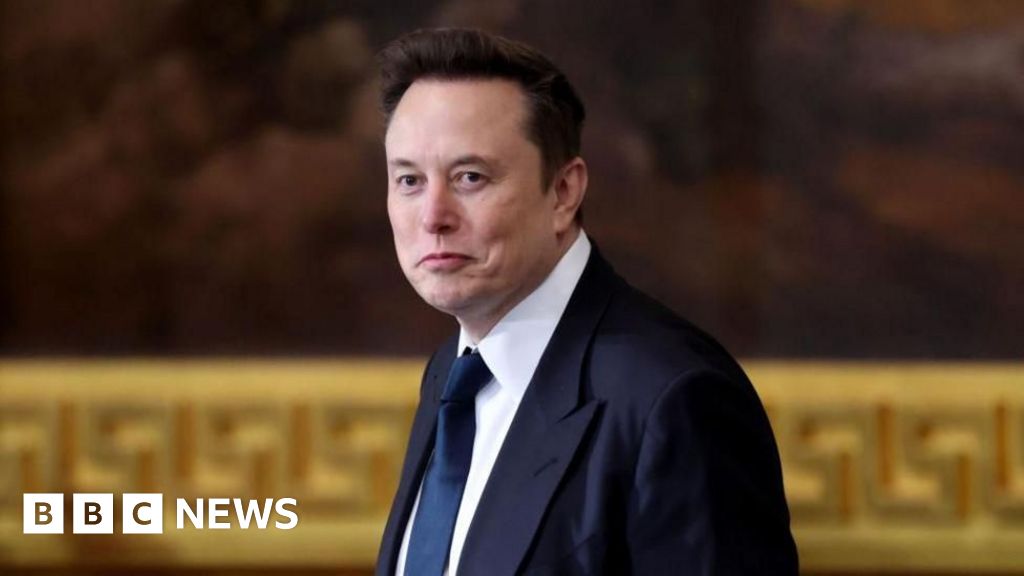
Elon Musk and Prince Andrew linked to new Epstein documents — what’s really at stake?

Geopolitical Reckoning: Epstein Files Unveil Ties to Power Elites

The recent release of documents linked to the late financier Jeffrey Epstein has ignited a storm of controversy that extends far beyond the sordid allegations. These files, handed over by Epstein’s estate to the House Oversight Committee, illuminate a network of connections among some of the most prominent figures from the worlds of business, politics, and royalty. Among those named are billionaire technology mogul Elon Musk, Prince Andrew of the United Kingdom, and other influential personalities like Peter Thiel and Steve Bannon. As the world grapples with these disclosures, the geopolitical impact of such revelations cannot be overstated, as they threaten to reshape public perceptions of power, influence, and the true extent of the clandestine alliances that often operate in darkness.

Historically, Epstein’s web of connections has been a cautionary tale about the complicity and silence surrounding elite misconduct. Legal scholars and international analysts have long argued that Epstein’s relationships with key figures exposed a fragile veneer of morality maintained at the highest levels. New documentation suggests that Elon Musk had been invited to Epstein’s infamous private island in December 2014—an invitation Musk has reportedly declined—raising questions about whether oversight and accountability extend into the realms of technology’s most powerful. Similarly, Prince Andrew features prominently, with records indicating he flew on Epstein’s flight from New Jersey to Florida in May 2000, an event that has long haunted the royal figure. These revelations come amidst growing suspicion about the collusion between the global elite and criminal networks, as international watchdogs urge for thorough investigations. The United Kingdom and U.S. authorities now face mounting pressure to reckon with these covert links that could threaten the foundations of public trust and diplomatic relations.

The files also detail planned meetings with other influential figures, including the Microsoft founder Bill Gates and Steve Bannon. Such connections compound the narrative that Epstein’s influence transcended mere criminal activity, seamlessly intertwining with the fabric of global power structures. As political analysts warn, these associations could have far-reaching implications, potentially impacting international policy, economic negotiations, and diplomatic alliances. The geopolitical impact of this knowledge is profound—drivers of global stability and peace, as well as the credibility of international institutions, hang in the balance. Critics argue that these relationships illustrate a disturbing pattern where personal ambition and wealth supersede justice, exposing how elite immunity shields some from legal repercussions.

Although some figures, like Musk and Prince Andrew, have denied any knowledge of illegal activities, the public outrage remains untamed. The Democrat-led committee has called for expanded transparency, emphasizing that “every new document provides vital clues” towards understanding the extent of Epstein’s influence. The historical significance of these disclosures reflects a turning point: an awakening of public consciousness concerning unchecked power. As the dust begins to settle on these revelations, society must grapple with the unsettling truth that the corridors of influence often hide darker realities—realities that, once uncovered, threaten to rewrite the narrative of global leadership,” warns renowned historian Dr. Margaret K. Howell. The world remains on the precipice of a potential upheaval, where the revelations of today could serve as the catalyst for a reckoning that echoes through the corridors of history—perhaps, the moment when the shadows cast by the powerful finally begin to recede, unveiling truths long suppressed beneath layers of secrecy and complicity.

Social Media Auto Publish Powered By : XYZScripts.com