Matox News

Truth Over Trends, always!

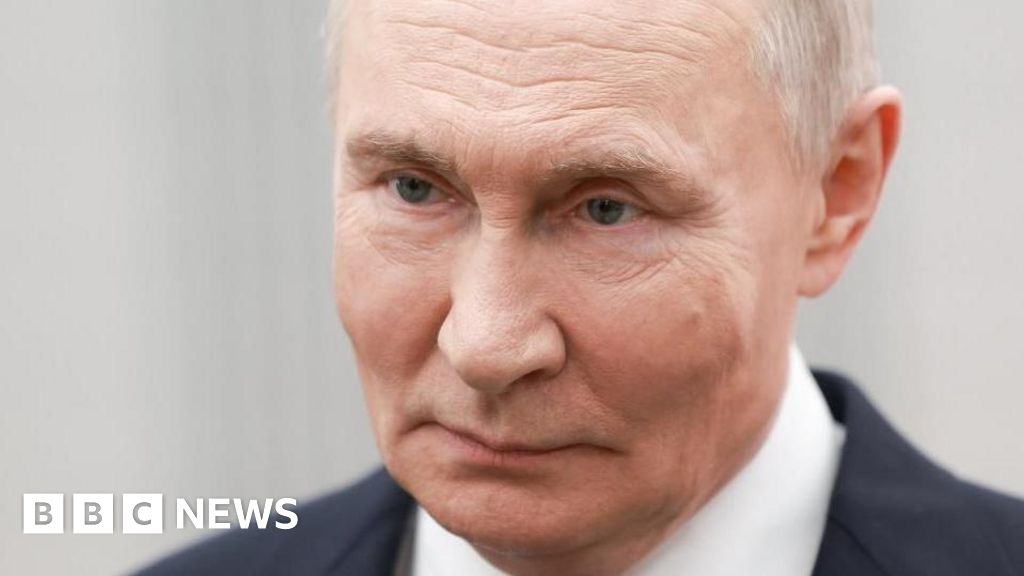
Ukraine urges Putin to stop stalling after U.S. talks in Moscow

The year 2025 marks a pivotal chapter in the ongoing saga of Russia’s invasion of Ukraine, a conflict whose repercussions ripple across the global geopolitical landscape. Diplomatic efforts, primarily driven by U.S.-Russia negotiations and European strategic shifts, underscore the complex dynamics shaping the future of international security. Following recent high-stakes talks at the Kremlin, the absence of concrete agreements highlights the stubborn resilience of entrenched positions, especially concerning territorial integrity and security guarantees.

Despite the lack of substantive breakthroughs, key players remain committed to dialogue, indicating that the conflict’s resolution remains an elusive but urgent goal. The U.S. delegation, including special envoy Steve Witkoff and Jared Kushner, engaged in nearly five hours of negotiations with Vladimir Putin and his advisors. While they reported a “thorough, productive” meeting, Moscow’s senior policy adviser Yuri Ushakov quickly tempered expectations, remarking that “no compromise” was reached, with significant points such as the territory seized by Russia and security assurances for Ukraine remaining fiercely contested. The division over Ukraine’s potential NATO membership remains a core stumbling block, with Russia vehemently opposed and Western nations insisting that such guarantees are vital for deters future aggression.

Meanwhile, the European Union is rapidly pivoting towards greater independence, exemplified by its recent agreement to phase out Russian gas imports by 2027. EU officials, including Ursula von der Leyen, hail this move—part of a broader strategy to weaken Russia’s economic blackmail and bolster energy security. As Europe distances itself from Russia’s energy leverage, the geopolitical question of Russia’s influence over European stability becomes even more pronounced. Simultaneously, NATO ministers emphasize the necessity for Kyiv to maintain its resolve in the face of continuing Russian advances, while advocating for Ukraine’s eventual membership in the alliance—something Moscow labels a direct threat.

Experts and analysts warn that the unfolding interactions—a mix of diplomacy, military reinforcement, and economic sanctions—are shaping a new era of geopolitical confrontation. History’s watchful eyes see parallels with past conflicts where protracted negotiations eventually gave way to decisive shifts. The European Commission proposes a €90 billion support package for Ukraine, designed to sustain its military and economic resilience, an initiative met with cautious approval. Yet, tensions linger; Belgium’s resistance to using frozen Russian assets as reparations underscores the legal and moral quandaries faced by the West. As battling continues in eastern Ukraine, with Russia consolidating gains and claiming strategic cities like Pokrovsk, the path to peace is shrouded in uncertainty, and the weight of history presses heavily upon global shoulders.

In this tense and volatile landscape, the decisions made today—whether in Moscow, Brussels, or Washington—will echo through generations. The future of Ukraine’s sovereignty, the integrity of NATO, and the role of energy in international power struggles are now intertwined with the fate of nation-states and their people. As history unfolds, the question remains: will diplomacy prevail, or are we witnessing the prelude to a new global territorial reshuffle? The answer hangs in the balance, with the world watching with bated breath and the weight of history still unfolding.
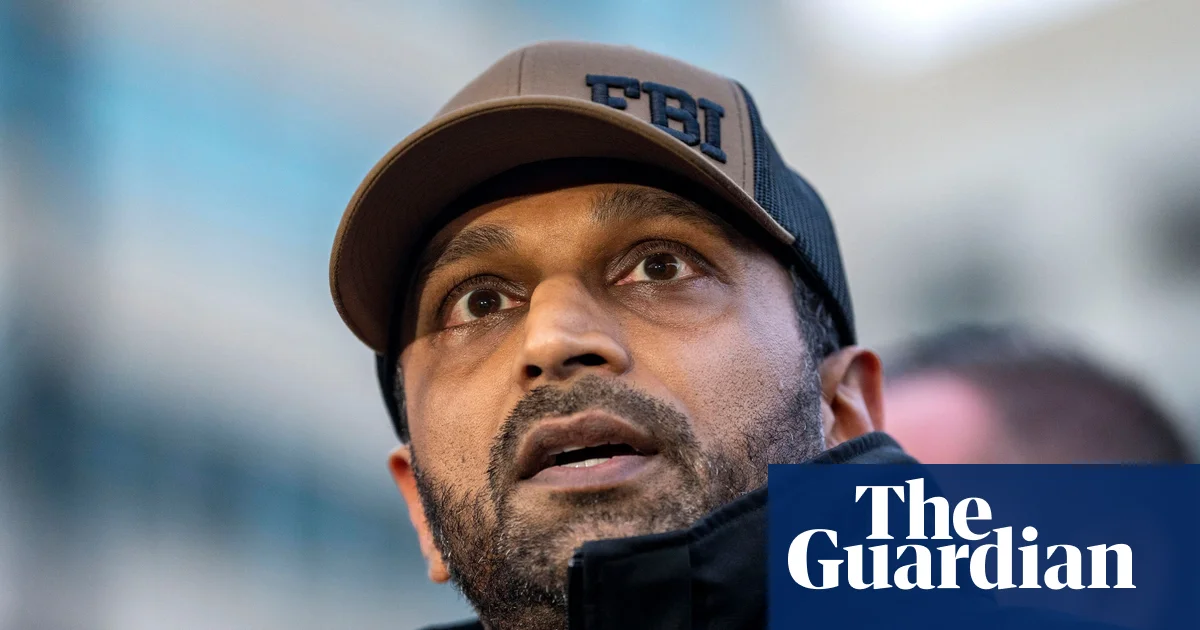

FBI Under Kash Patel’s Watch: Rumors of Fear Stalling Progress, Report Claims

Internal Crisis at the FBI: A Glimpse into U.S. Federal Collapse and Its Global Ramifications

The recent revelations about the Federal Bureau of Investigation (FBI) portray an agency in disarray under the leadership of Kash Patel, painting a troubling picture of internal paralysis, morale plummeting, and a leadership seemingly overwhelmed by the complex demands of modern federal law enforcement. According to a leaked 115-page report compiled by a coalition of retired and active FBI agents, the agency is considered a “rudderless ship,” with staff plagued by fear and a crippling lack of initiative. Such internal strife raises fundamental questions about the state of American federal institutions and their capacity to uphold law & order, especially at a time when global stability hinges on reliable, strong alliances.

This crisis transcends domestic concerns, as international partners grow increasingly wary of U.S. credibility. The report indicates that allied law enforcement and intelligence agencies are worried that the perceived chaos could undermine decades of international cooperation. Analysts emphasize that trust among global allies, especially those involved in counterterrorism and intelligence sharing, is fragile and cannot withstand internal upheaval in American institutions. When a major domestic agency like the FBI falters, it sends ripples across the entire international security architecture—potentially creating a vacuum for adversaries and rogue states to exploit. The report further warns that “long-term damage” to international partnerships may have irreversible consequences, especially if internal divisions stymie Washington’s ability to project stability and leadership on the world stage.

Within the United States, the public trust in federal law enforcement is already strained. The report criticizes Patel’s leadership for lacking experience and for fostering a climate of fear, with managers hesitant to take initiative without explicit directives, effectively turning the bureau into a bureaucratic shell vulnerable to political manipulation. Numerous experts, including prominent historians and security analysts, warn that such internal vulnerabilities are symptomatic of broader erosion in U.S. institutions—a decay that “undermines the very foundations of American sovereignty”. The controversy around Patel’s tenure mirrors a larger trend of political weaponization of federal agencies, which many argue compromises their ability to serve as neutral arbiters of justice. This erosion of institutional integrity risks tarnishing America’s global image as a defender of rule of law and constitutional order.

Cases of misconduct and mismanagement—such as controversial decisions to withhold sensitive information and interpersonal conflicts, including Patel’s allegedly inflammatory outbursts—further fuel concerns about the quality of leadership. Critics point out that such internal discord feeds into the narrative of decline and chaos that adversaries and skeptics are eager to exploit. Yet, amidst these crises, some voices within the political establishment defend Patel, emphasizing efforts to rollback divisive social policies and strengthen immigration enforcement. Nevertheless, the underlying warning remains clear: unless the U.S. can restore confidence and restore order within its premier law enforcement agency, the nation risks becoming a fractured pillar in the global arena—a development that history will remember as a turning point in America’s internal and international decline. The weight of this unfolding story will ultimately depend on whether Washington can stem the tide of internal disorder before it becomes an irreversible chapter in history.

Social Media Auto Publish Powered By : XYZScripts.com


