Matox News

Truth Over Trends, always!

Youth demand clear stance on school smartphone ban amidst societal debate

In recent years, English schools have grappled with a growing debate over the presence of mobile phones within the classroom. A new regulation aims to restrict or outright ban the use of these devices during school hours, citing concerns over distraction, academic performance, and the overall well-being of students. While proponents argue that limiting phone access can foster better engagement and social interactions, critics contend that such measures might inadvertently harm families’ ability to communicate and underscore broader issues around digital dependency and social cohesion.

From a societal perspective, the shift toward banning mobile phones in schools reflects a larger cultural transformation. As sociologists William Ellery and Sharon Block have observed, the digitization of everyday life has reshaped communal bonds and youth identity. The rise of social media platforms has made digital connectivity not just a convenience but a vital part of social life, especially for younger generations. When schools restrict this connection, they may inadvertently impose a societal stressor, forcing families and communities to re-evaluate how they navigate generational divides in technological familiarity.

This policy also raises pertinent questions regarding social equity. Schools serving diverse communities have reported concerns about the uneven impact of such bans. For instance, families from low-income backgrounds or those reliant on mobile devices for emergency communication worry that these regulations could deepen existing disparities. Research from social commentaries like those of sociologist Dr. Lisa Neville emphasizes that policies which dismiss the social realities of marginalized groups risk alienating vulnerable families and eroding trust in educational institutions. The challenge lies in balancing the need to create conducive learning environments with respect for families’ essential roles in societal cohesion.

Furthermore, implementing a mobile phone ban touches upon broader questions of personal responsibility and moral development. Critics suggest that instead of blanket bans, schools should foster digital literacy programs that teach responsible use of technology. Education theorist Dr. Robert Evans advocates that **empowering students with skills to manage their digital lives** can produce healthier social interactions and reduce harmful behaviors like cyberbullying and screen addiction. These strategies align with the understanding that technology, when harnessed responsibly, has the potential to revolutionize education and community engagement, rather than undermine it. As families and educators work together, the hope is to cultivate a generation that navigates the digital age with moral clarity and social responsibility.

Ultimately, the debate over mobile phones in schools embodies society’s ongoing struggle with technological change and cultural adaptation. As we stand at this crossroads, there remains a profound need for policies that respect the complexity of social bonds, the importance of family communication, and the educational mission to prepare responsible, connected citizens. Society’s challenge is to forge a path that embraces the potential of technology while safeguarding the human touch that binds communities together. The future, therefore, hinges not solely on regulation but on a moral revolution—an awakening to prioritize values over devices. Amid the turbulence of change, there persists a quiet hope that society can reconstruct a future where families, communities, and institutions grow stronger through shared understanding and resilience, illuminating a path rooted in humanity’s enduring capacity for renewal.

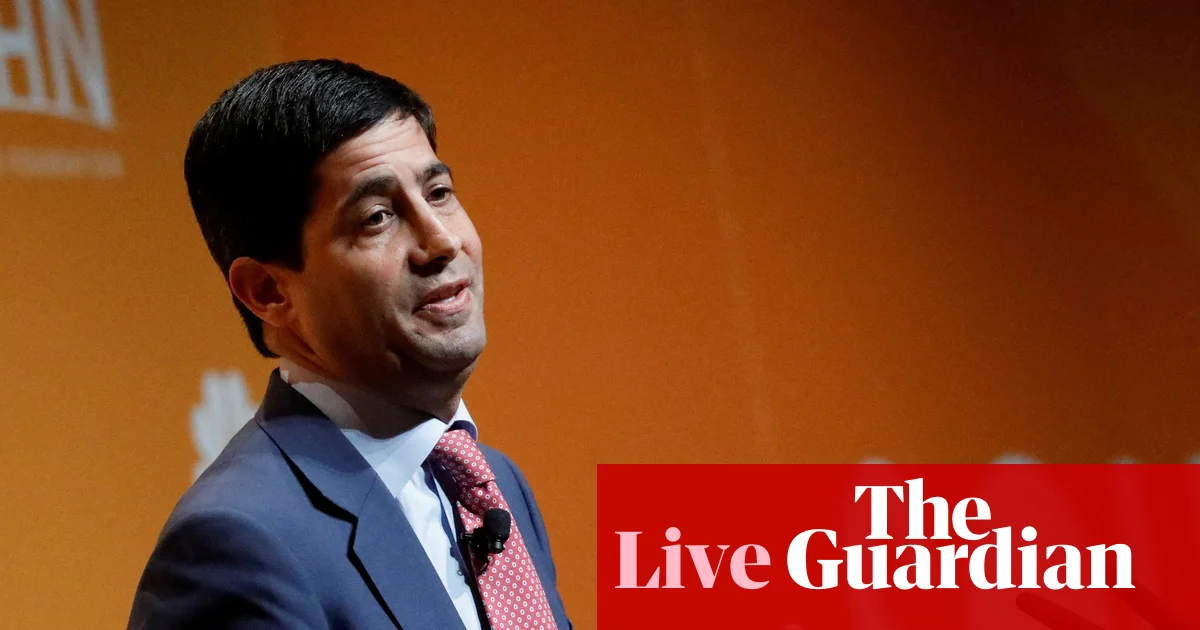
Kevin Warsh vows Fed independence despite Trump’s pressure, signaling firm stance in US politics

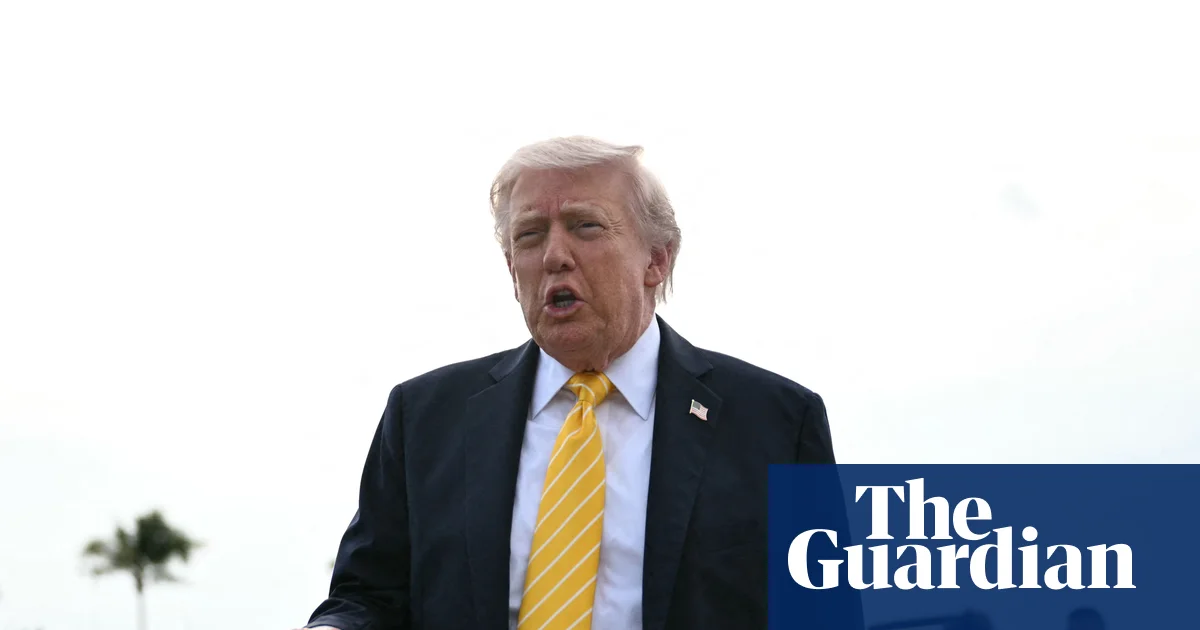
As President Donald Trump faces mounting scrutiny over his influence on the Federal Reserve and its leadership, recent developments signal a profound shift in the geopolitical landscape. At a pivotal confirmation hearing, Kevin Warsh, Trump’s nominee for Fed Chair, publicly committed to maintaining the institution’s independence amid pressures from the White House. Nevertheless, the tense atmosphere painted a stark picture of potential instability at the heart of U.S. economic policy, with echoes reverberating across global markets. Notably, Elizabeth Warren—a leading voice in Congress—warned that Trump’s interference threatens the very fabric of American monetary autonomy, citing ongoing attempts to sway Fed appointments and influence rate decisions.

  • The hearing unveiled a deeper struggle: Trump’s explicit desire for lower interest rates, fueling fears of political weaponization of the federal monetary system.
  • Powerful Republican figures, including Thom Tillis, signaled a readiness to hinder Warsh’s appointment until federal investigations into the Fed’s recent renovations are resolved, risking a period of unparalleled turbulence for the central bank.
  • Simultaneously, Trump’s foreign policy sparked chaos, with the president explicitly refusing to extend a fragile ceasefire with **Iran**, while maintaining that military action remains a strong possibility. In striking contrast to his previous diplomatic tone, Trump’s raw rhetoric signals a readiness to escalate conflict, hinging on a “better attitude to go in with”—a clear warning to allies and adversaries alike.

Global institutions and analysts warn that such domestic instability in the United States portends broader geopolitical consequences. The potential for a divided Fed—undermined by political interference—could lead to currency volatility and increased borrowing costs worldwide. Historians and financial experts, like Dr. Samuel R. Hughes, argue that this turbulence threatens the foundation of the Bretton Woods system’s legacy of monetary stability. Meanwhile, regional dynamics are heating up as Pakistan leads last-ditch negotiations with Iran and the U.S., a move that could either stabilize or further destabilize the Middle East—an area already fraught with tension. The world’s eyes are watching—uncertainty grows as the US’s internal struggles threaten to rewrite the balance of power.

In a parallel political saga, Trump’s other actions—such as endorsing energy expansion policies invoking the Defense Production Act—highlight a bold push for economic nationalism. From a turning point in energy independence to battles over congressional districts in Virginia, the moves reflect a deliberate strategy to tighten control over economic and political leverage both domestically and internationally. The implications for America’s societal fabric are stark: a country polarized further, with political elites questioning the legitimacy of institutions and the loyalty of their leaders. As the nation teeters on the edge of upheaval, the narrative threads of power, influence, and history are being woven anew—possibly forever.

In the words of historian Prof. Alexander Reeve, “This is a defining moment. The choices made today will echo through generations, shaping the future of freedom and sovereignty. The unfolding story isn’t just about policy; it’s about the soul of a nation—its resilience or vulnerability—yet history remains stubborn, waiting to be written by those who dare to shape it.”

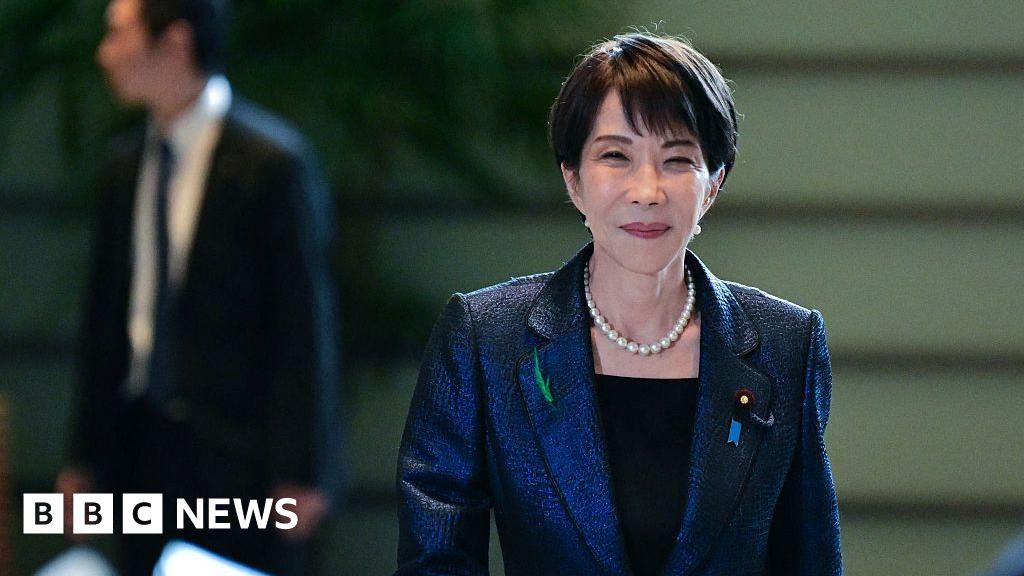
Japan eases arms export limits, shifting away from post-WW2 pacifist stance

In a significant shift poised to reshape global military dynamics, Japan has cleared the way for the export of weapons to more than a dozen countries. This development marks a decisive departure from Japan’s post-World War II pacifist stance, which historically emphasized non-aggression and limited military engagement. The recent policy change, formalized through domestic legislative adjustments, enables Japan to proactively sell defense equipment and technology, thereby positioning itself as an emerging player in international arms markets.

Experts and analysts from across the geopolitical spectrum recognize this move as a clear indicator of Tokyo’s rising ambitions and strategic recalibration. According to senior officials at the International Institute for Strategic Studies (IISS), this shift could significantly enhance Japan’s influence in regional security architectures, particularly within the Indo-Pacific corridor—a zone increasingly contested by greater powers. By expanding its arms exports, Japan aims to bolster alliances with partner nations, secure lucrative markets, and assert its own defense industry on the world stage. However, critics argue that such actions carry risks, including escalation of regional conflicts and complicating diplomatic relations with nations wary of Japan’s rearmament.

This decision also holds profound geopolitical impact on neighboring superpowers and global institutions. Beijing and Moscow have voiced cautious concern, viewing Japan’s rearmament as a potential threat to regional stability. Meanwhile, Washington has welcomed Japan’s expanded defense role as a means to balance China’s growing influence and to strengthen the collective security framework of the Quad alliance, which includes the United States, India, and Australia. The U.S. State Department has publicly underscored Japan’s right to self-defense, framing this move as a vital component of the Indo-Pacific’s strategic fabric.

Historical and policy analysts underline that Japan’s pivot towards active arms exports reflects a broader global pattern where nations are recalibrating their military strategies amid ongoing conflicts and geopolitical upheavals. Historian Dr. Lucas Ardley notes, “This shift is emblematic of a larger trend: nations once wary of militarization are now rediscovering the importance of strategic autonomy and technology sovereignty.”

Key implications include:
  • Enhancement of Japan’s defense industry and technological innovation trajectory
  • Potential proliferation of weapons technology into fragile regions
  • Reconfiguration of regional power balances and alliances
  • Increased pressure on international diplomatic efforts to control arms escalation

As Japan embarks on this new chapter, the world must reckon with the profound implications of a pacifist nation rearming itself in an era marked by regional flashpoints and geopolitical uncertainty. The historic decision fuels a narrative of national sovereignty asserting itself against a backdrop of global instability, underscoring that history is always moving forward, often unpredictably. For many, the question remains: can Japan navigate this new trajectory without igniting a broader arms race, or will it simply mark the beginning of a new era of militarized diplomacy? Only time will tell, yet the weight of history continues to press heavily upon the unfolding future.

Australia News Live: Big Fire at Geelong Oil Refinery; Canavan Backs Tough Immigration Stance

The world is witnessing a series of pivotal moments that threaten to reshape the geopolitical landscape in profound ways. Australia, often considered a distant continent, is currently embroiled in a domestic crisis that threatens its economic stability and raises questions about its future energy security. In Geelong, an “unprecedented” fire at the Viva Energy oil refinery has sent shockwaves through the nation. The blaze, which began late last night, has been described by local officials as decades-in-the-making in terms of its scale and impact. The refinery is responsible for roughly 50% of Victoria’s fuel supply and approximately 10% of the country’s national output, underscoring its strategic significance. As fire crews battle to control the inferno, international actors and analysts watch cautiously, aware that the implications extend far beyond Down Under.

  • The refinery’s destruction or prolonged shutdown could exacerbate Australia’s ongoing fuel crisis, which has already strained households and industries nationwide. The reliance on two remaining refineries, with the other operated by Ampol in Brisbane, highlights how geopolitically sensitive this critical infrastructure truly is. Many international analysts warn that such fragility can serve as a catalyst for broader energy insecurity, potentially inflaming geopolitical tensions with major energy-producing nations. These vulnerabilities are compounded by the fact that both Australian refineries require government support to stay operational, indicative of a broader global trend where energy security and government intervention intersect in geopolitics.
  • The incident coincides with tense political debates within Australia, as Matt Canavan, leader of the National Party, publicly defended the government’s controversial immigration policy. His stance, which proponents tout as “reasonable and fair,” has ignited a fierce contest of narratives over national identity and sovereignty. Canavan’s rhetoric, referencing the naturalisation process of his grandparents and invoking the literary phrase “Having good fences make for good neighbours,” underscores a broader worldview increasingly aligned with nationalist, sovereignty-centric principles. Critics, however, interpret this as an extreme form of discrimination cloaked in patriotic language, highlighting a sinking support for immigration among Australians—a trend that some analysts argue could embolden hardline policies that threaten social cohesion.

International observers, including historians and geopolitical think tanks, warn that such nationalistic rhetoric, when paired with vulnerabilities like energy supply shocks, can escalate into broader regional instability. As the United Nations and World Bank scrutinize Australia’s internal debates and energy roadmaps, the global community remains wary of a potential domino effect. The concern is not merely about Australian sovereignty but how ever-accelerating shifts in domestic policy and energy infrastructure risks ripple effects in the Indo-Pacific and beyond, especially amid rising tensions with China and regional alliances. The fusion of energy crises with aggressive nationalist discourse could, analysts warn, fuel a dangerous cycle of escalation and realignment in international security frameworks.

As history continues to unfold, the nation’s response in the coming weeks will serve as a litmus test for its political stability and strategic resilience. Will the fires at Geelong become a symbol of vulnerability or a rallying point for innovative reform? Will the rhetoric of figures like Canavan morph into a broader movement that tests the limits of accepted policies? The answers to these questions may well determine whether Australia remains a bastion of stability or a flashpoint for new geopolitical conflicts. As the flames lick the skies and political volleys echo across the continent, the weight of tomorrow’s history presses down—an unwritten chapter begging to be shaped by the choices made today.

Taiwan Opposition Leader Makes First China Trip Since 2016, Signaling Tougher Stance

In a clear reflection of China’s strategic diplomacy, Cheng Li-wun’s recent declaration that she “gladly accepted” President Xi Jinping’s invitation” marks a noteworthy development amidst ongoing geopolitical tensions. The statement, emphasizing her aspiration to serve as a “bridge for peace,” signals China’s continued effort to position itself as a pivotal actor in international diplomacy. This move arrives at a critical juncture, as global powers navigate a landscape marked by regional conflicts, shifting alliances, and the ongoing quest for influence.

China’s diplomatic initiatives often serve as a barometer for its intent to reshape global narratives, challenging Western dominance and fostering alliances with nations eager for an alternative. Analysts suggest that Beijing perceives the current international climate as an opportune moment to expand its influence through *soft power* diplomacy—ostensibly fostering peace but also strategically gaining leverage in global affairs. The acceptance of Xi Jinping’s invitation by figures like Li-wun not only underscores China’s unwavering commitment to this approach but also signals a potential shift in regional power alignments. Meanwhile, international organizations such as the United Nations are closely monitoring these developments, wary of China’s expanding footprint amid persistent accusations of coercive diplomacy and military assertiveness in sensitive regions.

Historically, China’s diplomatic outreach has often been viewed in contrast to the more interventionist policies of Western powers, with many countries—particularly in Asia, Africa, and Latin America—seeing Beijing as a counterbalance to Western influence. However, critics warn that these overtures sometimes mask underlying strategic ambitions, designed to secure resource access, economic advantages, and political influence. The recent diplomatic gesture by Li-wun is thus viewed by some experts as a potential turning point—*a signal that China seeks to replace the traditional Western-led model with a multipolar order*. This shift carries profound implications for U.S. and allied interests, as it challenges longstanding assumptions about global leadership and threatens to reshape diplomatic standards across the globe.

As history continues to unfold, the decision of individuals like Li-wun to align themselves with China’s diplomatic agenda underscores how critical moments in the present may define future generations. The international community now faces a stark choice: embrace a new realism that recognizes the shifting tide of power or cling to outdated paradigms that may no longer serve the interests of a restless, rapidly changing world. With each diplomatic handshake, each acceptance of a leadership invitation, history’s weight grows heavier. The stage is set for a new chapter—one that could either bring enduring peace or ignite conflicts that ripple across continents, forever rewriting the narrative of the 21st century.

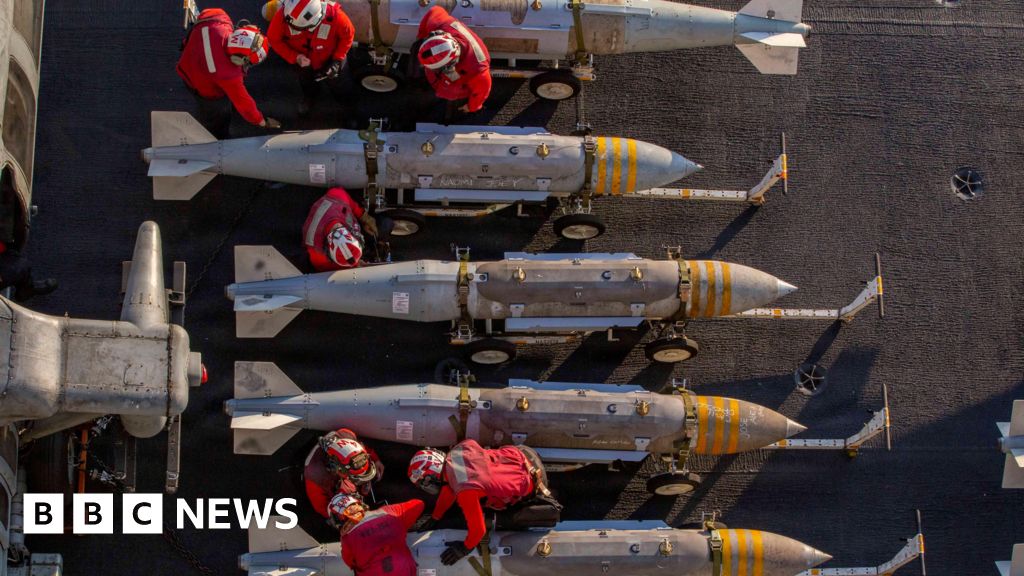
Depleted Weapons Stockpiles Could Threaten U.S. Stance in Iran Zone

As the world watches tensions escalate across several key regions, weapons stocks continue to emerge as a critical yet insufficient determinant of conflict outcomes. While many analysts acknowledge that military capability can shape battlefield success, the broader geopolitical landscape reveals a complex interplay of diplomacy, economic power, and strategic alliances. In this delicate balance, the capacity to mobilize and sustain armed forces often proves decisive, yet it is not the sole factor shaping history’s next chapter,

In recent developments, nations such as Russia, China, and the United States have increasingly prioritized the accumulation of weapons stockpiles as a demonstration of strength—perhaps more a signal to rivals than a prelude to war. However, according to international military analysts, including those at the Stockholm International Peace Research Institute (SIPRI), volume alone does not ensure military victory or deterrence. The state of preparedness, modernity of equipment, and logistical resilience in deploying these assets are equally crucial. This recognition underscores a nuanced reality: conflict is as much about strategic timing and diplomatic diplomacy as it is about the raw number of weapons possessed.

Furthermore, the international community’s response to ongoing conflicts remains shaped by a web of treaties, economic sanctions, and diplomatic efforts that often overshadow military stockpiles. Recent analyses by historians like Ferguson and global organizations such as the United Nations warn against overreliance on military buildup alone. Their assessments indicate that the true turning point in modern conflicts often hinges on international cooperation, information warfare, and economic resilience. For example, the persistent underfunding of diplomatic channels underlines a dangerous misconception: that guns can buy peace, or at least delay inevitable confrontations.

The geopolitical impact of these military strategies stretches beyond the battlefield. Nations are increasingly aware that stockpiling weapons impacts their relationships with allies and rivals alike, often leading to a security dilemma—where one country’s buildup compels neighbors to do the same, fueling an arms race that jeopardizes stability. How these decisions ripple through societies, influence public opinion, and shape future policy decisions remains a central concern for geopolitical analysts. This is especially true in regions where fragile political coalitions can be fractured by perceptions of insecurity or ambition.

As the weight of history presses on current leaders, the world faces a decisive moment: will military strength alone determine the future, or will diplomatic pursuits and economic agility forge a path toward stability? The answer remains elusive as history continues to be written. The siren call of military might is powerful, yet it is ultimately the complex web of international relations—woven with trust, diplomacy, and foresight—that determines the horizon. In this unfolding drama of power and peril, each decision echoes through the corridors of history, shaping generations yet unborn.

Alf Dubs criticizes Shabana Mahmood’s tough stance on immigration as disappointing

In Britain, recent political developments highlight a decisive shift in immigration policy, with profound geopolitical implications. The decision by the home secretary to intensify hardline reforms, amidst the Labour Party’s defeat in the Gorton and Denton by-election, underscores a broader global trend towards stricter border controls. The electoral loss to the Green Party, led by Zack Polanski, signals a significant realignment of voter sentiment—particularly among younger voters increasingly concerned about immigration and national sovereignty.

This political upheaval is not isolated within the UK. Internationally, similar nationalistic currents are sweeping across Western democracies. Analysts from the International Institute for Strategic Studies warn that these shifts could recalibrate global alliances and undermine longstanding commitments to humanitarian principles. The UK government’s proposed asylum reforms—mandating a 20-year wait for illegal entrants seeking indefinite leave to remain—mirror policies adopted elsewhere, such as the Danish model, which has faced fierce criticism for its perceived insensitivity to refugees’ plight. How these policies influence society’s perception of sovereignty and moral responsibility will define their lasting impact on international relations.

  • Labour’s internal split deepens, as senior figures like Shabana Mahmood insist on pushing a hardline agenda, despite backlash from backbenchers and union leaders.
  • The Green Party’s proposals advocating for more humane treatment—allowing asylum seekers to work and ensuring safe routes—highlight a contrasting vision grounded in humanitarian values.
  • Historical voices like Lord Alf Dubs, a child refugee himself, openly criticize policies that threaten vulnerable populations, warning they may have irreversible “damaging” consequences for families and children fleeing conflict zones.

The core geopolitical impact of these internal debates extends far beyond Britain. As countries worldwide grapple with similar questions—balancing sovereignty with international humanitarian commitments—the whole fabric of global migration governance is at a crossroads. The United Nations and European Union face mounting pressure to uphold human rights, even as nationalist parties gain traction on domestic fronts. The threat of increased deportations and prolonged wait times for refuge risks fracturing alliances and fostering resentment, both domestically and abroad. Young Europeans and emerging powers watch intently as Britain’s policies may influence or deter similar reforms elsewhere.

This turbulent period in British politics exemplifies the high-stakes decision-making that could shape the future of international migration for decades to come. As historians scrutinize this era, many warn that policymakers are risking a return to restrictive, insular attitudes that could undermine global cooperation and security. The world remains on the brink of a crucial turning point—where the values of compassion and sovereignty must find a delicate balance. The weight of history still lingers in the air, as nations weigh their choices amid the unfolding drama of migration and justice. Will they choose to uphold their moral obligations, or succumb to waves of populism that threaten to reshape the contours of international society forever?

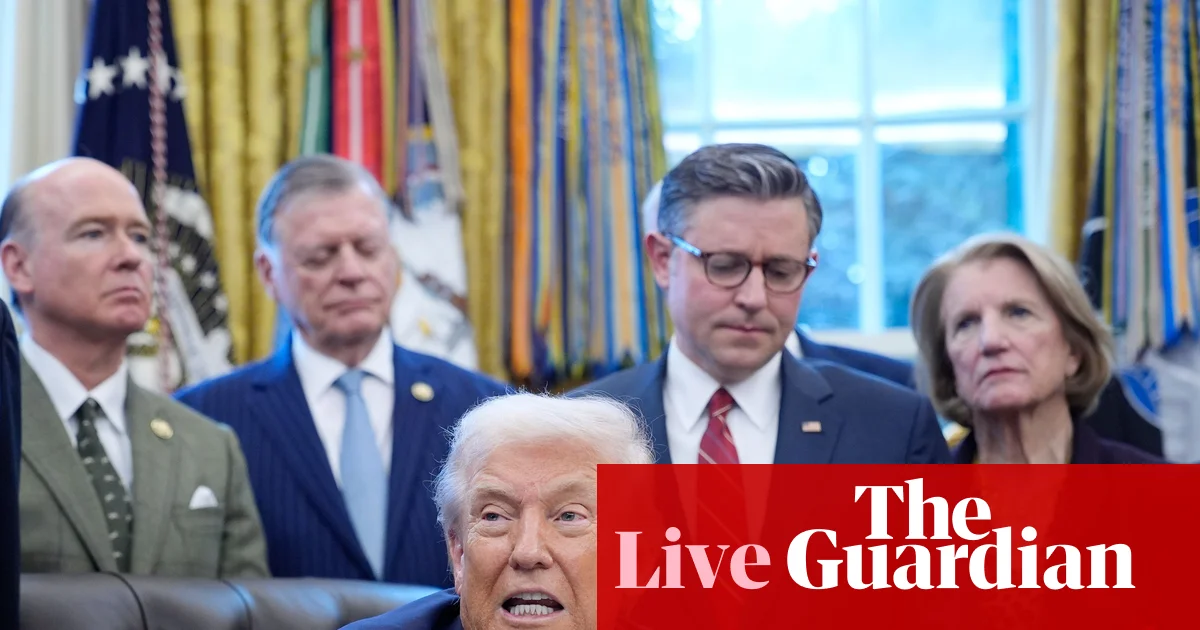
Trump calls Pretti and Good ‘not angels’ as he hints at milder immigration stance — US politics updates

In a tumultuous era marked by shifting alliances and ideological battles, United States actions continue to reshape the global geopolitical landscape. The recent reaffirmation of religious and national values by President Donald Trump at the 74th National Prayer Breakfast underscores a broader ideological push to reinforce traditional faith-based identities amidst a rapidly evolving international order. This event—an annual convergence of political, social, and business elites—serves more than just spiritual purposes; it is a platform where Trump emphasizes his commitment to defending religious freedoms, pushing back against what he characterizes as the divisive policies of the current Biden administration. Analysts argue that such rhetoric aims to rally the conservative base while projecting strength abroad, signaling a deliberate departure from progressive social policies that have faced increasing global scrutiny and resistance.

Beyond the religious rhetoric, American strategy on the world stage reflects a calculated effort to counterbalance China’s rising dominance, especially in critical sectors such as minerals essential for modern weaponry and high-tech industries. The Trump administration’s initiative to establish a critical minerals trading bloc with allies demonstrates its intent to leverage economic and strategic tools to diminish China’s geopolitical influence. This move, supported by tariffs and trade agreements, highlights a concerted effort to safeguard supply chains crucial for electric vehicles, missiles, and cutting-edge defense technology. International organizations, including some from Europe and Asia, are watching these developments closely, recognizing that control over vital resources translates into political leverage—an arena where Great Powers compete fiercely for dominance. Economists warn that this tripwire could solidify a new era of resource nationalism, profoundly affecting society through increased costs and reshaped alliances.

Meanwhile, the internal political dynamics of the United States reveal an ongoing ideological struggle that extends beyond foreign policy. The controversy surrounding immigration enforcement in Minnesota, where ICE agents face opposition from local and national figures, exemplifies the deep societal divide regarding law and order. Recent statements by Donald Trump acknowledging that Renee Good and Alex Pretti were “not angels” but affirming unwavering support for law enforcement, strike a tone of toughness and reassurance to his conservative supporters. Trump’s call for a “softer touch” in immigration enforcement suggests an attempt to balance strict policies with public relations, aiming to preserve his political narrative of law and order—a message that resonates powerfully in a society grappling with safety and national unity. As Senator Chuck Schumer and others demand complete withdrawal of federal agents, the societal tension reveals the fragility of domestic consensus amid international and ideological pressures shaping the nation’s future.

As the world watches, the chessboard of geopolitics continues its relentless advance. Negotiations between Moscow and Kyiv in the shadow of Russian missiles highlight the ongoing \u201cwar of attrition\u201d—a grim reminder that conflicts are no longer confined to battlefield trenches but extend into cyber, economic, and diplomatic realms. Concurrently, the US seeks to form strategic alliances to curb China’s burgeoning influence, while Britain grapples with internal scandals involving past figures linked to Jeffrey Epstein, exposing the persistent scars of political trust and morality. These developments evoke a somber reflection on history—an ongoing saga where decisive decisions today will resonate through generations. The weight of history presses upon every leader in every capital, and the narrative continues to unfold with unpredictable intensity, leaving the global community poised at a crossroads where the future of nations, societies, and values hangs in the balance, teetering on the edge of history’s next great chapter.

Trump hikes U.S. tariffs on South Korea to 25%, signaling tough trade stance

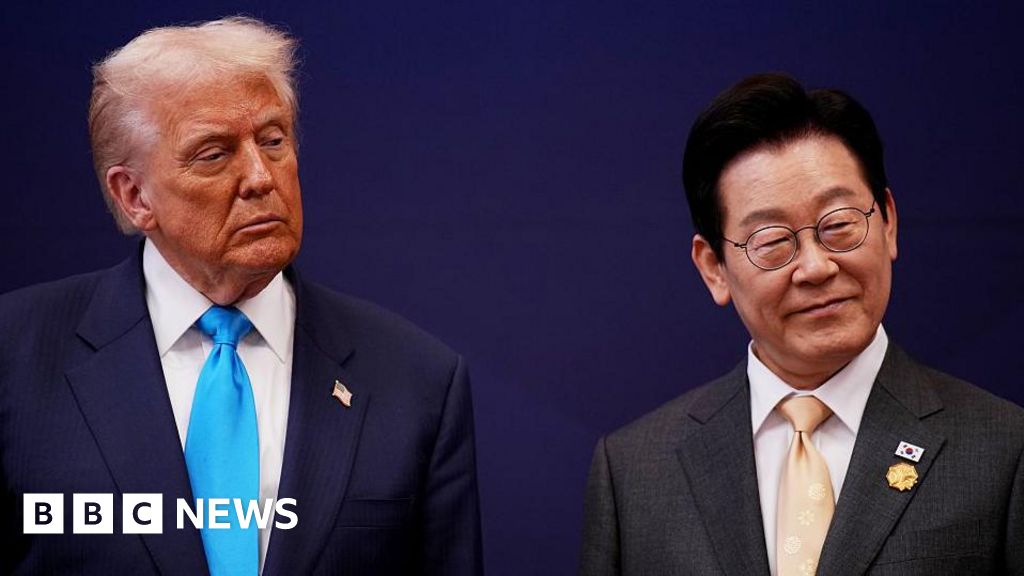
The early weeks of 2023 have marked a significant escalation in US trade diplomacy under President Donald Trump, signaling a shift that could alter the global economic landscape. Trump’s recent decision to raise tariffs on South Korean imports to 25% has ignited a controversy with profound geopolitical impact, exposing a raw edge in the long-standing alliances forged over decades. After accusing Seoul of “not living up” to a bilateral trade deal, the Trump administration announced a surge in tariffs on key South Korean exports, including automobiles, lumber, and pharmaceuticals, effectively undermining a pact reached last October. Analysts warn that such unilateral moves threaten to destabilize regional economies and complicate the delicate web of international trade relationships.

This escalation is emblematic of Trump’s broader doctrine of tariff leverage, deployed as a tool to enforce perceived American economic interests on the global stage. Historically, tariffs have been a double-edged sword—used sparingly to protect domestic industries but often resulting in retaliatory measures that ripple across markets worldwide. According to economic historians and trade analysts, Trump’s strategy of leveraging tariffs as a diplomatic stick has rekindled old debates about the limits of protectionism and the true cost of “America First” policies. The immediate market reaction reflected this tension, with shares of South Korean manufacturing giants, such as Hyundai, plummeting by approximately 2.5%, along with declines in pharmaceuticals and timber stocks, illustrating how decisions made in Washington reverberate swiftly through global supply chains.

The ripple effects extend beyond Asia, touching on broader U.S. foreign relations and the security alliances within NATO. Earlier attempts by Trump to impose a 100% tariff on Canadian imports if Ottawa agreed to a separate China deal strained relations with key allies. Although he later backed down from this threat, the episode underscored how Trump’s use of tariffs as a diplomatic weapon can undermine long-term trust and cooperation. Canadian Prime Minister Mark Carney publicly clarified that his country had no intention of pursuing a free trade agreement with China, emphasizing that official Canadian policy remains aligned with traditional liberal trade principles. Such clarifications highlight a persistent push-and-pull in international diplomacy, as allies navigate the risks of economic hostilities versus strategic cooperation.

Meanwhile, China’s response to these U.S. moves remains guarded but laced with warnings that their “strategic partnership” does not aim to “undercut other nations,” reflecting a nuanced effort to balance economic assertiveness with geopolitical stability. As analysts suggest, the future trajectory of trade relationships hinges on how Washington and its allies manage these tensions. History warns that unchecked tariff wars or unilateral policies could ignite profound shifts in global power dynamics, potentially favoring emerging economic blocs or destabilizing existing alliances. The residual shadow of these decisions casts over the international order, reminding all nations that every trade act bears the weight of history and the uncertain promise of what lies ahead.

As the world watches this unfolding saga, one thing remains clear: the decisions made today will shape the geopolitical landscape for generations to come. With each tariff threat or diplomatic overture, the fabric of international relations is rewoven, often at the expense of stability and trust. The echoes of this moment will be felt long after tariffs are imposed or rescinded, serving as stark testimony to a period where economic conflict and alliance fragility defined the course of history — a history still being written in the corridors of power and the markets of the world.

Hong Kong tycoon convicted in major national security crackdown, signaling tough stance on dissent

Hong Kong’s Jimmy Lai Conviction Marks a Turning Point in Global Geopolitics

The recent verdict against Jimmy Lai, the famed Hong Kong pro-democracy activist and media tycoon, signals a profound escalation in the ongoing struggle over the city’s future and the broader battle for influence between China and the West. Found guilty of colluding with foreign forces under the city’s controversial national security law (NSL), Lai’s conviction reverberates far beyond Hong Kong’s borders, serving as a stark warning to dissenters and a testament to Beijing’s unwavering commitment to tightening its grip on the former British colony.

This legal action, which many scholars and analysts are calling a turning point in judicial independence, exemplifies how Beijing is actively rewriting the rules of engagement within the region. The U.S. and UK, long advocates for civil liberties in Hong Kong, condemned Lai’s trial as an example of “politically motivated persecution,” emphasizing that his conviction was motivated not by justice but by China’s desire to silence anyone daring to challenge Communist Party authority. International watchdogs, including Human Rights Watch, have asserted that the NSL and related legal practices are used to crush dissent and dismantle Hong Kong’s once vibrant pro-democracy movement. The judgment underscores how decisions made in Hong Kong are now deeply intertwined with geopolitical impact, shaping a conflict that pits Western values of free expression against an authoritarian Chinese state eager to consolidate power.

The case of Lai, who used his now-defunct Apple Daily newspaper as a platform to promote democratic ideals and lobby foreign governments for sanctions, is a stark symbol of the broader clash for ideological control. His advocacy, coupled with open meetings with U.S. officials like then-Vice President Mike Pence and Secretary of State Mike Pompeo, demonstrated how the pro-democracy movement in Hong Kong was viewed as a direct challenge to Beijing’s sovereignty. The Chinese government, through state media like Global Times, has responded with unwavering resolve, asserting the case sends a “clear message” — that any attempt to undermine the integrity of the nation will be met with “severe punishment.” Such rhetoric highlights how Beijing’s strategy employs legal measures as a tool for political consolidation, signaling to the world that dissent in Hong Kong—and beyond—is increasingly dangerous and, ultimately, futile.

In analyzing this development, experts warn that the implications extend well beyond Hong Kong. The fallout influences international relations and impacts the ability of democracies to stand up for their principles. Governments including the UK and US have criticized the Chinese authorities, demanding Lai’s immediate release, claiming his trial exemplifies the danger facing free societies worldwide. This clash over Hong Kong’s legal sovereignty is viewed by many as a broader contest over the future of freedom in a rising tide of authoritarianism. The question remains: how long can the West afford to ignore the tide of Chinese expansion that is now sharply focused on rewriting regional laws and norms to serve the interests of a rising autocratic power? The decisions taken in this courtroom will resonate throughout history, testing the resolve of nations that cherish liberty and debating the limits of State power in the name of security.

As history continues to unfold, Lai’s fate whispers a haunting warning — that the battle for the soul of Hong Kong is not just a local story. It is a story written in the margins of a global power struggle, where freedom’s defenders confront an increasingly assertive state that will go to any lengths to silence those who dare challenge the order. The echoes of Lai’s verdict serve as a stark reminder: in the shadows of justice, the true conflict for history’s verdict still looms, waiting to be written with the blood and defiance of those who dare challenge the silence imposed from Beijing to the world stage itself.

Social Media Auto Publish Powered By : XYZScripts.com