Matox News

Truth Over Trends, always!

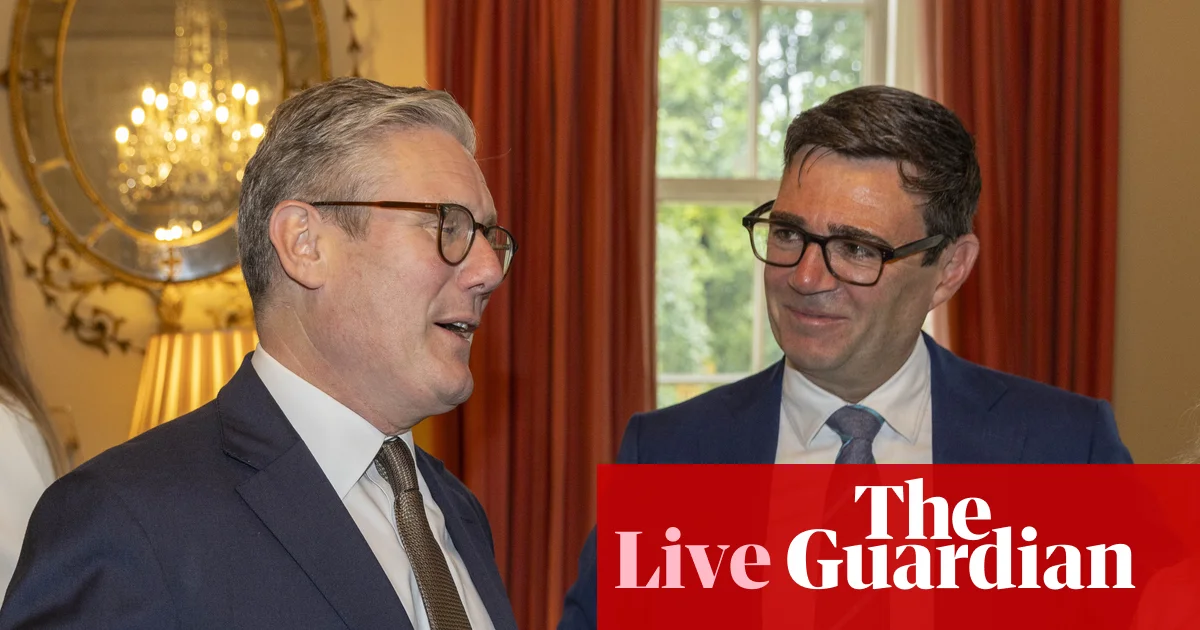
Starmer Stands Firm, Blocks Burnham's Byelection Bid – UK Politics Live
Starmer Stands Firm, Blocks Burnham’s Byelection Bid – UK Politics Live

The tumultuous landscape of British politics continues to reverberate across the international stage, as internal disputes within Labour threaten to undermine the nation’s stability and the broader geopolitical narrative. The recent decision by Keir Starmer and his leadership to block Andy Burnham from standing as the Labour candidate in the upcoming Gorton and Denton byelection exemplifies the growing rift in the party, one that analysts warn could have unforeseen consequences beyond the UK’s shores.
Historically, the internal conflicts of the UK Labour Party have served as a mirror to larger global shifts—where ideological fissures often presage shifts in regional alliances, electoral viability, and national security. When senior officials prioritize short-term electoral strategies over broader political unity, especially during a time of heightened international tension, the ripple effects can diminish the UK’s diplomatic standing and weaken its influence in key alliances such as NATO.

According to renowned historians and global policy analysts, the decisions made within London’s political corridors carry symbolic weight. \”This internal strife,” noted Dr. Clara Martins of the European Council on Foreign Relations, “exposes a nation grappling with its identity at a moment when global powers are recalibrating their alliances and priorities. Such divisions can embolden rivals and weaken diplomatic protocols that rely on stable leadership.”

The internal Labour debate reveals competing visions: one emphasizing electoral strategy and resource allocation, and the other rooted in longstanding principles of party democracy and collective action. The decision to prevent Burnham—a highly popular figure with significant influence—is framed as a pragmatic move to concentrate resources on “elections we must have,” as expressed by Keir Starmer. Yet, critics argue that this political calculus diminishes Labour’s capacity to present a unified front on the international stage, especially in an era where perceived instability can be exploited by geopolitical adversaries such as Russia and China.

Global Repercussions of Domestic Divisions

  • International organizations like NATO and the United Nations watch closely as Britain’s internal politics unfold, understanding that internal stability is often a precursor to successful diplomacy and leadership abroad.
  • European partners are increasingly concerned that ongoing fissures within UK politics could hamper future coalition efforts or compromise commitments on issues such as defense, climate change, and global health preparedness.
  • Furthermore, analysts warn that the UK’s diminished diplomatic cohesion might embolden regional powers to challenge the rules-based international order, exploiting Britain’s perceived political weakness.

In this context, the internal Labour battle is more than a party squabble; it signals how European and global actors can interpret Britain’s internal stability and responses. When leaders like Douglas Alexander argue that concentrating resources on “what we must have” is necessary, they inadvertently broadcast to the world a message of internal discord masked by political necessity. Such signals, according to experts, risk weakening the UK’s influence during a critical period marked by resurgent great power rivalry.

The Weight of History and the Unfolding Future

As history continues to forge its course in the crucible of internal political struggle and international shifts, how Britain navigates these turbulent waters will determine not only its domestic stability but also its geopolitical posture. The decisive decisions made today, from the party halls of Manchester to the diplomatic corridors of Brussels and Washington, echo into a future where alliances are tested, and influence is contested.

In the shadows of Westminster’s veritable chessboard, alliances are being reassessed amidst the chaos of internal discord. The decisions to block Burnham and shift focus away from contentious local politics may seem like tactical moves, but they underscore a far greater narrative—one where the weight of history is calling for unity and strategic clarity, lest Britain’s influence fade into the annals of defeat and internal strife.
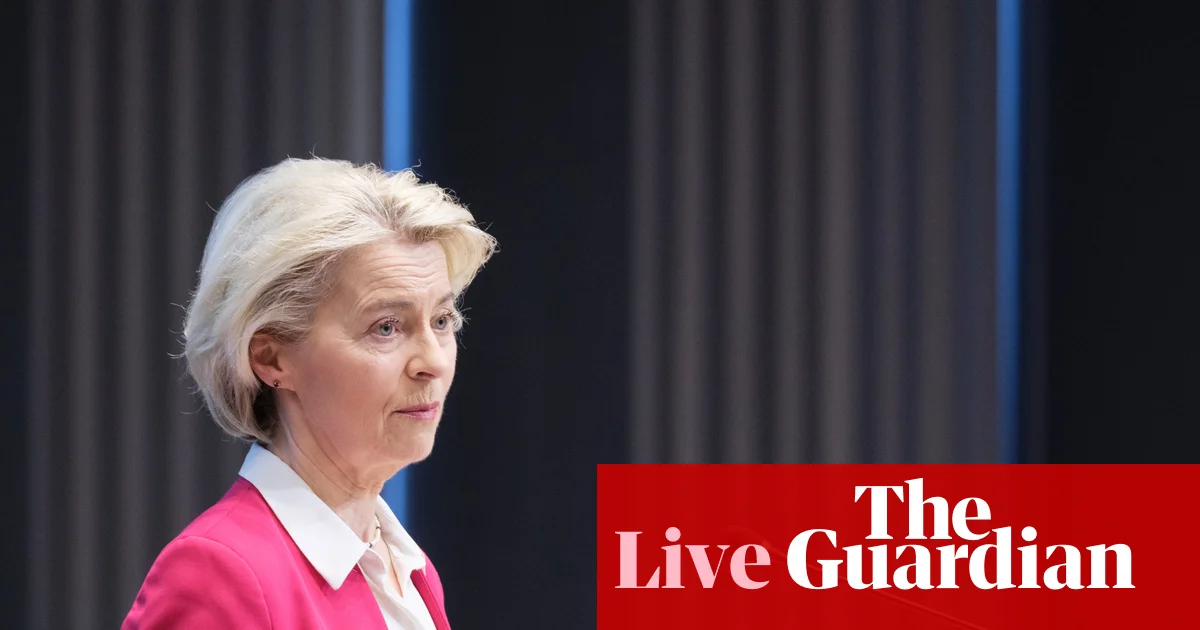

Von der Leyen slaps down Trump’s Election interference Claims—Europe Stands United

As the world observes an increasingly volatile geopolitical landscape, the spotlight remains fixed on Ukraine, Russia, and the wider Western alliances shaping international stability. Recent developments reveal a complex web of negotiations, territorial disputes, and strategic moves that could redefine borders and influence power dynamics for years to come. At the center of this maelstrom are Ukraine’s territorial integrity, Russia’s assertive claims, and the West’s cautious approach, highlighting the profound geopolitical impact of decisions made today and how they resonate across societies.

Intent on consolidating its narrative, the Kremlin’s foreign policy aide Yuri Ushakov issued a provocative statement asserting that “the whole of Donbas belongs to Russia,” despite international consensus on Ukraine’s sovereignty. This claim, vehemently rejected by Kyiv and Western analysts alike, underscores the persistent reluctance of Moscow to accept any potential compromise on territorial disputes. The strategic importance of Donbas, comprising the Donetsk and Luhansk regions, remains a key sticking point in peace talks. The European Union and NATO consider these developments as potential preludes to renewed conflict, emphasizing how Russia’s unwavering stance challenges the prospects of a peaceful resolution.

Meanwhile, in the corridors of power, UK and US officials debate the long-term security risks of a potential Ukrainian retreat. **Peter Ricketts**, a former UK security adviser, expressed deep concerns over the US proposal for a “free economic zone” in parts of Donbas under Ukrainian control, warning that these “guarantees” are likely superficial, and that Russian infiltration, reminiscent of Crimea’s annexation, would inevitably follow.** Such analysis signals a broader apprehension: that international espionage, pretext-driven incursion, and political destabilization could consume Ukraine from within, paving the way for a new phase of Russian expansion. This scenario not only threatens Ukrainian sovereignty but also jeopardizes European security architecture, prompting analysts worldwide to question whether the West’s strategies truly deter further Russian advances or inadvertently embolden them.

Amid these complex negotiations, the European Union faces internal disagreements over the handling of frozen Russian assets. Countries like Hungary oppose permanent asset freezes, whereas others discuss the possibility of using seized funds for Ukraine’s reparation efforts—a move that has ignited tensions within EU member states. The recent vetoed law in Slovakia, where President Pellegrini challenged government reform, exemplifies the fragile balance of power and the growing tensions surrounding EU coherence. Historians and geopolitical analysts warn that such internal discord could weaken the EU’s unified stance, inadvertently providing Russia with openings to exploit divisions and extend its influence across the continent.

As the diplomatic dance continues and new proposals hover on the horizon, the true question remains: whether Vladimir Putin is willing to sign a genuine peace deal or if he is merely playing a game of delay, buying time to consolidate his military gains over winter. With the ongoing narrative of fake negotiations and strategic deception, the world stands at a historical crossroads where every decision could either lead to a fragile peace or ignite a broader conflict. As atmospheric tensions escalate, the echoes of history remind us that the unfolding story in Ukraine and beyond is far from over; indeed, it is a chapter in a much larger saga of power, sovereignty, and the enduring struggle for geopolitical dominance that continues to shape the future of our societies.

FTC stands firm: Stalkerware pioneer Scott Zuckerman banned, tech watchdogs celebrate

The Federal Trade Commission (FTC) has decisively upheld its 2021 ban against Scott Zuckerman, the controversial founder behind Support King and its associated stalkerware products. This move underscores the ongoing clash between relentless disruption of traditional privacy norms and regulatory measures aimed at protecting consumers and vulnerable individuals from invasive surveillance technology. The FTC’s stance remains firm despite Zuckerman’s recent petition to revoke or modify the ban, citing mounting financial and operational burdens.

At the heart of this controversy lies the alarming pattern of innovation in illicit surveillance. When it first enacted the ban, authorities highlighted that Zuckerman’s product SpyFone facilitated stalking by secretly monitoring personal devices, exposing users’ most sensitive data. A major breach in 2018, involving over 3,600 phones, revealed that the company had left sensitive content—including selfies, messages, and audio recordings—vulnerable online due to extremely lax security protocols. This incident not only exposed personal information but also exposed the inherent risks of disruptive business models built around invasive monitoring.

  • Innovative breach exploitation exposed vulnerabilities in stalkerware security.
  • Demonstrated the potential for hackers to hijack sensitive personal data stored by these apps.
  • Highlighted the failure of regulatory frameworks to keep pace with rapidly evolving surveillance tech.

The case reveals a disturbing trend: repeat offenders attempting to circumvent regulation through clandestine operations. Less than a year after the FTC ban, evidence suggested Zuckerman’s team was running a clandestine secondary operation, SpyTrac, with ties back to the original Support King empire. Leaked data showed direct links to SpyFone and access keys to OneClickMonitor, raising questions about whether regulatory crackdowns can truly contain such disruptive entrepreneurs whose innovations push legal boundaries. Experts like MIT’s cybersecurity researchers warn that these activities threaten to erode privacy standards, fueling a clandestine market that’s difficult to regulate.

Industry analysts such as Gartner warn that the continued proliferation of such invasive technologies signals a need for robust enforcement and innovative reforms. The implications extend beyond individual privacy; they threaten to reshape the competitive landscape, driving legitimate tech firms to innovate smarter security and privacy solutions. As Peter Thiel and others argue, disruption in the surveillance tech realm could redefine the boundaries of personal liberty and corporate responsibility. The FTC’s refusal to relax the ban is a statement: regulation must evolve in tandem with innovation—crucial for safeguarding future technological progress.

Looking ahead, this high-stakes case serves as a stark warning to entrepreneurs and investors betting on disruptive tech: without strong ethical boundaries and regulatory compliance, even the most innovative ideas risk becoming regulatory casualties. As the industry braces for a wave of new innovations, the importance of urgently establishing clear legal and ethical frameworks will determine which companies lead the next revolution and which fall by the wayside. The future of technology rests on striking the right balance—fostering innovation while fiercely defending individual rights against invasive surveillance. Time remains of the essence; the clock is ticking for regulators and entrepreneurs alike to shape a secure, responsible digital frontier that can withstand the disruptive forces at play.

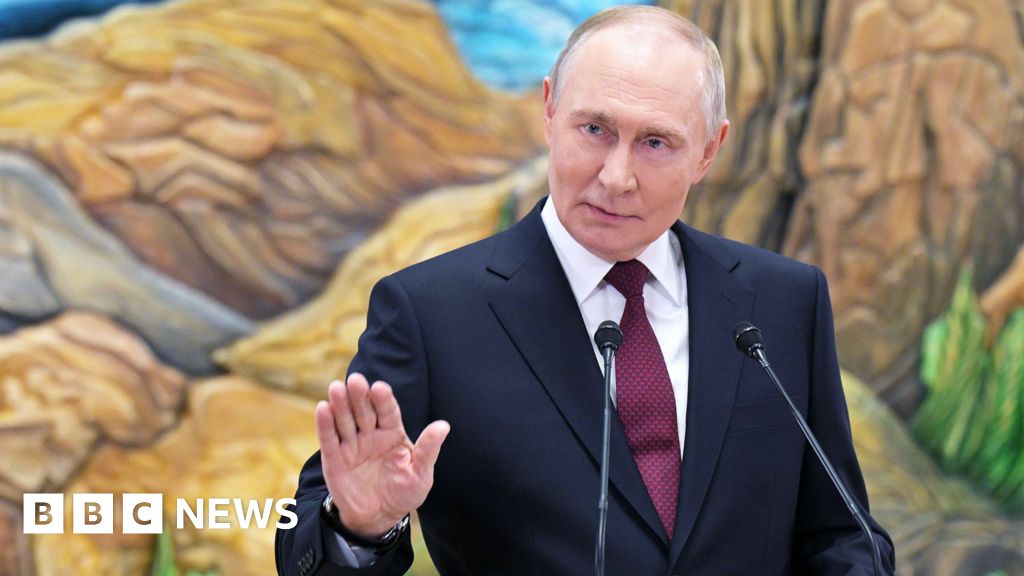
Putin stands firm—no signs of backing down

Russia’s Unyielding Stance in Ukraine: A Turning Point in Global Diplomacy

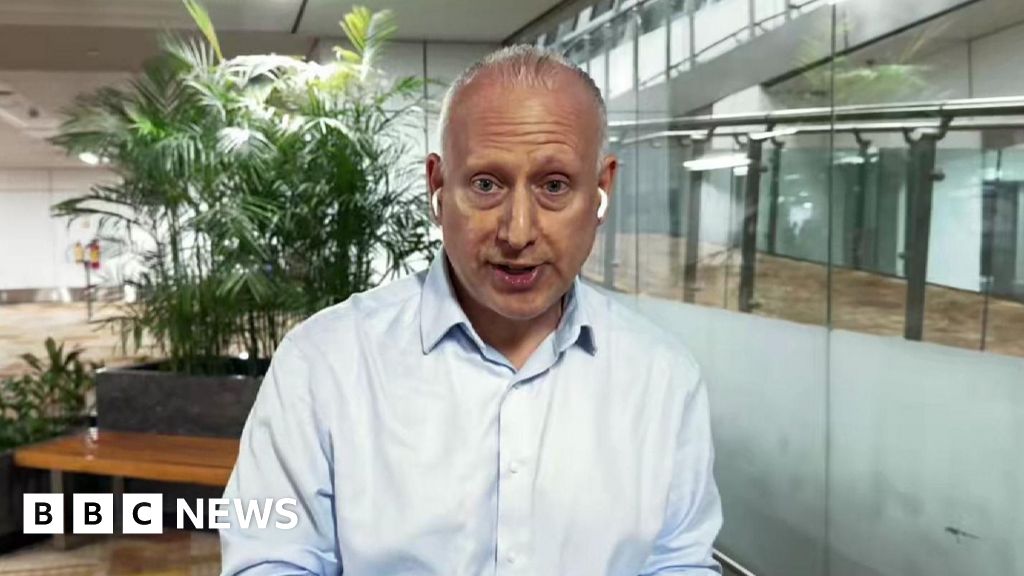
Amidst persistent international concern, Russian President Vladimir Putin has signaled a firm and unwavering stance in ongoing negotiations related to the conflict in Ukraine. According to reports from the BBC’s Russia Editor Steve Rosenberg, Putin’s government exhibits no signs of compromise, especially after recent talks with the United States envoy Steve Witkoff, which reportedly concluded with no agreement reached. These negotiations, lasting five hours, underscore a critical moment in the evolution of the crisis, revealing Moscow’s intent to maintain control over its strategic objectives without conceding ground to Western diplomatic pressures.

This resistant posture is rooted in the belief that Russia currently holds the initiative on the battlefield, a perspective echoed by many geopolitical analysts who observe that Putin interprets recent military developments as a strategic advantage. As Rosenberg notes, Putin perceives himself as the principal architect of the conflict’s future terms, confidently asserting that Russia will dictate the conditions of any forthcoming peace agreement. This approach, fueled by a mix of nationalistic fervor and strategic calculus, threatens to prolong the hostilities and deepen the international divide, raising urgent questions about the prospects for resolution and the potential for escalation.

From an international perspective, these developments wield profound geopolitical impact. Western nations, particularly in NATO, have watched with increasing concern as Russia entrenches its positions, arguably risking a prolonged confrontation that could spark broader instability. Critics and security specialists warn that such unyielding negotiations risk emboldening Russia’s military posture, complicating diplomatic efforts and destabilizing the carefully balanced power structures in Europe and beyond. Meanwhile, world leaders and historians—such as Angela Stent, a former National Intelligence Officer for Russia and Eurasia—have emphasized that Russia’s refusal to concede underscores a wider strategic gamble: that patience and firmness may be the only way to counter Putin’s vision of regional dominance.

In the larger narrative of global diplomacy, this confrontation marks a turning point, echoing past conflicts that shifted the course of history. How the Western alliance responds to such stiff resistance will determine whether diplomacy can eventually prevail or if the conflict will enter a protracted stalemate or active escalation. The stakes extend beyond Ukraine’s borders, portending a redefinition of international order and sovereignty, with nations watching every move, every negotiation, every escalation. As Putin’s government shows no sign of retreat, the world stands on the precipice of a new and uncertain chapter—one where the decisions made today will shape the geopolitical landscape for generations to come.

Putin Stands Firm on Ukrainian Land Ahead of US Talks

The unfolding conflict in Ukraine continues to redefine the global geopolitical landscape, with President Vladimir Putin asserting that Russia will only cease its military operations if Kyiv’s forces withdraw from territories Moscow claims as its own. These demands include the controversial annexation of the Crimean Peninsula in 2014 and the ongoing occupation of the Donbas region, made up of Luhansk and Donetsk. Moscow’s insistence on legal recognition for these seized territories signals a hardening stance that complicates any prospects for diplomatic resolution. As seen through the lens of international analysts and historians, such as Dr. Catherine Pugh of the International Institute for Strategic Studies, these demands serve as a stark reminder of Russia’s strategic aim to cement transitional zones of influence and undermine Ukraine’s sovereignty permanently.

Meanwhile, Ukraine remains resolute, firmly rejecting any proposal that would legitimize Russian territorial gains through mere recognition of de facto control. Kyiv’s leadership has consistently indicated that territorial concessions are off the table, emphasizing that rewarding aggression would set a dangerous precedent for sovereignty across Europe and beyond. Putin’s recent trip to Kyrgyzstan, where he accused Ukraine of fighting “to the last Ukrainian,” underscores Russia’s willingness to escalate the conflict with an unwavering conviction that the current battlefield advantage grants them the initiative. According to the Institute for the Study of War, Moscow’s slow, attritional advances, particularly in eastern Ukraine, could stretch over the next two years, risking ongoing loss of manpower and resources—a clear sign that Russia’s military engagement, though persistent, is becoming increasingly costly and politically contentious.

The diplomatic arena is no less turbulent. Recently, a draft peace plan, initially skewed heavily in Moscow’s favor, has become a focal point for international diplomacy. According to reports, the revised document leaves unresolved critical issues like the status of Crimea and the Donbas, along with security guarantees for Ukraine. Putin’s assertion that the current draft could form the “basis” for future peace agreements highlights Russia’s strategic intent to wield diplomatic leverage, conditioning a resolution on recognition of its territorial claims. Meanwhile, the upcoming visits by U.S. officials—such as special envoy Steve Witkoff and potential discussions involving Jared Kushner—indicate that the West remains engaged in a delicate balancing act: seeking an exit from conflict yet wary of legitimizing Moscow’s territorial ambitions. European leaders, like Ursula von der Leyen, have expressed skepticism about Russia’s true intentions, condemning the Kremlin’s view of Europe as a “sphere of influence” and warning that such post-World War II mindsets threaten regional stability.

As the international community watches with bated breath, the conflict’s trajectory remains uncertain—yet undeniably pivotal. Putin’s dismissive attitude towards Ukrainian leadership and European warnings of future escalation reflect an overarching strategy grounded in resilience and repression. The ongoing debate over recognition, sovereignty, and security guarantees is but the latest chapter in a broader struggle that threatens to reshape borders and alliances for generations to come. Amidst the turmoil, a precipice looms: history is being written not just by the powers involved, but by the very decisions that could either cement peace or plunge Europe into a protracted shadow of conflict. The weight of this moment surpasses diplomacy; it is a defining juncture that will echo through the corridors of history, testing the resolve of nations and the endurance of liberty itself.

Trump Brushes Off Khashoggi Controversy, Stands by Saudi Crown Prince

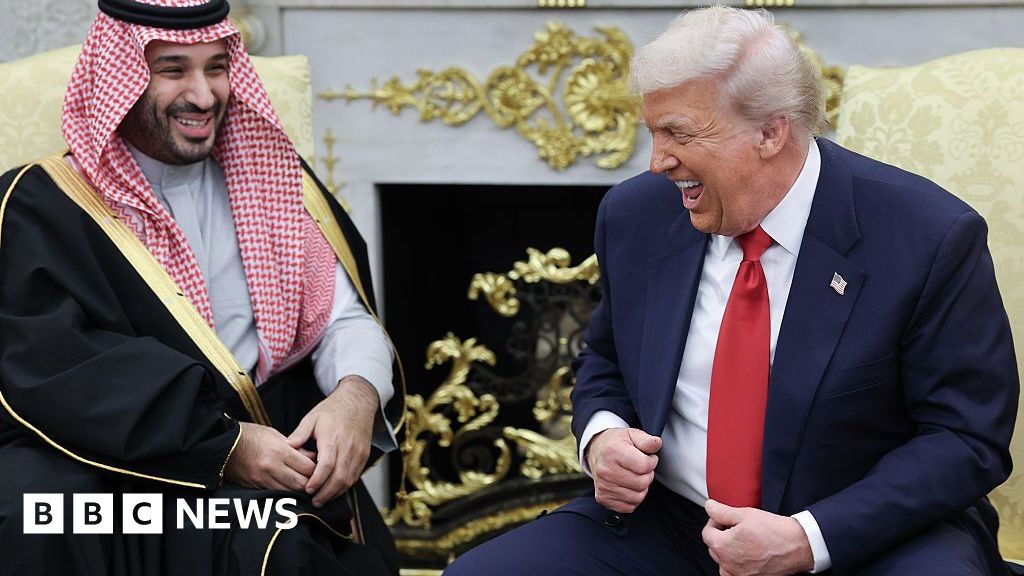
The recent visit of Saudi Crown Prince Mohammed bin Salman to the United States signals a notable recalibration in international alliances and strategic interests, despite ongoing controversy surrounding the brutal 2018 killing of journalist Jamal Khashoggi. While the White House, under President Donald Trump, welcomed the de facto ruler with promises of increased economic cooperation—specifically in fields like civilian nuclear energy, artificial intelligence, and significant US investments—the shadows cast by the Khashoggi affair linger. Historians and analysts warn that such overt diplomacy, amid unresolved human rights questions, could set a troubling precedent for how nations prioritize economic and geopolitical gains over moral accountability. In a move that could be seen as pragmatic or duplicitous, the US administration has downplayed the intelligence reports that explicitly link Mohammad bin Salman to approving the operation that resulted in Khashoggi’s death. These reports, declassified under President Joe Biden, serve as a stark reminder of the complex interplay between the pursuit of strategic alliances and the imperative of justice—an ongoing tension that shapes international diplomacy today.

One of the most contentious issues surrounding this diplomatic dance involves the potential sale of advanced F-35 fighter jets to Saudi Arabia, a move that has alarmed Israel. Critics argue such an arms deal threatens the region’s delicate balance of military power, risking the loss of Israel’s “qualitative military edge”. Despite assurances from Trump that these aircraft would be comparable to those operated by Israel, the implications for regional stability remain uncertain. This arms deal is more than mere military hardware; it symbolizes a shift in regional power dynamics, with Saudi Arabia positioning itself as an increasingly militarily capable regional player, backed by the world’s superpower, the United States. This calculated move reveals how geopolitics—driven by economic interests, security concerns, and political optics—continues to redefine the Middle East’s stability.

The broader significance of this high-level engagement extends beyond mere defense and diplomacy. The visit underscores a pragmatic, if controversial, approach to diplomacy in a fractured world where authoritarian regimes—like Saudi Arabia—are being courted for their strategic value, despite their human rights abuses. Critics, including prominent human rights organizations and some US lawmakers, view this as a tacit endorsement of an autocratic regime that dismisses universal standards of justice. Nonetheless, the geopolitical impact remains profound. Increasing US investment, coupled with the crown prince’s promise to raise Saudi-US investments to a staggering $1 trillion, signals a shift towards economic pragmatism over moral clarity. Meanwhile, the world’s eyes remain fixed, watching as history increasingly unfolds in the corridors of power—where diplomatic priorities often clash with the enduring quest for justice.

As the global order continues its tumultuous evolution, the question of morality versus geopolitics hangs in the balance. The Trump-Mohammed bin Salman summit encapsulates this complex tension—where economic opportunity and regional influence are prioritized, even amid unresolved questions of accountability. The tragic story of Khashoggi’s murder remains a stark reminder of the human cost behind diplomatic decisions—an unresolved wound in the fabric of international relations. With every deal struck and every alliance forged, the weight of history presses heavily, hinting that the unfolding chapter is far from over. As the world stands at this geopolitical crossroads, history waits—silent and vast—to record the choices that will determine the future for generations to come.

No Kings protests begin nationwide as National Guard stands ready

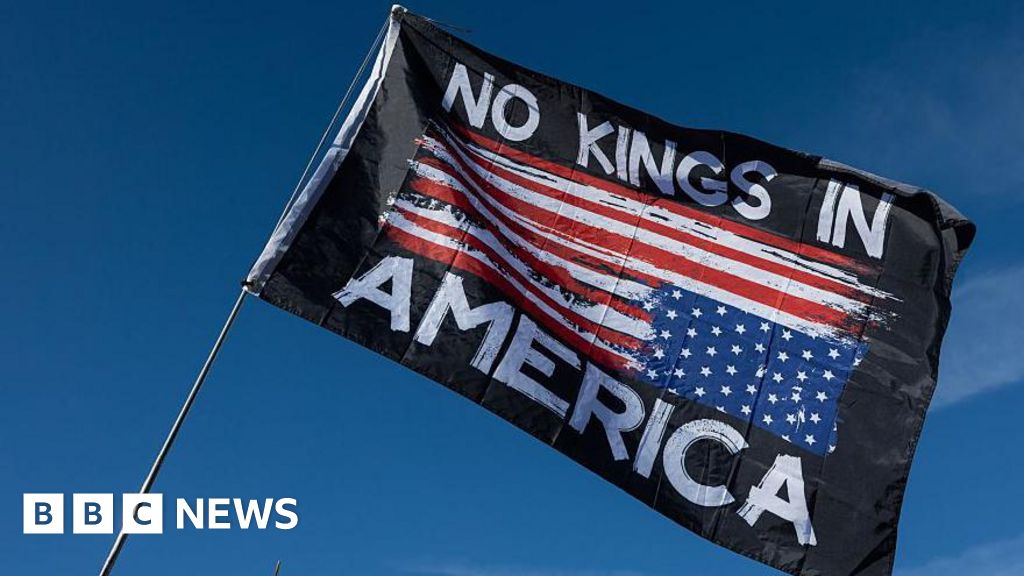
America witnesses a historic wave of mass protests, signaling a defining moment in its tumultuous political landscape. Organized under the banner of the “No Kings” movement, these demonstrations are set to mobilize over 2,500 locations across the country. With an estimated five million Americans having previously taken to the streets in June, the scale and fervor of these protests underscore a deep societal fracture—one that continues to resonate globally. The protests aim to challenge what organizers describe as President Donald Trump’s drift toward authoritarianism, asserting that “there are no kings in America,” and warning against escalating chaos, corruption, and cruelty.

International observers, including analysts from the United Nations and respected historians, recognize the significance of these events beyond the borders of the United States. European capitals like Berlin, Madrid, and Rome have seen solidarity rallies, reflecting how deeply discussions about democracy, sovereignty, and the limits of presidential power are echoing worldwide. The reaction from America’s internal political factions makes plain the stakes involved: while some Republican leaders call for the deployment of the National Guard in the name of security, Democrats condemn such measures as reminiscent of dictatorial regimes. This division speaks to a broader crisis of governance and legitimacy that has the potential to reshape America’s role on the global stage.

Within this historic context, President Trump’s own statements amplify the drama. In a pre-taped interview teased by Fox News, Trump dismissively remarked, “You know – they’re referring to me as a king. I’m not a king,”—a stark contradiction given the rhetoric of his opponents and the mobilization by reactionary voices within his camp. Meanwhile, Republican figures like Kansas Senator Roger Marshall and Texas Governor Greg Abbott frame the protests as threats linked to radical leftist factions like Antifa. Abbott’s decision to activate the National Guard has sparked fierce debate: critics argue it echoes authoritarian tactics, with Democrats, including Virginia’s Governor Glenn Youngkin, condemning the move as a suppression of peaceful dissent—a hallmark of despotic regimes. This confrontational stance raises pressing questions about the future trajectory of American civil liberties and governance.

As leaders, activists, and global observers watch with bated breath, the unfolding events in the United States could well mark a pivotal chapter in the course of national and international history. How nations respond to internal upheaval signals the state of their democratic health and resilience. The world remains attentive as this drama continues to unfold—a contest between authority and liberty that will ultimately define the legacy of a nation that once regarded itself as the beacon of freedom. Yet in the shadows of these turbulent protests, history quietly moves forward, its weight pressing down on the future, as the echoes of today’s confrontation threaten to shape the world’s future independence and sovereignty for generations to come.

Kimmel stands his ground with bold message to Trump, sending a clear call to the youth and values we hold dear

In the shifting currents of contemporary culture, the significance of art, media, and entertainment extends far beyond mere amusement; they stand as the living pulse of our collective identity. As Ortega y Gasset famously observed, “A society is always as strong as its cultural memory.” Today, figures like Jimmy Kimmel and Robert De Niro serve not only as entertainers but as voices in the ongoing dialogue about truth, freedom, and societal norms. Their confrontations with political figures and institutions highlight a profound truth: culture is both the mirror and the torch of society’s values. This culture—whether it lives in the nuances of late-night monologues or in the underlying principles of national discourse—remains an indelible part of our heritage and a prophecy of our future trajectory.

In recent weeks, Kimmel’s return to television amidst controversy exemplifies the deliberate effort to preserve the space for free speech—an enduring pillar of Western democracy. His refusal to entirely apologize for his comments about Charlie Kirk’s tragic death underscores a vital aspect of cultural resilience. As Chesterton once argued, “The true object of a joke is not to make you laugh, but to make you think.” His bold stance challenges the rising tide of censorship, which some critics argue is fueled by government or corporate interests, seeking to silence dissent under the guise of civility. Kimmel’s critique of the FCC, with humorous yet pointed sketches featuring Hollywood icon Robert De Niro, condemns the misuse of authority and mob tactics that threaten individual expression. This belligerent stand reveals that culture is not static but a battleground—where the preservation of tradition meets the demands of modernity, often at odds with each other.

  • Milestones in cultural battles: From Chesterton’s rallying cry for tradition to Eliot’s recognition of the poet as “the memory of mankind”.
  • Key themes: The importance of historical context, the defense of free speech, and the critical role of cultural icons in shaping societal values.
  • Contemporary reflection: Figures like Kimmel and De Niro epitomize the modern struggle—balancing entertainment, political commentary, and the defense of civil liberties.

Yet amidst these clashes, the essence of culture remains rooted in its dual role as memory and prophecy. It is a repository of our shared past—celebrating heroism, lamenting follies, preserving tradition—and a guidepost for the future, orienting society amid the chaos of change. As Tocqueville noted, “America’s strength lies not only in its institutions, but in the moral fabric woven by its culture.” Today, we stand at a crucial juncture: to uphold the values that forge our identity and prevent the erosion of our civil liberties. Culture, then, is the spiritual inheritance that roots us in history yet propels us towards our destiny. It is both the echo of humanity’s voice through the ages and the prophecy inscribed in the ideals we choose to defend. In this undying dialogue, humankind’s enduring hope rests—a hope that culture will always be both memory and prophecy, guiding us through darkness into the dawn.

Minister: Trump Misunderstands Sharia Law Debate in London, Our Capital Stands Strong.

Pat McFadden has responded to misleading claims made by the U.S. president regarding Labour Mayor Sadiq Khan. This comes amid significant discussions about integrity and governance, particularly as the British government ramps up its efforts to tackle fraud. The Cabinet Office recently announced impressive savings of £480 million through the implementation of AI data tools, marking a major achievement in their ongoing crackdown on fraud.

Of the total savings, £186 million has been identified from fraud related to the Covid-19 pandemic. The government has successfully blocked hundreds of thousands of companies with questionable Bounce Back Loans from disappearing without repaying. Additionally, significant amounts have been recovered from businesses that improperly took out multiple Covid loans. The focus has also extended to other areas of fraud, such as those unlawfully claiming single-person council tax discounts and those attempting to illegally sublet social housing homes, all funded by taxpayers.

Meanwhile, the new political party Advance UK, led by former Reform deputy Ben Habib, is gearing up for its conference in Newcastle this weekend. While the venue specifics were initially kept under wraps, it is understood that the event will take place at the Crowne Plaza hotel in the city center. This gathering signifies a growing interest among younger constituents in the political landscape, fostering conversations that address their concerns and aspirations for the future.

Social Media Auto Publish Powered By : XYZScripts.com