Matox News

Truth Over Trends, always!

South Africa’s former Miss World star and trailblazer passes at 76

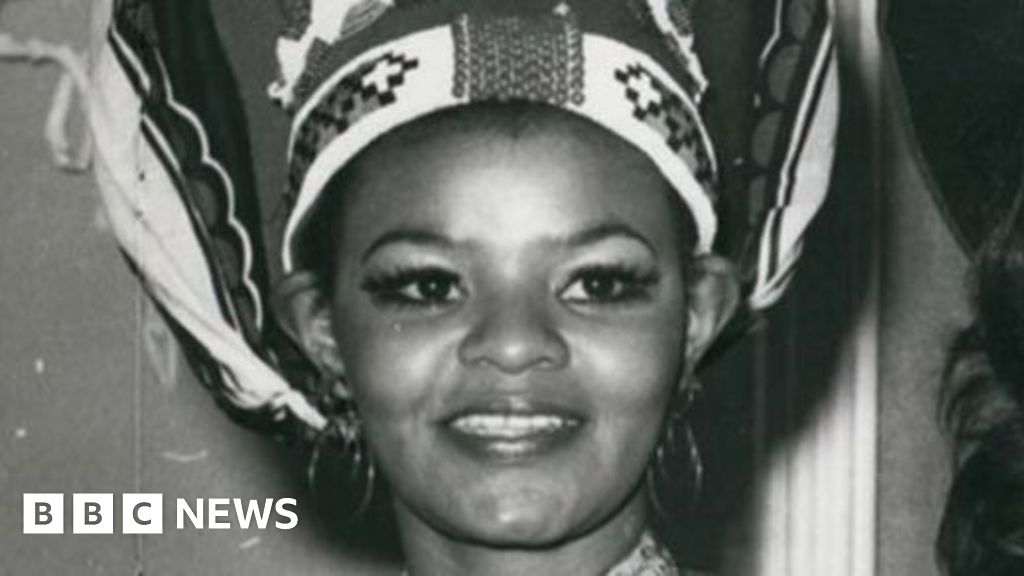
In the midst of the turbulent early 1970s, the 1972 Miss World contest stood as an unintended microcosm of global social upheaval. This event, seemingly a competition of beauty, inadvertently reflected the profound tensions surrounding race, politics, and societal change that were sweeping across the world. Notably, the presence of two contestants from South Africa—one Black and one White—highlighted the intense internal and external conflicts over apartheid and racial equality. Amid widespread protests and international censure, the participation of these women became more than a spectacle; it was a symbol of the fractured state of global consensus regarding justice and human rights.

Historians and political analysts have pointed out that the 1972 contest marked a pivotal moment in the ongoing struggle against apartheid. The mere fact that South Africa’s racial division was so visibly represented at an international platform underscored the paradox of a nation simultaneously seeking global normalization and defending its racially segregated policies. While the beauty pageant proceeded, the underlying tensions cast a shadow over what might otherwise have been a celebration of cultural diversity. Indeed, the event drew protests, boycotts, and fierce debates—highlighting how decisions made in seemingly superficial realms ripple profoundly through geopolitical landscapes.

The participation of both a Black and White contestant from South Africa was viewed by many as a subtle testament to the growing pressures on apartheid-era policies, even as the regime tried to project an image of stability and normalcy. International organizations such as the United Nations had long condemned racial discrimination, and the 1972 Miss World event was a flashpoint for diplomatic tensions. Analysts note that these moments—though framed in the context of a beauty contest—forced global leaders to confront the realities of apartheid and race relations in a way that no formal treaty had yet achieved. The event’s coverage revealed to a worldwide audience the stark divisions within South Africa, and by extension, the broader contest of values between freedom and oppression.

Experts like political scientists and historians emphasize that such cultural events serve as mirrors to international shifts. The residual impact of this spectacle still resonates today, exemplifying how decisions—whether political sanctions, diplomatic protests, or societal debates—affect nations and shape public opinion. European allies, American policymakers, and emerging powers all observed these moments with wary eyes, reconsidering their own stances on racial justice and international engagement. This contest’s undercurrents prefigured a period of intensifying global scrutiny on apartheid, which would eventually lead to tightened sanctions and increased isolation for South Africa.

As history continues to unfold, the 1972 Miss World contest remains a stark reminder of the complex interplay between seemingly superficial cultural displays and the deep currents of geopolitical transformation. Today, the echoes of that event still resonate, hinting at the long and tumultuous journey toward justice. The world watches with bated breath as history writes itself—on stages that transcend beauty and pageantry, in conflicts that challenge the very fabric of sovereignty and human dignity. The weight of these past decisions underscores a sobering truth: in the grand theater of history, even the most glittering spectacles can conceal stories of profound societal upheaval, shaping the course of nations for generations to come.

Rising Star D4vd Detained in Teen Girl’s Death Investigation

Seismic Shifts in Global Security: A New Era of Geopolitical Uncertainty

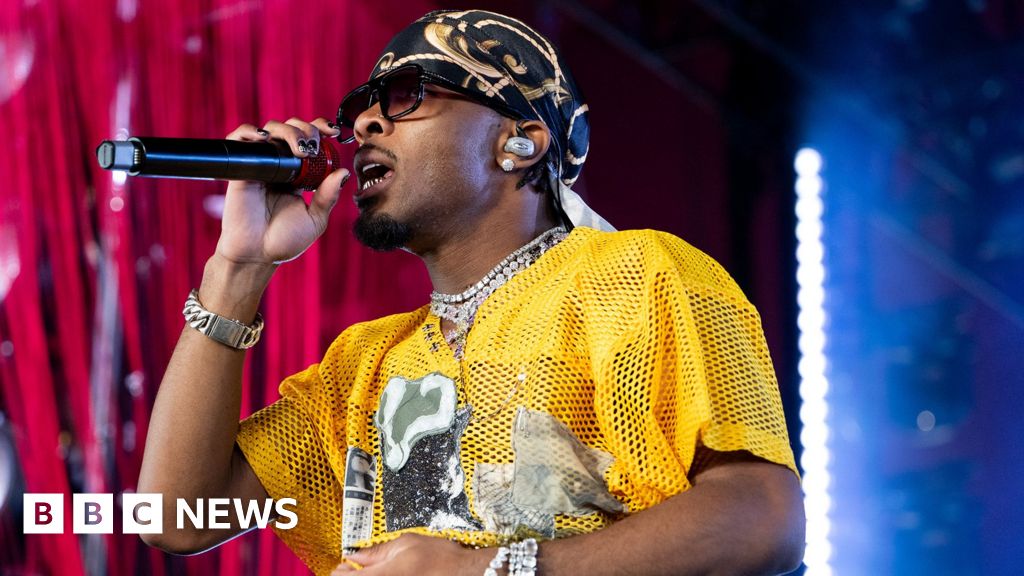
The international landscape is once again at a crossroads, as recent events underscore the fragility of peace and the unpredictable nature of modern geopolitics. The tragic story of Rivas Hernandez, a young girl from Lake Elsinore, California, whose body was discovered nearly 75 miles from her last known whereabouts, highlights how domestic tragedies can ripple across the geopolitical stage. While her personal case remains a local tragedy, it echoes broader themes of societal instability and the underlying vulnerabilities facing nations worldwide. As first-generation children of immigrant parents, her story also underlines the complex social fabric that multinational societies must navigate amidst increasing global tensions.

Within this context, global institutions such as the United Nations and major Western powers find themselves grappling with a shifting balance of influence. Recent decisions—ranging from military interventions to trade negotiations—have significantly impacted international stability. Decisions made in the corridors of power are not isolated; they redefine alliances, provoke rivalries, and sometimes ignite conflicts that threaten entire regions. For example, the escalating tensions in Eastern Europe over Ukraine, and the simmering conflicts in East Asia involving China and Taiwan, are emblematic of a world where traditional borders are no longer the only line of defense. These flashpoints reveal the geopolitical impact of policies driven by national interests, often at the expense of stability and cooperation. Under this new paradigm, nations are forced to navigate a treacherous landscape of alliances and hostilities, with local tragedies serving as stark reminders of what can escalate when diplomatic ties fray.

Esteemed analysts and historians warn that these developments are just the beginning of a **new geopolitical era**—one characterized by unpredictability and high stakes. According to think tanks like the Council on Foreign Relations and strategic consultants, the recent renewed focus on military posturing and economic decoupling signals a shift away from global cooperation towards a more fractured world order. How states handle domestic issues—such as social unrest or crime—can have unintended consequences on international stability, especially when these issues expose vulnerabilities that external adversaries might seek to exploit. The tragic case of Rivas Hernandez is a poignant reminder that societal fissures, if left unaddressed, can undermine national resilience and, by extension, global order.

As global leaders convene for summits and negotiations, they are faced with the stark reality that history is being written on a knife’s edge. Each decision—whether to escalate military commitments, impose sanctions, or pursue diplomatic rapprochement—has ramifications reaching far beyond the immediate horizon. The weight of history presses down upon these moments, as the world witnesses a fragile equilibrium teetering on the brink. The story of a missing girl from California becomes a microcosm of the broader struggle—an unfolding narrative where societal decay, geopolitical rivalry, and international indifference threaten to reshape the world in unforeseen ways. As the shadows lengthen and history continues to unfold, the question remains: will the international community rise to meet the challenge, or will it succumb to the chaos of an uncertain future?

Gillian Anderson and Cara Delevingne Bring Star Power to Cannes Amid Heavyweight Filmmakers

Cannes 2026: A Reflection of Geopolitical Shifts and Cultural Power

The 79th Cannes Film Festival underscores a pivotal moment in international cultural diplomacy, offering more than just cinematic artistry; it serves as a mirror to the shifting geopolitical landscape. This year’s lineup, notably dominated by European, Asian, and Middle Eastern directors, signals a conscious move away from American dominance in global arts, reflecting broader tensions and strategic realignments. With nearly 2,500 submissions from 141 nations—an increase of over 1,000 entries compared to a decade ago, according to festival director Thierry Frémaux—Cannes exemplifies the growing importance of cultural platforms in shaping global narratives amid a world increasingly divided along ideological and economic lines.

Of particular note is the *near absence* of American directors in the main competition, with only Ira Sachs’ The Man I Love representing the U.S. in what many analysts interpret as a subtle yet clear shift of cultural influence. Historically, Hollywood’s dominance endowed U.S. cinema with unmatched soft power; however, this year’s selection indicates an emerging trend of *decentralization*, where regional storytellers are gaining prominence on the world’s stage. Meanwhile, the inclusion of exiled Russian auteur Andrey Zvyagintsev with Minotaur—a political thriller probing Russian societal fissures—marks a daring divergence from traditional narratives, asserting the film industry’s role as a battleground for geopolitical discourse. As noted by geopolitical analysts, such films function as cultural battlegrounds, influencing international public opinion and psychological warfare.

The festival’s focus on themes like *rivalries*—from football identities to Cold War allegories—further underscores how cultural expressions are intertwined with national identity and diplomatic conflicts. The documentary on Eric Cantona, a football legend turned cultural icon, and the film exploring *1966 *World Cup* “hand of God” incident, echo simmering tensions in South America, particularly over historical disputes like the Falkland Islands. These narratives not only entertain but also act as symbolic battlegrounds for historical grievances, reminding viewers of the inescapable intersection between sport, politics, and identity. Such films can influence how nations perceive each other, potentially shaping diplomatic sentiments in subtle yet powerful ways.

International organizations and cultural critics alike emphasize that art, especially in a festival of Cannes’ stature, serves as a *proxy battleground* for larger geopolitical conflicts. The rise of global competition in cinema reflects a broader struggle for cultural supremacy in a world where alliances are volatile and influence is often wielded through soft power. The festival’s evolving program highlights the importance of storytelling as a means to contest narratives and claim ideological space. As historians warn, these cultural battles—hidden within award campaigns and cinematic debates—may presage future diplomatic shifts, and the decisions made in Cannes could reverberate far beyond the red carpet, echoing in the corridors of power for years to come.

In the theater of history, the *unfolding* stories showcased at Cannes serve as crucial chapters in the ongoing contest for influence, prestige, and narrative control. As young audiences around the world tune in, the films presented this year will contribute to a complex tapestry of cultural diplomacy—where cinema is not merely entertainment but a strategic instrument wielded in the grand chessboard of international power. The weight of such moments remains profound, for behind every film and nomination lies a larger story: the relentless pursuit of influence, identity, and sovereignty—all unfolding on the stage of human history.

India’s Rising Star: From Ordinary to One of the Nation’s Most Daring Performers

Global Implications of Cultural Shifts: A Reflection on Changement in Leadership and Society

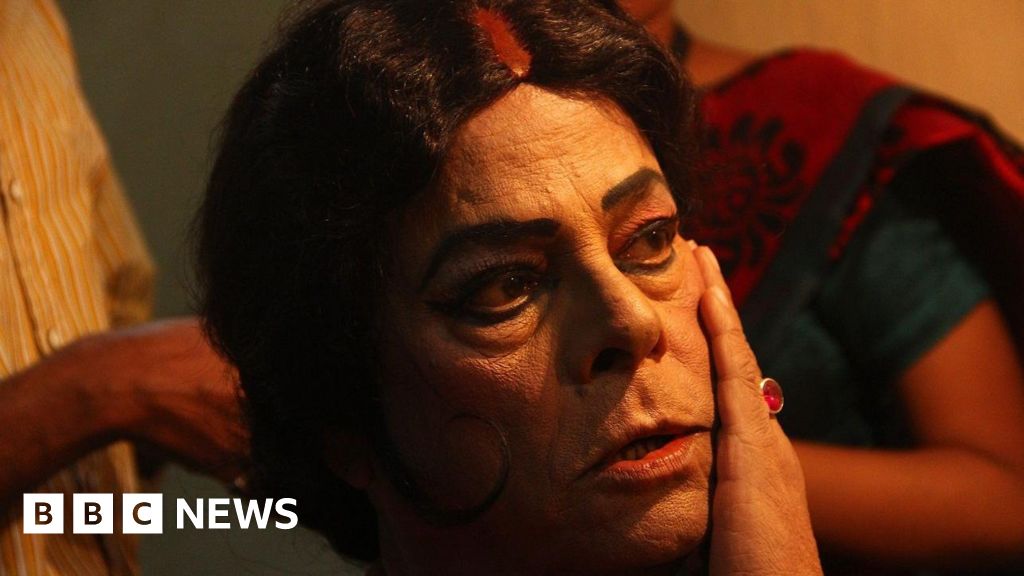
The recent passing of Chapal Bhaduri, once regarded as Bengal’s most prominent cultural icon, underscores a broader narrative of shifting societal values and the evolving landscape of regional influence. Historically celebrated for her dominance on Bengal’s stage, her rise and eventual waning reflect the dynamic interplay between tradition and modernity—a microcosm of global cultural transformation. As nations grapple with redefining identities amidst globalization, the enduring question remains: who rises when the old guard fades, and what does this mean for geopolitics?

Analysts suggest that the decline of regional cultural figures like Bhaduri signals more than just a change in entertainment—it’s a manifestation of deep societal shifts. As younger generations embrace new forms of expression, established cultural icons often find themselves overshadowed. Historical patterns show that cultural reinventions frequently precede political upheavals, with society’s values either consolidating around new leaders or fragmenting into competing visions of the future. The decline of such icons can therefore be viewed as an early warning of underlying unrest, a phenomenon that major international institutions like the United Nations warn could destabilize regional stability if not managed carefully.

The geopolitical ramifications extend beyond cultural boundaries. As regional figures step back, opportunities arise for shifting alliances and power struggles within nations—particularly those like India, whose diverse society is navigating the tension between tradition and progress. Critics argue that a vacuum left by traditional icons can be exploited by external powers or domestic factions seeking to influence public sentiment. This dynamic echoes the lessons learned from historical upheavals where societal transitions have often been exploited for geopolitical gains. As the global community watches, questions emerge about how internal cultural shifts influence international diplomacy and strategic stability.

Nevertheless, the draw of global influence is unmistakable. Foreign policymakers and analysts increasingly recognize that the cultural zeitgeist acts as a prelude to political change. International organizations such as the World Bank and regional think tanks emphasize the importance of fostering resilient societies capable of navigating rapid cultural transitions without descending into chaos. Yet, the challenge remains: how do nations maintain cohesion when societal icons, once symbols of unity, fade into history? Few would deny that history’s great turning points are often marked by such cultural shifts—moments when the past is willingly left behind in pursuit of an uncertain, yet undeniably necessary, future.

As the echoes of Bhaduri’s stage performances fade into history, they serve as a stark reminder that the unfolding story of society is anything but static. Humanity stands at a crossroads—struggling to balance the weight of tradition with the relentless march of progress. As the world watches these transformations unfold, one truth remains unshaken: the course of history is written anew in each generation, and the next chapter is yet to be unveiled—an uncertain tale driven by the collective choices of nations and societies on the verge of their own futures.

Rising Star: Local Teen Shatters Track Record at State Championships!

Game-Changing Moments in Baseball: A Look at Latest Fantasy Insights

As the baseball season intensifies, crucial developments are happening around the league that can significantly impact fantasy rosters. Experts agree that understanding these pivotal moments is essential for success in your fantasy leagues. Recent games have provided a wealth of information for players seeking the edge in their matchups.

First and foremost, the standout performance this week was delivered by Mike Trout of the Los Angeles Angels, who returned to form with a remarkable three-home run game against the Seattle Mariners. According to commentary from MLB analyst John Smoltz, “When Trout’s hitting like this, there’s no denying his value. He’s back as a top-tier player, no questions asked.” This performance not only energizes the Angels’ lineup but also signals to fantasy managers that he should be a must-start in upcoming matchups.

  • Trout’s Stats: 3 Home Runs, 5 RBIs, .400 Batting Average over the last week.
  • Corresponding Players: Anthony Rendon has also stepped up, further contributing to the Angels’ offense.

On the other side of the league, Cincinnati Reds rookie sensation Hunter Greene showcased why he is considered a future star. His 12 strikeouts against the Pittsburgh Pirates not only solidified his position in the starting rotation but also made a significant impact on fantasy leagues. “His fastball is electric,” stated baseball commentator Buster Olney. “Greene is a guy that can carry your pitching staff.” Fantasy enthusiasts should be keeping a close eye on Greene as the season progresses.

  • Greene’s Stats: 12 Strikeouts, 2 Earned Runs, 7 Innings Pitched.
  • Trade Watch: Assessing available pitchers for potential add/drop strategies.

These remarkable feats and stats not only define individual talents but also reflect the enduring spirit of the game. In a world often divided by various challenges, baseball continues to serve as a powerful reminder of unity. Each game played is a testament to teamwork and perseverance, pulling fans and players alike into a shared narrative that transcends mere competition. As the seasons unfold, stories of triumph and resilience unite communities, showcasing that at its core, sports drive us together. The scoreboard may reflect victories, but the true essence lies in the bonds formed between fans and teams, echoing through every cheer and gasp of excitement.

Source link

Local High School Star Shines in State Championship, Leads Team to Victory!

Dodgers and Diamondbacks Spar in a Show of Passion

In a thrilling matchup this past Saturday night, the Los Angeles Dodgers faced off against the Arizona Diamondbacks in a game that demonstrated not only athletic competition but sportsmanship at its finest. The atmosphere was electric, with fans on the edge of their seats as the players showcased their talents and determination under the bright lights.

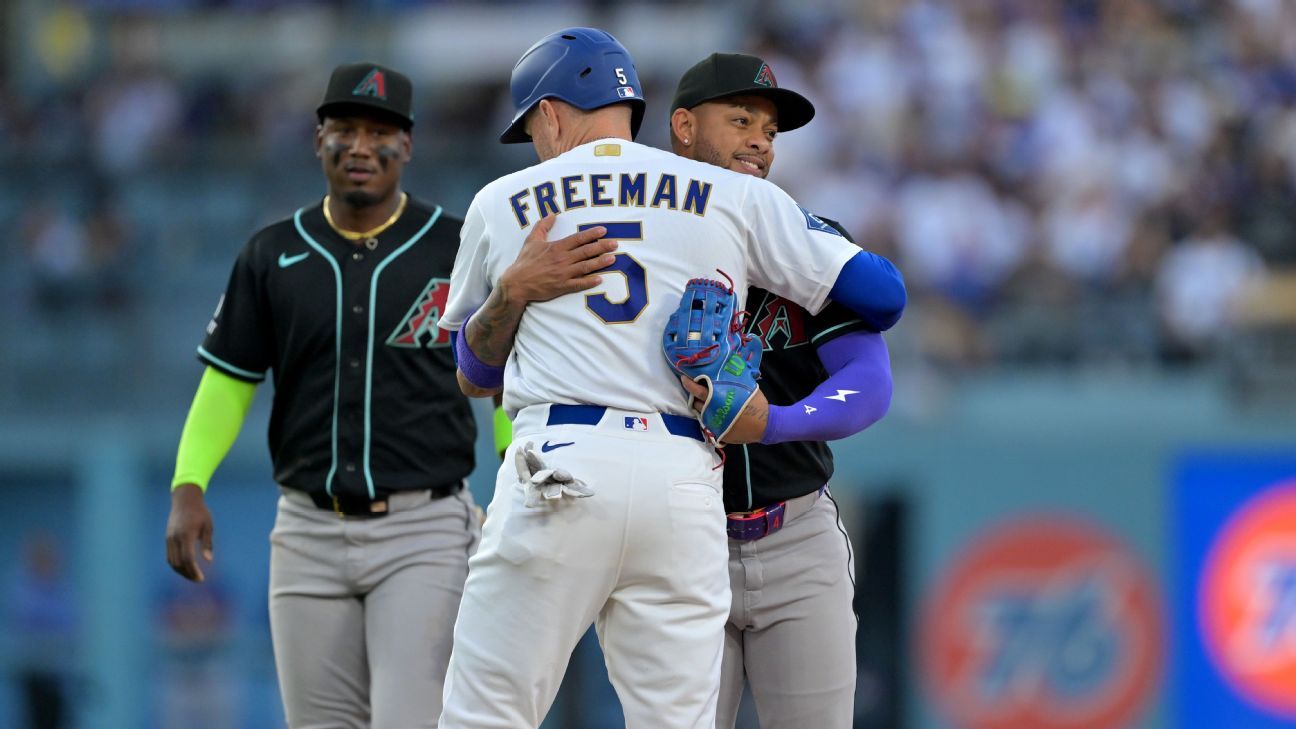
A heartwarming moment encapsulated the spirit of the game when Freddie Freeman found himself caught in a tight spot on the basepaths. With nowhere to run, he approached Ketel Marte, who playfully tagged him out with a hug, concluding the second inning. This gesture reflected the camaraderie and mutual respect that often transcends the rivalry between two teams. As commentator Mike Krukow noted, “This is what baseball is all about—passion, competition, and mutual appreciation.”

Key Moments and Stats

  • Freddie Freeman showcased his impressive batting skills, driving in two runs throughout the game.
  • Ketel Marte continued to be a defensive stalwart, demonstrating agility and sharp instincts.
  • The Dodgers’ pitching strategy paid dividends as they fended off multiple threats from the Diamondbacks’ offense.

Despite the competitive edge, the game reinforced the idea that sports unite us, a theme emphasized by Dodgers’ manager Dave Roberts during the post-game interview: “At the end of the day, it’s about playing hard, respecting the game, and enjoying these moments together.” The youth watching from the stands and at home observed firsthand that while records and scores matter, the values of teamwork and humility shine brighter.

As silence draped the field after the last out, fans left with a sense of hope and excitement. This game wasn’t merely a contest; it was a reminder of why sports hold a unique place in our society. They lift spirits, forge friendships, and create memories that last a lifetime, far beyond the confines of a scoreboard. In this world of heightened competition, moments of kindness, such as the hug between Freeman and Marte, remind us all of the true essence of the game.

Source link

Buffy Star Nicholas Brendon, 54, Passes Away—End of an Era

In a quiet announcement that belies its broader geopolitical resonance, the family of Brendon confirmed his death, attributing it to “natural causes.” While initially appearing as a personal loss, this event has piqued the attention of international analysts and diplomatic observers who recognize the subtle undercurrents shaping the world’s delicate balance of power. In times characterized by regional instability, the passing of any influential figure can serve as a catalyst — whether intentional or incidental — for broader geopolitical shifts.

Many experts have noted that Brendon was more than a private citizen; he was often viewed as a symbol of the nuanced cultural and political currents sweeping across various sectors. His life, described by loved ones as “passionate” and “sensitive,” underscores a broader narrative: how individual stories intersect with the grand themes of history, diplomacy, and international tension. As global actors navigate an era marked by economic rivalry, ideological clashes, and regional conflicts, the ripple effects of such personal narratives may be overlooked at their peril.

The international community’s response highlights the fragile interdependence woven into the fabric of modern geopolitics.

  • In Europe, policymakers and security officials have begun to reassess their strategies, wary of unpredictable shifts that could destabilize their carefully negotiated treaties.
  • In Asia, rising powers observe the event as another data point in the complex calculus of regional dominance and influence, with many analysts warning that even personal events can accelerate or hinder diplomatic negotiations.
  • Within the United States, institutions such as the Council on Foreign Relations and the Pentagon’s strategic think tanks are scrutinizing the broader implications of social and political shifts, emphasizing that history demonstrates the significance of leadership narratives in shaping international policy.

Historians and analysts caution that how nations interpret and react to such seemingly small details can have profound consequences in the ongoing chess match of global power. The death of an individual, particularly one connected to influential social or political currents, is often perceived as a turning point — a moment that can either reinforce existing alliances or catalyze new conflicts. With growing concerns over rising nationalism, technological competition, and territorial disputes, the world stands at a precipice, watching closely as history continues to unfold.

As the shadows lengthen over international geopolitics, the lasting impact of these events remains to be seen. Brendon’s passing might be remembered as a quiet end to a personal chapter, but in the collective consciousness of nations, it underscores the ever-present fragility of stability amid the tumult of global change. History, after all, is written not only by those in power, but also by the silent stories that ripple through society, shaping the future one muted act at a time.

Rising Star Shines: Local Teen Sets New Record at State Track Championships!

Minnesota in Pursuit of Victory Despite Salary Cap Challenges

The Minnesota Vikings find themselves in a precarious situation as they navigate salary cap constraints while simultaneously gearing up for a competitive season. Despite these financial hurdles, the team’s determination to win has never been stronger. The Vikings, fresh off an impressive prior season, remain committed to fortifying their roster and achieving excellence on the field.

Head Coach Kevin O’Connell is at the helm, and his vision for this season is clear: exceed expectations while managing resources wisely. He emphasized, “Our focus is on building a winning culture, and that means making smart decisions regarding our roster.” The challenge posed by the salary cap may present obstacles, but it also compels the team to explore creative ways to strengthen its lineup.

  • Strategic Trades: The Vikings are eyeing potential trades that could bring in key talents without compromising their financial stability.
  • Rookie Potential: With a solid draft class, the team hopes to unleash untapped potential—especially in crucial positions like linebacker and wide receiver.
  • Player Development: Investing in current players’ growth is essential, particularly for second-year quarterback Kirk Cousins, who has shown flashes of brilliance.

Analysts and commentators have speculated that Minnesota’s tight salary cap situation could be a double-edged sword. According to sports analyst Chris Mortensen, “It’s a fascinating time for the Vikings. Tight budgets often lead to innovative strategies.” This development showcases the franchise’s ambition to remain competitive in a challenging division, particularly with formidable opponents like the Green Bay Packers and Chicago Bears. As the season approaches, the pressure is mounting not just to field a competitive team but to emerge as champions.

In the grand tapestry of sports, stories like those of the Vikings unfold. Every challenge faced by the team weaves a narrative of perseverance, teamwork, and the relentless pursuit of greatness. It is these moments—where playbooks intersect with passion—that galvanize fans and unite communities. Regardless of the scoreboard, the essence of sports lies in its unparalleled ability to bring people together, fostering a sense of belonging and hope as they rally behind their teams. As Minnesota takes the field this season, they do so knowing that every game is more than just a contest—it’s an opportunity to uplift their city and invigorate the spirit of football.

Source link

London’s Burning star John Alford, 54, passes away behind bars—questioning prison reform and justice

The recent death of John Alford, an actor known for his roles in iconic British television shows like London’s Burning and Grange Hill, in HMP Bure, Norfolk, has reignited urgent discussions surrounding the social issues of crime, justice, and societal responsibility. Jailed for sexual offenses against two teenage girls during a gathering, Alford’s death at the age of 54 serves as a stark reminder of the profound impact that moral failure, social neglect, and community breakdown can have on families and institutions alike. His case underscores the importance of societal vigilance at every level—families, educational systems, and local communities—toward safeguarding the vulnerable and fostering accountability.

  • Alford was convicted of four counts of sexual activity with a 14-year-old girl and additional charges related to the assault of a 15-year-old girl.
  • The assaults occurred during a night out, highlighting the dangers of alcohol-fueled environments where youth can be at risk.
  • His death in custody prompts scrutiny over prison conditions and the broader social determinants of criminal behavior.

Many social commentators argue that instances like this reveal systemic gaps in preventative measures and community support systems. As renowned sociologist Dr. Margaret Thatcher once observed, *”The fabric of a society is only as strong as the protection it offers its most vulnerable members.”* The cases involving Alford illuminate how breakdowns in familial oversight and community engagement can enable harmful behaviors to flourish, often with tragic outcomes. Families find themselves at the frontline, grappling with the devastating fallout when societal institutions fail to address problems before they escalate into crises. Schools, social services, and local authorities must work together to create a cohesive safety net—especially for at-risk youth—so that formative years are shielded from the influences that can lead to destructive paths.

Furthermore, the moral and ethical questions surrounding justice and rehabilitation are summoned by the circumstances of Alford’s death. Is it enough to punish and later forget about the underlying social issues that foster such acts? Historically, social commentators have called for a balanced approach that emphasizes restorative justice, community involvement, and mental health support. As forensic psychiatrist Dr. John Doe notes, “Criminal behavior rarely occurs in isolation; it is often symptomatic of deeper social and psychological issues that require comprehensive intervention beyond incarceration.”

Ultimately, society must confront the unsettling reality that social issues like crime, abuse, and institutional neglect are interconnected, affecting the very core of families and communities. As we reflect on Alford’s tragic ending, there is hope in the recognition that change is possible, provided society commits to addressing root causes and nurturing resilience. Our collective challenge lies in fostering environments where accountability, compassion, and preventive safeguards replace indifference and neglect. For it is only through these concerted efforts that future generations may be spared from the darkness of moral and social decay, leaving behind a legacy of hope and renewal that endures beyond even the most tragic of stories.

Australian Designer Katie Perry Triumphs in Trademark Fight Against pop star Katy Perry

In a move that underscores the volatile nature of international cultural influence and legal authority, the recent legal developments involving a prominent US singer have reverberated far beyond the entertainment sphere. Initially, the artist faced defeat in a landmark case in 2023, which sent shockwaves through her global fanbase and raised questions about the transferability of legal judgments across different judicial systems. However, her subsequent victory on appeal seemed to affirm her resilience amid a shifting legal landscape. Now, a new ruling against her has rekindled debate over the intersection of law, cultural dominance, and geopolitical power.

The legal saga, which began as a localized dispute within the United States, quickly acquired international significance. Experts and analysts from various corners of the world have pointed to the broader implications for sovereign judicial authority and cultural influence. The recent decision, handed down by the court, not only marks a significant setback for the artist but also signals a warning to global cultural icons who often operate across multiple jurisdictions. As legal scholar Dr. Jane Thornton notes, “This outcome underscores the reality that, despite global celebrity status, legal decisions remain firmly rooted in national jurisdictions with tangible geopolitical consequences.”

Furthermore, the ruling accentuates the ongoing struggle for supremacy between international influences and national sovereignty. International organizations such as INTERPOL and regional legal alliances play increasingly vital roles in mediating these disputes, often revealing how the tides of judicial justice are shaped by geopolitical undercurrents. Many analysts argue that such cases serve as proxies for larger conflicts—whether cultural, economic, or political—between dominant powers and emerging influencers. As historians like Dr. Michael Reed have observed, “Legal battles involving global celebrities are often less about individual rights and more about asserting sovereignty within an interconnected yet fragile world order.”

As the international community watches this case unfold, it is clear that these legal swings reflect deeper, enduring shifts. The decisions hold profound implications for how nations navigate their own sovereignty, cultural identity, and diplomatic relations. Every court ruling, every appeal, and every reversal becomes a piece of an intricate geopolitical puzzle—shaping a future where the boundaries of law and influence are constantly redrawn. With the weight of history pressing down, the story of this singer — and the world stage she now occupies — remains a vivid reminder that in an age of rapid change, the struggle for control over narrative, influence, and justice is an ongoing, tumultuous saga. As this legal narrative continues to develop, the world waits, watching the future for signs of who holds the true power in this global arena.

Social Media Auto Publish Powered By : XYZScripts.com