Matox News

Truth Over Trends, always!

Victims’ Lawyers Warn State Ignoring Lessons After Southport Attack

Southport Attack Highlights Flaws in Britain’s Counter-Terror System

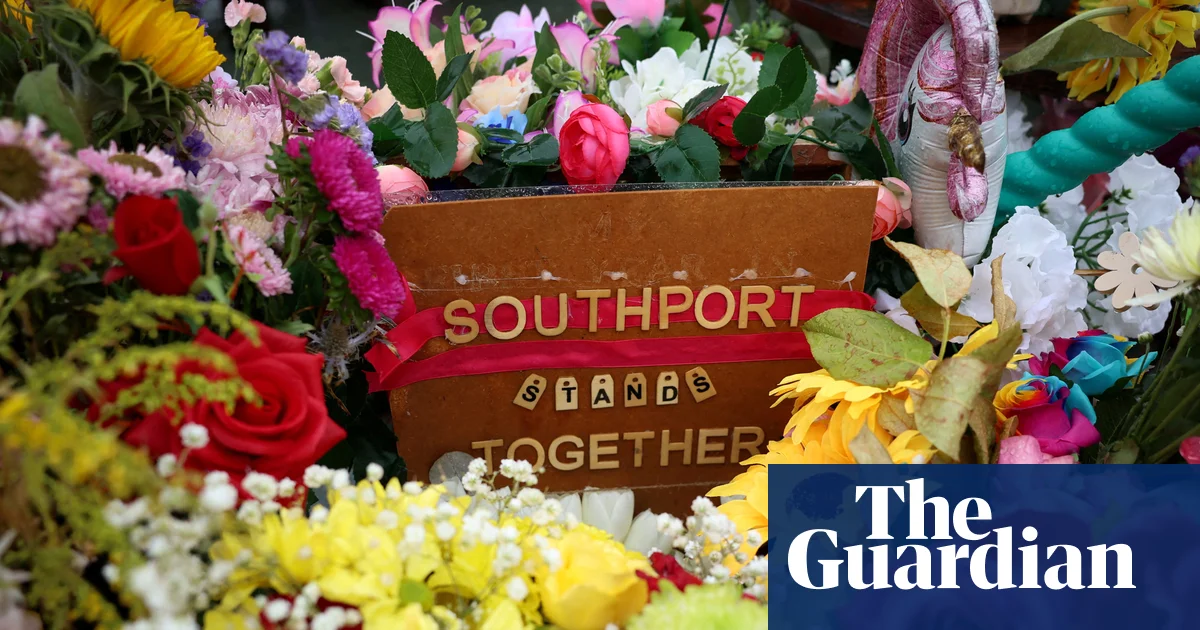
The recent Southport attack in Britain has cast a glaring spotlight on the failures within the nation’s counter-terrorism framework, particularly the controversial Prevent program. The attack, carried out by Axel Rudakubana, has already prompted a series of urgent questions from legal experts, international analysts, and policymakers about the effectiveness of current measures aimed at preventing violence among troubled youth. As Britain mourns the innocent lives lost and grapples with the underlying systemic failures, the international community watches closely, understanding that flawed approaches to emerging threats can have ripple effects far beyond the UK’s borders.

Systemic Failings and the Shift in Threat Profiles

A forthcoming report by Judge Sir Adrian Fulford is expected to level harsh criticism at various agencies, highlighting how multiple warnings about Rudakubana—despite being referred three times to Prevent—were dismissed, mainly because he lacked a clear ideological motivation. Historians and security analysts argue that this highlights a critical flaw: the tendency to focus on ideological extremism often leaves those with categorical violence and mental instability unchecked. Data published by The Guardian reveal that less than 11% of the thousands of referrals related to young individuals with unclear motivations lead to targeted intervention, exposing a profound imbalance in resource allocation and risk assessment. This gap indicates a worrying trend: as violent tendencies evolve, so too must the strategies to combat them, especially in a society increasingly exposed to multifaceted threats.

Legitimacy and the Need for a Paradigm Shift

Critics, including the families of the victims, are voicing their frustration with a system they deem inadequate. Lawyer Chris Walker asserts that to deter future catastrophes, fundamental reforms are necessary, pointing out that the current Prevent program disproportionately jealously monitors those with explicit ideological motives—such as jihadism or right-wing extremism—while neglecting those driven by nihilistic violence or mental health issues. The stark disparity underscores a broader dilemma faced by nations across the West: how to effectively address a spectrum of violent threats that are increasingly unclassified and unpredictable. In a world where terror no longer adheres to neat ideological categories, security agencies risk being overwhelmed unless they adapt swiftly.

The International Impact and the Broader Warning

This internal crisis in Britain reverberates globally, resonating with countries grappling with the redefinition of terrorism in the 21st century. The United Nations and other regional bodies are observing these developments, warning that rigid frameworks may be unsuitable in today’s complex security environment. Analysts like Dr. Maria Lopez from the International Institute for Counter-Terrorism warn that Britain’s example highlights a pressing need for a global overhaul: nations must develop agile, nuanced mechanisms that can detect both ideological and non-ideological violence—before the next tragedy strikes. As international boundaries blur and extremist narratives evolve, the weight of history presses heavier on policymakers, demanding immediate and innovative responses to threats that are increasingly shapeless and deadly.

As the world watches a narrative of policy failure unfold, the lesson of Southport is clear: the true danger lies in the complacency that allows dangerous individuals — regardless of their motives — to slip through the cracks. In this unfolding saga of national security and societal resilience, one thing remains certain—time is running out, and history’s pen continues to write in strokes of tragedy and hope, shaping a future where the balance between liberty and security will define the legacy of our age.

Rising Star: Local Teen Shatters Track Record at State Championships!

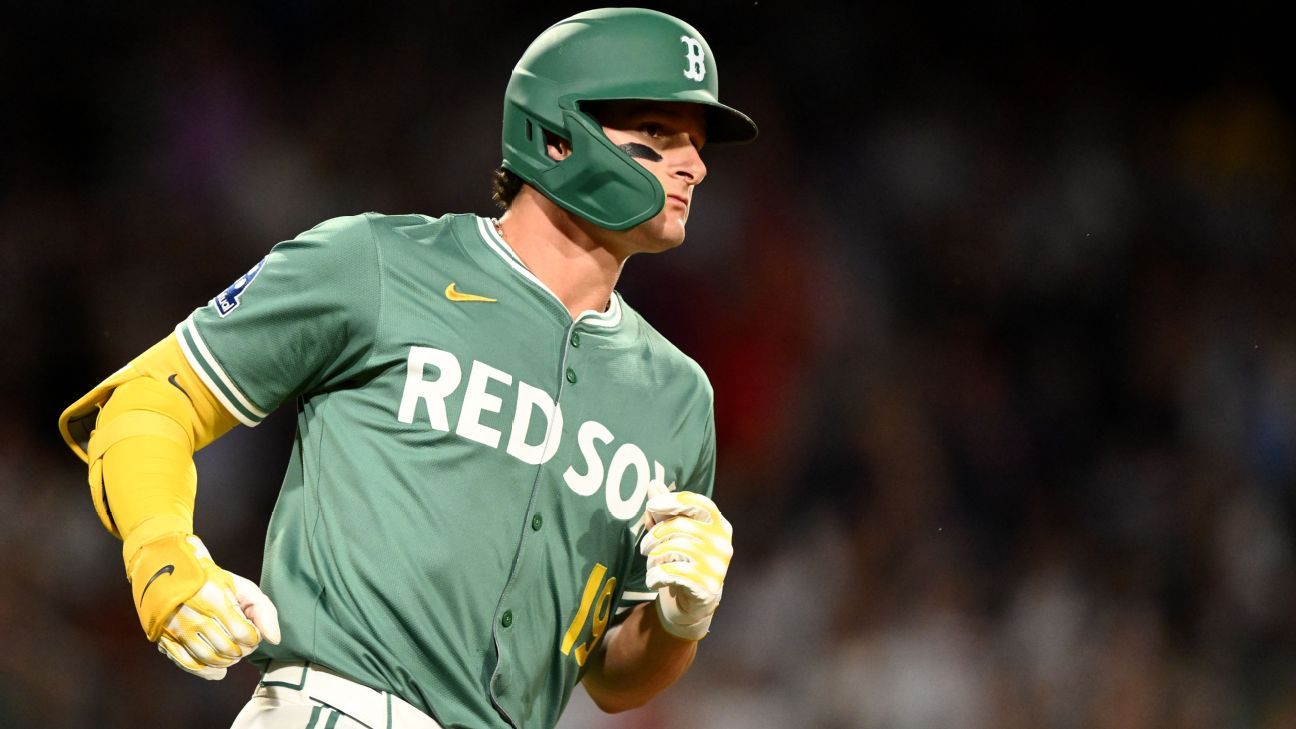
Game-Changing Moments in Baseball: A Look at Latest Fantasy Insights

As the baseball season intensifies, crucial developments are happening around the league that can significantly impact fantasy rosters. Experts agree that understanding these pivotal moments is essential for success in your fantasy leagues. Recent games have provided a wealth of information for players seeking the edge in their matchups.

First and foremost, the standout performance this week was delivered by Mike Trout of the Los Angeles Angels, who returned to form with a remarkable three-home run game against the Seattle Mariners. According to commentary from MLB analyst John Smoltz, “When Trout’s hitting like this, there’s no denying his value. He’s back as a top-tier player, no questions asked.” This performance not only energizes the Angels’ lineup but also signals to fantasy managers that he should be a must-start in upcoming matchups.

  • Trout’s Stats: 3 Home Runs, 5 RBIs, .400 Batting Average over the last week.
  • Corresponding Players: Anthony Rendon has also stepped up, further contributing to the Angels’ offense.

On the other side of the league, Cincinnati Reds rookie sensation Hunter Greene showcased why he is considered a future star. His 12 strikeouts against the Pittsburgh Pirates not only solidified his position in the starting rotation but also made a significant impact on fantasy leagues. “His fastball is electric,” stated baseball commentator Buster Olney. “Greene is a guy that can carry your pitching staff.” Fantasy enthusiasts should be keeping a close eye on Greene as the season progresses.

  • Greene’s Stats: 12 Strikeouts, 2 Earned Runs, 7 Innings Pitched.
  • Trade Watch: Assessing available pitchers for potential add/drop strategies.

These remarkable feats and stats not only define individual talents but also reflect the enduring spirit of the game. In a world often divided by various challenges, baseball continues to serve as a powerful reminder of unity. Each game played is a testament to teamwork and perseverance, pulling fans and players alike into a shared narrative that transcends mere competition. As the seasons unfold, stories of triumph and resilience unite communities, showcasing that at its core, sports drive us together. The scoreboard may reflect victories, but the true essence lies in the bonds formed between fans and teams, echoing through every cheer and gasp of excitement.

Source link

Local High School Star Shines in State Championship, Leads Team to Victory!

Dodgers and Diamondbacks Spar in a Show of Passion

In a thrilling matchup this past Saturday night, the Los Angeles Dodgers faced off against the Arizona Diamondbacks in a game that demonstrated not only athletic competition but sportsmanship at its finest. The atmosphere was electric, with fans on the edge of their seats as the players showcased their talents and determination under the bright lights.

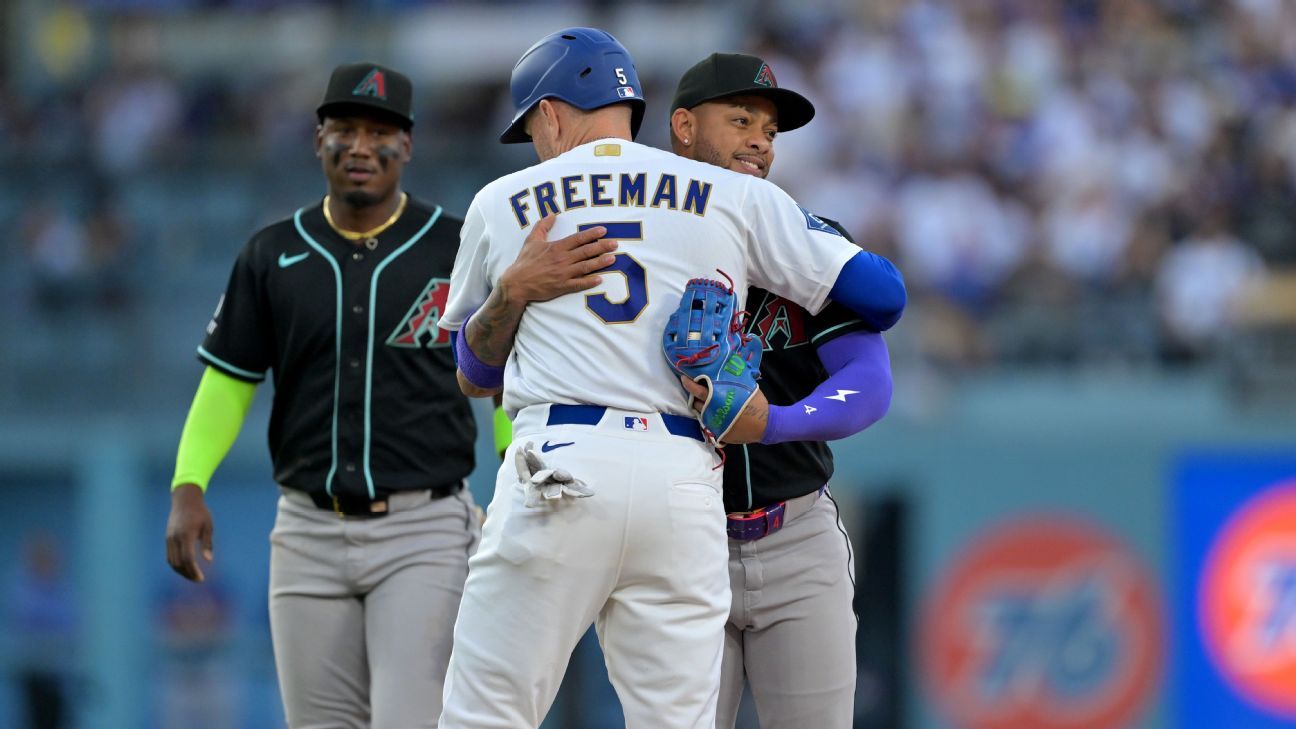
A heartwarming moment encapsulated the spirit of the game when Freddie Freeman found himself caught in a tight spot on the basepaths. With nowhere to run, he approached Ketel Marte, who playfully tagged him out with a hug, concluding the second inning. This gesture reflected the camaraderie and mutual respect that often transcends the rivalry between two teams. As commentator Mike Krukow noted, “This is what baseball is all about—passion, competition, and mutual appreciation.”

Key Moments and Stats

  • Freddie Freeman showcased his impressive batting skills, driving in two runs throughout the game.
  • Ketel Marte continued to be a defensive stalwart, demonstrating agility and sharp instincts.
  • The Dodgers’ pitching strategy paid dividends as they fended off multiple threats from the Diamondbacks’ offense.

Despite the competitive edge, the game reinforced the idea that sports unite us, a theme emphasized by Dodgers’ manager Dave Roberts during the post-game interview: “At the end of the day, it’s about playing hard, respecting the game, and enjoying these moments together.” The youth watching from the stands and at home observed firsthand that while records and scores matter, the values of teamwork and humility shine brighter.

As silence draped the field after the last out, fans left with a sense of hope and excitement. This game wasn’t merely a contest; it was a reminder of why sports hold a unique place in our society. They lift spirits, forge friendships, and create memories that last a lifetime, far beyond the confines of a scoreboard. In this world of heightened competition, moments of kindness, such as the hug between Freeman and Marte, remind us all of the true essence of the game.

Source link

No Kings Protests: Massive Global Rally Against Trump and the Deep State

Unrest Ignites Global Resistance: The Geopolitical Impact of America’s Domestic Movements

In recent months, the United States has witnessed an unprecedented surge in mass protests, echoing beyond its borders and shaping the geopolitical landscape in ways few anticipated. Drawing inspiration from concepts like the 3.5% protest rule, which posits that sustained mass participation by even a fraction of the populace can topple authoritarian regimes, American citizens have mobilized at an astonishing scale. From the expansive No Kings protests against the Trump administration to demonstrations demanding accountability for immigration, climate, and social justice, these grassroots movements are redefining the boundaries of civic activism and challenging traditional power structures in democracy.

According to political analysts and historians like Dr. Erica Chenoweth of Harvard Kennedy School, such high levels of participation—sometimes estimated in the millions—signal a potential turning point for American democracy. However, the ripple effect is felt more broadly. Countries across Europe, Asia, and the Middle East are observing these protests closely, with many seeing parallels in their own struggles against authoritarian populism, far-right extremism, and elite dominance. In the UK, the Together Against the Far Right march drew nearly half a million multicultural advocates—outpacing some national policies—indicating that resistance is now a universal language of the youth, especially when political elites falter or ignore the grassroots.

The geopolitical impact of such movements extends beyond simple protests; they threaten the stability of fragile regimes and influence international relations. The coordination of protests in multiple US states—especially in Minneapolis, where activists rallied against police brutality and immigration enforcement—has been likened by foreign policy experts to a modern form of soft power. Countries like Russia and China are reportedly monitoring these unrests, aware that the spread of such resistance challenges not just the U.S. political order but also global narratives about liberal democracies. As the Crowd Counting Consortium reports over ten thousand protests in 2025 alone—an increase of over 130% from previous years—the world witnesses a new era where domestic upheaval becomes an international phenomenon.

Added to this, measures taken by the U.S. government—such as deploying federal troops and militarized police—highlight a troubling shift toward authoritarian tactics, inspiring reactions worldwide. The protests in London, Porto, and Berlin reflect a shared sentiment: that rising extremism and the erosion of democratic safeguards are issues that transcend borders. International organizations and democracy advocates warn that unless the collective voice of the youth and marginalized is heeded, the dominoes could begin to fall across nations, triggering a global crisis of legitimacy.

As history continues to unfold, it remains uncertain whether these protests will catalyze genuine systemic reform or escalate into more authoritarian crackdowns. Seared into the collective memory are images of millions marching against what they perceive as the betrayal of democracy, with the specter of history—like the upheavals of the civil rights era—looming just beyond the horizon. What is undeniable, however, is that this formidable wave of resistance signals a profound shift: a stark reminder that in the theater of geopolitics, the power of the people cannot be underestimated, and the pages of history are once again being written—sometimes with the blood of confrontation, but always with the indomitable spirit of youth revolution.

UK security warns: Hostile state threats up 50%—police chief issues urgent call to youth

In recent months, the UK has experienced a surge in national security threats, reflecting a broader shift in the geopolitical landscape and raising profound concerns within communities about safety and stability. According to authorities, there has been a 50% increase in investigations into foreign state activities—particularly from nations like Iran, Russia, and China. Such developments are not merely political headlines but deeply influence families and local communities, instilling a climate of uncertainty that jeopardizes the social fabric that holds society together. Social commentators and sociologists warn that these threats could catalyze divisions, especially when intertwined with domestic tensions that threaten the cohesion of multicultural communities.

One of the most disturbing manifestations of growing social tension surfaces in antagonism against the Jewish community. A recent attack in Golders Green, North London, saw four ambulances belonging to the Jewish charity Hatzola firebombed amid reports that the group claimed responsibility. Though the incident is officially treated as antisemitic rather than terrorism, it underscores the fragility of community safety in a society grappling with cultural shifts and demographic tensions. The Metropolitan Police have responded by deploying additional officers, firearms units, and drones to protect Jewish neighborhoods during Passover, revealing a reactive measure to a social fracture that runs deep. The attack not only endangers families’ sense of security but also fuels fears of further escalation in societal discord.

At the political level, figures like Kemi Badenoch argue that tougher immigration policies are necessary to combat antisemitism and social division. Her stance, emphasizing a departure from the European Convention on Human Rights (ECHR), reflects a broader conservative ideology that seeks to address root causes of societal friction. However, critics warn such policies risk alienating vulnerable migrant communities and hampering efforts toward social integration. The debate embodies the broader societal challenge of reconciling national security concerns with upholdings of inclusivity and human rights. As history repeatedly shows, the fragile balance between openness and security can either be a catalyst for societal harmony or a source of division—challenging families, educators, and community leaders alike.

Adding to this complex picture, prestigious institutions such as King Charles have begun to visibly support efforts to combat antisemitism, with the monarch accepting a role as patron of a charity working in this realm. The Community Security Trust (CST) sees this as a sign of societal commitment to preservation and protection, yet such gestures alone are insufficient without concrete action on societal and policy levels. As social historians suggest, the innate human desire for safety and belonging often clashes with the relentless tide of change and division. The real question becomes whether society can harness *hope* to rebuild trust, educate youth about tolerance, and foster community resilience—especially when faced with insecurities that threaten to dismantle the societal kinship that families, schools, and local communities strive to nurture amid adversity.

Ultimately, society stands at a crossroads, with the burden of safeguarding democratic values and social harmony placed upon both policy and moral responsibility. Social challenges—be it foreign interference, cultural tensions, or domestic extremism—are not inevitable but require proactive, collective effort. The hope of society’s future hinges on our capacity for moral reflection, community engagement, and shared resilience. As the shadows of discord lengthen, society must look inward and forward, contemplating whether, through courage and compassion, it can forge a society where every family can live free from fear and division, and where hope quietly stirs within the hardest of times—reminding all that even amidst darkness, society has the power to transform itself into a beacon of unity and moral strength.

Rising Star Shines: Local Teen Sets New Record at State Track Championships!

Minnesota in Pursuit of Victory Despite Salary Cap Challenges

The Minnesota Vikings find themselves in a precarious situation as they navigate salary cap constraints while simultaneously gearing up for a competitive season. Despite these financial hurdles, the team’s determination to win has never been stronger. The Vikings, fresh off an impressive prior season, remain committed to fortifying their roster and achieving excellence on the field.

Head Coach Kevin O’Connell is at the helm, and his vision for this season is clear: exceed expectations while managing resources wisely. He emphasized, “Our focus is on building a winning culture, and that means making smart decisions regarding our roster.” The challenge posed by the salary cap may present obstacles, but it also compels the team to explore creative ways to strengthen its lineup.

  • Strategic Trades: The Vikings are eyeing potential trades that could bring in key talents without compromising their financial stability.
  • Rookie Potential: With a solid draft class, the team hopes to unleash untapped potential—especially in crucial positions like linebacker and wide receiver.
  • Player Development: Investing in current players’ growth is essential, particularly for second-year quarterback Kirk Cousins, who has shown flashes of brilliance.

Analysts and commentators have speculated that Minnesota’s tight salary cap situation could be a double-edged sword. According to sports analyst Chris Mortensen, “It’s a fascinating time for the Vikings. Tight budgets often lead to innovative strategies.” This development showcases the franchise’s ambition to remain competitive in a challenging division, particularly with formidable opponents like the Green Bay Packers and Chicago Bears. As the season approaches, the pressure is mounting not just to field a competitive team but to emerge as champions.

In the grand tapestry of sports, stories like those of the Vikings unfold. Every challenge faced by the team weaves a narrative of perseverance, teamwork, and the relentless pursuit of greatness. It is these moments—where playbooks intersect with passion—that galvanize fans and unite communities. Regardless of the scoreboard, the essence of sports lies in its unparalleled ability to bring people together, fostering a sense of belonging and hope as they rally behind their teams. As Minnesota takes the field this season, they do so knowing that every game is more than just a contest—it’s an opportunity to uplift their city and invigorate the spirit of football.

Source link

Rising Stars Shine Bright: High School Athletes Set New Records at State Championships

Philadelphia Showdown: Summer Roster Predictions

This summer, Philadelphia is set to be the epicenter of sports excitement as both the Philadelphia Eagles and Philadelphia 76ers prepare for their respective seasons. Early speculation about potential roster selections is heating up, and analysts are making some bold predictions about who could don the city’s storied colors. As teams gear up for the challenges ahead, these roster choices become pivotal in both franchise’s quest for glory.

In the football realm, fans are eagerly anticipating who will emerge as key players for the Eagles. Defensive powerhouse Javon Hargrave is expected to continue his dominance on the line, but there are whispers about the potential addition of rookies who could add depth and youthful energy to an already impressive squad. According to Eagles’ head coach Nick Sirianni, “We are looking for players who can think fast and react faster,” making the upcoming training camp a critical juncture for budding talent.

Meanwhile, the NBA landscape hints at exciting developments for the 76ers. With superstar Joel Embiid at the forefront, fans are curious to see who will complement his skills on the court. Experts anticipate that the return of Ben Simmons, combined with strategic offseason trades, could revitalize the team. Analyst Jalen Rose noted, “Philadelphia has a chance to redefine their identity,” paving the way for a spirited run in the postseason.

As the summer of sports approaches, the stakes are undeniably high. The excitement surrounding these roster predictions is not solely about statistics; it serves as a reminder of the unifying power of sports. Teams such as the Eagles and the 76ers inspire communal spirit that transcends the trials faced on the field and court. These athletes, regardless of the outcomes, weave together a narrative of resilience and ambition, uniting fans under a shared banner, echoing the sentiment that while the scoreboard matters, the true essence of sports lies in the connections forged within the community.

Source link

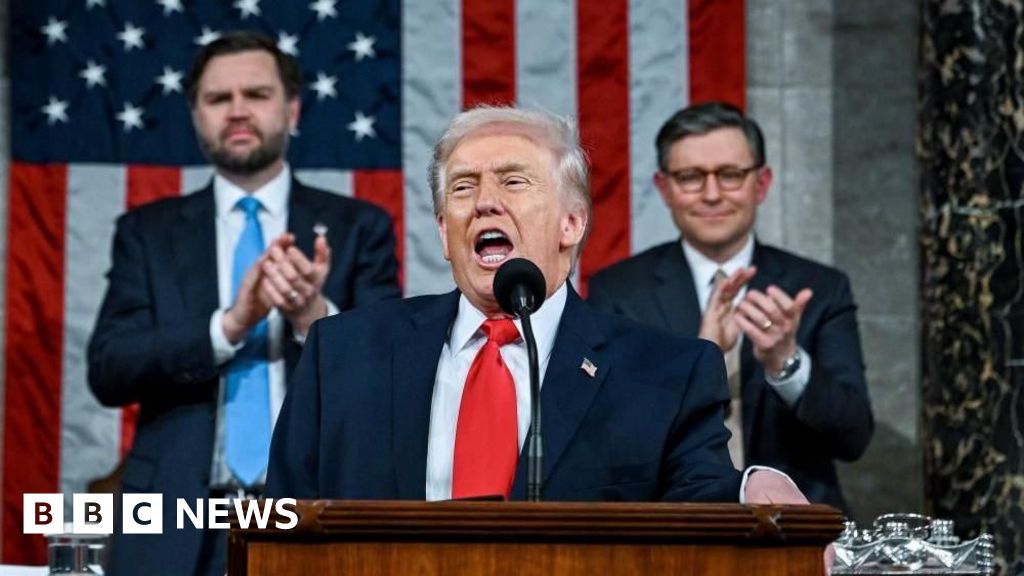
Trump’s Showbiz State of the Union Signals No Real Shift Ahead

In recent weeks, the United States has been wrestling with a complex internal political landscape, centered around a contentious national address delivered from the White House. While the president reiterated familiar themes—emphasizing economic statistics, domestic policies, and national security concerns—the message has yet to resonate convincingly with the broader public. This political event, although seemingly confined within the borders of America, bears significant geopolitical repercussions, especially as global stakeholders analyze the implications of leadership narratives fueling or undermining international stability.

From an international perspective, the lack of public consensus on such critical domestic messages hints at the growing divide in America’s societal fabric—a divide that does not exist in isolation. Analysts from institutions such as the Council on Foreign Relations underscore how internal political turbulence within prominent nations like the U.S. can weaken international trust and influence. As China and Russia continue to shape a multipolar world, the domestic instability exemplified by unresolved partisan divides undermines America’s ability to project power and uphold its international commitments.

Historically, public perception and internal cohesion serve as bedrocks of global influence. When U.S. leaders appeal to a broad audience—aiming for tens of millions during national broadcasts—they are not only addressing domestic concerns but also signaling to allies and adversaries the current state of leadership stability. Experts warn that persistent narratives of discontent and political inertia risk emboldening rival powers, which are actively seeking to fill perceived vacuums of influence. Meanwhile, international organizations such as NATO and the United Nations are increasingly cognizant of how internal political turbulence in leading nations can, in turn, destabilize regional and global security architectures.

In the backdrop of these internal debates, the geo-economic landscape continues to shift. Nations such as India and Brazil are demonstrating resilience and strategic independence, leveraging moments of perceived American weakness. The European Union grapples with its own internal divisions but remains keenly aware that the stability of dominant global powers like the U.S. is integral to its own geopolitical posture. As such, the ongoing internal struggles and their international ramifications are echoing in diplomatic corridors worldwide, highlighting the delicate balance between national sovereignty and transnational stability.

Ultimately, history reveals that the fates of mighty nations are entwined through a tapestry of decisions, conflicts, and moments of introspection. As America faces a pivotal crossroads—balancing authentic political engagement with the weighty expectations of global leadership—future events remain unpredictable yet inevitable. The currents of history continue to sweep forward, carrying the world into uncharted realms where the outcome of internal political delays could define the course of international affairs for generations. The question remains: in the unfolding mosaic of geopolitics, whose vision of the future will prevail, and at what cost to civilization’s collective hopes? Only time will tell, but the echoes of current choices will undoubtedly resonate for decades—an enduring reminder that history’s pen remains inexorably poised to inscribe the next chapter.

Only 32% of Americans believe Trump’s priorities are right — poll ahead of State of the Union

Global Power Plays Amid Political Turmoil and Military Posturing

As the United States prepares for yet another theatrics-filled State of the Union, the international landscape is brimming with a complex web of strategic moves, diplomatic tensions, and military maneuvers that underscore the ongoing power struggle on the world stage. Behind the scenes, the decisions made in Washington ripple outward, reconfiguring alliances, testing borders, and recalibrating the delicate balance of global influence. This is a critical moment in history where the choices of leaders will not only define domestic agendas but also have lasting consequences for geopolitical stability.

On the military front, the USS Gerald R. Ford, the world’s largest aircraft carrier, has reached the US naval base at Souda Bay, Crete, en route to join a burgeoning military buildup in the Middle East. The move signals heightened tensions, as Trump-era threats to Tehran repeatedly threaten to spark a new regional conflict. The President, who has openly threatened Iran with renewed military action over its nuclear program, now appears increasingly frustrated by diplomatic stalemates. According to sources, Trump’s advisers are weighing options for a strikingly forceful call to Iran, but caution persists due to the risk of escalating an already volatile situation. Analysts warn that any misstep could ignite a prolonged war in the Middle East, dragging global powers into a conflict that might shift regional power dynamics and destabilize international order.

Meanwhile, in the theatre of international diplomacy, the US State Department continues to issue advisories about Western Mexico amid ongoing cartel violence following the killing of a prominent drug lord. This situation reflects the broader implications of America’s border policies and counter-narcotics efforts that are often criticized for their impact on social stability and economic development in the region. The United States’ stance on border security, trade tariffs, and military intervention remains a key feature of its geopolitical posture, influencing policy decisions in neighboring countries and European allies alike. European nations, already rattled by the recent US Supreme Court ruling against Trump’s tariffs, now face the challenge of recalibrating their trade relations amid America’s impulsive economic tactics. The court’s decision has been lauded by conservatives but accused by liberals of sowing chaos and undermining executive authority, fueling ongoing battles over the proper scope of presidential power.

On the home front, the US political scene is equally tumultuous. Biden’s administration faces mounting pressure from both the left and right, as factions within Congress debate whether to attend or boycott the upcoming address. Several prominent Democrats, including the likes of Abigail Spanberger and Summer Lee, plan to deliver alternate rebuttals, signaling a rift that underscores the fragile unity of US political institutions. Meanwhile, Trump’s approval ratings continue their steep decline, with only a minority of Americans believing he holds the right priorities—highlighting the deepening divide and the turbulent state of American democracy. Observers like historians and political analysts warn that this systemic discord may herald a period of instability that could have profound ramifications for the future of the Western alliance. As the country braces for Trump’s lengthy and combative speech, other nations worldwide watch with bated breath, knowing that the domestic unrest and foreign conflicts are intertwined in a grander, treacherous geopolitical dance.

Chains of history are being forged in this tumultuous chapter, where decisions made today will echo across generations. In the vortex of military build-up, diplomatic upheavals, and political chaos, the weight of destiny hangs heavy. An uncertain future unfolds, where the boldest leaders’ choices may either forge a new era of strength and stability or plunge the world into chaos, leaving history to judge who truly understood the stakes. As the world stands at this crossroads, the unfolding narrative signals that the next few days may be pivotal—an epoch in the making that no observer can afford to ignore.

Montana Firefighter and Union Leader Battles to Prioritize Workers' Voice in the Big Sky State
Montana Firefighter and Union Leader Battles to Prioritize Workers’ Voice in the Big Sky State

In an era where geopolitical stability is increasingly intertwined with domestic policy shifts, the United States faces a pivotal crossroads. Recent upheavals within the U.S. Forest Service highlight the deeper fissures in the American political landscape—fissures that echo far beyond the borders of Montana. The abrupt termination of a quarter of Montana’s Forest Service employees, many with decades of service and personal hardship, exemplifies a trend of fiscal austerity measures and ideological assaults on public land stewardship. Such actions raise questions about how the priorities of government influence societal cohesion and the international reputation of a nation that claims to champion environmental conservation and social justice.

The story transcends local employment issues; it illustrates the concerted efforts by political elites, notably former Interior Secretary Ryan Zinke, to leverage public lands for corporate gain. Zinke’s record—characterized by his return to Congress and his tight alignment with industry interests—underscores a broader national and global debate. Critics argue that policies favoring extractive industries, under the guise of defending public lands, threaten not only environmental integrity but also social equity. International watchdogs, like the United Nations Environment Programme, warn of the long-term geopolitical consequences of unchecked resource exploitation—potentially fueling regional conflicts, displacing indigenous communities, and undermining international conservation treaties.

Within this turbulent domestic landscape, independent voices like Sam Forstag are emerging as defenders of the working class. Forstag’s candidacy for Congress disrupts the traditional politicization of public lands and workers’ rights—a battle that resonates globally. His campaign reflects a larger movement rallying around tangible policy solutions, including

  • expanding affordable housing
  • universal childcare
  • reforming healthcare

. Such policies, analysts argue, are essential not only for restoring domestic stability but also for asserting national sovereignty amidst powerful global forces seeking to suppress those who stand for their communities. The debate is about more than elections; it is about the future direction of a nation that once championed individual enterprise and community resilience, now threatened by a tide of corporate imperialism.

As the 2026 midterms approach, the world’s gaze turns to Montana—yet what unfolds there will ripple across seas and continents. The fate of leaders like Zinke and insurgent voices like Forstag is intertwined with the international ecosystem of geopolitics and environmental stewardship. The narrative of American policymaking underpins the shifting alliances and power dynamics that shape global stability. With each contested vote and policy battle, history is being written—one that may determine whether nations capita­lize on newfound unity or succumb to division and exploitation. The weight of history, once unfathomable, now presses firmly on this pivotal chapter: will the choices made today solidify a future of resilience and national sovereignty, or carve a path toward perpetual chaos? The answers remain unwritten, but the story is far from over.

Social Media Auto Publish Powered By : XYZScripts.com