Matox News

Truth Over Trends, always!

Am I Just Making a Statement? Why I’m Hitting the London Marathon in a Bold Badger Look

In the pursuit of pushing personal boundaries, a new wave of marathon runners is redefining what it means to participate in one of the world’s most grueling sporting events. These athletes aren’t just running for the finish line—they’re transforming the experience into a platform for self-expression, charity, and personal **impact**. Whether clad in a suit of armour, a giant polar bear, or a pair of symbolic testicles, these participants exemplify a lifestyle that champions **resilience**, **creativity**, and a commitment to causes larger than themselves. It’s a reminder that, for many, a marathon isn’t just about physical endurance but also about embracing the *boldness* needed to challenge societal norms and personal limitations.

The trend toward **fancy dress marathons** is gaining momentum, fueled by the desire to combine fitness with **lifestyle** shifts that emphasize *wellness*, *leisure*, and *meaning*. Legendary figures like Jonathan Acott, a resilient cancer survivor, plans to run the London Marathon dressed in a suit of armour, symbolizing his battle against cancer and his desire to inspire others navigating health challenges. Acott’s story demonstrates how personal health journeys often become catalysts for embracing a *lifestyle* rooted in hope and perseverance. On the other hand, Fiona Betts chose to run as a helicopter, raising funds for Air Ambulances UK. Her victory wasn’t merely crossing the finish line but also elevating awareness and community participation—a vital element of a **well-lived** life. These athletes show how creativity in fitness can foster a *sense of purpose*, turning physical challenges into opportunities for personal growth and societal contribution.

Alongside these charismatic runners, many are driven by deeply personal stories that underscore the power of **lifestyle change**. Jo Robinson, running as a lobster and later planning to be an inflatable elephant, exemplifies how **fun** and *meaningful* initiatives can bridge social gaps and foster community spirit. Her journey is about more than fitness; it’s about raising awareness for type 1 diabetes through her charity, Breakthrough T1D. Similarly, Toby Freeman, running as a giant pair of testicles, blends humor with purpose—raising awareness about testicular cancer inspired by personal loss. These stories highlight how **personal impact**—whether emotional, physical, or social—becomes intertwined with the **lifestyle shifts** that fuel their passions. They reflect a growing recognition that pushing physical limits can also nurture mental toughness, community, and a sense of *well-being*.

Living with Purpose and Facing Challenges Head-On

Beyond the spectacle, these runners teach a valuable lesson: embracing the *unexpected* and accepting discomfort are crucial to **personal growth**. Acott, despite his health battles, runs marathons as a symbol of surviving—not just living—beyond illness. His foundation, The Gift of Go, reminds us that **joy** and **hope** are **necessities** in life—values that are reinforced through *challenging* ourselves in meaningful ways. Likewise, Morris’s polar bear costume in 2025 taught him that **limitation is often self-imposed**, especially when external factors like weather turn arduous. It’s about redefining what’s possible, face adversity with a smile, and find joy in the journey.

Their stories echo the importance of setting **intentional goals** that push boundaries without sacrificing **wellness**. The lesson from these trailblazers is clear: *Discipline*, *creativity*, and a *sense of purpose* transform physical activity into a **lifestyle** pursuit that fosters resilience and inner strength. As the world’s challenges grow increasingly complex, these bold adventurers demonstrate that embracing our passions in unconventional ways is not only empowering but also vital for *personal fulfillment*. Life, like a marathon, is ultimately a journey of continuous discovery—an invitation to *dare greatly*, and in doing so, find a lasting *sense of self* that transcends the finish line.

Palantir Drops Bold Statement Opposing Progressive Cultures and Embracing Traditional Values

Palantir’s Latest Strategic Discourse Signals Disruption at the Intersection of Innovation and Power

In a move that underscores the shifting landscape of global technology, Palantir, the analytics and surveillance titan, has unveiled a revealing 22-point summary of CEO Alexander Karp’s recent book, “The Technological Republic.” This publication marks a pivotal moment in how private sector firms are articulating their influence over national security and geopolitical stability. With its emphasis on technological dominance and strategic foresight, Palantir is positioning itself at the forefront of what could be termed the “new era of deterrence,” heavily leveraging artificial intelligence (AI) to redefine our understanding of security and power.

Built on the assertion that the atomic age is ending and a new AI-driven era of deterrence is emerging, Palantir’s narrative intensifies the discussion surrounding innovation’s role in military and security domains. The company argues that adversaries are progressing unimpeded, regardless of moral debates, emphasizing that the development of AI weapons and sophisticated surveillance tools will proceed regardless of Western moral hesitations. According to industry analysts at Gartner, such rhetoric reveals a deliberate move towards disruption of traditional geopolitical norms—prompting a reevaluation of military preparedness, technological diplomacy, and the very fabric of international power structures.

Implications for Industry and Geopolitics

Palantir’s explicit positioning as a defender of the “West” and critic of “postwar neutering” demonstrates a strategic recalibration — aiming to protect Western priorities amid a rapidly evolving technological battlefield. Its focus on AI’s military potential—highlighted in the statement that “the question is not whether AI weapons will be built,” but rather who will build them and for what purpose— signals a clear intent to influence both policy and technological innovation. This stance is likely to accelerate investments in autonomous systems, AI-driven intelligence, and data-centric warfare, disrupting established industries and creating new opportunities for defense contractors and tech disruptors alike.

Furthermore, Palantir’s critique of “shallow” cultural pluralism and its emphasis on recognizing the accomplishments and threats posed by different cultures highlight a strategic narrative aimed at shaping a new ideological framework. This narrative aligns with emerging trends in “tech-power nationalism,” where innovation is intertwined with national sovereignty and strategic autonomy. Such a shift could lead to more aggressive policies around AI development, cybersecurity, and digital sovereignty, challenging both traditional alliances and fostering new blocks of technological influence.

Future Outlook: Innovation as the New Cold War

With companies like Palantir advancing their vision of a “Technological Republic,” the landscape of international security is inching towards a new paradigm—one where innovation and disruption are the currency of power. The upcoming TechCrunch event in San Francisco from October 13-15, 2026, is poised to spotlight these evolving dynamics, as thought leaders and industry pioneers debate the ethical and operational implications of AI-driven defense systems. Experts such as Elon Musk and Peter Thiel have long warned of the stakes involved; now, the industry is walking the line between revolutionary promise and potential peril.

In an era where technological superiority could determine geopolitical outcomes, the imperative for policymakers, entrepreneurs, and military strategists alike is clear: speed up innovation, secure strategic advantages, and prepare for a future where AI and data-centric technologies redefine the battleground of influence. Failing to act swiftly could cede dominance to adversaries who are unafraid of crossing moral boundaries in pursuit of strategic asymmetry. As Palantir’s bold ideological push underscores, this is a high-stakes game with profound implications for global stability, economic power, and national sovereignty.

Breaking Boundaries: Rocking Grandma’s Heirlooms in a Bold Hot-Pink Cheongsam—A Teen’s Style Statement on Courage and Heritage

Rediscovering Style: The Power of Vintage Clothes in a Modern World

In an era dominated by fast fashion, the allure of vintage clothing is experiencing a renaissance among young, style-conscious individuals. With a focus on sustainability, individuality, and personal storytelling, many are turning to heirlooms and curated op-shop finds as a way to express their identity while honoring history. Standing at the crossroads of tradition and contemporary life, rediscovering older garments is more than a fashion statement; it’s a lifestyle shift that inspires confidence and connection to the past.

Take, for instance, the story of an 89-year-old woman’s wardrobe, which serves as a vibrant reminder of a life lived in bold, distinctive style. Her collection—featuring silk cheongsams, opulent coats, and heirloom accessories—embodies the shifting landscape of wellness and personal history. Style expert Chloë Felopulos highlights a vital perspective: “For many, passing on garments isn’t just about preserving fabric, but rather ensuring their stories continue.” This sentiment underscores an emerging cultural shift where the very act of passing on clothes becomes an act of legacy and self-expression.

Reimagining Vintage: How to Incorporate Old Styles into the Modern Wardrobe

Incorporating vintage pieces into everyday fashion requires a delicate balance of respect and innovation. Curator Cora Walters emphasizes the uniqueness of fabrics, labels, and craftsmanship that vintage clothing possesses—qualities that modern mass production struggles to replicate. A common challenge involves reconciling the physical constraints of heirlooms with the flexibility of contemporary tailoring. However, experts recommend playful approaches like play dress-up and mixing patterns as ways to breathe new life into old garments. For example, pairing a 60s cropped coat with gingham capri pants creates a visual harmony that feels both nostalgic and fresh, offering a fresh perspective on style that respects history while remaining practical.

  • Opt for pattern mixing to add energy to vintage outfits.
  • Experiment with color sandwiching—pairing contrasting, complementary hues for a polished look.
  • Consider alterations to modernize a piece without losing its historical essence.

Such methods showcase a confidence that transcends fleeting trends, aligning with a lifestyle that values pride in sustainability and authentic self-expression. As Felopulos suggests, whenever you wear a cherished piece with “pride,” you embed yourself into a story much larger than yourself, one woven through generations.

From Heritage to Daily Life: Setting the Scene with Vintage Accessories

Legacy accessories like a grandmother’s gold chain mail purse or ornate coat closures transform vintage clothes into versatile, meaningful elements of daily living. These items invite individuals to carry history as part of their identity, whether it’s through a weekend outing or a special dinner. The act of passing down and adapting heirlooms is underpinned by a sense of connection and continuity—a reminder that what we wear is rooted in personal history and cultural identity. As Isabella Lee demonstrates, trying on her grandmother’s cheongsam opens a dialogue about respect for tradition and the potential for reinvention, highlighting how heritage and modernity can coexist beautifully.

While the physicality of older clothes may pose practical challenges—such as sizing or comfort—the emotional and cultural impacts often outweigh these obstacles. Embracing heritage pieces requires a mindset open to adaptation and creativity. Whether through minor alterations or styling choices that honor their origins, it’s possible to craft a wardrobe that is both authentic and expressive, cultivating a sense of pride and continuity that resonates deeply in a fast-changing world.

In the end, this journey of rediscovery is more than just style—it is a narrative of resilience, connection, and the enduring value of history. Vintage clothing embodies a unique form of lifestyle activism, reminding us that embracing tradition can be a powerful act of personal and cultural reinforcement. As each piece finds its place in modern life, it’s a reflection of a broader acceptance: that style, like life itself, is an evolving story—one worth telling with pride and purpose.

Why Rocking Traditional Style Is the Ultimate Bold Statement in Today’s Culture | Fashion

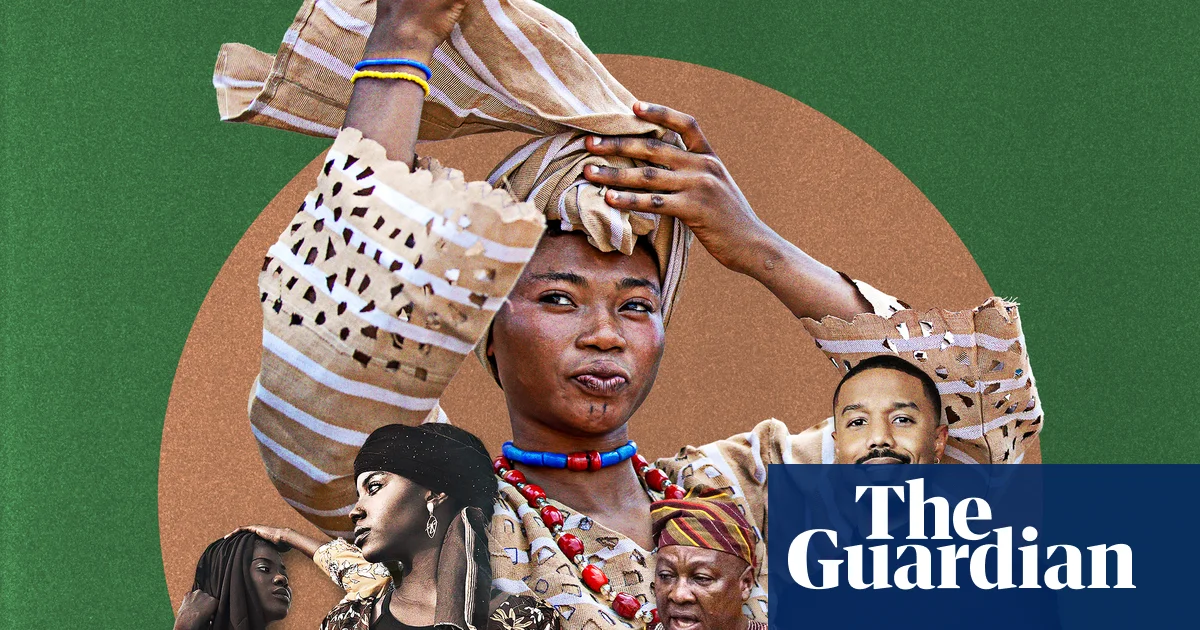
In a world increasingly shaped by fast-paced global trends and digital influences, a fascinating cultural revival is quietly underway across Africa and among diaspora communities. This movement centers around the re-emergence and celebration of traditional attire, which, despite facing some criticism and misunderstood perceptions, is gaining momentum as an expression of identity and social relevance. Recently, such discussions gained media attention after Ghanaian President John Dramani Mahama was seen donning the fugu, a vibrant patterned smock, during a state visit, sparking both mockery and a broader conversation on the significance of cultural clothing in modern society.

This incident led the Ghanaian government to declare every Wednesday as “Fugu Day”, turning what was initially light-hearted mockery into a national movement. This phenomenon reveals a deeper societal undercurrent — that *wearing traditional dress* is not just about fashion but about anchoring oneself in heritage, asserting cultural pride, and challenging the misconception that tradition equals primitiveness. From Nigeria, Sudan, Morocco, to Senegal, traditional garments like the galabeya, kaftan, and dashiki are transforming fashion norms by blurring the lines between heritage and contemporary style, especially among youth and influencers who are redefining what it means to be culturally authentic in today’s world.

Among younger generations, particularly those living in the diaspora, traditional dress is experiencing a **complex shift**. While some embrace their cultural garments openly, others see them as symbols of old-world association or even stereotypes, which has fueled a form of dress-code ambivalence. As sociologists note, there exists a social divide: older generations view traditional attire as an essential part of their identity, whereas *the younger diaspora* often perceives these garments as *out of place* or even a marker of alienation from Western norms. Yet, paradoxically, dynamic influencers and designers are turning this narrative on its head, promoting traditional clothing with contemporary cuts, sustainable fabrics, and bold prints, positioning it squarely as a *trend that’s both authentic and fashion-forward*.

Notable figures like Michael B. Jordan sporting dashikis on red carpets exemplify how traditional aesthetics can be seamlessly integrated into the Western fashion scene, challenging the long-held notions of what ‘acceptable’ dress entails. Meanwhile, *cultural commentators and fashion analysts* argue that the rise of traditional wear is a form of *cultural resistance*—a statement of independence against the dominance of synthetic, muted palettes that often dominate Western fashion. As these garments regain prominence, questions swirl around the **social relevance** of dress codes that once divorced cultural symbols from everyday life. Now, traditional attire is being *mainstreamed* into youth culture, social media campaigns, and even political statements, fueled by influencers, musicians, and creatives who advocate for *authenticity over assimilation*.

However, amidst this wave of cultural resurgence, the **next big question** looms: Will this embrace of traditional dress lead to a more profound societal shift toward *cultural pride and diversity*, or is it just another trend that will fade into the digital ether? Or perhaps, as some sociologists suggest, it is pointing to a future where *multiple identities are not mutually exclusive* but coexist as part of a broader, more inclusive cultural narrative. As we witness this lively dance between tradition and modernity, one thing remains clear — the future of fashion and identity lies in whether we choose to *celebrate our roots* or risk losing sight of what makes us distinctly cultural beings.

Dignitas Founder Chooses Assisted Death, Making Bold Statement on End-of-Life Choices

The recent passing of Ludwig Minelli, founder of the Swiss right-to-die organization Dignitas, marks a significant milestone in a rapidly evolving global debate over assisted dying. Minelli’s choice to end his own life at nearly 93, through an assisted death he championed for decades, encapsulates the profound ideological shift occurring across the world — from legal battles to cultural acceptance. He dedicated his life to the principle of self-determination in end-of-life choices, and his impact on Swiss law and the broader international legal landscape underscores the importance of these evolving norms. As the world witnesses this transformation, analysts emphasize that Minelli’s legacy continues to shape societies’ perceptions of dignity, autonomy, and the moral questions surrounding assisted death.

The case of Switzerland stands as a testament to the country’s progressive stance. While euthanasia—where a third party directly administers lethal assistance—is illegal, assisted dying remains legal and culturally accepted. This legal framework was notably influenced by Minelli’s persistent activism, which culminated in landmark rulings such as a 2011 European Court of Human Rights decision affirming the right to self-determination in end-of-life decisions. These legal precedents have inspired debate and legal reform across Europe and beyond, prompting countries like France, Spain, and Austria to enact laws permitting assisted dying under specific circumstances. The global geopolitical impact of this expansion is profound, as it challenges traditional values rooted in sanctity of life, compelling nations to reconsider their legal and ethical boundaries amidst shifting societal norms.

This wave of change is not confined to continental Europe. In North America, more than ten U.S. states have legalized assisted death, reflecting mounting support for personal autonomy in the face of terminal illness. Meanwhile, Canada and Australia have likewise embraced legislative reform in recent years, signaling a broader geopolitical realignment. However, within the UK, the debate remains fiercely contested. Despite a parliamentary vote in June backing the legal framework for terminally ill patients to seek assisted death, the legislation faces relentless scrutiny in the House of Lords. Critics argue the bill requires rigorous safeguards to protect vulnerable populations, and opponents have successfully delayed passage, emphasizing ongoing societal divisions over moral and legal dimensions. This illustrates how, even in democracies with long-standing traditions of debate, the transformation toward acceptance of assisted dying is not guaranteed but hinges on complex, high-stakes decision-making.

The influence of Minelli and Dignitas, and their advocacy, extend well beyond Swiss borders, shaping international discussions about personal sovereignty and the ethics of assisted death. As historian and legal analyst Dr. Amelia Carter notes, Minelli’s persistent legal challenges—culminating in appeals to the European Court of Human Rights—have helped reframe assisted dying as a matter of human rights rather than mere moral controversy. Yet, this evolving landscape comes at a cost, as societies grapple with the moral implications and societal risks of legislating individual choice over life and death. As Minelli’s legacy persists, the global community finds itself at a crossroads: do we uphold rigid sanctity of life, or embrace a future where autonomy, dignity, and personal choice dictate the terms of our final moments? As history continues to unfold, the answer will shape the moral fabric of nations and forge a new chapter in the ongoing debate over the right to die with dignity.

Jess Cartner-Morley’s November Style Picks: Smart Raincoats & Statement Trousers for the New Season

In the fast-paced world of youth fashion, high street brands are demonstrating a remarkable ability to blend luxury design with affordable prices. This phenomenon reflects a broader cultural shift—one where access to boutique-worthy style no longer depends solely on a high bank balance but is influenced heavily by social media influencers and fashion analysts. Names like Jonathan Anderson and Zac Posen are no longer confined to runway shows—they’ve jumped into the mainstream, with collections now available at retail giants like Uniqlo and Gap. For a generation eager to project style that’s both authentic and effortless, this fusion of high-end aesthetics with accessible pricing is redefining social relevance and cultural impact.

This trend is more than just about shopping; it’s shaping societal behaviors and cultural identity. The new style ethos celebrates practical elegance—from versatile, long-line coats to functional yet chic rain jackets that don’t compromise on style. Influencers like fashion theorists and style icons emphasize that today’s youth are seeking personal expression through wardrobe choices that are both stylish and pragmatic. Take, for example, the scardigan, a clever mashup of scarf and cardigan that offers a statement piece perfect for layering—and social media feeds—without veering into “try-hard” territory. Meanwhile, curated accessories such as festive earrings and velvet mushrooms for Christmas trees showcase how decorative trends serve as language in a shared cultural dialogue, blending tradition with contemporary wit.

This democratization of fashion is supported by celebrity and influencer endorsements, fueling a shift that sociologists describe as cultural flattening. When high-street and designer collaborations create affordable luxury—like the JW Anderson × Uniqlo polo shirt or the Gap× Zac Posen shirts—it signals a recognition that youthful consumers demand not just affordability, but also authenticity and style. The social cachet here is undeniable: dressing well becomes a form of social capital, a means for young people to visually communicate their identity and aspirations in a competitive cultural landscape. Even the rituals of gifting, like wrapping up designer-inspired gloves or statement earrings, reinforce a collective aspiration towards personal refinement.

However, as this trend solidifies, the next big question emerges: are we witnessing a true shift in societal values, or merely a clever reinterpretation of consumerism? As affordable luxury becomes the new norm, sociologists ponder whether these style choices are markers of genuine self-expression or a new form of social conformity—where the appearance of uniqueness hinges on curated, yet accessible, branding. Is this trend paving the way for a more inclusive, expressive culture, or is it merely another chapter in the ongoing narrative of youth-driven consumerism? The answer, perhaps, lies in how future generations will continue to redefine what it means to be fashionable—and whether that fashion will eventually transcend mere appearance to influence deeper social and cultural paradigms.

Fact-Check: Statement on climate change effects rated Mostly True

Fact-Checking the Claim About Leafy Greens and Email Spam

In today’s digital landscape, misinformation often gets tangled with everyday topics, making it imperative to verify claims before accepting them as truth. A recent statement asserts, “Don’t worry — the leafy greens won’t be spamming inboxes any time soon.” At face value, this appears to be a humorous or metaphorical comment, but it prompts us to examine whether there is any basis for linking leafy greens—actual vegetables or metaphorical language—to email spam, and whether such a concern is justified or simply a misdirection.

What Is the Claim About?

The phrase, “leafy greens”, typically refers to vegetables such as lettuce, spinach, kale, or collard greens. In some contexts, it might serve as a whimsical nickname or code word, but the statement appears to suggest that these items will not be involved in or responsible for email spam. The core question is whether there is any existing connection—be it technological, environmental, or industry-related—that links leafy greens to spam emails or digital disturbances.

Exploring the Connection: Is There Evidence?

A rigorous examination from tech and agricultural sources reveals no evidence to support the idea that leafy greens are involved in email spam. Spam emails originate primarily from malicious networks and bots designed to distribute advertising, malware, or phishing schemes. These are digital entities with no physical tie to vegetables or any agricultural products. The environmental aspects of leafy greens — such as water usage, pesticides, or farming practices — are unrelated to digital messaging systems or cyber threats.

Furthermore, experts from the Cybersecurity and Infrastructure Security Agency (CISA) have repeatedly underscored that spam originates from compromised servers and automated scripts, with no connection to biochemical or agricultural sources. Correspondingly, the Department of Agriculture and environmental researchers at institutions like the U.S. Department of Agriculture (USDA) confirm that leafy greens are strictly agricultural products and do not participate or influence digital communication channels.

Interpreting the Phrase in Context

Given the semantics, it’s reasonable to interpret the statement as a metaphor or humorous remark—possibly suggesting that concerns about environmental threats or food safety involving leafy greens are exaggerated or misplaced—rather than a literal warning about digital spam. Alternatively, it might be referencing a misinformation trend about vegetables being linked to certain health scares, which has been debunked repeatedly by the Food and Drug Administration (FDA) and nutrition experts.

Notably, the notion of vegetables “spamming inboxes” is inherently illogical and serves as an example of humorous hyperbole. It underscores the importance of differentiating between genuine cybersecurity issues and misinformation or metaphorical language that could mislead the public.

Conclusion: Why Facts Matter

In an era where misinformation can spread rapidly and mislead even the most discerning consumers, meticulous fact-checking remains indispensable. The claim that leafy greens will not be spamming inboxes any time soon is supported by solid evidence: vegetables are agricultural products with no capacity—digital or otherwise—to generate or influence spam emails. Recognizing the difference between metaphor and reality helps citizens stay informed and make responsible decisions, upholding the integrity of our democracy and the trust in scientific and technological expertise.

Ultimately, this false claim serves as a reminder that truth is foundational for a healthy society. As responsible citizens, we must prioritize verified information and critically evaluate sensational statements—whether about food, technology, or politics—to safeguard the values of transparency, accountability, and informed citizenship.

Social Media Auto Publish Powered By : XYZScripts.com