Matox News

Truth Over Trends, always!

Four Years Later: Zelenskyy States Putin’s Goals Remain Unmet—Europe Updates | Ukraine

Four Years of Conflict: The Evolving Geopolitics of Russia’s Invasion of Ukraine

As Ukraine marks its fourth year of fierce resistance against Russia‘s full-scale invasion, the global community observes a pivotal moment in what has become the defining conflict of the 21st century. Beginning on February 24, 2022, when Russian forces sought to seize the country within mere days, the war has morphed into a protracted struggle that continues to reshape geopolitical alliances and challenge international norms. Despite efforts to rally support and impose sanctions, the conflict remains unresolved, revealing profound fissures within Western-led coalitions and exposing vulnerabilities in diplomatic strategies.

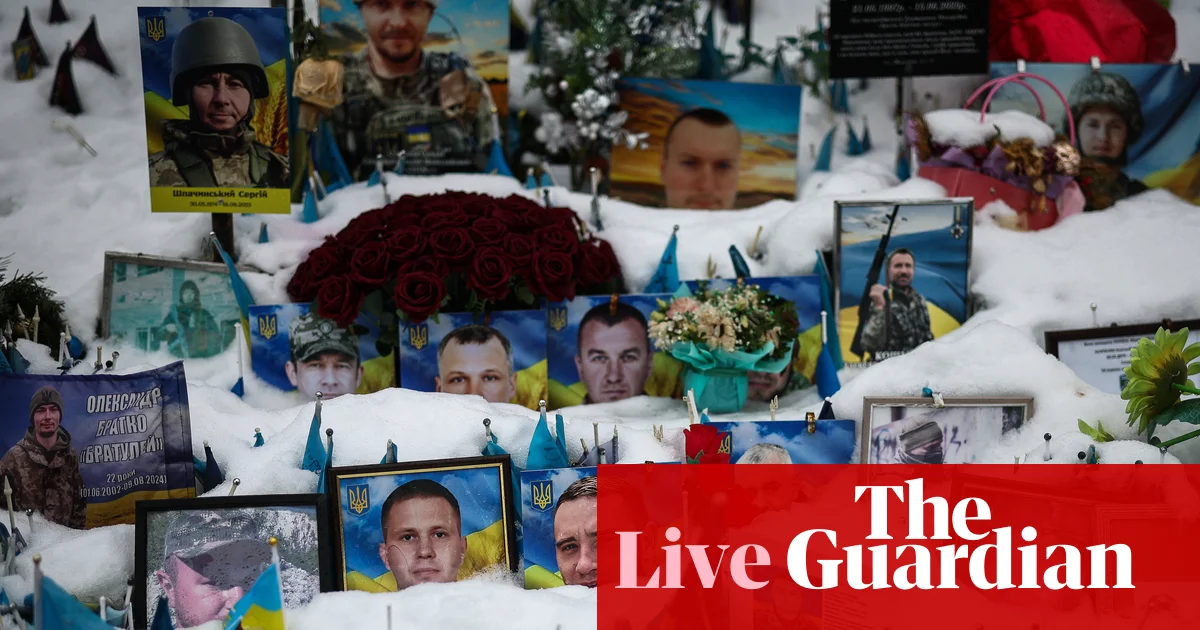
The Ukrainian people, under the steadfast leadership of Volodymyr Zelenskyy, have consistently underscored their resilience and unwavering commitment to sovereignty. In his recent address, Zelenskyy reflected on the enduring spirit of Ukraine, emphasizing that “we have defended our independence, we have not lost our statehood; Putin has not achieved his goals.” Such declarations serve as a stark reminder that, despite relentless aggression and substantial losses, Ukraine has maintained its national identity and territorial integrity. Historians and analysts underscore this narrative as a testament to the resilience of post-Cold War Europe’s most prominent democracy under siege, illustrating how a nation’s united front can withstand even the most formidable foes.

Yet, the geopolitical impact extends far beyond Ukraine’s borders. The ongoing conflict continues to test the cohesion and resolve of NATO and the European Union. Recently, Mark Rutte, NATO’s Secretary General, and Ursula von der Leyen, President of the European Commission, prepared to honor Ukraine’s bravery by convening in Kyiv and via video links. However, controversy has surfaced over the EU’s inability to present a united front: Hungary’s Viktor Orbán vetoed a new set of sanctions aimed at intensifying pressure on Russia over separate disputes involving oil transit through Ukraine. International organizations like the EU face critical scrutiny, as this political sabotage underscores internal divisions that threaten to undermine the collective effort to support Ukraine and uphold global stability.

Historical and geopolitical analysts warn that such divisions could be a turning point—that if Western alliances falter, the balance of power in Eurasia could be permanently altered. The war’s broader implications include the realignment of global influence, renewed tensions in Eastern Europe, and a warning that failure to sustain unified pressure may embolden Russia and other revisionist powers. Meanwhile, the clandestine efforts of allied intelligence agencies, notably the CIA and MI6, to intercept Putin’s plans prior to the invasion reveal a complex web of intelligence failures and miscalculations. Shaun Walker’s investigative reporting sheds light on how Western intelligence underestimated the Russian president’s intentions, highlighting the dangerous costs of complacency in an era where information wars are as critical as military ones.

As history continues to unfold, the unresolved tensions and unresolved conflicts stake their claim on the future of Europe and beyond. The voices from Kyiv, Brussels, and Washington echo with warnings of what might come if the present momentum diminishes. The city of Kyiv itself, bearing signs of resilience like the symbolic “Bravery Made in Ukraine,” stands as a testament to the unyielding human spirit amid the chaos of war—yet, the shadows of discord within Western alliances threaten to cast long-term consequences that could reshape continents. For now, the world holds its breath—watching as the pages of history are written, one day at a time, in the blood and hope of nations fighting for sovereignty and peace—and knowing full well, that this story is far from over.
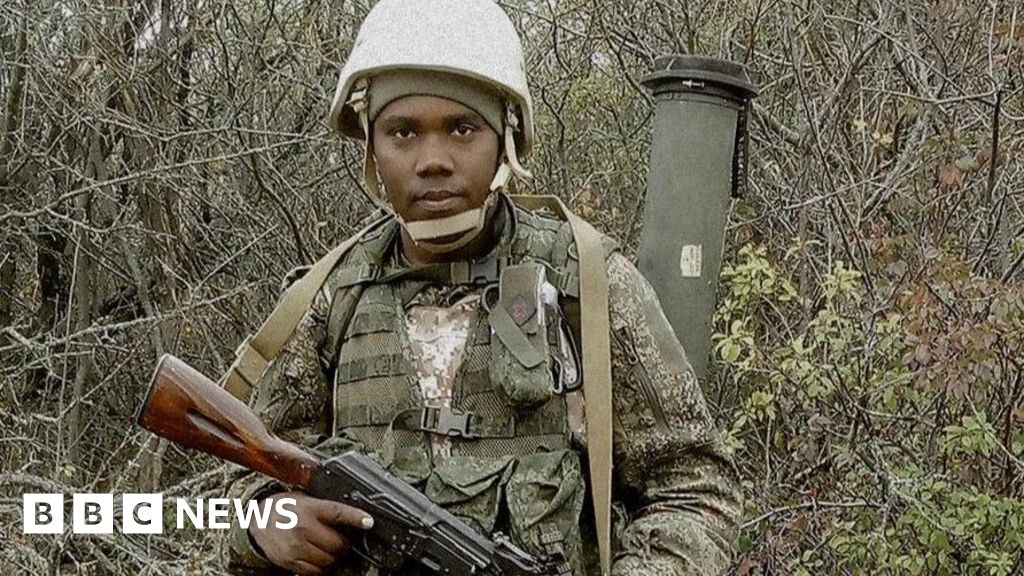
Over 1,000 Kenyans Volunteer to Join Russia-Ukraine Conflict, Report States

In a disturbing revelation that has sent shockwaves through the international community, investigators have uncovered a well-organized trafficking ring involving various **immigration staff** and **security agencies**. This illicit operation, reportedly intricately coordinated and spanning multiple nations, exposes the vulnerabilities within once-trusted border control systems. The extent of corruption and collusion uncovered suggests a formidable challenge to national sovereignty and underscores a broader crisis of governance and integrity within critical institutions.

As details emerge, experts emphasizing the geopolitical impact warn that such trafficking rings threaten the stability not only of the nations directly involved but also of regional security architectures. These networks, often facilitated by complicit officials, enable the illegal movement of migrants, contraband, and even potentially dangerous elements that could destabilize entire societies. Analysts from the International Organization for Migration highlight how compromised customs and immigration processes erode public trust and provide fertile ground for further criminal enterprises to flourish. Importantly, this revelation underscores a pattern where illicit groups leverage institutional weaknesses to operate with impunity, undermining the rule of law and fueling chaos in vulnerable states.

The repercussions of this trafficking network extend beyond immediate security concerns; they reverberate through diplomatic channels. Several nations implicated are now under intense scrutiny, leading to calls for renewed international cooperation and transparency. Global institutions, including the United Nations and the European Union, are under pressure to address alleged systemic failures and reimagine border security frameworks. Meanwhile, some governments are battling accusations of complicity, which threaten to destabilize diplomatic relations and diminish trust in political leadership. Such scandals act as stark reminders that the integrity of immigration and security agencies is vital to national sovereignty, and any compromise can ripple outward into broader geopolitical instability.

Historically, similar scandals have served as turning points, often catalyzing reforms or, conversely, exposing deep-seated corruption. Experts like renowned historian Dr. Margaret Carlisle suggest that this case, if handled transparently, could be an opportunity for renewal; however, the danger lies in attempts to sweep such issues under the rug. The international community must remain vigilant, recognizing that the fallout from these disclosures could shape regional dynamics for years to come. As nations grapple with internal vulnerabilities, the broader question remains: how resilient are our institutions when faced with the temptation of greed and power?

In the shadows of this unfolding crisis, the ominous specter of history looms large. The unraveling of this trafficking ring could serve as a pivotal moment, revealing the porous borders of the modern world and the fragile trust that sustains it. As international observers stare into the abyss of corruption, one fact becomes painfully clear—the pages of history continue to turn, and the fight for sovereignty and security remains an enduring struggle, the outcome of which will define our collective future.

NSW scores an extra holiday for Anzac Day, but other states opt out

Responses to national traditions in Australia continue to reflect rising considerations around identity, history, and geopolitics. Recently, the government of New South Wales announced the extension of Anzac Day observances by adding public holidays for 2026 and 2027 when the April 25 holiday falls on weekends. Such measures are not merely local politics but are intertwined with broader international reflections on military history, national sovereignty, and the symbolic weight of honoring wartime sacrifice. The announcement aligns with a conscious effort to preserve Australia’s national identity within the global arena, and analysts see it as an attempt to bolster national unity amid evolving geopolitical challenges.

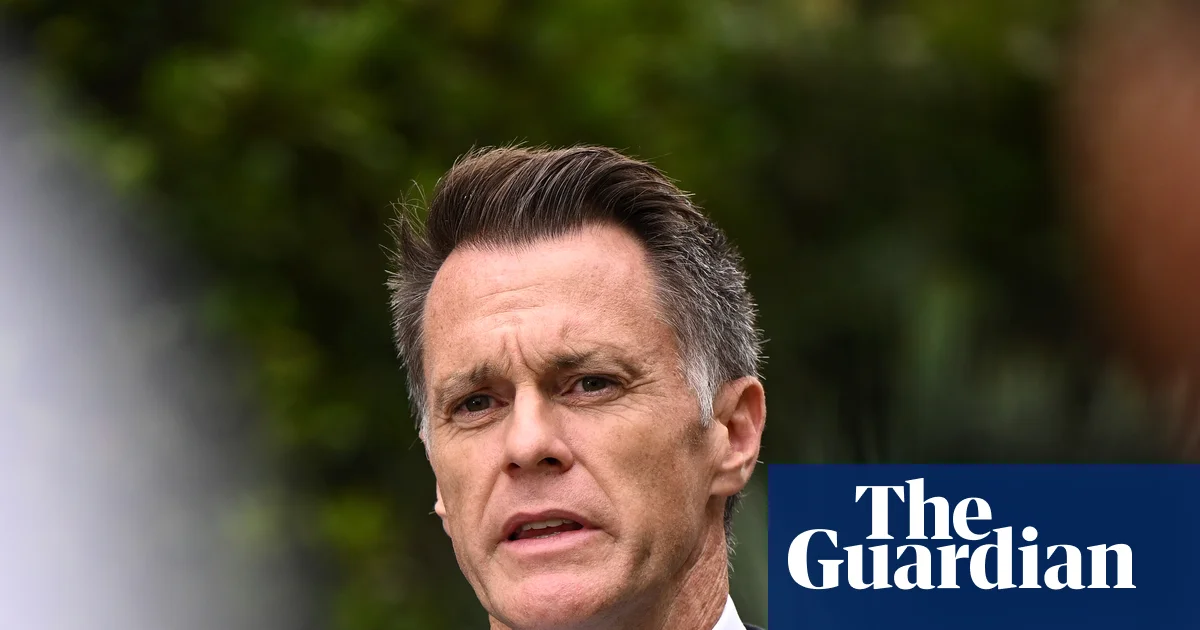
The decision comes amid delineations of tradition and modern societal needs, with Premier Chris Minns emphasizing that the extended holiday does not diminish the solemnity of Anzac Day. In fact, it serves to enhance the recognition of service members and their contributions, acknowledged as foundational to Australian sovereignty and cultural resilience. However, critics, mainly small business associations, warn that such changes could introduce economic strain, especially on local commerce. The Returned and Services League of Australia (RSL) has expressed support, underlining the societal importance of allocating time for families of defense personnel. Yet, the move also underscores a deeper, bigger geopolitical discussion about how nations choose to commemorate history—balancing tradition with the realities of a rapidly changing world.

Across Australia, not all states are following suit. Queensland and Victoria will maintain their existing public holiday configurations, reflective of regional variance in societal priorities. The broader geopolitical impact of such decisions extends beyond mere calendars; it signals the political weight placed on national identity and historical memory amid global disorder. Historians and international analysts note that these commemorative practices are not static but are subject to political contestation—serving as symbols that maintain societal cohesion in uncertain times. Indeed, in a world increasingly fragmented by conflicts and ideological divides, nations like Australia are carefully crafting ceremonies that reaffirm their sovereignty while navigating external pressures, such as China’s rising influence in the Indo-Pacific or the lingering shadow of great-power rivalry.

As moderate right-wing youth-driven voices scrutinize these developments, questions about how history shapes present policies gain greater urgency. The debate over public holidays is more than ceremonial; it is a mirror of a society grappling with its past while facing an uncertain global future. For historic students, foreign policy experts, and citizens alike, every decision echoes across the corridors of international relations. Today, Australia’s move to extend its commemorative holidays may seem small, but it echoes a profound truth: that in the theater of geopolitics, history’s weight can influence the future in ways both overt and subtle. As the world observes, the unfolding narrative of Australia’s national remembrance continues to write itself into the broader story of nations striving to preserve their identity amidst relentless change—an enduring testament that history, like the tides of the current, is never truly finished.

This state’s love for chiles runs so deep, they actually passed a law about them!

Across the diverse landscapes of New Mexico, a unique cultural movement thrives—centered around an ingredient as vibrant and fiery as the state itself: the chile. For many residents, this isn’t merely about flavor; it’s a way of life that permeates daily routines, social customs, and even legislative identity. The state has gone so far as to create a law to honor the significance of chiles, underscoring their deep-rooted role in local culture. This dedication reflects a broader trend where food transcends nourishment to embody community, identity, and a commitment to preservation of tradition.

Rooted in history and celebrated through an iconic question—”Red or green?”—chile consumption in New Mexico encapsulates regional pride and a celebration of local agriculture. This simple query symbolizes a cultural fork in the road—a choice that aligns with personal taste but also signifies belonging. Recognized by culinary experts and wellness advocates alike, the chile tradition embodies a balance of flavor, wellness, and cultural resilience. It invites both locals and visitors to partake in a shared ritual that strengthens community bonds while connecting individuals to the land and its history.

By embracing this fiery emblem of New Mexico’s spirit, many find a source of personal health and inspiration. Rich in antioxidants, capsicum in chiles has been hailed by nutritionists such as Dr. Michael Greger for its potential health benefits, including metabolism boosting and anti-inflammatory properties. Beyond physical wellness, the ritual of preparing and choosing between “red” or “green” fosters mindfulness and a sense of rootedness. For those seeking a lifestyle that emphasizes authentic self-expression and cultural connection, engaging with local food traditions offers a pathway tailored to both health and identity. As wellness experts like Celestine Chua highlight, authenticity in daily choices is central to personal happiness.

  • Travel Tip: Explore Santa Fe and Albuquerque, where chiles are woven into everything—from art galleries to street food stalls—offering an immersive experience.
  • Lifestyle Hack: Incorporate local ingredients like fresh chiles into your diet for a flavor and health boost that keeps you connected to your roots.
  • Key Takeaway: Let the stories behind local traditions inspire you to discover your own cultural markers, transforming everyday choices into meaningful expressions of identity.

In a world driven by rapid change and fleeting trends, New Mexico’s fiery embrace of tradition reminds us that true vitality stems from authentic connections—whether to land, culture, or self. As you reflect on the simple yet profound question of “Red or green?”, consider how embracing your roots and passions can fuel your journey of self-discovery and well-being. Ultimately, it’s about finding that perfect balance—where tradition fuels your health, flavor enriches your days, and community provides a lasting sense of purpose. In this ongoing pursuit of a vibrant life, perhaps the most powerful takeaway is that our personal and cultural stories are the most enduring recipes for fulfillment.”

US Elections 2025 Kickoff: Youth Vote at the Forefront as Americans Head to the Polls in Key States

International Eyes on United States as Crucial Elections Reshape Global Power Dynamics

Across the world, political analysts and international observers are keenly tracking the U.S. elections taking place on November 4, 2025. These elections are more than national affairs; they are a testament to the internal strife and shifting allegiances within America, a country whose decisions reverberate through every continent. Close attention is paid to how the results could influence geopolitical stability, alliances, and global economic trends. Leading voices in international diplomacy warn that the outcome may redefine America’s role on the world stage, especially amid mounting tensions with rival superpowers and fragile regional hotspots.

Renowned historians and policy analysts, such as Dr. Amanda Liu of the International Security Council, emphasize that this election could mark a decisive turn toward either renewed American interventionism or a retreat into isolationism—choices that will inevitably shape international relations. As the U.S. grapples with high-stakes local elections in New York City, New Jersey, Virginia, and California, the implications extend far beyond domestic borders. Reports suggest that global powers are already calibrating their diplomatic strategies based on potential shifts in American foreign policy, particularly when it comes to trade, military commitments, and climate change agreements.

  • In California, voters could reshuffle congressional maps, effectively tilting the balance of power, to counteract gerrymandered districts that favor Republicans.
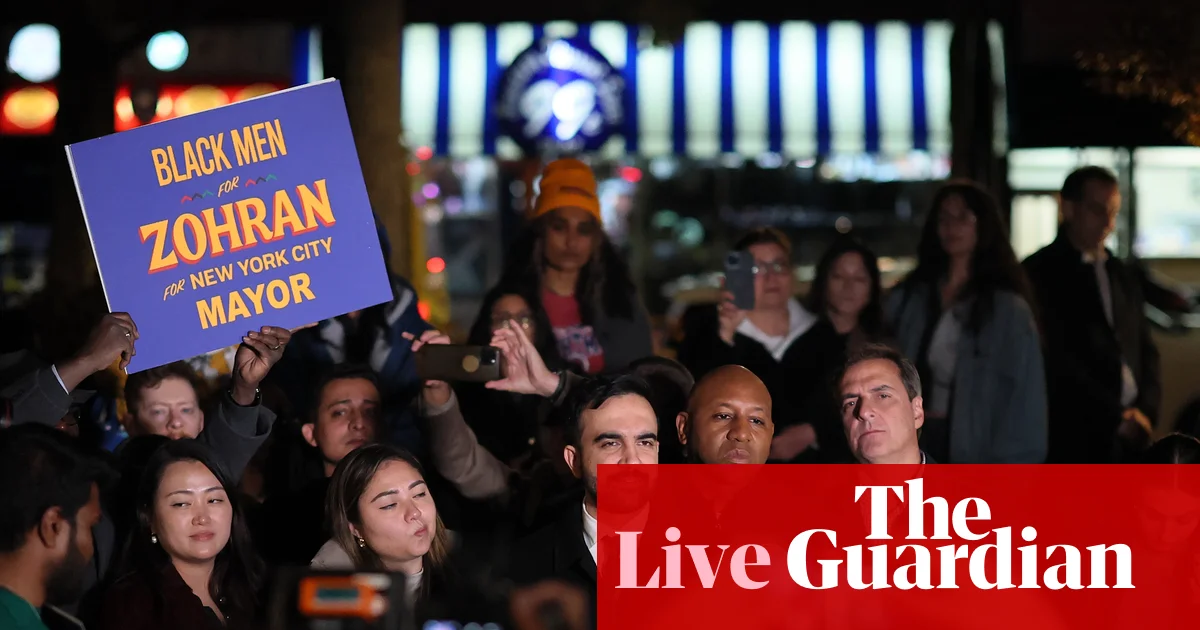
  • The volcanic political contest in New York City sees a democratic socialist, Zohran Mamdani, poised for victory over the ex-governor Andrew Cuomo, a development that could propel left-wing policies onto a broad urban platform with repercussions for national policy debates.
  • High-stakes gubernatorial elections in Virginia and New Jersey are perceived as a barometer for voters’ confidence in President Biden, potentially influencing the trajectory of the current administration’s foreign initiatives.

International organizations, including the United Nations, have issued cautious statements, urging the U.S. to uphold democratic norms regardless of the outcome. Yet, many seasoned analysts warn that the political instability and increased polarization threaten the very fabric of American diplomacy. The geopolitical landscape could face turbulence, especially if the electoral results catalyze an era of heightened partisan contention—an example, critics argue, of how internal divisions undermine America’s credibility and strategic partnerships worldwide.

This unfolding chapter is not lost on Russia, China, and other global rivals who tirelessly monitor American politics for signs of weakness or resurgence. Their diplomats and intelligence agencies interpret every vote as a potential shift in the balance of global power, preparing for recalibrations of their own foreign policies in anticipation of the coming administration. As Russian foreign policy analysts note, “The stability of the U.S. political system remains a cornerstone of world order; any cracks could be exploited by adversaries.”

As history continues to unfold, the outcome of these elections may set in motion a cascade of events—some predictable, others unforeseen. While the world watches with bated breath, the very fabric of global diplomacy awaits a new chapter—where decision-makers in capitals from Brussels to Beijing grapple with the echoes of a nation at a crossroads. Will the tide turn toward renewed American assertiveness or a cautious withdrawal? Only time will tell, but the burden of history presses ever heavier with each ballot cast in the shadow of the future of world order.

October heat records at risk across multiple states as scorching heat moves east through central Australia

Australia Confronts Record-Breaking October Heatwaves and Severe Storms

In an alarming turn of climate patterns, Australia is experiencing unprecedented weather extremes that threaten to leave a lasting imprint on its environment and society. According to the Bureau of Meteorology, parts of South Australia, Queensland, New South Wales, and the ACT are set to endure temperatures soaring up to 15°C above average this weekend. These climatic anomalies are not only breaking historical records but also signaling a potential shift in global weather systems, prompting international concern about the evolving climate crisis.

Climate analysts and historians warn that these rapid temperature increases, especially in inland regions such as Oodnadatta and Birdsville, could constitute a harbinger of intensified extreme weather events caused by human-induced climate change. Dean Narramore, a senior meteorologist at the bureau, highlighted the severity of the situation, noting that some locations may approach or surpass their October temperature records. The forecast predicts 45°C in Oodnadatta on Monday, while the interior states could see their temperatures reach the low to mid 40s. Such conditions highlight an urgent consequence of a warming planet—a phenomenon that international organizations like the UN have described as a threat to global stability.

Global Implications of a Warming Australia

These extreme temperatures are not an isolated event but part of a larger narrative about the **accelerating impacts of climate change**. As Australia faces this unusual early summer heat, the geopolitical impact reverberates beyond its borders. Nations vested in climate diplomacy are watching closely, understanding that Australia’s weather patterns could serve as an early warning for broader global disruptions. The intergovernmental panels and international agencies emphasize that such irregularities threaten agricultural production, water security, and urban resilience, with ripple effects felt worldwide.

Meanwhile, severe thunderstorms loaded with potential for giant hail are predicted to strike eastern Queensland and northeastern New South Wales, areas already vulnerable to extreme weather. This unpredictable combination of heatwaves and violent storms underscores the fragile balance of Australia’s climate system, but it also exemplifies the how decisions made today shape the resilience of future societies. Historically, climate science experts like Dr. Jennifer Francis warn that failure to mitigate these rapid shifts could lead to irreversible environmental damage, challenging societies’ ability to adapt and survive.

Contemporary Challenges and International Response

As Australia grapples with these climatic upheavals, the international community faces a stark choice: intensify efforts to curb emissions or watch as the pattern of devastation accelerates. The recent weather upheaval underscores a fundamental truth voiced by global policymakers and historians alike—the window for meaningful action is narrowing. The recent intense heatwave, coinciding with the threat of deadly thunderstorms, exemplifies how local climate phenomena are intrinsically linked to global issues, urging nations to forge coordinated strategies to combat the crisis.

Yet, amidst warnings and predictions, the unfolding events serve as a reminder that history is not yet written. The choices made by governments, industries, and societies will determine the trajectory of this crisis. As the sun blazes hotter year after year, and as storms grow more ferocious, the question remains: will humanity rise to meet this challenge or be swallowed by an indifference that leaves future generations to bear the consequences of today’s inaction?

In the shadow of this climate upheaval, the weight of history bears heavily on the present—each decision a stroke on the vast canvas of the future. And as the story unfolds, one truth remains undeniable: **the unfolding climate crisis is not just the story of Australia but a universal chapter, demanding unwavering resolve before the pages of history close on our chance to act**.

Illinois Governor scores $1.4M victory in Vegas—big win for the state’s leadership

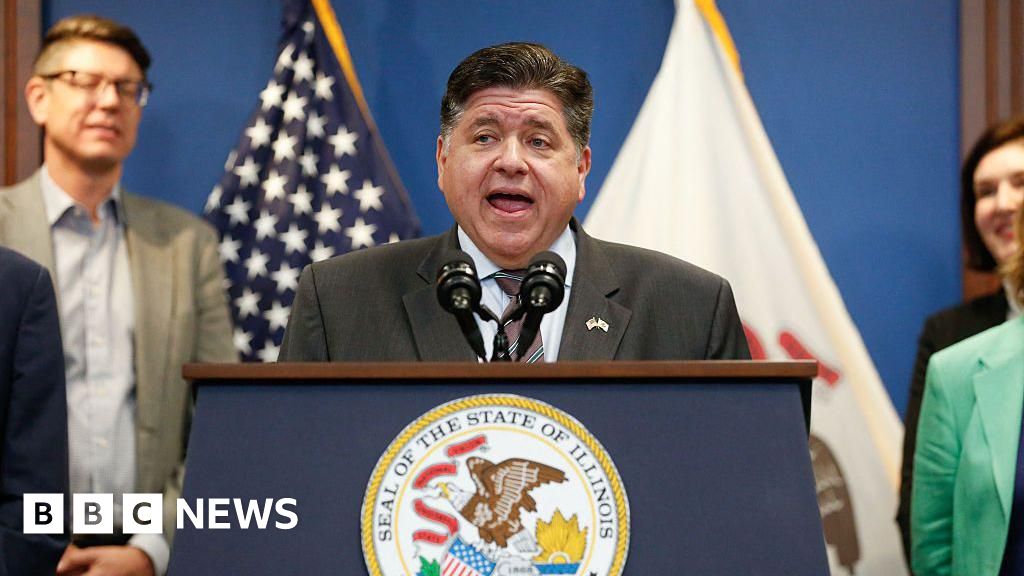
United States politics remain deeply intertwined with global influences, with recent revelations highlighting the complex web of power, wealth, and policy. In Illinois, Governor JB Pritzker, a scion of the Hyatt Hotel fortune and a prominent Democrat, made headlines after his tax filings disclosed a $1.4 million windfall from gambling in Las Vegas. While Pritzker plans to donate the winnings to charity, the incident spotlights ongoing debates over wealth, privilege, and the role of affluence in governance. It also underscores the influence of individual actors within the broader framework of American political and economic power, which continues to be scrutinized by international analysts seeking to understand the prevalence and impact of the ultra-rich in shaping policy directions.

This incident occurs against a backdrop of escalating tensions between the Biden administration and former President Donald Trump, whose critics accuse him of undermining the rule of law and national cohesion. Pritzker himself has positioned as a critic of federal policies, particularly regarding the deployment of national troops to cities like Chicago, which Trump labeled as “authoritarian” efforts. Such political discord echoes beyond national borders, affecting international perceptions of democratic stability and the United States’ role as a global leader.

  • Critical questions are being asked about how the wealth of the American elite influences governance and policy-making.
  • Developments in Illinois exemplify a broader trend where state-level actors become focal points in an ongoing ideological struggle.
  • International organizations and geopolitical analysts argue that internal divisions in the United States have tangible consequences for global stability, especially amidst rising challenges from China and Russia.

Global institutions and historians warn that this internal turmoil, fueled by egocentric power plays, threatens to undermine the consensus needed to address pressing international crises—be it climate change, economic instability, or regional conflicts. The decision of one wealthy governor to indulge in high-stakes gambling may seem trivial, but it symbolizes the broader cavalcade of personal wealth and political influence shaping America’s future. As Pritzker seeks a third term in 2026, questions abound about whether such figures will prioritize the people’s interests or continue to navigate a landscape dominated by privilege. At a time when the world watches, the unfolding narrative of US internal politics remains a pivotal chapter in the story of how nations coalesce—or fracture—in an era of unprecedented global upheaval, leaving history to judge whether these choices herald renewal or impending chaos.

Social Media Auto Publish Powered By : XYZScripts.com