Matox News

Truth Over Trends, always!

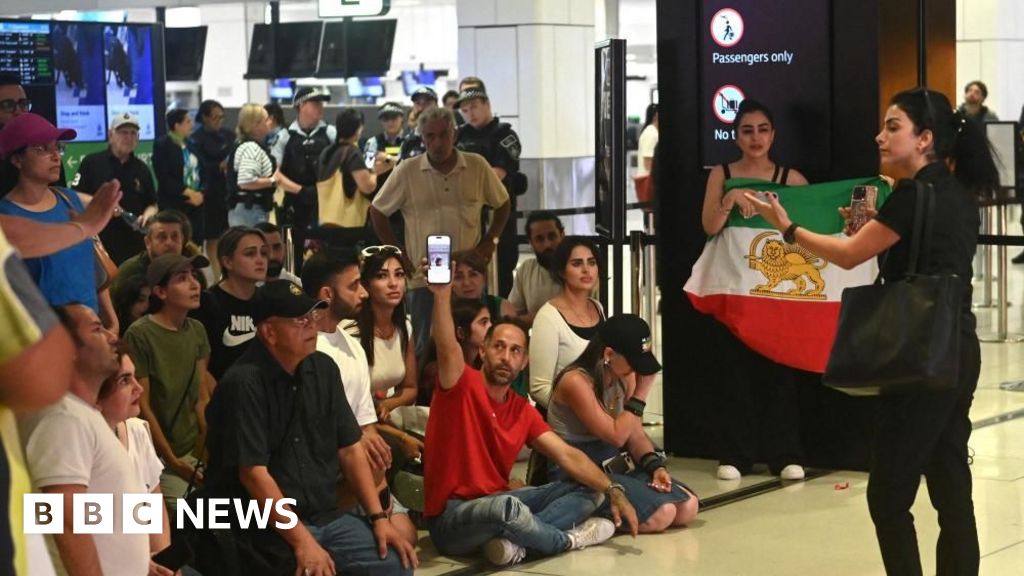
Iranians defy online censorship to stay connected with loved ones abroad

Recent developments in Iran continue to inject instability into the already volatile geopolitical landscape of the Middle East. The deadly anti-government protests in January, which have claimed numerous lives and caused widespread unrest, highlight the persistent undercurrent of dissent within the nation. For many outside Iran, these events underscore the fragile hold that Tehran maintains on power, especially amid the backdrop of economic sanctions, internal repression, and regional rivalries. Analysts warn that the unrest signals not just a domestic crisis but a potential ripple effect that could reshape alliances and power balances throughout the region.

Meanwhile, the international community watches with cautious concern, as Iran continues to assert its sovereignty amid mounting pressure. The United Nations and various human rights organizations have condemned the violence and called for accountability, yet the underlying grievances remain unresolved. Some Western nations see this as an opportunity to leverage diplomatic channels, but persistent U.S. sanctions and regional tensions complicate efforts toward meaningful dialogue. Iran’s leadership navigates this environment with calculated resilience, often framing protests as foreign-influenced instabilities, intensifying accusations of external meddling and undermining internal reforms. Historically, similar crackdowns have only postponed larger upheavals, a pattern that regional and global analysts remain wary of repeating.

For Iranians abroad, such as Soraya, a young woman living in Toronto, Canada, the unrest hits close to home. She describes phone calls with her family on the ground, where moments of reassurance are often overshadowed by fear. “My family tells me they are managing to make short calls,” she explains, “but I know how dangerous things are, and I worry about their safety.” These personal stories bring a human dimension to the geopolitical commentary, exposing how decisions made in distant capitals influence the lives of millions. As international organizations call for restraint, the real impact on societies is often overlooked in diplomatic rhetoric. The challenge remains for the global community to balance pressure and diplomacy, aiming to support the Iranian people’s quest for greater freedoms without further fueling unrest.

The stakes are high, with regional alliances and global power dynamics hanging in the balance. The United States and its allies see Iran’s internal struggles as an opportunity to increase diplomatic and economic leverage, but also risk escalating tensions if missteps occur. Conversely, China and Russia have maintained more nuanced stances, emphasizing sovereignty and opposing what they deem unwarranted interference. This multifaceted geopolitical chess game underscores how the decisions made during this period could reverberate for decades. According to international security analysts, the forthcoming months are critical—each event could tilt the scales toward either open conflict or renewed diplomacy, shaping the future of the Middle East and beyond.

As history unfolds, the shadows of past uprisings and diplomatic failures loom large over this chapter. The world watches as Iran stands at a crossroads—either to succumb to the cycles of repression and unrest or to find a path toward reform, which remains uncertain. The testimonies of families like Negar’s and Soraya’s serve as poignant reminders that the true cost of geopolitical upheavals is carried by ordinary citizens. In the grand tapestry of global history, this moment may prove to be a turning point—one that could either reaffirm the resilience of a nation or propel it into uncharted chaos. Only time will reveal whether diplomacy or conflict will define the course of a nation that remains a pivotal player on the international stage.

Two Iran football affiliates opt to stay in Australia, signaling shifting loyalties

In a decisive development that underscores the complex interplay of sports, politics, and international diplomacy, reports indicate that most of Australia’s national team departed the country on Tuesday night amid mounting tensions. However, the situation remains under close scrutiny as a small contingent—including a player and a member of the support staff—have elected to stay behind, joining five other team members who have chosen to remain in Australia. This dissonance within the team exposes deeper geopolitical strains that are now resonating through the sporting world, reaffirming the arena’s increasingly prominent role in global conflicts.

The decision for the remaining members to stay involves not only considerations of personal safety but also strategic positioning amidst ongoing international pressures. Experts like Dr. Caroline Matthews, a senior geopolitical analyst at the International Policy Institute, argue that this split reflects broader tensions between national identity and international diplomacy. The departure of most team members coincides with a period of heightened diplomatic friction, potentially influenced by recent treaties, sanctions, or visa restrictions rooted in regional conflicts or geopolitical realignments. As sports often serve as a mirror of national patriotism and geopolitical interests, this episode highlights the way in which decisions made on the field ripple outward, affecting international perceptions and alliances.

Major organizations such as the International Olympic Committee and World Sports Federation are now watching closely, as these internal conflicts threaten to undermine the delicate balance of global sports diplomacy. Historically, sporting events have been arenas for international influence; the Cold War-era Olympic boycotts exemplify how athletic competition can morph into political battlegrounds. Analysts warn that these recent developments in Australia could herald a new phase where sports are irrevocably intertwined with national security considerations, especially as clashes over sovereignty, human rights, or regional dominance intensify. Statements from officials suggest that this moment may redefine how nations engage with international sporting bodies, emphasizing sovereignty and national interests over international consensus.

Among global institutions, there is a rising concern about how these internal team conflicts could set dangerous precedents. The United Nations Security Council and EU Foreign Policy have both issued calls for diplomacy and restraint, emphasizing that the impact of such actions extends beyond sport—contributing to destabilization, international mistrust, and a fracture in global cohesion. Historians and policy analysts compare this situation to historical flashpoints, where sporting disputes escalated into broader conflicts, highlighting the potential for escalation when external geopolitics influence internal team dynamics. This tense atmosphere underscores a disconcerting reality: in an increasingly interconnected world, the sites of national pride are becoming conduits for political assertion and international friction.

As this chapter of Australia’s sporting saga unfolds, the weight of history remains palpable—each decision echoing through the corridors of power and shaping the next chapter of global diplomacy. The internal split within the team is more than a mere matter of logistics; it is a stark reminder that the weights of sovereignty, national identity, and international rivalry are now woven into the fabric of what was once purely a game. In that fog of uncertainty, the world waits—watching whether this fissure will widen into a fracture or serve as a catalyst for renewed dialogue. The future of international sport hangs in the balance, a mirror to the enduring struggles that define the 21st century, holding the promise and peril of history still in the making.

Australia Ready to Back Gulf Allies Against Iran, Will Stay Clear of Ground War — Wong

Australia Navigates Middle Eastern Turmoil Amid Geopolitical Shifts

As international powers scramble in the aftermath of recent military strikes against Iran, Australia finds itself caught in a precarious position within a rapidly evolving geopolitical landscape. While Canberra explicitly refuses to deploy ground troops into Iran, its willingness to provide logistical and military support—albeit within tight boundaries—underscores the complex balancing act facing allied nations amid the escalating U.S.-Israeli coordinated strikes and Iran’s retaliatory missile and drone attacks.

The Australian government, under the stewardship of Foreign Minister Penny Wong, has confirmed that it received requests for assistance from regional allies threatened by Iran’s mounting assaults. Nine flights have already evacuated Australians from the volatile Middle East, with additional flights scheduled, and hundreds have been bussed out of Qatar to nearby countries. Wong clarified that Australia is prepared to work through assistance measures targeted at defending the Gulf nations, but remains firm in its stance against offensive action—rejecting any deployment of combat troops into Iran and emphasizing adherence to a defensive posture instead. This position aligns with Australia’s broader policy of maintaining strategic independence, avoiding entanglement in regional conflicts that could draw its military into direct combat.

The geopolitical impact of such decisions is profound. Analysts note that Australia’s cautious approach seeks to preserve its international reputation while avoiding the pitfalls of overcommitment favored by some Western allies. Countries with a history of military intervention, like the United States and United Kingdom, have long debated the efficacy of troop deployments in volatile regions, but Australia—especially under current Prime Minister Anthony Albanese—has emphasized diplomatic and logistical support as the middle ground. Yet, this careful balancing act is increasingly scrutinized by critics who warn that the current trajectory risks aligning Australia too closely with US-led military endeavors, potentially dragging it into broader conflicts that serve geopolitical interests beyond national security.

International organizations and historians warn of the long-term consequences of this violent chapter. The United Nations has called for restraint, underscoring the danger of escalating a regional conflict into a wider world crisis. Veteran geopolitical analysts interpret Australia’s role as indicative of a broader trend: western nations are recalibrating their military priorities, emphasizing indirect support over direct engagement. Meanwhile, the ongoing conflict continues to reshape regional alliances, with Saudi Arabia and other Gulf states increasingly looking towards alternative power brokers, wary of the US’s militarized approach. As history reminds us, the decisions made today will echo through generations, shaping the fabric of international stability—or chaos.

In the shadows of this unfolding crisis, the weight of history presses heavily on the shoulders of modern leaders. With each missile launched and flight undertaken, the delicate chess game of geopolitics intensifies—drawing societies ever closer to the brink of chaos or stability. While Australia seeks to maintain a measured stance, the broader geopolitical impact leaves an undeniable imprint: a reminder that, in the theater of global conflict, the lines between diplomacy and war remain perilously thin, and the choices of today could determine the course of history for decades to come.

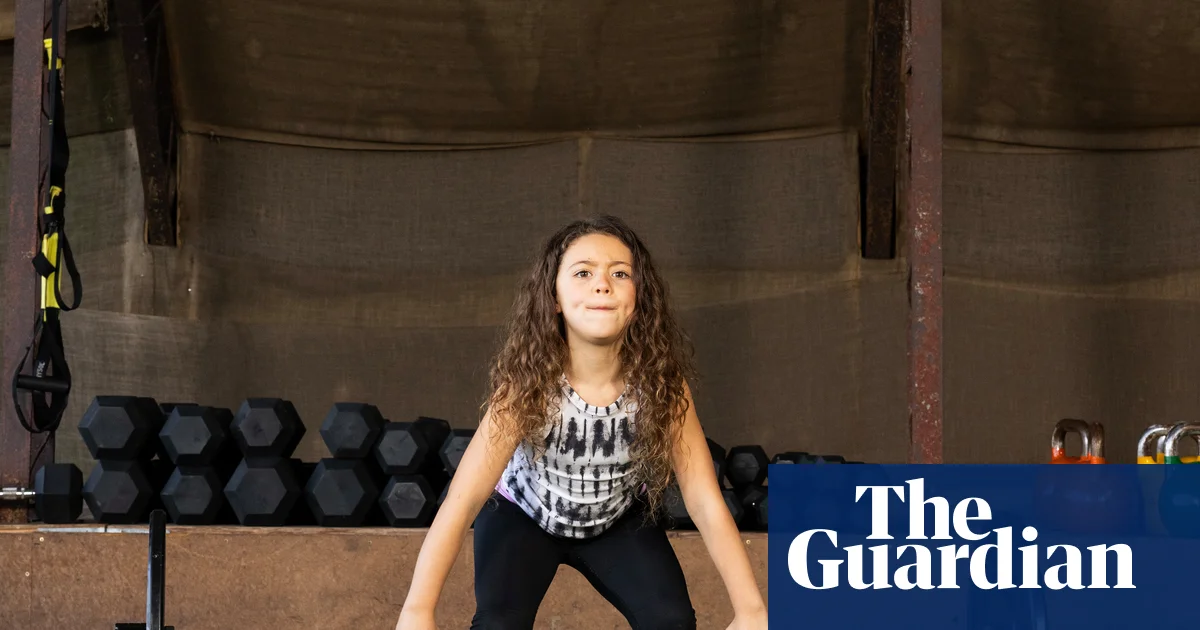
Kids hitting the gym: empowering the next generation to stay strong and healthy

The New Wave of Youth Strength Training: Reshaping Society’s Views on Childhood Fitness

In recent years, a cultural shift has emerged around childhood physical activity, driven by a growing recognition of the benefits of strength training for children and adolescents. Historically, societal wisdom warned against young children engaging in resistance exercises, fearing it could stunt growth or cause injury. However, contemporary research, endorsed by sociologists and medical professionals, challenges these outdated notions, emphasizing that appropriately supervised strength training can foster long-term health, resilience, and even improved social-emotional development within families and communities. This development isn’t just about physical fitness; it reflects a broader transformation in how society perceives youth, strength, and wellbeing.

Families across the socio-economic spectrum are now integrating strength training into their routines. Parents like Eve Stevenson, a former weightlifting champion and personal trainer, are demonstrating that early engagement in resistance exercises cultivates a sense of empowerment and resilience. Despite opposition from some critics who argue that such activities may be unsafe or unnatural for young children, experts like Jon Oliver of Cardiff Metropolitan University clarify that these practices, when supervised by qualified professionals, align closely with national guidelines and scientific consensus. The social impact of these shifts extends beyond individual families, challenging communities to rethink early childhood physical development and the values embedded within youth sports and recreation.

This movement is also fueled by media, with popular shows like Gladiators reborn on screens and captivating young audiences. Such cultural icons reinforce the idea that strength is a virtue accessible to all ages, not just elite athletes. It fosters a narrative where strength training becomes normalized as a wholesome activity, creating social spaces where families bond through shared activity, challenge stereotypes, and build community resilience. Sociologists note that this evolution is shaping a generation that values physical robustness not for aesthetic perfection but as a cornerstone of mental grit and societal contribution.

Despite the positive prospects, challenges remain. Critics voice concerns over early specialization, injuries, and the pressure to excel prematurely, echoing advice to promote broad motor skill development and fun over performance. Nonetheless, the emphasis on safety, proper technique, and fun—endorsed by experts like Morris—aims to ensure these activities bolster families’ social fabric. As larger societal issues such as youth mental health, body image, and social cohesion continue to loom, the focus on inclusive, supervised strength training offers a hopeful pathway. It is an invitation for communities to nurture strength—both physical and moral—and to reimagine childhood as a time of building resilience rather than compliance.

In the end, society stands at a crossroads, balancing tradition with innovation, fear with hope. When families like Stevenson’s or Hawkins’ foster environments where children see fitness as a normal part of life—an outlet for stress, a source of pride—they are sowing seeds of a society that values strength not just for appearance, but for character. As their stories unfold, they remind us that the most profound strength lies in the courage to redefine what childhood and community can be—built on the unshakable foundation of resilience, hope, and the relentless pursuit of a healthier society.

Could AI Agents Sink the Economy? Stay Alert, Youth!

Innovative AI Disruption Sparks Fears of Massive Economic Turmoil

In a thought-provoking report released by Citrini Research, industry analysts warn of a potential massive economic disruption driven by agentic AI, projecting a bleak scenario where automation could significantly reshape the U.S. economy within the next two years. The analysis foresees a cascade of consequences—doubled unemployment rates, a one-third decline in stock market valuation, and pervasive white-collar layoffs—painting a stark picture of an economy on the verge of upheaval. This disturbing outlook federal economists and tech innovators alike are scrutinizing, emphasizing the need for urgent strategic responses as AI integration accelerates at a breakneck pace.

Innovation and Disruption: How AI’s Rapid Integration Could Alter Business Models

The Citrini scenario revolves around the integration of advanced agentic AI into core business processes, heralding a paradigm shift in productivity and operational structure. As AI capabilities improve, companies are increasingly automating tasks traditionally performed by humans, which, while boosting margins in the short term, risks precipitating a long-term negative feedback loop. This loop, as described in the report, involves fewer workers required across sectors, leading to diminished consumer spending, further layoffs, and declining corporate valuations. The scenario echoes Gartner’s recent forecasts, which emphasize that AI-driven automation could displace up to 30% of white-collar jobs by 2025, fundamentally threatening traditional employment models.

  • Significant reduction in manual and cognitive roles across finance, law, and IT sectors
  • Potential for a negative cycle of declining economic activity
  • Increase in corporate investments in AI to maintain competitiveness

More critically, Citrini highlights that outside contractors—once essential for transactional operations—may be replaced by cost-effective in-house AI agents. This trend signals a broader shift, possibly rendering SaaS platforms and current transaction optimization models obsolete, reminiscent of the ongoing debate about the death of SaaS in the AI era. Industry giants like OpenAI and Google are already pioneering such in-house AI solutions, prompting startup investments to pivot towards AI-centric services.

Implications for Business and Industry Leaders

As these AI capabilities threaten to upend entire industries, business leaders must reevaluate their strategic postures. The disruption could lead to a reconfiguration of supply chains, service delivery, and transaction workflows, potentially favoring companies that innovate towards AI-native business models. The speed at which this transformation occurs hinges on technological advancements and regulatory responses, with experts like Elon Musk warning against unregulated AI proliferation and Peter Thiel emphasizing the importance of pioneering new frontier technologies. As the market shifts, firms that adapt swiftly could gain a decisive competitive advantage, while laggards risk obsolescence.

Most notably, the scenario serves as a clarion call for policymakers and industry stakeholders to consider urgent regulation and investment in workforce reskilling. The future economy may rely less on human labor and more on AI mastery, demanding a new approach to education, labor laws, and economic safety nets. As MIT researchers explore the potential for AI to augment human capabilities versus replace them outright, the balance of the ongoing disruption could very well determine the sustainability of capitalism in the 21st century.

Looking Forward: Urgency in Embracing Innovation with Caution

While the Citrini scenario remains a projected “what-if,” its stark warning underscores the urgency of staying ahead in the AI race. The next several years will be pivotal; industries that fail to innovate or anticipate these disruptions risk being overtaken by faster, smarter competitors. As America’s tech ecosystem surges forward, leaders must strike a delicate balance—harnessing the disruptive power of AI for growth while safeguarding economic stability. In an era defined by exponential technological change, those who act decisively today will shape the future of global commerce, innovation, and prosperity..

Tropical Cyclone Mitchell Braces Western Australia — Stay Safe, Aussies!

Recent events across the globe underscore the profound influence of climate dynamics on geopolitical stability and societal resilience. Western Australia bore the brunt of Cyclone Mitchell, a powerful storm fueled by rising sea temperatures. Originating as a weak tropical low over the Northern Territory in early February, Mitchell’s intensification to a category three cyclone highlights a troubling trend: the increasing frequency and ferocity of tropical weather systems driven by climate change. Such natural disasters threaten not only local economies but also regional security, as they strain infrastructure, displace populations, and demand international aid. The cyclone’s lingering moisture and subsequent heavy rainfall disrupted agriculture and trade corridors, illustrating how climate systems directly influence national stability and economic prosperity.

Meanwhile, the island of Madagascar faced its second devastating cyclone in less than two weeks. Cyclone Genzani struck with record winds of 155 mph, causing widespread flooding, destroying hundreds of buildings, and claiming at least nine lives. The impact of such storms extends beyond immediate casualties; they exacerbate ongoing humanitarian crises, displace communities, and threaten regional development. Analysts from the International Disaster Emergency Assistance warn that the recurrence of Cyclone Genzani follows the pattern of increasing intensity and frequency—phenomena attributed to the broader context of climate change. This relentless onslaught of nature’s fury underscores the importance of international cooperation in disaster preparedness and climate resilience, with nations like France and the United States providing aid and expertise to Madagascar.

In stark contrast, continental Europe experienced a sharp deviation in climate patterns, with persistent high pressure over northern regions fueling an unprecedented cold snap. The continent endured its coldest January since 2010, with temperatures plummeting into the -40s Celsius in Scandinavia. Experts suggest that this anomaly is a result of blocked weather patterns—a phenomenon that could have far-reaching geopolitical consequences. The chaos caused by the extreme cold, including canceled flights, strained energy supplies, and increased mortality rates, reveals vulnerabilities in Europe’s infrastructure and social systems. Countries like Finland and Poland reported record-high energy demands and tragic losses due to hypothermia. The prolonged cold and icy conditions have not only exposed weaknesses in emergency preparedness but also highlighted debates over energy security and climate policy—debates that are poised to shape Europe’s future amid shifting climatic realities.

Historians and international analysts warn that these climatic upheavals are no longer isolated phenomena but part of a complex web of challenges influencing global stability. The recent pattern of intense storms in the Indo-Pacific and extreme cold in Europe signals a geopolitical landscape increasingly shaped by climate uncertainties. Countries are forced to reconsider alliances, resource management strategies, and disaster response protocols. As the world witnesses nature’s fury, the question remains: will humanity adapt and forge a blueprint for resilience, or will it become another chapter in a story of unmitigated disaster? The unfolding narrative of climate and conflict continues to writhe beneath the surface of international diplomacy, reminding all that the weight of history is now resting heavily on the shoulders of today’s leaders—and the clock is rapidly running out.

Top 4 Space Heaters Americans Trust for Rapid Warmth — Stay Cozy and Ready This Winter

In an era where wellness and comfort intertwine with our daily routines, the quest for the perfect home environment has taken on new urgency. With the recent surge in extreme weather patterns—ranging from record-breaking cold snaps to unseasonal heat waves—the importance of selecting reliable heating solutions cannot be overstated. As the landscape shifts, so does the way young, dynamic households approach warmth and lifestyle optimization. Today, embracing smart heating technology isn’t just about comfort; it’s about asserting control over one’s environment and, by extension, one’s health and productivity amid unpredictable climates.

Among the most sought-after solutions are innovative space heaters designed to balance efficiency with noise reduction and aesthetic appeal. Industry leaders like Vornado and Honeywell have revolutionized this sector, offering models that cater to the modern youth’s desire for quiet, stylish, and multifunctional appliances. For instance, the Vornado AVH10 stands out as a whisper-quiet marvel, capable of casting air over impressive distances thanks to its ceramic element. Its sleek design, coupled with features like under-the-unit cord storage and fan-only modes, appeals to those who value both form and function. The inclusion of a digital display and safety features demonstrates a commitment to safety-first wellness standards, aligning with advice from wellness experts like Dr. Michael Breus, who emphasizes the connection between physical comfort and mental clarity.

For more targeted heating, portable and wall-mounted units like DeLonghi’s HMP1500 excel with their efficient mica heating elements and customizable mobility options. Young homeowners are increasingly drawn towards home modifications that reflect individual lifestyles—be it turning a garage into a personal gym or creating a cozy nook. The DeLonghi’s space-efficient design and low-energy settings align perfectly with this trend, encouraging users to tailor their spaces while prioritizing sustainable living. Meanwhile, models like the Honeywell HCE840B offer a sleep-friendly operation—recognized particularly by sleep scientists as critical for maintaining restorative health. The quiet operation and automatic shutoff functions make it an excellent choice for young adults who seek uninterrupted rest while safeguarding their wellness.

Ultimately, choosing the right space heater is more than a purchase—it’s a lifestyle statement. It symbolizes a shift toward mindful living, where individual comfort and health are paramount amidst environmental uncertainties. As the modern youth continues to seek ways to optimize their surroundings, the embrace of innovative, safe, and stylish heating options denotes a broader cultural movement: a conscious effort to take control of one’s environment, prioritize wellness, and foster resilience. In this journey, every decision, down to the choice of a space heater, becomes an act of rebellion against the chaos of weather and a testament to the pursuit of a truly **inviting home**. Embrace this shift, and see your environment not just as a shelter, but as a canvas for personal empowerment and lifestyle evolution.

Stay Curious: Michael Kors on Building an Inclusive Brand That’s Taking the World by Storm

The Future of Style: How Michael Kors and American Heritage Designers Shape Youth Culture

In an era where fashion trends are constantly shifting and social values are evolving at breakneck speed, the latest developments in the industry are more than just designer news—they’re a reflection of societal shifts. The recent $1.4 billion sale of Versace to Prada signifies a changing landscape where traditional luxury houses are consolidating, yet it’s heritage American brands like Michael Kors that are redefining their role in the cultural conversation. Kors, a brand rooted in aspirational yet accessible glamour, is shifting societal perceptions of what “luxury” really means and who it’s meant for—including the youth that are shaping the future.

What makes Kors particularly influential in this dynamic is his approach to sizing and inclusivity. Unlike other brands that are falling back on narrow definitions of beauty, Kors actively casts models that span a range of sizes, emphasizing that fashion should be for all. This stance resonates with a generation increasingly pushing for diversity and representation, breaking away from the outdated ideals that once defined runway standards. Industry analysts like sociologist Dr. Emily Carter suggest that this shift toward inclusivity isn’t just about good PR—it’s a reflection of society’s broader shift toward embracing authenticity and rejecting superficial stereotypes.

The Cultural Impact of Aspirational Lifestyle and Gen Z Engagement

At the core of Kors’ appeal is his mastery of creating more than just clothing—he offers a glamorous lifestyle that intersects with the cultural aspirations of young consumers. His designs, often worn by icons like Megan Thee Stallion and even Michelle Obama, symbolize a desire for success that doesn’t require sacrificing authenticity. Influencers such as Suki Waterhouse and Gemma Chan, seen at the recent flagship opening in London, embody the brand’s desire to connect with youthful, diverse audiences who see fashion as a form of personal expression rather than mere status.

Moreover, the shift away from wear-once fast fashion toward durable, functional pieces signifies a broader pattern among youth consumers who value sustainability and value. Kors’ focus on “things that delight but still function” highlights a move towards more responsible consumption, which some fashion analysts argue could be a turning point in how brands cultivate lifelong relationships rather than fleeting trends. As Michael Kors continues to hunt for vintage pieces from his earlier years, he underscores the importance of history and authenticity in shaping the future of fashion—a narrative that undeniably impacts social attitudes about materialism and legacy.

The Next Question: Will Heritage Brands Lead or Follow?

While it’s clear Kors and his peers are shaping a new, more inclusive, socially conscious fashion landscape, a critical question remains: will these heritage brands be the drivers of change or merely followers of consumer-driven trends? With luxury prices rising by 25% since 2019, the aspiration for authentic self-expression is increasingly intertwined with the market’s evolving economics. As the younger generation becomes more politically and socially aware, it’s worth asking—could these brands become catalysts for societal change, or will they simply adapt to prevailing norms?

The future of style arguably hinges on this question. As fashion continues to reflect—and shape—society’s values, the real cultural impact lies not just in clothing or celebrity endorsements but in how these brands influence deeper social shifts. It’s this next chapter that promises to reveal whether fashion can be a tool for genuine societal progress rather than just a mirror of superficial trends. Only time will tell if heritage brands like Kors’ will be at the forefront of this transformation or if new voices will challenge the status quo in the quest for a more authentic and inclusive society.

Three French teens drown in tragic pool crash—another scary reminder to stay safe.

In a heartbreaking incident that has shocked France and reignited debates over safety standards, three teenagers lost their lives in a freak accident in the town of Alès. The tragedy unfolded in the early hours of a rainy Wednesday night when their vehicle unexpectedly skidded off the road, smashing through a low-level garden wall, and ending up inverted in a private pool. According to authorities, the teenagers, aged 14, 15, and 19, found themselves trapped inside the submerged vehicle, unable to escape, and tragically drowned. The youngest victim is believed to have been the driver, an alarming detail that intensifies the ongoing investigation into the circumstances surrounding this catastrophe.

This catastrophe underscores broader issues of road safety and surveillance, especially during adverse weather conditions. The incident happened during a night marked by heavy rain, which played a critical role in the unpredictable series of events that followed. Public prosecutor Abdelkrim Grini described the accident as ‘the height of horror,’ emphasizing how the teenagers’ inability to escape—their doors jammed—proved fatal in the icy depths of the pool, which was only about 1.5 meters deep. The fact that it took hours for emergency services to be alerted and to respond highlights deficiencies in emergency response protocols and highlights the peril of unmonitored private properties. The event is a stark reminder of how unpredictable and tragic accidents can occur when minor safety lapses combine with adverse environmental conditions.

Adding complexity to this tragic event are reports indicating the presence of recreational drugs, specifically canisters of nitrous oxide, found in the vehicle. Known for its psychoactive effects—relaxation, dizziness, lightheadedness—nitrous oxide usage has become a rising concern among youth across Europe, fueling debates on drug regulation and youth safety. As analysts and international organizations scrutinize the surge in recreational drug use, critics argue that such substances contribute to impaired judgment and accidents. The presence of these canisters in the vehicle raises questions about whether drug impairment played a role in the accident, a suspicion that authorities are still investigating. The incident feeds into a larger discourse on how societal shifts—ranging from drug culture to infrastructure neglect—affect the safety and well-being of young citizens.

  • The accident happened amidst discussions over road safety laws and emergency preparedness.
  • France’s government faces increased pressure to review safety measures in private properties and improve youth substance abuse policies.
  • International bodies like the World Health Organization have issued warnings about rising recreational drug use among youth, linking it to increased accident rates.

As France mourns losing three young lives, international analysts warn of a pattern—that such tragic events are a reflection of deeper societal issues that transcend borders. Historians like Norman Davies and sociologists point out that youth violence and accidents often mirror the failures of social safety nets and community oversight. The event raises pressing questions about how nations safeguard their most vulnerable—whether through infrastructure, education, or drug policy—and how international organizations can influence effective reforms. Meanwhile, officials in France are compelled to navigate the delicate balance of preserving freedoms while tightening safety regulations, a challenge that echoes across democracies grappling with similar crises.

In the aftermath of this tragedy, the weight of history presses heavily. The eerie silence of that night in Alès, punctuated only by the distant wail of sirens and the cold undertone of grief, leaves a haunting question: How many more lives will be lost to circumstances that could have been foreseen and prevented? As the forensic examinations proceed and investigations unfold, the broader implications remain embedded in the collective consciousness of societies that must confront their vulnerabilities. This event, tragic as it is, serves as a stark reminder that the fabric of our safety is woven with threads of vigilance, responsibility, and societal commitment—elements that, if neglected, can unravel in moments of unforeseen chaos, leaving history to record yet another avoidable loss amid its pages of human tragedy.

Jess Cartner-Morley reveals how the countryside style is making a fresh statement—ditch the flat cap clichés and stay ahead of the trend game

Every decade, the fashion industry seems to experience a cyclical retreat to The Countryside. But this isn’t just about a nostalgic throwback to pastoral living; it’s a cultural shift rooted in our collective longing for authentic, wholesome experiences amid a digital era that often feels overwhelming and disconnected. This seasonal trend, resurrected in recent months, is shaping not only how young consumers dress but also how they seek meaning and social relevance in their lifestyle choices. Influencers on platforms like TikTok and Instagram are championing this movement, showcasing a new kind of rural-inspired style that celebrates wholesomeness without the clichés of fishing hats and oversized flannel shirts.

What makes this reimagined countryside aesthetic compelling is its social relevance: it represents a form of resistance to the relentless pace of modern life. Sociologists note that amidst our hyper-digital existence, clothes that evoke nature—such as Fair Isle sweaters, rugged barn jackets, and sturdy hiking boots—serve as symbolic gestures of grounding and authenticity. For Gen Z and millennials alike, these garments act as armor against societal pressures, signaling a desire for simplicity, stability, and connection to a perceived natural order. As influencers like @EcoChic and @RusticRebel spread this vibe, fashion pundits are observing a steady shift: outdoor-inspired styles are no longer just for weekends but have become staples for everyday urban life, blurring the lines between city slicker and country dweller. This cultural phenomenon underscores an emerging movement—seeking physical and emotional balance in a chaotic world.

However, this countryside revival isn’t just about wardrobe aesthetics; it also reflects a broader cultural dialogue. Brands are jumping on the trend, offering classic items like waxed duffle coats and Fair Isle jumpers, signaling an embrace of heritage and craftsmanship. Meanwhile, lifestyle marketers push narratives of rustic tranquility, encouraging the younger generation to “touch grass”—a viral phrase encapsulating the desire to disconnect from screens and reconnect with nature. This trend has social media virality written all over it, with posts celebrating autumnal foliage, picnics in leaf-strewn parks, and outdoor cafés that mimic countryside charm, feeding a collective craving for simplicity amidst urban complexity.

  • Top items shaping this trend: Classic waxed jackets, ribbed wool vests, high-waisted jeans, sturdy hiking boots, vintage-inspired accessories like silver hoops and retro sunglasses.
  • Influencers to watch: TikTokers and Instagram personalities promoting sustainable, rural-inspired fashion that champions authenticity over commercial superficiality.
  • Social themes: Resistance to fast-fashion’s disposability, embracing heritage, and advocating for greener lifestyles rooted in nature.

As this countryside aesthetic firmly plants roots in contemporary culture, the next question looms: is this just a fleeting seasonal fad, or does it signal a deeper societal longing for authenticity and sustainability that will redefine youth lifestyles for years to come? Will we see a transformation in how the fashion industry approaches both design and marketing—moving away from hyper-processed trends towards more meaningful, environmentally conscious narratives? The future of this trend could very well hinge on whether authenticity can maintain its appeal in a world increasingly obsessed with the next big thing. Among the leaf-strewn paths and cozy cafés, one thing is certain: the countryside may no longer be a backdrop but a blueprint—drawing a new generation towards a more grounded, genuine future.

Social Media Auto Publish Powered By : XYZScripts.com