Matox News

Truth Over Trends, always!

Greene Preparing to Step Down from Congress This January

Greene’s Resignation: A New Turning Point in American Politics

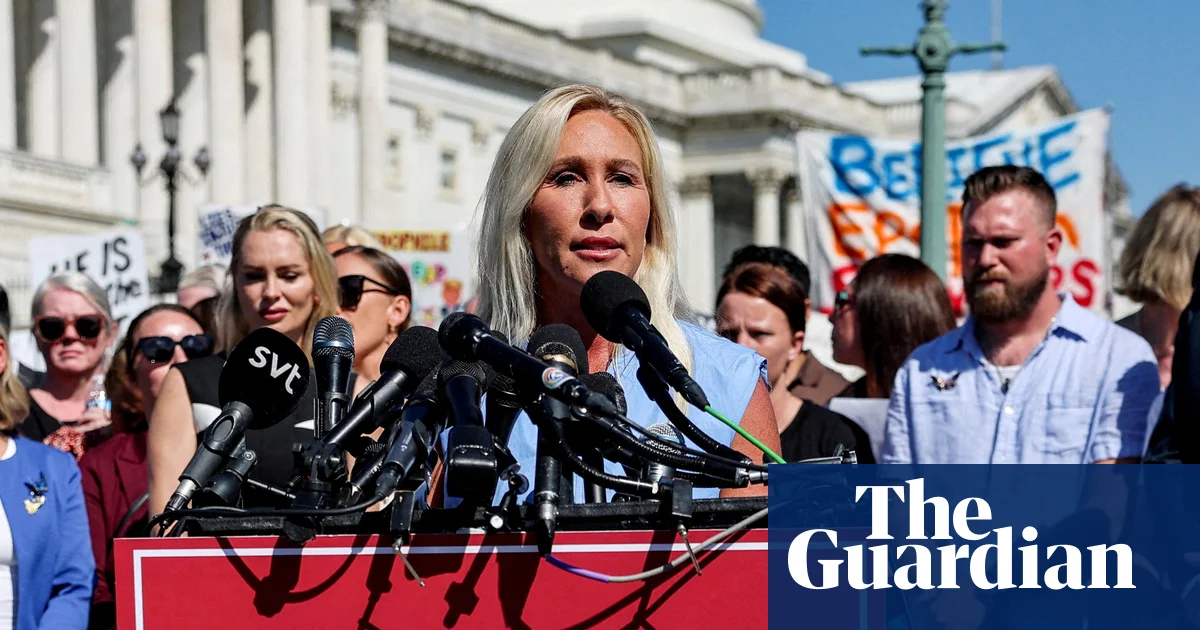
The political landscape in the United States witnesses yet another unprecedented shift as Marjorie Taylor Greene, one of the most outspoken and polarizing figures on the right, announced her resignation from Congress effective January 5, 2026. Her decision, relayed through a four-page statement and a social media video, signals more than just a personal career move; it marks a critical juncture reflecting the deeper ideological struggles within the Republican Party and the broader American society. Greene’s departure comes amidst her vocal discontent with both Republican leadership and her former allies, notably Donald Trump, and underscores ongoing tensions over the core principles of the “America First” movement.

Her resignation highlights a mounting rift within the conservative camp, where allegiance to populist nationalism clashes with emerging neoconservative and globalist influences. Greene fiercely condemned what she perceives as the betrayal of fundamental American interests—criticizing Republican leaders for neglecting border security and domestic priorities. This conflict is emblematic of a broader ideological divide, visible to analysts and historians alike, as the “America First” outlook is challenged by entrenched establishment interests aligned with foreign policy interventions, corporate influence, and international treaties. Greene’s assertion that she is returning to her community to “live life to the fullest” echoes an increasing frustration among populist voters who feel marginalized by a political class they see as increasingly disconnected from their fundamental concerns.

Within this atmosphere of upheaval, international institutions and foreign policy are not immune markers of change. Greene’s outspoken opposition to the ongoing Israeli war on Gaza—a conflict she describes as “genocide”—mirrors a growing undercurrent of dissent within America’s right-wing, challenging the conventional bipartisan support for the Jewish state. This dissent feeds into a larger debate about U.S. foreign policy’s alignment with globalist interests and the “Military-Industrial Complex,” as critics argue that such interventions undermine American sovereignty and national security. Moreover, her public disagreements with Trump over issues like visa policies, AI regulation, and foreign involvement serve as a warning signal to global observers: the internal American debate over national priorities is intensifying, with potent implications for future diplomacy and security.

  • Greene’s departure comes amidst threats and security concerns, with reports of warnings from private firms about her safety after Trump withdrew support, illustrating how polarized and volatile American politics have become.
  • Her outspoken stance on exposing elite crime networks, including the Jeffrey Epstein scandal, signifies a broader push against perceived corruption within the political and economic establishment—raising questions about transparency and accountability at home and abroad.
  • Observers like political strategist Shermichael Singleton suggest Greene might be looking to shape her future beyond the current political chaos, hinting at an inevitable realignment in the right-wing movement, potentially paving the way for new leadership that challenges the status quo.

The repercussions of Greene’s decision resonate well beyond her district, impacting the geopolitical fabric of the Western alliance. As her rhetoric echoes the frustrations of millions of Americans—concerned about sovereignty, economic stability, and moral integrity—the world watches with anticipation. The balance of power within the Republican Party and the broader U.S. government remains fragile, teetering on the edge of an unprecedented era of political realignment. Where this tumult will lead the United States remains uncertain, but what is clear is that the weight of history is shifting beneath our feet, and the unfolding chapters of American domestic and foreign policy will shape world affairs for generations to come.

US-South Korea Nuclear Sub Pact: A Bold Step for Young Patriots

South Korea’s Nuclear Submarine Ambitions Reignite Tensions in East Asia

The recent agreement between South Korea and the United States to develop nuclear-powered submarines marks a pivotal moment in regional geopolitics. Coming amid a rising tide of regional tensions—particularly with North Korea and China—this move signals Seoul’s desire to elevate its defense capabilities and reclaim strategic autonomy in the face of aggressive neighbors. While the US has justified this initiative as a means to counter North Korea’s burgeoning nuclear submarine program, experts see it as a declaration that South Korea is positioning itself as a formidable regional power.

The announcement came amidst a broader trade and military partnership between Seoul and Washington, which includes a formalized agreement to reduce tariffs from 25% to 15%, alongside commitments for nuclear submarine production. A White House fact sheet emphasizes US approval for Seoul to build attack submarines, with cooperation on sourcing nuclear fuel—a move that places South Korea in an exclusive club of six nations possessing nuclear-powered submarines. Such a development underscores South Korea’s intent to modernize its fleet with vessels capable of operating deeper and longer, thereby challenging existing power balances on the Peninsula and beyond.

How This Agreement Shakes Up the Regional Power Dynamics

The decision to pursue nuclear submarines has significant geopolitical repercussions. Analysts warn that this enhancement of South Korea’s military might will only deepen the arms race in East Asia. North Korea, with its estimated arsenal of roughly 50 nuclear weapons and its own nuclear submarine program, views Seoul’s move as an escalation. The unveiling of what Pyongyang claims to be a nuclear-powered submarine last March, along with its ongoing efforts to modernize its nuclear arsenal, indicates that the Korean Peninsula is inching toward an even more volatile balance of power.

Meanwhile, China perceives this development as a direct challenge to its regional influence, especially given Beijing’s recent increase in naval activity near South Korea’s maritime borders. The Chinese government has voiced concerns through diplomatic channels, with the ambassador expressing hopes that Seoul will act prudently. In fact, the Chinese have long viewed United States’ and South Korea’s alliance as a strategic threat—exacerbated by this new military step—fueling fears of a potential regional conflict spiraling out of control. It is precisely within this tense atmosphere that the importance of the decision is understood, as it reflects a broader struggle for influence in a region teetering on the edge of instability.

The U.S. Strategy and Future Implications at the Crossroads of History

While President Donald Trump has highlighted the economic benefits of the deal—such as job creation and US technological leadership—the true strategic significance extends far beyond. The US’s approval signifies a clear intent to bolster Seoul’s military independence and send a message to China and North Korea that its regional alliances are stronger than ever. This shift also complicates efforts to denuclearize North Korea, as Pyongyang interprets Seoul’s new capabilities as an endorsement of nuclear weaponization, ultimately undermining diplomatic pressures for denuclearization.

Some international observers, including defense analysts and historians, warn that such moves could trigger a new arms race, propelling the Korean Peninsula into a more perilous future. As the world watches, the unfolding narrative of power, fear, and diplomacy continues to write itself into history—each decision, each missile test, and each diplomatic exchange a testament to humanity’s fragile quest for stability amidst burgeoning threats. The stage is set, yet the outcome remains written in the uncertain pages of history, waiting for the next chapter to unfold.

Meet the contenders: Will anyone step up for the challenge?

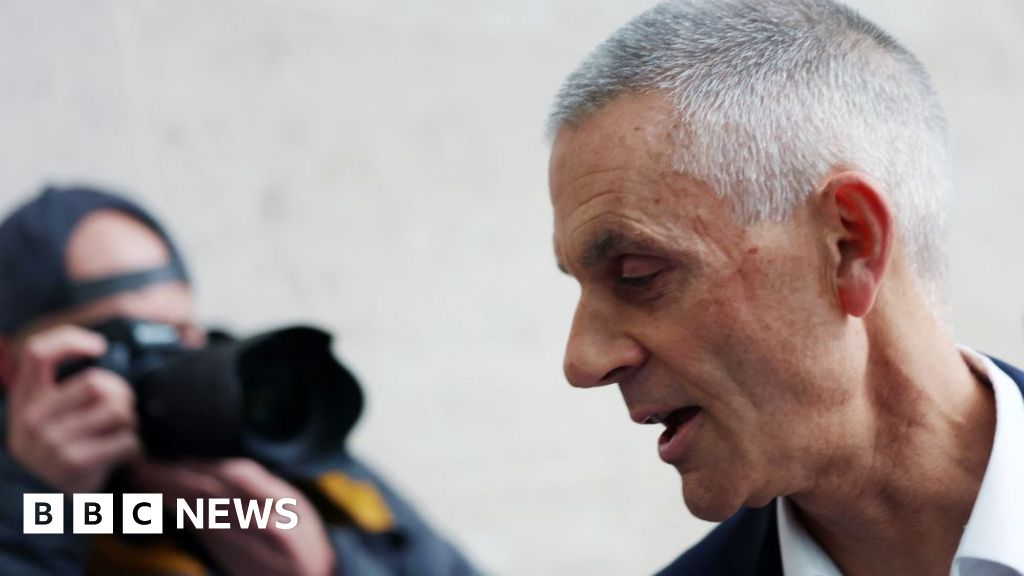
In a landscape where culture stands as both the mirror and the prophecy of society, the recent upheavals within the British Broadcasting Corporation serve as a poignant reminder of the fragile but vital role media plays in shaping national identity. As tim Davie, the outgoing director general, resigns under a cloud of crises and controversy, we are compelled to confront the enduring question: how does the culture of a nation reflect its soul, and what does its preservation demand in times of turmoil? In this epoch, the essence of culture becomes intertwined with the very fabric of tradition and societal continuity, echoing Ortega y Gasset’s assertion that “the culture of a nation is the collective memory that molds its future.”

Davie’s tenure, marked by high-profile missteps and the relentless media hunt for accountability, highlights a truth well articulated by thinkers like G.K. Chesterton: “A nation’s greatness is measured by how it treats its cultural institutions.” The BBC, historically a bastion of national storytelling, faces the challenge of reconciling its role as a guardian of tradition with the demands of an ever-evolving media environment. The internal struggles—exacerbated by scandals over documentaries and editorial slights—are symptomatic of a deeper cultural crisis: the erosion of confidence in institutions that shape societal memory. Yet, beyond the headlines, the core issue remains: the relevance of culture to a nation’s identity and societal cohesion is timeless. As Tocqueville noted, democracy’s strength hinges on a shared cultural fabric; without it, society risks unraveling amidst superficial spectacle.

Amidst the discourse, the question of who will next hold the reins of the BBC emerges as a symbol of the broader struggle to preserve tradition amid chaos. Figures such as Jay Hunt, a veteran who has steered major networks and now sits at Apple Europe, exemplify the kind of leadership that balances creative vision with institutional integrity. The potential appointment of such figures signals an understanding: leadership at this juncture is not merely about policy or strategic direction but about safeguarding the cultural memory from the discord of current upheavals. As historians like Tocqueville remind us, “Institutions survive because they adapt,” and the next DG must be deeply rooted in the sovereignty of cultural continuity. This is not just about managing a broadcasting empire; it is about steering a cultural vessel through turbulent waters toward the dawn of a renewed national narrative.

In the final analysis, the question of the BBC’s future echoes a broader philosophical truth: culture is both memory—the collective archive of human endeavor—and prophecy—the blueprint of what humankind aspires to become. Recognizing this, every transition, every challenge faced by the institution becomes a reflection of society’s willingness to honor its roots while daring to envision the future. As the next chapter unfolds, perhaps it will be a reminder that the true power of culture resides not merely in its preservation but in its capacity to continually inspire humanity’s eternal pursuit of meaning, truth, and identity—prophecy etched into the collective story of a nation, forever lingering at the cusp of memory and possibility.

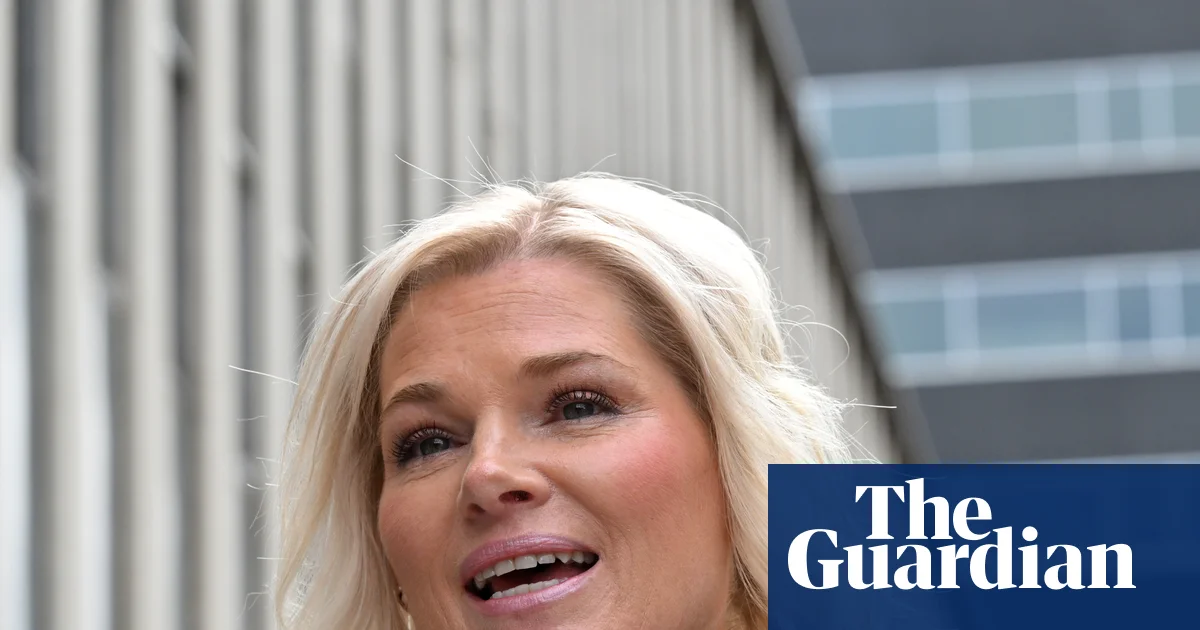
Mark Parton rises as ACT Liberal leader after Castley and deputy step down

Inner Turmoil in ACT Politics Reflects Broader International Trends

Amidst the shifting sands of Australian territorial politics, a notable development has unfolded within the ACT Liberal Party. The recent leadership change—from Leanne Castley to Mark Parton, a former commercial radio host turned politician—symbolizes more than mere local instability; it underscores the ongoing struggle within liberal democratic societies over party cohesion and the influence of grassroots sentiments. The upheaval follows weeks of internal disputes, notably after Castley suspended prominent members who supported a Greens-backed motion, advocating for an additional parliamentary sitting week in 2026. Such internal divisions, especially when aired publicly, resonate beyond Canberra’s borders as emblematic of the larger challenge facing liberal parties worldwide—balancing the need for ideological unity with the demands of political adaptation amidst shifting public support.

The Significance of Leadership Shifts in the Context of Global Political Dynamics

International observers and political analysts view this event through a lens of wider geopolitical impact. Former leaders stepping down amid internal strife is increasingly common in liberal democracies, often signaling deeper ideological rifts. The Australian case echoes trends seen in other democracies where party factions battle for control, risking erosion of public trust. Notably, the Labour Chief Minister, Andrew Barr, acknowledged the turmoil, hinting at a broader challenge for Canberra’s conservative opposition—a test of resilience in the face of internal discord that could weaken their capacity to confront the dominant Labor government. Historically, political stability within opposition parties significantly impacts their ability to offer a credible alternative and influence national policy. The recent events in ACT serve as a microcosm of how internal conflicts can undermine long-term societal stability, especially as rising global tensions demand cohesive political action from all sides.

How These Movements Shape Societal Expectations and International Perceptions

The strategic implications are profound. As Parton emphasizes unity—calling for an end to infighting and portraying himself as a unifier—the choice signals a desire to restore the party’s credibility and, by extension, its influence on national policy. This internal reshuffling is further compounded by the broader international scenario, where geopolitical tensions—from China’s assertiveness in the Indo-Pacific to Russia’s destabilization efforts—require a strong, unified liberal response. How Australia’s political parties navigate their internal conflicts directly influences their capacity to participate effectively in international alignments and alliances, including the Quad and AUKUS frameworks. Such internal turmoil feeds into global perceptions of stability, affecting diplomatic confidence and economic partnerships. The collapse of conservative unity in one part of the world can serve as a cautionary tale, warning allies and adversaries alike about the peril of fractured leadership during critical moments of geopolitical tension.

Historians caution that internal party conflicts, if unresolved, set dangerous precursors for future crises, both at home and on the world stage. The ACT episodes, while localized, reflect the perennial struggle for political authenticity in times of uncertainty—an enduring lesson in how internal decisions, when taken in a rapidly changing international landscape, *shape the trajectory of nations* and *define the legacy of leadership*. As history continues to unfold, one question remains: will these tumultuous shifts forge a resilient path forward or deepen the fissures that threaten to destabilize not only local politics but the fabric of democratic governance itself?

Trump urges Supreme Court to step in as judges reject snap funding halt—US shutdown looms in 2025

The United States continues to grapple with the fallout from its ongoing federal government shutdown, revealing stark divisions not only within its political landscape but also with profound geopolitical implications. Central to this turmoil is the battle over distributing the November benefits for the Supplemental Nutrition Assistance Program (SNAP), commonly known as food stamps—a critical lifeline for millions of lower-income Americans. The Trump administration’s efforts to halt full payment amid congressional deadlock highlight a distinct shift in federal social policy, raising alarms among international observers and analysts about the erosion of social safety nets in a nation often seen as a global economic leader.

This controversy escalated last week when a federal district court ordered the government to continue full SNAP benefits despite the shutdown’s budget chaos. The administration responded with fervor—first attempting to block the order by appealing to the Supreme Court, claiming that fulfilling the court’s mandate could cause irreparable harm. The argument centered around the idea that once funds are disbursed, they cannot be recouped, and continued payments could set a dangerous precedent for future budgets, especially if the shutdown persists into December. This legal refusal to comply with court rulings exposes a fragile balance between judicial authority and executive discretion, with serious consequences for social stability and international reputation.

International organizations and geopolitical analysts have closely watched this domestic dispute, aware that such internal conflicts have the potential to ripple across borders, especially given the global economic interconnectedness these days. Historians warn that such standoffs threaten to undermine the perception of US stability, potentially weakening its position in international financial markets. The fact that this political and legal tussle revolves around providing basic needs—an essential element for societal stability—underscores the crucial role of national governance in shaping human lives and global relations. As the Trump administration presses for a stay on court orders, claiming it cannot “tap” funds for ongoing payments, critics argue this signals a dangerous turn towards austerity and social neglect.

The unfolding saga leaves the world with a stark reminder: the choices made within the halls of power are not isolated—they set precedents with far-reaching implications. The decision to prioritize political posturing over the well-being of vulnerable populations shapes the narrative of an America divided and weakened at its core. As history continues to write itself into the pages of the 21st century, the crisis surrounding SNAP benefits is emblematic of a nation at a crossroads, where internal conflicts threaten to define its global role and societal fabric for generations to come. Whether this chapter will culminate in a resolution that upholds the rule of law and social cohesion or deepen the fissures remains an open question—yet, one thing is clear: the weight of history presses relentlessly forward, shaping a future still shrouded in uncertainty.

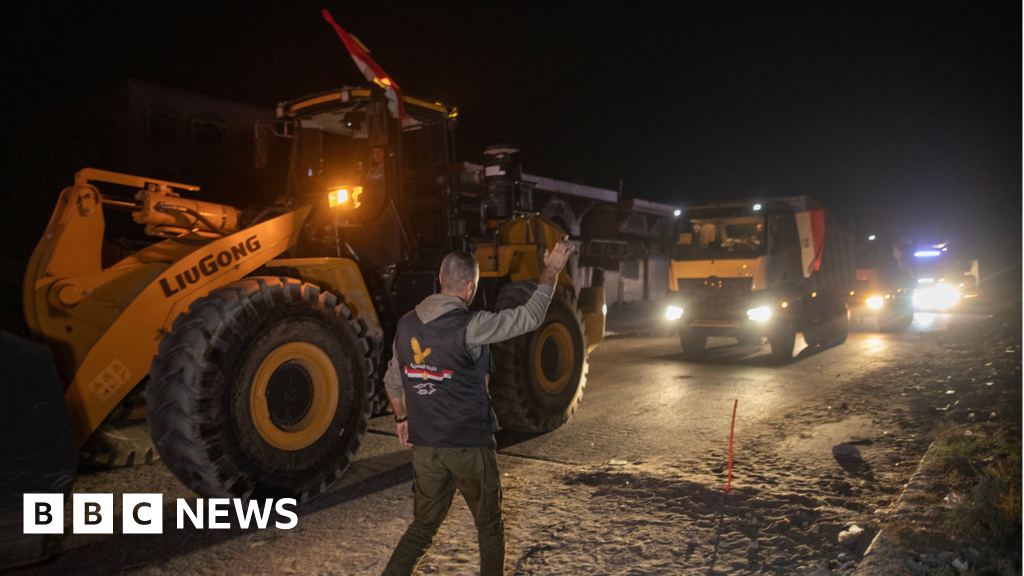
Egypt and Red Cross step up efforts to recover hostages’ remains in Gaza

In the ongoing saga of Gaza, geopolitical tensions have reached a critical point, with international players now deeply involved in a complex chess game of power, morality, and security. The recent development sees Egyptian teams and the International Committee of the Red Cross (ICRC) granted access to search for deceased hostages, a move that has significant how decisions affect nations and societies. This access comes after more than two years of devastating Israeli military operations and intense efforts to recover bodies buried beneath rubble, a grim reminder of the human toll inflicted in the name of security and sovereignty.

Under the recent US-brokered ceasefire agreement, Hamas has transferred 15 out of 28 deceased Israeli hostages, a first phase considered vital to restoring some semblance of humanity amid chaos. Yet, the situation remains fragile and politically charged, with tensions simmering over the retrieval of bodies and the question of justice for families on both sides. Warnings from global leaders like former President Donald Trump have signaled potential military escalation; he has warned Hamas that failure to return bodies quickly could provoke swift and decisive international action. Meanwhile, Israeli Prime Minister Benjamin Netanyahu asserts that Israel will control who enters Gaza, especially regarding a proposed international force aimed at securing the ceasefire. The Israeli government, in conjunction with the US, has revealed that Turkey has been vetoed from participating, underscoring the delicate balance of power and trust in diplomatic negotiations.

Analysts suggest any international intervention in Gaza is a double-edged sword; while it might help stabilize the region, it could also ignite further resistance and deepen divisions. Historians warn that the bottom line remains— until the root causes, including extremism and territorial disputes, are addressed, these cycles of violence will persist. With Gaza’s territory reduced to rubble—estimated by the UN to be up to 84%—the challenge of both rebuilding and reconciliation looms large. The renewed focus on the return of bodies, some of which Hamas claims are buried under bombed-out buildings, symbolizes the larger fight for dignity and truth in a land scarred by years of conflict and international neglect.

The unfolding events mark a grim chapter, yet history has demonstrated that the decisions made today in Gaza’s conflict could ripple for generations. As international organizations, leaders, and everyday citizens watch, the weight of history presses down with an undeniable significance: what happens in Gaza will determine the future of regional stability, the course of international diplomacy, and the very moral fabric of justice and security in the 21st century. Will diplomacy prevail over chaos? Or will the cycle of violence continue, forever echoing the unfulfilled promises of peace in a land torn by history? The answer remains uncertain, but the pages of history are being written in the blood and hope of those caught in the crossfire.

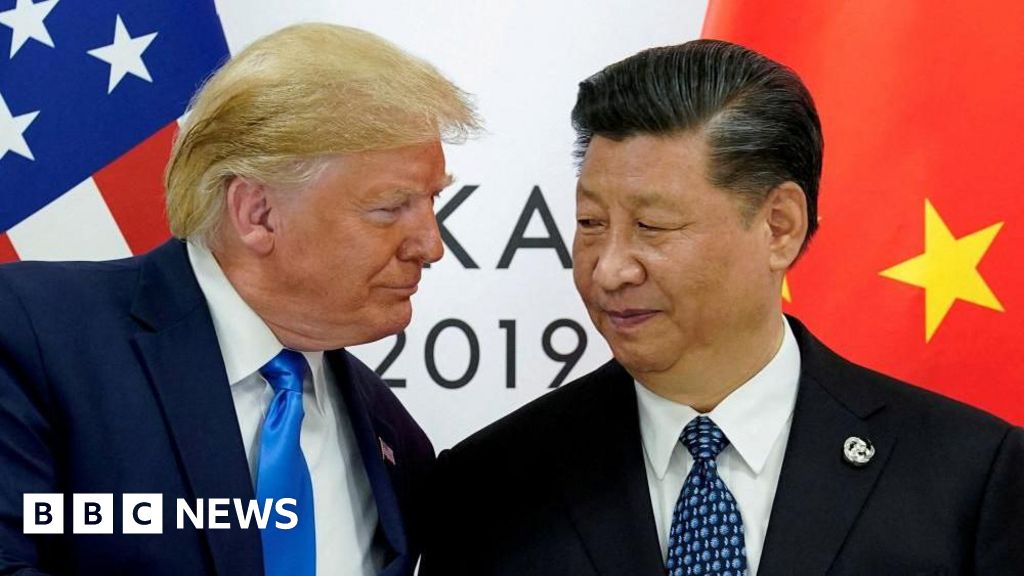
Trump urges China to step up and help end Russia’s war

The recent developments in international diplomacy and military hostilities underscore a shifting geopolitical landscape, where the decisions of influential powers resonate across continents, impacting nations and societies alike. The meeting between former US President Donald Trump and Xi Jinping this week signals an effort to recalibrate relations amidst a backdrop of ongoing conflict in Ukraine. Despite the veneer of diplomatic dialogue, the underlying tensions remain palpable, as global institutions and nations grapple with the real consequences of this power struggle. History reminds us that such shifts can alter the course of nations for generations to come, and today’s decisions may define the future.

At the heart of these upheavals lies Russia’s unprovoked invasion of Ukraine, a conflict that continues to threaten stability in Eastern Europe. Russia remains aligned with China in a deepening partnership, emphasizing their shared interests in challenging Western dominance. Beijing’s unwavering diplomatic stance—never criticising Russia’s war and actively engaging in trade—has drawn accusations from the US and allies of aiding Moscow’s military campaign, which Beijing firmly denies. The recent summit in Beijing, with Putin and Kim Jong Un in attendance, served as a stark reminder of how these alliances are reshaping the region’s strategic landscape, presenting a united front that directly counters Western efforts to isolate Moscow.

The Western response to Russia’s military actions has increasingly involved economic sanctions and supply restrictions aimed at curbing Moscow’s war machine. Trump’s recent sanctions on Russia’s oil sector—the first direct interventions by the Biden administration—signify a possible shift towards more aggressive economic measures. Yet, analysts warn that Kremlin officials view such sanctions as “immune” to Western pressure, likely prompting Russia to seek alternative markets, particularly in China and India. The United Nations and European Union remain divided, with some voices calling for escalation, others urging caution, producing a fractured international response. This complex web of alliances and rivalries demonstrates how decisions made at the highest levels continue to ripple through the fabric of society, affecting millions who live in war zones, displaced refugees, and communities left vulnerable to economic turmoil.

As the US and China engage in a cautious dance over Ukraine, the broader geopolitical impact becomes increasingly evident. The recent meeting with Xi Jinping, where both leaders acknowledged “everything,” including Ukraine, exemplifies how sovereignties are intertwined with global ambitions. Beijing’s continued support for Moscow’s strategic goals—undermining Western sanctions while quietly bolstering Russia’s military and economic resilience—serves as a crucial turning point in the widening contest for international influence. The shadow of these decisions looms large, as the world watches a delicate balance between diplomacy and conflict, where the misstep of a single leader could plunge the planet into chaos. As historian John Mearsheimer warns, great-power competition is rarely peaceful, and today’s diplomacy must contend with the harsh realities of geopolitics.

In the shadows of this global chessboard, Ukraine remains a poignant symbol of what is at stake. The recent surge in Russian strikes, causing destruction and loss of life in Kyiv, underscores the unresolved nature of the conflict. Ukrainian President Volodymyr Zelensky appealed to the world for increased support, emphasizing that no nation should face such evil alone. Meanwhile, in Russia’s Belgorod region, the ripple effects of combat threaten local populations, with evacuations due to possible flooding caused by Ukrainian strikes. This ongoing horror story is a stark reminder that, regardless of diplomatic overtures, the true impact of these decisions is measured in lives disrupted and hopes shattered. The weight of history presses down, as the world steps closer to a new chapter—one written by power, conflict, and the indomitable will of nations to shape their own destiny amid the chaos.

US-Canada clash over Reagan-era tariff attack as trade talks stall — Trump administration step in

Geopolitical Turmoil: Canada’s Trade Rift with the US Sparks International Reckoning

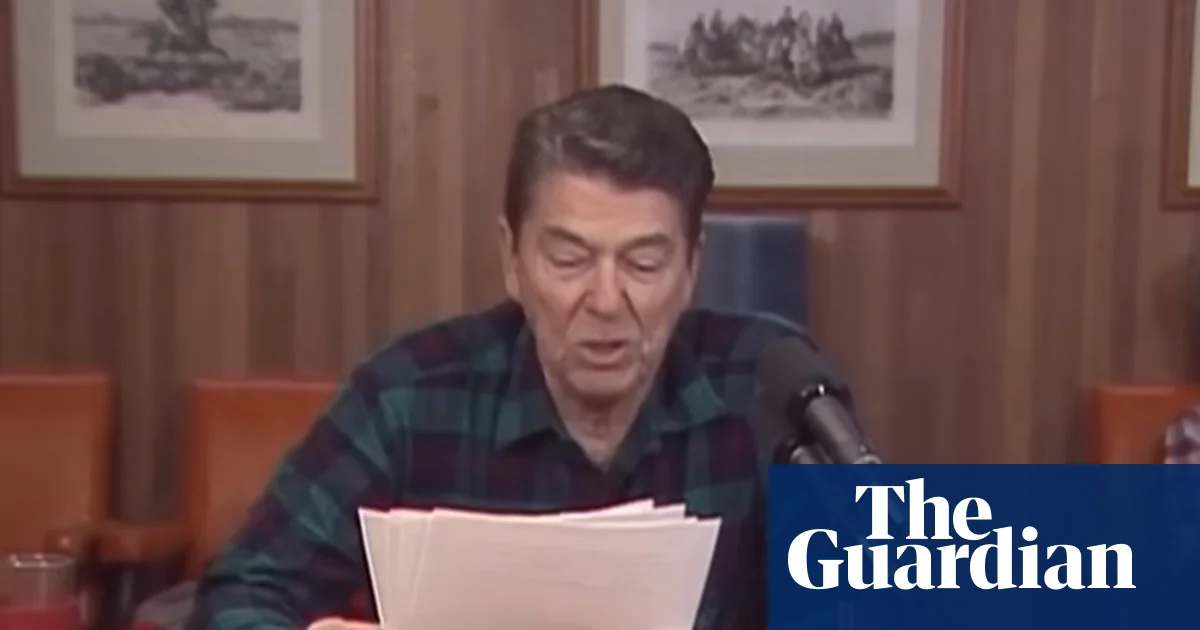
The recent escalation in trade tensions between Canada and the United States marks a significant turning point in international relations, highlighting the fragile nature of economic diplomacy in an era dominated by unilateral decision-making. The controversy began when the Ontario government ran a political advertisement featuring a historical speech by Ronald Reagan, emphasizing his stance that “trade barriers hurt every American worker”. The move, aimed at engaging US audiences on the impact of tariffs, unexpectedly ignited a diplomatic firestorm after Donald Trump responded with accusations of a “fraudulent” ad and, ultimately, the outright suspension of all trade negotiations with Canada. This sequence of events demonstrates how historical narratives can be weaponized in modern geopolitics, with repercussions that resonate far beyond the initial dispute.

The US-Canada trade relationship, long regarded as a cornerstone of North American stability, now faces an uncertain future. With the US imposition of 35% tariffs on Canadian steel, aluminum, and other key sectors, and Canada’s retaliatory measures, the economic fabric of both nations risks unraveling. Experts like Chris Sands, director of the Center for Canadian Studies at Johns Hopkins, warn that these developments could mark the cessation of meaningful negotiations. “Can we stop trade talks? Yes, but there was no evidence we were going anywhere anyway,” he notes, underscoring the perceived dead-end nature of current policy. The American move, fueled by political calculations amidst upcoming judicial hearings on presidential tariff authority, signifies a shift from Reagan’s ideals of free trade to a protectionist stance that threatens to destabilize the longstanding continental economic framework.

Moreover, this diplomatic breakdown occurs amid critical international deadlines. The scheduled review of the United States-Mexico-Canada Agreement in July 2026, coupled with U.S. Supreme Court hearings on Trump’s emergency tariff powers, underscores a pivotal moment for North American integration. The decision by the Canadian government to pivot towards building new partnerships in Asia reflects a broader strategy: diversifying economic reliance away from the tumultuous US market. As analysts observe, Canada’s stance is emblematic of a larger pattern—asserting sovereignty and safeguarding national interests against unpredictable American policies. Canada’s leadership now walks a tightrope, balancing domestic political pressure, regional unity, and its long-term strategic interests. These shifts will undoubtedly influence the global order, challenging established alliances and redefining how nations navigate shared economic destinies.

As history cast its long shadow over the present, the unfolding saga of North American trade relations raises a stark question: Will the echoes of Reagan’s optimistic free-trade vision be drowned out by the harsh realities of 21st-century protectionism? Or is this the beginning of a deeper reordering of global economic alliances? Only time will reveal whether these recent flashpoints are fleeting moments or the prelude to a fundamental transformation—where history’s lessons are either heeded or dismissed, and the world’s balance of power is reshaped by decisions made in moments of crisis. The weight of the future hangs heavy, as the pages of history continue to turn, writing a new chapter that will be remembered for generations to come.

NY Mayor and Police Step Back from ICE Raids as Chinatown Protests Grow — US Politics Update

Global Shifts and Domestic Battles: The Impact of U.S. Immigration Policies and International Alliances

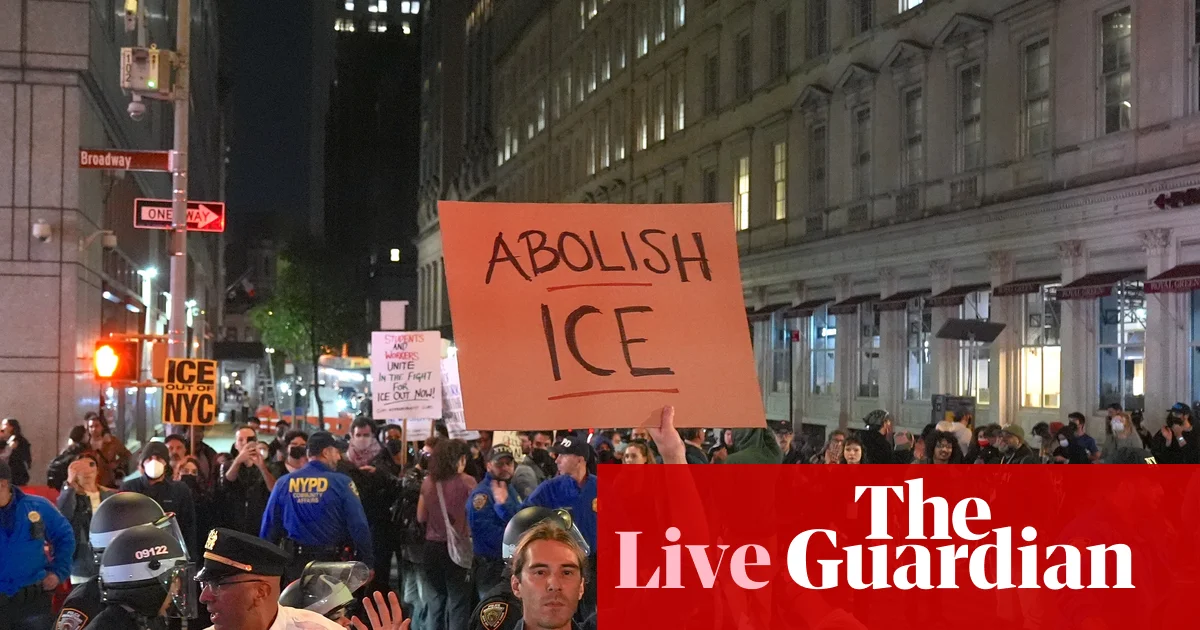
In a dramatic turn that underscores the volatile crossroads of domestic policy and international geopolitics, recent events in New York City and beyond reveal a landscape on edge. The city’s mayor, Eric Adams, has publicly distanced the local government from the controversial ICE raids targeting Chinatown under the pretext of counterfeit goods. Adams’s declaration that New York City has ‘no involvement’ in the federal operation reaffirms the city’s stance of non-cooperation with federal immigration enforcement, emphasizing that undocumented residents pursuing their American dream should not be targeted. This echoes a broader pattern in which local jurisdictions, especially in a nation divided over immigration, are pushing back against federal overreach—yet, the ripple effects threaten to destabilize national unity at a time of intense geopolitical friction.

The scenes in Lower Manhattan were a stark reminder of the simmering conflict between federal authorities and local communities. Protests erupted as hundreds gathered, loudly condemning ICE’s tactics. Video footage captures masked agents detaining individuals in the crowded streets, with onlookers vocally denouncing the operation amid powered-up tensions. The spectacle of armed federal agents and armored vehicles rolling silently through city streets symbolizes a shifting landscape where domestic law enforcement actions are increasingly intertwined with international narratives of migration, sovereignty, and social order. Such incidents influence how societies perceive their governments’ use of power and their obligations to vulnerable populations.

Meanwhile, on the diplomatic front, world leaders gather in diplomatic limbo, with President Donald Trump conducting an array of high-stakes meetings, notably with NATO Secretary-General Mark Rutte. Discussions are centered on military aid and the ongoing conflict in Ukraine, with Western nations coordinating the transfer of weapons often purchased from the United States. These diplomatic maneuvers, viewed through the lens of experts like analysts from the Atlantic Council, demonstrate that global alliances remain in flux—tied closely to the strategic interests of powerful nations shaping the future of Europe and beyond. The promise and perils of such alliances are evident, as NATO’s support for Ukraine intensifies the confrontation with Russia, with broader implications for European security and energy politics.

Domestically, the political landscape remains volatile, with key figures like JD Vance avoiding explicit deadlines for Hamas compliance in Gaza, highlighting the fragile balance in Middle Eastern diplomacy. On the home front, former Marine and political hopeful Graham Platner vehemently denies accusations linking him to extremist symbolism, illustrating the ongoing battleground of ideological identity in American politics. Meanwhile, the withdrawal of figures like Paul Ingrassia from critical government nominations demonstrates the increasing difficulty of confirming officials amidst a polarized political climate. These events, analyzed by political strategists, reveal a nation caught in the tension of internal dissent and international obligations, where each decision has deep and lasting consequences.

As President Trump prepares for a pivotal day at the White House, the weight of history presses upon him. His scheduled meeting with NATO’s Rutte at a time of mounting global instability exemplifies how the boundaries of diplomacy and domestic policy are dissolving into a complex tapestry of power plays and ideological warfare. Whether through false claims about fires in Portland or negotiations with European allies, the decisions made today could chart the course of history—drawing lines in the sand that will define generations. As nations grapple with upheaval and societies face internal divisions, the unfolding story remains a potent reminder: in the theater of world affairs, every move reverberates, and the true impact of these decisions will be felt long after today’s headlines fade into history.”

France’s Sarkozy Sent to Prison: A Bold Step Forward for the Nation

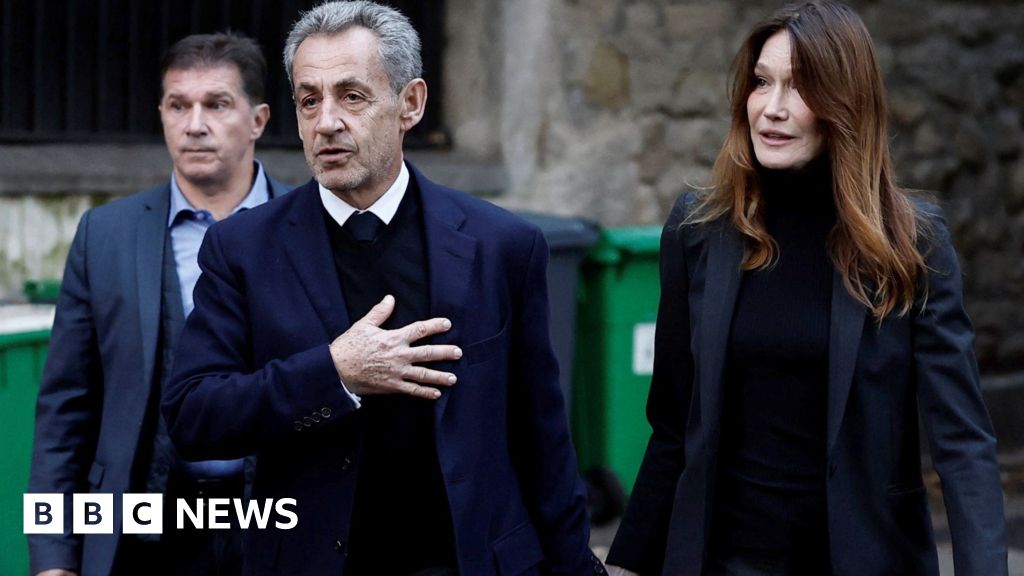
In an unprecedented chapter of French political history, former President Nicolas Sarkozy has become the first ex-leader to serve time behind bars, marking a rare moment of accountability within a nation long celebrated for its political resilience. Sarkozy, who held office from 2007 to 2012, was sentenced to five years in prison for conspiring to illicitly finance his election campaign with funds from the late Libyan dictator Muammar Gaddafi. This conviction not only tarnishes Sarkozy’s legacy but sends a powerful message about transparency and justice at the highest levels of government. His appeal against this verdict signifies that the judicial process remains active, yet the symbolism of his incarceration continues to reverberate globally.

The legal proceedings stem from a complex web of international influence and clandestine dealings that underscore the shifting sands of geopolitical power. According to experts and international organizations, Sarkozy’s case exemplifies the darker side of foreign interference in Western democracies. Historians highlight that the Libyan connection reflects broader strategies employed by authoritarians to wield influence abroad, often exploiting political systems for survival and expansion. The BBC’s Paris Correspondent Hugh Scofield described Sarkozy’s imprisonment as “a big moment” for France—possibly a turning point that signals a new era where international scrutiny and domestic accountability converge, setting a precedent for future political conduct.

Within the broader context, the ongoing debate about foreign influence and national sovereignty gains new urgency. France, a key pillar of the European Union, finds itself at the crossroads of internal reform and external threats. In light of rising geopolitical uncertainties, some analysts see Sarkozy’s fall as symptomatic of a broader shift—one where the old guard’s influence is being challenged, re-evaluated, or even eradicated to make way for a new political order. International observers warn that such high-profile legal actions could inspire similar scrutiny across other democracies, potentially unsettling longstanding political establishments. These developments underscore the fragile balance of democratic integrity and the relentless pursuit of justice, even for those who once wielded immense power.

As history continues to unfold, the repercussions of Sarkozy’s convictions extend beyond France. The case acts as a stark reminder that no leader, regardless of stature, is immune from the weight of their actions. The decision to imprison a former head of state reflects a broader international tendency towards transparency and the rule of law, championed by organizations committed to rooting out corruption. Yet, it also raises profound questions about the price of power and the ongoing struggle to curb international crime, influence, and embedded corruption infiltrating democratic institutions. As nations observe this landmark case, they are reminded that history’s true battle is for the very soul of sovereignty—an enduring clash between the desire for control and the imperative of justice, left unresolved and yet ever crucial. The legal drama surrounding Sarkozy may mark a chapter closed, but the larger story of geopolitics, morality, and national integrity continues to be written—an unfolding narrative that leaves the specter of history looming just beyond the horizon.

Social Media Auto Publish Powered By : XYZScripts.com