Matox News

Truth Over Trends, always!

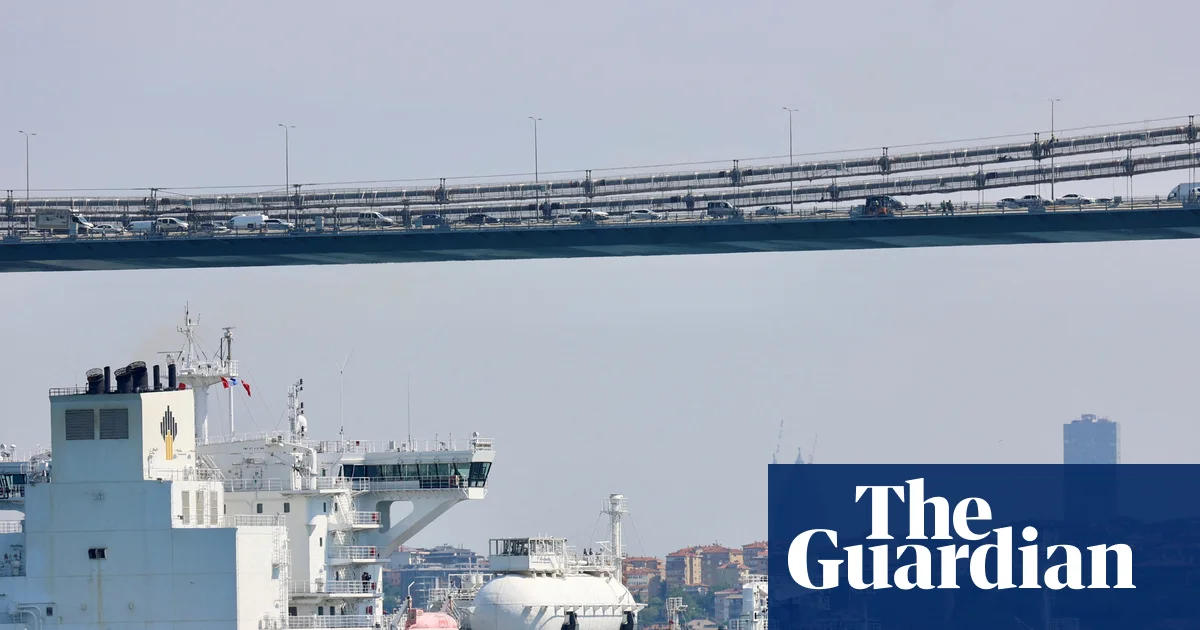
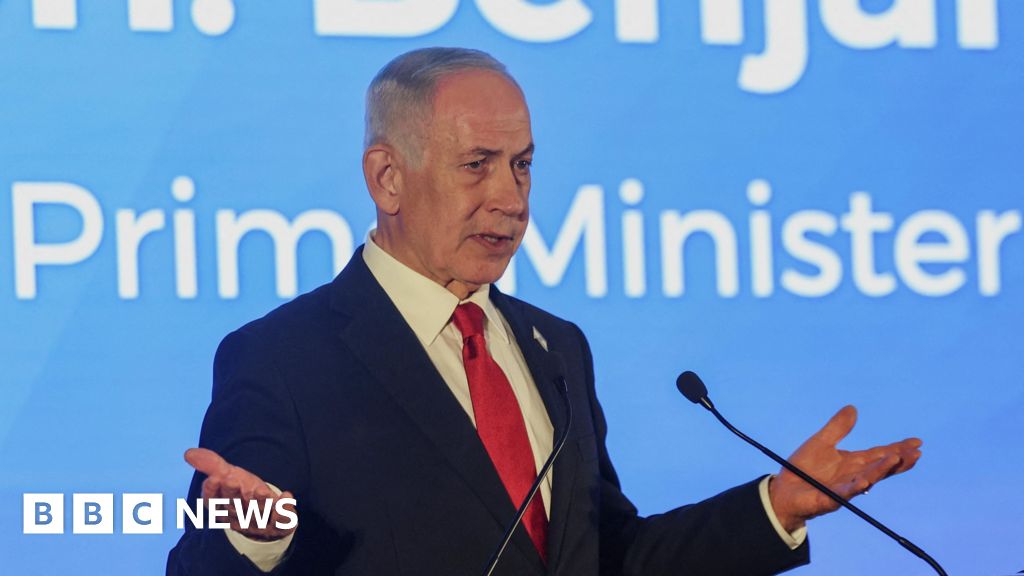
Netanyahu urges Iran to stop enriched uranium and halt production now

In an escalating chapter of the ongoing struggle for regional and global stability, the remarks made by Israeli Prime Minister just days before the scheduled Iran-U.S. negotiations in Geneva underscore the fragility of diplomacy amidst rising tensions. As tensions between Tehran and the United States intensify over Iran’s nuclear program, the international community remains perched on a knife’s edge, wary of a broader conflict that could reshape the geopolitical landscape for decades to come.

The upcoming talks mark a critical junction, potentially serving as a turning point in the pursuit of a diplomatic resolution regarding Iran’s nuclear ambitions. The Joint Comprehensive Plan of Action (JCPOA), once hailed as a framework for preventing nuclear proliferation, has been all but dismantled in recent years, with recent U.S. and Iranian actions widening the chasm of mistrust. American diplomats insist that negotiations aim to reinstate limits on Iran’s nuclear activities, while Tehran remains determined to safeguard what it perceives as its sovereign right to develop nuclear technology. Analysts warn that any misstep could allow Iran to accelerate its nuclear capability, posing a direct threat to the Middle East and beyond, especially with the region’s volatile alliances.

Israel, led by Prime Minister Benjamin Netanyahu, has repeatedly expressed firm opposition to any agreement that would leave Iran’s nuclear infrastructure intact, warning of the dire consequences for regional security. Israeli officials frequently cite Iran’s support for militant groups like Hezbollah and Hamas as evidence of its destabilizing ambitions. Israel’s insistence that any deal must effectively dismantle Iran’s nuclear capabilities or impose comprehensive monitoring reflects its perception of an existential threat. This stance remains a significant diplomatic obstacle, exacerbating fears that the negotiations could be exploited diplomatically by Iran to temporarily appease Western powers while continuing clandestine nuclear activities.

International organizations and diplomatic analysts continue to scrutinize the unfolding developments with grave concern. The United Nations and European Union have called on both sides to pursue diplomacy, emphasizing that failure to reach a consensus could ignite a broader regional conflict. Historically, unresolved nuclear disputes have demonstrated how fragile peace can be when trust erodes, and the stakes, as suggested by strategic experts like former officials and analysts, far surpass the immediate parties involved. The diplomatic landscape is paying close attention to the shifting alliances and international pressures, with several states weighing the potential consequences of a renewed conflict or a fragile diplomatic détente.

As history continues to unfold in Geneva, the world faces a defining moment—one that could either lead toward renewed diplomacy and stability or plunge the Middle East into further chaos. The decisions made here will reverberate across continents, shaping the global order for generations. Watches are being kept on the evolving diplomatic efforts, but the shadows of past conflicts serve as a stark warning: history’s weight is ever-present, and the path forward remains fraught with peril, as nations stake their claims amidst the unyielding rush of unfolding events.

Hero couple steps in to stop gunman before tragedy strikes in Bondi

The Shadow of Terror: Australia’s Bondi Beach Attack and Global Safety Concerns

The recent *terrorist assault* at Bondi Beach marks a dark chapter in international security, revealing the dangerous extent of ideological extremism infiltrating even the most idyllic societies. The attack, which left at least 15 dead—including a 10-year-old girl and a Holocaust survivor—was identified by Australian police as a targeted act of terror motivated by Islamic State (IS) ideology. The perpetrators, Sajid Akram, 50, and his son Naveed Akram, 24, reportedly traveled from Australia to the Philippines weeks before the assault, fueling fears of the global reach of radical networks and their potential to orchestrate violence across borders.

Authorities indicated that the suspects possibly received military-style training while in Southeast Asia, much of which remains under investigation. The presence of homemade IS flags and improvised explosive devices in their vehicle underscores how non-state actors continue to experiment with deadly tools, challenging governments worldwide. These disturbing revelations are not isolated but part of a broader geopolitical concern: how extremist ideologies are metastasizing and linking international militant cells. Analysts warn that such alliances threaten the stability of nations and test the resolve of law enforcement agencies in countries far beyond the Middle East.

Local Heroes and the Global Fight Against Terrorism

Amid the terror, stories of heroism are emerging that reinforce the importance of resilience and quick action. Boris Gurman and his wife Sofia, both victims of the attack, exemplified courage in the face of evil; dashcam footage shows Boris wrestling with one gunman and attempting to disarm him before being fatally shot. Witnesses describe Boris as a “hero” who “charged straight toward the danger” to protect others—highlighting the critical impact of individual bravery during terrorist incidents. Their selfless sacrifice resonates globally, reminding nations of the importance of community vigilance and the readiness to confront threat head-on.

In a context where Australia and its allies face persistent threats, this attack underscores the ongoing need for robust international cooperation against terrorist financing, radicalization, and cross-border movement of militants. The Australian homeland security agencies, together with Interpol and allied nations, are now intensifying efforts to dismantle these networks—a clarion call for renewed global resolve. Such acts of heroism, coupled with strategic intelligence, serve as vital countermeasures, but they also reveal the persistent vulnerability that so-called “peaceful” societies face if they underestimate the reach of radical ideologies.

Implications for International Policy and Societal Security

This tragedy plunges the international community into a sobering awareness: how decisions made in regional policies, immigration controls, and counterterrorism initiatives impact societies at a fundamental level. The global response must be multifaceted, tackling not only the immediate threat but also addressing root causes such as extremist propaganda, social marginalization, and ideological indoctrination. Governments are under mounting pressure from analysts like Clare Lopez and organizations such as UN Counter-Terrorism Committee to revamp strategies—emphasizing intelligence sharing, socio-economic inclusion, and combating online radicalization.

Historically, the rise of Islamic State and similar groups exemplifies how decentralized cells can foment violence well beyond their initial territorial confines. This incident in Australia demonstrates the global nature of modern jihadism, where a single act can reverberate across continents, shaping the geopolitical landscape. As nations grapple with this ongoing threat, the importance of steadfast resolve and protective policies becomes crucial—aimed at safeguarding not just national borders but the very fabric of society against the insidious reach of extremism.

The Future Unfolding in the Shadow of Violence

The words of the witnesses and the unfolding of this tragic event paint a haunting picture: a world where ordinary individuals are pushed to extraordinary acts, fighting against the tide of chaos and hatred. Now, as the dust settles and investigations continue, the weight of history presses heavily upon policymakers and communities alike. The question remains: will collective international resolve be enough to contain this menace, or are we witnessing the beginning of a new era of relentless terror?

In the quiet moments after the storm, the enduring truth is clear—each life lost etches a deeper scar into the global consciousness. The choices made by governments today, and by individuals tomorrow, will determine whether this chapter in history concludes with renewed strength or descends into a prolonged saga of fear and division. The future is unwritten, but the shadow of this attack—and so many before it—reminds us that the unfolding narrative of humanity’s struggle for security and peace is far from over.

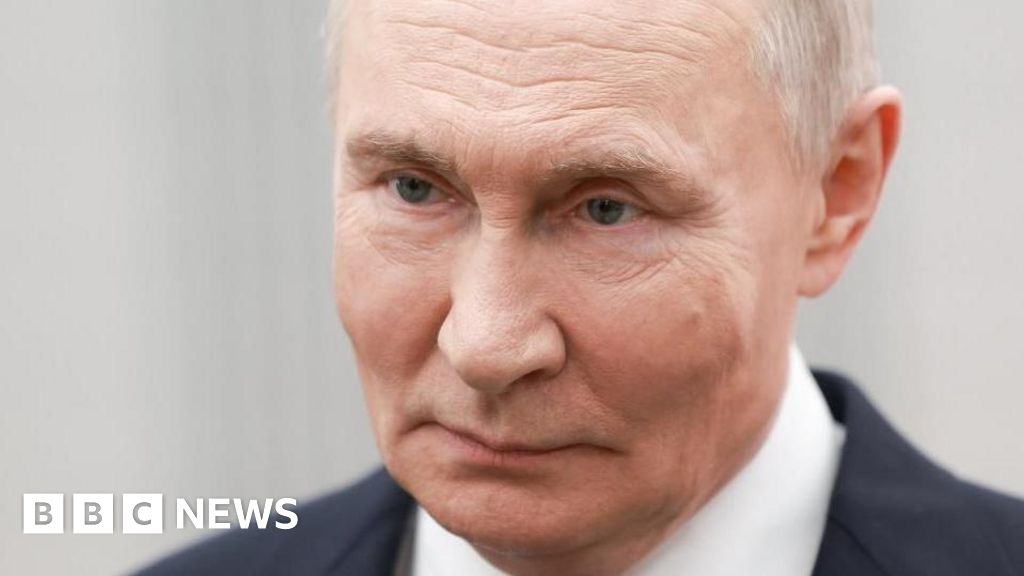
Ukraine urges Putin to stop stalling after U.S. talks in Moscow

The year 2025 marks a pivotal chapter in the ongoing saga of Russia’s invasion of Ukraine, a conflict whose repercussions ripple across the global geopolitical landscape. Diplomatic efforts, primarily driven by U.S.-Russia negotiations and European strategic shifts, underscore the complex dynamics shaping the future of international security. Following recent high-stakes talks at the Kremlin, the absence of concrete agreements highlights the stubborn resilience of entrenched positions, especially concerning territorial integrity and security guarantees.

Despite the lack of substantive breakthroughs, key players remain committed to dialogue, indicating that the conflict’s resolution remains an elusive but urgent goal. The U.S. delegation, including special envoy Steve Witkoff and Jared Kushner, engaged in nearly five hours of negotiations with Vladimir Putin and his advisors. While they reported a “thorough, productive” meeting, Moscow’s senior policy adviser Yuri Ushakov quickly tempered expectations, remarking that “no compromise” was reached, with significant points such as the territory seized by Russia and security assurances for Ukraine remaining fiercely contested. The division over Ukraine’s potential NATO membership remains a core stumbling block, with Russia vehemently opposed and Western nations insisting that such guarantees are vital for deters future aggression.

Meanwhile, the European Union is rapidly pivoting towards greater independence, exemplified by its recent agreement to phase out Russian gas imports by 2027. EU officials, including Ursula von der Leyen, hail this move—part of a broader strategy to weaken Russia’s economic blackmail and bolster energy security. As Europe distances itself from Russia’s energy leverage, the geopolitical question of Russia’s influence over European stability becomes even more pronounced. Simultaneously, NATO ministers emphasize the necessity for Kyiv to maintain its resolve in the face of continuing Russian advances, while advocating for Ukraine’s eventual membership in the alliance—something Moscow labels a direct threat.

Experts and analysts warn that the unfolding interactions—a mix of diplomacy, military reinforcement, and economic sanctions—are shaping a new era of geopolitical confrontation. History’s watchful eyes see parallels with past conflicts where protracted negotiations eventually gave way to decisive shifts. The European Commission proposes a €90 billion support package for Ukraine, designed to sustain its military and economic resilience, an initiative met with cautious approval. Yet, tensions linger; Belgium’s resistance to using frozen Russian assets as reparations underscores the legal and moral quandaries faced by the West. As battling continues in eastern Ukraine, with Russia consolidating gains and claiming strategic cities like Pokrovsk, the path to peace is shrouded in uncertainty, and the weight of history presses heavily upon global shoulders.

In this tense and volatile landscape, the decisions made today—whether in Moscow, Brussels, or Washington—will echo through generations. The future of Ukraine’s sovereignty, the integrity of NATO, and the role of energy in international power struggles are now intertwined with the fate of nation-states and their people. As history unfolds, the question remains: will diplomacy prevail, or are we witnessing the prelude to a new global territorial reshuffle? The answer hangs in the balance, with the world watching with bated breath and the weight of history still unfolding.

Texas centenarian bus driver, 95, defies age with no plans to stop

Age, Work, and Societal Shifts: The Lifelong Dedication of Raymond Hager Sparks Broader Reflections

In an era marked by mounting economic pressures and evolving social norms, the inspiring story of Raymond Hager, the 95-year-old bus driver from Texas, resonates as a microcosm of a worldwide phenomenon. Recognized by Guinness World Records as the oldest active bus driver, Hager’s unwavering dedication to his career exemplifies the changing landscape of work and retirement across nations. While his personal story focuses on individual perseverance, it also underscores the broader implications of demographic shifts, economic realities, and societal values, influencing international debates on aging, labor policies, and economic resilience.

Hager’s commitment to his profession reflects a broader trend—an aging workforce that challenges conventional retirement norms. In the United States, economic stagnation, soaring living costs, and stagnant wages are pushing individuals to extend their working years well beyond traditional retirement age. According to international labor analysts, this trend is not isolated; many advanced economies face similar realities, prompting policymakers to reconsider social security systems and labor laws. Experts point out that this shift could reshape national economies, strain social safety nets, and influence societal perceptions of aging. Nations such as Japan and Germany are already grappling with these complexities as their populations age at unprecedented rates, threatening to redefine productivity parameters and social cohesion on the global stage.

The international community observes such individual stories with mixed emotions. On one hand, they highlight resilience and personal purpose; on the other, they raise questions about how societies can sustain economic vitality and social stability amid demographic transformations. Global institutions like the United Nations and the World Bank have issued reports emphasizing the importance of adaptable socio-economic policies that address the aging phenomenon. These organizations warn that unprepared societies risk increased healthcare costs, labor shortages, and diminished economic growth if they fail to implement reforms that encourage lifelong employment and flexible work arrangements.

The geopolitical impact of these demographic trends extends further when considering international migration, workforce mobility, and shifting power dynamics. Countries with youthful populations, such as India and parts of Africa, could find themselves at the cusp of new economic opportunities by attracting aging professionals from the West. Meanwhile, nations with declining populations may become increasingly dependent on foreign labor, potentially fueling migration debates, diplomatic negotiations, and geopolitical alliances. These shifts will unquestionably influence global power balances, economic alliances, and even cultural perceptions of aging and productivity.

As this chapter of history continues to unfold, the story of individuals like Raymond Hager serves as a symbol of perseverance and an indicator of systemic change. His story is a reminder that societal progress demands adaptability—not only in laws and policies but also in cultural attitudes towards aging and work. With the weight of emerging demographic realities pressing down on national leaders worldwide, the legacy of such figures warns us that the future hinges on our ability to redefine aging—transforming it from a symbol of decline into one of enduring contribution. In the ongoing narrative of human history, the choices made today will resonate for generations, leaving an indelible mark on how societies will navigate the uncharted territories of aging and economic resilience.

Trump’s Sanctions Hit Fast — Will Europe Stop Buying Russian Oil and Gas? | Energy Giants

In a bold move that could redefine the geopolitical landscape, Donald Trump recently imposed sweeping sanctions targeting Russia’s two largest oil companies, Rosneft and Lukoil. This strategic effort seeks to choke off Moscow’s primary revenue stream fueling its ongoing conflict in Ukraine. Analysts highlight that Trump’s decisive action marks a stark contrast to the often cautious or diplomatic approach of the European Union over the past six months. According to Tom Keatinge, the influential director at the Centre for Finance and Security (CFS), Trump’s willingness to wield the “sanctions hammer” has demonstrated a level of resolve that could have profound consequences for Moscow and global energy markets. By targeting the financial backbone of Russia’s fossil fuel exports, Washington aims to weaken Moscow’s capacity to sustain its war effort, while simultaneously asserting American influence in the international arena.

The immediate repercussions have been notable. The global oil price surged by approximately 6%, signaling a volatile reaction in energy markets. Simultaneously, Russia’s crude oil deliveries to key Asian markets—namely India and China—faced abrupt halts. Experts from the Centre for Research on Energy and Clean Air (Crea) warn that these disruptions could be financially devastating for Moscow. With over 86% of Russia’s crude exports heading to China and India since the onset of the Ukraine conflict, the potential loss of access to these markets threatens to slash Russian monthly revenues by billions of dollars—roughly $7.4 billion—impacting Kremlin’s war chest and reducing its capacity to fund its military operations. While these measures have caused a significant dip in Russian fossil fuel export revenues—down by 50% compared to September 2022—the emergency shifting of shipments through shadow tankers underscores a resilience that complicates Western efforts to fully isolate Russia economically.

This economic coercion opens a new chapter in the ongoing struggle over energy resources. While President Trump’s sanctions are targeted, their ripple effects are impacting not only Russia but also global power balances. The European Union, once heavily dependent on Russian gas and oil, now faces a paradox: a formal pledge to phase out all Russian fossil fuel imports by 2027, yet continued reliance on existing supplies. Major EU nations like Hungary and Slovakia persist in importing Russian gas, with France, Belgium, and the Netherlands maintaining residual ties. This persistent dependence has drawn sharp criticism from analysts and historians alike, who argue that Europe’s reluctance to fully sever ties with Moscow constitutes a “disgraceful stain” on its geopolitical integrity. The EU’s ongoing reliance on Russian LNG—comprising approximately half of Russia’s LNG exports—ensures that, despite political rhetoric, Moscow continues profiting from Europe’s energy needs, thus prolonging the conflict’s human toll and undermining efforts for a sustainable peace.

Most revealing is the long-term strategic gamble Trump’s approach epitomizes: leveraging economic measures to foster peace and realign global energy flows. While critics warn that much depends on strict enforcement and response from other energy-dependent nations, some analysts, like Keatinge, remain cautiously optimistic. “Never bet against Trump,” he states, hinting at the unpredictable yet potentially transformative power of decisive leadership. As the world watches, the unfolding confrontation over fossil fuels echoes an enduring truth: the decisions made today forge the legacy of future generations. Whether the sanctions will finally curtail Moscow’s war machine or simply accelerate a shadowy fight in the shadows of the global oil trade, one thing remains clear—history is being written in the oil fields and on the geopolitical stage, and the outcome will shape the fate of nations for decades to come.

US Defense Secretary Pete Hegseth’s Flight Lands Safely in UK After Unscheduled Stop

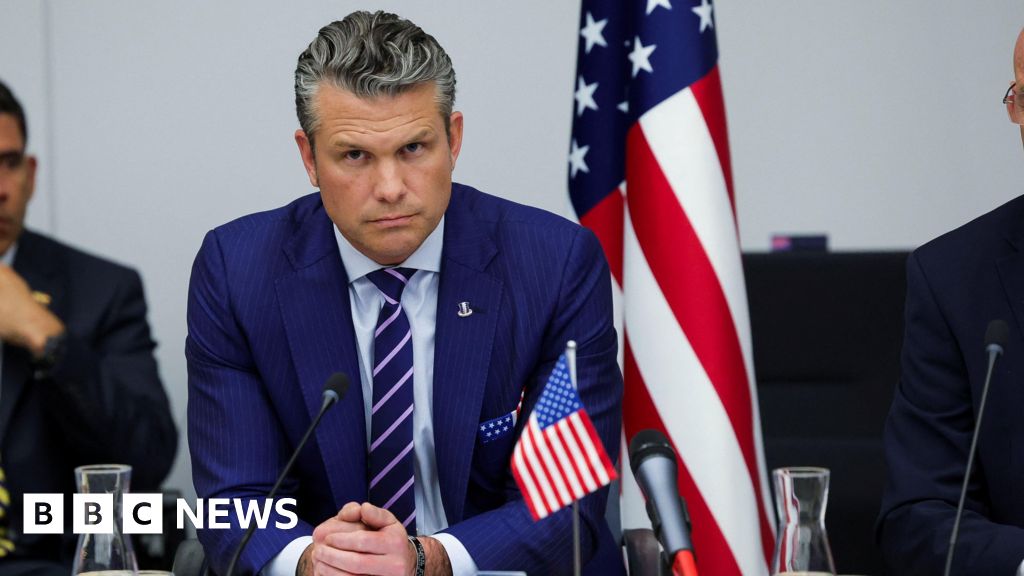
In an unfolding incident with significant geopolitical repercussions, US Secretary of Defence Pete Hegseth’s aircraft made an unexpected emergency landing during a return flight from a NATO Defence Ministers’ meeting in Belgium. The Pentagon confirmed that the aircraft, en route back to the United States, experienced a crack in the windshield, prompting standard safety procedures and a precautionary landing in the UK. Despite the sudden turn of events, officials assured the public that all onboard, including Hegseth, are safe.

This incident underscores the increasing vulnerability of high-profile government assets during a period of heightened international tension. Tracking by BBC Verify, combined with FlightRadar24 data, revealed that the aircraft began losing altitude off the southwest coast of Ireland, before looping eastward. The aircraft’s transponder then issued a “7700 squawk code,” a universal signal among aircraft indicating a general emergency. Such protocols reveal how fragile even the most secure operations can be when hardware failures occur unexpectedly—a fact new to international observers addressing the risks of global leadership. In February, a similar crisis unfolded when a government plane carrying Secretary of State Marco Rubio was forced to turn back due to a crack in the cockpit window, illustrating a disturbingly recurring issue with safety standards in high-stakes air travel.

The international significance of these events extends beyond mere technical failures; they highlight the imperative for robust security and safety protocols amidst a rapidly evolving geopolitical landscape. The NATO defence meeting in Belgium, which was focused on security assistance for Ukraine, marks a critical phase where alliances are tested and various nations argue over support strategies. The United States, as a leader within NATO, bears the weight of maintaining both military readiness and diplomatic credibility. Analysts warn that such technical mishaps, if frequent or perceived as downgrades in preparedness, could diminish trust among allies and embolden adversarial blocs that seek to exploit perceived vulnerabilities. For many historians and security experts, these incidents serve as stark reminders: in today’s volatile world, one misstep can ripple across continents, altering the balance of power.

As the aircraft safely touched down in the UK, the incident remains a vivid emblem of today’s unpredictable global stage. The image of a top US defense official’s plane grappling with technical failure amid international crises leaves an indelible mark on the collective consciousness. With nations eyeing each other warily, and the specter of conflict lingering over fragile peace agreements, these moments become more than mere technical anomalies—they are a testament to the mounting pressures on the machinery of global security. As history continues to unfold, the question remains: how many more crises will test the resilience of our alliances, and at what point will the cracks in the global order become impossible to conceal? The answer—like the fragile windshield of Hegseth’s plane—remains unseen but undeniably imminent, waiting to shape the course of history yet to be written.

Israeli naval ships stop Gaza-bound flotilla, asserting security control

The Israeli navy has once again demonstrated its firm stance on maintaining its naval blockade around Gaza, intercepting multiple vessels part of the Global Sumud Flotilla (GSF) attempting to deliver humanitarian aid. The incident, which saw the Israeli military detain activists including prominent international figures such as Greta Thunberg, underscores the increasingly tense and complex geopolitical landscape surrounding the ongoing Israeli-Palestinian conflict. According to the Israeli Foreign Ministry, the flotilla was “safely stopped” while approaching what they describe as an “active combat zone,” asserting that the vessels violated a *lawful naval blockade* meant to prevent supplies from reaching Hamas-controlled Gaza.

Global reactions to the interception have been sharply divided along ideological lines, with Israel asserting that it is acting to prevent aid from falling into militant hands, while critics see it as a deliberate attempt to starve Gaza’s population. The Israelis have branded the flotilla as a “provocation,” with officials claiming that multiple ships, including the prominent vessel Alma, were successfully boarded and detained. On social media, the GSF described the action as “illegal” and “a brazen act of desperation,” citing the incident as evidence of the “extreme lengths” Israel will go to maintain its siege, which, as human rights organizations attest, has caused severe famine and suffering in Gaza. This ongoing struggle highlights the geopolitical impact of aid restrictions, with many analysts warning that such incidents risk fueling further instability in the region.

Among the detained was the internationally recognized climate activist Greta Thunberg, whose presence on the vessel drew widespread media attention. Critics argue that her involvement represents broader international protest against what they perceive as unjustified Israeli blockades, while Israeli officials dismiss such claims, framing their actions within the context of national security. The controversy extends beyond mere humanitarian concerns, touching on issues of international law, sovereignty, and the strategic interests of global powers. Countries like France and Italy have expressed cautious support for diplomatic and peaceful resolution, emphasizing safety and security protocols. Meanwhile, the UN has issued stark warnings; the UN’s humanitarian chief confirmed a famine crisis in Gaza, directly attributing the suffering to Israel’s “systematic obstruction” of aid—charges vehemently denied by Prime Minister Benjamin Netanyahu.

As the incident unfolds, the stakes are clear: this is not just a matter of aid or maritime law, but a defining chapter in the ongoing contest over regional influence, international legitimacy, and the future of a conflict that has shaped the geopolitical order for decades. History is watching, and the choices made in the coming days will echo through the corridors of power and beneath the sands of Gaza, leaving the world to grapple with the profound consequences of their unfolding. Time will reveal whether the tides will turn for diplomacy or if this will mark yet another chapter of conflict, with the weight of history grimly pressing down on all involved.

Italy’s PM warns Gaza flotilla: Stop or threaten peace progress

Global Tensions Flare as Italy Intervenes in Gaza Aid Flotilla Crisis

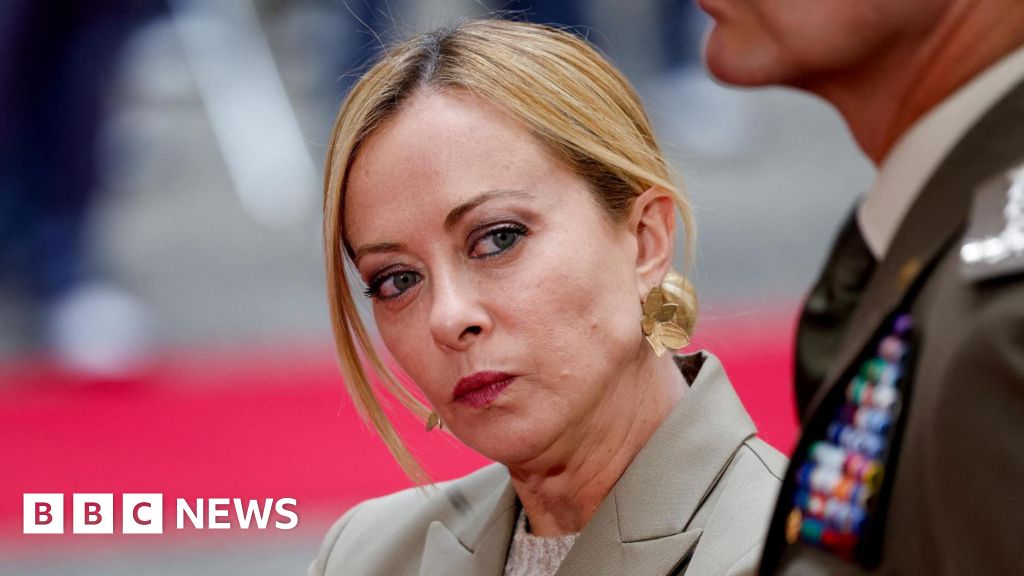
The recent efforts by Italy to navigate the complex and dangerous terrain of the Gaza conflict underscore the precarious nature of international diplomacy amid ongoing violence. Prime Minister Giorgia Meloni has publicly condemned the Global Sumud Flotilla (GSF), a convoy of over 40 ships carrying humanitarian aid, which was making its way toward Gaza in defiance of Israeli restrictions. Meloni’s call for the flotilla to halt, coupled with the deployment of an Italian naval frigate to intercept the vessels, signals a provocative stance that could have significant geopolitical impact. Meloni warns that the flotilla’s actions are a potential pretext for escalation, threatening to derail a fragile US-led peace proposal aimed at ending the brutal conflict.

The U.S. has recently stepped into the fray with a proposal that offers a semblance of hope—a framework for an immediate ceasefire, the release of hostages, and a pathway toward peace. However, such diplomatic initiatives are often fragile and easily undermined. Some analysts argue that Iran and pro-Hamas factions are exploiting these international efforts to prolong their influence and meddle further in the region’s affairs. Meanwhile, Israel insists that the flotilla is a Hamas operation disguised as humanitarian outreach, a claim that remains unsubstantiated but fuels international skepticism. The flotilla’s leaders, including climate activist Greta Thunberg and political figures from Europe, have declared their intent to press on despite military threats, emphasizing that their mission is rooted in urgent humanitarian concerns rather than publicity.

This confrontation holds broad consequences for global stability. As historians and international organizations warn, the unfolding event risks becoming a catalyst for larger regional conflict. Italy’s naval deployment, sanctioned by the government amid reports of drone activity and unidentified vessels approaching the flotilla, raises questions about international rules of engagement and the potential for violence. The recent drone attacks and communication jamming incident, officially condemned by Italy and Spain, indicate a dangerous escalation that could spark a wider conflict, with Middle Eastern and European nations watching anxiously. The potential for miscalculation in these tense moments threatens to ignite a conflict that could further destabilize the region for generations to come.

As the world watches, the choices made by nation-states and international bodies will write new chapters in the history of the Middle East, chapters etched in the blood and resilience of its people. With each diplomatic move, each vessel that risks crossing the line, the memory of past conflicts looms large. The weight of history presses on the shoulders of leaders who must navigate a treacherous web of alliances, enmities, and ideals. How this story unfolds remains uncertain, but its trajectory will undoubtedly shape the future geopolitical landscape—an enduring testament to a region perched on the edge of turmoil, where the next turn of the page could herald an era of renewed conflict or fragile peace. And as the flotilla presses onward into the storm, the question remains: will humanity learn the lessons of the past, or will this be another chapter in an ongoing cycle of violence that history will not soon forget?

Andy Burnham warns investors: UK must stop relying on foreign lenders to stay strong

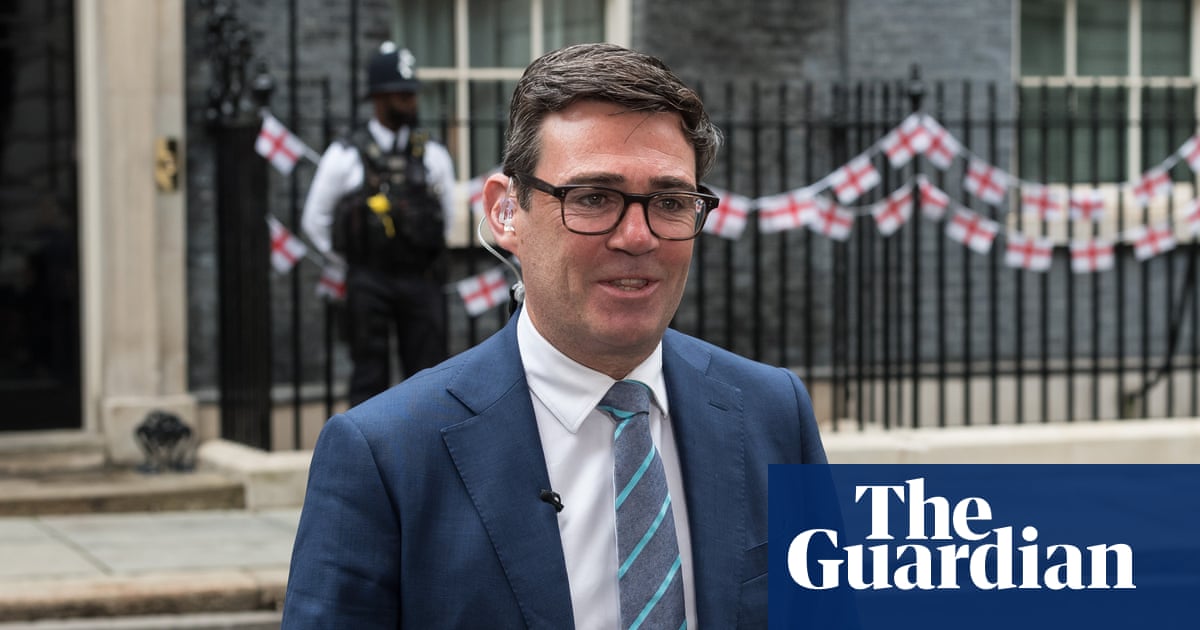
In a striking development that underscores the fragile state of Britain’s economic and political landscape, recent comments by Andy Burnham, the mayor of Greater Manchester, have sparked intense debate on both domestic and international stages. Burnham, a prominent figure within the Labour Party, has called for an end to the UK’s dependence on foreign lenders, advocating for measures such as increased taxation, public housing programs, and the nationalization of utilities to fund expanded public services. However, his stance has met with fierce resistance from City investors and international lenders, who warn that such policies could exacerbate the UK’s debt problems and trigger a renewed bond market crisis.

Global Financial Instability and the UK’s Mounting Debt Concerns

As yields on UK government bonds soar, reaching levels not seen since early September, the financial markets are visibly uneasy. The interest rate on 10-year bonds has climbed to 4.726%, while long-term 30-year gilt yields have surged to 5.54%, approaching a 27-year high. Analysts such as Kathleen Brooks, head of research at XTB, warn that these rising yields reflect mounting political risks and lacked confidence among international lenders. Historically, the UK’s 10-year yield was less than 1% in 2021, highlighting a stark shift driven by recent political discourse and fiscal uncertainty.

Historian and financial analysts emphasize that bond markets are often a mirror for a nation’s broader geopolitical stability and fiscal prudence. The escalation in borrowing costs signals more than just economic worries; it represents a deeper concern regarding Britain’s political direction—one that could have wide-reaching geopolitical repercussions. Rising debt costs constrain government options, forcing future leaders to navigate a treacherous landscape of fiscal austerity or confront the economic chaos that may follow from reckless spending or destabilizing policies.

Implications for United Kingdom’s Geopolitical and Economic Futures

The current crisis also underscores the broader vulnerabilities of the West’s fiscal model—particularly as London’s leadership debates how to fund expansionist social agendas amidst global economic turbulence. The specter of a bond market crisis rekindles memories of past financial upheavals, raising questions about London’s ability to maintain its status as a global financial hub. Meanwhile, the possibility of Burnham’s colleagues, including whispers of a challenge to Sir Keir Starmer’s leadership, indicates internal party divisions that threaten to destabilize the UK’s political fabric even further.

  • The UK’s fiscal trajectory is now under intense scrutiny from international financial institutions.
  • Growing bond yields threaten to spill over into higher borrowing costs for consumers and businesses alike.
  • Political rhetoric, especially from figures like Burnham, risks inflaming market fears, potentially accelerating economic destabilization.

These developments unfold at a critical juncture for Britain, with history warning that unsustainable debt levels and political missteps can quickly spiral into larger crises that reverberate globally. Analysts observe that, as the UK navigates this tumult, the challenges faced are emblematic of a shifting international order where economic resilience and political stability are now inextricably linked.

As markets tremble and leaders ponder their next move, the unfolding narrative of Britain’s economic saga leaves us with a haunting realization: the decisions made today will write the chapters of tomorrow’s history, shaping the geopolitical landscape for generations to come. The weight of this unfolding story rests heavily on the future—not just of a nation, but of a world awaiting the next move in a game of high-stakes financial diplomacy and political resolve.

Social Media Auto Publish Powered By : XYZScripts.com