
Emerging Turmoil in Benin: A Mayhem for Stability in West Africa
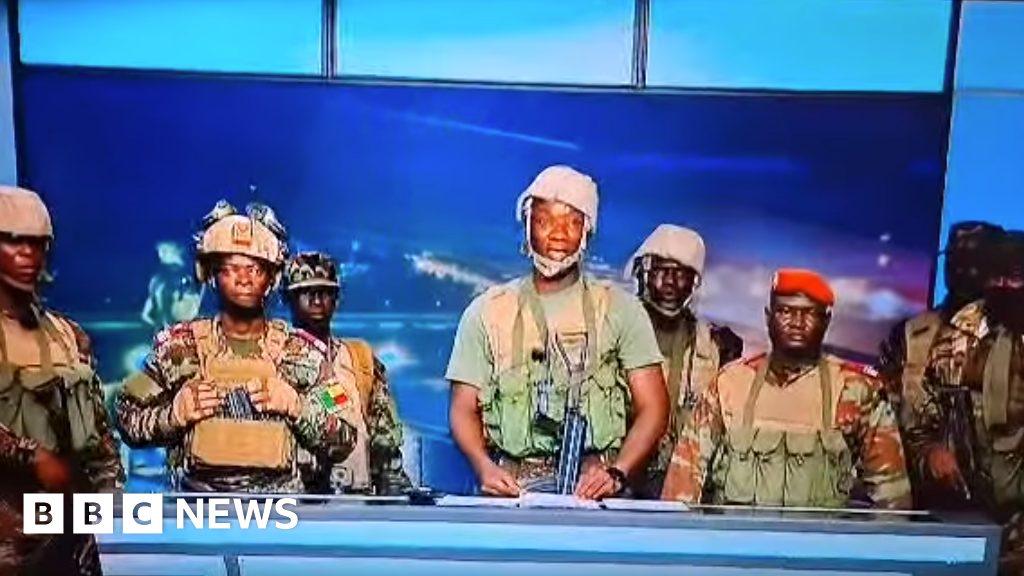
The recent attempt to overthrow the democratically elected government in Benin has sent shockwaves throughout the continent, highlighting the fragile state of stability in West Africa. In a series of alarming events early Sunday, members of the Beninese armed forces broadcasted on national television that they had ousted President Patrice Talon, a leader who has long been regarded as a pragmatist with deep ties to the West. Eyewitnesses reported gunfire and confirmed that state broadcasters had been taken hostage, stirring fears of a wider regional destabilization amid ongoing upheavals across the Sahel region — a hotbed of jihadist insurgency and political volatility. Despite the swift response from loyalist forces, with the military reportedly arresting 14 individuals involved in the coup attempt and deploying helicopters across Cotonou, the incident underscores how the security fabric in West Africa remains dangerously thin.
Historically a bastion of relative stability, Benin has enjoyed a reputation as one of Africa’s more democratic nations—although recent political developments have cast a shadow over this status. President Talon, a wealthy businessman dubbed the “king of cotton,” has prioritized economic reforms and infrastructure development since his assumption of power in 2016. Nevertheless, critics accuse him of suppression of dissent, and his government’s handling of opposition has prompted internal unrest. A constitutional amendment passed last month, which extended parliamentary terms from five to seven years without altering presidential term limits, has further eroded faith in the democratic process. Analysts warn that these moves, coupled with allegations of electoral suppression, are fueling discontent and destabilizing democratic institutions from within.
Amid this turmoil, the regional context cannot be ignored. In recent years, West Africa has witnessed a surge of coups in countries such as Mali, Niger, Guinea, and Burkina Faso. Driven by insurgencies linked to Islamic State and al-Qaeda affiliates, these destabilizations have strained security forces and compounded political crises. Russia’s growing influence across the Sahel adds another complex layer, with Burkina Faso, Mali, and Niger forming the Alliance of Sahel States — a regional bloc that challenges Western-led stability efforts. These developments have been met with condemnation from organizations like Ecowas and the African Union, both emphasizing their ‘zero tolerance’ stance on unconstitutional changes. Yet, some observers suggest that regional powers and external actors may be inadvertently fueling unrest, as rival geopolitical interests clash on African soil.
The geopolitical impact of these events extends well beyond borders. As countries grapple with internal divisions and external influences, the future of democracy, security, and economic growth in West Africa hangs in the balance. The crisis in Benin serves as a stark reminder that the region’s stability is fragile and that every decision made today could shape the course of history for decades to come. With international actors watching anxiously, the unfolding stories of courage, conflict, and resilience will determine whether this moment marks a breakthrough toward regional stability or a tragic descent into chaos, leaving behind a legacy defined by uncertainty and upheaval.
As history’s pages continue to turn, the question remains: will the forces of destabilization or those of democracy prevail in the heart of Africa? The answer, like the region itself, is still being written—and the world holds its breath.