Matox News

Truth Over Trends, always!

Midwest Faces Major Storm Threat: Weather Agency Issues Alert for Youth and Families

Celestial Fury Strikes the Heartland: A Wake-Up Call for America and the World

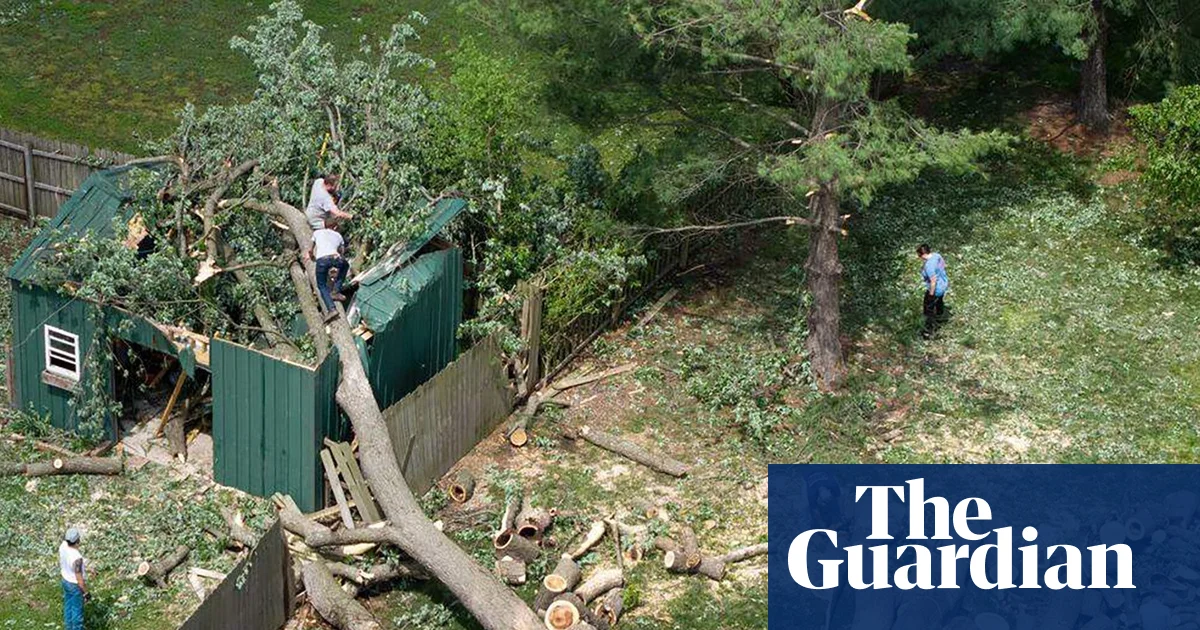
As a devastating series of violent thunderstorms and tornadoes tore through the Midwestern United States this week, the stark reality of nature’s fury converged with the geopolitical landscape, reminding nations of the fragile balance between human preparedness and the uncontrollable forces of the environment. Over 26 million Americans found themselves under tornado watches, with federal and state authorities sounding alarms about the impending danger. This grim cascade of weather events, captured vividly on social media and covered extensively by mainstream outlets, is a sobering testament to the intensifying patterns of extreme weather—patterns many analysts attribute to centuries of environmental neglect and global instability.

Local Chaos, Global Consequences

From the chaos in Milwaukee—where flash floods crippled essential infrastructure—to the tragic death of a man struck by lightning in Waukesha, the serious impact on local societies is undeniable. The debris-strewn towns and suffering families embody the human toll of these violent storms. Yet, what resonates beyond the immediate tragedy is an underlying narrative of a society increasingly vulnerable due to a confluence of climate change, government preparedness, and economic resilience. As American leaders mobilize emergency responses, international observers and think tanks like the World Meteorological Organization warn that such extreme weather events could become the new normal, reshaping geopolitical priorities.

Environmental and Political Underpinnings

Historically, climate experts such as Dr. William H. Frey and international organizations highlight that recent weather extremes are less anomalies and more symptoms of longstanding environmental shifts. The stark reality is that these storms threaten to destabilize rural and urban communities alike, straining emergency services and testing the limits of federal government capacity. The decision by environmental policymakers and global institutions to address rising temperatures and unpredictable weather will ultimately define the future stability of single nations and the global order. This crisis underscores an urgent need for America’s infrastructure to adapt—not just to endure, but to mitigate damages and prevent larger catastrophe.

Geopolitical Ramifications and Strategic Shifts

  • The United States faces critical internal challenges—disaster management debates, economic strains, and the social cohesion of affected communities—becoming a microcosm of global instability.
  • Internationally, powerful nations recognize that climate-induced upheaval may accelerate geopolitical shifts, as resource scarcity and environmental migration reshape diplomatic priorities.
  • Urgent geopolitical recalibrations are underway, with alliances and strategies increasingly focused on climate resilience and disaster response—areas where Western nations seek to demonstrate leadership, yet often falter under political discord and budget constraints.

Analysts warn that how the Western bloc responds to these crises—both domestically and on the global stage—will influence the trajectory of international power. The emergence of new alliances, the realignment of energy policies, and the contest over technological and financial resources will shape the unfolding chapters of history. In this densely interconnected world, the relentless march of nature’s fury tests the resolve of societies—warning that in the theater of geopolitics, complacency and inaction may prove to be the most costly mistakes of all.

As the American Midwest recovers from the latest storm, the weight of history presses heavily upon us. Each tornado, each flood, is a grim reminder that the earth’s tempests are not merely environmental, but deeply intertwined with the fabric of global power. The storm’s aftermath whispers a warning: the future of nations hinges not only on their military might and economic strength but also on their capacity to adapt to the unpredictable face of nature—a challenge that history, in its silent, relentless way, continues to write.

Storm Dave Hits UK: Thousands Lose Power Across Wales, Scotland, and Northern Ireland

Storm Dave: A Wake-up Call for the UK and Its Allies

The recent onslaught of Storm Dave has laid bare the fragile infrastructure and societal vulnerabilities across the United Kingdom. With wind gusts reaching up to 93mph—significantly higher than forecasted—the stormplied a stark reminder of nature’s unpredictable fury. Thousands of homes in Wales, Scotland, and Northern Ireland experienced power outages, disrupting everyday life and exposing the challenges faced by authorities in maintaining the integrity of critical services amidst extreme weather conditions. Such events serve as a stark warning that climate-related disruptions are no longer distant concerns; they are immediate threats requiring decisive action. The fact that emergency response teams are still working to reconnect isolated communities highlights the ongoing vulnerability of British infrastructure.

International Consequences and Shifting Alliances in a Warming World

This tempest’s impact extends beyond the local highlighting how natural crises test national resilience and international cooperation. Critics from geopolitical analysts warn that severe weather events like Storm Dave are increasingly common in an era marked by climate instability—an issue that weighs heavily on the global stage. Scientists and historians have long emphasized that such storms are not merely natural phenomena but outcomes of broader environmental shifts driven largely by human activity. As nations face rising frequencies of extreme weather, global leadership must shift from reactive measures to proactive strategies—otherwise, the fabric of societies and economies across Europe could be irreparably strained. Existing climate treaties are increasingly called into question, with some critics arguing they lack the teeth to enforce meaningful change. Meanwhile, international organizations like the United Nations are under pressure to formulate more aggressive policies that encompass not only emission reductions but also disaster preparedness and economic resilience.

Geopolitical Impact and Societal Reckoning

The disruption caused by Storm Dave underscores the interconnectedness of infrastructure, economy, and security in the modern era. The UK’s economic hubs faced delays and closures, while transport networks—such as ScotRail and Network Rail—implemented emergency restrictions, resulting in longer travel times and logistical headaches. Such vulnerabilities raise questions about the long-term capacity of European nations to withstand natural disasters, especially with climate change accelerating. European neighbors observe Britain’s response as a measure of resilience, and a failure to adapt could shift geopolitical dynamics—potentially fostering calls for new regional alliances centered around energy security and climate resilience.

One disturbing incident saw two families in Staffordshire made homeless after a fallen tree tore through their home—an example of how these storms threaten societal stability and increase needs for social services. Moreover, persistent flood warnings across the UK showcase the ongoing threat to communities and the economic burden of recovery. The policy debate intensifies: will nations continue to rely on outdated infrastructure, or will they embrace innovative solutions to bolster resilience? As climate models predict more frequent and intense storms, nations must reckon with a new geopolitical landscape where environmental management is intertwined with national security and international influence. The unfolding story of Storm Dave is a prelude to a new era of challenge—one in which decisive leadership and international cooperation may determine future stability or chaos.

History’s Unfolding Narrative

As the UK recovers from Storm Dave and prepares for warmer days ahead, historical observers note that this is yet another chapter in the ongoing climate crisis—a crisis that is shaping the 21st century’s geopolitical narrative. Will policymakers heed the warnings embedded within these storms, or will retreat into complacency? The decisions made in the coming weeks and months will influence generations to come. Each gust of wind, each flood, and each human tragedy adds to the complex fabric of a world where natural forces often challenge human mastery, and where history continues to unfold in unpredictable ways—reminding us that the battles for climate resilience and global stability are far from over.

Australia’s Hottest Double-Dairy Ice Cream Takes TikTok by Storm — But Does It Really Live Up to the Hype?

In a world where social media continues to redefine our culinary landscape, a new trend has taken hold—over-the-top food creations that prioritize visual appeal and shareability over traditional flavor profiles. Among these, butter-dipped soft serve has emerged as a fascinating, if controversial, example of this culinary shift. Originally inspired by creations from renowned New York chef Dominique Ansel—most famous for his viral cronut—the butter-soft serve is now making waves at events like the Sydney Royal Easter Show. Crafted with a rich butter infusion, this decadent treat symbolizes the cultural obsession with _aesthetic_ perfection and the thrill of capturing the “next big thing” in food.

On the surface, this trend is about more than just taste; it reflects a broader societal desire for visual stimulation in every aspect of life, including what we eat. As Vincent Yeow Lim, ambassador of the Easter Show’s Winning Bite food section, explains, “We have to eat with our eyeballs first.” This emphasis on presentation has propelled vendors to push the boundaries of conventional cuisine—creating visual spectacles designed to entice social media users and generate viral buzz. From soft serves with pale yellow shells to toppings dripping in butter, the spectacle becomes the star. Food creators like Dominique Ansel have demonstrated their knack for trendsetting, with innovations like the cronut and now, the butter soft serve—each serving as a testament to culinary creativity in the age of influencer-driven culture.

But as these trends gain popularity, questions about health implications inevitably surface. Nutrition experts such as dietician Danielle Shine note that a single serving of this butter-laden treat can contain roughly 10 to 17 grams of saturated fat—significantly more than the two to three grams found in a typical soft serve. Health guidelines, including those from Australia’s Healthdirect, recommend limiting saturated fat intake to less than 10% of daily calories, or about 20–25 grams for most adults. While this indulgence might bring moments of joy and inspiration, especially when shared with friends or captured for social media, it also serves as a reminder that moderation remains essential. The thrill of the visual experience and the immediate gratification of indulgence often overshadow the long-term health considerations—highlighting an ongoing societal balance between pleasure and well-being.

Ultimately, the rise of these sensational food trends invites us to reflect on our relationship with food and lifestyle. As social media continues to shape our habits and expectations, they challenge us to seek beauty, creativity, and inspiration not only in what we eat but in how we live. This journey, marked by moments of indulgence and mindfulness, encourages us to embrace a lifestyle that celebrates innovation while respecting our health. After all, life is a collection of fleeting experiences—best savored with balance, perspective, and a sense of wonder. As we navigate this evolving culinary landscape, we are reminded that the true flavor of life lies in the pursuit of harmony between enjoyment and wellness, a lesson as nourishing as it is inspiring.

Israeli forces storm Lebanese village, leave dozens dead in latest raid targeting 40-year-old remains

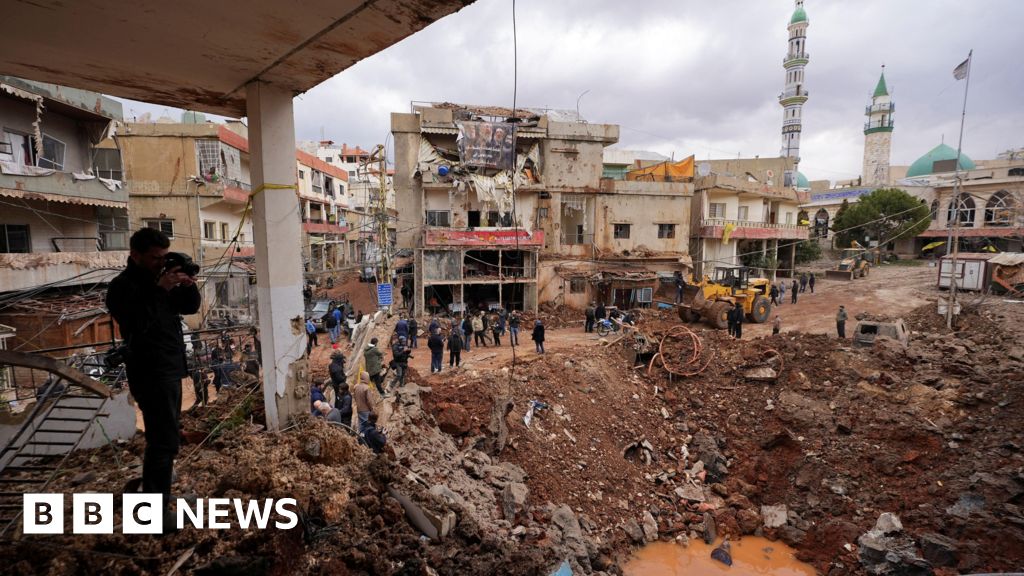
In what has been swiftly characterized as a significant escalation in the ongoing Middle Eastern conflict, an overnight operation conducted by Israel resulted in the deaths of at least 41 individuals and left 40 more injured, according to reports from the Lebanese health ministry. This incident underscores the persistent volatility in the region, where tensions continue to simmer beneath the surface of diplomatic overtures and ceasefire agreements. Such military actions are not isolated but rather emblematic of a broader struggle for regional dominance, sovereignty, and security, with every strike reverberating across a complex geopolitical landscape.

The Israeli Defense Forces have yet to release detailed statements explaining the precise objectives and targets of the operation, yet analysts suggest that this escalation may be part of a strategic effort to weaken militant groups, or a direct response to recent provocations. Historically, Israel has maintained that its military operations aim to neutralize threats posed by Hamas and other groups, but critics argue that such actions often lead to extensive civilian casualties and increase regional instability. The incident highlights the precarious balance of power in the Middle East, with each military action threatening to ignite further cycles of violence and retaliation.

International observers, including United Nations analysts and human rights organizations, have expressed deep concern over the profound geopolitical impact of escalating violence. These events threaten not only immediate regional stability but also have wider implications for global security. Some experts warn that this could mark a dangerous turning point—a moment when fragile peace efforts are shattered and the region’s volatility intensifies. The United States, European powers, and neighboring states are closely monitoring developments, but their influence remains limited amidst the rapid shifts of ground reality.

The fallout from this recent escalation underscores the critical importance of international diplomacy and the urgent need for lasting solutions. Historians have long noted that moments of intense violence often serve as markers in the ongoing narrative of the region’s tumult, with each chapter revealing the profound consequences of strategic decisions by global powers. As conflicts ripple outward and alliances are tested, the world watches with a mixture of apprehension and resolve. The decision to escalate military operations, while perhaps seen as necessary by some, also risks deepening divisions, fueling cycles of retaliation, and destabilizing nations that are already fragile.

In this critical hour, history’s pen continues to write a story fraught with peril and hope. The choices made today—by leaders and policymakers—will shape the destiny of this geopolitically vital region for generations to come. With every dropped bomb, every diplomatic deadlock, the world stands at the precipice of an uncertain future where the weight of history continues to unfold, echoing through the corridors of power and the lives of millions caught in the storm. This is not merely a chapter of conflict but an enduring saga, where every decision could either usher in peace or plunge the region into deeper chaos.

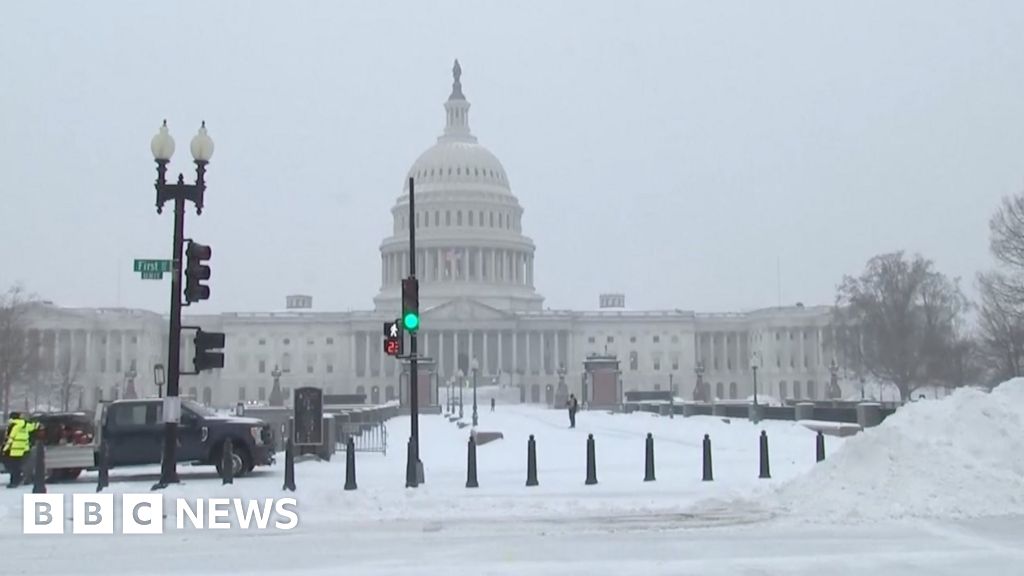
Millions hit with travel bans as fierce winter storm grips Northeast

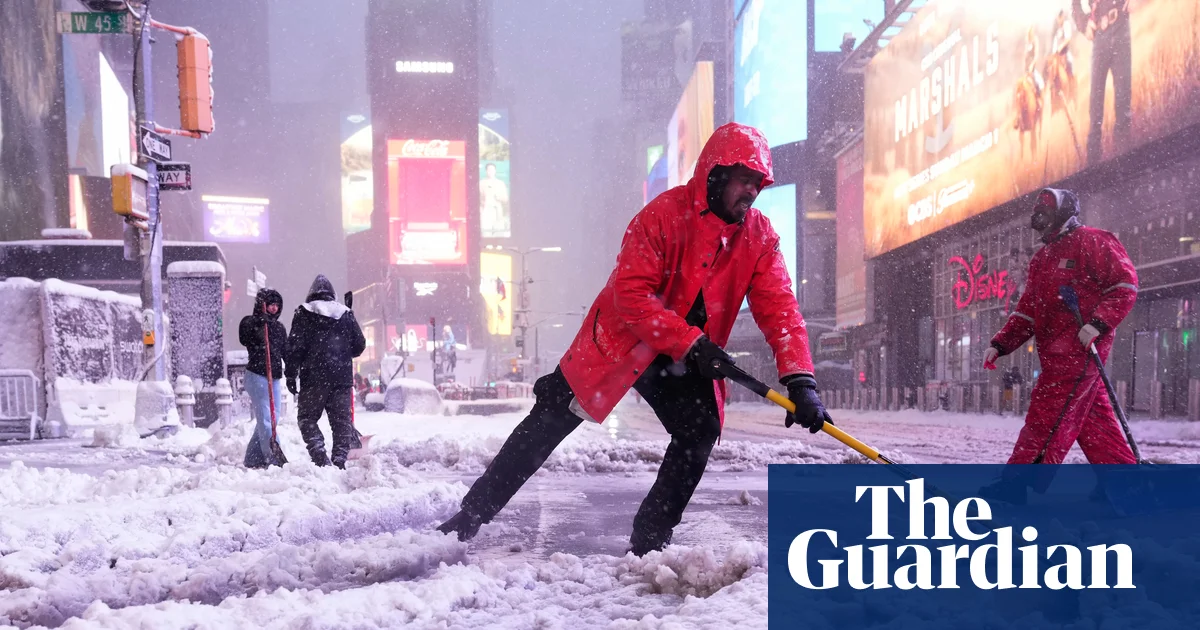
As North America grappled with a record-breaking winter storm, the recent blizzard that swept through the North-eastern United States exemplifies the growing intensity and unpredictability of climate phenomena. Heavy snowfall exceeding 2 feet in several cities, with gusts over 30mph, has paralyzed transportation networks from New York City to Boston. Emergency declarations in multiple states and the suspension of flights and public transit underscore the storm’s immediate impact on society. Yet, beyond the immediate chaos, this weather event raises pressing questions about how global instability, driven by climate change, is influencing geopolitical stability and societal resilience.

While the storm’s physical toll is evident—power outages affecting nearly 700,000 along the east coast and widespread shutdowns—its geopolitical implications are more subtle but no less significant. In response to the crisis, local governments mobilized extensive emergency efforts, from expanding shelter capacities to deploying snow removal crews. However, these responses also expose underlying vulnerabilities, especially in major urban centers that serve as economic hubs. The combined effect of worsening weather patterns and ongoing urbanization in vulnerable regions exacerbates social inequalities and strains national infrastructure. Analysts warn that such natural disasters, if persistent, could destabilize regional economies and trigger migration crises, forcing governments worldwide to reconsider their climate resilience strategies.

The international reaction remains muted but attentive, with some experts and organizations warning that climate-related disturbances could usher in a new era of geopolitical volatility. According to the International Panel on Climate Change (IPCC), the increasing frequency of extreme weather events correlates strongly with rising global temperatures caused by unchecked emissions. Meanwhile, thought leaders among historians and geopolitical analysts highlight that nations most affected by climate stress are often those with fragile political structures or limited resources for disaster mitigation—risking destabilization and conflict. For instance, the U.S. storm comes amid mounting tension in other regions, such as Ukrainian and Taiwanese flashpoints, where climate stress compounds existing geopolitical disputes.

Storm Leonardo pummels Europe and North Africa—stay alert!

Storms Clash with Global Geopolitics: A Winds of Change

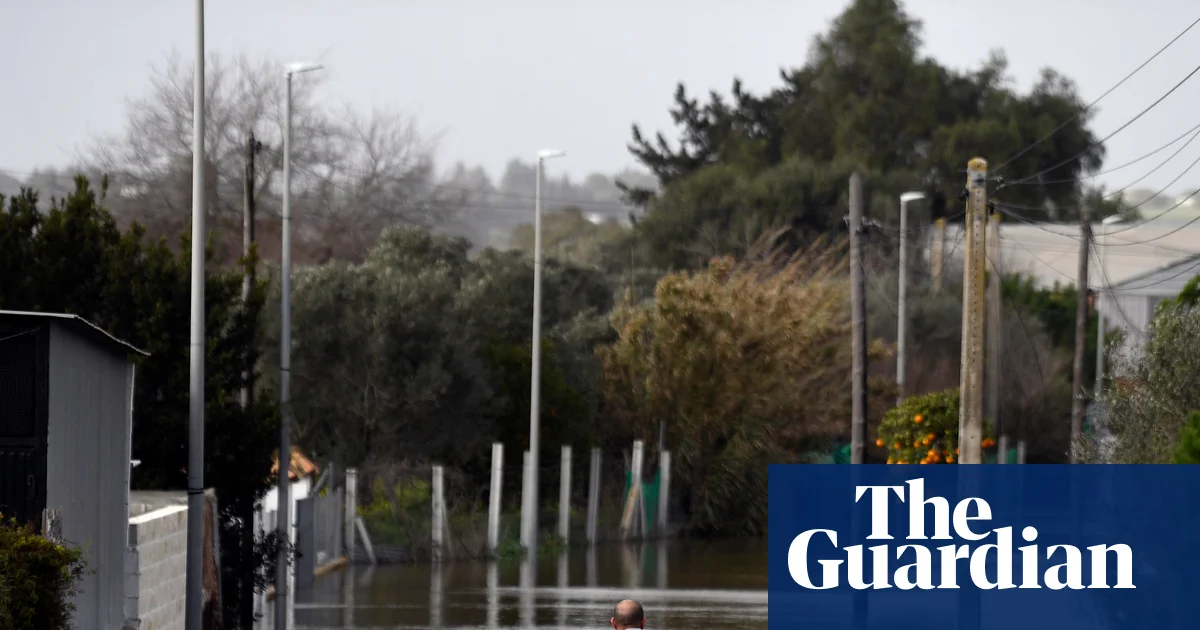
As Storm Leonardo unleashes its fury over the Iberian Peninsula, the broader geopolitical landscape faces a different kind of tempest—one fueled by climate change, regional instability, and shifting alliances. Torrential rains and destructive winds have wrought havoc across parts of Spain and Portugal, with weather agencies issuing their highest red alerts for acute flooding. Yet, beyond the immediate humanitarian toll, this natural disaster underscores a vital issue: how environmental crises are becoming intertwined with global power dynamics and intra-national stability.

Leonardo’s relentless strikes are rooted in complex climatic patterns, notably an unnaturally southward-shifted jet stream, which has stalled the storm over the region and coupled with an “atmospheric river” channeling tropical moisture from the Caribbean. According to climate analysts, these phenomena are not anomalies but part of a disturbing trend—where extreme weather events are intensifying and becoming more unpredictable. This scenario leaves nations like Spain and Portugal vulnerable, impacting their internal security, economy, and political stability. As the floodwaters rise and infrastructure crumbles, political leaders are under mounting pressure to implement more resilient policies, often revealing existing rifts and fundamental governance challenges.

Meanwhile, the crisis extends beyond Europe’s Atlantic coast, spiraling into the broader North African region. In northern Morocco, over 100,000 people have been evacuated from flooded cities such as Ksar El-Kebir after overflowing rivers caused widespread destruction. This humanitarian crisis, compounded by recent heavy rains, exposes the fragile state of governance in parts of Africa and highlights the ever-present risk of regional instability—especially as environmental stress fuels social unrest. International organizations warn that such natural disasters could serve as catalysts for geopolitical shifts, with rising migration pressures and economic strain destabilizing already vulnerable nations.

Adding to this volatile mix, the Philippine Sea saw the formation of Tropical Storm Penha, which brought destructive winds, storm surges, and heavy rainfall across northern Mindanao. With forecasts predicting further inland rainfall and wind damage, the storm exemplifies how climate events are becoming complex, interconnected crises that influence multiple regions simultaneously. The international community faces a stark reality: climate change escalates the frequency and intensity of natural catastrophes, creating a ripple effect of geopolitical consequences. The consensus among international analysts, from climate scientists to geopolitical strategists, emphasizes that these environmental upheavals will continue to be a key factor in regional power balances and global security.

As history continues to unfold in unpredictable storms and floods, the question remains—how will nations adapt to this new era of environmental upheaval? The unfolding chaos tests the resilience and sovereignty of states and threatens to redraw the map of influence. In the coming days, as Spain and Portugal grapple with the aftermath, and as North Africa and Southeast Asia brace for their own storms, one thing is clear: these environmental challenges are no longer isolated incidents—they are the harbingers of a new geopolitical epoch, with the storms of today shaping the borders and alliances of tomorrow. The winds of change are rising, and the weight of history remains, unwavering, as the world’s future hangs by a fragile thread.

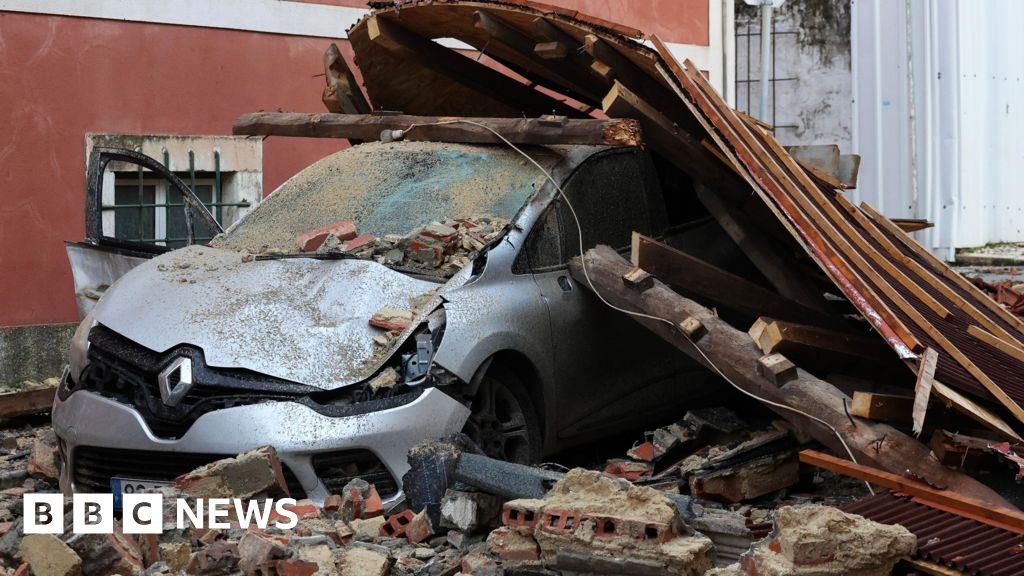
Storm Kristin claims at least five lives in Portugal—urgent action needed

The recent natural disaster that swept through several regions has demonstrated the profound geopolitical impact of environmental events, highlighting vulnerabilities and exposing the delicate balance of modern society’s resilience. The storm, characterized by its unprecedented strength, resulted in widespread destruction, including the toppling of trees and damage to countless homes. Over 800,000 people were left without power—an immediate reminder of how natural forces can threaten the stability of urban and rural communities alike.

Officials from local governments and international organizations have responded swiftly, dispatching emergency crews and aid. Yet, such responses reveal larger questions about how nations are prepared for environmental catastrophes in an era of climate change. Analysts warn that this event underscores a critical turning point in the ongoing debate about infrastructure resilience and the need for global cooperation in disaster preparedness. Many experts, such as climatologists and emergency management officials, emphasize that climatic shifts are intensifying storms, and without coordinated efforts, future events could dwarf this latest crisis. Historically, as noted by scholars like Dr. Alexander Bennett, similar disasters have often served as catalysts for policy reforms—though often the reforms are reactive, not proactive.

On the geopolitical front, the storm’s aftermath is shaping international discourse. Countries such as the United States, China, and European nations are evaluating their own emergency protocols, seeing this event as a bellwether for future environmental crises. The response also strains international institutions, such as the United Nations, which are called to coordinate relief efforts and promote resilience strategies that cross borders. Critics argue that climate diplomacy has thus far been insufficient, and the storm serves as a stark reminder that the global community must accelerate its efforts toward climate adaptation and mitigation. The divide between nations that are prepared and those vulnerable to such disasters risks deepening, potentially leading to geopolitical tensions over resource allocation and aid responsibilities.

Moreover, the social consequences of the disaster are profound. Displaced populations are increasingly vulnerable, becoming refugees within their own borders. The destruction of infrastructure exacerbates economic inequalities, as those with fewer resources face greater difficulty in recovery. Historians and analysts cite past events, such as the Hurricane Katrina or the Philippine typhoons, as cautionary tales illustrating how environmental disasters can accelerate social discord and political instability. The ongoing crisis underscores the importance of foresight and the potential for such natural events to reconfigure societal structures long after the storm has passed.

As the dust begins to settle, the true scale of this calamity remains yet to be fully understood. What cannot be ignored is the layered narrative of nature’s fury intersecting with geopolitical ambition, economic resilience, and societal endurance. The storm’s ferocity has left a mark not just on physical landscapes but on the very foundations of international cooperation. The world now faces a pivotal question: will this event catalyze meaningful change or fade as just another chapter in a long history of neglect and reactive policymaking? The answer lies hidden beneath the storm’s aftermath, waiting for history to decide—while the legacy of this natural disaster continues to unfold, shaping the destiny of nations for generations to come.

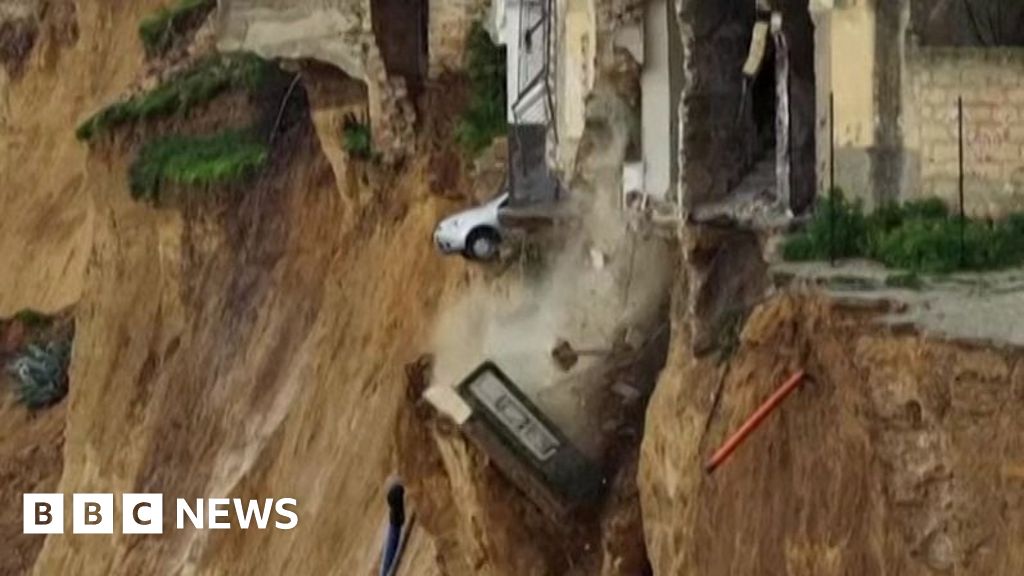
Storm Harry triggers massive landslide in Sicily, raising concerns for safety and resilience

In a stark reminder of climate-related instability, a 2.5-mile (4 km) section of coastline on the Italian island of Sicily has recently collapsed, following severe weather disruptions caused by Storm Harry. The disaster, which took place over the weekend, underscores the growing vulnerability of coastal regions to extreme weather events, a phenomenon increasingly attributed by scientists and environmental analysts to global climate change. The collapse has prompted a major emergency response, with over 1,000 residents evacuated from the towns of Niscemi as authorities scramble to assess the damage and prevent further tragedies.

The geological surveys underway reveal a troubling picture: aerial footage shows significant destruction, with buildings and vehicles destroyed or rendered inaccessible. While no fatalities have been reported, the potential for loss of life and livelihoods remains high, especially as parts of the cliff continue to *crumble*, reflecting ongoing instability in the area. This incident draws attention not just to local environmental conditions but also to overarching global concerns about climate resilience, coastal management, and international response strategies. Many analysts argue that such catastrophes are a warning sign of a changing world, where recent weather anomalies serve as a clarion call for policy shifts and technological innovations in disaster mitigation.

Historically, the Mediterranean region has been a crossroads of geopolitical tension, with Italy’s strategic position intertwined with broader European stability and security concerns. As regional communities grapple with the immediate aftermath of the landslide, experts warn of the broader, long-term implications: increased migration from vulnerable areas, economic disruptions, and the destabilization of tourism-dependent economies. The United Nations and other international institutions have called for enhanced cooperation and climate-adaptive infrastructure, but critics highlight that policy responses often lag behind the rapidly evolving threats posed by climate change.

Looking ahead, the situation in Sicily is a microcosm of a global challenge: how nations adapt to a **world where natural disasters are intensifying** and threatening societal stability. Historians and geopolitical analysts warn that decisions made in this critical era will shape the trajectory of international order. Will countries prioritize short-term economic gains over environmental sustainability? Or will they recognize that the cost of inaction far exceeds immediate sacrifices? As the climate continues to shift, impacting societies across the globe, humanity faces a moment of reckoning. The landslide in Sicily is more than a local tragedy—it is a gripping chapter in a larger story where the choices of today could either build resilience or lead to chaos, leaving the weight of history to be decided by the actions of tomorrow.

Winter storm hits America: millions left in the cold amid outages and chaos

In recent days, The United States has experienced an unprecedented winter storm, characterized by severe snowfalls and dangerously low temperatures that have crippled large swaths of the country. The National Weather Service issued urgent warnings about wind chills plunging below -20°C in numerous urban centers, turning once bustling metropolises into frosty battlegrounds of survival. President Donald Trump responded decisively by declaring a series of federal emergency disaster declarations spanning nearly a dozen states, including South Carolina, Virginia, and Kentucky.

This meteorological crisis is notable not just for its immediate humanitarian toll but also for its broader geopolitical ramifications. As extreme weather events like this winter storm become increasingly frequent and severe, they underscore the pressing need for nations to re-evaluate their preparedness and resilience strategies. Major international organizations, such as the World Meteorological Organization, have repeatedly warned that climate variability poses a formidable threat to security, economies, and societal stability worldwide. While the U.S. swiftly mobilizes internal resources, the incident exemplifies a reality where climate change acts as a force multiplier for geopolitical instability, influencing diplomacy and international relations.

Furthermore, the decision by U.S. authorities to declare emergencies in multiple states highlights a broader pattern of how nations respond to internal crises with implications that extend beyond borders. These measures serve as a reminder for allies and adversaries alike of the importance of resilience in the face of natural disasters—yet they also raise questions about the long-term impact of environmental disruptions. Historically, analysts have pointed out that countries unable to adapt swiftly to climate-induced catastrophes risk becoming more vulnerable to geopolitical shocks. In a world where chaos often begets opportunism, the challenge remains: how do nations secure their sovereignty amid a rapidly changing climate?

The international community, including major powers and emerging nations, is watching with keen interest as the United States navigates this crisis. While the immediate concern lies in rescuing stranded communities and restoring basic services, the larger geopolitical dialogue shifts towards resilience—a debate that intertwines environmental policy, economic stability, and national security. Historical analysts warn that failure to address these environmental threats could result in a new chapter of instability—one where climate change acts as a catalyst for conflict, displacement, and resource wars. As the cold grips the nation, the world must reflect on the lessons etched into the icy face of adversity: the decisions made today set the stage for the future balance of power.

As history watches silently from the pages yet to be written, the cold truth remains: in an era of unpredictable and escalating natural disasters, the line between environmental catastrophe and geopolitical crisis has grown dangerously thin. The icy winds sweeping across the United States serve as a stark reminder—nature’s fury respects no borders, and the decisions taken in one nation ripple across the fabric of international stability. The question remains—not if, but when—and how, will the world unite to confront the unyielding forces of change that threaten to reshape the geopolitical landscape forever.

Stay Curious: Michael Kors on Building an Inclusive Brand That’s Taking the World by Storm

The Future of Style: How Michael Kors and American Heritage Designers Shape Youth Culture

In an era where fashion trends are constantly shifting and social values are evolving at breakneck speed, the latest developments in the industry are more than just designer news—they’re a reflection of societal shifts. The recent $1.4 billion sale of Versace to Prada signifies a changing landscape where traditional luxury houses are consolidating, yet it’s heritage American brands like Michael Kors that are redefining their role in the cultural conversation. Kors, a brand rooted in aspirational yet accessible glamour, is shifting societal perceptions of what “luxury” really means and who it’s meant for—including the youth that are shaping the future.

What makes Kors particularly influential in this dynamic is his approach to sizing and inclusivity. Unlike other brands that are falling back on narrow definitions of beauty, Kors actively casts models that span a range of sizes, emphasizing that fashion should be for all. This stance resonates with a generation increasingly pushing for diversity and representation, breaking away from the outdated ideals that once defined runway standards. Industry analysts like sociologist Dr. Emily Carter suggest that this shift toward inclusivity isn’t just about good PR—it’s a reflection of society’s broader shift toward embracing authenticity and rejecting superficial stereotypes.

The Cultural Impact of Aspirational Lifestyle and Gen Z Engagement

At the core of Kors’ appeal is his mastery of creating more than just clothing—he offers a glamorous lifestyle that intersects with the cultural aspirations of young consumers. His designs, often worn by icons like Megan Thee Stallion and even Michelle Obama, symbolize a desire for success that doesn’t require sacrificing authenticity. Influencers such as Suki Waterhouse and Gemma Chan, seen at the recent flagship opening in London, embody the brand’s desire to connect with youthful, diverse audiences who see fashion as a form of personal expression rather than mere status.

Moreover, the shift away from wear-once fast fashion toward durable, functional pieces signifies a broader pattern among youth consumers who value sustainability and value. Kors’ focus on “things that delight but still function” highlights a move towards more responsible consumption, which some fashion analysts argue could be a turning point in how brands cultivate lifelong relationships rather than fleeting trends. As Michael Kors continues to hunt for vintage pieces from his earlier years, he underscores the importance of history and authenticity in shaping the future of fashion—a narrative that undeniably impacts social attitudes about materialism and legacy.

The Next Question: Will Heritage Brands Lead or Follow?

While it’s clear Kors and his peers are shaping a new, more inclusive, socially conscious fashion landscape, a critical question remains: will these heritage brands be the drivers of change or merely followers of consumer-driven trends? With luxury prices rising by 25% since 2019, the aspiration for authentic self-expression is increasingly intertwined with the market’s evolving economics. As the younger generation becomes more politically and socially aware, it’s worth asking—could these brands become catalysts for societal change, or will they simply adapt to prevailing norms?

The future of style arguably hinges on this question. As fashion continues to reflect—and shape—society’s values, the real cultural impact lies not just in clothing or celebrity endorsements but in how these brands influence deeper social shifts. It’s this next chapter that promises to reveal whether fashion can be a tool for genuine societal progress rather than just a mirror of superficial trends. Only time will tell if heritage brands like Kors’ will be at the forefront of this transformation or if new voices will challenge the status quo in the quest for a more authentic and inclusive society.

Social Media Auto Publish Powered By : XYZScripts.com