Matox News

Truth Over Trends, always!

Top Streaming Stick on Amazon Drops Near 50%—Don’t Miss Out!

Major Leap Forward: Fire TV Stick 4K Max Redefines Streaming Hardware

In an era where technology disruption and innovation are reshaping entire industries, Amazon continues to push the boundaries of consumer electronics with its latest Fire TV Stick 4K Max (2nd Generation). As streaming platforms diversify and consumer demands evolve, this device exemplifies how strategic enhancements can create a dominant position in the competitive landscape. Featuring a significant upgrade from its predecessor, the device now boasts 16 GB of storage—doubling the previous capacity—allowing users to retain more apps comfortably, a move that directly caters to the tech-savvy, on-demand generation.

One of the most compelling aspects of the Fire TV Stick 4K Max is its seamless integration of innovation in connectivity and content delivery. Equipped with Wi-Fi 6E support, the device delivers higher download speeds and streaming at elevated quality levels, reducing buffering and latency—an essential advantage for high-resolution content and gaming via cloud services like Xbox Game Pass. Analysts from Gartner highlight that these technological strides are not merely features but represent a paradigm shift in how consumer devices handle data-intensive applications, establishing a new benchmark for competitors. The device’s compatibility with leading streaming services, including Prime Video, Netflix, Disney+, and HBO Max, underscores its versatility and strategic positioning within a burgeoning ecosystem of digital entertainment.

Disruption and Business Implications

The disruption induced by Amazon’s latest streaming device extends beyond consumer convenience, challenging the very business models of traditional cable providers and legacy hardware manufacturers. By leveraging cloud streaming capabilities and advancements in Wi-Fi technology, market incumbents faced with declining cable subscriptions are compelled to reconsider their strategies. The Fire TV Stick 4K Max exemplifies how disruptive hardware paired with evolving software can erode longstanding income streams for cable firms while providing consumers with flexible, cost-effective alternatives.

  • Market Shift: Emphasis on portable, high-performance streaming sticks versus expensive set-top boxes.
  • Revenue Diversification: Amazon’s move encourages app developers and content providers to optimize for cloud-first devices, further consolidating its market dominance.
  • Consumer Power: The affordability (now down to $35 during promotional sales) democratizes high-quality streaming, further accelerating industry disruption.

Industry analysts, including experts from MIT’s Media Lab, suggest that these hardware innovations are making “ubiquitous, personalized entertainment accessible,” leading to a redefinition of consumer engagement and monetization strategies. This, coupled with Amazon’s integration of its Alexa ecosystem—enhancing voice controls and smart home connectivity—creates a compelling holistic user experience. Such integration signals a broader shift, with voice assistants evolving from simple tools to central hubs in the tech landscape, displacing traditional interfaces.

Future Outlook: Urgency in Innovation

The landscape of digital entertainment is entering a phase of unparalleled velocity and transformation. Companies failing to innovate risk obsolescence as the market favors integrated, cloud-oriented, high-performance devices. Companies like Google and Apple are undoubtedly ramping up their competitive responses, while industry watchers like Peter Thiel emphasize the importance of rampant innovation and game-changing disruption in the coming decade. The Fire TV Stick 4K Max is not just a product; it is a clarion call for brands to prioritize technological agility or face declining relevance.

In conclusion, Amazon’s latest offering embodies the broader trend: disruptive innovation integrated with strategic business models that threaten legacy paradigms and empower consumers. As the race for digital entertainment dominance accelerates, those who harness the power of hardware, cloud infrastructure, and seamless user ecosystems will shape the future. For industry incumbents and newcomers alike, time is of the essence—those who act quickly and innovatively will lead the next wave of disruption in a transforming digital era.

Watch Wales vs. Italy 2026 Live — Your Guide to Free Streaming of the Six Nations Action!

As the 2026 Six Nations unfolds, it’s clear that this year’s rugby tournament isn’t just about the game; it’s a testament to how sports consumption and social engagement are rapidly evolving in our digital age. Fans across the globe are no longer bound by traditional broadcasting restrictions. Thanks to innovative streaming solutions, global audiences can now watch marquee fixtures like Wales vs. Italy for free, from anywhere in the world. This trend underscores a cultural shift—where accessibility and instantaneous connectivity are reshaping the way youth and globetrotters experience live sports.

Modern viewers are leveraging VPN technology to bypass geo-restrictions, reflecting an innovative approach to media consumption that is deeply intertwined with digital activism. Tools like ExpressVPN have become more than just utility—they’re catalysts for an evolving cultural movement that prioritizes personalized, unrestricted access. These shifts are accompanied by debates among analysts and sociologists, such as Dr. Emily Carter, who argue that this new norm democratizes access to global content, fostering a more inclusive youth culture that’s eager to engage with international sporting events and cultural phenomena alike.

The Social Relevance and Cultural Impact

This phenomenon isn’t solely about watching rugby—it’s about redefining how a generation interacts with entertainment and community. Watching Wales vs. Italy live, thanks to platforms like BBC iPlayer, signifies more than just a sporting event; it illustrates the democratization of media access and the breaking down of geographic and socio-economic barriers. Youth, in particular, see these digital tools as a way to craft their own cultural experiences, engaging in live commentary, social media discussions, and shared moments that transcend traditional boundaries. The cultural impact lies in how these practices foster a sense of global community among younger audiences, empowering them to seek out and participate in international conversations about sports, politics, and social issues alike.

Influencers like sports analysts and social media personalities are fueling this trend, turning streaming from a practical necessity into a cultural statement. They highlight that the future of sports viewing is less about adhering to traditional broadcasting schedules and more about personalized, on-demand engagement. As Dr. Carter notes, “The rise of digital streaming intertwined with social activism around fair access is shaping a youth culture that values autonomy and digital sovereignty.” This empowers young fans to become active participants rather than passive spectators, shaping a more dynamic and inclusive sporting culture.

Looking Ahead: The Next Big Question

While these technological advancements have democratized access, they also raise poignant questions about the future of digital sovereignty. If geo-restrictions can be so easily bypassed, what does this mean for traditional broadcasters and the future of regional sports rights? Will the next wave of technology further diminish the reliance on institutional broadcasters, or will it prompt new models of content ownership and monetization that challenge existing power structures? These questions form the next chapter in the ongoing story of digital culture—an evolution driven by youth-driven innovation, social consciousness, and the quest for unrestricted access.

Watching Parents Face Zuckerberg in Court: A Raw Moment of Loss and Justice

Innovative Risks and Disruption Emerge as Major Social Platforms Face Legal Scrutiny

The ongoing legal battle in Los Angeles is shedding light on the profound disruption caused by big tech giants such as Meta and YouTube over their role in fostering a digital environment linked to mental health crises among youth. As Kaley’s case—a 20-year-old woman claiming platform-induced harm—enters deliberation, this landmark trial underscores the dangerous intersection of innovation, regulation, and societal wellbeing. It signals a potential paradigm shift, where the business models of the so-called big social media companies, based largely on engagement-driven algorithms, could face transformative liability, prompting profound industry disruption and strategic overhaul.

Attorneys for Kaley argue that platforms have deliberately engineered their products with addictive features, jeopardizing mental health, particularly among adolescents. Internal documents, unveiled during proceedings, reveal that Meta and Google’s product design choices sometimes prioritized user engagement over safety, even as executives grappled with the negative consequences. This controversy echoes warnings from industry analysts at Gartner and academic institutions like MIT, which have long emphasized that disruptive innovation in social media must now reckon with the heightened risks of harm and regulatory crackdowns. If courts find these companies negligent, the financial and legal implications could escalate, forcing them to deposit massive funds into safety initiatives, or face significant restrictions on their core business practices.

Legal implications threaten the core architecture of social media

  • Section 230—the legal shield protecting tech giants—faces renewed scrutiny; courts are now considering whether its protections should apply to product features intentionally designed to foster addiction.
  • Major companies deny negligence, emphasizing their commitment to teen safety and asserting that user-generated content is shielded under existing law. However, the disruption is palpable: a wave of lawsuits claiming product liability could force the industry to reengineer its algorithms and moderation practices, possibly turning profit models on their head.
  • Witnesses, including former employees and industry experts, reveal that internal debates over presentation features—like body-altering filters or engagement-boosting notifications—highlight an emerging reckoning with product design ethics and business risks. Such disclosures threaten to accelerate innovative compliance—including AI-driven moderation and real-time safety algorithms—while raising the specter of regulatory intervention.

Business disruption and the future of online safety

This case aims to recalibrate the business implications of social media innovation. Industry leaders like Elon Musk and Peter Thiel have warned that the pursuit of disruption—by prioritizing user engagement without regard for societal consequences—may now face rigorous legal and regulatory costs. The court’s consideration of negligence could set a precedent compelling companies to internalize the true costs of safety, shifting from a model driven solely by advertising revenue to one incorporating product responsibility and accountability.

As juries deliberate, business disruption could accelerate: a wave of disruptive innovation in AI moderation, content verification, and user safety protocols may be on the horizon, demanding a swift strategic pivot. Companies will need to embrace ethical AI design and transparent product features, lest they face escalating liabilities, investor skepticism, and regulatory intervention. The need for proactive innovation in digital safety is now urgent, with the potential to redefine the foundation of social platforms and protect future generations.

Looking Ahead: Urgency for Innovation and Regulation

The unfolding trial exemplifies a crisis of innovation—where unchecked disruption has led to profound societal harm. The industry must urgently transition toward a safety-first paradigm, integrating emerging technologies that anticipate and mitigate risks before harm occurs. Failure to do so risks not only litigation but a regulatory crackdown that could stifle the very innovation that once promised to revolutionize communication and information sharing. The message from courts, law, and society is clear: innovation must serve the public interest or face the consequences.

In the near future, the social media industry’s capacity to innovate responsibly will be pivotal. The lessons from this case could open the door to a new era of accountability, where disruptive technologies are balanced with societal safeguards. The urgency to adapt and **disrupt responsibly** has never been greater—because the future of digital innovation hinges on whether industry leaders will prioritize societal safety or risk being overrun by punitive laws and public backlash.

Netflix drops the Warner Bros. bid, handing studios, HBO, and CNN to Ellison’s Paramount — a bold move in the streaming game

The ongoing wave of disruption within the entertainment industry has reached a new crescendo with the high-profile acquisition of Warner Bros. Discovery by Paramount. This deal, orchestrated amidst a fierce bidding war, consolidates significant media power in a landscape increasingly defined by innovation and strategic disruption. Notably, Paramount—backed by the financial might of billionaire Larry Ellison, whose net worth exceeds $200 billion—embeds itself into a sector ripe for transformation, signaling a new era of corporate consolidation aimed at competing with streaming giants and tech disruptors.

At the core of this deal is a masterstroke in leveraging financial innovation. Paramount’s acquisition involves assuming roughly $33 billion in Warner Bros. Discovery’s debt, a move facilitated by a $57.5 billion debt commitment from financial heavyweights such as Bank of America Merrill Lynch, Citi, and Apollo Global Management. This strategic leveraging echoes the practices of top-tier institutional investors, positioning Paramount for aggressive expansion while stoking risks associated with rising debt levels in an increasingly volatile media market. The deal’s structure underscores the shifting paradigm wherein industry giants deploy complex financial engineering to consolidate power and push ahead in a rapidly evolving tech-driven content landscape.

Critically, the dynamics surrounding Paramount’s ownership involve a contentious mix of political influence and media strategy. With Larry Ellison’s significant political donations and his son David Ellison’s ownership of Paramount, the deal is under close scrutiny regarding its potential impact on content polarization and market influence. The acquisition also includes a $2.8 billion termination fee payable to Netflix to dissolve prior contractual agreements, reflecting a readiness to navigate aggressive market repositioning. Analysts like those at Gartner emphasize that such high-stakes moves are indicative of a broader disruption in traditional media models, with legacy companies aggressively positioning themselves for an anticipated post-streaming revolution.

Looking ahead, this merger points to a possible consolidation of media assets that could significantly influence the industry’s future trajectory. As disruptive technologies continue to challenge conventional distribution channels, entertainment companies are doubling down on vertical integration and strategic partnerships. With technology companies such as Tesla and Elon Musk pushing the boundaries of AI and content delivery, and industry analysts warning about the potential for increased market concentration, the urgency for established players to innovate has never been greater. The winner in this race will be those who harness cutting-edge tech, strategic capital deployment, and political navigation—making the next chapter of media history one to watch with keen anticipation.

Netflix set to snag Warner Bros.: The 5 hottest properties joining the streaming giant

Netflix’s $82.7 Billion Power Play: Redefining the Cultural Landscape of Entertainment

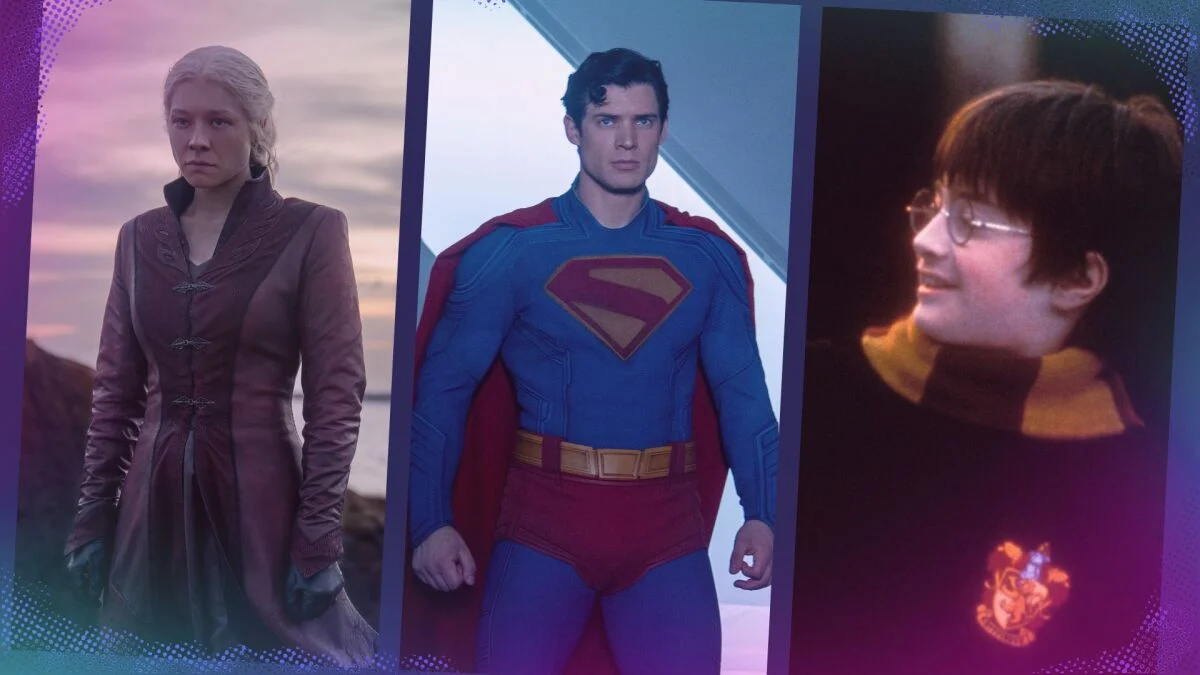
In an unprecedented move that’s sending shockwaves through the entertainment industry, Netflix recently announced the acquisition of Warner Bros. for a staggering $82.7 billion. This strategic buyout grants the streaming giant ownership of a vast array of media assets, including legendary film and TV studios, as well as iconic franchises like Harry Potter, DC Comics properties, Game of Thrones, and Looney Tunes. This deal signifies more than just a business maneuver; it marks a pivotal shift in how youth culture consumes and interacts with entertainment, blending nostalgia with emerging digital trends.

One of the most immediate impacts of this acquisition is the consolidation of beloved franchises into a single digital ecosystem. The Harry Potter saga, which has enchanted generations for decades, will now be under Netflix’s umbrella, securing the rights to all eight movies and the upcoming HBO series scheduled for 2027, which continues to stir debate amid J.K. Rowling’s controversial social statements. This move not only promises to revitalize Harry Potter’s cultural footprint but also raises questions about the power dynamics of fandom and cancel culture, as critics and fans alike grapple with the creator’s complex legacy. Meanwhile, the DC Universe and Game of Thrones—with their massive, dedicated audiences—are poised to be reimagined, tested, or expanded on Netflix’s platform, potentially turning the streaming service into the new Iron Throne holder.

The Cultural Resonance of Iconic Franchises

This move is more than just a business strategy; it’s a reflection of the shifting sands of pop culture, where franchises shape social identities. Young viewers now consume content that blurs the lines between entertainment, nostalgia, and social activism—sometimes in conflicting ways. For instance, the Harry Potter series remains a cultural touchstone, but the ongoing controversy surrounding J.K. Rowling’s comments has intensified debates about authenticity versus responsibility in fandom. Similarly, the Game of Thrones universe continues to expand, offering fresh narratives within Westeros that are likely to influence social discourse, identity politics, and fan engagement for years to come.

With this merger, Netflix isn’t just expanding its catalog; it’s redefining the social relevance of these franchises. These stories now serve as platforms for cultural conversation, where issues of representation, legacy, and social responsibility intersect with blockbuster entertainment. Experts like media sociologists suggest that in this era of digital activism, franchises wield substantial social influence, acting as both escapism and catalysts for societal change. The question that looms, however, is whether Netflix can succeed as a steward of these cultural icons—preserving their integrity while also innovating them for new generations.

The Next Chapter in an Evolving Ecosystem

While the acquisition cements Netflix’s status at the top of the streaming hierarchy, it also invites a profound question about the future of entertainment consumption: Will this convergence of old and new media signal a shift toward a more unified cultural experience, or will it intensify competitive fragmentation as other players seek to carve out their own legacy? As Netflix becomes the custodian of these the stories that shaped much of modern youth culture, the next big challenge lies in navigating how to keep these franchises relevant in a rapidly changing digital landscape. Will they serve as enduring cultural touchstones, or will they be co-opted and commercialized to an unsustainable degree?

As the landscape continues to evolve, one thing remains clear: this acquisition is not just a business transaction but a cultural realignment that questions the very future of entertainment, legacy, and social relevance. The next big question for both creators and consumers is whether these iconic stories will be used to foster genuine cultural dialogue or simply become commodities in a relentless pursuit of streaming dominance.

New streaming channel puts city hall in the spotlight for Gen Z viewers

Emerging Tech Innovator Hamlet Catalyzes Transparency in Local Government

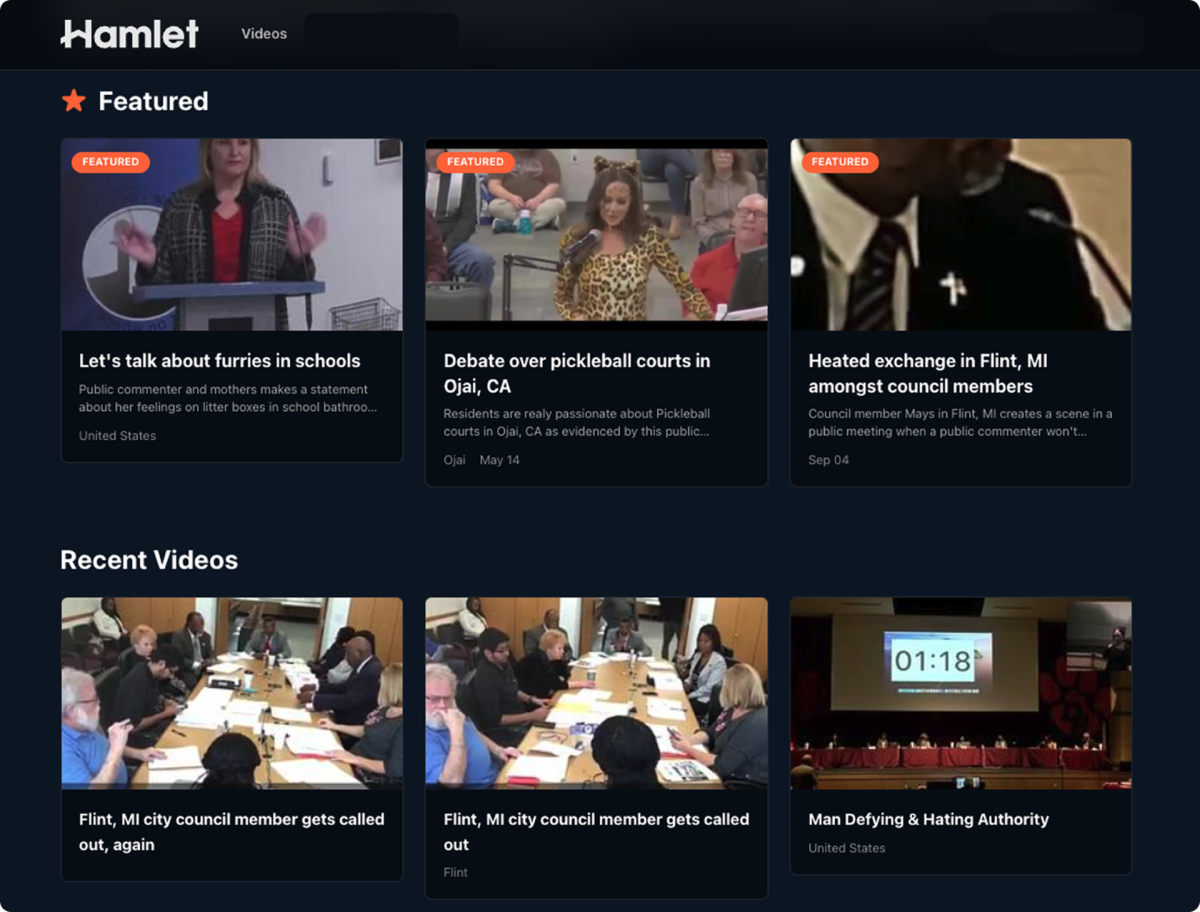
In a groundbreaking move that exemplifies the fusion of technology, civic engagement, and business disruption, Sunil Rajaraman has launched Hamlet TV, a streaming platform designed to democratize access to local government proceedings. Building upon the initial idea rooted in his personal experience of running for city council in a small California town, Rajaraman recognized a critical gap—the opacity and inaccessibility of municipal meetings. His company leverages advanced artificial intelligence (AI) to transform hours of city council videos into actionable intelligence, disrupting traditional legislative transparency and setting a new standard for civic accountability.

This innovative approach is not merely about convenience; it challenges entrenched industry norms. By processing and curating hours of recordings, Hamlet offers stakeholders—including local journalists, political actors, and private enterprise—the ability to search, analyze, and even receive alerts on relevant decisions or mentions. The platform’s features exemplify the potential for AI-driven data synthesis to revolutionize local governance transparency:

  • Real-time agenda tracking for target cities
  • Post-meeting summaries for efficient review
  • Searchable video archives to locate specific mentions or discussions

Industry analysts see Hamlet’s platform as a catalyst for market disruption—challenging the conventional meeting minute documents and increasing civic accountability through technology. Experts like Gartner emphasize that such innovations are pivotal in redefining how citizens and businesses interact with local governments, ultimately creating a more informed and engaged electorate.

Amplifying Civic Engagement Through Content and Community Building

Expanding beyond enterprise applications, Rajaraman’s strategy involves deploying Hamlet TV across various social media platforms, including TikTok, YouTube, Instagram, and AppleTV. This move underscores a broader trend of engaging younger audiences—those who are often disillusioned or disengaged from traditional civic processes. By showcasing highlight reels, humorous moments, and compelling stories from local meetings, Hamlet TV aims to make governance more accessible and relatable, a tactic that could redefine civic education and awareness.

Rajaraman stated that his team has processed thousands of hours of government meetings, curating moments that resonate with viewers—such as a city council meeting where a person dressed as a cockroach addressed pest issues. These instances reflect the platform’s potential to make civic proceedings compelling, an essential step in tackling what MIT researchers refer to as the ‘democracy deficit’. The focus on humor and human stories could significantly sway public perception, encouraging greater participation and oversight, vital as the social fabric of democracy faces mounting challenges.

Business Implications and Future Outlook

While Rajaraman admits that Hamlet may not become a dominant revenue generator, the broader business implications are unmistakable. By offering tools to local journalists and advocacy groups for free, his emphasis remains on creating a civic tech ecosystem that fosters transparency and accountability—traits critical in an era of increasing misinformation and political apathy. Moreover, plans to collaborate with entities in government affairs, advocacy organizations, and renewable energy sectors reflect an understanding that technology-driven transparency can translate into tangible policy and economic impacts.

Looking ahead, industry leaders like Elon Musk and Peter Thiel have long advocated for disruptive technologies that reimagine societal structures. Hamlet’s innovative approach aligns with this vision—disrupting the status quo and empowering citizens at the ground level. As AI and data analytics continue to evolve, the potential for such platforms to influence market behavior, regulatory policies, and democratic participation is immense. The key will be scaling these innovations quickly enough to keep pace with the fast-changing political landscape, making timely information the new currency of effective governance. The urgency to embrace such technological disruption has never been greater, setting the stage for a future where transparency and civic engagement are propelled by the relentless march of innovation.

Netflix Nears Deal with Warner Bros., Big Win for Streaming Giants

Netflix Eyes Major Acquisition in the Battle for Global Entertainment Dominance

In a move that could reshape the geopolitical landscape of international media, Netflix is reportedly nearing a deal to acquire the film and streaming assets of Warner Bros Discovery. This potential acquisition, which includes iconic franchises such as Harry Potter and Game of Thrones, as well as the streaming service HBO Max, signals a strategic shift in the global entertainment market. As competition intensifies among streaming giants, analysts warn that this industry consolidation may have profound consequences for media sovereignty and cultural influence worldwide. The deal’s outcome will undoubtedly influence how entertainment is produced, consumed, and regulated on a scale that extends beyond individual markets, affecting societies and national policies alike.

The dynamics of this proposed acquisition have sparked a fierce debate among industry stakeholders and international regulators. Paramount’s legal representatives have publicly questioned the fairness of Warner Bros’ sale process, hinting at potential bias that favors certain bidders. A letter reviewed by CNBC accused Warner Bros of conducting a “myopic process with a predetermined outcome,” raising concerns that the sale might be manipulated for the benefit of a single corporate player. Such allegations reflect broader fears about monopolistic behaviors—fears that are resonant far beyond Hollywood, echoing anxieties about media concentration’s impact on diversity of content and global information flow. The United States Federal Trade Commission and other international authorities are likely to scrutinize this deal closely, weighing the potential for a media monopoly to stifle competition and limit consumer choice on a global scale.

How Industry Power Plays Redefine Global Cultural Politics

Industry experts like Emma Wall, chief investment strategist at Hargreaves Lansdown, argue that the bidding war is about more than just profit margins—it’s about wielding cultural influence. She noted that Paramount’s bid included parts of Warner Bros with ongoing profitability challenges, whereas Netflix’s proposal focused solely on its strongest assets. “You’re sort of tainting your offer if you go into a spat,” she remarked, implying that strategic acquisitions are being driven by complex, behind-the-scenes negotiations that involve international regulators and geopolitical considerations.

The potential creation of a *“global media mega-power”* has alarmed critics who warn of regulatory challenges. According to CNBC, legal representatives from Paramount suggest that Warner Bros’ sale process may be skewed in favor of a single bidder, leading to broader implications for international media regulation. If such a conglomerate emerges, it could result in an entrenchment of cultural hegemony, with a handful of corporations controlling the narrative and access to entertainment across continents. Historians and analysts warn that such concentration mirrors other periods of monopolistic dominance, where unchecked corporate power can distort political and social development.

Implications for Hollywood and the Global Audience

The ramifications extend beyond the realm of media business models; they threaten the very fabric of cinema and cultural expression. As Tom Harrington of Enders Analysis warns, should Netflix’s acquisition succeed, the Hollywood industry would face a *“reorientation,”* with the creative jewelHBO—becoming deeply intertwined with a platform historically at odds with traditional cinema. This potential fracture in the relationship between streaming services and traditional filmmaking could accelerate the decline of cinema as a cultural pillar, reshaping artistic narratives and societal storytelling paradigms.

Operational and regulatory challenges loom large, with international watchdogs poised to examine whether such a merger would violate principles of fair competition. As global audiences become increasingly polarized in media preferences, the consolidation of power in the hands of few conglomerates could lead to a homogenization of culture, eroding the diversity that once fueled creative innovation. Historians argue that this moment might be remembered as a defining juncture in the transformation of global media, where the clash between corporate ambition and cultural integrity reached its zenith. The stakes are high, and the course of history continues to be written with every negotiation, every deal, and every decision made behind closed doors—reminding us that in this new era, entertainment is no longer just a product but a weapon in the relentless pursuit of geopolitical dominance.

Netflix secures victory in Warner Bros. bidding war—tech giants shake up the entertainment game

Netflix’s Strategic Push into Hollywood: A Paradigm Shift in Content and Business Models

In a move that could redefine the entertainment landscape, Netflix is reportedly considering acquiring Warner Bros. and its associated assets, including HBO Max. While the deal faces imminent regulatory hurdles, notably opposition from the Department of Justice, industry insiders suggest that if approved, this acquisition could trigger a seismic shift in how streaming giants operate within traditional Hollywood frameworks. Such an integration would place Netflix at the helm of one of the oldest and most influential film studios, fundamentally altering existing distribution, production, and theatrical paradigms.

From an innovation perspective, this move signals a disruption of the conventional content supply chain. Historically, Netflix has prioritized digital-first distribution, avoiding involvement in theatrical releases and traditional studio operations. The potential transition into studio management would allow Netflix to leverage its data-driven approach to content creation while integrating theatrical releases into its ecosystem. This strategic positioning could enable the company to compete directly with legacy studios by controlling more of the content lifecycle—from production to consumer. Such vertical integration aligns with industry trend forecasts from Gartner and MIT, which emphasize the importance of disruptive consolidation as a way to leverage big data and cutting-edge AI for content optimization and personalized marketing.

The implications for the broader industry are profound. A successful acquisition not only disrupts the traditional Hollywood power balance but could accelerate the consolidation of media assets across emerging digital platforms, forcing competitors to adapt or face obsolescence. Analysts like Peter Thiel have long argued that such disruptive business models fuel innovation by creating new avenues for revenue and consumer engagement. If Netflix can integrate large-scale theatrical content, it may gather a significant competitive advantage—offering consumers a seamless experience that combines the best of traditional cinema and digital streaming, accelerating the metamorphosis of the entertainment industry.

Business Implications and Future Outlook

The potential acquisition underscores how disruption in the tech and entertainment sectors is accelerating, with major players seeking to reinvent their roles within the evolving ecosystem. While regulator concerns and antitrust scrutiny are significant hurdles, industry insiders suggest that the strategic value of owning a legacy studio—combining creative control with data-driven insights—could outweigh regulatory obstacles in the long term. This move may also set a precedent for vertical integration, inspiring other tech giants, such as Apple and Amazon, to pursue acquisitions that further blur the lines between content creation and distribution.

Looking ahead, the industry faces an imperative to innovate rapidly in response to consumer demand for high-quality, multi-platform content. Executives, investors, and creators must recognize that disruption is now a strategic necessity. As Netflix potentially steps into a new role as a Hollywood studio powerhouse, the entire media landscape remains on the cusp of profound transformation—one that demands agility, strategic foresight, and an unwavering commitment to pushing the boundaries of entertainment technology. The future belongs to those who can harness the power of innovation amidst regulatory challenges, seizing opportunities to reshape cultural consumption in ways previously thought impossible.

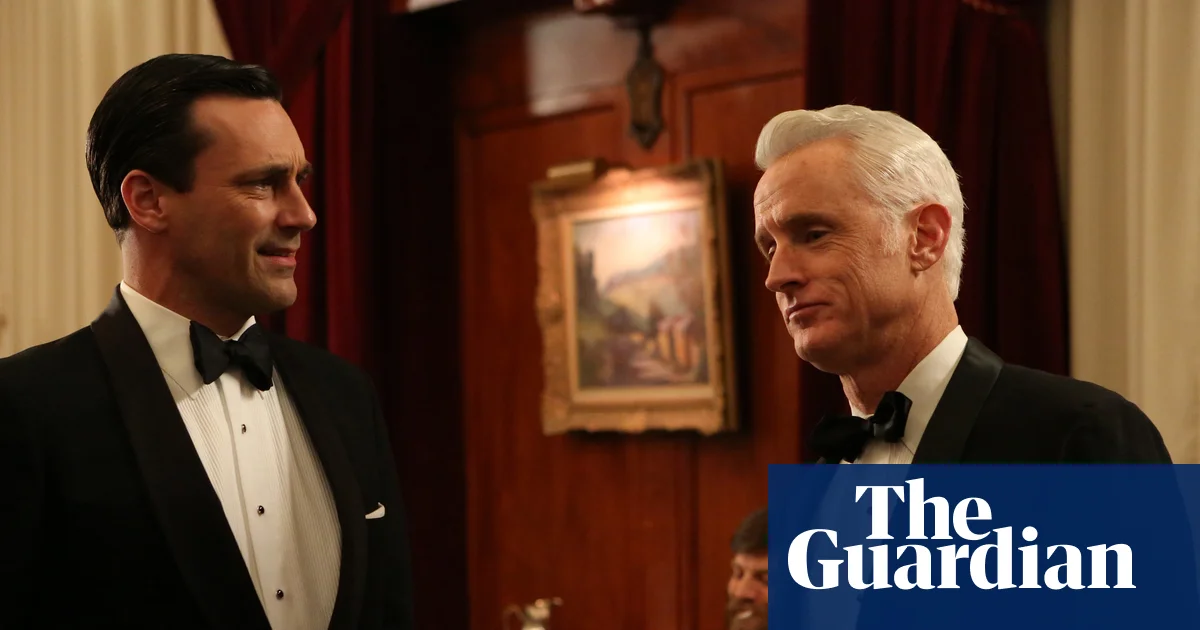
Mad Men Now Streaming on HBO Max — Fans Spot Rocky Mistakes in Classic Series

Global Impact of Entertainment and the Lessons it Still Holds

In an era where media industries are increasingly intertwined with geopolitical interests, the recent mishaps in the HBO Max re-release of Mad Men serve as a stark reminder of the global influence of cultural products. The decision to restore this groundbreaking series in 4K has rekindled popular interest and demonstrated how entertainment can shape societal perceptions, even amidst technical pitfalls. Yet, behind these glossy remasters lies a larger narrative—one of technological dominance, international competition, and the relentless quest for cultural supremacy.

Historically, the television industry has played a pivotal role in shaping national identities and soft power, especially as countries seek to project influence internationally. The controversy surrounding the HBO Max restoration—episodes being out of order, visible crew members, and social media viral moments—highlight an underlying tension: the importance of maintaining cultural artifacts with precision and care. This isn’t simply about entertainment; it is a reflection of who controls the narratives and how societies see their past. Critics such as international media analysts argue that these seemingly trivial errors symbolize a broader crisis: the encroachment of global corporations into culturally sensitive domains, often at the expense of authenticity.

Moreover, the mishandling of Mad Men’s re-release mirrors earlier incidents, like the infamous Starbucks coffee cup incident in Game of Thrones’s final season. Despite the humorous viral response, it underscored how international media conglomerates often prioritize quick fixes over meticulous quality control, thereby impacting their credibility on the global stage. This pattern is not merely a matter of poor editing but an illustration of the pressures faced by multinational entities under the specter of hyper-competition. How these errors are perceived internationally can influence perceptions of a nation’s technological capability and geopolitical standing. According to global media watchdogs, such lapses—while seemingly superficial—can serve as symbols of declining standards and international vulnerability.

Yet, the story extends beyond media missteps to a broader geopolitical narrative. Historians and analysts observe that cultural dominance is a strategic component of soft power, especially in the context of U.S.-China and Russia rivalry. As China invests heavily in exporting its media and cultural products globally, Western firms face mounting pressures—and scrutiny—in safeguarding their cultural heritage. The errors in restoring classic shows, though minor, may be exploited by adversaries to question the robustness of Western technological and cultural leadership. It underscores that every digital misstep is more than an operational flaw; it is a part of the ongoing struggle to define the global narrative.

In the final analysis, the unfolding saga of HBO Max’s restoration errors embodies the high-stakes nature of cultural preservation in a fractured world. Every glitch, every mislabeled episode, echoes the tension between technological innovation and international influence. As history continues to unfold, it is vital to recognize that these seemingly small moments—like crew members manning fake vomit machines—are, in fact, emblematic of much larger conflicts. The weight of history remains heavy on this digital stage, as nations and societies grapple with their place in an ever-changing geopolitical landscape, where control over cultural artifacts may ultimately determine the future of soft power in the 21st century.

Raycast for Windows: The game-changing productivity boost your PC needs

Tech Industry Disruption and the Future of Innovation: A Deep Dive

As the technology sector accelerates its pace toward revolutionary changes, companies like Google, Samsung, and decentralized gaming platforms are leading a wave of disruption that promises to redefine business paradigms and consumer experiences. Recent developments indicate an industry at inflection point, where breakthrough innovations challenge traditional models and create new ecosystems of value.

Google’s Gemini 3, the latest iteration of its powerful Large Language Model (LLM), exemplifies the competitive edge AI is gaining globally. This model not only dominates in natural language understanding but also integrates seamlessly across multiple platforms—from apps to search engines—thus fostering a more intuitive user interface that could overhaul how we interact with information. Experts at MIT suggest that the expansion of such multilingual, multimodal models symbolizes a shift toward ubiquitous, AI-driven decision-making, with potential ramifications for entire industries, including advertising, education, and enterprise. Meanwhile, Raycast for Windows introduces an innovative productivity suite, bringing a Mac staple—a launcher and shortcut system—into the PC realm, promising to disrupt workflows and streamline computer management, especially for a generation raised on speed and simplicity.

In the consumer space, gaming startups and console creators are pushing boundaries—most notably with the Analogue 3D retro console built on Nintendo 64 hardware, which has garnered critical acclaim for blending nostalgia with cutting-edge hardware. Additionally, the emergence of Steam Machines and chaos-filled titles like Kirby Air Riders represent a revitalization of physical gaming experiences in an increasingly virtualized environment. Industry analysts, including Gartner, warn that disruption in gaming hardware and services signals a broader trend where convergence and nostalgia drive new revenue streams, reshaping the landscape for hardware makers and developers alike.

Furthermore, the ongoing proliferation of AI in everyday devices signifies a tectonic shift in digital interaction. Gemini’s widespread integration, along with innovative apps like Comet for Android, demonstrates that AI’s reach is expanding beyond traditional ecosystems, promising to enable smarter mobile browsing, remote work, and personal productivity tools. Industry leaders, including Elon Musk and Peter Thiel, recognize that accelerating AI capabilities bring both opportunities and warnings, emphasizing the need for responsible innovation amidst fierce competitive pressures. As startups and tech giants race to embed AI deeper into our lives, the actual business implications are profound—pioneering companies could dominate the emerging AI-enabled economies while laggards risk obsolescence.

Looking ahead, the pace of technological innovation mandates swift adaptation, as industry giants and startups alike race to establish dominance in these disruptive spaces. From AI advancements like Google’s Gemini to gaming hardware based on legacy systems, the industry’s trajectory is clear: those who leverage disruption and innovation effectively will shape the next era of digital commerce and culture. As industry experts underscore, the urgency to innovate—before the next wave of competitors —has never been greater. The future belongs to the agile and the bold, as the stakes climb higher on the chessboard of technological supremacy.

Social Media Auto Publish Powered By : XYZScripts.com