Matox News

Truth Over Trends, always!

Top 42 Must-Watch Netflix Shows You Can’t Miss in 2025

Disruption in Streaming: The Industry’s Next Chapter

As the digital entertainment landscape continues to evolve at breakneck speeds, streaming services stand at the forefront of a transformative era driven by relentless innovation and disruptive shifts. From the departure of industry giants like Henry Cavill in The Witcher to groundbreaking animation such as Arcane, companies are redefining how stories are told and consumed. This seismic shift signals a new phase where content is not only more diverse and daring but also deeply intertwined with technological advances, forcing legacy media players and new entrants to rethink their strategies.

Innovation and the Power of Disruption

In recent years, the industry has embraced collaborations between traditional media and cutting-edge tech, exemplified by Netflix’s bold experimentation with animation styles in Love, Death + Robots and the adoption of AI-driven content curation. Market analysts like Gartner emphasize that the integration of artificial intelligence, virtual reality, and immersive storytelling will be decisive in capturing the hyper-connected, youth-oriented consumer base. These ventures aim to disrupt the static binge model, shaking up audience engagement and monetization strategies while setting new standards for interactive and personalized experiences.

Business Implications and Industry Evolution

Major entertainment firms recognize that disruption demands agility and innovation. The strategic focus on original content, innovative storytelling formats, and international markets has become more critical than ever. For example, the resurgence of regional productions like *North of North*, and international hits such as Squid Game, showcase how breaking industry norms creates global cultural phenomena. Furthermore, platforms are increasingly investing in multi-genre and diverse storytelling—ranging from gritty crime thrillers like Black Doves to speculative sci-fi in Pantheon—to appeal broadly and lock in differentiated audiences.

Industry Outlook: A Race Toward the Future

The foundation laid by current digital innovations indicates that the future belongs to those who prioritize technological disruption and emerging consumer trends. Experts from MIT and industry leaders like Elon Musk have warned that the next era of entertainment will be defined by hyper-realistic virtual worlds, AI-generated content, and enhanced viewer immersion. In this landscape, traditional content pipelines must adapt rapidly, leveraging big data and AI to anticipate viewer preferences and deliver tailor-made experiences that transcend conventional paradigms. The advent of live-action AI-driven shows, coupled with interactive narratives exemplified by Black Mirror and Arcane, signals a future where content is no longer static but a fluid, participatory experience facing an urgent need for innovative business models to stay competitive.

In conclusion, the streaming industry is entering a phase of unprecedented disruption, where innovation, technological integration, and bold storytelling will determine the winners and losers of this new digital era. The question is not if but when traditional media giants will fully embrace or be displaced by these revolutionary trends. As the digital frontier expands, stakeholders must act swiftly—embracing innovation is no longer optional but essential for survival in the fiercely competitive, fast-changing future of entertainment.
Pluribus on Apple TV+: A Bold New Sci-Fi that Keeps the Mystery Alive

Disruptive Innovation Meets Narrative Excellence: The Promising Future of “Pluribus”

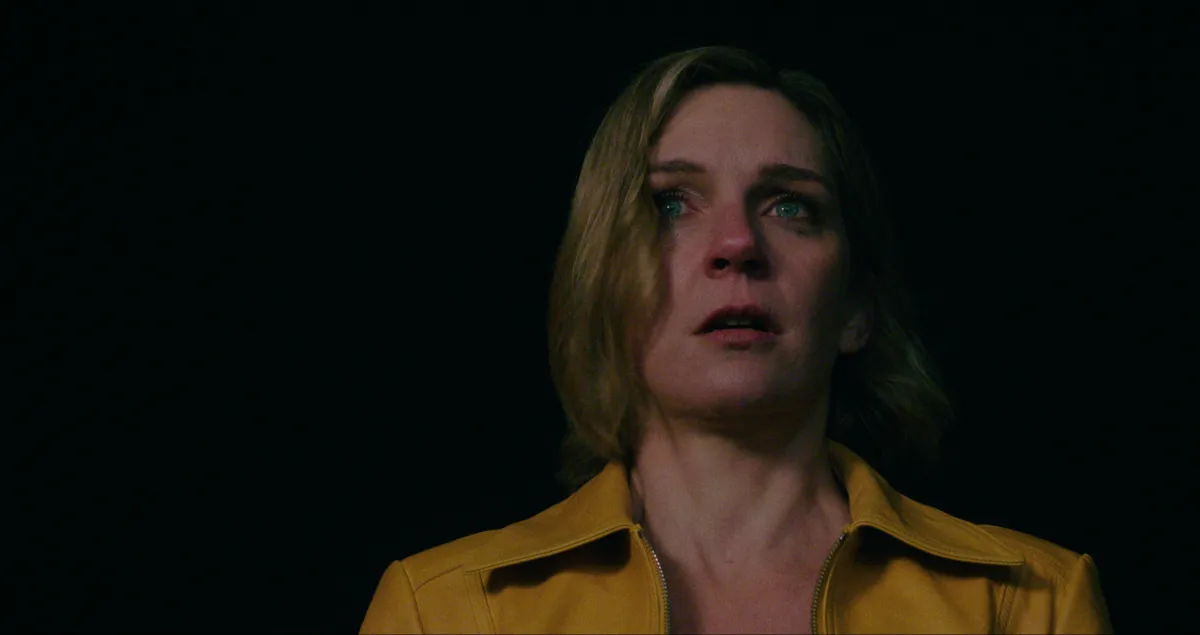
In an era where technological disruption is redefining every industry, the entertainment sector continues to lead with groundbreaking innovations that are reshaping storytelling. Apple’s latest series, “Pluribus”, exemplifies this seismic shift, blending sophisticated narrative design with cutting-edge technology to deliver a viewing experience that challenges traditional formats. Developed under the guidance of visionary creators like Vince Gilligan, well-known for his work on “Breaking Bad,” “Pluribus” leverages the power of immersive storytelling with high fidelity to audience expectations for intelligence and nuance. This approach not only elevates content quality but also signals a broader trend of disrupting the conventional TV game.

At the core of “Pluribus”’s innovation is its deliberate pacing and complex character development, highlighted by a compelling performance from actress Seearon that anchors the series. The show’s deep dive into layered narrative and psychological authenticity demonstrates the new frontier of entertainment—one where storytelling is no longer just about entertainment, but about engaging viewers’ intellect and emotional spectrum. This sophistication aligns with recent insights from Gartner, emphasizing that the future of successful media is rooted in content that demands active audience participation. As streaming giants such as Apple TV push into this space, they are not simply competing on quantity but on quality, innovation, and disruption of audience expectations.

From a business perspective, “Pluribus” exemplifies how tech-driven storytelling platforms are redefining market dynamics. The series’ strategic deployment of slow-reveal narrative techniques and emotionally complex characters signals a shift toward premium, high-investment content that aims to capture a growing segment of highly engaged viewers—particularly younger demographics who crave authenticity and intellectual stimulation. These viewer segments are increasingly discerning; they seek narratives that mirror real-world complexity and moral ambivalence. This creates new opportunities for content creators and tech platforms to differentiate themselves by investing in high-concept, high-value productions—shifting away from formulaic fare toward innovative storytelling that can generate lasting engagement.

Moreover, as industry analysts like Peter Thiel and Elon Musk highlight, the convergence of artificial intelligence, data analytics, and immersive media signals an explosive future where content creation and consumption become synergistic. The “Pluribus” model, with its meticulous attention to character nuance and narrative pacing, exemplifies the potential of leveraging AI to optimize storytelling processes and tailor content to highly specific audience segments. This disruption may soon extend beyond traditional media, influencing educational, gaming, and even virtual reality sectors, aligning with next-generation convergence of technology and human experience.

As “Pluribus” premieres on November 7th, industry observers eagerly anticipate whether it will set new standards for scripted content and viewer engagement. The show’s success could multiply, fostering an ecosystem where innovation is not merely an advantage but a requirement. The path ahead calls for proactive adaptation: companies that harness advancements in AI, storytelling algorithms, and immersive tech will be positioned as market leaders in the next wave of digital entertainment. The landscape is poised for a revolution—an era where technological disruption fuels authentic, nuanced content that captures the imagination of a global, tech-savvy audience. The stakes have never been higher; the future belongs to those bold enough to innovate and disrupt, shaping the narrative of what’s possible in entertainment and beyond.

Top 5 Live TV Streams of 2025: Tested and Trusted for Young Viewers

Disruption in Streaming: Sling TV’s Modular Model Sparks Industry Shift

The live TV streaming industry continues to evolve rapidly, with Sling TV emerging as a noteworthy disruptor, despite its notorious complexity. Unlike conventional platforms such as Hulu Live TV or YouTube TV, Sling’s innovative modular approach allows consumers to customize their plans through a base package complemented by a range of affordable add-ons. This flexibility is pushing established giants to reconsider their monolithic service offerings, signaling a potential shift toward more personalized, cost-efficient streaming solutions.

However, this model introduces a new layer of “consumer sovereignty” that could redefine competitive dynamics. The industry’s traditional focus on all-inclusive packages is being challenged by Sling’s emphasis on segmentation—offering core plans at lower prices with optional extras for specific interests. This strategy is aligned with broader market trends highlighted by analysts at Gartner, emphasizing consumer empowerment and segmentation as key drivers for next-gen entertainment platforms. The result: a disruptive force that incentivizes other players to innovate or risk falling behind in an increasingly fragmented but highly tailored landscape.

From a business perspective, Sling’s approach unlocks new revenue streams while maintaining cost leadership—underscored by its ability to underprice competitors by a few dollars despite offering a narrower channel portfolio. This cost-efficiency, paired with extensive compatibility across popular devices such as Roku, Samsung Smart TVs, Apple’s ecosystem, and even Xbox, positions Sling as an agile player capable of rapid market penetration. The availability of apps across leading hardware—from TiVo to Xfinity—further enhances its accessibility, democratizing live TV and broadening its reach among younger, tech-savvy consumers looking for customizable, affordable content.

Looking ahead, industry leaders, analysts, and innovators like Elon Musk, Peter Thiel, and MIT researchers agree that the streaming wars are just beginning. As disruptive technologies like AI-driven content curation and dynamic pricing models mature, the potential for smaller, agile firms like Sling to carve out significant market share becomes increasingly apparent. Ensuring adaptability and innovation will be vital for incumbents to stay relevant in a landscape driven by consumer-centric disruption. The imminent future promises a battleground where technological innovation, strategic agility, and disruptive thinking will determine which companies lead the next era of entertainment. Those who leverage these shifts early will not just survive—they will dominate the new streaming paradigm.

HBO’s New Game of Thrones Spin-Off Drops This January—Don’t Miss It!

HBO Unveils ‘A Knight of Seven Kingdoms’: A Game-Changer in Fantasy Adaptations

In a significant move that underscores the evolving landscape of entertainment and technology, HBO announced today at this year’s New York Comic-Con that its upcoming six-episode series, A Knight of Seven Kingdoms, will premiere on January 18th, 2026. Adapted from George R.R. Martin’s Tales of Dunk and Egg novellas—an origin story set decades before the events of A Song of Ice and Fire—the series exemplifies how legacy franchises can be revitalized through new storytelling formats. This strategic move demonstrates the importance of disruption in traditional media, as streaming platforms invest heavily in immersive, serialized fantasy content that leverages cutting-edge tech for deeper viewer engagement.

What makes this announcement particularly noteworthy is the underlying implication for the broader business of entertainment technology. By tapping into exclusive storytelling rooted in a globally recognized franchise, HBO aims to disrupt conventional TV models, emphasizing serialized, narrative-rich content that demands innovation in both production and distribution. This approach aligns with industry insights from Gartner and MIT Media Lab, suggesting that future success hinges on combining technological innovation with compelling narratives to captivate younger audiences increasingly accustomed to interactive and immersive digital experiences.

Technological Innovation and Industry Impact

Beyond just storytelling, the series’ development highlights the integration of advanced visual effects and digital production techniques. This signals a shift toward more sophisticated and cost-effective content creation, driven by breakthroughs in AI-assisted CGI, virtual production sets, and remote collaboration tools. Technological disruption is allowing studios like HBO to produce higher-quality content faster and more affordably, thereby intensifying competition among streaming giants. Such advances are essential for maintaining market relevance in an industry that is fraught with rapid change and innovation.

Furthermore, with the global audience’s shift toward interactive engagement and personalized experiences, industry leaders are exploring how to leverage next-generation streaming technologies, including augmented reality (AR) and virtual reality (VR). These innovations promise to redefine viewer immersion and interactivity, creating entirely new business opportunities and revenue streams. Analysts from PWC emphasize that companies that proactively adopt these emerging tech trends will secure a competitive edge, setting standards rife with disruption and strategic advantage.

Future Outlook: A Race Toward the Next Tech Horizon

Looking ahead, the announcement of A Knight of Seven Kingdoms exemplifies a broader industry trend—legacy properties revitalized through technological innovation that appeal to a new generation of tech-savvy consumers. As Hollywood and Silicon Valley continue to converge, the race to dominate future entertainment markets hinges on disruptive innovation and the ability to craft next-level narratives that integrate seamlessly with emerging digital platforms. Already, voices like Elon Musk and Peter Thiel warn that the most successful companies will be those that invest in technologies transforming content delivery and engagement over the coming decade.

In conclusion, HBO’s strategic pivot toward adaptive storytelling and technological enhancement signals an urgent call for industry players to accelerate their innovation pipelines. The future belongs to the pioneers willing to challenge norms and leverage technology to forge new storytelling paradigms—disrupting not just how stories are told, but fundamentally transforming the entire entertainment ecosystem. As the streaming landscape becomes increasingly competitive, those who lead the charge today will shape the cultural and economic fabric of tomorrow’s digital age.

Jane Goodall’s passing sparks debut of Netflix’s latest docuseries for a new generation

Netflix Leverages Innovation in Media with Posthumous Interview Series

In a move that signals a bold shift in the entertainment industry, Netflix has launched a provocative new show, Famous Last Words, which premieres episodes only after the interview subjects’ passing. This strategy underscores the platform’s relentless drive to innovate and disrupt traditional media norms, pushing the boundaries of content creation and consumption. By integrating advanced remote filming technology, Netflix transforms the interview format into an intimate and unfiltered experience, often involving conversations that are remarkably candid because the subjects are no longer constrained by the need for public approval.

The adaptation of Denmark’s acclaimed series Det Sidste Ord exemplifies how disruptive technologies can redefine storytelling. This series employs remotely operated cameras and carefully curated interview scenarios, hosted by Brad Falchuk, previously known for his work on American Horror Story and Glee. These technological innovations enable production teams to access high-quality footage without traditional on-site filming. Industry experts, including analysts from Gartner, highlight this as an evolution driven by artificial intelligence, remote control tech, and data-driven insights—allowing creators to capture nuanced perspectives that were previously inaccessible or considered taboo.

Implications for the Business and Media Ecosystem

For media companies and content creators, this approach signals a broader trend toward leveraging cutting-edge tech for breakthrough storytelling. The business implications are significant: this model minimizes logistical costs while maximizing viewer engagement with raw, unfiltered content. The inclusion of outspoken figures like Jane Goodall in her final interview underscores a new era where authenticity and transparency are paramount—traits increasingly demanded by younger audiences who seek content with depth and realness. As the market shifts, we can anticipate a competitive surge among tech firms and studios investing in posthumous content production, AI-driven interviewing methods, and immersive viewing experiences.

  • Enhanced audience engagement driven by unprecedented access to candid and unedited insights.
  • New revenue streams from exclusives and memorabilia associated with iconic figures.
  • Potential ethical debates over consent and commodification of personal legacies, prompting regulatory scrutiny.

Strategic and Industry-Wide Considerations

This disruptive model is more than just a revenue play; it’s an indicator of how artificial intelligence, automation, and immersive tech will redefine industry standards. Leaders like Elon Musk and futurists such as Peter Thiel have long envisioned a future where reality and digital representation blur—this series exemplifies that vision. However, this also raises warning flags about the potential for misuse, fake content, and questions over the authenticity of these final interviews. Stakeholders must navigate these ethical terrains carefully.

As the industry advances its capabilities, it’s clear that innovation, disruption, and strategic pivots will determine winners and losers in this rapidly evolving landscape. With new forms of storytelling emerging at a breakneck pace, companies must adapt swiftly—embracing technology not just for operational efficiency but as a core driver of engaging, authentic narratives. The future demands a proactive stance; those who leverage these innovations will redefine cultural benchmarks and gain a significant competitive edge in the unfolding digital era.

NBCUniversal’s YouTube TV Deal Brings Some Shows Straight to YouTube, Giving Fans More Options

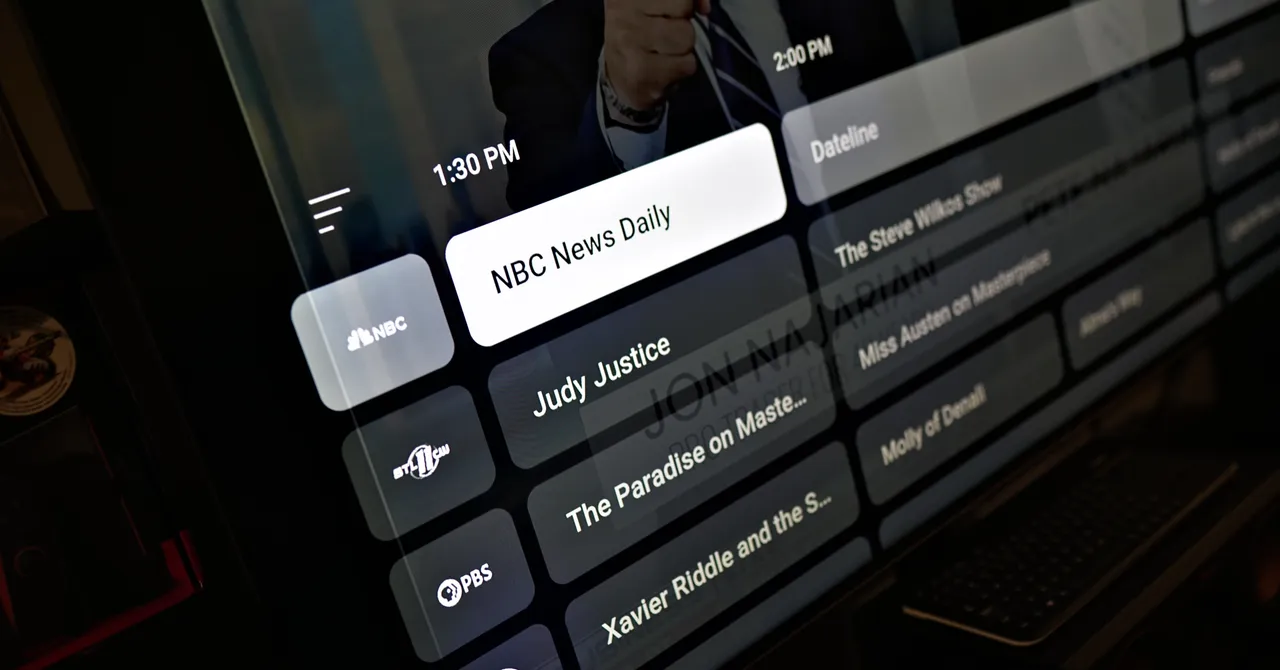
In a bold move that underscores the accelerating disruption of traditional media, NBCUniversal has announced a strategic partnership with YouTube TV to expand its digital footprint. While financial details remain confidential, the deal notably includes exclusive rights to full TV shows, clips, and highlights, along with a reinvigoration of NBC Sports Network (NBCSN), which was shut down four years ago. This move exemplifies how legacy broadcasters are leveraging innovative streaming platforms to recapture viewer engagement and monetize content, signaling a clear shift in the industry dynamic.

As Matt Schnaars, an NBCUniversal executive, articulated, the company is advancing its Peacock strategy by launching new channels on YouTube Primetime Channels and maintaining a presence on Google TV. This multi-platform approach leverages the dominance of tech giants like Google to disrupt traditional cable models, turning to streaming-first strategies that cater to the increasingly digital-first consumer base. Such initiatives not only amplify NBC’s reach but also illustrate a broader industry trend where content licensing and platform partnerships are becoming vital for maintaining relevance in a saturated media ecosystem.

Industry analysts such as Gartner and MIT’s Media Lab emphasize that these shifts reflect a broader trend of disruptive innovation—where established broadcasters are adopting tech-driven models to avoid obsolescence. The relaunch of NBCSN and its inclusion in subscription packages are particularly notable, as they suggest that media conglomerates are experimenting with hybrid revenue streams—combining traditional advertising, subscription fees, and licensing—aimed at capturing diverse consumer segments. The move also hints at a strategic pivot: utilising sports content as a key driver for new revenue sources, especially as rights for marquee events are increasingly becoming battlegrounds for digital dominance.

  • Reintroducing NBCSN into subscription bundles enables monetization outside conventional cable subscriptions, broadening revenue options.
  • This strategy allows NBCUniversal to adapt rapidly to the post-linear era, where viewers demand on-demand, multi-device access.
  • Furthermore, leveraging popular streaming platforms complicates regulatory and competitive landscapes, posing both opportunities and challenges for existing players.

As industry leaders like Elon Musk and venture capitalists such as Peter Thiel have long argued, the future of media is rooted in innovation and disruption. The implications of NBCUniversal’s moves extend beyond mere content distribution; they represent a pivot point that could redefine revenue models, consumer engagement, and competitive strategies across the media landscape. With tech giants investing heavily in original content and distribution innovations, traditional broadcasters are compelled to rethink their business models swiftly. Ignoring these shifts risks obsolescence, but those who innovate—like NBCUniversal—stand to reshape the very fabric of entertainment consumption in the coming decade.

Fundamentally, the industry is on the brink of a transformation driven by technological convergence and audience-centric strategies. As new partnerships and streaming innovations emerge, it becomes increasingly clear that those who adapt quickly will dominate the next era of entertainment. The question remains: in an era of unprecedented disruption, will legacy players lead the charge or fall behind as nimble tech companies redefine the rules of the game?

Disney’s Price Hike Hits Hard at the Wrong Moment

Disney Faces Backlash Amid Controversies and Price Hikes

In an era where innovation and disruption are paramount, Disney appears to be stumbling. The entertainment titan has recently found itself in a predicament that has drawn ire from both sides of the political spectrum. In a swift sequence of events, Disney not only angered a segment of its viewer base but also responded to pressure by raising the prices of its streaming services. This decision has compounded the chaos, resulting in widespread backlash and potentially significant business implications.

The troubles began when Jimmy Kimmel Live! was suspended following comments made by the host regarding Charlie Kirk’s death. Kimmel’s remarks, seen as politically charged, sparked outrage from conservative circles, including notable figures like Elon Musk, who labeled Kimmel’s comments as “disgusting.” The fallout quickly escalated when Brendan Carr, Chair of the Federal Communications Commission (FCC), threatened intervention unless broadcasters took action against Kimmel. This led to what some critics have called a form of government censorship, as Disney made the controversial decision to pull the show from its schedule “indefinitely.”

The aftermath of this move was immediate and polarized. Although it seemed to placate some conservatives, it alarmed left-leaning supporters of free speech and drew the ire of many within the entertainment industry. Notably, members of the Writers Guild of America protested outside Disney’s headquarters in condemnation of its decision. Critics pointed to this incident as a worrying shift towards corporate capitulation, endangering the principles of free speech. Celebrities like Tatiana Maslany leveraged their platforms to urge audiences to cancel subscriptions to Disney Plus, Hulu, and ESPN, creating a ripple effect in viewer sentiment.

As the dust began to settle, Kimmel returned to the airwaves, where he labeled Carr’s threats a violation of the First Amendment. Concurrently, Disney announced a considerable price increase set to take effect on October 21st, elevating the cost of its ad-supported plan from $9.99 to $11.99 and its ad-free offering from $15.99 to $18.99 per month. This dual strike of controversy and price hikes casts a looming shadow over Disney’s future, raising questions about consumer loyalty and the overall viability of its strategy in a fiercely competitive media landscape.

Looking ahead, the convergence of political dynamics and corporate strategy will likely necessitate a profound transformation in how entertainment giants operate. Analysts from institutions like Gartner have long advised companies to anticipate shifts in market sentiment, particularly among younger demographics. With media consumption habits evolving in real-time, companies like Disney may find themselves at a crossroads, challenged to innovate not just content, but also how they engage with their audience. The stakes are high; in a world where viewer preferences can pivot on social media cues, the luxury of time may no longer be a viable option. Disney’s current trajectory emphasizes the urgency to redefine its business model, or risk losing relevance in an industry rife with alternatives.

Social Media Auto Publish Powered By : XYZScripts.com