Matox News

Truth Over Trends, always!

Russian strikes Ukrainian energy sites in biggest hit of the year so far

The recent barrage of over 70 missiles and approximately 450 drones launched against strategic targets marks a significant escalation in the ongoing conflict between Ukraine and Russia. This assault follows the expiration of a fragile “energy truce,” a temporary ceasefire meant to mitigate the impact of hostilities on civilians and critical infrastructure. The timing underscores the persistent volatility and unresolved tensions at the heart of this contentious regional conflict, which continues to reverberate across Europe and beyond.

Analysts say the scope and scale of the recent attack reveal a deliberate strategy aimed at destabilizing Ukrainian defenses and economic stability. The deployment of this formidable arsenal indicates that hostilities are far from abating; instead, they are entering a new, more aggressive phase. International observers, including officials from NATO and the United Nations, are warning that such sustained attacks threaten broader regional security. The offensive also underscores how the geopolitical impact of the conflict extends well beyond its immediate theater, challenging the global order and testing the resilience of allied commitments to Ukraine’s sovereignty.

Within this context, the decision by Russia to escalate military actions shortly after the expiration of the “energy truce” signals an intent to press advantage despite mounting international pressure. According to historians specializing in post-Cold War conflicts, such aggressive measures frequently serve as a demonstration of power aimed at reshaping negotiations or asserting dominance. Meanwhile, Ukrainian officials and military commanders face the dangerous task of defending vital infrastructure amid ongoing threats, with several regions experiencing power outages and critical service disruptions. These developments further highlight the deteriorating security environment that now risks spilling over into neighboring nations, which could potentially ignite wider regional instability.

Institutions like the European Union and the United States continue to call for moderation, emphasizing diplomatic solutions over further violence. Yet, experts caution that the failure to de-escalate risks a protracted conflict with devastating consequences. The historic backdrop—marked by decades of Cold War tensions, recent geopolitical shifts, and global power struggles—reminds us that each decision in this crisis carries consequences that will ripple through generations. As the world watches in cautious suspense, the trajectory of this conflict remains uncertain, teetering on a knife’s edge where diplomacy and war vie for dominance.

For now, the recent assault serves as a grim testament to the enduring volatility of a region that continues to redefine the boundaries of international stability. The unfolding story is still being written—an intricate narrative of power, resilience, and the unyielding pursuit of sovereignty. As history’s weight presses down on the present, nations and societies alike remain on high alert, knowing that the decisions made today could shape the global order for decades to come—each act of violence etching yet another chapter into the annals of a conflict that refuses to fade into the past.

China strikes again: Executes four Myanmar mafia members to crack down on crime

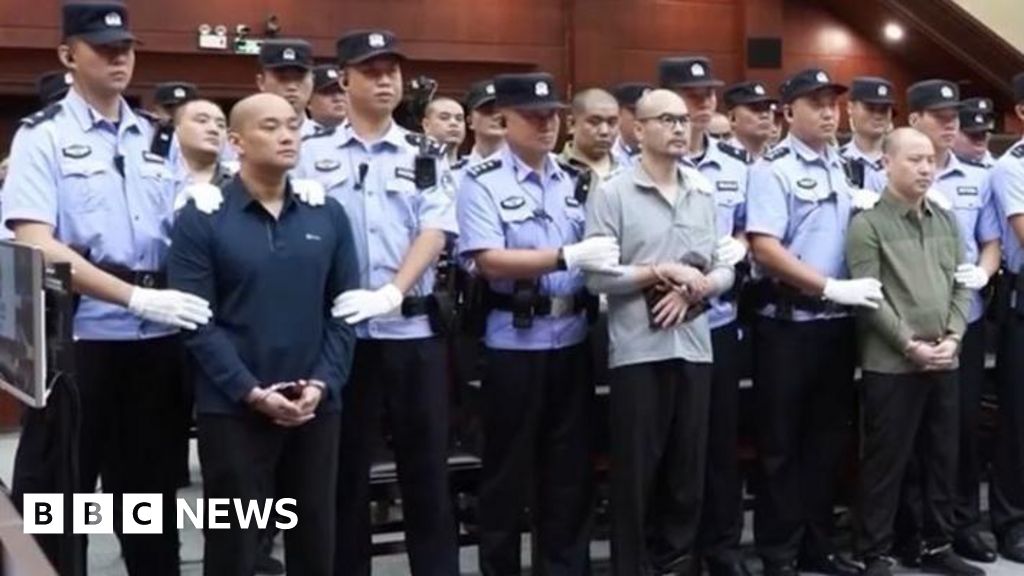
In a dramatic move with significant geopolitical repercussions, China has publicly executed four members of the notorious Bai family mafia, a criminal syndicate responsible for running widespread scam centers across Myanmar. This decisive action signals a clear stance from Beijing against transnational organized crime and underscores the country’s broader efforts to consolidate control over regional stability.

The Bai family’s criminal enterprise, according to official reports, operated a vast network engaged in advanced financial scams, leveraging Myanmar’s relative legal and political ambiguities. These scam centers targeted vulnerable populations across Southeast Asia and beyond, draining billions of dollars from unsuspecting victims. The crackdown, culminating in the execution, illustrates how China is stepping up its law enforcement outreach beyond its borders, aiming not only to dismantle criminal syndicates but also to project strength within the strategic corridors of Southeast Asia.

International analysts, including specialists at the South China Sea Policy Institute and global crime watchdogs, interpret this move as part of a broader strategy to safeguard China’s economic interests and regional influence. By explicitly targeting this notable criminal organization, Beijing seeks to present itself as the defender of stability and order in a volatile neighborhood. The Chinese government has indicated that such actions align with its commitments to regional peace and the fight against transnational crime—an assertion underscored by recent joint operations with Myanmar authorities.

Yet, the decision to execute members of the Bai family mafia also raises critical questions about international law and human rights standards. Critics argue that capital punishment, especially in high-profile cases involving foreign criminal syndicates, risks escalating tensions and complicating diplomatic relations. Nevertheless, advocates within China and aligned allies contend that firm measures are essential to counter organized crime’s corrosive influence on society and sovereignty.

Looking ahead, this bold move from Beijing exemplifies how national security and legal sovereignty are increasingly intertwined with global regional stability. The ramifications extend far beyond the immediate crackdown, shaping China’s reputation as a law-and-order power while also resonating through the corridors of international diplomacy. As the dust settles over this high-profile execution, the story of the Bai mafia’s fall is just another chapter in the unfolding narrative of a nation eager to redefine its role in the global order, with history watching intently at the perilous crossroads of power and justice.

Syrian Government Strikes Deal with Kurdish Forces to Stabilize the Region

The recent announcement that Syria and Kurdish forces are moving toward stepwise integration marks a significant turning point in the ongoing turbulence of the Middle East. This development signals a deliberate attempt by the Syrian government to regain control over territories historically contested and de facto administered by Kurdish militias. The deal, although complex and fraught with regional tensions, is poised to reshape the political landscape, with profound geopolitical impact extending well beyond Syria’s borders.

According to official statements, the agreement seeks a phased incorporation of Kurdish-administered regions into the Syria state apparatus. For the first time in years, the Kurdish authorities are expected to gradually cede autonomous authority in exchange for formal recognition and integration. This move has been cautiously welcomed by some analysts as a potential pathway toward stability, but critics warn it could set dangerous precedents for ethnic and regional conflicts. As noted by International Crisis Group experts, the core challenge lies in balancing Syria’s sovereignty with the Kurds’ aspirations for autonomy — a delicate dance that could either foster unity or spark renewed unrest.

The geopolitical significance of this deal cannot be overstated. It emerges amid a shifting regional landscape, where Turkey remains wary of Kurdish independence movements, and Russia and the United States continue to exert influence over Syria’s fractured territories. Some international organizations warn that the deal reflects broader trends of major powers consolidating their strategic interests. Historian Dr. Elizabeth Carter notes that this agreement echoes historical patterns of regional realignment following prolonged conflict, but the critical question remains whether it will lead to lasting peace or simply a new chapter of uncertainty.

Within this complex geopolitical chessboard, the decision to integrate Kurdish territories subtly shifts the regional balance of power. For Kurdish populations, this move could bring an opportunity for recognition and development, but it also risks eroding their hard-won gains in autonomy. The tension lies in the ambiguous nature of the arrangement, which some argue leaves vital questions unanswered: Will Kurdish communities truly gain political representation? Or will they become pawns in the larger geo-strategic game? Internationally, some voices worry that this development might embolden other regions to pursue similar integration strategies, potentially unraveling decades of fragile peace.

As history continues to unfold, the decision to see Kurdish forces integrated into the Syrian state underscores an ongoing saga of ethnic identity, sovereignty, and regional power. The world watches as hidden forces and economic interests collide behind the scenes, shaping a future that remains uncertain. With every step taken, the delicate balance of this volatile region teeters precariously — a reminder that the weight of history, at this very moment, is being written in decisions that will resonate for generations to come.

Academy boss steps back as youth strikes shake society

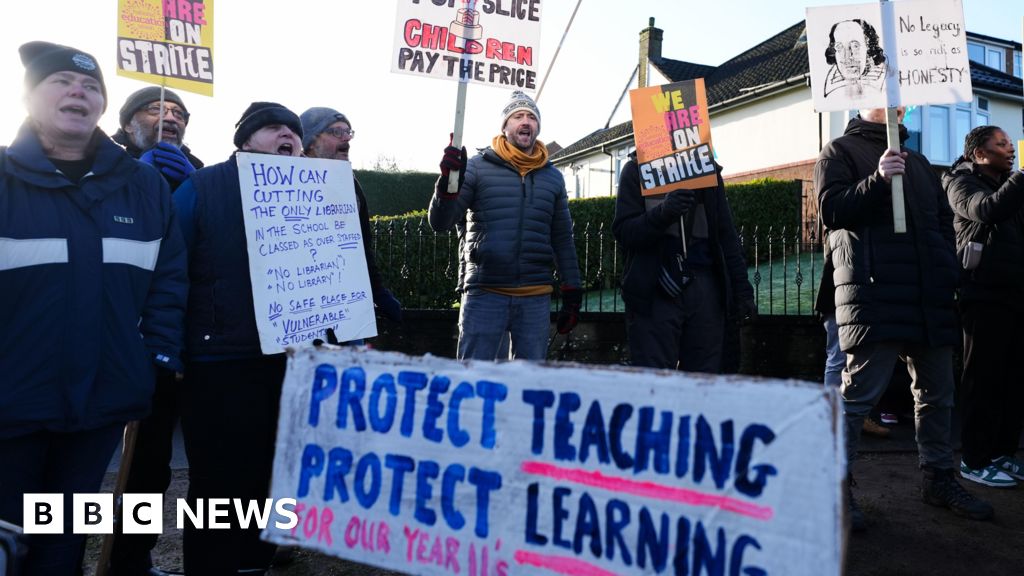
In an unfolding demonstration of societal tension, over 800 school staff members across 20 schools in the West Midlands have recently gone on strike. This significant industrial action underscores deep-rooted issues within the educational landscape, issues that ripple beyond the classroom and into the fabric of families and communities. The strike serves as a stark reminder of the mounting pressures faced by educators, which are reflective of broader social challenges affecting society at large.

At the core of the dispute are concerns over working conditions, salaries, and resource allocations. Teachers and support staff assert that their salaries have not kept pace with inflation, thereby eroding their purchasing power and straining their ability to provide stability for their own families. Moreover, inadequate resources and heavy workloads have heightened stress levels, diminishing the quality of education and support given to students. Historically, sociologists such as James Coleman have demonstrated that the quality of teachers directly influences student achievement, community cohesion, and social mobility. When educators struggle, entire communities feel the repercussions, facing a cycle of underachievement and declining social capital.

This disruption calls into question the very purpose of public education as a pillar of societal progress. As historians like E.P. Thompson have pointed out, a well-educated populace is fundamental to societal stability. Yet, as social strains increase—be it economic hardship, demographic shifts, or cultural tensions—the fractures within institutions become visible. The strike exemplifies how the deterioration of support and respect for educators undermines families’ confidence in the public education system, affecting generations of youth and potentially widening existing social inequalities. Without adequate investment and recognition, the hope of fostering a resilient, educated workforce diminishes, leaving communities vulnerable to long-term decline.

  • Many families depend on predictable school schedules for stability and employment continuity.
  • Students from less advantaged backgrounds face even greater setbacks when schools are disrupted.
  • Communities are left to grapple with the aftermath, often resorting to informal support networks that may lack consistency or reach.
  • Proposed solutions include increased funding, improved working conditions, and more inclusive dialogues between policymakers, educators, and families.

As social commentators warn, neglecting the foundational role of education threatens to widen the cultural and economic divides that already challenge modern society. Addressing these grievances requires a recognition that educators are not merely service providers but vital guardians of societal integrity. By fostering a renewed respect for teachers and investing in the necessary resources, society can begin to rebuild the broken links that threaten to widen the gap between generations and communities. Ultimately, the challenge lies in transforming social issues into opportunities for collective renewal, igniting hope that even amid hardship, society can confront its deepest contradictions and forge a future rooted in resilience, fairness, and shared purpose.

Hero couple steps in to stop gunman before tragedy strikes in Bondi

The Shadow of Terror: Australia’s Bondi Beach Attack and Global Safety Concerns

The recent *terrorist assault* at Bondi Beach marks a dark chapter in international security, revealing the dangerous extent of ideological extremism infiltrating even the most idyllic societies. The attack, which left at least 15 dead—including a 10-year-old girl and a Holocaust survivor—was identified by Australian police as a targeted act of terror motivated by Islamic State (IS) ideology. The perpetrators, Sajid Akram, 50, and his son Naveed Akram, 24, reportedly traveled from Australia to the Philippines weeks before the assault, fueling fears of the global reach of radical networks and their potential to orchestrate violence across borders.

Authorities indicated that the suspects possibly received military-style training while in Southeast Asia, much of which remains under investigation. The presence of homemade IS flags and improvised explosive devices in their vehicle underscores how non-state actors continue to experiment with deadly tools, challenging governments worldwide. These disturbing revelations are not isolated but part of a broader geopolitical concern: how extremist ideologies are metastasizing and linking international militant cells. Analysts warn that such alliances threaten the stability of nations and test the resolve of law enforcement agencies in countries far beyond the Middle East.

Local Heroes and the Global Fight Against Terrorism

Amid the terror, stories of heroism are emerging that reinforce the importance of resilience and quick action. Boris Gurman and his wife Sofia, both victims of the attack, exemplified courage in the face of evil; dashcam footage shows Boris wrestling with one gunman and attempting to disarm him before being fatally shot. Witnesses describe Boris as a “hero” who “charged straight toward the danger” to protect others—highlighting the critical impact of individual bravery during terrorist incidents. Their selfless sacrifice resonates globally, reminding nations of the importance of community vigilance and the readiness to confront threat head-on.

In a context where Australia and its allies face persistent threats, this attack underscores the ongoing need for robust international cooperation against terrorist financing, radicalization, and cross-border movement of militants. The Australian homeland security agencies, together with Interpol and allied nations, are now intensifying efforts to dismantle these networks—a clarion call for renewed global resolve. Such acts of heroism, coupled with strategic intelligence, serve as vital countermeasures, but they also reveal the persistent vulnerability that so-called “peaceful” societies face if they underestimate the reach of radical ideologies.

Implications for International Policy and Societal Security

This tragedy plunges the international community into a sobering awareness: how decisions made in regional policies, immigration controls, and counterterrorism initiatives impact societies at a fundamental level. The global response must be multifaceted, tackling not only the immediate threat but also addressing root causes such as extremist propaganda, social marginalization, and ideological indoctrination. Governments are under mounting pressure from analysts like Clare Lopez and organizations such as UN Counter-Terrorism Committee to revamp strategies—emphasizing intelligence sharing, socio-economic inclusion, and combating online radicalization.

Historically, the rise of Islamic State and similar groups exemplifies how decentralized cells can foment violence well beyond their initial territorial confines. This incident in Australia demonstrates the global nature of modern jihadism, where a single act can reverberate across continents, shaping the geopolitical landscape. As nations grapple with this ongoing threat, the importance of steadfast resolve and protective policies becomes crucial—aimed at safeguarding not just national borders but the very fabric of society against the insidious reach of extremism.

The Future Unfolding in the Shadow of Violence

The words of the witnesses and the unfolding of this tragic event paint a haunting picture: a world where ordinary individuals are pushed to extraordinary acts, fighting against the tide of chaos and hatred. Now, as the dust settles and investigations continue, the weight of history presses heavily upon policymakers and communities alike. The question remains: will collective international resolve be enough to contain this menace, or are we witnessing the beginning of a new era of relentless terror?

In the quiet moments after the storm, the enduring truth is clear—each life lost etches a deeper scar into the global consciousness. The choices made by governments today, and by individuals tomorrow, will determine whether this chapter in history concludes with renewed strength or descends into a prolonged saga of fear and division. The future is unwritten, but the shadow of this attack—and so many before it—reminds us that the unfolding narrative of humanity’s struggle for security and peace is far from over.

Prince Andrew becomes the punchline in this year’s top Christmas cracker joke—Andrew Mountbatten-Windsor strikes again

As the world approaches the end of 2023, the geopolitical landscape remains a tapestry of dramatic shifts, contentious conflicts, and cultural upheavals. This year has underscored the profound ways in which internal political shifts and international decisions ripple across nations, societies, and global institutions. Each headline, each political joke or scandal, encapsulates a broader narrative of a world grappling with the consequences of leadership struggles, cultural transformations, and the relentless march of history. Equally, the public’s humorous reflection on these serious matters—be it via satire or satire-like jokes—serves as a testament to the tension between authority and societal sentiment.

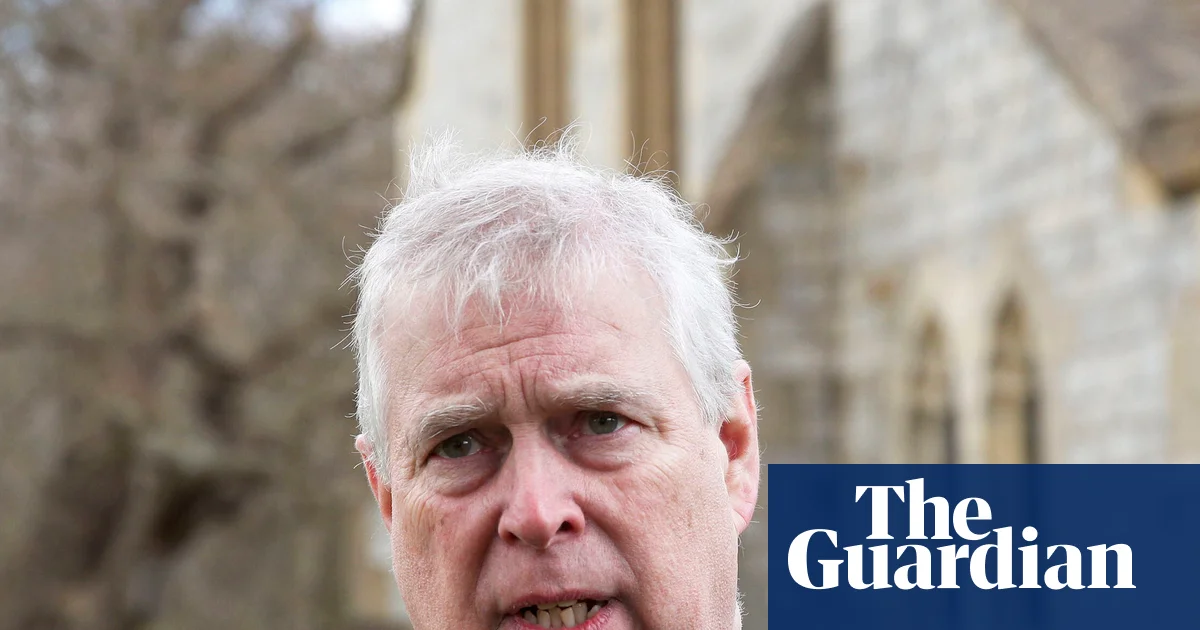
The decline of Prince Andrew symbolized more than just a royal scandal; it became a reflection of shifting societal values and the diminished trust in traditional symbols of authority. This year’s humorous jabs, crowned by a popular British joke questioning why Andrew isn’t writing Christmas books because “he hasn’t got any titles,” exemplify how cultural narratives adapt to the changing perception of monarchy and privilege. The joke’s resonance signals a broader cultural shift where aristocratic power complexes no longer hold the same sway, especially among the digital-savvy youth who demand accountability and transparency. According to internationalists and historians, this erosion of old-standing figures underscores a foundational transformation in how nations and their governing institutions are viewed—less as symbols of unchangeable heritage and more as entities subject to societal scrutiny.

Furthermore, the year saw a rise in sharp humor surrounding political figures like Angela Rayner and Nigel Farage, highlighting ongoing ideological conflicts within the United Kingdom. Such satire reflects the deep divisions that continue to shape the political climate, impacting everything from domestic reforms to international diplomacy. Meanwhile, international organizations have issued warnings about the potential for political polarization to escalate into instability, emphasizing how internal decisions in one country reverberate globally. The ‘cultural pandemic’ of satire encapsulates a collective anxieties about future governance, societal cohesion, and the preservation of traditional values amidst rapid change. Analysts argue that these jokes are not mere entertainment—they are a form of societal barometer, revealing the pulse of a transformed public consciousness seeking to redefine its future pathways.

On the global stage, external shifts—such as the ongoing impacts of international conflicts and negotiations—continue to realign alliances, affect trade routes, and challenge the sovereignty of nations. The delicate balance of power that once guaranteed stability is being renegotiated, with regional conflicts and coups threatening to plunge some areas into chaos while others forge new partnerships. For instance, the recent friction in Eastern Europe and next-level engagement by superpowers illustrate a climate of strategic uncertainty. International bodies like the UN and NATO are increasingly seen as ineffective or outdated, sparking calls among many nations for new alliances and a reevaluation of global governance. This tumultuous environment amplifies the stakes for democratic nations striving to protect their sovereignty and social orders, as the “great game” of geopolitics fuels economic uncertainty and societal strain worldwide.

As history continues to unfold on a grand scale, the tension between tradition and transformation persists. The scenes of politicking, cultural shifts, and international power plays echo through the corridors of power and within the streets of countless cities, leaving the world at a crossroads. The undeniably impact of these decisions resonates far beyond the headlines: they will shape not only the geopolitical map but the societal fabric of future generations. The weight of history presses down, as leaders and citizens alike navigate this treacherous, uncharted terrain—knowing full well that the story’s next chapter remains unwritten, its destiny still hanging in the balance of global choices and collective resolve.

Mark Carney strikes deal with Alberta on pipeline despite First Nations opposition

Canada’s Energy Shift: The High Stakes of the Alberta Pipeline Deal

In a move that signals a pivotal shift in Canadian geopolitics, Prime Minister Justin Trudeau and Alberta Premier Danielle Smith have announced an unprecedented energy agreement centered on the construction of a new heavy oil pipeline spanning from Alberta’s oil sands to the Pacific coast. This deal, brokered after weeks of tense negotiations, aims to facilitate increased oil and gas exports and promote an industrial renaissance in Alberta, yet it is fraught with political, environmental, and social challenges. Promoted as “Canada working,” the initiative underscores a strategic reorientation that could redefine the nation’s economic trajectory amidst confrontations over climate policy and Indigenous rights.

This agreement does not simply represent a pipeline project; it embodies a broader industrial transformation involving nuclear power and data center investments, with the federal government and Alberta claiming this as a step toward energy independence and economic revitalization. However, the move has ignited fierce opposition, with critics highlighting the environmental risks and indigenous sovereignty concerns. Notably, British Columbia and several First Nations communities along the coast have declared unequivocal rejection of the plan, citing environmental fears and violations of their constitutional rights. Indigenous leaders, including Marilyn Slett of the Coastal First Nations, emphasize that no economic payoff justifies risking ecological disaster, especially given their direct connection to oceanic ecosystems that could be compromised by tanker traffic and pipeline spills.

International organizations and analysts warn that this domestic shift could have profound geopolitical impacts. The lifting of existing moratoriums and exemptions from emissions caps threaten to undo years of climate commitments while risking regional stability. The deal also exposes the internal contradictions of Canadian policy—pledging to meet climate goals while expanding fossil fuel infrastructure—a paradox that many argue will have long-term consequences on global efforts to combat climate change. Moreover, the absence of interest from private investors signals deep uncertainties about the project’s viability, with many experts suspecting that public and political pressures will only intensify as opposition mounts.

Central to the unfolding drama are the voices of historians and international observers, who interpret these developments as a crucial flashpoint in the global energy debate. At the heart of the controversy lies a fundamental question: how will nations balance their economic ambitions with the urgent need for environmental stewardship and respecting indigenous sovereignty? As Alberta prepares to submit its proposal, and as entrenched opposition from First Nations threatens the project’s future, the decision looms large in history’s ever-unfolding narrative. Will political leaders heed the lessons of past resource conflicts, or will they forge ahead into a future where the weight of history’s judgement hangs heavy in the air? The world watches as Canada, a nation at the crossroads of economic growth and environmental responsibility, faces a defining moment—one that could echo through generations as either a beacon of energy independence or a cautionary tale of ecological hubris.

Tragedy strikes as fire claims at least 44 lives, hundreds still unaccounted for in tower blaze

Map that labels China, Hong Kong and Tai Po, highlighting Wang Fuk Court

Hong Kong Blaze Unfolds: A Tragedy with Broader Geopolitical Ramifications

The recent inferno engulfing the Wang Fuk Court housing complex in Hong Kong’s Tai Po district has shocked the international community and cast a spotlight on the city’s ongoing safety dilemmas amid rapid urban renewal. Involving more than 760 firefighters, the fire has claimed at least 44 lives, with hundreds still missing, and has sent shockwaves through a city famed for its dense high-rise architecture and unique blend of East-West integration. While local authorities scramble to contain the blaze and investigate its causes, analysts emphasize that this tragedy extends beyond immediate rescue efforts, revealing underlying tensions regarding urban infrastructure, safety standards, and the city’s overarching geopolitical identity.

At the heart of the incident is the controversial use of bamboo scaffolding—an aged construction method still prevalent in Hong Kong, despite efforts by local authorities to phase it out in favor of modern metal alternatives due to safety concerns. The bamboo scaffolding’s role in the rapid spread of the fire has raised suspicion, with preliminary evidence suggesting the flammable material may have exacerbated the blaze. The cause remains officially unconfirmed, but Hong Kong’s security secretary Chris Tang has alluded to possible suspicious activity, including the use of polystyrene to seal windows—a practice criticized for its fire hazards. This incident not only underscores the dangers of outdated construction practices but highlights the broader challenge Hong Kong faces in balancing tradition, safety, and urban resilience amidst ongoing political and social flux.

International organizations and Western analysts interpret the tragedy as a bellwether for Hong Kong’s evolving socio-political landscape—a city caught at the crossroads of greater integration with mainland China and its own distinct identity. Experts warn that the government’s ongoing push to modernize infrastructure, coupled with the lingering use of traditional building methods, could portend more crises unless comprehensive reforms are implemented swiftly. Xi Jinping, China’s paramount leader, expressed condolences and urged action to minimize further losses, reaffirming Beijing’s emphasis on maintaining stability and asserting greater control over Hong Kong’s civic infrastructure. Such signals underscore the emerging dynamic: Hong Kong, once a global financial hub, increasingly finds itself entangled in a geopolitical chess game where safety incidents are viewed through the lens of sovereignty and national security.

Shifting Tides and Lingering Shadows

The fire at Wang Fuk Court is not an isolated event—it echoes a tragic history of urban fires, with the city facing a comparable high-rise catastrophe 17 years ago at Cornwall Court. Such recurrent incidents symbolize a city grappling with modernization while attempting to preserve its identity amid political upheaval and economic transformation. Historian and urban safety analysts note that these disasters expose vulnerabilities inherent to dense urban environments, where outdated building materials and methods clash with contemporary safety standards.

Furthermore, the incident exposes societal rifts—many residents, primarily elderly, faced peril without timely alarms or evacuation assistance. Amid ongoing debates about the adequacy of emergency protocols and infrastructure, the broader geopolitical impact becomes clear: Hong Kong’s internal struggles over safety and sovereignty manifest as a microcosm of its complex relationship with Beijing. As authorities debate solutions, including replacing bamboo scaffolding with safer materials, the city’s future hangs in precarious balance, weighed down by history and the relentless march of progress.

As darkness falls over the smoldering ruins of Wang Fuk Court, the echoes of this tragedy resonate far beyond the borders of Hong Kong. The flames threaten to ignite a larger debate—one that questions the very fabric of urban life in a city where tradition and modernity collide, and where every decision could tilt the delicate scales of stability. In this unfolding chapter of history, the world watches with bated breath, knowing that the outcome of this crisis could redefine the narrative not just of a city, but of a generation seeking to reconcile the scars of yesterday with the promise of tomorrow. The flames are dying down, but their legacy is only just beginning to flicker across the pages of history, waiting for the next act to be written in the ongoing saga of urban resilience and geopolitical authority.

Four Killed in Nighttime Strikes on Neighborhoods—A Wake-Up Call for Our Streets

The recent surge in hostilities between Russia and Ukraine underscores the volatile state of Eastern Europe’s geopolitical landscape. Overnight drone strikes launched by both nations have resulted in tragic casualties and widespread destruction, highlighting a relentless cycle of violence that threatens regional stability. Kyiv reported a “massive” Russian drone assault targeting the Ukrainian capital, causing fatalities, injuries, and damaging critical infrastructure. Meanwhile, Moscow’s accusations of Ukrainian strikes in the Rostov region reveal how this conflict has expanded beyond conventional borders, with civilian lives caught in the crossfire.

This deteriorating situation follows palpable shifts in diplomatic negotiations. Ukrainian President Volodymyr Zelensky welcomed proposed modifications to a controversial 28-point peace plan brokered with the backing of the United States. However, these adjustments were swiftly dismissed by the Kremlin as “completely unconstructive,” exposing deep fissures in the international effort to forge a sustainable resolution. Analysts from the International Crisis Group warn that such dismissals portend a scenario where diplomatic efforts remain deadlocked, prolonging the suffering on the ground and entrenching divisions among allies.

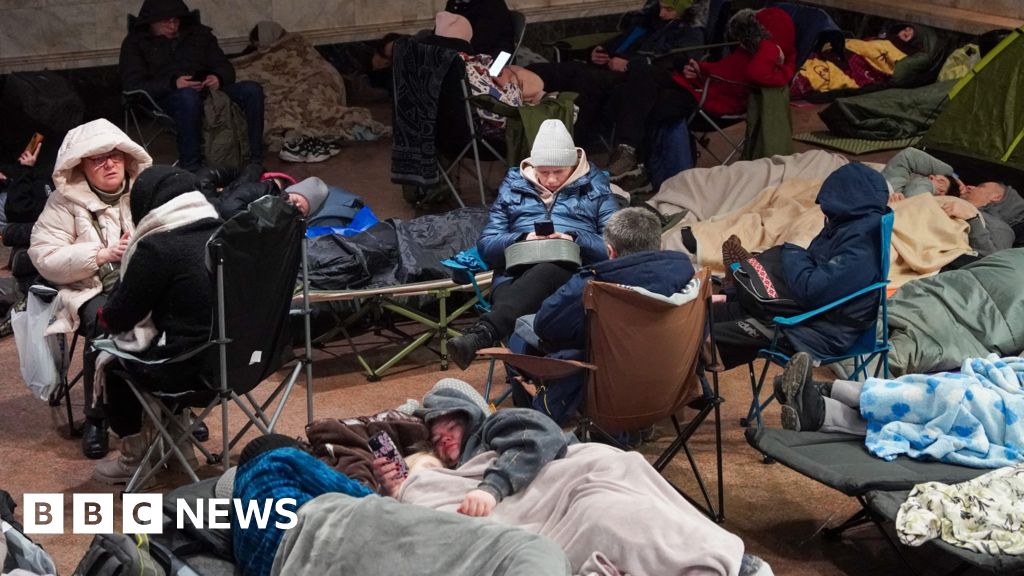
Furthermore, the recent attacks underscore how disrupted energy and civil infrastructure amplify the war’s toll on societies. Kyiv’s authorities have reported multiple residential high-rises ablaze, with emergency services evacuating countless residents amidst ongoing threats. Ukraine’s energy ministry announced a “massive, combined enemy attack” targeting vital electrical and water supplies, a move that risks plunging the nation into deeper hardship during winter. These actions reflect not just military strategies but also a calculated effort to undermine Ukraine’s resilience, a move widely condemned by global observers. The impact of such destruction reverberates beyond immediate casualties, threatening to destabilize civilian life, hinder recovery, and test the endurance of the Ukrainian people.

On the geopolitical stage, the events illuminate how Russia and Ukraine serve as pivots in a broader contest involving Western allies and Eastern powers. US policymakers, including White House spokesperson Karoline Leavitt, express cautious optimism about the diplomatic process, citing hope that a comprehensive plan may eventually materialize. Yet, historical analysts warn that the war’s escalation, combined with entrenched national interests, could entrench a protracted conflict with unpredictable outcomes. Some experts interpret this turmoil as a pivotal moment—the potential for a breakthrough or the slide into further chaos—hinges on external diplomatic finesse and internal resolve.

As the frontlines continue to shift and the war’s toll mounts, the international community faces a profound moral and strategic dilemma. The story unfolding in Ukraine is not just a regional conflict but a defining chapter in the 21st century’s geopolitical narrative. Each decision, each strike, and each diplomatic gesture writes a new line in the chronicles of history—an unfolding drama where the weight of nations and the hopes of millions hang precariously in the balance. The shadows of this crisis threaten to shape the landscape of global power, with consequences echoing long after the fighting ceases, leaving future generations to grapple with the scars of today’s choices, while the world watches in tense anticipation of what tomorrow may bring.

Israeli strikes hit Gaza, killing 25 Palestinians—health officials report

Gaza Crisis Reignites as Violence Escalates

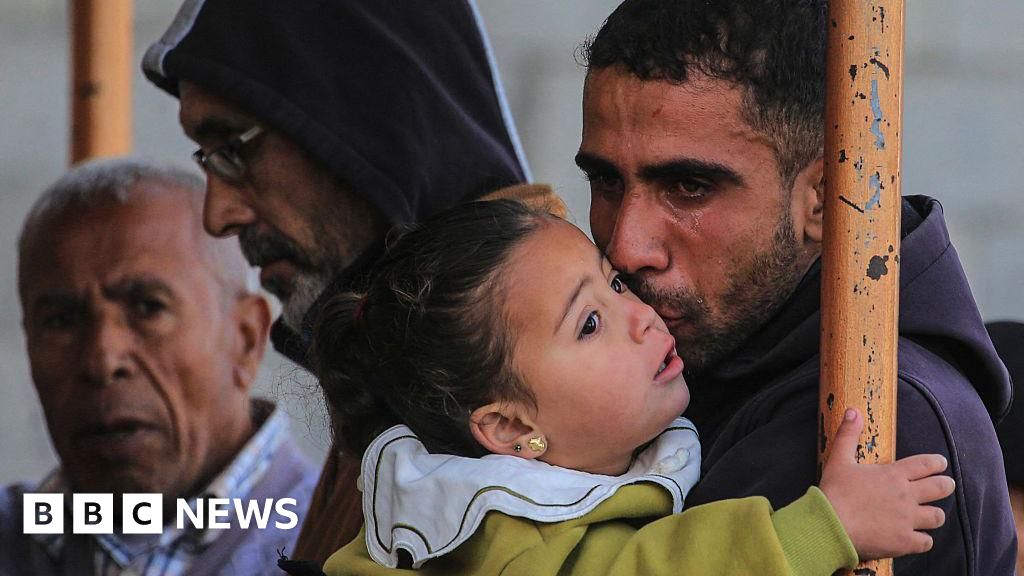
The Gaza Strip has once again become a battleground after recent Israeli strikes resulted in the deaths of at least 25 Palestinians. The Hamas-run health ministry reports that the devastation has struck multiple locations across Gaza, with a particularly tragic attack on a religious endowments building in the eastern Zeitoun neighbourhood, which claimed ten lives, including a woman and a young girl. The strikes, which involved air, drone, and artillery fire, mark a stark escalation in violence after days of relative calm. As images of rubble and fallen children circulate worldwide, the international community faces the grim reality that the ongoing conflict is far from over.

According to Hamas, the escalation was triggered when Israeli forces responded to gunfire from militants in Khan Younis, a southern city where Israel accuses militants of violating the five-week ceasefire agreement. The Israeli military justified its actions by claiming it struck “Hamas terrorist targets,” targeting commanders within the terror organization’s military wing, the Izz al-Din al-Qassam Brigades. Yet, the geopolitical impact of this renewed violence extends beyond Gaza, threatening to destabilize a fragile regional situation. Analysts warn that the cycle of retaliation risks engulfing neighboring states and complicates prospects for a lasting peace agreement. The international community, led by the United Nations, remains divided—while some members endorse specific peace initiatives, others warn that ongoing violence only deepens the already entrenched divisions.

In the wake of this violence, the United Nations Security Council passed a resolution aimed at stabilizing the region. This resolution endorses US President Donald Trump’s recent Gaza peace plan, which envisions the creation of a transitional governance body called the Board of Peace and a temporary International Stabilisation Force. The proclaimed goal is to “demilitarize the Gaza Strip” and pave the way for peace. President Trump hailed the resolution as “a moment of true historic proportion”, framing it as a breakthrough. However, Hamas remains resolute, emphasizing that it will only relinquish its weapons if a Palestinian state is established, framing the conflict as a legitimate act of “resistance” against occupation. Meanwhile, Israel’s ambassador to the UN warns that disarmament is non-negotiable, promising that Israel “will not stop or let up” until Hamas is disarmed entirely. The ongoing hostilities underscore how decisions made in international corridors can have real, devastating consequences on the ground.

The recent flare-up comes against a backdrop of profound loss: over 69,500 lives have been lost in Gaza since the Israeli offensive began, with hundreds more killed in the recent ceasefire period. The Israeli response was triggered by the Hamas-led attack on southern Israel that resulted in approximately 1,200 deaths and over 250 individuals taken hostage. These events underscore the deep-rooted hostility and unresolved grievances that continue to fuel violence. How history judges these decisions—whether as necessary defense or unjust escalation—will shape the future of the region and its people for decades to come.

As the conflict in Gaza persists, the weight of history presses heavily on the present, with each new escalation threatening to plunge the region into yet another cycle of destruction. With global powers divided and regional actors entrenched, the international community faces an urgent choice: pursue diplomatic pathways to peace or witness the ongoing tragedy unfold, chapter by chapter. The unfolding story—the fight for sovereignty, survival, and security—reminds the world that history remains unfinished, and the decisions of today will ripple through generations to come.

Social Media Auto Publish Powered By : XYZScripts.com