Matox News

Truth Over Trends, always!

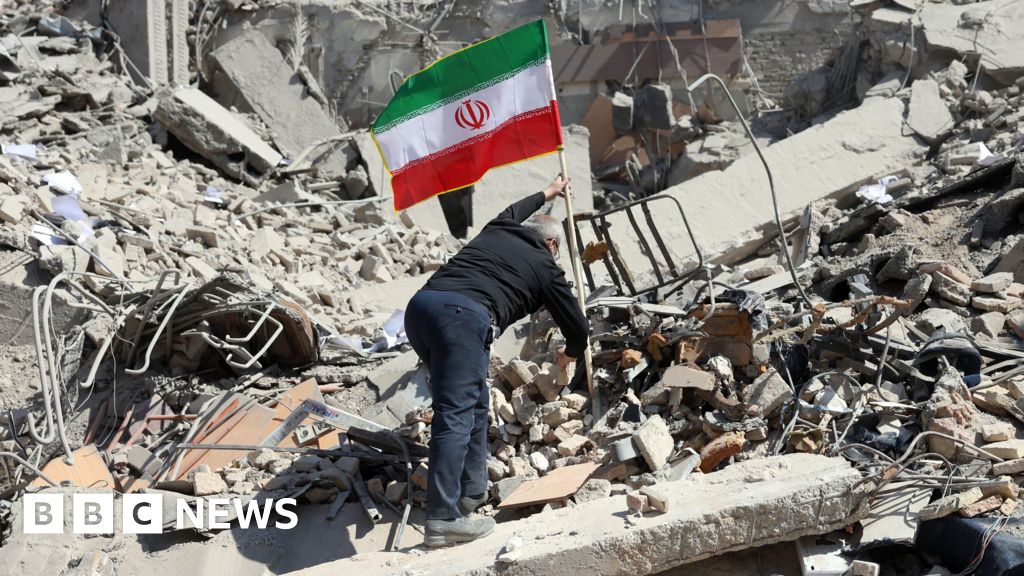
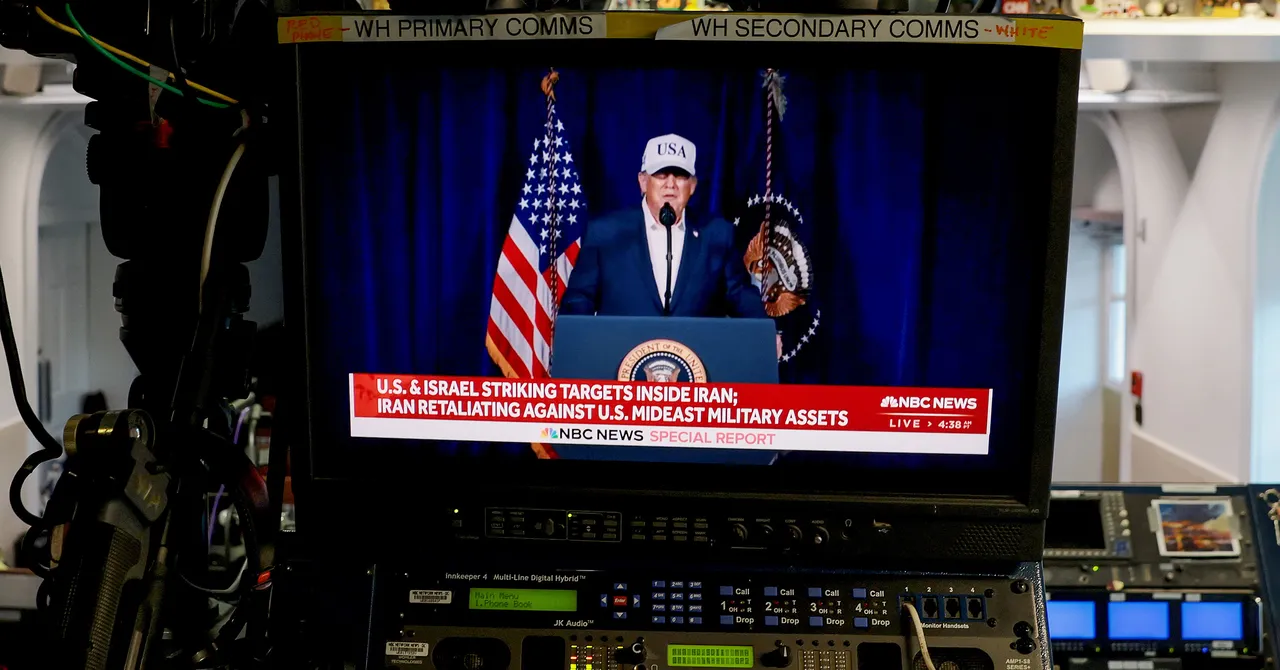
Iran blasts US and Israel for strikes that killed 108 students—who's really responsible?
Iran blasts US and Israel for strikes that killed 108 students—who’s really responsible?

Emerging Uncertainty as US and Israel Silence on Recent Strike Near Military Installations

In an unfolding situation that has captured international attention, the United States and Israel have yet to officially confirm their involvement in a recent strike targeting a locale positioned near elite military troops. The incident, which reportedly took place in a strategic area, has raised numerous questions about the geopolitical ramifications of covert military actions in an already volatile region. While details remain murky, the absence of formal statements from key allies underscores a broader pattern of ambiguity that pervades modern conflicts—where the line between deniability and deliberate signal is often blurred.

This silence by Washington and Jerusalem fuels speculation about the degree of coordination and strategic intent behind such military operations. Analysts suggest that this could be a calculated move aimed at testing regional reactions or sending a discreet message to adversaries without escalating to full-scale confrontation. As noted by geopolitical experts and seasoned historians alike, covert actions often serve as a form of strategic ambiguity, allowing powerful actors to maintain leverage while avoiding immediate diplomatic fallout. The incident comes at a time of heightened tensions in the broader Middle East, where proxy conflicts, political upheavals, and international rivalries continue to shape the landscape.

The geopolitical impact of this event extends beyond the immediate region, with repercussions rippling through global alliances and security frameworks. The United Nations and numerous international watchdogs have expressed cautious concern, emphasizing the need for clarity and restraint. Yet, it is clear that decisions made in backrooms—or through clandestine military strikes—carry profound implications for how nations calibrate power, sovereignty, and security. Historically, similar covert interventions have often led to prolonged instability, as seen in the conflicts of the past where blurred lines between war and diplomacy have resulted in unintended consequences.

Renowned analysts and historians warn that this silence could presage a new era of plausible deniability and strategic unpredictability, which tend to destabilize already fragile peace accords. The absence of transparent communication complicates efforts for diplomatic resolution, potentially pushing the region toward further escalation. As diplomatic channels remain clogged and global powers weigh their responses, the world is left to wonder: are we witnessing a calculated escalation or the quiet prelude to a larger, more destructive conflict? In an era where information is weaponized and regional stability fragile, the choices made today will inevitably shape the course of history—leaving a trace in the annals of international diplomacy that will be studied for generations to come.

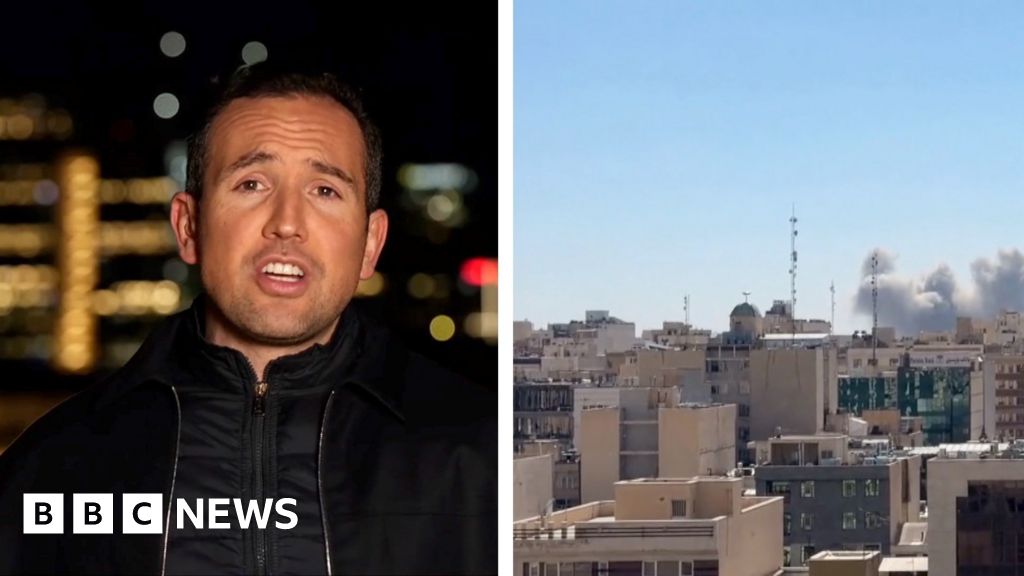
X Faces a Surge in Disinfo After U.S. and Israeli Strikes on Iran

Disinformation and Digital Warfare: The New Frontier of Geopolitical Disruption

The recent escalation between the United States, Israel, and Iran underscores a new era where technological innovation amplifies geopolitical conflicts, transforming both information dissemination and strategic dominance. As disruptive digital platforms become battlegrounds for truth and influence, the implications for business, security, and public perception are profound. Companies like X (formerly Twitter), under the stewardship of Elon Musk, are increasingly vectors for both real-time information and disinformation, blurring the lines between fact and falsehood, with tangible global consequences.

During this volatile period, the platform has been flooded with claims—many false—regarding the scope and scale of military actions. A trend identified by industry analysts indicates that *almost all viral disinformation* during recent conflicts originates from verified accounts behind high-profile subscriptions. These ‘blue check’ accounts, often incentivized by monetization models based on engagement, have inadvertently or deliberately amplified false narratives. This scenario typifies a broader shift in digital influence markets, where *accuracy is sacrificed for virality*, severely undermining public trust and strategic stability.

From a business perspective, the **disruption** extends beyond misinformation. AI-generated imagery, as flagged recently by independent intelligence analysts, is being used to craft convincingly false but highly impactful content—such as fabricated images of destroyed radar systems or missile strikes—posing new threats to cybersecurity protocols and market stability. As Gartner highlights, *the capacity for AI to create deepfakes and false narratives accelerates the speed at which misinformation can influence investor sentiment and geopolitical power balances*. Companies that can develop advanced verification technologies or AI-driven authenticity checks will ‘own’ the future of trustworthy digital engagement, creating substantial business opportunities amid these challenges.

The emerging landscape demands a forward-looking approach rooted in disruption-driven innovation. Institutions like MIT are advancing research on AI and blockchain-based verification systems to combat the proliferation of false content. Meanwhile, influential figures like Peter Thiel warn that failing to address these issues could lead to a breakdown in informational sovereignty, with nations, corporations, and citizens becoming pervasively vulnerable to manipulation. The strategic takeaway is that **control over digital narratives** has become as vital as military or economic strength in shaping global outcomes**. The urgency is clear: develop resilient, transparent, and innovative tech solutions now—or risk losing credibility and strategic advantage in an epoch where information warfare defines victory.

In summation, the convergence of technological disruption and geopolitical conflict signals a paradigm shift with significant business and security implications. As **AI, misinformation, and social media platforms** intertwine to influence global events, the call to action for innovators, policymakers, and entrepreneurs is to harness cutting-edge solutions that safeguard truth and foster strategic stability. The window for proactive innovation is closing fast. The future belongs to those who can master the digital battlefield not just with weapons, but with relentless ingenuity in information integrity and technological resilience. In this high-stakes arena, time is of the essence—disruption is inevitable, but control over the narrative remains within reach for the technologically prepared.

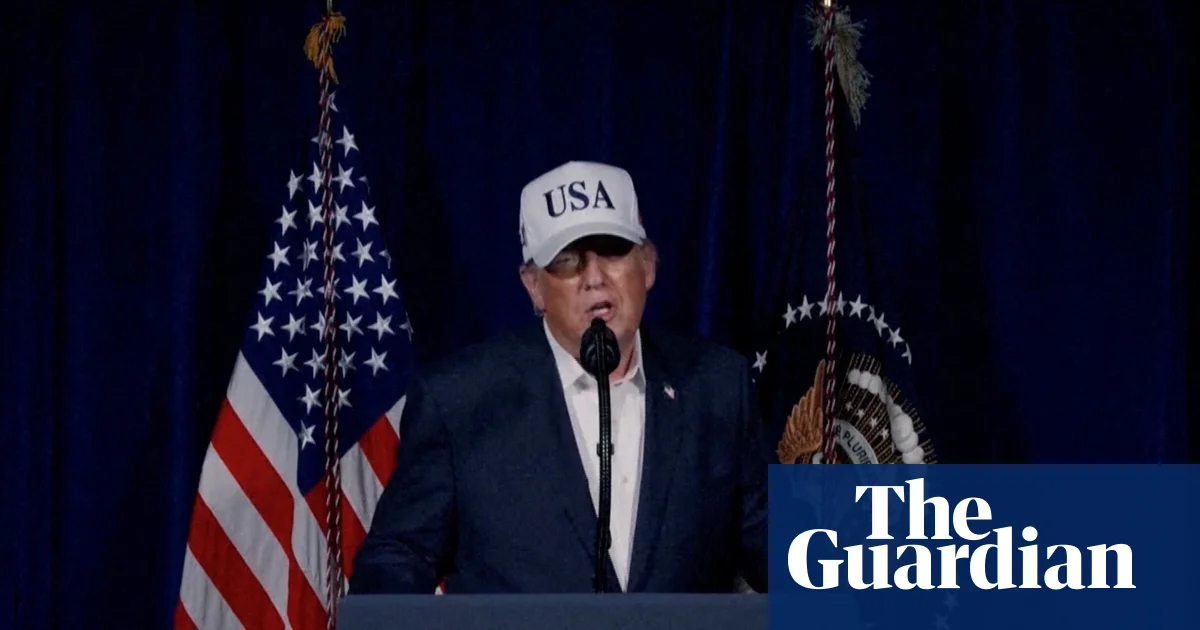
US Lawmakers Blast Trump for Iran Strikes: Unlawful War Acts, Say Congress Not Briefed

Controversial U.S. Military Action Against Iran: A Turning Point in Middle East Dynamics

The recent military strikes conducted by the United States on Iran have ignited a fierce debate among American policymakers, international analysts, and global observers. The operation, which reportedly targeted Iran’s nuclear facilities, was carried out without prior congressional approval, raising serious concerns over the constitutional authority and the war powers resolution of 1973. This statute was specifically designed to prevent presidents from engaging in unauthorized military activities, especially without consultation or notification to Congress. The administration’s decision not to inform key lawmakers, including the so-called “gang of eight,” has exacerbated tensions, fueling accusations of overreach and unilateralism at a critical moment.

From a geopolitical impact perspective, the strike marks a dramatic escalation in the US’s approach to Iran, a nation long regarded as a strategic adversary in the Middle East. While President Trump and his officials have justified the action as a necessary response to Iran’s regional influence and nuclear ambitions, critics argue that this move risks sparking a wider regional conflict. As historian Robert Kaplan warns, such operations could destabilize the fragile balance of power in the Middle East, potentially igniting proxy wars that threaten broader global security. Prominent voices, including members of Congress from both parties, have called for urgent accountability. Democratic senator Tim Kaine and Republican representative Thomas Massie have emphasized that, without congressional approval, such military activities undermine constitutional checks and balances, and could set a dangerous precedent in US foreign policy. Moreover, international organizations like the United Nations have criticized uncoordinated acts of war, urging clarity and adherence to international law in conflicts involving sovereign nations.

Within **domestic politics**, the controversy deepens, with voices across the spectrum questioning the administration’s transparency and strategic vision. The comparison to previous war efforts, especially the 2003 invasion of Iraq rooted in false intelligence about weapons of mass destruction, remains fresh in memory. Many analysts argue that Trump’s latest actions resemble an overzealous pursuit of military dominance without clear objectives, risking another prolonged conflict under questionable justification. The debate highlights a broader ideological divide about America’s role on the world stage — with some champions of intervention heralding the strikes as a decisive shift towards eradicating global terror sponsors, while opponents see it as reckless and unnecessary escalation that jeopardizes American security and international norms.

This unfolding chapter of history leaves the world watching with bated breath, as alliances are tested, and nations brace for possible repercussions. As Iran vows to retaliate, and other regional actors reassess their strategic calculations, the incident underscores a profound truth: every decision made in America’s war rooms today echoes across the ages, shaping the geopolitical landscape for generations to come. With each passing hour, the weight of history presses down — a stark reminder that the path to peace is often marred by the shadows of conflict, and the choices of leaders today may well define the future of the Middle East, and indeed, the world itself.

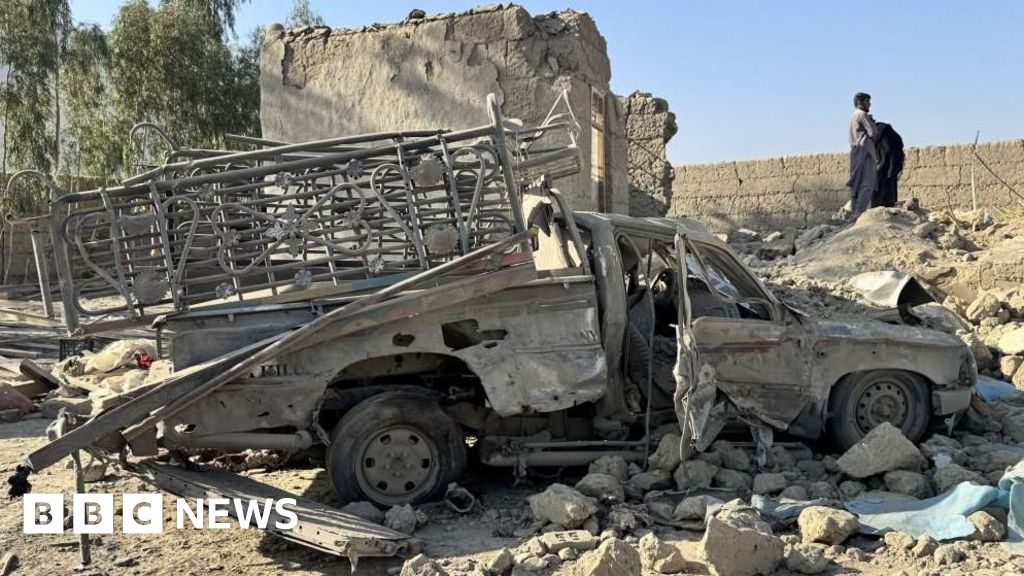
Pakistan strikes Afghanistan; Taliban reports dozens dead amid rising tensions

In a swift and forceful response, Pakistan announced that its military conducted targeted strikes in regions they allege harbor insurgents responsible for recent terrorist activities. The Pakistani government characterized these actions as an act of retaliation for the devastating suicide bombings that recently struck the nation. This escalation highlights the ongoing and deeply complex security challenges faced by South Asian nations amidst rising extremism and unresolved regional tensions.

According to statements from Pakistani authorities, the military launched air and ground operations ostensibly aimed at dismantling militant hideouts in border areas adjacent to Afghanistan. These operations underscore the persistent instability within Pakistan’s tribal regions, where militants often take refuge and orchestrate attacks across the border. Analysts note that Islamabad’s calculus appears rooted in a desire to project strength and deter future assaults, while critics warn of the risk of broader escalation in a volatile geopolitical landscape.

This confrontation has significant geopolitical impact, as regional powers watch closely, wary of the potential for renewed conflict to spill beyond national borders. International organizations, including the United Nations and regional players like India, have expressed concern over the cross-border tensions. Historically, these areas have been a flashpoint for instability, complicating diplomacy and peace initiatives that seek lasting resolution. Experts argue that such military responses, while perhaps pragmatic or necessary from a security perspective, often risk intensifying a cycle of violence that hampers diplomatic progress.

Leading international analysts and academicians caution that, without comprehensive strategies addressing the root causes of militancy and socio-economic grievances, conflicts like these threaten to deepen divisions within societies and destabilize neighboring nations. The decision by Pakistan to escalate military action thus marks a pivotal moment, illustrating how countries under threat must balance the imperatives of security with the broader goal of stability. As history continually unfolds in this troubled region, the world remains captivated — and cautious — about whether this cycle of violence will eventually give way to dialogue or descend further into chaos.

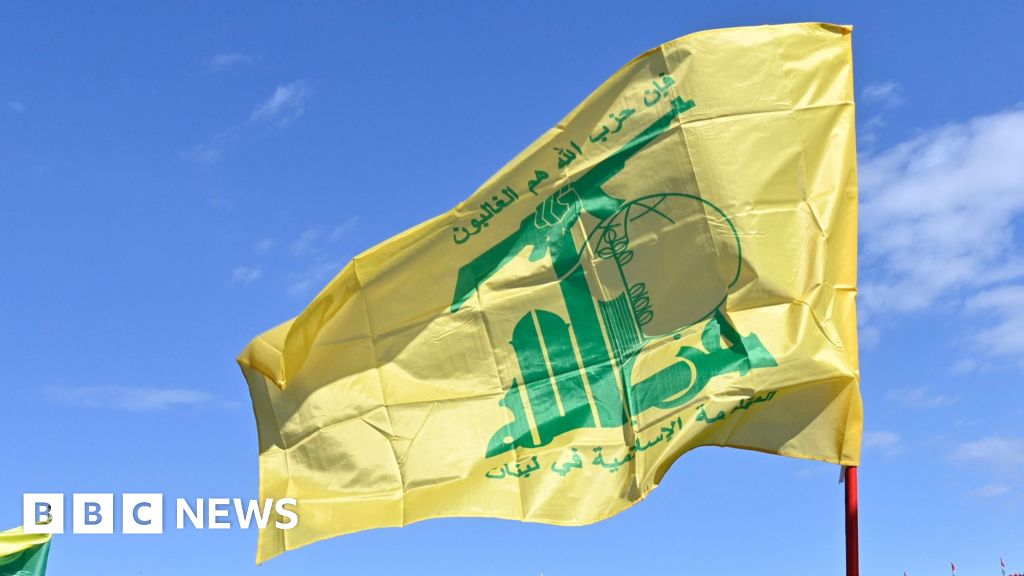
Lebanese Civilians Hit by Israeli Strikes as Tensions Rise

The recent escalation of military activity in Lebanon has taken a significant turn, as reports confirm that a senior Hezbollah official was among those killed in airstrikes targeting the Bekaa Valley and southern Lebanon. This development signals a notable intensification in the ongoing regional conflict, raising urgent questions about the future stability of Lebanon and its implications for broader Middle Eastern geopolitics. The strikes, which struck at the heart of Hezbollah’s operational zones, underscore the growing involvement of external powers, notably Israel and potentially allied nations, in Lebanon’s volatile landscape.

Historically, Hezbollah has been a formidable actor within Lebanon, wielding considerable influence that extends beyond mere military might to include political and social dominance. The loss of key figures within its ranks, particularly senior officials, could significantly weaken its organizational capacity and alter the power balance within Lebanon. Such actions, analysts warn, might ignite an even more intense cycle of violence, with ramifications resonating across regional borders. International organizations, including the United Nations, have reiterated calls for restraint amid fears that this cycle of escalation could spiral into a wider conflict involving multiple regional actors.

In the broader context, this airstrike underscores a shift in regional dynamics whereby external interventions seem increasingly designated to curb Hezbollah’s influence, which states and analysts often describe as a significant destabilizing force. One key turning point has been the rising tension over Iran’s backing of Hezbollah, viewed by many Western and regional powers as the primary catalyst for the militia’s sustained military capacity. The chances of this incident triggering a broader confrontation are compounded by the fact that Lebanon remains fragile—economically devastated, politically fractured, and highly susceptible to external pressures. Historians warn that past conflicts in Lebanon demonstrate how external interventions tend to escalate asymmetric warfare, jeopardizing civil peace and prolonging instability.

The geopolitical impact of this event cannot be overstated. It signals potential shifts in alliances—particularly concerning Israel’s strategic posture in the region, which has long viewed Hezbollah as a primary security threat. In response to recent developments, regional powers are watching closely, aware that such incidents could serve as precursors to larger conflicts. Meanwhile, international actors such as the United States have called for restraint, cautioning against actions that could deepen regional chaos. The turning point in Lebanon’s ongoing struggle exemplifies how narrower conflicts can cascade into broader regional crises, impacting global stability.

Crucially, the death of a senior Hezbollah figure leaves scars that could be felt beyond Lebanon’s borders, echoing in geopolitical chessboards far from Beirut. As history’s pages continue to turn, nations watch anxiously—aware that each decision, each strike, carries the weight of the future. The unfolding story in Lebanon remains a stark reminder of how fragile peace is in a region where the stakes are nothing less than the fate of entire societies—left to be shaped or broken by the relentless tides of history currently in motion and yet to come.

Trump threatens strikes, demands Iran’s deal within 15 days — US warns Tehran

Rising Tensions and Strategic Movements: US Preparedness in the Middle East

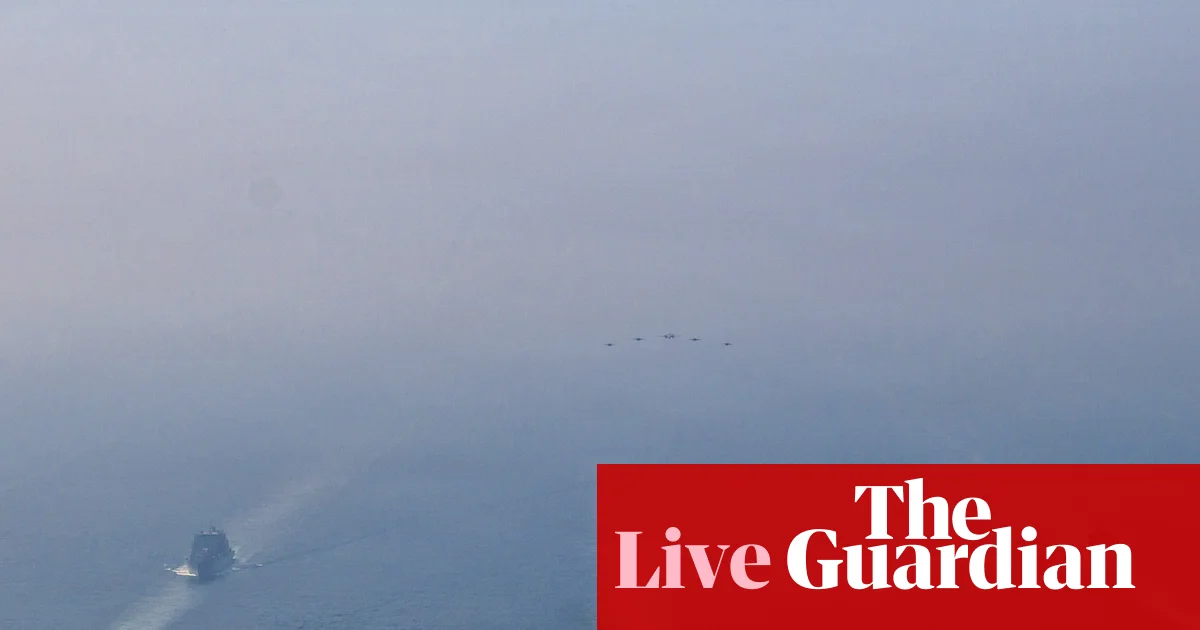
In a clear demonstration of shifting geopolitical tides, the United States has amassed an unprecedented military presence in the Middle East. The deployment of the USS Abraham Lincoln aircraft carrier, along with an entire strike group equipped with F-35 Lightning IIs and F/A-18 Super Hornets, signals a readiness to escalate military options against Iran. For nearly a month, these naval forces have operated in the Arabian Sea, indicating a deliberate strategic posture aimed, analysts suggest, at exerting maximum pressure on Iran. Complementing this buildup, a second carrier, the USS Gerald R Ford, has been positioned in the Atlantic near Morocco, scheduled to traverse the Strait of Gibraltar en route to the eastern Mediterranean—a move that signals a potential for sustained air campaigns against key targets.

This military reinforcement coincides with recent comments by Donald Trump, publicly asserting a two-week ultimatum for Iran to negotiate on its nuclear program. Sources reveal that high-level discussions in Washington have circled around not only limited strikes targeting military or governmental sites but also the possibility of larger-scale operations aimed at dismantling Iran’s nuclear capabilities or even precipitating regime change. Military strategists within the Pentagon have emphasized that these carrier strike groups could generate “several hundred strike sorties a day for weeks,” exceeding even the intensity seen during the brief 12-days war in the Gulf. The precise intentions remain under wraps, yet the message to Tehran is unmistakable: the U.S. is prepared for a decisive escalation if diplomatic efforts falter.

Global Repercussions and the Balance of Power

The geopolitical impact of this military posturing extends far beyond regional borders. Historically, the presence of such formidable naval forces signifies more than mere deterrence; it signals America’s unwavering commitment to safeguarding its strategic interests and allies, particularly Israel. According to analysts from institutions like the Institute for the Study of War and the American Enterprise Institute, the deployment of forces—combined with intelligence movements such as the transfer of six E-3 Sentry Awacs aircraft to Prince Sultan Airbase in Saudi Arabia—indicates a readiness to launch an extensive aerial campaign. This potential for rapid escalation could destabilize the region further, risking wider conflict or drawing previously uninvolved nations into the swirl of wartime politics.

Notably, some military experts warn that the mere show of force might inflame tensions rather than resolve underlying issues. Several senior analysts contend that, given Iran’s robust underground facilities and asymmetric warfare strategies, conventional bombing could prove less effective and more destructive of regional stability. Yet, the Biden administration’s continued military buildup, reminiscent of the post-Iraq invasion surge, hints at an underlying resolve to influence Iran’s nuclear trajectory through maximum pressure. The broader geopolitical ripple effect will likely be felt across energy markets, NATO alliances, and the global balance of power, as nations recommit to the narrative of American dominance and interventionism.

Historical Warnings and the Fragile Path Forward

According to historians and diplomatic experts, the prolonged cycle of threats and military movements carries profound warnings. Since the 2003 Iraq conflict, the Middle East has been a theater where power decisions ripple into prolonged instability—consequences that nations and societies continue to grapple with. The current show of force, framed by some as a “prelude to conflict,” echoes Cold War dynamics and raises questions about the efficacy of military solutions in a complex geopolitical landscape. International organizations have urged restraint, concerned that an ill-judged attack could unleash chaos, destabilize nuclear negotiations, and threaten global energy supplies.

As the world watches the unfolding drama, the weight of history remains heavy on the horizon. Whether diplomatic negotiations will succeed or whether the specter of war will deepen, the decisions made today could define an era. With each carrier deployment and political declaration, a new chapter in the ongoing contest for influence is written—one where the boldest actions might yet carve a scar on history’s fabric, a reminder that in international politics, peace is often a fragile vessel, easily shattered by the weight of impending war.

Etsy strikes big, sells Depop to eBay for $1.2B—youth culture goes mainstream

eBay’s Strategic Acquisition of Depop Signals Industry Disruption and Innovation

In a move set to recalibrate the landscape of online secondhand fashion, eBay announced the acquisition of Depop from Etsy for $1.2 billion in cash. This strategic deal underscores a notable shift within the e-commerce sector, emphasizing the importance of innovative, social-focused marketplaces appealing to Gen Z and millennial consumers. As widespread digital disruption continues to reshape consumer behavior, eBay’s move to acquire a highly social, community-driven platform signals its ambition to dominate the lucrative pre-loved fashion niche—an area experiencing unprecedented growth and innovation.

Depop’s Rapid Growth Highlights the Power of Innovation and Disruption

Founded in 2011, Depop has emerged as a trailblazer within the resale economy, generating an impressive $1 billion in gross merchandise sales in 2025. Its appeal to Generation Z—more than 90% of its active buyers under 34—and its vibrant community of over three million active sellers, underscore its position as a disruptive force in fashion retail. Unlike traditional marketplaces, Depop leverages social networking features, fostering a sense of community and purpose around sustainable consumer practices—an approach that resonates profoundly with the values of younger generations. Industry analyst firms like Gartner have highlighted how this social-commerce convergence is redefining e-tailing, and suppliers like MIT are exploring new paradigms of virtual community engagement as the future of commerce.

Furthermore, Depop’s year-over-year growth rate of nearly 60% in the U.S. demonstrates the disruptive potential of niche, community-centric platforms in a saturated market. This growth reflects a broader trend — consumers increasingly favor sustainable, unique fashion choices made through social platforms that foster authenticity and personal expression. While traditional retail models face pressure from digital transformation, innovative resale platforms are capitalizing on this market shift, disrupting longstanding dominance of fast fashion giants.

Business Implications and Future Industry Trends

The divestment by Etsy signals a broader strategic shift among online marketplaces towards specialization and targeted growth. By focusing solely on its core platform, Etsy aims to deepen its market penetration, emphasizing handcrafted and niche goods, as Kruti Patel Goyal indicated. Conversely, eBay’s acquisition of Depop positions it at the forefront of this social-driven resale revolution, with the potential to leverage its existing scale and infrastructure to accelerate Depop’s global expansion.

This move exemplifies the ongoing disruption in the online marketplace ecosystem, where traditional players are acquiring niche platforms to innovate and stay competitive. According to analysts from Gartner, such M&A activity reflects a recognition that in the age of digital capitalism, speed and innovation are critical for survival, and the ability to tap into younger, digitally-native audiences is a game-changer.

Looking ahead, industry experts warn that others must follow suite or risk obsolescence. The exponential growth of social e-commerce, bolstered by advances in AI, virtual communities, and immersive tech, will define the next wave of market disruption. As Elon Musk and Peter Thiel have often emphasized, the companies that invest early in innovative models—like social marketplaces and niche resale platforms—will control the future. The race is now on for legacy players and disrupting newcomers alike to harness these technological shifts and capture the lucrative, fast-evolving demographic landscape.

Conclusion: Urgency for Tech Innovators in the Face of Disruption

This latest deal exemplifies the relentless pace of innovation in digital commerce and underscores the importance of disruption for strategic advantage. With Gen Z and millennial consumers driving demand for authentic, community-driven shopping experiences, the companies that adapt swiftly will shape the industry’s future. As the landscape continues to evolve with emerging technologies and changing consumer behaviors, the imperative for agility, innovation, and strategic foresight becomes clear. The coming years will be decisive in defining the next generation of tech giants—those willing to disrupt, innovate, and lead the charge into the new economy.

US military: 11 killed in strikes on suspected drug boats—tough crackdown continues

In recent months, a disturbing wave of violence has emerged across parts of Central and South America, with reports indicating that more than 130 individuals have been killed in supposed “narco-trafficking operations” allegedly spearheaded by the United States. These actions, which have been characterized by some analysts as aggressive counter-narcotics campaigns, are raising serious questions about their legal, ethical, and geopolitical implications. The toll on local communities and political stability underscores a critical juncture for regional sovereignty and international law.

International observers and regional authorities are divided in their responses. While some praise the efforts to combat drug cartels that threaten societal order, others caution against the overreach of foreign military and law enforcement agencies that risk violating national sovereignty. According to renowned geopolitical analysts, these operations could serve to destabilize governments, exacerbate existing violence, and foster anti-American sentiment that may ripple throughout Latin America. The U.S. government asserts that its actions are necessary to dismantle powerful criminal networks, yet critics argue this approach often results in unintended humanitarian consequences and undermines local legal processes.

From a broader perspective, the geopolitical impact of this escalation extends beyond regional borders. By engaging in aggressive anti-drug campaigns, the United States may be unintentionally fueling a narrative of interventionism that hampers diplomatic relationships with other emerging powers, such as China and Russia. International organizations like the United Nations have called for a *comprehensive, multilateral approach* to narcotics control—yet, many argue that unilateral military actions, cloaked as anti-drug efforts, undermine the very foundations of international cooperation. Historically, such strategies have often led to a cycle of violence and instability, revealing the inherent risks of substituting diplomatic solutions with force.

As histories of past conflicts remind us, the true turning point lies in understanding the complex socio-economic roots of narcotics trafficking and addressing them through sustainable development and law enforcement reforms. The growing death toll and accusations of extrajudicial killings serve as a stark warning: the pursuit of a drug-free society cannot justify disregarding human rights or sovereignty. Nations across the world watch eagerly, aware that each decision made today could shape the future stability of entire regions. The story of these violence-laden campaigns is still unwritten, yet its current chapters echo through halls of international authority—a testament to the enduring, often tragic, struggle of nations to forge peace amid chaos and to define their destiny amid the shadows of unresolved conflicts.

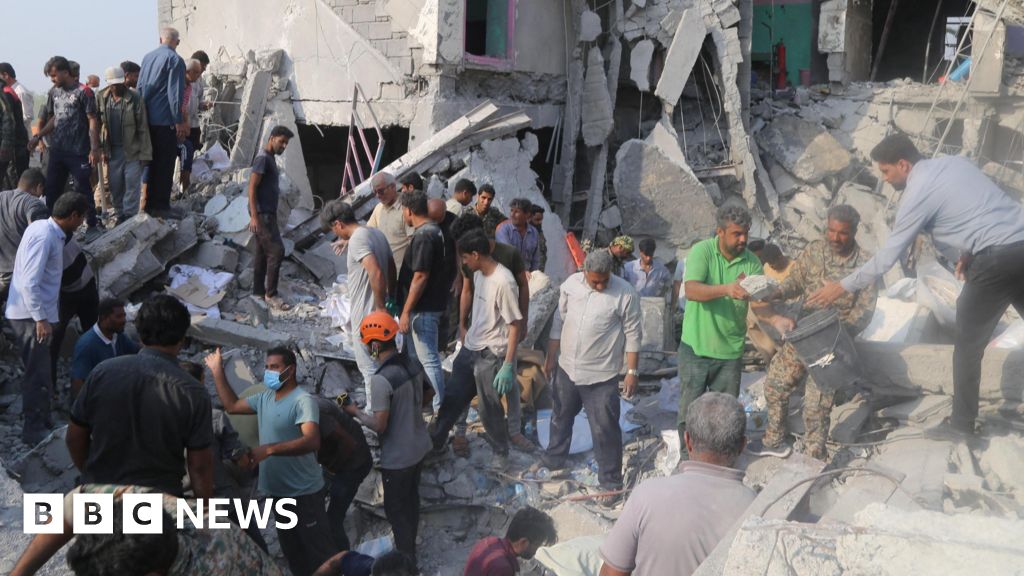
Eleven Dead in Gaza Strikes as Rescuers Respond

The Palestinian Red Crescent has reported a devastating incident in northern Gaza, where a strike on a tent encampment resulted in at least six fatalities. This tragic event underscores the ongoing volatility in the region, highlighting how seemingly isolated acts of violence continue to escalate an already dire humanitarian crisis. As the conflict persists, the implications extend far beyond immediate casualties, affecting the geopolitical stability of the Middle East and challenging the global community’s efforts to foster peace.

In recent days, international observers and regional analysts have been vocal about the destabilizing consequences of such attacks. Historical commentators warn that these incidents threaten to perpetuate a cycle of violence that risks drawing neighboring states into a broader conflict. Meanwhile, agencies like the United Nations have expressed concern over the worsening humanitarian situation, especially as evidence mounts of the profound suffering experienced by civilians caught in the crossfire. The targeting of civilian settlements, including the tent encampment, exemplifies the dangerous erosion of the norms that once aimed to protect non-combatants amidst warfare, further complicating peace prospects.

As the international community grapples with this latest escalation, key questions arise about the role of regional powers and international institutions in de-escalating tensions. Nations such as Egypt and Jordan have historically acted as mediators, but recent developments test their influence amid mounting violence. Meanwhile, the United States remains a pivotal player, balancing support for allies and advocacy for a resolution, while presses for a ceasefire that seems increasingly fragile. Some analysts argue that the current cycle of violence signals a turning point—where diplomatic efforts risk being overshadowed by irrevocable facts on the ground.

The geopolitical impact of these brutal incidents extends far beyond Gaza, resonating across the Middle East and echoing through global power dynamics. As regional alliances shift and superpower interests intersect, the perception of a resilient, if fractured, international order is tested. Countries like Iran and Turkey observe these developments closely, weighing their options in a complex chess game driven by ideological, strategic, and humanitarian considerations. These decisions will indelibly shape the future landscape of the Middle East, affecting millions of lives and the course of history itself.

Readers are left to confront the stark reality: the unfolding story of Gaza is but a chapter in a larger saga of struggle and sovereignty—a saga where every decision echoes across generations. As the world watches, the delicate balance of peace teeters perilously on the edge, hinting that this moment may define the course of history for decades to come—unless decisive action awakens a new hope amidst enduring chaos.

Ukraine-Russia Talks Underway in Abu Dhabi After Devastating Kyiv Strikes

Amidst ongoing geopolitical tensions, Ukraine and Russia are once again at the forefront of international concern as they prepare for their second round of peace talks in Abu Dhabi, brokered by the Trump administration. These negotiations come after a series of devastating events, including Russia’s recent large-scale missile and drone attacks on Ukrainian energy infrastructure, which have severely impacted life in Kyiv and beyond. President Volodymyr Zelenskyy condemned Moscow’s attack, describing it as a “massive” and “deliberate” assault involving a record number of 71 ballistic missiles and 450 drones aimed at crippling energy supplies during the brutal winter. Such actions underscore the persistent lack of seriousness about peace that international leaders point out, emphasizing the fragile state of diplomacy and the danger of escalation.

International responses remain sharply divided. While President Donald Trump has dismissed Moscow’s recent strikes as not breaching Russia’s commitment to cease attacks on Ukrainian infrastructure, NATO’s Secretary Mark Rutte dismissively labeled the actions as a “signal of serious intent” against peace. This divergence reveals a geopolitical landscape marred by conflicting narratives and strategic interests. Analysts warn that ongoing hostilities and the apparent rejection of peace signals by key actors threaten to entrench the conflict, risking a protracted war with profound global repercussions. Furthermore, a comprehensive military response plan has been discussed among Ukrainian, European, and American officials, stipulating that repeated breaches of ceasefire agreements by Russia could trigger a coordinated US-Europe military escalation. This development signals a clear posture of deterrence, but it also raises the specter of a wider regional or even global conflict should diplomacy continue to falter.

Compounding the crisis, the impending expiration of the New Start treaty between the United States and Russia on Thursday marks a dark chapter in the ongoing nuclear arms race. As Julian Borger reports, this treaty’s dissolution will remove the last remaining mutual limits on the world’s two largest nuclear arsenals, escalating fears of an irreversible slide towards nuclear confrontation. International organizations and nuclear non-proliferation experts warn that the loss of these constraints could usher in a new era of destabilization, fundamentally altering the global strategic balance. The geopolitical impact of such a move cannot be overstated; it signals a potential to set back decades of efforts towards arms control and arms reduction, and, more ominously, it raises the risk of miscalculation on both sides in an already volatile environment.

This unfolding scene of renewed violence, diplomatic deadlock, and nuclear uncertainty underscores a historic turning point. As historians and international security analysts debate whether we are witnessing the rebirth of Cold War-era tensions or the escalation of a new, more dangerous phase, the weight of history presses heavily on this generation. The decisions made now will determine the future of global stability, sovereignty, and peace. The world watches, perched on the precipice of a potentially transformative era—one where diplomacy hangs by a thread, and the echoes of past conflicts warn us of the delicate balance we are perilously poised to lose. The unfolding narrative remains unwritten, but its consequences are indelibly etched into the fabric of history, waiting to be shaped by the actions and choices of those at the helm.

Social Media Auto Publish Powered By : XYZScripts.com