Matox News

Truth Over Trends, always!

US strikes wipe out 14 suspected drug traffickers at sea

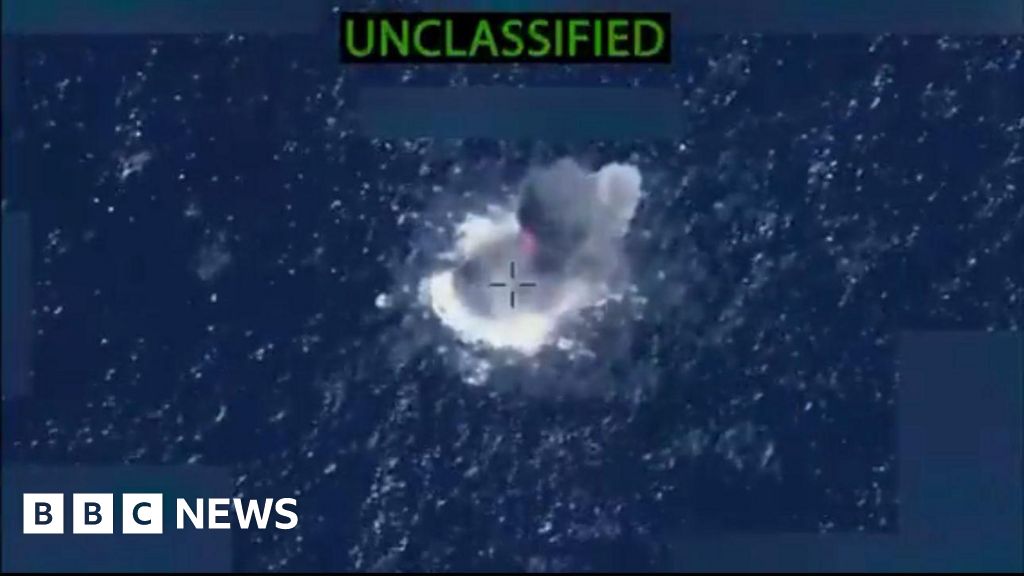
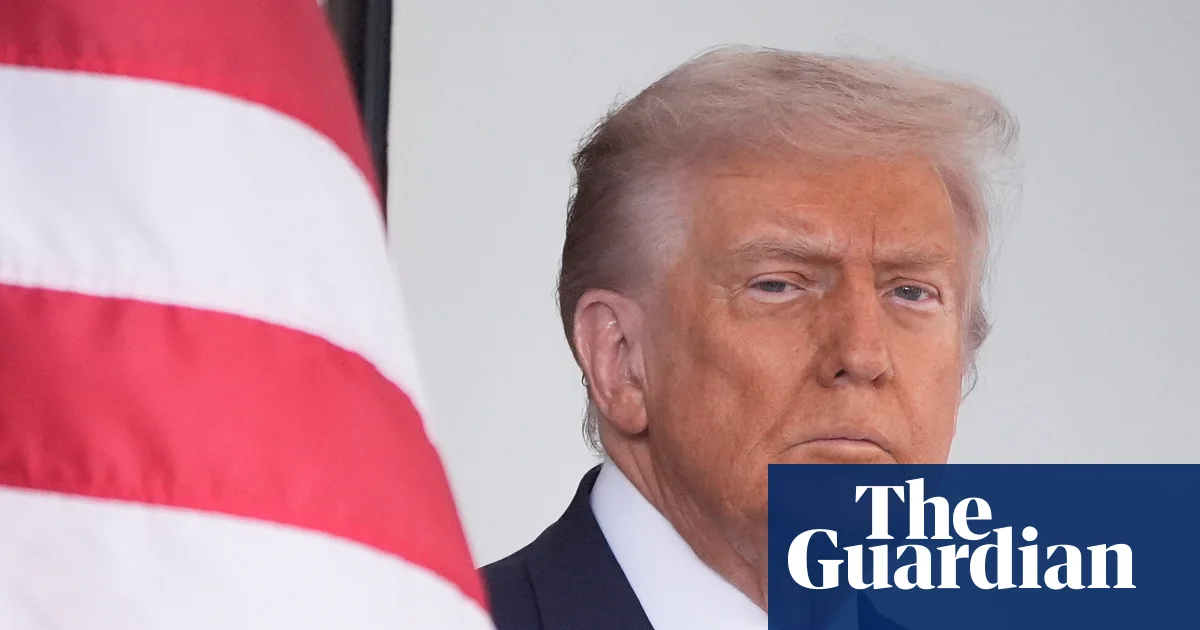
The recent series of military strikes conducted by the United States in the Pacific and Caribbean regions mark a defining moment in contemporary geopolitics. Under the authority of President Donald Trump, US forces have targeted four vessels suspected of drug trafficking—resulting in the deaths of 14 individuals and the injury of at least one survivor rescued by Mexican search-and-rescue teams. These actions, which the Pentagon claims are part of an ongoing campaign against narcotrafficking, underscore a more assertive US military posture. Such operations ignite debates over international legality—with critics, including experts and regional governments, condemning these strikes as disproportionate and potentially unlawful under established international law.

By escalating to attacks at sea in the eastern Pacific, the US emphasizes its intention to dismantle transnational drug networks operating along critical trafficking corridors. Defense Secretary Pete Hegseth has highlighted the intelligence-based nature of these operations, asserting that the vessels were transitioning along known narcotic routes with “narco-terrorists” onboard. Yet, this aggressive stance raises significant implications for regional stability and sovereignty. Countries such as Colombia and Venezuela have publicly voiced strong opposition, accusing the US of bypassing diplomatic protocols and provoking diplomatic crises. The Colombian government, for instance, describes the attacks as “disproportionate,” highlighting the legal and moral dilemmas spurred by unilateral military actions in international waters.

The geopolitical impact extends beyond the immediate regions; critics interpret the US military expansion as part of a broader strategy to exert influence and control over Latin America’s resources. The Venezuelan government, under President Nicolas Maduro—whose legitimacy is widely disputed following the 2024 elections—has accused Washington of “fabricating an eternal war” aimed at regime change. Maduro’s regime warns that the US aims to seize Venezuela’s vast reserves of gold, oil, and copper, tasks which are increasingly viewed by analysts as attempts to secure economic dominance over the region’s natural wealth. Meanwhile, international organizations like the United Nations have called for restraint and respect for sovereignty, emphasizing the need for a rule-based international system amidst rising US assertiveness.

The unfolding of these events signals a dangerous escalation that could reshape the international landscape. The US’s reliance on military force to combat drug trafficking and its alleged expansion into land-based targets, should approval be granted, risks a broader conflict. Many see this as a warning—an alarm bell for a world on the brink of renewed Great Power rivalries, where diplomacy and legal frameworks are overshadowed by military might. As history unfolds, whether these actions will lead to a more secure international order or sow the seeds of further instability remains to be seen. What is certain is that these decisions will leave undeniable marks upon the fabric of global diplomacy, writing a new chapter in the ongoing story of power, sovereignty, and conflict—one where the weight of history presses heavily on every decision, every strike, and every response across the vast theater of international relations.

Kyiv Hit by Russian Strikes, 3 Dead—Ukrainian Officials Warn of Escalating Threat

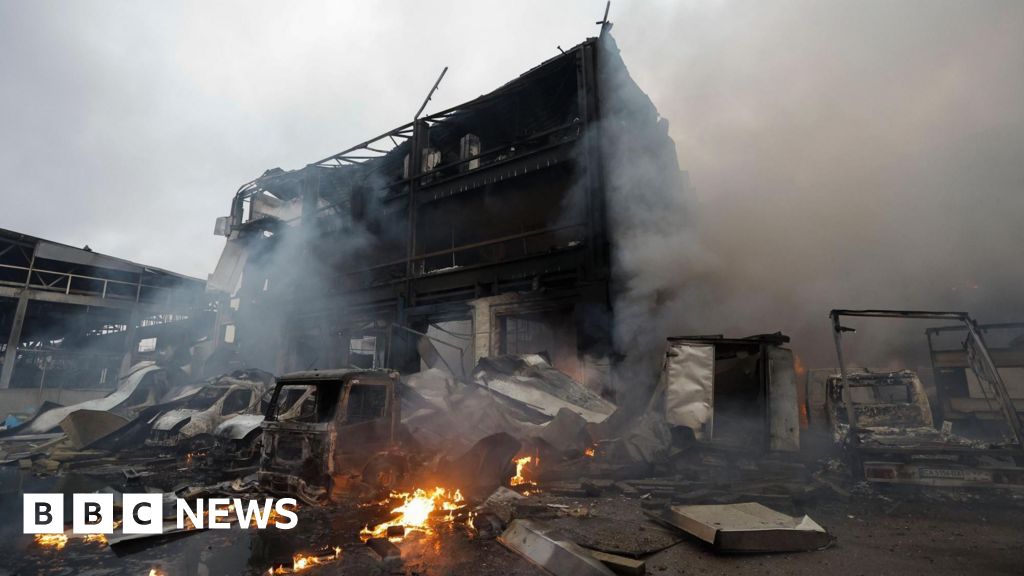
The ongoing conflict between Russia and Ukraine continues to ripple across the geopolitical landscape, with recent events underscoring the profound shifts in international stability and security. In Kyiv, the city lies haunted by the echoes of war, as Russian air strikes have claimed lives and damaged vital infrastructure. The Kyiv mayor Vitali Klitschko confirmed that three civilians fell victim to a Russian drone attack, destroying residential buildings and injuring dozens, including children. These strikes serve as a stark reminder of how the conflict is increasingly targeting civilian populations and urban centers, escalating fears of a protracted and devastating struggle.

Meanwhile, tensions are flaring beyond Ukraine’s borders, as Moscow reports intercepting drones en route to its capital — an ominous sign of the conflict’s expanding theatre. Russian authorities claim to have destroyed two drones over Moscow, amid an intensified wave of drone and missile assaults targeting civilian infrastructure. This strategic escalation appears designed to threaten the heart of Russia’s own cities and demonstrate its resolve in confronting Western-backed Ukraine. Notably, Moscow has ramped up attacks on critical energy infrastructure and civilian targets, forewarning of a harsh winter where power shortages could deepen societal fractures within Russia, enflaming domestic unrest and challenging Putin’s grip on power.

What is particularly alarming is the evolving nuclear dimension in Moscow’s military posturing. Russia announced a test of an experimental nuclear-powered missile capable of potentially evading missile defenses, fueling fears of a new arms race and ushering in an era where nuclear threats are being openly tested as a geopolitical tool. Such developments have prompted international analysts, including the Stockholm-based Stockholm International Peace Research Institute, to warn of an erosion of strategic stability, with some experts speculating that a new Cold War dynamic might be emerging. Simultaneously, Russia’s test appears to be a calculated message to both NATO and Western powers: it signifies that Moscow remains committed to escalating its military capabilities despite mounting international isolation.

Diplomatic efforts, meanwhile, seem caught in a muddle, with President Zelensky willing to consider a **ceasefire** that stops short of Ukrainian territorial withdrawal, a move seen as a *possible step* toward negotiations by some analysts, but dismissed by many Russian officials as insufficient. Recent meetings in Washington and Brussels have seen Western leaders pledge increased sanctions and military aid, yet tangible progress towards peace remains elusive amid Russia’s relentless aggression. The Ukrainian conflict thus stands at a crossroads: a war of attrition where each side’s strategic ambitions threaten to redraw the map of security in Europe and beyond. History, as some experts remind us, will not be kind to those who fail to grasp the gravity of this moment, for a world on the brink of escalation now bears witness to tumult that could very well shape the next century.

Israel strikes Gaza bus, kill eleven: Hamas warns of escalation

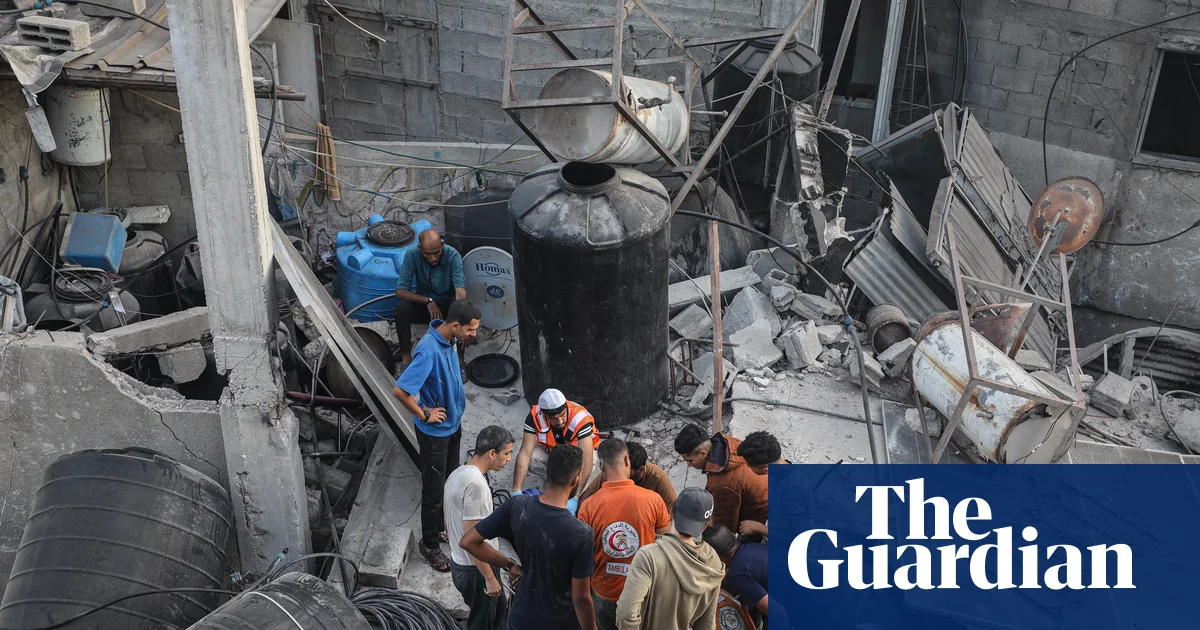
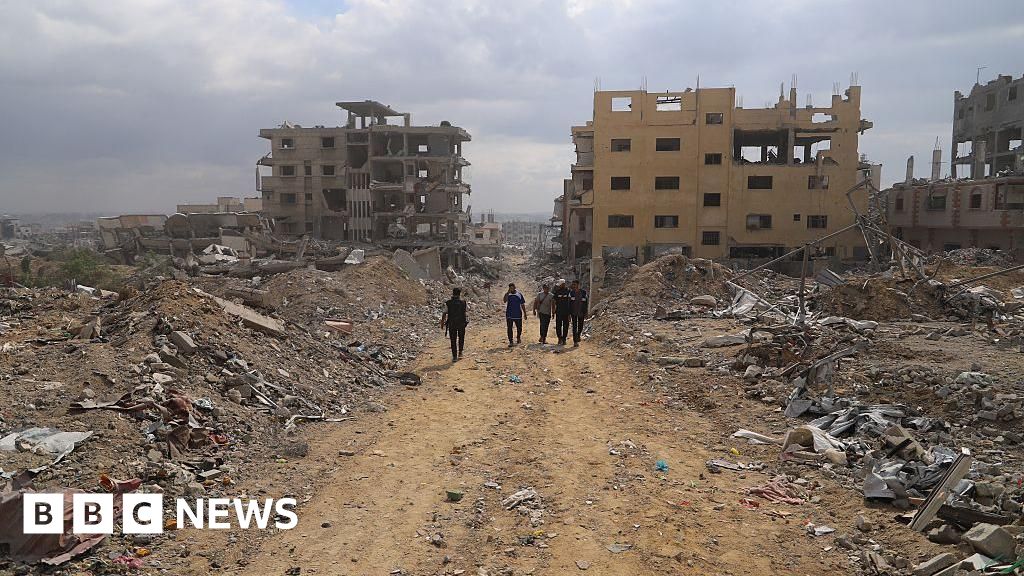
The recent surge of violence in Gaza underscores the fragile state of the current ceasefire, which was negotiated under immense international pressure. Despite claims of a temporary pause in hostilities, the situation remains volatile as *Israeli* military operations continue within the territory, notably in the northern regions where the tense borders demarcated by the so-called yellow line are still contested. The latest incident involving a civilian family tragically highlights how thin the veneer of peace remains, with reports indicating that 11 members of the Abu Shaaban family were killed when an IDF tank shell struck an apparently innocent bus while they were attempting to reach their home in Gaza City. Civil defence officials indicated that women and children were among the victims, marking a bleak milestone—the deadliest single incident since the ceasefire took effect eight days ago.

This incident signals a critical *turning point* in the ongoing conflict, raising questions about the *understanding of rules of engagement* and the efficacy of efforts to contain violence. The Israeli military contends that its soldiers targeted a “suspicious vehicle” crossing the demarcation line, which prompted warning shots that escalated unintended consequences. Yet, critics and Palestinian civil authorities vehemently argue that such strikes are disproportionate and unjustified, especially when civilians are involved. Hamas has accused Israel of outright targeting civilians, and *analysts* warn that these repeated breaches risk unraveling the fragile ceasefire, potentially igniting a new cycle of retaliation. As *International organizations* and *human rights advocates* call for restraint, the *geopolitical impact* of these events resonates far beyond Gaza, signaling a potential shift towards broader regional instability.

The ongoing presence of Israeli forces in more than half of Gaza’s territory is emblematic of the delicate balance of power that currently favors neither side. With many Palestinians unaware of the exact location of Israeli troop movements—owing to the absence of physical markers on the *yellow line*—the risk of accidental escalation remains high. Israeli Defense Minister Israel Katz announced plans to install visible signs to delineate the border, reflecting an effort to avoid further tragedies. Meanwhile, *Hamas* has criticized what it describes as Israel’s deliberate obstruction of search efforts for hostages and bodies, which further fuels mistrust. In a *warning* to the international community, scholars and *diplomats* warn that unless *hardline measures* are adjusted, the simmering conflict could spiral into a broader regional war, with repercussions for global security. The *geopolitical impact* reveals itself in how each side’s decisions ripple through their societies and influence international alliances, especially as the United States and European nations attempt to mediate amid this chaos.

Adding complexity to the crisis is the ongoing struggle over *hostage negotiations*. Last week, Hamas released Israeli hostage Eliyahu Margalit to the Red Cross, marking a rare moment of step toward de-escalation. However, *tensions* remain high, with Israel demanding the return of all remaining hostages and bodies, accusing Hamas of delaying compliance by the destruction wrought by its own strikes. The *U.S.-brokered ceasefire* resulted in the release of 250 Palestinian prisoners and the return of 20 Israeli hostages, but the debate over the complete reconciliation of the dead and the injured continues to haunt the fragile peace process. Analysts warn that any perceived lapse in fulfilling *de-escalation commitments* could quickly reignite hostility. The *historians* and *security experts* caution that such moments, if mishandled, risk turning into the defining conflict of our time, with wide-reaching implications for Middle Eastern stability. As the world watches, the shadows of history seem poised to repeat themselves, with each decision bearing the weight of generations, and the potential for a new chapter of tragedy—yet unwritten—hanging in the balance.

Venezuelan Fishermen Fear for Safety as U.S. Strikes Hit Caribbean Boats

Shifting Tides: The US-Caribbean-Venezuela Geopolitical Crisis

The Caribbean, long a nexus of geopolitics and maritime strategic interests, has recently ignited a new chapter of tension as the United States escalates its military activity in waters adjacent to Venezuela. The deployment of warships, fighter jets, submarines, and thousands of troops signals not just a routine antinarcotics campaign but a profound shift in international diplomacy and regional stability. US officials claim their operations target “narco-terrorists” linked to the Maduro government, while critics argue that these actions threaten to destabilize an already fragile society and undermine sovereignty. Historians specializing in Latin American geopolitics highlight that such military interventions confront decades-old regional skepticism of US influence, fueling narratives of imperial overreach and provoking mass resistance among Venezuelan citizens.

  • Since last month, at least six strikes have been launched against vessels suspected of drug trafficking, resulting in the deaths of at least 27 individuals, though the US claims that the vessels originated from Venezuela.
  • President Donald Trump has publicly considered initiating strikes on Venezuelan soil and has sanctioned a $50 million reward for the capture of Nicolás Maduro, accusing him of leading the infamous Cartel of the Suns. Maduro dismisses these allegations as a “slanderous campaign,” framing US actions as part of a broader strategy to topple his government and reassert dominance over Latin America’s resource-rich territories.
  • Venezuela’s leadership, including President Maduro and Defense Minister General Vladimir Padrino, warns of serious threats ranging from aerial bombings to sabotage, signaling an era of escalating confrontation that could ignite the region at any moment.

On the ground, the impact of these geopolitical maneuvers ripples through small fishing communities along Lake Maracaibo. Fishermen like Wilder Fernández, who has been at sea for over a decade, now harbor fears that their daily livelihood could be turned fatal amid US military patrols. Fernández and many others are increasingly wary of venturing into waters where the US has conducted strikes, with some even questioning whether their boats could be mistakenly targeted. The concern extends beyond immediate military threats; experts warn that such violence and instability could entrap local fishermen into the hands of drug traffickers and arms smugglers desperate for recruits or cover, thereby entwining economic despair with organized crime. The livelihoods of over 115,000 Venezuelans employed in fishing hang precariously in the balance, as political tensions jeopardize not only their work but their very safety.

In a remarkable act of defiance, hundreds of fishermen in Venezuela recently set out onto Lake Maracaibo in protest, displaying national pride in opposition to US intervention. Spokesman José Luzardo declared his willingness to defend his homeland with his life, epitomizing a burgeoning resistance rooted in a complex mixture of patriotism and desperation. Meanwhile, the Maduro government mobilizes its civilian militia, rallying thousands to stand against what they perceive as a foreign incursion aimed at regime change. This narrative of defiance illustrates that, amidst diplomatic cold war, local societies are thrust into the maelstrom of international power struggles, where their voices risk being drowned out by the thunder of military planes and the echo of sanctions.

As history continues to unfold, the Caribbean’s delicate balance of sovereignty and strategic interests faces a pivotal test. The decisions made by Washington, Caracas, and regional allies today will echo through generations, shaping the geopolitical landscape of Latin America and beyond. While the world watches with bated breath, one thing remains certain: the tides of war and peace in this tumultuous region are still ebbing, with the relentless march of history reminding us that, in the currents of power, no nation is unassailable and no society immune. The question persists—whose legacy will be written in these waters and on these shores? Only time will reveal whether the Caribbean becomes a beacon of resilience or a scarred battlefield of tomorrow’s conflicts.

Trump: U.S. Strikes Drug-Linked Boat Near Venezuela, Six Dead

The United States continues to assert its military presence in the Caribbean Sea, with recent actions signaling a shift in its approach to combating drug trafficking and associated drug-terrorist organizations. On Tuesday, President Donald Trump announced that the US military had conducted a targeted strike against a small vessel off the coast of Venezuela, claiming the vessel was involved in drug smuggling and carried six individuals linked to narcoterrorism. This incident marks the fifth deadly US strike in the region over recent months, exemplifying the administration’s increasingly assertive stance in what officials call a non-international armed conflict with major cartels such as Tren de Aragua, a designated foreign terrorist organization. According to a memo obtained by The New York Times, Trump has declared drug cartels as non-state armed groups, legally framing their actions as an armed attack against the US.

  • Such military actions are justified by officials as necessary means to substantially disrupt the flow of narcotics into the US, arguing that these groups have evolved into sophisticated, organized threats comparable to armed insurgencies.
  • Lawmakers and human rights advocates, however, question the legality of these unilateral strikes, claiming they risk violating international law and could lead to extrajudicial killings.
  • The United Nations experts have publicly condemned these strikes as extrajudicial executions, emphasizing that criminal activities must adhere to the principles of justice, investigation, and international cooperation. They warn that circumventing legal processes could undermine global norms and set dangerous precedents.

Adding another layer to this complex geopolitical puzzle, Colombia President Gustavo Petro recently claimed there were “indications” that one of the targeted vessels might have been Colombian, with Colombians onboard. The White House responded swiftly, dismissing Petro’s statement as “baseless and reprehensible,” further escalating tensions between the neighboring countries. This dispute underscores how military actions in sovereign waters ripple through regional alliances and influence domestic politics, with the US positioning itself as a decisive arbiter of security in an area historically plagued by instability.

From the perspective of international analysts, these developments reflect a decisive pivot by the Trump administration, which now regards drug cartels not merely as criminal organizations but as armed threats that warrant military intervention. Dr. Mariana Lopez, a geopolitical expert, warns that such policy shifts could redefine the US’s role in Latin America, blurring lines between law enforcement and military action. Similarly, the Center for Strategic and International Studies highlights that these aggressive tactics could intensify regional tensions, making diplomatic resolutions more elusive. Meanwhile, the failure of the US Senate to pass legislation limiting the President’s authority to conduct future strikes indicates bipartisan support for a more aggressive posture. Almost all Republicans, along with Senator John Fetterman, opposed the measure, signaling a willingness among congressional leaders to prioritize security measures over strict legal oversight.

As history continues to unfold in real-time, the question persists: will these strikes quell the relentless tide of narcoterrorism, or will they provoke broader conflicts with unpredictable consequences? The Caribbean region, a vital nexus for international trade and geopolitical influence, now teeters on the brink of a new era—one in which the line between law and war is increasingly blurred. With every missile fired and each diplomatic statement, the weight of an evolving global order presses down on societies across the Americas. The decisive moments are yet to come, but what remains certain is that history is forging its new chapter—one marked by resilience, controversy, and the enduring struggle for sovereignty amid external interference.

Russian strikes blackout Kyiv, Ukraine’s heartbeat under attack

Ukraine Battles Escalating Russian Attacks, Geopolitical Echoes Resound

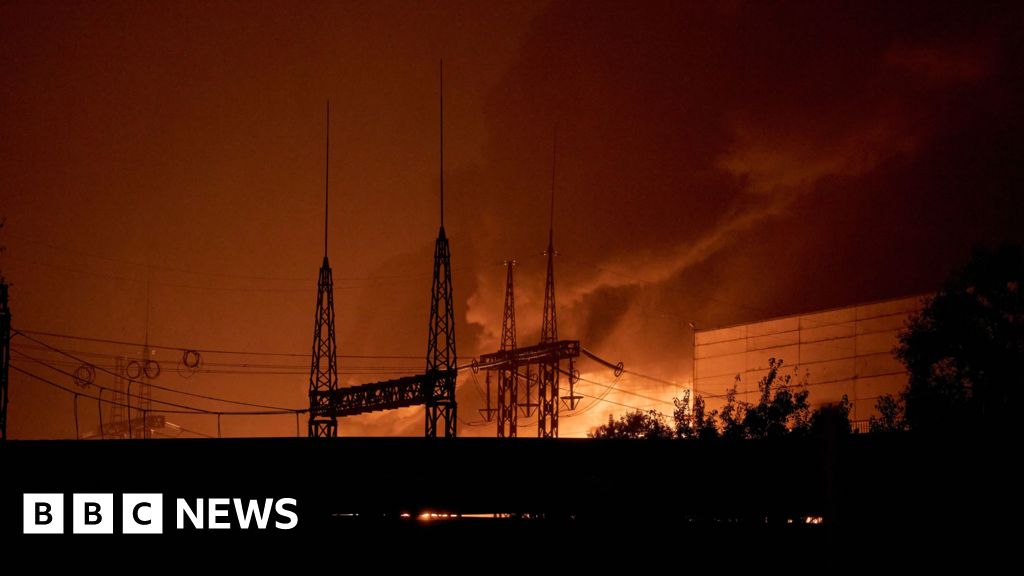
In a stark reminder of the ongoing conflict in Eastern Europe, Ukraine is enduring intensified assaults on its critical infrastructure, as Russia increases missile and drone strikes targeting energy facilities and civilian zones. Recent overnight strikes have plunged large sections of Kyiv into darkness and disruption, with nine injuries reported and residents facing not only power shortages but also threats to water supply and safety. Meanwhile, further south in Zaporizhzhia, a tragic incident unfolded, claiming the life of a seven-year-old child due to Russian drone strikes, a harrowing testament to the relentless toll of Moscow’s strategic aggression. Such attacks—highlighted by Ukrainian officials and corroborated by international analysts—are designed to sow chaos, weaken morale, and exert psychological pressure on an already battered nation.

Experts warn that Russia’s renewed offensive on Ukraine’s energy infrastructure signifies a critical turning point in the conflict, as Moscow aims to destabilize the country’s resilience during winter months. Ukrainian Energy Minister Svitlana Hrynchuk described these attacks as a “massive strike,” emphasizing that repair crews are under immense pressure to restore functionality amid relentless assaults. Ukrainian President Volodymyr Zelensky attributes Moscow’s escalation to an intentional effort “to create chaos and psychological pressure,” and international organizations, including the International Crisis Group, have voiced concern over the strategic objective of Russia’s campaign—especially with the looming threat of hypersonic Kinzhal missile strikes, which can evade early detection and pose a severe threat to Ukrainian defenses.

This intensification of hostilities not only imperils Ukraine’s sovereignty but also ripples across the geopolitical landscape. Western nations, led by the United States and European Union, have condemned Russia’s actions while ramping up military and humanitarian aid, viewing this as a clear geopolitical struggle between democratic resilience and authoritarian aggression. Many analysts, including professors of international relations and seasoned strategists, warn that the renewed attacks threaten to prolong the conflict well into the winter, potentially destabilizing regional security and testing the resolve of allied nations committed to Ukrainian sovereignty. For Moscow, these strikes serve as a calculated attempt to undermine the narrative of Ukrainian resistance, pressing Kyiv to divert resources and attention from Ukraine’s diplomatic and military priorities.

As the world watches, the unfolding crisis echoes a broader struggle for influence in a rapidly shifting geopolitical climate. The United Nations and other international institutions face mounting pressure to respond effectively, though critics argue that their sluggish diplomatic efforts often falter in the face of blatant strategic aggression. The haunting specter remains: how will history judge the actions of Russia and the response of the international community? Will Ukraine’s steadfast resistance turn the tide or succumb to the relentless wave of destruction? As the shadows lengthen over Kyiv and Zaporizhzhia, the weight of future history hangs in the balance, waiting for the next chapter to be written—one that could define the fate of a nation and echo through the corridors of power for decades to come.

Canada Post Strikes: Here’s What It Means for Your Mail and Your Day

Canada Post Strike: The Disruption of a Nation’s Lifeline and the Future of Postal Services

The nationwide postal workers’ strike in Canada, which began on September 25, has brought the country’s mail and parcel delivery system to an unprecedented halt. Thousands of unionized postal workers have walked off the job, protesting the federal government’s recent reforms aimed at restructuring Canada Post. These reforms, which include the elimination of certain post offices and the phased reduction of door-to-door delivery, are seen by many as a significant shift away from what has historically been considered a pillar of Canada’s public service. Prime Minister Mark Carney has argued that these changes are essential to make the organization «viable in a changing landscape», citing the service’s chronic financial losses and declining demand as justification.

While the disruption might seem like a mere inconvenience to some, it touches on deep concerns about the quality and accessibility of public services. The union, Canadian Union of Postal Workers (CUPW), describes the reforms as a «direct attack» on the rights of unionized employees and the very essence of Canada’s postal tradition. The union’s stance emphasizes that these changes threaten not only jobs but also the public’s ability to participate in cultural and political processes. With mail delivery disrupted, essential government transactions—like the delivery of social security checks—and even urgent documents such as passports are affected, highlighting how vital these services are to everyday life. The strike has also raised questions about the future of governmental and public services, particularly as the department grapples with years of financial mismanagement and stiff competition from private courier companies.

The financial deterioration of Canada Post cannot be ignored. As reports reveal, the agency has suffered losses reaching up to C$1.5 billion annually, mainly due to a decline in letter mail volume and increased competition from parcel delivery firms like Amazon and FedEx. The organization’s core revenue streams are shrinking, pushing it toward an ‘existential crisis,’ as noted in a government-commissioned review. In response, Ottawa has injected a significant C$1 billion loan into the organization, but these measures are only stopgaps as the postal service attempts to reinvent itself. Suggestions from CUPW include diversifying revenue streams—such as expanding financial services and providing government access points—while Canada Post itself focuses on expanding parcel delivery and retail services.

For young Canadians—those shaping the future of policy, technology, and entrepreneurship—the postal strike presents both a challenge and an opportunity. It underscores the importance of resilient, adaptable public infrastructure that meets modern needs, whether through innovation or privatization. As the debate continues, one thing remains clear: embracing change while protecting essential services is a delicate balancing act. The ongoing dispute and reforms highlight that the transportation of communication remains more than a matter of logistics; it is a reflection of our commitment to a free, connected, and self-reliant society.

Ultimately, this moment in Canada’s postal history invites us to reflect on how a nation’s lifestyle — from its postal routes to its digital pipelines — is woven into the fabric of its identity. It is a journey of resilience, adaptation, and the relentless pursuit of a future where public services empower citizens without compromising efficiency. As young Canadians stand at the crossroads of tradition and innovation, they are called to reimagine what it means to serve and be served in a rapidly evolving world.

Social Media Auto Publish Powered By : XYZScripts.com