
The Growing Conversation on Diet and Its Societal Impact
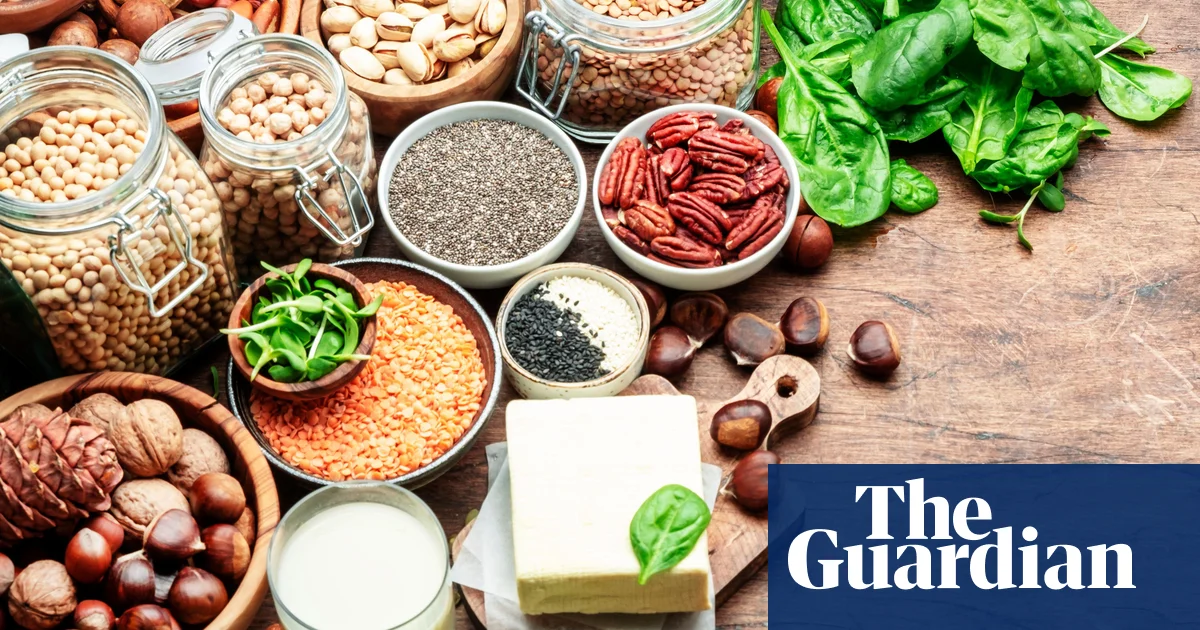
Recent landmark research has revealed that dietary choices significantly influence the health of individuals and, consequently, the well-being of entire communities. The study, encompassing over 1.8 million people across various nations, underscores a complex relationship between lifestyle, societal structure, and public health outcomes. Specifically, vegetarians exhibit a notably lower risk of five common cancers, such as pancreatic, prostate, breast, kidney, and multiple myeloma, which collectively account for a substantial portion of cancer mortality. The implications of these findings extend beyond individual health, touching on the fabric of families and the future of societal healthcare systems. As Dr. Aurora Pérez-Cornago from the University of Oxford highlights, “This study is really good news for those who follow a vegetarian diet because they have a lower risk of five cancer types, some of which are very prevalent in the population.”
However, the research also sheds light on critical social tensions and nutritional gaps within specific communities. Vegetarians and vegans face increased exposure to certain risks, such as a nearly doubled likelihood of developing the most prevalent type of esophageal cancer, known as squamous cell carcinoma. This finding raises questions about how dietary restrictions and choices can inadvertently create vulnerabilities within vulnerable populations. Furthermore, vegans, despite their health benefits, show a 40% higher risk of bowel cancer, often attributed to lower calcium and nutrient intake. These findings reveal an urgent need for comprehensive nutritional education and accessible food options to prevent further health disparities in our society. As sociologists like Dr. Samuel Green argue, “Diet is not just a personal choice; it’s a social determinant that influences community health and social equity.”
Families and Education: Bridging the Nutritional Divide
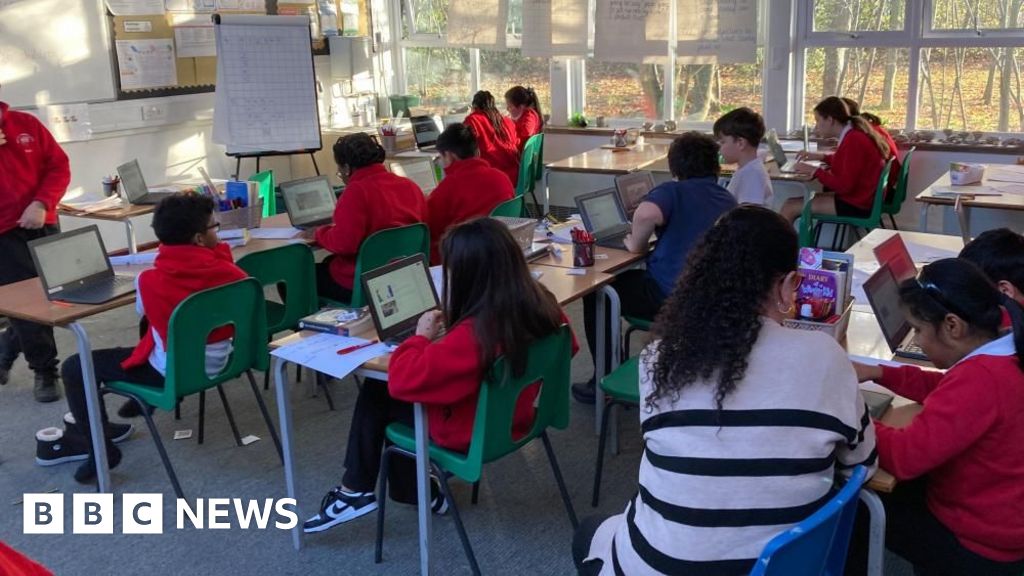
Social issues surrounding diet have profound effects on families and educational institutions. In many communities, access to balanced nutrition is hindered by economic disparities, cultural norms, and misinformation. Schools often serve as battlegrounds for these debates, striving to provide meals that are both nutritious and culturally sensitive but facing challenges due to budget constraints and conflicting dietary trends. The study’s results emphasize the importance of fostering an environment where youth can learn about sustainable, nutrient-rich diets that minimize health risks. Educators and community leaders must work together to promote dietary literacy, ensuring that children and their families can make informed choices that safeguard their health without falling victim to industry-driven misinformation or affordability issues.
The societal challenge lies in addressing these disparities while respecting individual cultural identities. As historian Dr. Abigail Rivera notes, “Our collective future depends on creating inclusive, supportive frameworks that empower families to nurture healthier lifestyles. This involves reforming educational curricula and community programs to prioritize nutritional equity and cultural sensitivity.” The goal is to bridge the gap between knowledge and access, transforming societal attitudes towards diet in a way that strengthens community resilience and fosters long-term health outcomes.
Reflections on Society’s Challenges and the Path Forward
Within the broader context of social transformation, this research prompts a moral reflection on how society values health, nutrition, and collective well-being. As sociologists and social commentators deliberate on these findings, a common theme emerges: the necessity of reimagining our social infrastructure to better support informed, healthier choices. While the study highlights the protective effects of plant-based diets against many cancers, it also signals the importance of ensuring these diets are nutritionally complete. This entails charting a balanced approach that considers how societal trends—such as the rise of ultra-processed foods and vegan products—impact community health. Such efforts must be rooted in education, accessible nutrition, and community engagement, forging pathways toward a society where health equity is not an aspiration but a living reality.
As society stands at this crossroads, the challenge is to transform knowledge into action—supporting families, empowering youth, and reconstructing social systems that nurture well-being. The future calls for resilience, compassion, and informed leadership. In this ongoing story of societal evolution, the hope remains that through collective effort, we can construct communities where health is a shared promise and a foundation for a better tomorrow. Amid the societal upheaval, the enduring human spirit seeks to turn awareness into positive change, forging a society where every individual can thrive in harmony with their community and environment.