Matox News

Truth Over Trends, always!

Bristol Zoo: ‘Loneliest’ Gorillas Thriving, Stronger Than Ever

In a world where geopolitical conflicts dominate headlines, the plight of individual species and local conservation efforts often fade into insignificance. Yet, recent developments at Bristol Zoo serve as a microcosm of broader issues facing humanity—balancing between conservation and human curiosity, security concerns, and societal perceptions. The controversy over the welfare of western lowland gorillas, confined behind barriers in Bristol, highlights how societal priorities and international commitments collide within the realm of animal conservation, carrying profound geopolitical implications. As global institutions face mounting pressure from environmental activists and local governments grapple with safety and funding, the decisions made at this tranquil zoo reverberate across borders, influencing international conservation strategies and the collective moral standing of nations.

Underlying the media frenzy is a larger narrative about how international cooperation and national policies influence conservation. The Bristol Zoo’s transition to the new Bristol Zoo Project exemplifies a strategic shift—one driven by costly infrastructure upgrades, security concerns, and modern animal welfare standards. The zoo’s management insists that their gorillas—an insurance population for their species—are thriving under their care, regardless of how the media or intruders portray their emotional states. This situation underscores the importance of international protocols such as those championed by the World Wildlife Fund (WWF) and TRAFFIC, which promote not only habitat preservation but also captive breeding programs crucial for maintaining genetic diversity. However, critics, including conservation charities like Born Free, argue that inadequate security measures risk undermining these efforts, raising questions about how nations prioritize human safety versus animal welfare.

In the broader geopolitical landscape, the fate of such species often reflects a nation’s global standing and commitment to environmental responsibilities. Countries participate in treaties like the Convention on International Trade in Endangered Species (CITES), aiming to combat poaching and illegal trafficking, yet progress remains uneven. The recent trespassing incident at Bristol—an act of urban exploration—symbolizes a larger discord: a society increasingly disconnected from conservation and ill-equipped to enforce protective measures. As international agencies warn of the catastrophic loss of biodiversity—particularly for vulnerable primate populations—these incidents pose not just local security issues but questions about the effectiveness of global environmental governance. The international community’s ability to ensure secure, well-funded, and ethically managed conservation programs directly correlates with a nation’s capacity to influence global ecological stability and human development.

As history unfolds, the silent echoes of these decisions continue to shape the course of future generations. The unresolved tension between human curiosity and animal welfare, security concerns and conservation priorities, exemplifies the complexities encountered by a world seeking sustainable progress without sacrificing legacy. The western lowland gorillas at Bristol stand as a poignant symbol—an emblem of how localized choices ripple outward, forging a legacy of environmental stewardship or neglect. The path the international community chooses will determine whether we are remember as guardians of creation, or as the architects of a bygone era where the voice of nature was drowned out by the noise of human ambition. In this narrative, each decision echoes across the corridors of time, leaving a legacy that can either save or condemn the fragile threads that bind our shared future together.
West Yorkshire Parents of Neurodivergent Kids Call for Stronger Support System

Society’s Silent Crisis: Neurodivergent Families and the Glaring Gaps in Support

In recent months, families across the UK have sounded a chorus of concern, revealing a systemic failure in supporting neurodivergent children and their families. Underdiagnosis, inadequate post-diagnostic support, and overwhelming waiting times are not just bureaucratic stumbling blocks—they are societal failures that ripple through families, schools, and entire communities. The stories emerging from West Yorkshire and beyond underscore a disconcerting truth: neurodivergent children are often left isolated, and their parents are pushed to their limits without meaningful assistance.

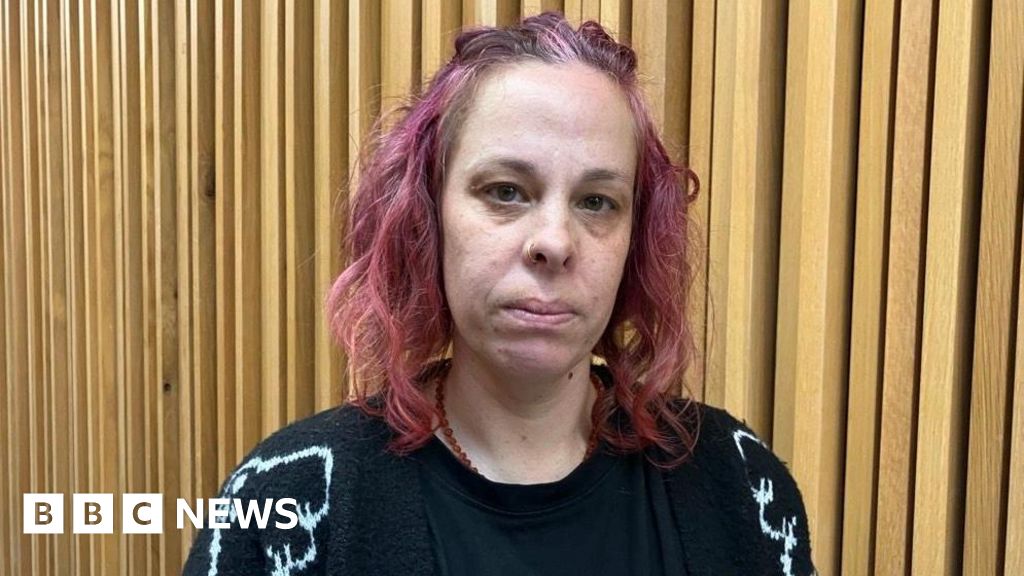
Parents like Louise Moller from Leeds, whose son Noah was diagnosed at age five, describe a distressing pattern. “They gave us a few sessions and some leaflets, then dropped us,” she laments, highlighting an overarching issue where diagnostic processes are quick, and support networks are scarce or non-existent. This abandonment leaves families in a state of helplessness, often forcing them into roles of advocates and caregivers without the necessary resources. Such challenges are exemplified by the case of Kerri-Anne Ball, who began the autism assessment process for her son at age two but received her official diagnosis only at age four. Even then, her query about ongoing support was met with a stark silence—their case file was closed, and support ended at diagnosis. This pattern of minimal engagement fuels feelings of uncertainty and despair that leave many feeling forgotten by the very institutions meant to serve their needs.

More troubling are the prolonged wait times—according to NHS statistics, as of June 2024, over 236,000 individuals in England—including children—wait for autism assessments, while up to 549,000 others are awaiting evaluations for ADHD. These delays are not mere statistics but a representation of families forced to navigate their journey alone, often in silence. As social commentators and sociologists like Dr. Andrew Wills have observed, the waiting game exacerbates social exclusion, especially for vulnerable children whose educational development may be hindered. Furthermore, the social tensions generated by these gaps threaten to deepen divisions, as communities wrestle with the stigma and misunderstanding surrounding neurodiversity. The moral imperative is clear: early diagnosis is crucial, but it must be accompanied by sustained support—something that currently remains elusive for many.

Fortunately, amid the darkness, local charities like Northorpe Hall Child & Family Trust are pioneering efforts to reconceptualize support. Rosa Forrest, the organization’s lead for neurodevelopmental issues, emphasizes the importance of community-based interventions, noting that many parents feel unheard and isolated. Her initiative, Me + My Normal, brings parents into the fold alongside their children, fostering a shared space for understanding and resilience. These efforts, though vital, are only a palliative in a landscape that desperately needs systemic reform. Social commentators, including Dr. Lisa Grant, argue that society must recognize the human toll—*not just in academic or bureaucratic terms but in how families weather a storm of neglect*—and respond with urgent, dedicated funding for both diagnostics and ongoing support services.

In the final analysis, society stands at a crossroads. The stories of Louise, Kerri-Anne, Miriam, and Rosa are not isolated incidents but voices of a larger, systemic crisis—the neglect of our most vulnerable. As society grapples with these social fissures, perhaps hope lies in a collective awakening of empathy and action. The challenge remains: will society recognize that the true measure of our progress is how we support those most in need? In the quiet resilience of families enduring these hardships flickers a light—a hope that society’s conscience can be awakened, transforming neglect into nurture, indifference into advocacy. After all, the real society we build tomorrow depends on how fiercely we fight for the children and families today.

Édouard Philippe Urges Macron to Hold Early Presidential Election for a Stronger Future

France finds itself embroiled in a phase of profound political instability that threatens not only its domestic stability but also has wider geopolitical implications. Since President Emmanuel Macron assumed office in 2017, France has grappled with mounting economic difficulties, a fractured parliament, and a loss of public confidence. The recent rapid succession of prime ministers—Sébastien Lecornu following Sébaud Lecornu’s resignation—illustrates the depth of the crisis. These upheavals have culminated in calls from within Macron’s circle for a strategic pivot: timing the appointment of a prime minister capable of rallying support for crucial economic reforms and then initiating early presidential elections.

Key political figures, including Macron’s former Prime Minister Édouard Philippe, have controversial opinions about the president’s handling of the crisis. Philippe’s recent remarks emphasize the need for Macron to exercise a pragmatic approach—placing national stability above partisan interests. “It’s up to the president to live up to his mandate,” Philippe asserted, underscoring the critical role Macron must play in resolving the status quo and ensuring a peaceful transition. Meanwhile, rising dissatisfaction within Macron’s own party, Renaissance, exemplifies waning support and growing dissent among his allies. Gabriel Attal, who briefly served as prime minister this year, publicly questioned Macron’s recent decisions—highlighting how internal party fractures are complicating efforts to stabilize governance.

International observers and analysts are warning of the potential fallout from a prolonged political crisis in France. The nation’s economic woes—particularly the soaring public debt projected to reach 5.4% of GDP—have only deepened unrest. Budget deficits, ineffective parliamentary support, and failed reforms have created a perfect storm, destabilizing French society and undermining Paris’s standing on the global stage. As France’s parliamentary majority appears increasingly tenuous, the risk of policy paralysis increases, which could cause ripple effects across European institutions. Critics suggest that without decisive leadership, France might descend into further chaos, with risks of social unrest and diminished influence in EU policy-making.”

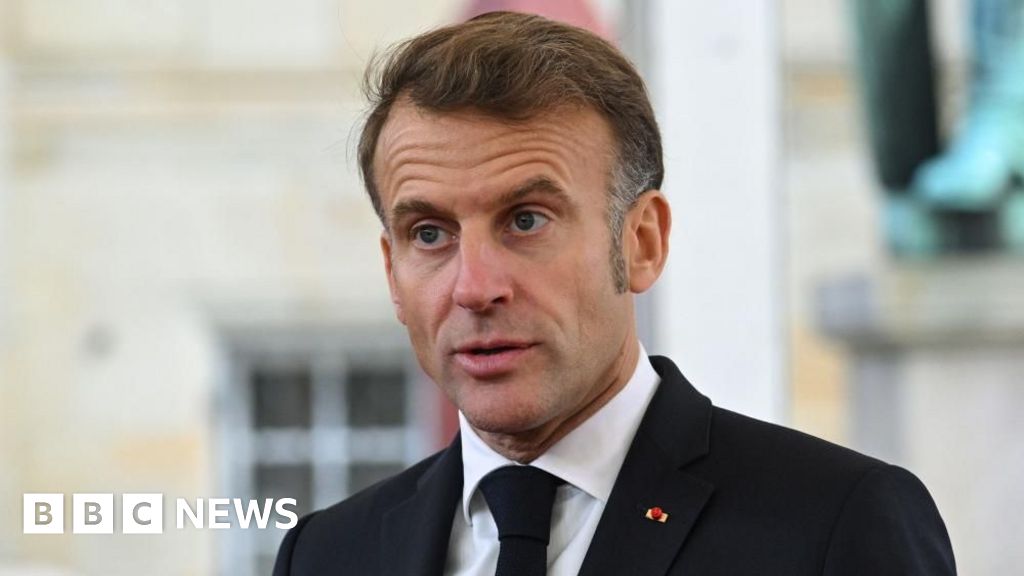
Among international organizations, OECD analysts warn that prolonged instability could erode France’s economic resilience and complicate efforts to contain broader regional challenges, including security threats and migration pressures. Historians note that France’s current predicament echoes past crises where weak leadership led to upheaval—such as the fall of the Fourth Republic—serving as a stark warning that internal discord can rapidly escalate into wider instability. As Macron walks alone along the banks of the River Seine, his solitary figure symbolizes a nation at a crossroads—a country where the weight of history and the urgency of now collide, leaving the future shrouded in uncertainty. The question remains: will France’s leaders rally to forge a path forward, or will the mounting chaos plunge it into an irreversible decline? The answer—like history itself—remains unresolved, as time’s relentless tide continues to shape the fate of a nation.

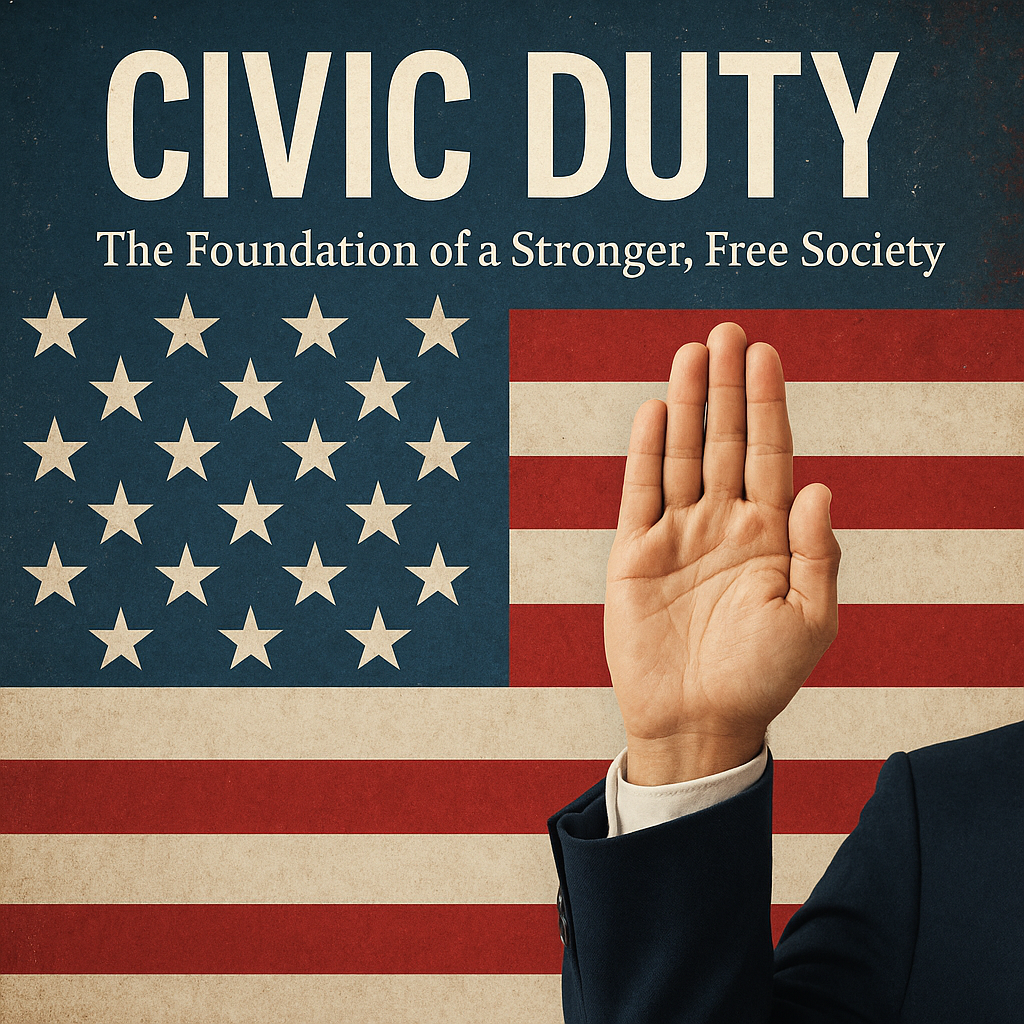
Civic Duty: The Foundation of a Stronger, Free Society

At the very core of a thriving, free society lies the intangible yet powerful principle of civic duty. This foundational concept, often sidelined amid debates over policy and economics, actually fuels the social cohesion, accountability, and resilience necessary for national greatness. Critics of civic participation might argue that it is a relic of older times, replaced by individualism or reliance on government. However, scholars and historical analysts suggest that the decline in civic engagement correlates with rising societal fractures, economic polarization, and eroding trust in institutions. It is through the active participation of citizens—whether through voting, community service, or local activism—that democracies are fortified and the collective spirit of a nation is rekindled.

Historical exemplars demonstrate that societies which emphasize civic responsibility tend to enjoy greater stability and prosperity. Alexis de Tocqueville, in his seminal work Democracy in America, observed that active civic engagement by citizens creates a “civil society” that guards against tyranny and fosters a sense of shared purpose. Today, experts maintain that a strong civic culture not only encourages political stability but also cultivates resilience during national crises, whether economic recessions or external threats. The essential nature of this duty is underpinned by the understanding that freedom does not arise passively but must be actively defended and sustained by those who cherish it. In this way, civic duty becomes the bedrock upon which sovereignty and individual liberty rest.

Furthermore, proponents argue that fostering a sense of collective responsibility begins with education and community engagement, cultivating future generations of responsible citizens. Economists like Milton Friedman have emphasized that personal responsibility and civic participation are intertwined with economic freedom and social stability. In a world increasingly driven by technology and global interconnectedness, the value of local civic engagement persists—as it creates a buffer against fragmentation and alienation. As Victor Davis Hanson notes, “A society that neglects its civic roots risks losing its moral compass,” and the erosion of these duties can lead to creeping government overreach, apathy, and a decline in the shared values that make democracy possible.

Yet, the struggle remains clear: amidst modern distractions and complex bureaucracies, fostering an engaged, responsible citizenry requires deliberate effort and leadership. As history teaches, the strength of a society is measured less by its material wealth and more by the resilience of its civic fabric. May the future forge ahead—not in reckless pursuit of transient liberties, but in the profound recognition that the true power of freedom flows from the collective promise of civic duty. For in the vast expanse of history, it is this quiet pledge—made and renewed— that keeps the flame of liberty burning brightly against the encroaching darkness of indifference. And so, the story continues: a tapestry of millions, united not just by laws or borders, but by an unwavering resolve to uphold the sacred duty that sustains a free society’s most elusive, most precious gift: its freedom.”

Thousands of students face assault on campus, exposing urgent need for stronger safety measures

In a groundbreaking first for England’s higher education institutions, a comprehensive sector-wide survey has unveiled alarming levels of sexual violence and harassment within university communities. The Office for Students (OfS), the regulatory body responsible for overseeing the quality of higher education, surveyed over 52,000 students — specifically final-year undergraduates — and uncovered troubling data that calls into question the safety and moral fabric of our universities. According to the report, 14% of respondents reported being victims of sexual violence, including rape, attempted rape, or unwanted touching, while an additional quarter experienced sexual harassment. These figures not only underscore a societal issue but have profound implications for families, education, and community cohesion.

This wave of revelations reveals a brutal truth: for many young people, university no longer remains a safe haven — a place where minds are nurtured and identities flourish. As sociologist Dr. Anna Bull of the University of York points out, “For these students, university is not a safe or welcoming place,” a stark deviation from the ideal of higher education as a foundation of moral and intellectual growth. The survey also highlighted disturbing relationships involving staff and students, with 1.5% reporting intimate relationships with university personnel, raising ethical concerns about abuse of power and influence. Such situations threaten not just individual well-being, but integrity within academic institutions, fostering distrust that ripples through families and communities alike.

In response to these revelations, universities claim to be “determined to tackle sexual harassment,” with representatives from Universities UK emphasizing efforts to improve reporting channels and support mechanisms. However, social commentators argue that legislative and institutional measures often fall short of addressing entrenched cultural issues. Campaigner Molly Hanning, who experienced her own trauma, has gone further by establishing Academics Against Assault, campaigning for mandatory consent education across all UK universities. Her efforts highlight a vital social shift: youth-led activism is becoming a key driver of social change, as students push for cultural reforms that foster respect, responsibility, and genuine safety. As the government adopts new regulations — including mandatory training and bans on non-disclosure agreements — a louder call emerges for a societal transformation rooted in our moral duty to protect the vulnerable and uphold justice.

As society stands at this crossroads, the question remains: can these institutional reforms be enough to heal the wounds inflicted upon future generations? Molly’s story reminds us that while the road to a safer society is long and fraught with challenges, the hope for transformation persists. Her courageous campaigning and the collective efforts of educators and communities serve as a testament to the resilience inherent in youth and the enduring belief that a society built on dignity and respect is within our grasp. Society’s greatest strength lies not just in laws and policies, but in the moral awakening that calls each of us to uphold the dignity of every individual — a legacy we must choose to pass on for generations to come.

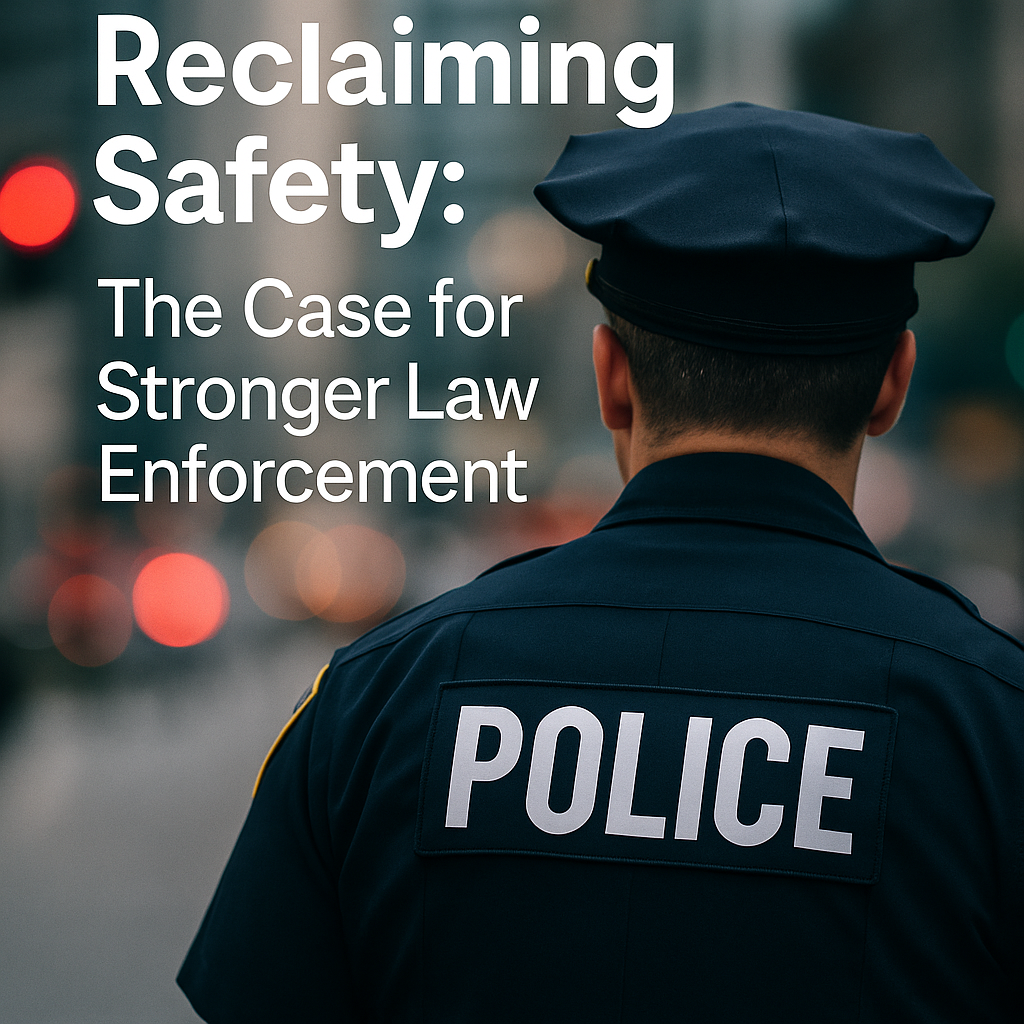
Reclaiming Safety: The Case for Stronger Law Enforcement

In the ongoing debate over public safety, a growing chorus of voices emphasizes the urgent need to reclaim safety through stronger law enforcement. Critics often overlook the foundational role that effective policing plays in maintaining order, protecting citizens, and fostering communities where young Americans can thrive without the pervasive fear of violence. Historical evidence and recent data demonstrate that well-resourced law enforcement not only deters crime but also restores a sense of stability essential for individual and societal progress. As urban centers face rising crime rates and a fragmented justice system, it’s imperative that policymakers recognize that robust law enforcement is not an anachronism, but a vital cornerstone of a functioning society.

Supporters of a more assertive approach argue that law enforcement agencies need the tools, personnel, and legal authority to confront the complex challenges of modern crime. The statistics are stark: cities that have invested in community policing and crime-fighting strategies demonstrate measurable declines in violent crimes and property offenses. Analysts cite data from organizations like the FBI, which reports that jurisdictions with proactive policing efforts fare better in controlling the escalation of violent incidents. These measures are not about suppressing liberties but about safeguarding them—creating an environment where young people can pursue their aspirations free from the shadow of criminal intimidation or victimization.

Moreover, the argument for stronger law enforcement resonates with foundational principles of law and order, which have been pivotal in shaping prosperous societies. Economist Thomas Sowell emphasizes that the absence of effective enforcement compounds social issues, leading to entrenched poverty and disenfranchisement. Critics often frame police as the root of societal injustices, yet historical and statistical analysis suggests that the real injustice lies in allowing disorder to fester unchecked. Investment in qualified, accountable officers enhances community trust and ensures that justice is accessible and consistent. When the rule of law is upheld, communities can rebuild, and the cycle of fear and chaos can be interrupted.

Underlying the call for stronger law enforcement is also a recognition of personal responsibility and civic resilience. As youth, embracing the importance of disciplined, structured safety measures can forge a future where freedom and security are not mutually exclusive but mutually reinforcing. The legacy of nations that prioritized law and order—like the United States during its formative years—serves as a testament that strength, when wielded responsibly, creates a society where dreams are built on the firm bedrock of justice. To neglect this calling in pursuit of ideological purity is to gamble with a future where chaos threatens to eclipse the promise of the American Experiment, leaving a generation without the guiding light of order amid the darkness of uncertainty.

*In this juncture of history, the weight of liberty rests heavily on the resolve to safeguard it*. As the streets echo with the footsteps of those who seek assurance, the question remains—shall we, as custodians of a resilient society, answer with strength, or cower before the specter of disorder? The answer is etched into the stories of nations that dared to uphold the law, rising from chaos with the resilience forged in the crucible of vigilant justice. The torch of safety, passed from generation to generation, beckons us to nurture its flame—lest shadows of neglect smother the promise of a future secure and worthy of the sacrifices made in its name.

Social Media Auto Publish Powered By : XYZScripts.com