Matox News

Truth Over Trends, always!

Tories pledge to cut student loan interest rates, backing young Britain’s future

Educational Debt and the Strain on Families and Communities

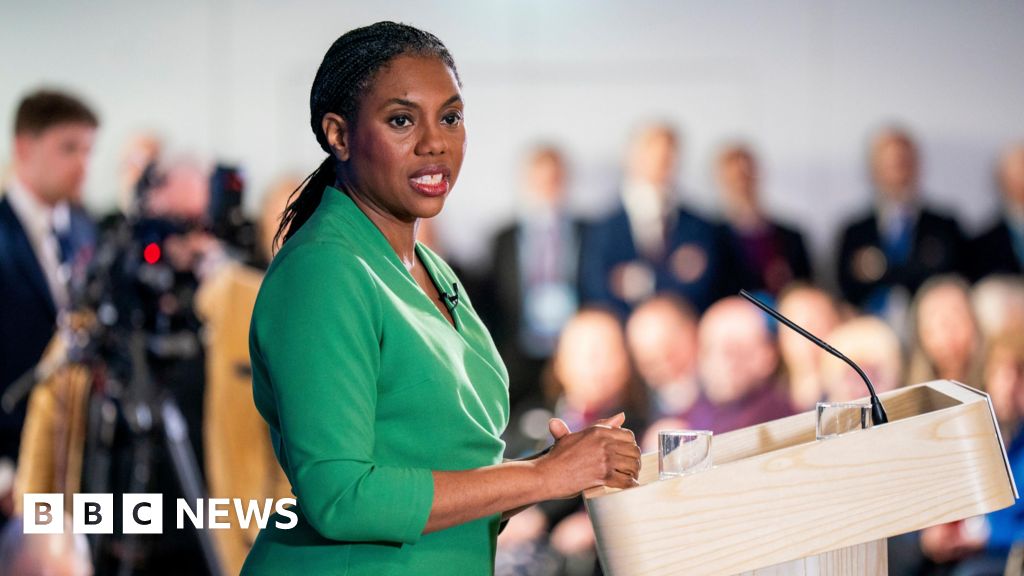
Recent comments by Kemi Badenoch, a prominent political figure, highlight a significant concern shared by many young graduates: the burden of student loans. Badenoch described the feelings of graduates as being “stitched up,” underscoring a pervasive sense of economic disillusionment that threatens to destabilize the social fabric. Her pledge to cut interest charges on Plan 2 loans signals an acknowledgment of the profound impact that rising educational costs have on recent entrants into the workforce. For families in working-class and middle-income communities, student debt often translates into delayed milestones such as homeownership and family formation, extending the cycle of economic hardship.

Shifts in Educational Access and Societal Divide

The escalating costs of higher education serve as a barrier for many aspiring students, especially amid demographic changes and cultural shifts that favor increased diversity but challenge conventional funding models. Sociologists like Dr. David Brooks argue that the increasing reliance on student loans contributes to widening social inequality, as only those from more privileged backgrounds can afford the luxury of higher education without crippling debt. This disparity perpetuates social stratification, making educational attainment less about talent and more about financial capacity. The socio-economic divide risks further fracturing communities, eroding the social cohesion necessary for collective progress.

Educational Reform and the Role of Society

Understanding the social ramifications of debt, some experts advocate reforms aimed at creating a more equitable and accessible system.

  • Implementing more comprehensive public funding for higher education.
  • Introducing income-based repayment schemes that lessen the burden on graduates.
  • Enhancing vocational training and apprenticeships to diversify pathways to economic stability.

By addressing these structural issues, society can foster environments where families are encouraged to thrive without the overshadowing anxiety of debt. Furthermore, institutions must recognize their role in broadening educational access, ensuring that talent and ambition are not stifled by financial barriers. As historian Dr. Margaret MacMillan notes, societal progress hinges upon equitable opportunities that empower all youth to contribute meaningfully to their communities.

Hope Amidst Challenges

While the societal challenges are undeniable, recent political commitments provide a glimmer of hope. Badenoch’s promise to reform student loan policies signifies a step toward restoring fairness in an often inequitable system. Yet, true change demands concerted efforts across all levels of society, from policymakers and educators to families and youth themselves. Initiatives aimed at reducing educational costs, improving employability, and fostering social mobility are essential for nurturing resilient communities. As history has shown—through periods of upheaval and reform—social transformation begins with recognizing shared struggles and united action. The hope remains that future generations will look back on this era not only as a time of hardship but as a turning point—when society chose to invest in its people and, in doing so, redefined its moral foundation.

Teacher stabbed by student: From educators to security, society’s slipping?

In recent discussions surrounding school safety and community well-being, a notable statement from a former Ysgol Dyffryn Aman educator has reignited debates about the appropriate roles of school staff and the overarching approach to maintaining security within educational institutions. The educator emphasized that staff are not security guards, arguing that equipping teachers and administrative personnel with handheld scanners or similar security devices would be ineffective in addressing broader social issues. Rather, the emphasis must rest on understanding the societal challenges that influence school environments, impacting families, education, and entire communities.

Historically, schools have been more than centers for academic learning; they are a mirror and a microcosm of societal health. As Dr. Mary Louise Pratt, a prominent social historian, notes, schools reflect the social fabric of their communities, inclusive or fractured. When societal tensions—such as increasing youth violence, economic disparities, or cultural divides—pervade neighborhoods, they inevitably seep into classrooms, challenging educators’ capacity to foster safe learning spaces. In this context, the idea that simply installing handheld scanners or security measures can resolve the complex web of social issues is both naive and superficial. This approach risks turning dedicated teachers into de facto security personnel, diluting their core role of cultivating knowledge and moral development.

Social commentators warn that overemphasizing security without addressing root causes of social unrest can further alienate communities and undermine the moral authority of educational institutions. Challenges such as

  • rising youth unemployment
  • family breakdowns
  • disenfranchisement

contribute to environments where violence and unrest flourish. These issues are deeply embedded in the demographic shifts experienced over recent decades, changing the fabric of local populations and hampering efforts to create cohesive, supportive school communities. The adoption of security-centric policies, without supportive social programs, risks alienating marginalized youth, who already face systemic obstacles.

In light of these complexities, it becomes clear that the real challenge lies in fostering resilient, inclusive communities. Schools need resources that extend beyond surveillance equipment—investment in mentoring programs, mental health services, and family support initiatives is vital. Sociologists like Michael W. Ross have argued that by empowering communities and creating care-centered environments, society can turn schools from battlegrounds into havens of hope. According to Professor Heather Macdonald, an expert in social dynamics, genuine change requires integrated efforts that recognize educational success is inseparable from societal stability.

As society stands at a crossroads, the dialogue should shift from viewing social issues as problems to be policed, toward recognizing them as challenges to be understood and addressed holistically. Families, educators, and community leaders must unite in confronting the underlying issues that threaten the fabric of our society. Only then can schools reclaim their true purpose: nurturing well-rounded individuals prepared not just to excel academically, but to contribute positively to their communities. Through this lens, the future of society hinges on our collective ability to transform societal struggles into opportunities for renewal, ensuring that every child’s right to a safe, supportive, and enriching educational environment is truly realized.

National Student Pride Closes After 21 Years of Fighting for Youth Voices

End of a Community Tradition: A Reflection of Broader Social and Cultural Shifts

The announcement that this weekend’s community event will be its last signals more than just the loss of a local tradition. Organizers have cited a significant decline in sponsorship support over recent years, underscoring a troubling trend of diminished communal investment and engagement. Such events, often rooted in shared cultural heritage and local solidarity, serve as vital touchpoints for building social cohesion, nurturing civic pride, and strengthening familial bonds. Their fading points to a society where economic pressures, shifting social priorities, and demographic changes threaten to erode the fabric that binds neighborhoods together.

As sociologists and social commentators have observed, the decline of community-centered initiatives reflects, in part, broader uncertainties and tensions within society. Economic strains have compelled many families and local businesses to prioritize immediate financial survival over participation in cultural or communal endeavors. Historically, institutions such as schools, local councils, and community organizations have played crucial roles in maintaining social stability and transmitting shared values. However, as these institutions face challenges of funding, relevance, and engagement, the social fabric begins to fray, further complicating efforts to foster a sense of belonging among youth and families alike.

How social issues directly impact families, education, and communities becomes evident when local traditions fade. The absence of ongoing communal events deprives younger generations of generational storytelling, cultural inheritance, and opportunities for active civic participation. This vacuum fosters a sense of disconnection, potentially leading to increased social alienation and polarization. Many social analysts argue that without deliberate intervention and innovative approaches, these losses threaten to deepen societal rifts, undermining the foundational values of shared responsibility and community service.

In examining such decline, some sociologists, like Christopher Lasch, emphasize the importance of *cultural resilience*—the capacity of communities to adapt and preserve core values amid change. Historians point to past periods of social upheaval, noting that renewed community engagement often emerges from intentional efforts to reconnect residents through shared projects and local history initiatives. Moving forward, solutions may involve fostering youth involvement, revitalizing local institutions, and encouraging cross-sector collaborations that prioritize cultural preservation and social cohesion. Only through these concerted efforts can communities hope to bridge the gaps caused by economic and demographic shifts, restoring a sense of collective purpose.

As society stands at this crossroads, the fading of this cherished event serves as a somber reminder of the complex social dynamics shaping our world. Yet, it also beckons us to confront these challenges with hope and resilience—recognizing that the strength of a community lies not solely in its traditions, but in its willingness to adapt, rebuild, and forge new paths toward lasting social unity. In the end, these societal upheavals challenge us to reflect on what it truly means to be a community, and whether we are willing to invest our shared hopes for the future into the causes that bind us—before they, too, become memories of what once was.

Judge blocks Trump’s attempt to deport pro-Palestinian Tufts student

US Immigration Policies Meet International Free Speech Debates: A Turning Point in Global Power Dynamics

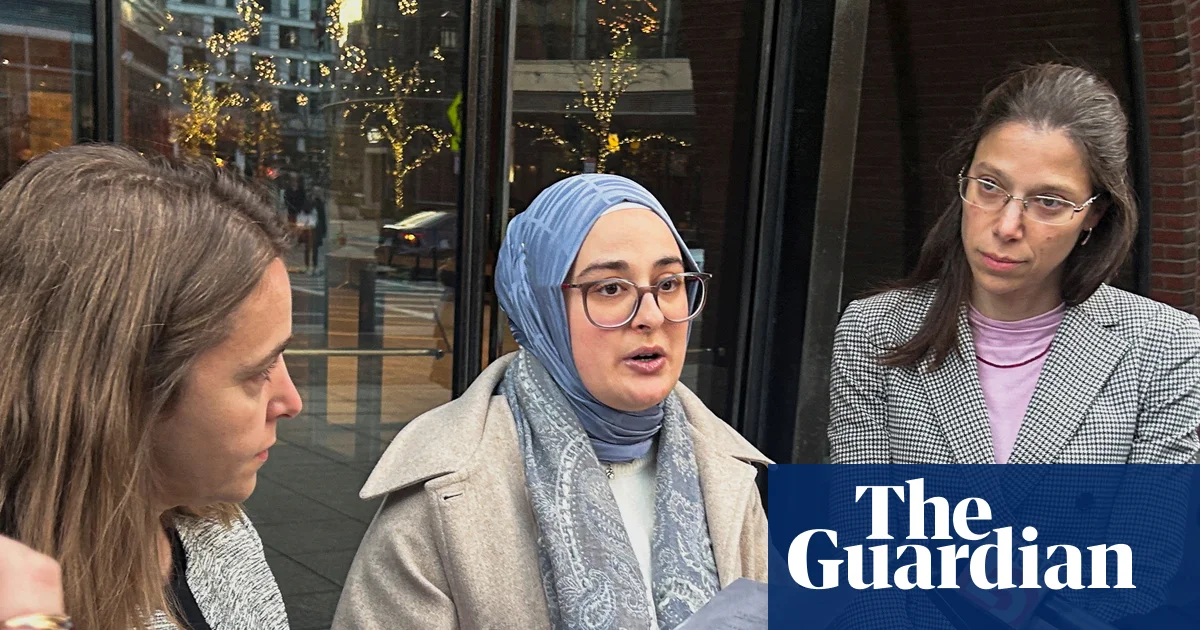
In a landmark case that resonates beyond the borders of the United States, the recent decision by an immigration judge to reject the Trump administration’s efforts to deport Rümeysa Öztürk, a Turkish PhD student, underscores the ongoing ideological battles shaping international discourse and domestic policy. Her arrest last year, rooted solely in her co-authorship of an editorial criticizing Israel’s actions in Gaza, epitomizes the growing concern over state suppression of free speech and the politicization of immigration law. Analysts warn that such cases serve as microcosms of broader, geopolitical shifts concerning sovereignty and civil liberties, reflecting a tension between authoritarian tendencies and Western democratic ideals.

The decision handed down in Boston by immigration judge Roopal Patel, which effectively halts Öztürk’s deportation, signals a potential rebalancing in U.S. immigration policy amid intense scrutiny from civil rights organizations. Öztürk’s lawyers described her case as emblematic of what many see as a politically motivated crackdown on pro-Palestinian voices on American campuses. Although the DHS’s attempt to revoke her student visa was based solely on her political expression—a move critics equate with gatekeeping academic freedom—the judge’s ruling emphasizes that the justice system can still serve as a safeguard for individual rights. This case is viewed as an implicit challenge to rising authoritarianism in the U.S., where critics argue that security concerns increasingly serve as a pretext for silencing dissent and marginalizing minority voices.

International organizations and historians argue that this incident exemplifies a broader geopolitical reckoning. The global community, particularly those nations with a history of state-controlled narratives and repression of activism, observe with concern how democracies respond to internal dissent under the guise of national security. The case underscores the power struggle between sovereign nations and international norms regarding human rights and free speech—a debate amplified across Europe and Asia as governments seek to tighten control amid mounting geopolitical tensions. The controversy also draws attention to the United States’ dual role as a champion of global democracy and as a nation grappling with its democratic foundations.

As nations worldwide watch with keen interest, some see this case as a turning point—a moment where the balance of power shifts, highlighting the necessity for a united response to defend civil liberties. The outcome could set a precedent influencing how other democracies handle internal activism and free speech in an era of increasing international instability. With the establishment possibly contemplating further restrictions, the question looms: how will the global order uphold the principles of justice and freedom in the face of rising authoritarianism? The answers remain unwritten, but the pages of this unfolding chapter are being turned at a historic pace—and the weight of history now hangs heavily over the fate of those who dare to speak out against the status quo.

Teacher disciplined over controversial student intervention

Society and Social Tensions: A Teacher’s Challenge in the Classroom

Recent reports have brought to light a disturbing incident involving a teacher subjected to liquid spray in the face during classroom activities, highlighting ongoing struggles within educational institutions and broader community dynamics. As schools serve as microcosms of society, such confrontations are not isolated events but symptoms of underlying social tensions—particularly how youth adapt to societal pressures and institutional authority. The disciplinary panel’s examination of the teacher’s reaction underscores the importance of understanding how social issues can directly impact families, educators, and the fabric of our communities.

Historians and sociologists emphasize that behavioral disruptions in schools often mirror the societal upheavals outside the classroom. Experts like Dr. Samuel Becker have argued that these instances typically stem from a breakdown in respect for authority, cultural shifts among youth, and systemic challenges in providing meaningful engagement. When a student resort to violence or disrespect, it reflects deeper issues such as

  • family instability
  • lack of access to mental health support
  • shrinking community resources

. The consequence for educators is profound: a compromise of their ability to foster a disciplined environment and uphold educational standards vital for preparing youth for responsible citizenship.

Furthermore, the incident sheds light on the moral and ethical dilemma experienced by teachers who find themselves on the frontlines of societal conflict. The reaction of the teacher, and subsequent dialogue in the disciplinary panel, reveals evolving attitudes towards authority and respect among youth. This raises critical questions:

  • Are schools adequately equipped to manage cultural tensions?
  • How do societal shifts influence students’ perceptions of discipline?

Sociologist Dr. Lisa Taylor notes that an era marked by social polarization has led to a challenging environment for educators, often leaving them in a no-win situation where their safety and authority are challenged simultaneously.

For families and communities, the ripple effects are undeniable. When youth are involved in disruptive incidents, it erodes the sense of safety and solidarity that are fundamental to community well-being. The challenge lies in fostering environments where respect, responsibility, and resilience become core values. To address these social issues, experts advocate comprehensive strategies such as

  • strengthening family support systems
  • enhancing community-based youth programs
  • reforming disciplinary policies to balance firmness with fairness

. Only through a collective effort can society begin to repair the fractures that threaten the foundation of our educational systems and larger social structures.

As society grapples with these complex issues, it becomes ever clearer that the path forward requires a renewed collective commitment—to understand, respect, and uplift the next generation. In the quiet resilience of teachers who stand amid chaos, there lies a potent reminder: amid social tensions and upheavals, hope persists. The challenge remains, however, whether society can foster an environment where respect for individual dignity is paramount—that a future can rise from the ashes of discord, built on the enduring values of community and moral integrity.

Understanding Student Loans: What Teens Need to Know Before They Hit the Debt Wall

The Rising Tide of Student Debt: A Society at Crossroads

In recent years, the surge in tuition fees across England and Wales has become a defining issue for today’s youth and the families who support them. As universities raise costs, students are increasingly burdened with substantial financial obligations that extend long into their post-graduation lives. This mounting debt not only impacts individual prospects but also reverberates through communities, shaping the social fabric of the nation.

Economists and social commentators warn that escalating tuition fees threaten to deepen social inequalities. Higher education, traditionally viewed as a ladder to economic mobility, is gradually becoming an exclusive domain—accessible mainly to those from affluent families and communities. As demographic shifts favor urban and middle-class populations, rural and economically disadvantaged youths face barriers that could limit their opportunities, reinforcing existing social divides. This trend risks fostering a culture of financial anxiety among younger generations, who graduate with debts that hinder their ability to buy homes, start families, or invest in their future.

The strain of rising costs on families is palpable. Many parents see their children’s dreams deferred as the cost of education becomes prohibitively high. Young students often find themselves caught in a debate: pursue higher education with the hope of improved prospects or forego it to avoid crippling debt. Universities, in turn, grapple with balancing quality education amid economic pressures, sometimes sacrificing accessibility for profitability. Sociologists like Dr. Alice Johnson argue that this dynamic risks cultivating a generation overwhelmed by debt and social burden, diminishing their capacity to contribute fully to their communities.

Addressing this crisis demands urgent, multifaceted solutions.

  • Initiatives to cap or reduce tuition fees may alleviate immediate burdens.
  • Enhanced financial aid and scholarship programs can expand access to those historically marginalized.
  • Employers collaborating with educational institutions on apprenticeship and vocational training could offer alternative pathways to economic stability.

Ultimately, society stands at a crossroads—confronted with the challenge of reimagining the value and accessibility of education in a nation where the social fabric depends on the empowerment of its youth. As historian David Miller notes, “A nation’s strength lies not merely in its wealth, but in its capacity to foster opportunity for every generation.” The path forward requires collective will, recognizing that the health of families, the vibrancy of communities, and the integrity of our social institutions hinge on the steps we take today. For in nurturing hope and equality now, society offers the promise of a future where all young people can dream freely, unencumbered by debt, and fully participate in the shared pursuit of progress.”

Reeves: Student Loan System Is Fair and Reasonable for Students and Society

The Societal Implications of the Government’s Student Loan Policy Shifts

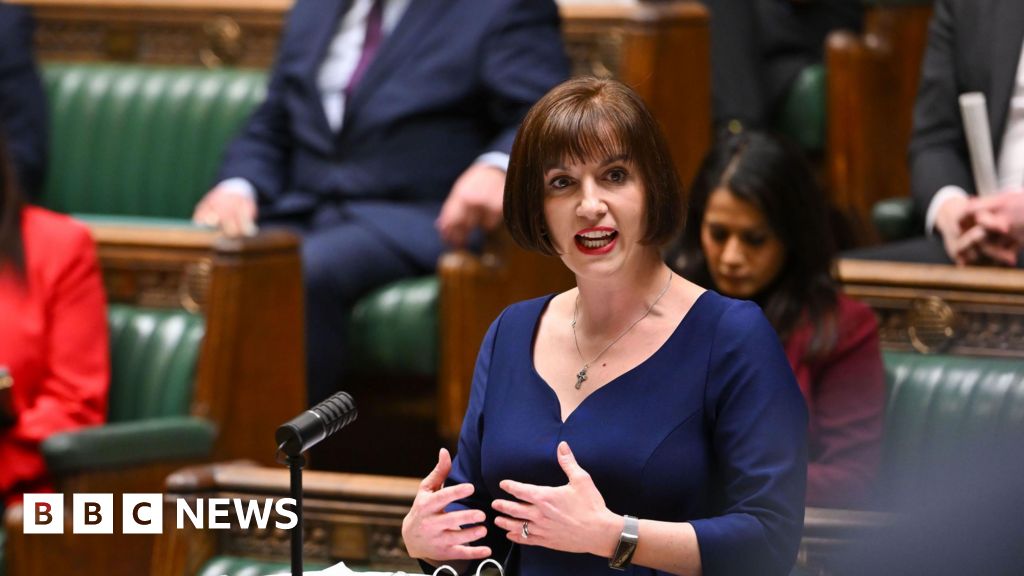
In recent weeks, significant controversy has surfaced surrounding the government’s decision to freeze student loan repayments, a move that has sparked fierce debate across various sectors of society. The Chancellor’s protective stance on this policy aims to address economic strains faced by young adults, yet critics argue that it underscores a broader issue of social responsibility and moral obligation. Notably, Martin Lewis, a prominent financial commentator, has challenged the government’s stance, labeling the freeze as “not a moral thing,” thereby highlighting the moral calculus intertwined with economic policy.

Such decisions resonate profoundly within families, educational institutions, and communities. For families, particularly those from lower-income backgrounds, the ability to afford higher education can be a matter of social mobility. When loan repayments are frozen, it temporarily alleviates financial burden; however, The underlying societal tension remains the same—are we prioritizing immediate economic relief over long-term social equity?. The policy’s ramifications extend into the educational landscape, where access and affordability serve as gatekeepers to opportunity. Sociologist Dr. Emily Carter notes that “when social policies shift in ways that may disincentivize financial responsibility, we risk creating generations disconnected from the moral fabric that underpins societal cohesion.”

Furthermore, the social fabric of communities endures the ripple effects of these policies. Opponents warn that the freeze could inadvertently entrench economic disparities, leaving vulnerable populations further behind. Conversely, proponents argue that it provides necessary breathing space for young professionals to establish themselves without the crushing weight of debt. Historically, as sociologist Peter Saunders reminds us, “Societies that neglect the moral dimension of economic policy often experience long-term social fragmentation.” The debate thus encapsulates a fundamental question: Should economic policy serve immediate relief or foster sustainable social bonds?

As society grapples with this challenge, community leaders, educators, and families face the task of cultivating resilience amid uncertainty. The social issue of student debt becomes not only a matter of individual finance but a symbol of societal values and priorities. Looking ahead, hope lies in fostering a balanced approach—one that recognizes the moral stakes behind such policies while ensuring that economic strategies bolster social cohesion. Society, after all, is not merely a collection of individuals but a living community rooted in shared responsibility and moral accountability. As the nation navigates these turbulent waters, one cannot help but ponder whether future generations will look back on this era as a turning point—either as a moment of moral awakening or a chapter of societal neglect—calling us to choose the path that preserves the dignity of family, education, and community.

Brown University Student Shares Resilience: Overcoming Two Mass Shootings and Rising Strong

In the midst of the holiday season, stories of resilience and tragedy weave a somber backdrop, reminding us of the relentless challenge that American youth face daily—the pervasive threat of mass shootings on school campuses. One such story emerges from Providence, Rhode Island, where 21-year-old Mia Tretta reflects on her harrowing experiences, shedding light on the broader cultural shift gripping the nation. Having survived her second school shooting, Mia’s narrative is a stark reminder that safety, once assumed as a given, is now a fragile illusion for countless young Americans. Her harrowing account underscores a critical question: how did a nation that prides itself on innovation and resilience become so desensitized to violence that students must practice *active shooter drills* as part of their routine?

This new era of wellness and lifestyle is marked by an *urgent necessity* to reconsider the very foundation of safety and mental health in schools. The aftermath of mass shootings, including the tragic loss of lives and the lasting physical and emotional scars, ignites debates across political and cultural spectra. Thought leaders such as Dr. Gabor Maté emphasize the importance of addressing underlying societal issues—mental health, gun control, community cohesion—to forge a path toward genuine healing. Yet, despite these expert insights, the ongoing cycle of violence compels schools to evolve into fortified environments, where police presence remains high, and students are equipped with tools for survival rather than true peace of mind. Mia’s story exemplifies a “new normal”—a landscape dominated by *mental resilience* efforts intertwined with visible security measures.*

For those seeking to embrace a lifestyle rooted in *resilience* and *self-reliance*, these events serve as a catalyst for embracing holistic wellness and proactive safety strategies. As cultural critic Camille Paglia points out, there is a value in fostering strength and independence among the youth—a counterpoint to the helplessness often associated with such tragedies. Practical lifestyle shifts include prioritizing physical and mental fitness, cultivating communities of support, and engaging in meaningful political action to advocate for responsible gun legislation.

  • Travel to safe yet inspiring environments—perhaps the scenic landscapes of the American West or the historic beauty of New England—to recharge and gain perspective.
  • Incorporate daily wellness practices such as mindfulness, physical activity, and community service to build *inner strength*.
  • Support organizations that prioritize *youth empowerment* and *gun reform* to channel frustration into tangible change.

Ultimately, the stories of survivors like Mia are not just cautionary tales but also callings to action—an invitation for the younger generation to redefine what it means to live boldly and responsibly. Her courage in sharing her experience at the White House illustrates a profound **personal impact**; not only has she faced her past with resilience, but she also embodies the growing movement of youth demanding change. It reminds us that authentic well-being transcends physical health—it’s about fostering a society where safety and peace are fundamental rights, not privileges. As we reflect on her journey, let us embrace the idea that each day, despite the chaos, offers a chance to forge a lifestyle of courage, resilience, and hope. Those who dare to live consciously, aware of both the vulnerabilities and strengths within, will find in their pursuit a profound sense of purpose—a journey toward embracing life amidst adversity.

Germany approves military service plan after student protests

In a striking demonstration of Germany’s tumultuous geopolitical landscape, the Bundestag recently rubberstamped a contentious new military service model amid fervent protests by youth across the nation. The legislation, which mandates screening all 18-year-old men for military suitability starting January 1, signals a clear shift towards rearmament—an echo of Germany’s Cold War past when conscription was a fundamental aspect of national defense. This move, championed by Defense Minister Boris Pistorius, aims to rebuild the German armed forces to reach a desirable strength of 460,000 personnel—comprising 260,000 active soldiers and 200,000 reservists—replacing the current modest force of approximately 182,000 active soldiers. Yet, this effort faces fierce opposition from a vociferous youth movement and critics warning of the societal and moral costs involved.

Public demonstrations erupted across Germany with students and young activists striking from classes, voicing their opposition to what they see as a dangerous regression towards militaristic nationalism. Alicia, a 17-year-old protester in Berlin’s Kreuzberg district, articulated a sentiment shared by many: “I’m striking against conscription and in opposition to the rearmament that’s taking place, not least because I don’t think the government is doing enough to secure peace through diplomatic means.” These protests mirror a broader undercurrent of skepticism about the government’s shift towards militarism at a time when many see diplomacy and international cooperation as the true pathways to lasting peace. International observers, including analysts from the European Council on Foreign Relations, warn that rearmament risks inflaming regional conflicts and eroding the post-World War II consensus that aimed to *keep Germany as a peaceful, democratic state.*

The decision’s geopolitical impact extends well beyond border disputes or military strength; it’s reshaping Germany’s role within Europe and the wider Atlantic alliance. Critics, such as the left-wing Die Linke, argue that this move undermines Germany’s commitment to peace and risks rekindling a militarized nationalism reminiscent of its dark past. Meanwhile, conservative voices emphasize the need for a prepared and patriotic military force, asserting that the new laws will inspire a sense of national duty among young Germans. Notably, Friedrich Merz of the CDU highlighted the importance of soldiers fighting for their country rather than monetary gain, advocating a “patriotism-driven” military ethos. This debate echoes historically charged tensions about national identity and the morality of military service, with critics pointing out the problematic echoes of Germany’s Nazi-era atrocities—a point often raised by historians warning against the resurgence of militaristic chauvinism.

Simultaneously, the German government is advancing legislation on an array of socio-economic issues, including a controversial pension law aimed at stabilizing an aging society. The legislation was fiercely debated, with young lawmakers raising concerns over demographic shifts and the burden of support placed on future workers. The law’s passage, which maintains state pensions at 48% of wages until 2031 and introduces tax incentives for extended workforce participation, reflects a broader attempt to balance economic sustainability with social security. Yet, opposition from within the coalition underscores fears that such policies merely shift burdens onto the youth, compounding the societal stresses of demographic decline. As the nation’s political landscape shudders under these dual shifts—toward rearmament and social austerity—the true test lies in how Germany’s leadership navigates this turbulent epoch. Will this be a chapter of renewed strength or the ignition of a perilous cycle of militarism and social discord? History continues to unfold, its pages heavy with implications for Europe and the world.

Minister Warns of Rising Student Asylum Claims Amid Visa ‘Abuse’ Concerns

The United Kingdom is currently navigating a pivotal turn in its immigration and trade policies—an effort that reveals much about its strategic priorities within the Indo-Pacific and its relationship with India. UK’s Indo-Pacific Minister Seema Malhotra recently defended sweeping immigration reforms during a diplomatic visit to India, asserting that they are “in line with what countries around the world do” to curb system abuse. Yet beneath this rhetoric lies a complex web of geopolitical signals and domestic challenges that could reshape not only Britain’s immigration landscape but also its broader positioning on the global stage. The reforms, which could delay permanent settlement for migrants up to 20 years and extend eligibility for indefinite leave to remain from five to ten, target an estimated 2.6 million arrivals since 2021, reflecting a stark shift towards greater national control amid increasing pressure from both political factions and public opinion.

While Malhotra insists these policies aim to promote fairness and order, critics—ranging from Labour MPs to international analysts—highlight the potential fallout. The UK, long distinguished for its openness to international students and skilled migrants, now faces a decline in Indian student arrivals—off by 11% from last year—fueling anxiety among universities and economic stakeholders. India, historically the UK’s leading source of foreign students accounting for 25% of arrivals, is witnessing a cooling demand as higher visa restrictions are implemented. This is not merely an educational issue; it signals a shifting geopolitical dynamic. India’s significant role as a crucial nation of origin for migrant workers and professionals makes the restrictions a point of tension, especially as UK-India relations evolve through recent free trade agreement (FTA) negotiations—including the opening of UK university campuses in Bengaluru. London’s push to deepen economic ties while tightening migration controls underscores a broader phenomenon: a cautious balancing act between fostering international cooperation and safeguarding domestic political stability.

Analysts warn that these inward-looking policies could have far-reaching consequences that extend beyond the UK’s borders. Historians and policy experts observe that such shifts respond not only to immediate political pressures but also to an international climate where migration becomes a pawn in larger competitions for regional influence. Sir Keir Starmer’s recent pledge to retain strict visa rules for Indians, despite trade ambitions, exemplifies the tension between economic cooperation and political sovereignty. Meanwhile, the UK’s move toward a “contribution-based” immigration system—favoring economic merit over temporal residence—may redefine what it means to be a migrant in Britain. The implications for nations like India are immense: as a significant source of skilled labor, especially in healthcare, the potential exodus of nurses and care workers could weaken the very sectors critical for societal stability, with many falling prey to visa scams and financial ruin. Such internal fissures threaten to undermine the societal fabric the UK seeks to protect, revealing an inherent dilemma where global ambition clashes with domestic reality.

In the unfolding saga of Britain’s future direction, each policy shift echoes as a chapter in the larger narrative of a nation wrestling with identity, influence, and survival. The geopolitical impact is unmistakable: Britain’s effort to tighten borders and prioritize economic contributions signals a defiance of the permissive migration policies characteristic of its past. As the world watches, the decisions taken now are not just about border controls—they are about who Britain is and what it aspires to be in a rapidly shifting international landscape. The weight of history hangs heavy, as the UK’s leadership steers through storms of domestic discontent and global rivalry—constructing a future where sovereignty and prosperity hinge on choices that will resonate for generations to come. The unfolding story remains one of resilience, risk, and the enduring quest for national place amid the tumult of today’s interconnected world.
Social Media Auto Publish Powered By : XYZScripts.com