Matox News

Truth Over Trends, always!

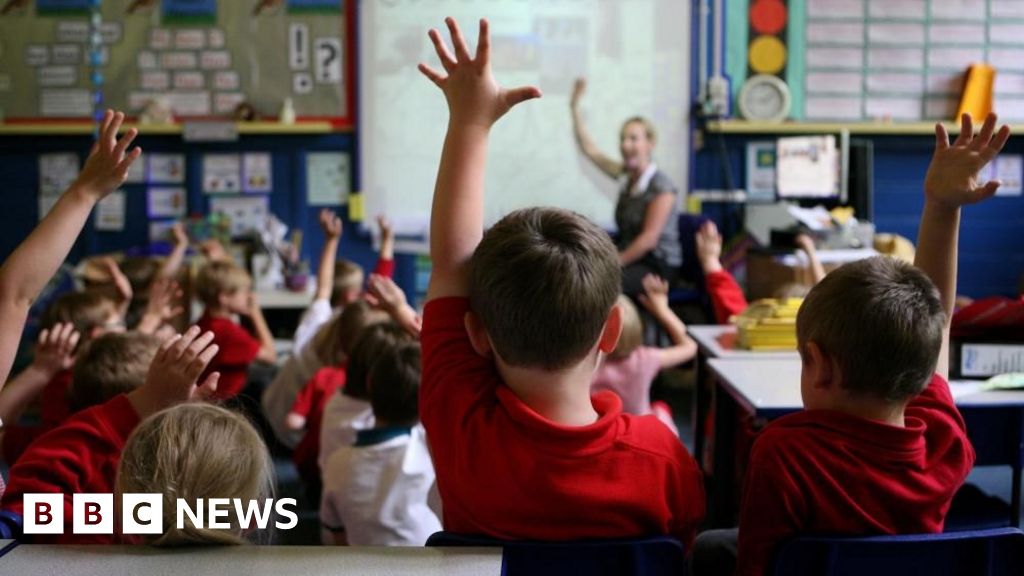
Majority of Students Secured Top School Options in a Growing Shift Towards Choice

As pupils across the country discover their secondary school placements, a wave of emotional responses and societal implications unfold, revealing much about the resilience and challenges faced by families, communities, and the broader educational landscape. This process of school allocation, often perceived as a routine administrative task, significantly influences the trajectory of a child’s social development, shaping their future opportunities and reinforcing existing social inequalities. For many families, the announcement marks a pivotal moment that tests their sense of hope and adaptability in an increasingly competitive environment.

The distribution of school placements reflects deeper societal issues, such as unequal access to quality education and the persistent socio-economic stratification that continues to define many urban and rural communities. Sociologists like Pierre Bourdieu have highlighted how educational institutions tend to reproduce societal hierarchies, with children from affluent families more likely to secure placements at prestigious schools. Conversely, disadvantaged communities often find themselves confined to underfunded institutions, undercutting students’ prospects and perpetuating cycles of inequality. The impact on families is tangible: parents may feel heightened anxiety, investing significant resources into supplementary tutoring or relocation to secure better educational opportunities for their children.

This social stratification extends beyond individual families to influence community cohesion and social mobility. Institutions such as local councils and educational authorities face mounting pressure to ensure equitable allocation within limited capacities. Yet, systemic barriers often hinder efforts, leaving marginalized populations vulnerable to social exclusion. The consequences resonate in communities, where disparities in school quality contribute to widening racial, economic, and cultural divides. Education historian Dr. Miriam Cohen warns that such disparities not only affect individual success but threaten the fabric of society itself, fostering feelings of alienation and disenfranchisement among youth.

Addressing these challenges requires a multifaceted approach, with an emphasis on reforming admissions policies, increasing investment in underserved schools, and fostering genuine community engagement. Proposed solutions involve expanding access to high-quality education through targeted funding, comprehensive scholarship programs, and initiatives that prioritize inclusive and diverse school environments. The aim is to dismantle barriers rooted in socio-economic background and to foster a sense of shared opportunity. As social commentators argue, sustainable social change hinges on recognizing that every child’s success is inherently tied to the support systems within their community and family, underscoring the ethical imperative to address educational inequities.

Ultimately, the journey of a young pupil receiving their school placement encapsulates the broader societal struggle—balancing tradition with reform, privilege with justice. As communities grapple with these social issues, it is essential to remember that behind every placement letter lies a human story, a family dreams, and a future waiting to be shaped. Society’s challenges demand collective effort, innovative solutions, and a moral commitment to forge pathways where opportunity is not dictated by circumstance but illuminated by hope. In this ongoing narrative of growth and resilience, the question remains: can society truly rise to meet the needs of all its young, offering them not just a place in a school, but a place in a future that values their potential?

Teacher claims students locked her in — a sign of youth defiance?

Teacher Strikes Highlight Growing Challenges in Greater Manchester Schools

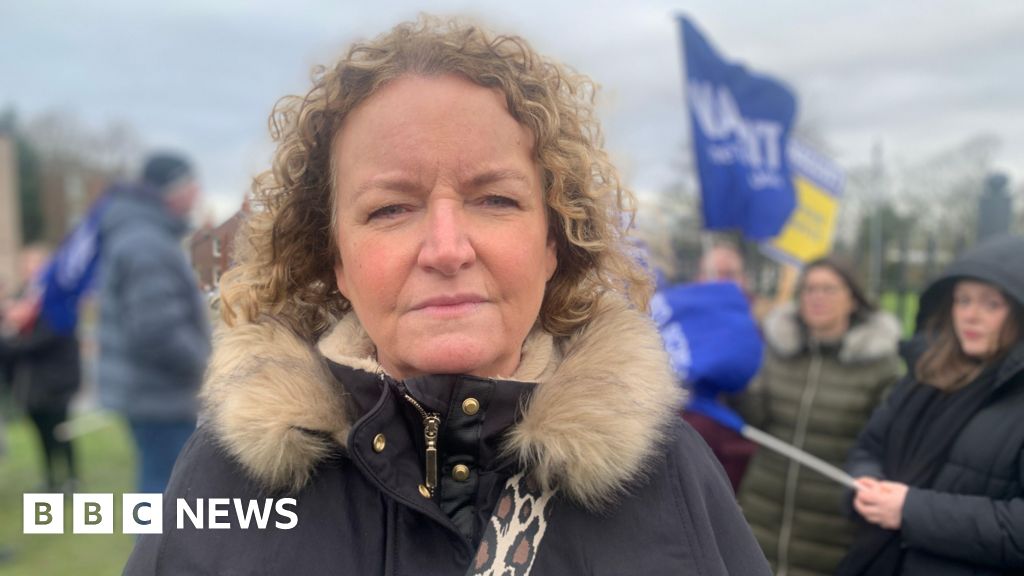
Across the communities of Greater Manchester, educators at two local schools recently opted to walk away from classrooms in protest, voicing serious concerns over an unsettling rise in disruptive and violent student behavior. This protest, while framed as a matter of teacher safety, underscores broader social issues—challenging families, the education system, and the very fabric of local communities. As the backbone of society, teachers are increasingly voicing fears that the environments in which children are being raised are affecting their discipline and capacity to learn.

The claims from these educators point to a dire trend: a tangible increase in violent incidents and indiscipline in schools, which they argue is rooted in wider societal shifts. Sociologists such as Dr. Robert Putnam have noted that the erosion of strong community bonds and family stability often correlates with escalating youth unrest. Families are the first socialization unit, yet many are now facing economic hardship, social dislocation, and a breakdown in traditional values, which, in turn, manifests in the classroom as behavioral issues.

The impact on families, education, and communities is profound. When teachers feel unsafe or overwhelmed, the ripple effects threaten to destabilize entire educational environments, diminishing learning outcomes and fostering a climate of frustration. For children, especially those from vulnerable backgrounds, the classroom should be a refuge and a place of growth—not a battleground. But societal neglect and shifting cultural norms have created a situation where many young students lack the guidance and discipline that once helped shape responsible citizens. As historian Dr. Samuel P. Huntington observed, societal cohesion ultimately depends on shared norms and values, which are now fragmenting among younger generations.

Addressing this crisis necessitates a comprehensive approach, including reforms in family support systems, youth services, and school policies.

  • Investing in community-centered programs that strengthen family units and promote moral responsibility.
  • Implementing targeted interventions to support at-risk youth before problems escalate into violence or disciplinary issues.
  • Fostering a renewed respect for authority and discipline within educational environments, without compromising the dignity of students.

Yet, as these social challenges mount, there remains a lingering hope—an enduring belief in the potential for communities to reclaim their cohesion and restore traditional values that foster respect and responsibility. Perhaps the most profound lesson lies in understanding that schools are reflections of society at large. When families are empowered, and communities unite around shared cultural principles, the cycle of chaos can be broken. Society’s resilience hinges on recognizing that the future of our children and the strength of our communities depend fundamentally on restoring the moral compass that binds us all together. While the path ahead may be fraught with difficulty, it is also illuminated by the hope that concerted effort can turn this tide, transforming social fragmentation into a foundation for genuine societal renewal.

Student Loans Crisis in England: Action Needed to Secure Our Future Students

In an era marked by soaring student debt and economic uncertainty, international observers are witnessing a critical juncture that underscores the fragile state of global socio-economic stability. As countries grapple with mounting financial burdens, the lens is now sharply focused on major Western nations where policy decisions regarding higher education funding and economic reforms are illustrating broader geopolitical shifts. The recent debates over student loans, interest rates, and university funding within the United Kingdom serve as a microcosm of a global crisis—one that threatens to reshape societal structures and international influence.

Within the UK, the political landscape is rife with tension as policymakers from both sides of the aisle scramble to address widespread discontent. The Labour government, represented by figures like MP Nadia Whittome, highlights a stark reality: even highly paid individuals see their financial situations erode over time due to rising inflation and disproportionate interest payments. This frustration feeds into a broader narrative of systemic unfairness, compounded by ailing institutions. The debate about student debt relief and university funding has escalated rapidly, prompting pledges from the ruling Conservatives to cut interest rates on certain loans—an initiative that has met with controversy and alarm from independent financial experts like Martin Lewis. Such internal conflicts expose the underlying fragility of the nation’s financial model and hint at upcoming political upheaval.

The geopolitical impact extends beyond the UK’s borders. As policymakers cut back on “ineffective” university courses and shift funding priorities, internationally entrenched issues surrounding global competitiveness and educational quality are intensifying. Countries across the world are observing these debates, recognizing that a nation’s future economic strength hinges on the sophistication of its human capital. Meanwhile, analysts warn that such domestic upheavals in a Western powerhouse could embolden authoritarian actors, especially in regions where Western influence is waning. The United States, for example, is also facing a renewed crisis over the affordability of higher education, foreshadowing a potential ripple effect that could destabilize international alliances and push nations further into strategic competition.

Institutions like the International Monetary Fund and OECD have sounded the alarm over how these domestic policies, if left unresolved, threaten to exacerbate inequalities worldwide. The undeniable truth is that decisions made in London or Washington do not simply stay local; they influence global economic patterns, migration, and diplomatic relations. The emphasis on suppressing university costs and realigning fiscal priorities is, in essence, a reflection of a deeper desire to reconfigure the global power hierarchy. Each reform, each budget cut, meticulously analyzed by geopolitical strategists, signals a move toward an uncertain future where the sovereignty of nations may become increasingly intertwined with their ability to sustain socioeconomic stability amid external pressures.

As the shadows lengthen across international theaters, the question remains—how will history judge this epoch of upheaval? With every policy shift, the weight of tomorrow’s world is being written. Will these decisions lay the groundwork for a renewed era of national strength, or will they serve as a cautionary tale about the perils of shortsighted governance? The scars of this tumultuous chapter are yet to be fully revealed, but one thing is certain: the course of history is still being set, and the echoes of today’s choices will resonate for generations to come.

Leaked plans indicate support for SEND students to be reassessed after primary—what it means for our youth’s future

Reshaping Special Education Support: A Societal Reflection

Recent leaks have revealed a potential overhaul of special educational needs (SEN) and disabilities support systems within schools, igniting debates across communities about the future of inclusive education. As the fabric of society evolves, so too does the recognition that every child, regardless of their physical or learning challenges, deserves equitable access to quality education. Yet, these proposed reforms underscore ongoing tensions between institutional efficiency and the moral obligation to foster environments where diversity is genuinely embraced.

The impending changes suggest a comprehensive redesign of SEN support structures, which could significantly impact families, educators, and students. Historically, sociologists like Pierre Bourdieu have emphasized how social inequalities become embedded within educational institutions, often marginalizing students with disabilities or learning difficulties. The current conversation centers around whether these reforms will address such disparities or inadvertently exacerbate them. Many parents of children with special needs express concern that a top-down approach might diminish the personalized care and attention their children rely on, potentially reducing access to specialized resources that are crucial for their development. For families, this is more than policy—it’s a matter of justice and opportunity.

Furthermore, the proposed shifts could reshape how schools integrate students with disabilities, impacting community cohesion and educational equity. Educators face the complex challenge of balancing the allocation of limited resources while fostering an inclusive classroom environment. The history of social integration reveals that well-structured support is key to breaking down barriers of misunderstanding and prejudice. As social theorist Michael Apple notes, “education has the power either to reinforce existing inequalities or to serve as a site of social transformation.”

  • Potential reduction in tailored support services, risking increased segregation within mainstream classrooms.
  • Need for increased investment in teacher training and infrastructural accessibility to uphold inclusive standards.
  • Calls for transparent policymaking processes involving stakeholders—parents, educators, and advocates alike—to ensure reforms serve all members of society.

The societal implications extend beyond the classroom—families feel the ongoing weight of navigating bureaucratic systems that often overlook their specific needs. Children with disabilities are not mere statistics; they are individuals whose daily struggles reflect broader societal attitudes toward diversity. A failure to adequately support them undermines the moral fabric of a society that claims to value fairness and opportunity.

In the words of social historian Howard Zinn, “society is a body that can only be healthy when every part is nourished and supported.” As communities grapple with these upcoming reforms, they are compelled to reexamine the core values of inclusivity and shared responsibility. The challenge lies in implementing change that genuinely uplifts families, educators, and students, fostering a future where differences are not just accommodated but celebrated. The hope remains that, amidst society’s complexities, the collective effort to nurture a truly inclusive environment will lead to a stronger, more resilient community—one where every individual’s potential is recognized and realized.

Nine Arrested in France Over Far-Right Student’s Death

In a disturbing turn of events, Quentin Deranque’s life was tragically cut short on Saturday, just two days after he was assaulted by masked individuals in Lyon. The incident, believed to be orchestrated by far-left militants, has sent shockwaves across the political landscape of France. As reports surface implicating radical factions, international observers and diplomatic voices are increasingly alarmed about the escalation of political violence shaping Europe’s second-largest economy.

The assault and subsequent death underline growing tensions in a continent grappling with ideological polarization. Historian Michael Hart, a prominent analyst of European radicalism, warns that such acts of violence threaten to undermine the social fabric and the rule of law if left unchecked. The incident also raises questions about the effectiveness of law enforcement and the government’s capacity to contain militant factions whose activities are often cloaked in secrecy. The political climate in France appears to be fracturing, with militant groups exploiting social grievances to justify violent actions against perceived enemies.

This tragic event, occurring amidst broader geopolitical shifts, highlights the **rise of extremist movements across Europe**, which many analysts argue are exacerbated by economic instability, immigration debates, and social discontent. International organizations such as the European Union have called for increased vigilance and unity, yet critics argue that their responses insufficiently address the root causes of such violence. The death of Deranque could be a catalyst for a reevaluation of security strategies and confrontations with militant factions that threaten to destabilize the region’s fragile peace.

As global powers watch developments closely, the incident serves as a stark reminder that the battle over cultural identity, political ideology, and national sovereignty is intensifying. The United States, the UK, and other allies are monitoring France’s internal struggles, often warning that unchecked radicalization within one member state could have repercussions extending beyond Europe’s borders. Historians warn that these moments of violence could usher in a darker era, a period where ideological extremism erodes the foundational pillars of democracy and civil order, forcing nations into difficult choices. As the dust settles and investigations unfold, the world stands at a crossroads, teetering on the edge of a new chapter where history’s lessons must be heeded—lest chaos and division become the new normal.

Why Are Students Claiming COVID Compensation from Universities?

Universities Face Legal Action Over Pandemic-Induced Failures

Across the nation, dozens of universities are confronting legal challenges from students who argue that their institutions failed to fulfill their educational responsibilities during the COVID-19 pandemic. These legal actions highlight a broader societal discussion on the effects of abrupt shifts in higher education on _families_, _communities_, and _the future workforce_. As campuses transitioned to remote learning, many students found themselves disconnected from vital educational resources, mentorship, and social infrastructure—elements that form the backbone of a healthy learning environment.

Legal advocates and student groups claim that these institutions neglected their duty of care and failed to provide equitable access to learning opportunities. For many students, especially those from disadvantaged backgrounds, the pandemic’s disruptions widened the gap in educational equity, impacting not just academic progress, but their overall well-being. The social consequences of these failures resonate beyond campus borders—families face increased uncertainty, and local communities grapple with the long-term repercussions of interrupted education. Sociologist Dr. Lisa Monroe comments that such institutional shortcomings threaten the stability of the social fabric, as the next generation’s preparedness hinges on access and support within these educational institutions.

The Broader Societal Implications of Educational Disruptions

The pandemic exposed underlying vulnerabilities in the American higher education system, questioning whether institutions prioritized bureaucracy over student needs. Many universities were unprepared to shift swiftly to online platforms, leaving students in limbo and often without adequate technological resources. These systemic gaps, according to social historians, mirror longstanding societal inequalities and reinforce existing class divides. As society evolves, the disconnect between policy and the human element underscores the importance of resilient, inclusive educational models. Failure to adapt not only hampers individual futures but also undermines the societal trust essential for community cohesion.

  • Inconsistent access to digital resources has disproportionately affected students from low-income families, exacerbating *educational inequity*.
  • The loss of campus-based support services, such as counseling and mentorship, has heightened mental health challenges among students.
  • Communities reliant on universities for economic stability faced economic downturns as enrollment declined during the pandemic.

Moving Forward: Restoring Trust and Embracing Social Responsibility

Addressing these systemic failures necessitates a multifaceted approach. Critics argue that universities must reevaluate their priorities and implement more inclusive and adaptive strategies to serve their diverse student bodies. Failing to do so risks further alienating vulnerable populations, threatening the societal cohesion that is integral to a thriving democracy. Policymakers and institutional leaders are called upon to ensure that future crises do not repeat the educational shortcomings of the past, emphasizing transparency, technological infrastructure, and equitable access.

Institutional accountability, coupled with renewed community engagement, could foster an environment where education acts as a bridge, not a barrier. As sociologists like Patrick Wilson note, resilient societies are built on the foundations of social justice and support for the most vulnerable. Society must reconsider the role of education—not merely as a path to economic gain but as a moral imperative that safeguards the dignity and potential of every individual. Perhaps, amid the shadows cast by recent failures, there lies an opportunity for renewal—one that places human connection, moral responsibility, and social equity at the heart of educational transformation. In doing so, society might find hope in its capacity to heal, rebuild, and ultimately forge a future where no student is left behind in times of crisis.

Students file new Covid compensation claim against 36 universities, standing up for fairness in society

University Settles Legal Claim Over Pandemic-Related Learning Loss, Spotlighting Broader Social Challenges

The recent settlement by University College London (UCL) regarding a legal claim filed by students highlights a pressing issue that extends far beyond the academic sphere. During the COVID-19 pandemic, countless students from diverse backgrounds faced substantial disruptions to their learning environment, exposing vulnerabilities within our education system that are now unfolding into wider societal concerns. This case serves as a mirror, reflecting how disrupted educational pathways threaten not only individual futures but also the fabric of our families and communities.

The pandemic-induced interruptions, including remote learning challenges and mental health strains, have demonstrated how fragile the connection between educational institutions and societal stability truly is. For many young people, especially those from underprivileged or marginalized communities, these disruptions translate into lost opportunities, diminished earning potential, and impacts that ripple through families for generations. As historian and social critic Dr. Samuel Becker emphasizes, “education is the backbone of societal resilience; when it falters, entire communities bear the burden.” The legal claim settlement indicates a recognition of these profound impacts and underscores the moral responsibility of institutions to safeguard the rights of students as citizens and future contributors to society.

Social commentators point out that such events catalyze cultural shifts regarding our collective commitment to educational equity. Recent sociological studies expose how demographic disparities in access to quality learning have widened, with disadvantaged families bearing the brunt. These gaps threaten to entrench existing societal divisions, fostering a cycle where families struggle to provide their children with the skills required to succeed in a rapidly changing world. Experts like Dr. Lisa Grant, a sociologist specializing in social mobility, warn that unless systemic reforms are implemented, the pandemic’s legacy may be one of increased stratification rather than opportunity.

  • Addressing the crisis involves investing in technological infrastructure to ensure equitable access to remote learning tools.
  • Enhancing mental health support within educational settings is essential to navigate the ongoing emotional toll.
  • Implementing flexible curriculum models can help accommodate students still recovering from pandemic-related setbacks.

While the moral imperative to protect the educational rights of the youth is clear, societal transformation requires broad engagement from policymakers, educators, and communities. Only through committed effort can we aspire to mend the societal fabric torn by this crisis and foster a culture that values resilience, opportunity, and human dignity. As our society stands at this crossroads, it becomes imperative to reflect on the fragile yet resilient nature of community bonds. There remains hope that, through renewed dedication and innovative reforms, we can shepherd our young generations toward a future where learning loss does not define their potential — a future where society’s collective strength prevails over adversity, and the promise of renewal becomes a shared reality for all.

Reeves: Student Loan System Is Fair and Reasonable for Students and Society

The Societal Implications of the Government’s Student Loan Policy Shifts

In recent weeks, significant controversy has surfaced surrounding the government’s decision to freeze student loan repayments, a move that has sparked fierce debate across various sectors of society. The Chancellor’s protective stance on this policy aims to address economic strains faced by young adults, yet critics argue that it underscores a broader issue of social responsibility and moral obligation. Notably, Martin Lewis, a prominent financial commentator, has challenged the government’s stance, labeling the freeze as “not a moral thing,” thereby highlighting the moral calculus intertwined with economic policy.

Such decisions resonate profoundly within families, educational institutions, and communities. For families, particularly those from lower-income backgrounds, the ability to afford higher education can be a matter of social mobility. When loan repayments are frozen, it temporarily alleviates financial burden; however, The underlying societal tension remains the same—are we prioritizing immediate economic relief over long-term social equity?. The policy’s ramifications extend into the educational landscape, where access and affordability serve as gatekeepers to opportunity. Sociologist Dr. Emily Carter notes that “when social policies shift in ways that may disincentivize financial responsibility, we risk creating generations disconnected from the moral fabric that underpins societal cohesion.”

Furthermore, the social fabric of communities endures the ripple effects of these policies. Opponents warn that the freeze could inadvertently entrench economic disparities, leaving vulnerable populations further behind. Conversely, proponents argue that it provides necessary breathing space for young professionals to establish themselves without the crushing weight of debt. Historically, as sociologist Peter Saunders reminds us, “Societies that neglect the moral dimension of economic policy often experience long-term social fragmentation.” The debate thus encapsulates a fundamental question: Should economic policy serve immediate relief or foster sustainable social bonds?

As society grapples with this challenge, community leaders, educators, and families face the task of cultivating resilience amid uncertainty. The social issue of student debt becomes not only a matter of individual finance but a symbol of societal values and priorities. Looking ahead, hope lies in fostering a balanced approach—one that recognizes the moral stakes behind such policies while ensuring that economic strategies bolster social cohesion. Society, after all, is not merely a collection of individuals but a living community rooted in shared responsibility and moral accountability. As the nation navigates these turbulent waters, one cannot help but ponder whether future generations will look back on this era as a turning point—either as a moment of moral awakening or a chapter of societal neglect—calling us to choose the path that preserves the dignity of family, education, and community.

University enrollments drop as students encounter growing "cold spots" in courses
University enrollments drop as students encounter growing “cold spots” in courses

Language Courses and the Erosion of Regional Cultural Identity

Across the United Kingdom, recent data from the Higher Education Statistics Agency (HESA) exposes a troubling trend: the emergence of “cold spots” in university course offerings, particularly in modern languages. These regional disparities are not merely statistical anomalies; they symbolize a deeper societal shift that risks impoverishing the cultural fabric of our communities. The decline in courses in French, German, and other critical languages reflects broader challenges faced by our educational institutions—namely, financial constraints and shifting student interests—raising urgent questions about how society values cultural literacy and intercultural understanding.

Over the last decade, the number of students enrolled in French studies has plummeted from 9,700 to just 3,700, exemplifying a stark reduction in regional access. Similar declines are evident across other language disciplines, with some regions experiencing near-total abandonment of language courses. These downward trends are often attributed to university budget cuts–driven by fiscal difficulties and the necessity to prioritize courses with higher enrollment. Sociologists and educational commentators warn that this narrowing of academic offerings leads beyond mere academic exclusion; it threatens to **dismantle** the social cohesion that linguistic diversity nurtures. Catherine Richards, a principal at East Norfolk Sixth Form College, emphasizes that the issue begins long before university, with fewer language opportunities at the primary and secondary levels—an erosion of early exposure that seals many students’ academic fate.

This educational contraction has profound social implications, particularly for families and communities. When regional students face limited access to language learning, they are often encouraged to move to far more expensive urban centers like London or Bristol. Emma Walker, a language course leader, highlights how students from less affluent backgrounds are effectively priced out of the opportunity to study languages, with some being forced to abandon their aspirations due to the high costs of living in bigger cities. Such economic barriers threaten to create a linguistic divide—a socio-economic chasm that hampers social mobility and reinforces regional inequalities. Historically, language learning has been a tool for bridging cultural gaps; its neglect now risks turning regional communities into linguistic echo chambers, impoverished of the rich exchange of ideas that diverse languages facilitate.

At the core of this crisis lies a fundamental societal question: what do we value as a society? Experts like Prof. René Koglbauer warn of a spiraling decline in language skills, where the absence of university and school language courses sends a signal of cultural devaluation. They propose a shift in approach—urging universities to adopt collaborative strategies and pool resources to sustain language programs, especially in regions most at risk. Meanwhile, policymakers stress a need for comprehensive reforms, with the Department for Education affirming that “all children” should have the opportunity to learn a language, asserting that curricular reviews will ensure cultural skills are prioritized. Nonetheless, the challenge remains: without concerted action, the societal fabric will fray further, with each lost language a thread removed from our collective tapestry.

Ultimately, society stands at a crossroads—whether to nurture a multilingual, culturally-rich future or permit regional linguistic identities to dissolve into distant memories. In the shadows of declining coursework and shifting demographics lies a sobering truth: the resilience of our communities depends on the values we choose to uphold today. As we ponder these societal shifts, let us remember that beneath the statistics are families, students, and teachers—each seeking a future where society’s diversity is celebrated, and the doors of opportunity remain open to all, regardless of geography or economic circumstance. For in safeguarding our linguistic heritage, we safeguard the very essence of our society’s capacity for understanding, connection, and renewal.

Mossbourne School’s Impact Under Scrutiny: Some Students' Wellbeing at Risk
Mossbourne School’s Impact Under Scrutiny: Some Students’ Wellbeing at Risk

Success at a Cost: The Hidden Crisis in England’s High-Achieving Schools

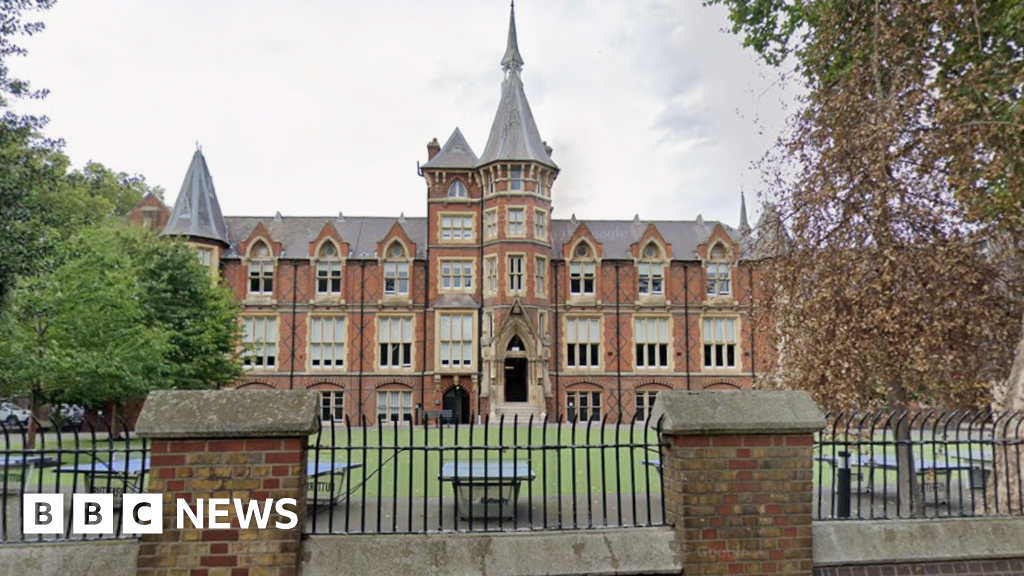
In the vibrant neighborhoods of East London and the heart of Hackney, prestigious institutions like Mossbourne Victoria Park Academy (MVPA) have long celebrated remarkable academic results, exemplifying the nation’s educational ambitions. However, beneath this veneer of achievement lies a fractured cultural landscape where the wellbeing of vulnerable students is compromised in the pursuit of excellence. An independent safeguarding review has exposed troubling practices—shouting, public humiliation, unequal sanctions—that threaten the very fabric of community trust and family stability. This crisis underscores a disturbing trend: when schools prioritize discipline and academic performance over dignity and human rights, it is families and communities who bear the invisible scars.

The report reveals that these high standards have exacted a heavy toll on some of the most vulnerable pupils. Students with special educational needs and disabilities (Send) have been disproportionately sanctioned for behaviors linked to their conditions, creating a climate of fear that can haunt young minds long after they leave the classroom. Feelings of anxiety, shame, and trauma are amplified in environments where public reprimands overshadow empathy. Sociologists like Dr. Robert Putnam warn that social cohesion erodes when institutions foster a culture of control rooted in austerity rather than compassion. Families, especially those from underrepresented communities, are reporting difficulty in having their concerns acknowledged, further fueling societal divisions and distrust.

Among the most alarming findings are practices such as

  • routine shouting
  • public deskings for minor issues
  • disciplinary measures applied unfairly to pupils based on ethnicity or special needs

. These behaviors create what Jim Gamble, chair of the City & Hackney Safeguarding Children Partnership, describes as a “climate of fear” that stifles healthy development and erodes the moral fabric of educational environments. While MVPA’s academic reputation remains high, critics like historian Dr. David Gilman argue that such success, achieved through rigid and inflexible discipline systems, risks sacrificing the fundamental human dignity of students. As Sir Alan Wood, a prominent social commentator, remarks, “Success, but not for all, is merely a hollow victory if it is built on trauma.” Achieving excellence must mean fostering resilience and respect, not fear and compliance.”

Finally, the societal implications extend beyond school walls. The families affected report feeling ignored or silenced; some families even describe walking away from their parental rights in frustration, while teachers recount a culture where empathy is discouraged and blame prevails. Meanwhile, authorities like Hackney Council and the Department for Education recognize that this is a moment of crisis—an urgent call to re-evaluate not only disciplinary practices, but also the core values upon which society’s future depends. As the nation confronts this uncomfortable truth, the question remains: can we rebuild education rooted in respect, duty of care, and community trust? Or will we continue to allow the triumphs of test scores to conceal the scars of unchecked authority, leaving future generations to navigate the shadows of a divided society?

In the quiet moments of reflection, society faces the profound challenge: to ask whether our brightest institutions are truly illuminating the path to a humane and equitable future, or merely shining falsely on a broken foundation. As society’s caretakers and young changemakers look toward horizons filled with uncertainty, the hope persists—a hope that from the depths of this crisis can emerge a renewed commitment to truth, compassion, and genuine excellence.

Social Media Auto Publish Powered By : XYZScripts.com