Matox News

Truth Over Trends, always!

Record High: More Students Missing Over Half of School Days, Raising Concerns about Our Future

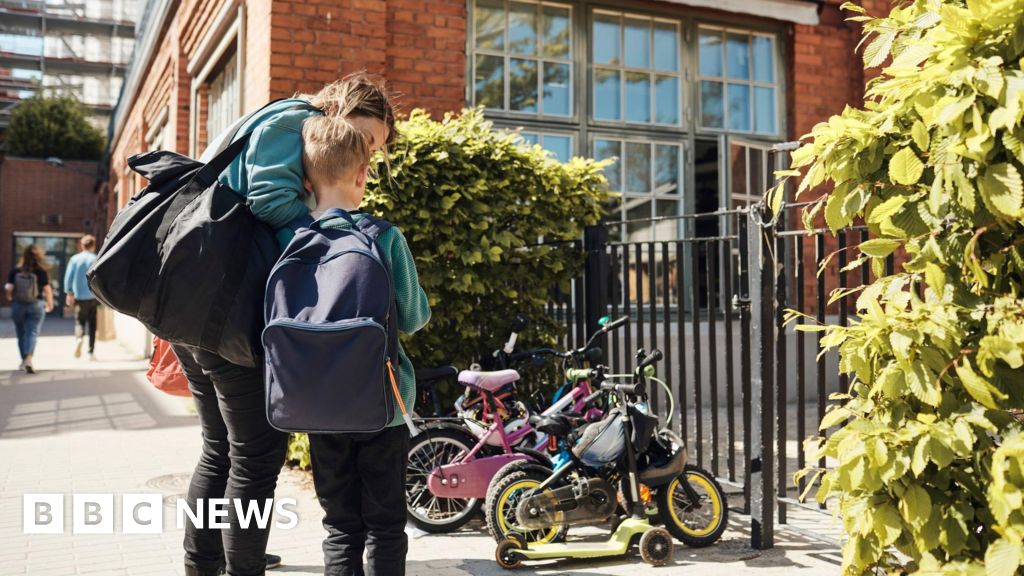
Recent reports from England’s educational authorities reveal that while overall school attendance has seen a positive trend, an unsettling disparity persists among students with additional needs. This demographic, which includes children with learning disabilities, behavioral challenges, and other special educational needs, continues to experience higher rates of absenteeism. Such patterns threaten to deepen existing social inequalities and compromise the foundational role of education in fostering a cohesive, resilient society.

The statistics highlight a clear social tension: as general attendance improves, children with additional needs are increasingly marginalized, often left behind in the classroom and in the broader social fabric. Sociologists like Jane Jacobs have long emphasized the importance of inclusive communities, arguing that social cohesion is rooted in the participation and integration of all members. When students with additional needs are absent more frequently, families face added strain, educational institutions struggle to meet diverse requirements, and communities risk creating a cycle of exclusion that damages the moral fabric of society.

Many families of children with additional needs find themselves burdened by a lack of adequate support and understanding from schools and policymakers. The challenges extend beyond academic achievement; they influence familial stability and emotional well-being. Educational psychologist Dr. Samuel Morley points out that consistent school attendance is vital not only for learning but also for developing social skills and confidence. When access and engagement are limited, these children are at risk of falling further behind, affecting their future prospects and the societal integration vital for a healthy nation. This ongoing crisis underscores the urgent need for targeted solutions that address the unique barriers faced by these families.

Proposed interventions include bolstering specialized support services, enhancing teacher training, and fostering collaborative approaches between schools, healthcare providers, and social services. Such measures aim to create an environment where every child’s needs are recognized and met with compassion and competence. Moreover, addressing underlying issues like mental health, poverty, and housing instability is essential for reducing absences and promoting equality. Strategies must focus on building resilient, inclusive educational communities—an effort that demands political will and societal commitment. Only then can the dream of a society where no child is left behind be transformed into a tangible reality.

As society grapples with these social and educational challenges, it is crucial to remember that the true measure of progress lies in our ability to nurture a future where every child has the opportunity to thrive regardless of their starting point. The journey toward inclusion is not merely about improving attendance figures but about restoring hope, dignity, and continuity in the lives of families and communities. In a society seeking its moral compass, perhaps the most profound task is to ensure that no child’s voice is silenced by the silence of absence and that the nation’s strength is built upon the collective resilience of all its members.

Teacher survey reveals staffing shortages hurting SEND support for students

Global Education Challenges and the Future of Inclusivity

The recent survey conducted by the National Education Union (NEU) in England casts a stark light on an escalating crisis that transcends national borders and demands urgent international attention. With nine out of ten teachers reporting oversized classes and staffing shortages, the fundamental ability to support children with special educational needs and disabilities (Send) is under severe threat. These issues, rooted in inadequate resource allocation and systemic neglect, threaten to undermine the very ideals of inclusive education—values that resonate across democracies and authoritarian regimes alike. The implications of these failures extend far beyond Britain, serving as a cautionary tale for countries worldwide wrestling with the balance between educational ambitions and practical constraints.

As Britain’s government announces its comprehensive white paper aimed at reforming the Send system, international analysts scrutinize the plan’s potential to effect real change. The proposal emphasizes assessing pupils with special needs and creating personalized support plans—yet, as highlighted by Daniel Kebede, NEU’s general secretary, the main obstacle remains resourcing: “Mainstream schools are simply not staffed or funded to meet current needs.” The government’s pledge of £1.6bn over three years and additional funds for specialists and teacher training may appear substantial, but experts argue these figures are insufficient for the massive overhaul required. With only the most complex cases qualifying for education, health, and care plans (EHCPs), millions of children currently fall through the cracks, echoing a global pattern of neglect in education systems unprepared for the rising tide of special needs support demands.

From a geopolitical perspective, this domestic crisis serves as a broader warning: when nations fail to invest in their future through education, they risk stagnation and social division. According to international organizations such as UNESCO, equitable access to quality education is a cornerstone of sustainable development; yet, many countries are grappling with similar issues, especially as economic disparities widen. The European Union, the United Nations, and other global bodies have recognized that the success of inclusive education hinges on political will and resource commitment. Failure to act decisively endangers not just individual lives but the stability of societies in an increasingly interconnected world where human capital is the linchpin of progress.

Moreover, leading historians and political analysts warn that national policies on education are often a reflection of deeper societal values and priorities. The current crisis in Britain’s schools underscores a broader tendency among many developed nations to underfund social services while maintaining military and geopolitical influence on the world stage. As conflicts persist from Eastern Europe to the Indo-Pacific, the focus on military might often overshadows pressing social issues—yet, the failure to nurture the next generation with inclusive policies may breed long-term instability. The international community watches as the unfolding story of Britain’s education reform reveals how decisions made today—regarding resource allocation, policy priorities, and societal values—will shape the global order tomorrow. The echoes of neglect today may become the upheavals of tomorrow’s history, a reminder that the battle for inclusion is as much a geopolitical struggle as it is an educational one.

As the twilight of this chapter approaches, the weight of history hangs heavy. Will the international community learn from Britain’s struggles, or will it watch in silence as opportunities for true inclusivity fade into the shadows of political inertia? The future remains unwritten, but one fact is clear: whether nations rise or fall on the strength of their social fabric, the true measure of greatness lies in their ability to support those most in need. The pages of history are turning, and in the silence ahead, the echoes of neglect threaten to resound for generations to come.

Youth Disrupt Education Again as Teachers Strike Over Disorderly Students

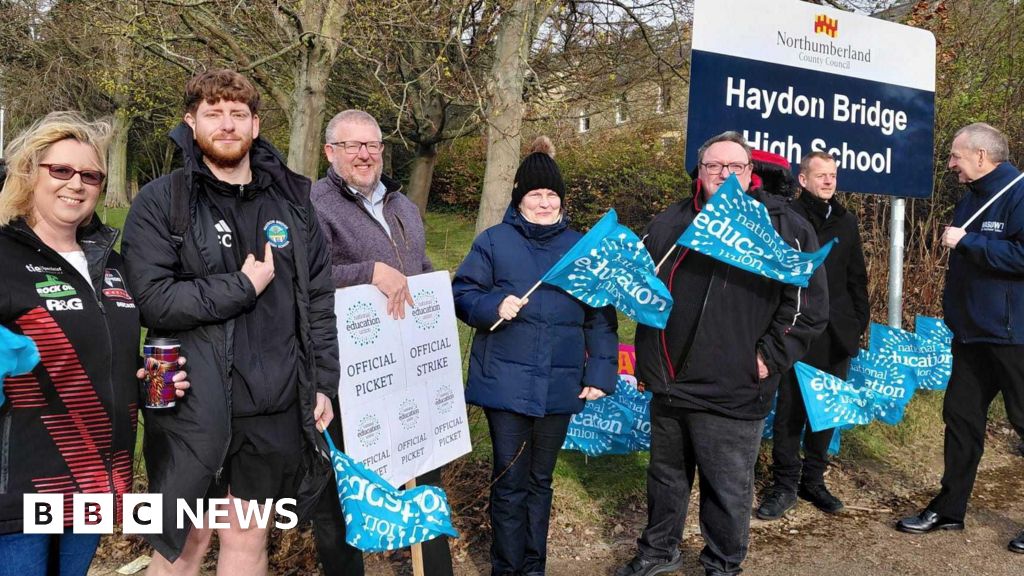
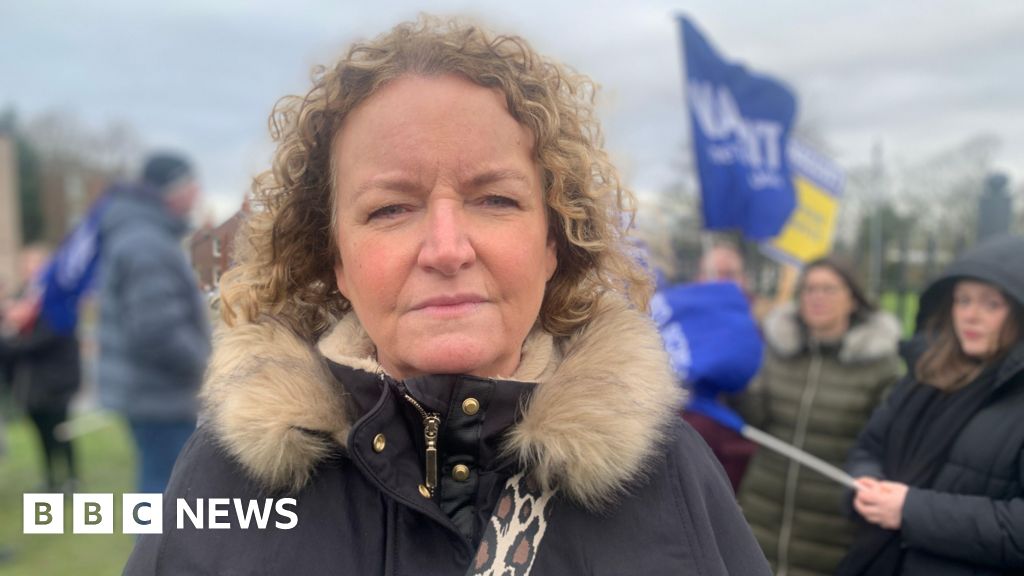
In a striking display of frustration and moral concern, teachers across the nation are initiating a 12-day walkout scheduled for March and April, citing inadequate response to persistent issues surrounding pupil behavior and classroom discipline. This collective action underscores a broader societal crisis where the foundations of education—one of society’s most vital institutions—are strained to their limits. Such protests are more than just grievances by educators; they are a transparent reflection of deep-seated tensions between the values of discipline, respect, and individual freedom, intersecting with shifts in cultural norms and growing demographic complexities.

The core of this issue lies in the erosion of traditional social structures within schools, which act as microcosms of wider community values. Teachers have long been viewed as moral custodians by their communities, tasked not only with imparting knowledge but also with nurturing responsible, disciplined citizens. However, rising challenges such as disrespectful behavior, cyberbullying, and declining parental oversight threaten this communal role. Sociologists like James Coleman have warned that when institutions such as schools falter, families and communities bear the brunt, often experiencing increased social fragmentation, juvenile delinquency, and diminished social cohesion, which in turn complicates efforts to uphold societal order.

Educational experts argue that these strikes are symptoms of broader societal shifts—not just behaviors of unruly pupils but the consequence of cultural transformations where authority is often questioned, and moral responsibility is sometimes sidelined. For many, these protests underscore the pressing need to revisit foundational values and reinforce respect and discipline within classrooms. As social commentators observe, a weakening of these core virtues endangers the moral fabric of future generations. Addressing this crisis requires a collaborative approach—strengthening parental involvement, reforming disciplinary policies, and fostering a culture of mutual respect—so that schools can once again become safe, productive spaces where families, educators, and communities work together towards shared goals.

At their heart, these protests challenge society to reflect on how social issues impact not just individual classrooms but the entire social order. When teachers, who represent society’s moral backbone, walk away from their duties, it signals a need for urgent reflection and action. As social historian David Hackett Fischer has noted, societal well-being hinges on maintaining a shared cultural ethos—one that recognizes the importance of discipline, responsibility, and respect. The future of our families and communities depends on our ability to confront these challenges head-on, forging pathways toward renewed social trust and moral clarity. In the end, society’s resilience will be measured by whether it can turn these turbulent protests into opportunities for healing, renewal, and hope, ensuring that the next generation inherits a society where justice and discipline are not sacrificed but are **fundamental pillars of our collective future**.

Schools must be prepared: protecting our students in emergencies

Empowering Schools to Handle Crises: The Case for Regular Emergency Response Drills

In recent discussions within the educational and societal landscape, the call for schools to implement routine emergency response drills echoes with increasing urgency. The union representing educators has emphasized that schools should treat emergency preparedness with the same gravity as fire drills, which have become a staple in school safety protocols across the nation. This push reflects growing acknowledgment that public safety in educational settings must evolve to meet the complex challenges posed by natural disasters, accidents, and even human-made crises.

Historically, fire drills served as a vital safety measure—instilling awareness and preparedness in students and staff alike. Sociologists such as Dr. Mark Levine argue that intentional, regular drills not only prepare communities for potential emergencies but also foster a collective sense of resilience and confidence. However, critics underscore that many schools still lack comprehensive response plans for a range of threats—be it active shooter situations, medical emergencies, or environmental disasters. Amid a shifting societal landscape, where threats are increasingly unpredictable, the absence of structured response protocols leaves families, teachers, and students vulnerable to unforeseen tragedies.

The impact of such deficiencies resonates deeply within families and communities. The uncertainty surrounding school safety can generate anxiety that extends well beyond classroom walls, affecting mental health and community cohesion.

  • Children’s education suffers when fear or trauma accompanies emergency situations, disrupting learning continuity
  • Parents often grapple with a sense of helplessness, trusting that proper measures are in place to protect their children
  • Communities face the task of rebuilding trust and resilience after crises—an arduous process that underscores the importance of preventative preparedness

As social commentator Sarah Jennings notes, “Preparedness isn’t just a safety measure; it’s a moral imperative rooted in the ethical responsibility of society to protect its most vulnerable—the children.”

Addressing this challenge demands a coordinated effort involving educational institutions, local authorities, and policymakers. Proposed solutions include integrating emergency response drills into the standard curriculum, similar to fire drills, and ensuring that staff are adequately trained to execute swift, effective actions.

  • Regularly scheduled drills should simulate a variety of emergencies to adapt to different scenarios
  • Investments in safety infrastructure—such as secure communication systems and first-aid training—are essential
  • Community engagement initiatives can foster a culture of preparedness that extends beyond school boundaries

Such measures not only equip schools with critical tools but also reaffirm society’s commitment to safeguarding its future.

Ultimately, the call for routine emergency response drills in schools underscores a profound societal truth: our collective safeguarding depends on proactive preparation, unity, and a moral resolve to protect the innocence of the next generation. As history and social theory suggest, resilient societies are built through deliberate, sustained effort—turning moments of crisis into opportunities for growth and renewed commitment. In this turbulent yet hopeful landscape, the hope remains that with comprehensive action, families and communities can face adversity not with fear, but with fortified resolve and shared responsibility—transforming society into a sanctuary of resilience and hope for generations to come.

ChatGPT drops interactive visuals, making math & science a breeze for students

The digital landscape is undergoing a quiet but profound transformation, driven by artificial intelligence and its integration into everyday learning tools. Recently, OpenAI announced a game-changing feature within ChatGPT: the ability to generate interactive visuals in response to prompts related to math and science. This innovation isn’t just about boosting individual study sessions; it signifies a paradigm shift in how society approaches education and information dissemination. Now, students, educators, and self-learners alike can manipulate dynamic graphs, diagrams, and even geometric shapes in real-time—altogether redefining the boundaries of virtual learning.

This visual enhancement is more than a superficial upgrade; it’s a clear indication of technology’s deeper societal role in democratizing knowledge. Influencers, tech enthusiasts, and even some sociologists are monitoring how these visual tools influence cognitive engagement. Experts like Dr. Jane Foster, a scholar in digital learning, suggest that interactive visuals foster active learning—encouraging users to experiment with formulas, variables, and models rather than passively absorbing static content. This aligns sharply with the youthful cultural desire for personalization and interactivity. In an era where information overload is common, the ability to manipulate content in real-time makes education more engaging and accessible than ever before.

What makes this shift particularly socially relevant is the way it bridges the gap between complex scientific concepts and user-friendly interfaces. Platforms like ChatGPT are now effortlessly able to display dynamic math graphs or 3D geometrical shapes, transforming traditional learning into a personalized, visual experience. This evolution resonates with younger generations eager for instant gratification and interactive engagement. As a result, influencers and trend analysts believe that these tools could very well accelerate the cultivation of a new wave of scientifically literate citizens, especially when paired with social media’s fast-paced sharing culture. For example, viral TikTok STEM educators are already leveraging this technology, making abstract physics more tangible by manipulating models on-screen, thus turning passive viewers into active participants.

Moreover, the \u201cvisual revolution\u201d within AI tools is challenging the traditional roles of educators and content creators. According to tech analyst Mark Rivera, this new era might eventually foster a more collaborative, decentralized learning environment, where students craft their own models and experiments rather than solely consuming pre-made lessons. The question that now looms is: where does this leave the role of educators and academic institutions in the future? While some critics worry about a possible decline in formal education standards, others see a golden opportunity for personalized, skill-based learning that could democratize access to high-quality science education beyond geographic or socioeconomic barriers.

As we stand on the cusp of this interactive visual revolution, one question remains: what is the next frontier of AI-driven educational transformation? Will this pave the way for truly immersive, virtual laboratories and classrooms, or are we headed towards a future where digital manipulation replaces traditional hands-on experimentation? The societal implications are vast, and as emerging generations continue to adopt these innovations, the challenge will be ensuring that technology enhances—not replaces—the critical thinking and curiosity foundational to true learning. That looming question might just hold the key to understanding how AI’s role in shaping tomorrow’s society will unfold.

Teacher dies in bathroom prank gone wrong—another cautionary tale for students

In a case that has captured international attention, Jason Hughes’s family has recently opposed pressing charges against students involved in a college prank, which tragically resulted in a fatal car accident. The incident has ignited fierce debates across borders regarding youth accountability, social responsibility, and the ripple effects of seemingly minor actions escalating into dire consequences. As global institutions and international legal frameworks scrutinize the case, the overarching question remains: how do societies balance justice with mercy amid crises of this nature?

The incident underscores a critical turning point in how law enforcement and judicial authorities across various nations approach crimes involving youthful indiscretion. Some analysts argue that applying overly harsh penalties risks alienating the very demographic governed by these institutions, potentially fostering resentment and social division. Conversely, international human rights organizations warn that leniency could set dangerous precedents, diminishing the perceived seriousness of reckless behavior. United Nations-backed crime prevention strategies emphasize the importance of holistic solutions—combining education, community engagement, and appropriate legal responses—to address the roots of juvenile misconduct.

From a geopolitical impact perspective, this case touches on the broader themes of how nations enforce justice and maintain social order amid complex social dynamics. As countries like the United States, the United Kingdom, and Australia grapple with rising youth unrest, international organizations have issued varying recommendations. Some suggest that a failure to clearly define boundaries between accountability and forgiveness could weaken societal trust in law enforcement; others warn that excessive punitive measures risk fostering future cycles of violence and alienation. These debates highlight how individual tragedies echo across the fabric of international relations, influencing diplomatic discourse about law, morality, and social cohesion.

Historians and geopolitical analysts warn that decisions taken in the wake of this incident could have long-lasting effects, shaping policy paradigms and societal perceptions for decades to come. The International Criminal Court has been called to assess whether this case might warrant broader legal considerations, especially in the context of cross-national influences and the potential for human rights infringements. As nations observe how domestic courts navigate this delicate balance, the global community remains vigilant against the dangerous slip into retribution or apathy.

In the unfolding narrative of justice and diplomacy, the weight of this moment persists—reminding us that history’s pen continues to write, and the future hinges on choices made today. As leaders deliberate behind closed doors on how best to address this tragedy, the world waits—as a silent witness to the enduring struggle of societies to uphold fairness amidst chaos, and to forge a path that honors both justice and compassion. The question remains: will this be a catalyst for meaningful reform, or merely another chapter in mankind’s relentless quest for societal stability?

Students ordered to ditch blazers to boost safety and curb violence

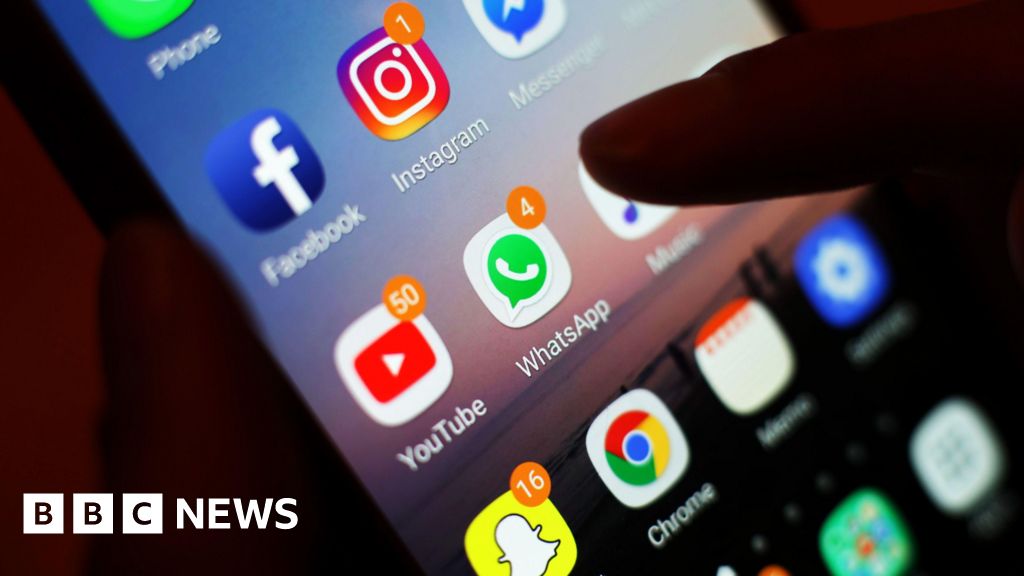
In an era where digital platforms have become the battlegrounds of youth identity and social influence, troubling trends have emerged that threaten the fabric of families and communities across the country. Posts encouraging conflicts between students of different schools—often derogatory, provocative, and designed to incite violence—are proliferating on social media. This phenomenon not only undermines the spirit of mutual respect and cohesion among youth but also creates ripple effects that destabilize local neighborhoods, educational institutions, and the broader societal cohesion that binds us together.

Experts warn that such social media campaigns foster a dangerous climate of divisiveness and hostility. Historians and sociologists highlight that when kids are encouraged to see peers from other schools as enemies, the boundaries of community dissolve. Families and educators, who are the first line of defense against social fragmentation, find themselves increasingly powerless to combat the online influences that normalise aggression and intolerance. According to Dr. Karen Matthews, a sociologist specializing in youth culture, “these provocative online activities chip away at the shared values of respect and unity that are fundamental to a healthy society.”

Social tensions are compounded by a shifting demographic landscape, underlining the need for a societal approach rooted in higher moral standards and community engagement. It is vital for schools, local authorities, and families to recognize the implications of such divisive actions—particularly how they threaten the safety and emotional well-being of young people. The challenge lies in fostering environments that not only prevent violence but actively promote understanding and reconciliation among diverse student populations.

  • Implementing comprehensive anti-bullying and anti-violence campaigns in schools.
  • Engaging community leaders and parents in dialogues that promote societal cohesion.
  • Utilizing social media literacy programs to equip youth with skills to critically evaluate online content.

In confronting these social issues, it is essential to reflect on how the erosion of community bonds impacts educational outcomes and the moral development of youth. The social fabric that sustains families and neighborhoods hinges on shared principles and collective responsibility. As sociologist Amy Chua warns, “the fragmentation of social trust can lead societies down a path of increasing polarization and alienation, where youth might see conflict as inevitable rather than resolvable.” Yet, amidst these challenges, hope remains. By cultivating resilient communities grounded in respect, understanding, and moral clarity, society can forge a future where young individuals no longer see violence as a means of expressing their identity but as a betrayal of our shared human dignity. In this moment of societal reflection, perhaps the greatest challenge—and opportunity—lies in anchoring our youth in values that transcend division, forging a society that refuses to be defined by conflict but instead finds strength in unity and hope for transformative change.

Majority of Students Secured Top School Options in a Growing Shift Towards Choice

As pupils across the country discover their secondary school placements, a wave of emotional responses and societal implications unfold, revealing much about the resilience and challenges faced by families, communities, and the broader educational landscape. This process of school allocation, often perceived as a routine administrative task, significantly influences the trajectory of a child’s social development, shaping their future opportunities and reinforcing existing social inequalities. For many families, the announcement marks a pivotal moment that tests their sense of hope and adaptability in an increasingly competitive environment.

The distribution of school placements reflects deeper societal issues, such as unequal access to quality education and the persistent socio-economic stratification that continues to define many urban and rural communities. Sociologists like Pierre Bourdieu have highlighted how educational institutions tend to reproduce societal hierarchies, with children from affluent families more likely to secure placements at prestigious schools. Conversely, disadvantaged communities often find themselves confined to underfunded institutions, undercutting students’ prospects and perpetuating cycles of inequality. The impact on families is tangible: parents may feel heightened anxiety, investing significant resources into supplementary tutoring or relocation to secure better educational opportunities for their children.

This social stratification extends beyond individual families to influence community cohesion and social mobility. Institutions such as local councils and educational authorities face mounting pressure to ensure equitable allocation within limited capacities. Yet, systemic barriers often hinder efforts, leaving marginalized populations vulnerable to social exclusion. The consequences resonate in communities, where disparities in school quality contribute to widening racial, economic, and cultural divides. Education historian Dr. Miriam Cohen warns that such disparities not only affect individual success but threaten the fabric of society itself, fostering feelings of alienation and disenfranchisement among youth.

Addressing these challenges requires a multifaceted approach, with an emphasis on reforming admissions policies, increasing investment in underserved schools, and fostering genuine community engagement. Proposed solutions involve expanding access to high-quality education through targeted funding, comprehensive scholarship programs, and initiatives that prioritize inclusive and diverse school environments. The aim is to dismantle barriers rooted in socio-economic background and to foster a sense of shared opportunity. As social commentators argue, sustainable social change hinges on recognizing that every child’s success is inherently tied to the support systems within their community and family, underscoring the ethical imperative to address educational inequities.

Ultimately, the journey of a young pupil receiving their school placement encapsulates the broader societal struggle—balancing tradition with reform, privilege with justice. As communities grapple with these social issues, it is essential to remember that behind every placement letter lies a human story, a family dreams, and a future waiting to be shaped. Society’s challenges demand collective effort, innovative solutions, and a moral commitment to forge pathways where opportunity is not dictated by circumstance but illuminated by hope. In this ongoing narrative of growth and resilience, the question remains: can society truly rise to meet the needs of all its young, offering them not just a place in a school, but a place in a future that values their potential?

Teacher claims students locked her in — a sign of youth defiance?

Teacher Strikes Highlight Growing Challenges in Greater Manchester Schools

Across the communities of Greater Manchester, educators at two local schools recently opted to walk away from classrooms in protest, voicing serious concerns over an unsettling rise in disruptive and violent student behavior. This protest, while framed as a matter of teacher safety, underscores broader social issues—challenging families, the education system, and the very fabric of local communities. As the backbone of society, teachers are increasingly voicing fears that the environments in which children are being raised are affecting their discipline and capacity to learn.

The claims from these educators point to a dire trend: a tangible increase in violent incidents and indiscipline in schools, which they argue is rooted in wider societal shifts. Sociologists such as Dr. Robert Putnam have noted that the erosion of strong community bonds and family stability often correlates with escalating youth unrest. Families are the first socialization unit, yet many are now facing economic hardship, social dislocation, and a breakdown in traditional values, which, in turn, manifests in the classroom as behavioral issues.

The impact on families, education, and communities is profound. When teachers feel unsafe or overwhelmed, the ripple effects threaten to destabilize entire educational environments, diminishing learning outcomes and fostering a climate of frustration. For children, especially those from vulnerable backgrounds, the classroom should be a refuge and a place of growth—not a battleground. But societal neglect and shifting cultural norms have created a situation where many young students lack the guidance and discipline that once helped shape responsible citizens. As historian Dr. Samuel P. Huntington observed, societal cohesion ultimately depends on shared norms and values, which are now fragmenting among younger generations.

Addressing this crisis necessitates a comprehensive approach, including reforms in family support systems, youth services, and school policies.

  • Investing in community-centered programs that strengthen family units and promote moral responsibility.
  • Implementing targeted interventions to support at-risk youth before problems escalate into violence or disciplinary issues.
  • Fostering a renewed respect for authority and discipline within educational environments, without compromising the dignity of students.

Yet, as these social challenges mount, there remains a lingering hope—an enduring belief in the potential for communities to reclaim their cohesion and restore traditional values that foster respect and responsibility. Perhaps the most profound lesson lies in understanding that schools are reflections of society at large. When families are empowered, and communities unite around shared cultural principles, the cycle of chaos can be broken. Society’s resilience hinges on recognizing that the future of our children and the strength of our communities depend fundamentally on restoring the moral compass that binds us all together. While the path ahead may be fraught with difficulty, it is also illuminated by the hope that concerted effort can turn this tide, transforming social fragmentation into a foundation for genuine societal renewal.

Student Loans Crisis in England: Action Needed to Secure Our Future Students

In an era marked by soaring student debt and economic uncertainty, international observers are witnessing a critical juncture that underscores the fragile state of global socio-economic stability. As countries grapple with mounting financial burdens, the lens is now sharply focused on major Western nations where policy decisions regarding higher education funding and economic reforms are illustrating broader geopolitical shifts. The recent debates over student loans, interest rates, and university funding within the United Kingdom serve as a microcosm of a global crisis—one that threatens to reshape societal structures and international influence.

Within the UK, the political landscape is rife with tension as policymakers from both sides of the aisle scramble to address widespread discontent. The Labour government, represented by figures like MP Nadia Whittome, highlights a stark reality: even highly paid individuals see their financial situations erode over time due to rising inflation and disproportionate interest payments. This frustration feeds into a broader narrative of systemic unfairness, compounded by ailing institutions. The debate about student debt relief and university funding has escalated rapidly, prompting pledges from the ruling Conservatives to cut interest rates on certain loans—an initiative that has met with controversy and alarm from independent financial experts like Martin Lewis. Such internal conflicts expose the underlying fragility of the nation’s financial model and hint at upcoming political upheaval.

The geopolitical impact extends beyond the UK’s borders. As policymakers cut back on “ineffective” university courses and shift funding priorities, internationally entrenched issues surrounding global competitiveness and educational quality are intensifying. Countries across the world are observing these debates, recognizing that a nation’s future economic strength hinges on the sophistication of its human capital. Meanwhile, analysts warn that such domestic upheavals in a Western powerhouse could embolden authoritarian actors, especially in regions where Western influence is waning. The United States, for example, is also facing a renewed crisis over the affordability of higher education, foreshadowing a potential ripple effect that could destabilize international alliances and push nations further into strategic competition.

Institutions like the International Monetary Fund and OECD have sounded the alarm over how these domestic policies, if left unresolved, threaten to exacerbate inequalities worldwide. The undeniable truth is that decisions made in London or Washington do not simply stay local; they influence global economic patterns, migration, and diplomatic relations. The emphasis on suppressing university costs and realigning fiscal priorities is, in essence, a reflection of a deeper desire to reconfigure the global power hierarchy. Each reform, each budget cut, meticulously analyzed by geopolitical strategists, signals a move toward an uncertain future where the sovereignty of nations may become increasingly intertwined with their ability to sustain socioeconomic stability amid external pressures.

As the shadows lengthen across international theaters, the question remains—how will history judge this epoch of upheaval? With every policy shift, the weight of tomorrow’s world is being written. Will these decisions lay the groundwork for a renewed era of national strength, or will they serve as a cautionary tale about the perils of shortsighted governance? The scars of this tumultuous chapter are yet to be fully revealed, but one thing is certain: the course of history is still being set, and the echoes of today’s choices will resonate for generations to come.

Social Media Auto Publish Powered By : XYZScripts.com