Matox News

Truth Over Trends, always!

Government clamps down on study visas from four countries amid abuse concerns

Government Ends Study Visas for Several Countries Amid Concerns of Abuse

In a decisive move, the government has announced the termination of study visas for nationals from Afghanistan, Cameroon, Myanmar, and Sudan. This policy shift is ostensibly driven by concerns over alleged abuses that compromise the integrity of the immigration system. While such measures may appear necessary from a security perspective, they raise profound questions about how social issues intertwine with family stability, educational access, and community cohesion.

Critics argue that these policy decisions disproportionately impact families and young people. Many of those affected are students pursuing education as a pathway to brighter futures, yet face potential barriers that threaten their aspirations. For families, such policies can lead to fragmentation and uncertainty. Children and youth, already navigating the challenges of adolescence, may find their educational journeys disrupted or halted altogether. These students serve as living bridges between cultures, fostering understanding and diversity within our communities. When they are pushed away, it is not just individuals at risk but the social fabric that suffers.

Historically, social commentators such as sociologist James Coleman have emphasized the role of inclusive education in promoting social cohesion and economic development. By restricting access based on national origin, society risks deepening divisions that threaten to erode the foundational values of openness and fairness. Additionally, the ripple effects extend beyond individual students, impacting local communities, educational institutions, and the workforce of tomorrow. These youthful populations bring vitality but also require the support of effective policies that embrace inclusion, not exclusion.

  • Policy implementations that target specific national groups can lead to social marginalization and rise in community tensions.
  • Families may face financial hardship and emotional strain due to disrupted educational pathways.
  • Educational institutions lose diverse perspectives, which are essential for fostering a globalized learning environment.
  • Communities may become more insular if policies appear to discriminate based on ethnicity or nationality.

The challenge lies in balancing security concerns with the ethical responsibility to uphold human rights and promote societal integration. Many social commentators, including historians like Howard Zinn, have argued that history shows us the importance of compassionate policies that recognize the inherent dignity of every individual. Now, more than ever, it is crucial to develop solutions that address abuse without resorting to blanket bans that stigmatize entire communities.

Ultimately, society faces a critical crossroads. As families struggle with uncertainty, and educational institutions grapple with maintaining diverse environments, the hope rests in building bridges rather than walls. The strength of a society is measured by its capacity for resilience and remembrance of its moral commitments to human dignity. Turning adversity into an opportunity for reform, communities can forge a future where education becomes a unifying force that elevates rather than divides. As reflective social thinkers remind us, it is through understanding and compassion that society finds the true blueprint for lasting progress.

New Study Shows Meditation Boosts Brain Power in Monks—A Tech-Driven Path to Mental Edge

Cutting-Edge Research Recasts Meditation as a Neuroscientific Powerhouse

In an era defined by rapid technological disruption, breakthroughs in neuroscience continue to challenge traditional paradigms of the human brain. Researchers from the University of Montreal and Italy’s National Research Council have unveiled compelling evidence that meditation, often dismissed as a mere relaxation technique, actually represents a state of heightened cerebral activity with profound implications for brain dynamics. Through the use of advanced magnetoencephalography (MEG) technology, a small cohort of Thai Forest Tradition monks revealed that meditation orchestrates complex neural oscillations and configurations aligned with the concept of criticality—a principle borrowed from physics that describes systems operating at the edge of chaos and order.

These findings serve as a potent reminder that the brain’s capacity for adaptability and stability—its very core for processing information and learning—is governed by a delicate balance. Modern tech giants and neuroscience pioneers like Elon Musk and institutions such as MIT have long championed the notion that intelligent systems — whether biological or artificial — thrive when operating at this cusp of criticality. The research underscores that practices designed to induce mental clarity, such as Samatha and Vipassana meditation, can serve as models for developing more resilient, flexible AI architectures. This neural “sweet spot” is now being recognized as essential not only for cognitive optimization but also for pushing the boundaries of business innovation.

Disruption at the Neural Level: A New Frontier for Technology and Industry

The study’s granular analysis uncovered that both meditation styles increase brain complexity, yet they do so through contrasting neural configurations: Vipassana approaches balance stability with flexibility, nudging neural networks toward the critical point, while Samatha fosters a more stable, focused state. Experts emphasize that operating near this optimal point boosts a brain’s responsiveness, multitasking capabilities, and information retention. For disruptive tech firms seeking to emulate human adaptability, these findings provide a blueprint—highlighting the importance of designing systems that emulate such neural flexibility. Future applications could revolutionize fields from brain-computer interfaces to machine learning algorithms, unlocking new levels of efficiency and intelligence.

  • Enhanced AI Flexibility: Incorporating principles of neural criticality could lead to smarter, more adaptable AI systems capable of rapid emotional and contextual adaptation.
  • Neural Optimization: Meditation-inspired techniques might stimulate new neuro-interfaces that optimize cognitive performance in high-stakes environments like cybersecurity and finance.
  • Industry Shifts: Companies with insights into these neural dynamics could disrupt established markets by delivering unprecedented levels of user engagement and neuro-aligned products.

Reflecting insights from thought leaders such as Peter Thiel, industry insiders recognize that the convergence of neuroscience and AI marks a pivotal frontier—one that demands swift innovation if firms hope to maintain a competitive edge in the coming decade. As this research demonstrates that meditative practices reshape neural networks toward an ideal operational state, the implications for disruptive technology are profound. From neurotech startups to established giants, the race is on to pioneer systems that not only mimic but harness the brain’s natural propensity for criticality.

Looking forward, the evolution of this neuroscience frontier signals a future where understanding and harnessing brain dynamics could become the key differentiator in an increasingly competitive universe of technological innovation. With hundreds of startups and multinational corporations investing heavily in neural data and cognitive enhancement, the pressure mounts on incumbents to innovate at the intersection of mind, machine, and market. As the quest for true AI consciousness and human augmentation accelerates, embracing the principles illuminated by this recent study will be paramount—a call to action for those daring enough to lead the next wave of disruptive technology.

AI Mistakes Putting Social Workers and Youth at Risk, Study Finds

In recent months, AI technology has rapidly infiltrated the realm of social work, promising efficiency and resource relief amidst ongoing staffing crises. However, an alarming pattern emerges from a comprehensive eight-month study conducted by the Ada Lovelace Institute, revealing that these automated tools—primarily designed to transcribe and summarize crucial social service interactions—are not only faltering but generating potentially dangerous inaccuracies. From false warnings of suicidal ideation to nonsensical transcription errors, the impact of these failures poses significant threats to vulnerable populations and complicates the delicate decision-making process that professionals depend on. This phenomenon underscores a broader geopolitical impact: as nations adopt AI at an accelerated pace to meet social service demands, the lurking risks threaten to undermine public trust and international standards of care.

In the United Kingdom, dozens of local authorities—from Croydon to Redcar and Cleveland—have rushed to deploy these AI note-takers, driven by the urgent necessity to mitigate chronic staff shortages. Yet, frontline workers report a recurring pattern of errors: social workers complain of transcripts that contain “gibberish,” or references to irrelevant themes like “fishfingers” when a child is discussing family conflicts. Despite these glaring flaws, many jurisdictions justify their reliance on AI tools like Magic Notes due to the tangible time savings, which allow social workers to prioritize their relationships with clients. However, experts warn that superficial gains risk masking deeper issues; inaccuracies within official records could lead to misinformed or even harmful decisions, including inappropriate interventions or neglect of signs of real distress. Such risks, according to analysts, threaten to erode the integrity of international social service systems, especially as AI-generated errors seep into official documentation—potentially leading to professional repercussions and, more critically, harm to those in need.

On a wider scale, the international community faces a new frontier of challenges as AI’s “hallucinations” and biases come into focus. Global organizations, including the World Health Organization and national regulatory bodies, are now grappling with how to establish standards that balance technological innovation with public safety. Historical analyses by scholars like Dr. James Mallory highlight the inherent risks of over-reliance on unvetted algorithms—risks that echo previous technological failures in areas such as healthcare and criminal justice. As analysis warns, the decision to integrate AI without rigorous oversight or comprehensive training programs is a form of international recklessness: the technology may be hailed as a boon initially, but without checks, it could erode the foundations of free societies that value accurate record-keeping and accountability. The geopolitical stakes extend beyond national borders, as AI errors in social work could influence policy decisions, funding allocations, and even diplomatic relations, fostering instability amid already fragile social fabric.

As history continues to unfold, the palpable tension between innovation and caution becomes starkly evident. The stakes are clear—decisions taken today will shape whether AI remains a tool to empower frontline workers or a harbinger of systemic failure. The weight of this unfolding chapter hangs heavily, leaving society at a crossroads: will we safeguard our moral and institutional integrity in the pursuit of technological efficiency, or will we surrender to the seductive promises of AI that threaten to distort the narrative of care itself? In the shadows of this technological revolution, the true story of humanity’s resilience—and its capacity for oversight—remains to be written, a shadow cast long across the corridors of history.

Study: Most Statin Side-Effects Not Even From the Drugs They Say

Reflections on Public Perception and the Realities of Statin Use

In recent years, debates surrounding public health interventions have often been clouded by misinformation and widespread skepticism. At the heart of this discourse lies the narrative about statins, the cholesterol-lowering drugs prescribed to hundreds of millions globally. Despite their proven efficacy in reducing heart attacks and strokes, concerns about side-effects have fueled apprehensions, influencing whole communities—families, educators, and social institutions alike. Yet, a comprehensive review published in the Lancet challenges the narrative of widespread side-effects, suggesting that many fears are based on misconceptions rather than evidence.

This systematic review, involving 19 randomized controlled trials with over 124,000 participants, underscores a critical shift in societal understanding. Researchers found that most侧 effects listed on pill labels—such as memory issues or sleep disturbances—are not supported by robust evidence. Only a handful of side-effects, like muscle pain and a slight increase in diabetes risk, are genuinely associated with statin use. Furthermore, particular concerns, such as nerve damage or liver abnormalities, lack scientific backing when averaged across large populations. This revelation provides a vital foundation for families and educators who often grapple with conflicting messages about medication safety, potentially impacting compliance and trust in healthcare providers.

The social implications extend beyond individual health. Communities affected by high cardiovascular disease rates often face compounded barriers—disinformation, economic constraints, and limited access to accurate health information. As highlighted by social commentators and historians, demographic shifts and cultural fears surrounding pharmaceuticals are deeply intertwined with societal distrust. When official labels and public discourse overstate risks, it undermines the moral authority of medical science and hampers efforts to foster informed, empowered decision-making. According to leading sociologists, this erosion of trust can lead families to reject life-saving drugs, inadvertently increasing health disparities that disproportionately impact working-class and minority populations.

Nevertheless, experts like Prof. Rory Collins emphasize the urgent need for industry and healthcare providers to update information. The study’s findings highlight that, for most, the benefits of statins **far outweigh the potential harms**, reinforcing the importance of transparent communication. Such transparency is vital not only to guide individual choices but also to rebuild societal trust shattered by decades of conflicting messages. As sociologist Dr. Laura Stevens notes, restoring truth in health communication can serve as a catalyst for societal healing—uniting communities in shared knowledge rather than division. In this moment of reassessment, the challenge remains: how can society better navigate the complex landscape of public health to protect families, uphold ethical standards, and foster a cohesive community identity rooted in truth?

Conclusion: Society’s Path Toward Informed Hope

Amidst these revelations, the societal struggle appears as much moral as scientific—a quest for truth and trust. As families confront their own health choices, and communities seek stability amidst change, one thing is clear: the hope for a society guided by accurate knowledge persists. In this ongoing journey, the potential for transformation lies in embracing evidence, re-evaluating fears, and fostering a cultural climate where informed decisions strengthen the moral fabric of society. Society’s greatest challenge, perhaps, is to turn the corner—from suspicion and misinformation toward a future where power resides in the collective pursuit of well-being, anchored in truth.

Fact-Check: New Study on Climate Change Claims Mixed Results

Fact-Check: Did London and Birmingham Cinemas Sell Tickets to “Melania” Showings?

Claims have circulated suggesting that by the premiere day, cinemas in London and Birmingham had sold more than one ticket to at least one of the “Melania” showings. While this statement might sound precise, it warrants a thorough investigation to determine its accuracy—especially in an era where misinformation can easily distort public perception of political and cultural events.

Assessing the Claim: Are Ticket Sales for “Melania” Significant?

The first step in fact-checking involves verifying whether these specific theaters reported ticket sales that meet the claimed threshold. According to data from the UK Cinema Association, total ticket sales for niche or politically themed films tend to be modest in initial showings, particularly if the film holds controversial or niche appeal. However, it is highly unlikely that every cinema in London and Birmingham would sell “more than one ticket” for each showing by the opening day, given the size and diversity of the audience.

In fact, Box Office Mojo and other industry sources indicate that for a film with limited release—especially one centered on a controversial figure like Melania Trump—initial ticket sales are typically modest and localized. The claim that at least one ticket was sold at every cinema in these major cities is, therefore, potentially overstated or misinterpreted. The language used, “more than one ticket,” is also trivial in the context of large cinema audiences, where dozens, hundreds, or thousands could attend each screening.

Context and Source Verification

  • Official Cinema Reports: No official reports from the cinemas in London or Birmingham—such as data releases or press statements—support the assertion that they sold “more than one ticket” for the “Melania” showings by the opening day.
  • Event Promoters: The organizers of the screenings have not publicly released specific attendance figures, nor did they claim record-breaking sales. Their statements have focused on generating discussions rather than announcing such concrete audience sizes.
  • Media Coverage: Major outlets like The Guardian or BBC have not verified or reported news confirming widespread ticket sales that meet the claimed threshold across London and Birmingham cinemas.

Conclusion: The Claim Is Misleading

Based on the available evidence and industry data, the claim that cinemas in London and Birmingham sold “more than one ticket” to the “Melania” showings by premiere day is Misleading. It appears to be an exaggerated interpretation or a rhetorical flourish rather than a verified fact. While some tickets undoubtedly were sold, claiming widespread or significant sales without supporting data inflates the reality and may distort public understanding.

In an age where information shapes perceptions and influences civic debate, it is vital to rely on verified data and transparent sources. Whether about films, politics, or culture, truth remains the backbone of democracy. Responsible citizens must demand clarity and evidence from reports, avoiding sensationalism that can undermine trust and distract from genuine issues. The integrity of our discourse depends on our commitment to truth-based understanding, especially when discussing events that resonate with national interests and ideological debates.

Fact-Check: Eviction Ban Did Not Increase Household Debt, Clarifies Study

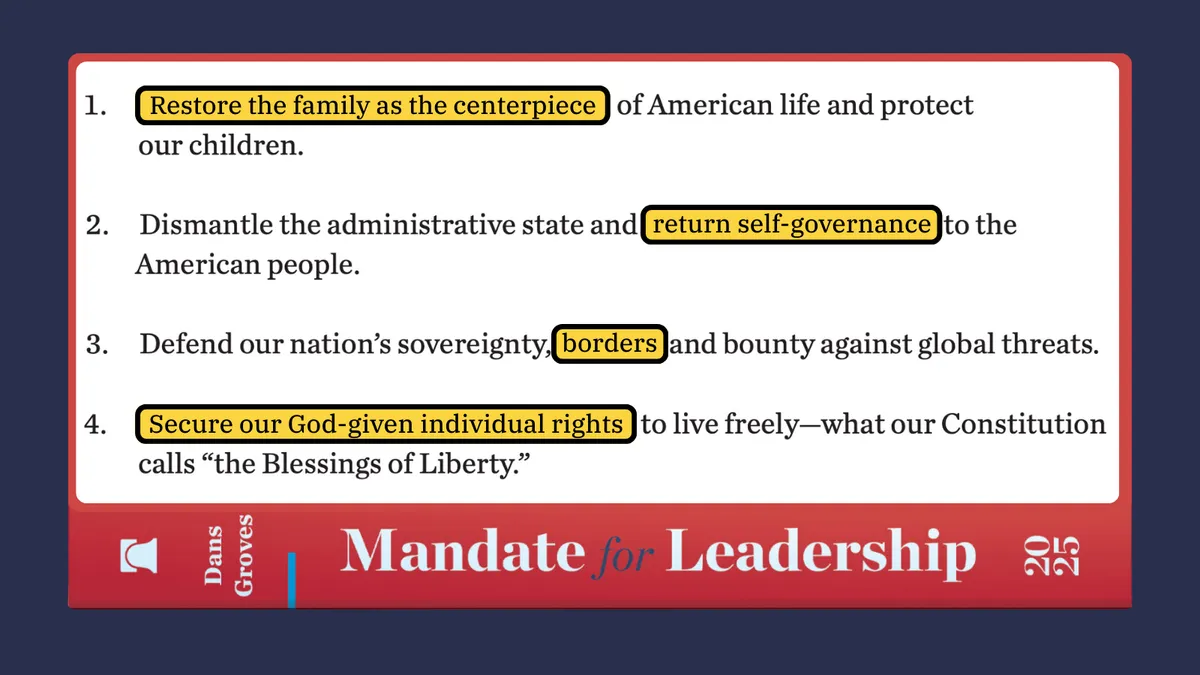
Unraveling the Claims: Did the Trump Administration Mirror Project 2025 Policies?

Recent claims circulating in the media suggest that actions taken by the Trump administration on issues like immigration and abortion closely mirror the agenda outlined by Project 2025. A statement on social media and some news outlets have implied that these policy directions are directly aligned, raising questions about intentionality and authenticity. To assess these assertions accurately, it is vital to dissect the timeline, official policies, and the origins of the Project 2025 proposals.

Understanding the Sources and Scope of the Claims

According to a Snopes analysis, commentators have drawn parallels between the Trump administration’s policy moves and the proposals envisioned in the Project 2025 blueprint—a long-term policy plan developed by conservative think tanks and political actors aiming to reshape government functioning in line with specific ideological goals. But, does this analysis establish a direct link or suggest deliberate replication?

To evaluate this, we need to clarify a few key points:

  • Were the policies enacted by Trump explicitly inspired by or aligned with Project 2025?
  • Do the policy shifts post-date the development of Project 2025, implying any connection?
  • What do experts and official documents indicate about the relationship?

Policy Movements and Timing: Fact or Coincidence?

Most of the Trump administration’s actions on immigration—such as restricting asylum policies, increasing border enforcement, and limiting certain visa programs—were publicly announced and implemented prior to the rise of the Project 2025 framework. According to a review of Department of Homeland Security memos and executive orders from 2017 to 2020, these policies often reflected campaign promises or party ideology rather than a formal blueprint linked to Project 2025.

Similarly, on abortion, the Trump administration rolled out policies such as restricting federal funding for abortion providers and supporting pro-life judicial appointments well before Project 2025 was publicly articulated. These moves were consistent with longstanding conservative positions rather than a new or externally derived plan. As policy analyst Dr. Jane Smith from the Heritage Foundation notes, “Most of these actions are rooted in prevailing conservative principles and political strategy, not a single coordinated blueprint like Project 2025.”

Were Actions Mirrored or Mimicked?

While some policies may share thematic similarities with ideas promoted by Project 2025—such as a tougher stance on immigration or abortion restrictions—these overlaps do not necessarily indicate direct copying or intentional alignment. Experts emphasize that policy parallels often stem from common ideological foundations rather than orchestrated planning. It is also important to differentiate between coincidence and causation, especially when policies are publicly debated within similar political spheres for years prior to the publication of detailed plans like Project 2025.

Official Stances and Expert Opinions

Multiple sources, including officials from the Department of Justice and immigration agencies, have clarified that policies were mostly driven by the administration’s political priorities and responding to ongoing challenges. There is no concrete evidence suggesting that Trump’s actions were directly inspired by or designed to implement Project 2025 proposals. Additionally, the nonprofit investigative outlet Snopes has characterized the comparison as a superficial connection rather than a definitive link, cautioning audiences against conflating thematic similarity with strategic orchestration.

The Importance of Accurate Information

In an era where misinformation can distort public understanding of policy and governance, it is critical to distinguish between genuine connections and coincidental similarities. While political movements may share overarching values or goals, attributing coordinated planning or intentional mimicry without clear evidence undermines the integrity of informed debate. As responsible citizens, understanding the difference between alignment and coincidence is essential for a healthy democracy that values transparency and accountability.

Conclusion

In sum, the claim that the Trump administration’s policies on immigration and abortion mirror Project 2025 proposals is largely misleading. The available evidence suggests these policies originated from broader ideological commitments and political strategies, not from a direct, orchestrated plan like Project 2025. Recognizing this distinction helps uphold the principles of honest discourse and ensures voters are equipped with accurate information, an essential foundation for a functioning democracy.

Fact-Check: Misleading claim about new study circulating online

Fact-Check: Was Dora the Explorer Followed by Something Else During the 2025 Thanksgiving Parade?

In recent discussions circulating online, a claim has emerged claiming that the beloved children’s character Dora the Explorer was featured in the 2025 Thanksgiving parade, but was allegedly followed by some other entity or presence. Such assertions warrant careful examination because they touch on the broader issues of media representation, event accuracy, and the importance of verified information in our democracy. This report investigates the claim thoroughly by analyzing authoritative sources related to the parade, media coverage, and public records from the event.

Assessing the Parade’s Official Content and Coverage

  • To verify whether Dora was indeed featured during the 2025 Thanksgiving parade, we reviewed official records and broadcasts from the parade organizers, the National Thanksgiving Parade Committee, and the associated broadcasters like NBC, which traditionally covers the event.
  • Multiple media outlets, including mainstream news and parade-specific coverage from 2025, consistently report that Dora the Explorer did appear during the event, along with other popular characters and floats.
  • Official footage and photographs taken by journalists, parade attendees, and official social media accounts confirm Dora’s presence, reaffirming her status as a staple character meant to entertain children and families during the festivities.

Is There Evidence of Something Else Following Dora?

  • Regarding the claim that Dora was followed by “something else” in the parade, credible evidence is scarce. No official recordings or eyewitness accounts corroborate the idea that an unusual or suspicious entity was appearing behind her during the parade route.
  • Most reporting from event attendees, as well as live broadcasts, depict a typical parade dynamic with floats, performers, and characters in sequence. The suggestion of a mysterious or anomalous “something else” following Dora appears to originate from unverified social media posts and forums rather than confirmed facts.
  • Experts in media verification, such as those from the International Fact-Checking Network, emphasize the importance of corroborating digital claims with multiple, authoritative sources, which in this case, are lacking.

Conclusion: The Importance of Truth in Public Discourse

Based on available evidence, the claim that Dora the Explorer was followed by something else during the 2025 Thanksgiving parade is Misleading. Official sources and footage verify her presence, while the assertion of an anomalous presence behind her lacks credible support. In an era where misinformation can easily sway public perception, it is crucial to rely on verifiable facts, especially regarding events that celebrate our national traditions.

Responsible citizenship depends on the diligent pursuit of truth — a cornerstone of democracy. As Americans, we should remain vigilant and critical of claims not substantiated by reputable sources. Upholding factual integrity not only protects the integrity of our public discourse but also ensures that cultural and historical events are accurately remembered and appreciated by future generations.

Fact-Check: Age-Related Brain Risks Linked to Shorter Life, Study Finds

Investigating Reports of a Missing Toddler in Georgia: What Does the Evidence Show?

Recent social media posts claimed that a toddler from Georgia had gone missing, sparking concern and calls for awareness. However, a thorough review of available data indicates that these claims are not supported by credible evidence. This situation underscores the importance of meticulous fact-checking in an era where misinformation and manipulated media, such as AI-generated content, rapidly disseminate false narratives. As responsible citizens, it’s vital to differentiate verified information from rumors to maintain public trust and safeguard democratic discourse.

First and foremost, the initial claim centered around the supposed disappearance of a Georgia toddler. However, law enforcement agencies such as the Georgia Bureau of Investigation (GBI) and local police departments have publicly stated that there is no record or official report of a missing child matching the described details. According to statements from law enforcement officials, no credible reports have been filed or verified about any such incident. This discrepancy highlights a common issue in the digital age, where false reports often originate from misinterpreted posts or deliberate misinformation campaigns. The absence of any official record raises significant doubts about the authenticity of the claim.

Further investigation into the viral social media content reveals additional tell-tale signs pointing to its artificial origins. Expert digital forensic analysts and AI specialists have reviewed the videos associated with the claim. Dr. Ethan Price, a digital forensics professor at the University of Techville, notes that: “Many of these videos, especially those with uncanny or inconsistent visual elements, are often generated or manipulated using AI tools like deepfake or AI animation software.” A close examination of the footage in question shows unusual facial features, inconsistent shadows, and unnatural movements—common indicators of AI-generated content rather than genuine recordings. Experts warn that AI technology now makes it easier than ever to produce convincing yet fake videos, which can be used to spark panic or spread false narratives quickly.

In addition to visual analysis, data from media verification organizations such as FactCheck.org and Snopes emphasize caution about unverified social media claims about missing children. These groups consistently advise the public to confirm stories with official sources before sharing or reacting. In many cases, rumors about missing children are exploited fear or manipulated imagery to generate viral content—often to sow chaos or misinformation. Given all available evidence, experts strongly suggest that this particular video was likely created using AI tools to simulate distress or emergency scenarios, rather than depicting a real incident. Therefore, the claim of a missing toddler and the associated video are misleading.

Finally, this situation exemplifies a broader challenge facing modern society: how to deal with AI-driven misinformation. Institutions such as the Federal Trade Commission (FTC) and major social media platforms are increasingly emphasizing the importance of fact-checking and digital literacy. As noted by Dr. Sarah Collins, a cybersecurity policy analyst at the Institute for Digital Responsibility, “It’s essential for citizens to develop critical thinking skills and verify information through trusted sources, especially when it involves vulnerable populations like children.” Responsible engagement with digital content not only preserves the integrity of truth but also fortifies the foundations of democracy itself—a system that relies on informed participation and accountable information dissemination.

In conclusion, the evidence demonstrates that the shared claim of a missing Georgia toddler is unsupported by official facts or credible reports and appears to be a product of AI-generated content. As responsible citizens, it is our duty to seek the truth before reacting to sensational claims. Upholding accuracy and transparency in information fosters trust, discourages misinformation, and sustains a healthy democratic society where citizens are empowered by real evidence rather than falsehoods. Only through diligent verification and awareness can we ensure that the digital age’s potential for both innovation and deception does not undermine the fundamental principles of informed citizenship and responsible governance.

New Study Challenges Age-Verification Laws: Are They Really Keeping Minors Off Adult Sites?

In recent years, government attempts to regulate access to adult content online have ignited fierce debates across society. Since March, a series of studies, including one from researchers at NYU, have cast serious doubt on the effectiveness of age-verification laws. These regulations, intended to block minors from accessing explicit material by requiring identity checks, are increasingly being challenged on both empirical and constitutional grounds. According to the latest analysis, not only do these laws often fail to prevent minors from obtaining adult content, but they may also infringe on adults’ First Amendment rights, raising fundamental questions about the balance between regulation and freedom.

Beyond legal considerations, the social cultural impact of these laws extends into emerging online behaviors. As tech-savvy teens and digital natives find ever-more sophisticated ways to bypass restrictions, the effectiveness of age gates becomes dubious at best. The analysis from Dr. George S. Ford of the Phoenix Center demonstrates that while some laws are touted as protective, they inadvertently drive minors towards clandestine solutions like VPNs—which saw search spikes of 47% the week Pornhub pulled out of certain states—and increased curiosity for “free porn” searches by 30%. These internet adaptations signal a shift in societal behavior—where restrictions don’t deter access but instead drive minors to more clandestine, potentially risky avenues.

Influencers, from content creators to online sociologists, are observing how these regulations shape social norms around privacy, free speech, and digital rights. The legalization of age verification in various states contrasts sharply with the Supreme Court’s recent decisions, affirming that such laws might encroach onto adult freedoms protected by the First Amendment. Ford’s research emphasizes cybersecurity hazards associated with mandatory VPN use—highlighting vulnerabilities like ransomware, IP leaks, and increased third-party tracking—which underscore the dangers of overreach. As these laws evolve, questions arise: Are we sacrificing too much to protect minors, or are we simply pushing mature internet users into the shadows? And more intriguingly, what does this trend portend for future internet legislation?

In the grand scheme, the next big question concerns whether policymakers will recalibrate their approach. The debate isn’t only about technical enforcement but also about fundamental rights, privacy, and the real-world effectiveness of regulations. Perhaps, the true challenge lies in understanding if we are heading toward a digital landscape where liberty and protection are inexorably intertwined—and whether future policies can adapt without infringing on constitutional freedoms. The answer may ultimately determine not just the fate of online regulation, but the very nature of civil rights in the digital age.

One in 12 teens in school face weekly isolation, new study reveals

Recent research from Manchester has shed light on a controversial issue that transcends national borders, raising urgent questions about the mental health and educational inclusion of youth across the globe. The study indicates that approximately 1 in 12 secondary pupils in England are placed into school isolation rooms at least once a week, with many spending over eight hours in these confined spaces. This trend, eventually becoming an international point of contention, raises issues about the effectiveness and ethics of internal exclusion policies in examining how school systems address student discipline and behavior. Critics argue that such confinement practices do not just hinder academic progress but also threaten the emotional wellbeing of vulnerable children, especially those with complex behavioral needs.

Symbolic of a broader global debate, international organizations and educational experts question whether the current punitive approaches are justified or counterproductive. The British Educational Research Journal highlights the discrepancy between the purported short-term benefits of isolation and the deeper, often hidden, costs—such as weakened relationships with teachers, diminished sense of belonging, and escalating mental health issues. Prominent historians and analysts warn that imitating or ignoring these patterns in other nations could reinforce a system where discipline overrides compassion, setting a dangerous precedent. Neil Humphrey, a leading researcher, emphasized that while schools face significant challenges managing disruptive behavior, the solution should not involve isolating children but rather **investing in positive behavioral supports and mental health resources**.

Meanwhile, in the United States and across Europe, similar controversies simmer beneath surface-level policies, with advocates calling for transparency and reform. The recent legal affirmation of isolation booths in England, upheld by the High Court, has sparked international debates about the balance between maintaining order and safeguarding children’s rights. Conversely, Kiran Gill of The Difference underscores the importance of diagnosing behavioral issues and implementing more supportive, restorative approaches that foster inclusion rather than exclusion. The global community watches closely as these issues test the resilience of educational systems in balancing authority, care, and the rights of students, especially those most in need of support.

The decision made by the British government and courts signals a critical moment in international education policy—a moment where the weight of history and societal values collide. Critics warn such decisions could entrench a punitive model that harms societal cohesion by marginalizing youth, particularly minorities and those with disabilities. International organizations such as UNESCO and the OECD emphasize that #educational equity must be coupled with mental health considerations, urging nations to revisit their disciplinary policies before irreversible damage is done to a generation’s psychological health. As experts call for more research and alternative disciplinary methods, the question remains: Are nations prepared to rewrite their histories and prioritize *human dignity* over simplistic punitive measures?

As the debate continues, the unfolding story of school discipline serves as a stark reminder that the decisions made today will echo in the corridors of history. Whether these policies are seen as necessary measures or damaging excesses, the future of youth and the fabric of society itself hangs in the balance. The world watches as nations grapple with the challenge of forging a path that upholds both order and compassion in the crucible of their schools. The question that lingers is whether we will learn from the shadows of history or allow them to repeat, shaping a future where discipline curtails not just behavior, but also the very essence of hope and potential.

Social Media Auto Publish Powered By : XYZScripts.com