Matox News

Truth Over Trends, always!

Hit the Trails in Style: Hoka Ora’s Fall-Ready Footwear for the Adventure Seekers

In the ever-evolving world of sneakers, Hoka continues to prove that functionality and style can walk hand in hand. Their latest release, the Hoka Ora Primo “Squid Ink / Mineral Brown”, exemplifies a new chapter in footwear design—one that prioritizes subtle sophistication while maintaining peak performance. The shoes seamlessly blend technical features with a muted, understated color palette, making them a perfect fit for the modern, urban youth who refuse to sacrifice style for substance. Driven by a desire for versatile footwear that performs on both trail and city streets, this model showcases a strategic shift—an acceptance of minimalist aesthetics in the performance sneaker market, a domain historically dominated by bold logos and loud hues.

Designed with a keen eye on social relevance, the Ora Primo’s deep navy and mineral brown tones emanate a quiet confidence—appealing to a generation that values authenticity over flamboyance. Influencers such as Creative Revolt and Urban Explorer have championed these shoes not merely as athletic gear but as a statement of lifestyle, bridging outdoor adventure with urban minimalism. Its hybrid design, supporting light trail runs while blending into everyday life, signals a broader shift—sneakers as multi-functional pieces, essential tools for the active, style-conscious youth. Beyond aesthetics, the responsive foam cushioning, reinforced overlays, and durable gum rubber outsole reinforce that this is no ordinary sneaker; it’s a symbol of adaptability and resilience in a fast-paced, ever-changing society.

The cultural impact of this trend transcends footwear. It reflects a generation that values balance—between performance and quiet style, between outdoor exploration and inner city hustle. Sociologists such as Dr. Lisa Hernandez argue that this shift signifies a move away from superficial branding, steering toward a more authentic expression of identity. The rise of streamlined, discreet designs hints at a collective desire to redefine what it means to be fashionable in the age of social media, where efforts at self-expression are increasingly nuanced and sophisticated. As youth turn to influencers for guidance, the less-is-more mentality gains momentum, shaping a lifestyle that values purposefulness over flashy excess.

Looking ahead, the question remains: will this trend of understated, versatile sneakers continue to expand and influence other facets of youth culture? As brands like Hoka innovate with purpose-driven designs, and society pushes further towards authenticity, the next big question isn’t just about what we wear, but how these choices reflect our shifting societal values. In a world obsessed with status symbols, the real victory might lie in defining ourselves through that which is quietly powerful and genuinely meaningful.

Client Pushback Let me know if you’d like a different style or further adjustments!

In the wake of a tumultuous year marked by persistent inflationary pressures and geopolitical uncertainties, the world’s major economies are showing signs of resilience that could redefine the future landscape of global power. Markets across North America, Europe, and Asia are experiencing a renewed sense of confidence, driven by pivotal policy decisions, technological advancements, and strategic shifts in trade alliances. Notably, the United States and China are intensifying their economic outreach, signaling a potential new phase of competitive cooperation that could reshape the international order.

The Federal Reserve‘s recent pivot toward maintaining moderate interest rates has alleviated some fears of overheating the U.S. economy, leading to a rally in stock markets and a strengthening US dollar. Simultaneously, China’s aggressive infrastructure investments and technological innovation initiatives—particularly in 5G and green energy—are setting the stage for a shift of economic influence to the Asia-Pacific region. Economists from the International Monetary Fund and think tanks such as the Brookings Institution note that these developments could enhance global economic growth rates, potentially reaching 3.5% in 2023—a significant uptick compared to earlier forecasts.

However, uncertainty persists as inflationary pressures remain entrenched in several economies, and geopolitical tensions threaten to disrupt supply chains. The outlook for European markets remains cautiously optimistic, as policy responses to inflation vary among member states. Meanwhile, investors are carefully balancing the risks and opportunities, with some experts warning that overleveraged markets could pose systemic risks if adverse shocks materialize. The strategic policy shifts—such as the recent transatlantic trade agreements and investments in cybersecurity—are paving the way for a new economic order rooted in innovation, resilience, and strategic sovereignty.

Looking ahead, the dynamic interplay between these economic giants, driven by technological ingenuity and strategic adaptation, promises to keep the world economy on a relentless march toward future power. These shifts underscore that, despite global crises, the pulse of nations continues to beat stronger—an epic reminder that in the heart of chaos lies the forge of tomorrow’s economic dominion. The stage is set for a new era where economic strength and strategic foresight will determine the leaders of global influence.

Fashion’s Grim Turn: Youth Style Moves Toward Old-School Backslide

Fashion’s Evolution Mirrors International Societal Changes Amid Medical and Cultural Shifts

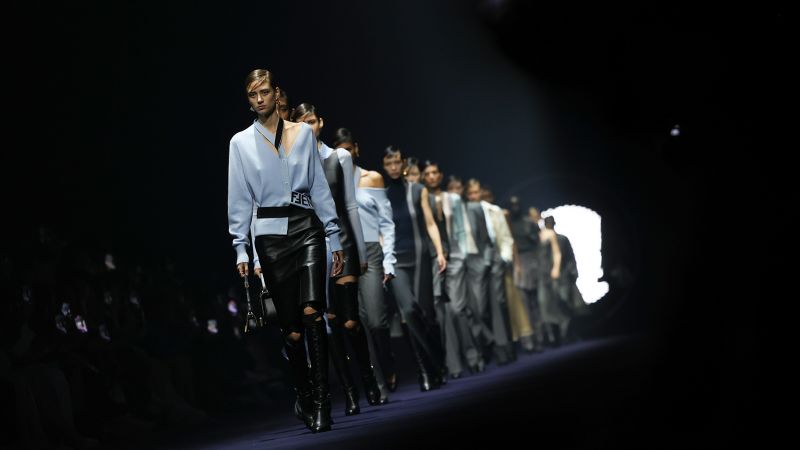
In 2023, the global fashion industry has once again unveiled its complex relationship with societal standards, body diversity, and medical advancements. This season’s runway shows across New York, London, Milan, and Paris reveal a disconcerting trend: a pronounced decline in the representation of plus-size models, echoing a broader societal pattern that privileges a narrow definition of beauty. Despite early progress driven by pioneers like Jill Kortleve, Paloma Elsesser, and Precious Lee—who broke the traditional sample size mold—this past season marked a stark regression. Industry analysts and fashion observers emphasize that this shift is not merely aesthetic but deeply intertwined with how international society perceives health, worth, and beauty.

Adding fuel to the fire is the advent and expanding accessibility of weight loss medications like Wegovy and Ozempic. These pharmaceuticals, originally designed to assist those with obesity or weight-related health issues, are increasingly being sought for purely aesthetic purposes though often at the expense of health risks. The European Medicines Agency recently issued warnings about shortages of Ozempic, underscoring the growing demand and potential for misuse. Critics such as global health experts warn that the normalization of such drugs, combined with a fashion industry retreat from size diversity, threaten to reinforce damaging societal narratives. As Dr. Lash, a prominent endocrinologist, cautions, “These drugs are not benign, and their use outside medical supervision can cause serious health complications.”

The significance of these developments extends well beyond individual health. According to historians and sociologists, these trends reflect a societal shift where the pursuit of an ultra-thin ideal is increasingly driven by consumer culture and pharmaceutical influence. Industry insiders point out that long-standing practices—such as creating exclusive sample sizes optimized for efficiency—are often cited by legacy brands as justifications for lacking size inclusivity. However, as White and other advocates argue, this is a matter of industry prioritization over societal well-being. Calls for a unified industry standard that mandates size diversity on runways are gaining momentum, aiming to combat the entrenched archetype of skinny beauty that has persisted for decades.

Despite these setbacks, a handful of smaller brands and emerging designers continue to push for change. Labels like Esther Manas, Di Petsa, and some collections by Christian Siriano exhibit a compelling commitment to celebrating all body types. This resistance symbolizes a broader cultural struggle—whether the fashion industry will embrace a definition of beauty that is inclusive, rather than exclusive. As the debate rages, critics warn that these decisions impact societal attitudes—shaping how future generations perceive self-worth, health, and diversity. The industry’s reluctance to fully integrate size inclusivity risks perpetuating a cycle where societal standards are dictated by narrow aesthetics and pharmaceutical solutions.

Ultimately, the narrative of body image and medical intervention is a portrait of a society at a crossroads. As social media platforms amplify conversations about health, beauty, and authenticity, and as international regulators grapple with medication shortages and misuse, history’s verdict remains unwritten. Will the global fashion industry and society at large choose authentic diversity and health over fleeting trends and pharmaceutical shortcuts? The unfolding story suggests we are entering a defining chapter—one where the choices made today will echo through future generations, shaping the very fabric of cultural identity and societal standards. The weight of history hangs heavily in the balance, whispering that the path forward must be carved with both conscience and courage.

Social Media Auto Publish Powered By : XYZScripts.com