Matox News

Truth Over Trends, always!

Your ultimate fashion-forward guide to Antwerp: Europe’s trendsetting alternative style hub for young explorers

In the heart of Europe’s fashion frontier, Antwerp is proving that a city’s style isn’t just a matter of trend—it’s woven into its culture and history. Once considered the “parish of misery” in the 19th century, Antwerp has undergone a remarkable transformation, becoming an epicenter of avant-garde design and entrepreneurial spirit. This city, famous for its sumptuous guild houses and cobblestone streets, now showcases a thriving fashion scene that’s redefining how we think about style’s social and cultural relevance. From ancient guild halls to modern ateliers, Antwerp is living proof that **fashion is more than fabric—it’s a statement of resilience and identity**.

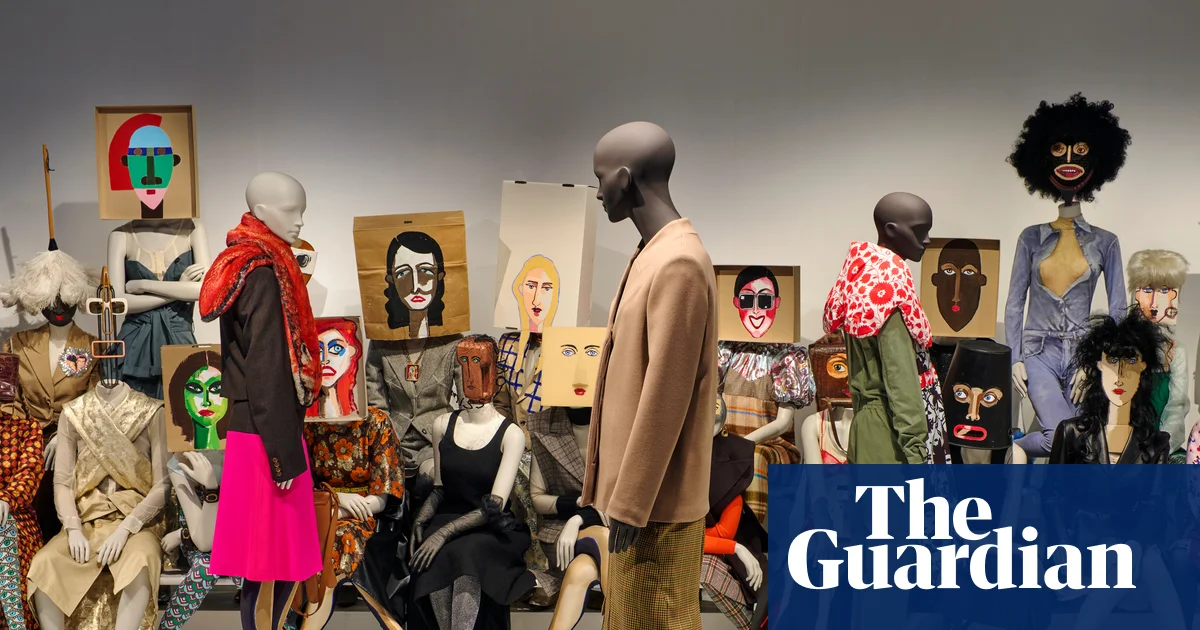
The city’s evolution into a fashion Mecca kicked into high gear with the rise of the Antwerp Six, a legendary group of designers who burst onto the international scene in the late 1980s, injecting vitality into a European fashion scene dominated by Paris and Milan. Led by visionaries like Dries van Noten and Ann Demeulemeester, these designers transformed Antwerp from a forgotten neighborhood into a vibrant fashion district. Today, walking along Nationalestraat feels like flipping through a living magazine—vintage stores, cutting-edge boutiques, and secondhand kilo stores sit side by side, forging a visual dialogue between the past and future.

The cultural impact of this fashion renaissance extends beyond the runway. Designers like Van Noten and Demeulemeester are celebrated globally, yet they remain deeply rooted in Antwerp’s community-oriented ethos. This is evident not just in their designs but also in projects like ReAntwerp, a social enterprise founded by local designer Tim van Steenbergen. ReAntwerp revitalizes leftover textiles from renowned Belgian ateliers, creating limited-edition classics that embody sustainability, craftsmanship, and social responsibility. Its mission to employ and empower refugees highlights fashion’s capacity to serve as a social equalizer, mixing culture and commerce in the process. This **blend of creativity and activism** underscores how fashion’s social relevance is being reshaped in Antwerp, making it more than just style—it’s a movement.

Antwerp’s deep roots in trade and art continue to influence its fashion scene as well. Once Europe’s largest port, the city thrived on the import of textiles, spices, and artisanal skills—heritage that now feeds its contemporary design ethos. The MAS Museum tells stories of this rich history, offering panoramic views from its roof terrace overlooking the bustling dockyards and river. Meanwhile, the Royal Museum of Fine Arts and the Cathedral of Our Lady showcase masterpieces by Rubens and Van Dyck, emphasizing that Antwerp’s cultural DNA is inseparable from its fashion identity. This heritage fuels a new wave of designers who see style as a form of storytelling, linking past and present in powerful, provocative ways.

The future of Antwerp’s fashion scene raises compelling questions. Will the city’s blend of history, art, and social activism continue to inspire a new generation of designers who prioritize sustainability and social impact? Or will the global fashion industry’s relentless commercial pressures threaten to dilute this unique cultural fabric? As young designers and cultural critics debate, one thing remains clear: Antwerp isn’t just shaping fashion—it’s rewriting its very definition. The next big question we should be asking is whether other cities will follow in Antwerp’s footsteps, transforming fashion districts into spaces of cultural and social dialogue. After all, in a world increasingly defined by quick trends and disposable style, Antwerp’s story is a reminder that true fashion begins with identity, resilience, and the courage to stand out—no matter how misunderstood or humble the origins might be.

Thursday’s Top Story: Exposing Insurance Scams, Party Flubs, and Biblical Blunders — Stay Sharp with the Latest Life and Style Buzz

In a rapidly evolving world, the importance of embracing a lifestyle centered on wellness, knowledge, and cultural engagement cannot be overstated. Today, as global headlines teeter between geopolitical shifts and cultural advancements, a new pursuit emerges—this is the journey toward personal well-being through the lens of curiosity and active engagement with the world. While the headlines might focus on Bulgaria’s new government or the legacy of celebrated musicians like Dave Mason, beneath these stories lies a broader narrative: the transformative power of informed, intentional living that resonates with today’s youth seeking purpose amidst chaos.

The essence of such a lifestyle is rooted in discovery. For instance, consider the recent Bulgarian election, where a former president with Moscow-friendly ties secured a majority. It’s a reminder that political awareness shapes our understanding of global dynamics, fostering a sense of responsibility. This mindset is echoed in the cultural curiosities—like Pedro Pascal’s legal action over a beverage branded with his name or the playful questions about pop stars and iconic video game brothers. These stories, seemingly trivial, serve as catalysts for personal connection—prompting us to explore, learn, and question the world that surrounds us.

In this age of information, wellness extends beyond physical health into mental and cultural realms. Engaging with art, history, and even light-hearted quizzes—such as the detailed trivia about flags or legendary TV shows—becomes a way to cultivate a mindset of curiosity. Recognizing key figures like Melvyn Bragg, or reflecting on historical milestones with figures like Brian May and Edmund Ironside, nurtures an appreciation for heritage and heritage’s place in modern identity. This cultural literacy transforms everyday moments into opportunities for growth and inspiration, empowering young individuals to chart their paths with confidence and purpose.

Moreover, the act of participation in activities like quiz nights or following stories about iconic personalities fosters a sense of community. It is through shared knowledge and active participation that one finds the most profound wellness—an understanding that amid the chaos, we are connected by a common quest for truth and meaning. Whether it’s appreciating the craftsmanship of the buffalo mozzarella from Campania or contemplating the legacy of figures like Alan Shearer, each story invites us to look deeper and find value in the world’s vibrant mosaic. As authors like Jordan Peterson advocate, embracing responsibility and curiosity leads us toward a more fulfilling life grounded in knowledge and resilience.

Ultimately, lifestyle is a journey—an ongoing exploration of the self within the larger tapestry of history, culture, and innovation. It is about choosing to swing between certainty and guesswork with conviction, knowing that every question is a stepping stone toward self-awareness and empowerment. As you move forward, remember that the pursuit of wellness begins with curiosity, continues through active engagement, and culminates in a life where knowledge shapes purpose. Embrace the journey—each day offers a new chapter to discover, learn, and grow into the best version of yourself.

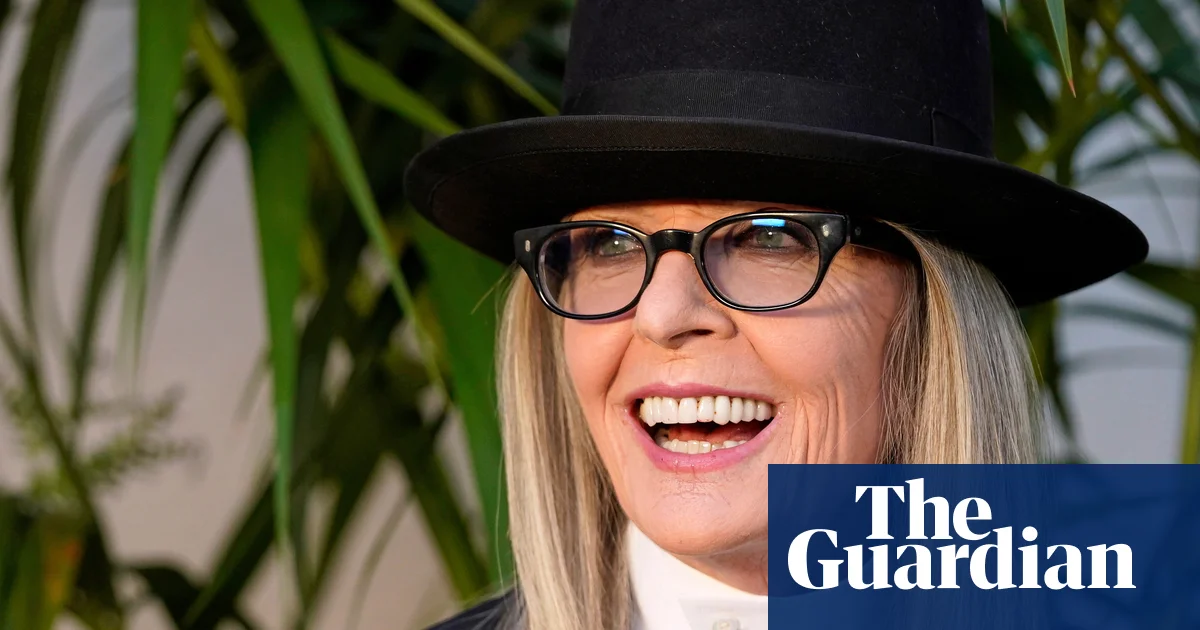
Diane Keaton’s iconic Ralph Lauren wardrobe and Annie Hall script up for grabs in upcoming auction—grab a piece of Hollywood style history!

In the world of entertainment and high culture, few figures symbolize timeless style, artistic versatility, and social influence quite like Diane Keaton. Nearly six months after her passing in October 2025, her legacy continues to ripple through not only Hollywood but also popular lifestyle trends that resonate deeply with the younger generation. With four upcoming auctions in New York and Los Angeles, fans and collectors have an unprecedented chance to own a piece of her personal universe—from Ralph Lauren couture outfits to original scripts of her iconic film Annie Hall. These sales underscore how Keaton’s multifaceted persona as an actress, artist, and style icon remains a potent cultural force.

The cultural impact of Keaton extends beyond her prolific filmography, which includes classics like The Godfather, Reds, and numerous collaborations with Woody Allen. Today, her influence is exemplified through trends in fashion and interior design that embody her distinctive aesthetic—an effortless mix of sophistication, independence, and *quirkiness*. The auction collection, curated by Bonhams as “The Architecture of an Icon”, features not just clothes and art but also her personal objects and creative touchstones. This reveals how her style was not merely superficial but an extension of her creative intuition—a trait praised by her sister Dorrie Hall— that guided her across decades of artistic exploration. For a generation obsessed with authenticity and individualism, Keaton’s life offers a blueprint for embracing one’s unique identity amid societal expectations.

Moreover, her influence is increasingly surfacing in social movements aimed at authentic self-expression. Trends like vintage reselling, upcycling fashion, and personalized home decor echo her eclectic, lived-in approach to style. Influencers and sociologists alike are highlighting how Keaton’s fearless reinvention—whether flipping houses or crafting collages—embodies a broader societal shift: the quest for meaningful, personalized lifestyles over mass-produced homogeny. Her engagement with interior design and fashion shows how cultural icons shape social behaviors, inspiring youth to embrace *artistic experimentation* and to see beauty in imperfection. As her memorabilia fetches premium prices, a compelling question arises: Are we entering an era where the emotional connection to a celebrity’s personal artifacts is transforming consumption into a form of cultural activism?

Today, Keaton’s enduring legacy invites a profound reflection on the future of celebrity influence. The next big question is whether this trend of celebrating personal artifacts and creative authenticity will extend beyond Hollywood icons into broader cultural spheres. Will our generation redefine what it means to be a *cultural leader*, focusing less on superficial fame and more on the *authenticity of lived experience*? With her auction house sales and ongoing influence, Keaton has already demonstrated that aesthetics and social relevance are intertwined. As we navigate an increasingly complex digital landscape, her life prompts us to ask: *In what ways will future icons challenge us to see beyond fame, blending artistry with social consciousness to shape a new cultural paradigm?*

Stephen Colbert on Trump’s Vatican clash: “Wow, the pope just called you out in style” | Nightly Culture Wrap

In an era increasingly dominated by media spectacle and political theater, the fundamental role of culture as the bedrock of identity and tradition remains a truth too often obscured. When figures like Donald Trump and the Pope Leo XIV become embroiled in public feuds, it signals more than mere personality conflicts; it highlights the ongoing battle over the soul of a society. As Ortega y Gasset once observed, “Culture is the human fabric that holds us together, distilling collective memory while steering us toward future horizons.” In times of geopolitical and moral turbulence, the cultural narratives we uphold—be they religious, historical, or philosophical—are essential to defining who we are and where we are headed.

The clash between Trump and the Vatican over issues like the just war doctrine exemplifies this tension. On the one hand, Catholic tradition emphasizes truth in defense—a principle rooted in centuries of theological reflection. Yet, as Colbert humorously pointed out, attempting to correct the Pope on such matters is akin to “going into the woods and telling a bear where to poop,” revealing the absurdity of dismissing the moral authority of tradition. Historically, the idea of a just war has been a cornerstone of societal self-identity—an anchor in the face of chaos. Chesterton famously argued that true culture is not just a reflection of current power, but a moral compass guiding the community’s conscience. Today, the cultural clashes over religion and morality are more than ideological—they are battles over the shared symbols that hold us together in uncertain times.

Meanwhile, the spectacle of political figures commissioning grand monuments, like the proposed Trump triumphal arch inspired by Paris’s Arc de Triomphe, underscores a visceral desire to embed history and heroism into national memory. Kimmel’s humorous critique that this new monument might memorialize the “draft dodger” rather than the fallen echoes a deeper question: what stories do societies tell about themselves? As T.S. Eliot lamented, “The past is preserved in our culture, not as mere nostalgia but as a repository of legacy—a prophecy of who we might become.” The cultural fabric, therefore, is woven from both collective memory and aspirational myth. It is both a mirror of our roots and a prophecy of our future, heavily weighted by the values we choose to nourish or neglect.

Ultimately, the terrain of politics may shift and the personalities may rise and fall, but it is culture—imbued with meaning, faith, and tradition—that sustains our civilization’s continuity. Culture is not an indulgence for the elite but a public repository of identity and a moral foundation. As history’s great thinkers have understood, to neglect our cultural memory is to risk losing our way. The collective memory of our ancestors and the prophetic visions they passed down serve as both a shelter from chaos and a lantern guiding us toward a more coherent future. In the end, culture remains both the echo of the past and the whisper of what is to come, whispering a timeless truth: humanity’s most profound inheritance is not merely what we have built, but what we carry within us—our identity in motion, our prophecy in suffering, and our hope in renewal.

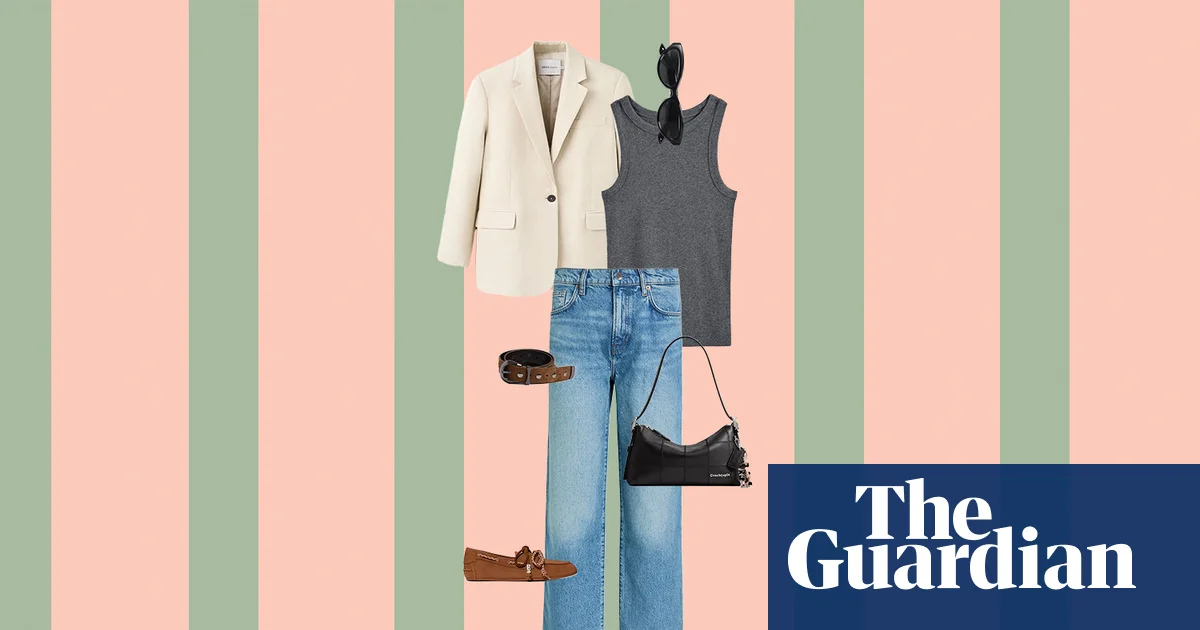
Stay sharp: Top style tips for rocking classic straight leg jeans your way

In an era dominated by fast fashion and ever-evolving trends, many young fashion enthusiasts are experiencing *denim overload*. The latest shift, however, is a clear reaction to this frenzy: a renewed appreciation for the timeless straight leg jeans. These classic staples are making a striking comeback, reminding us that sometimes, simplicity truly is the ultimate sophistication in style. As social media influencers and trend forecasters point out, the move away from overly distressed or exaggerated cuts signifies a desire for authenticity and enduring fashion over transient fads.

The cultural impact of this movement cannot be overstated. Straight leg jeans serve as a canvas for personal expression, adaptable to various settings—whether a casual hangout or a polished office look. Popular influencers like Emma Chamberlain and Zachary “Zo” highlight the versatility of this style through their carefully curated feeds, effectively shaping youth perceptions of what constitutes “cool”. Sociologists argue that this return to basics reflects a broader shift towards minimalism and sustainability, resonating with a generation increasingly conscious of environmental impacts and the wastefulness of fast fashion. The resurgence of straightforward denim symbolizes a cultural preference for authenticity and self-identity, asserting that fashion can be both stylish and meaningful.

  • Minimalist aesthetics are dominating youth fashion narratives, emphasizing quality over quantity.
  • Sustainable practices become more prominent as consumers look for durable, timeless pieces like straight leg jeans.
  • Social media trends showcase how influencers and everyday users are redefining what’s “trendy,” fostering a broader acceptance of classic styles.

Fashion analysts and sociologists note that this trend carries a social relevance beyond mere aesthetics. By embracing a style rooted in both tradition and practicality, younger generations are subtly challenging the hyper-ephemeral nature of digital culture. The rise of straightforward denim as a daily wardrobe staple suggests a cultural shift towards authenticity, resilience, and identity-centered fashion. It’s not simply about looking good but about making a statement: that real style endures chaos, fast-changing trends, and fleeting viral fads.

However, what makes this trend particularly intriguing is its potential to evolve into a lasting cultural phenomenon. As brands and retailers scramble to cater to this demand, questions emerge about the future: Are we witnessing a temporary rebellion against fast fashion, or is this a sign of a deeper societal transformation—towards more mindful, authentic self-expression in the digital age? The future of youth fashion may well hinge on this pivotal question, challenging us to reconsider what truly defines cultural relevance and social identity in the 21st century.

From Glamorous Department Store to Cannabis Crackdown: Newport’s Wildings Shake Up the City’s Style Scene

Reviving the Spirit of Wildings: A Reflection on High Streets and Heritage

Once a glamorous hub of retail and community life, Wildings in Newport, Wales, stood as a testament to the golden age of department stores. For over 140 years, it was not just a shopping destination but a cultural landmark—a place where fashion shows, Christmas displays, and a sense of *theatre* made retail more than just transactions. Today, the building sits eerily silent, its marble façade boarded up, a symbol of broader economic shifts that have reshaped Britain’s high streets. Yet, behind this decay lies an opportunity, a chance to reimagine what our urban spaces could become in an era where wellness and community are increasingly prioritized.

With the decline of traditional retail, sites like Wildings have become battlegrounds of economic decline and potential revival. According to recent reports, the number of retail outlets has shrunk drastically—by 38% since 2019—with department stores suffering the most. Research underscores that areas like Newport have been hit particularly hard, with vacancy rates soaring compared to thriving cities like London or Cambridge. Yet, there is a growing consensus that the future of high streets depends less on mere retail and more on a *holistic approach*—one that merges residential living, entertainment, and buzzing community spaces. Visionaries like Peter James advocate for reshaping old department stores into mixed-use developments, introducing flats on the upper floors while maintaining vibrant ground-floor retail—an approach that marries heritage conservation with modern demand.

This shift toward *embracing change* is not without its challenges. The story of Wildings also reveals the darker side of urban decline—abandoned buildings repurposed into illicit farms and secret skate parks by wandering explorers or ne’er-do-wells. As recent police raids uncovered, these spaces can fall into disrepair or become canvases for illegal activity, illustrating the need for **proactive civic planning**. Still, the narrative is not solely one of loss. It’s also a reminder that these spaces are part of our shared history—tangible links to a bygone era of success and civic pride. Moving forward requires a delicate balance: respecting the past while fostering innovative, safe, and vibrant communities that promote both health and **well-being**.

In contemplating these stories, it becomes clear that high streets are more than just shopping districts—they are living stories, waiting to be rewritten. Places like Newport might have lost their traditional retail heart, but they still carry the soul of a community eager to rejuvenate that spirit. The challenge, then, is to see beyond the boarded-up windows and broken facades—to recognize the potential for, as Vrettos describes, “making Newport great again,” but in a way that preserves its history and nurtures its future. To cast aside nostalgia as mere sentiment is to miss the broader lesson: true revival begins with embracing heritage, fostering local enterprise, and cultivating spaces that enhance our lives physically, socially, and culturally. In this delicate dance of transformation, the high street is not a relic but a canvas—a story waiting for us to write anew.

The Fresh Style No One’s Talking About: ‘Euphoria’’s New Aesthetic Wave

In recent years, youth culture has undergone a fascinating transformation, fueled by the visual and thematic evolution of popular media. One standout example is HBO Max’s ‘Euphoria’, a series that has captured the zeitgeist of Gen Z with its raw depiction of adolescence, but now, the show is embracing a new aesthetic—a Western-inspired vibe that signals a broader shift in lifestyle and cultural expressions among young audiences.

Leading fashion and wellness experts have observed that this aesthetic shift is more than superficial style. It’s a reflection of *a desire for authenticity and individuality* amid a landscape saturated with rapid digital trends. The show’s recent season introduces a visual palette that combines rugged western motifs with contemporary streetwear, symbolizing a fusion of tradition and modernity. This blend encourages young viewers to embrace a lifestyle of adventure, resilience, and self-exploration—values that resonate deeply with the current wellness movement focused on **personal health, mental clarity**, and **outdoor leisure**. Such trends are echoed in the writings of wellness influencers like Dr. Josh Axe or author Jay Shetty, who emphasize that lifestyle choices rooted in nature and authenticity can foster a stronger sense of purpose.

Beyond fashion, this shift also prompts a reexamination of how youth engage with wellness. The wellness renaissance among young adults now champions outdoor activities—hiking, camping, and horseback riding—as essential components of mental health. They seek immersive experiences that reconnect them with nature, fostering resilience and emotional well-being in an increasingly digital world. This movement aligns with the broader cultural narrative that values *self-reliance* and *personal sovereignty*, reminiscent of frontier spirit but adapted for today’s digital age. Travel tips for embracing this lifestyle include exploring National Parks, engaging in community outdoor projects, and practicing mindfulness amidst natural surroundings.

Ultimately, the journey of embracing an evolving lifestyle in tune with cultural shifts offers more than mere aesthetics. It provides a framework for personal impact: health, leisure, inspiration, and the cultivation of an authentic identity. As young minds look to redefine what it means to be resilient and true to oneself, they’re shaping a future where values of freedom, exploration, and wellness are at the forefront. The story of ‘Euphoria’s’ new aesthetic isn’t just about style—it’s a mirror reflecting a generation unafraid to forge its own path, blending tradition with innovation. This narrative reminds us all that embracing change is, in itself, a form of empowerment, encouraging each of us to see our lifestyle as a continuous journey of reinvention and discovery.

  • Explore outdoor adventures that challenge and inspire you
  • Incorporate wellness routines rooted in nature—like mindful hikes or meditation outdoors
  • Stay authentic to your personal style, blending influences and traditions
  • Prioritize mental health and resilience as core aspects of your lifestyle journey
Why Flannel Shirts Are the Cool, Casual Choice for Young America’s Style Revival

The humble checked flannel shirt, long associated with rugged outdoor labor and grunge revival, is experiencing an undeniable resurgence on the fashion scene in 2026. Once exclusively found in gardening or winter layering, this timeless piece is now being repositioned as a key item for style-conscious youth eager to blend comfort with cultural authenticity. Fashion editors, models, and even football managers like Pep Guardiola have been spotted sporting high-end versions from brands such as Chanel, Marni, and Chloé. The appearance of Jacob Elordi’s character in Euphoria wearing a leather flannel from Bottega Veneta underscores the fashion world’s shift—turning a 90s staple into a symbol of edginess and rebellion, filled with social meaning.

This revival is rooted in more than mere aesthetics. The popularity of vintage sites like Depop reveals a 47% surge in searches for traditional lumberjack shirts, emphasizing an appetite for nostalgia and authenticity. These garments, often styled loose and worn open over slip dresses or paired with casual jeans, evoke a sense of effortless cool—a deliberate contrast to the preppy, buttoned-up styles that dominated previous decades. As fashion journalist Hitanshi Kamdar notes, this “dichotomy of laidback pieces paired with more polished separates” allows young individuals to look fashion-forward without the need for excessive effort, fitting perfectly into the active, fast-paced lifestyle modern youth pursue.

Historically, these shirts have had a complex cultural footprint—dating back to the American outdoors, influenced by Scottish tartans and Indian madras in the 19th century, and becoming iconic through 90s grunge. Andrew Groves, a menswear archivist, explains that today’s fashion collapses these many references into a single narrative, where the flannel shirt “symbolizes heritage, rebellion, and ordinariness all at once.” The loose fit, reminiscent of Kurt Cobain’s grunge look, contributes to its authentic appeal, blending ideas of masculinity, casual labor, and subculture rebellion into a versatile symbol that feels both honest and rebellious. This is more than mere trend; it’s a cultural dialogue about identity, labor, and authenticity in a society increasingly obsessed with imagery and appearance.

Interestingly, the social relevance of this trend extends beyond the runway and digital platforms into personal narratives. Kamdar shares her own story—a vintage Ralph Lauren checked shirt inherited from her father, worn to the point of threadbare—highlighting how these garments gain emotional significance and a sense of lived-in authenticity. As fashion shifts toward valuing *wearing-in* and *aging gracefully*, young consumers are increasingly looking to their own wardrobes rather than quick shelf-stacking. This raises a compelling question: as the checked shirt reclaims its status—from workwear to high fashion, from personal history to cultural icon—what does it reveal about the next phase of youth identity? Will this enduring symbol evolve into a broader social statement, or is it destined to become just another fleeting trend in a world saturated with fast fashion and digital influence? The answers—and the next big shift—lie just beyond the hem of that seemingly simple flannel.

Breaking Boundaries: Rocking Grandma’s Heirlooms in a Bold Hot-Pink Cheongsam—A Teen’s Style Statement on Courage and Heritage

Rediscovering Style: The Power of Vintage Clothes in a Modern World

In an era dominated by fast fashion, the allure of vintage clothing is experiencing a renaissance among young, style-conscious individuals. With a focus on sustainability, individuality, and personal storytelling, many are turning to heirlooms and curated op-shop finds as a way to express their identity while honoring history. Standing at the crossroads of tradition and contemporary life, rediscovering older garments is more than a fashion statement; it’s a lifestyle shift that inspires confidence and connection to the past.

Take, for instance, the story of an 89-year-old woman’s wardrobe, which serves as a vibrant reminder of a life lived in bold, distinctive style. Her collection—featuring silk cheongsams, opulent coats, and heirloom accessories—embodies the shifting landscape of wellness and personal history. Style expert Chloë Felopulos highlights a vital perspective: “For many, passing on garments isn’t just about preserving fabric, but rather ensuring their stories continue.” This sentiment underscores an emerging cultural shift where the very act of passing on clothes becomes an act of legacy and self-expression.

Reimagining Vintage: How to Incorporate Old Styles into the Modern Wardrobe

Incorporating vintage pieces into everyday fashion requires a delicate balance of respect and innovation. Curator Cora Walters emphasizes the uniqueness of fabrics, labels, and craftsmanship that vintage clothing possesses—qualities that modern mass production struggles to replicate. A common challenge involves reconciling the physical constraints of heirlooms with the flexibility of contemporary tailoring. However, experts recommend playful approaches like play dress-up and mixing patterns as ways to breathe new life into old garments. For example, pairing a 60s cropped coat with gingham capri pants creates a visual harmony that feels both nostalgic and fresh, offering a fresh perspective on style that respects history while remaining practical.

  • Opt for pattern mixing to add energy to vintage outfits.
  • Experiment with color sandwiching—pairing contrasting, complementary hues for a polished look.
  • Consider alterations to modernize a piece without losing its historical essence.

Such methods showcase a confidence that transcends fleeting trends, aligning with a lifestyle that values pride in sustainability and authentic self-expression. As Felopulos suggests, whenever you wear a cherished piece with “pride,” you embed yourself into a story much larger than yourself, one woven through generations.

From Heritage to Daily Life: Setting the Scene with Vintage Accessories

Legacy accessories like a grandmother’s gold chain mail purse or ornate coat closures transform vintage clothes into versatile, meaningful elements of daily living. These items invite individuals to carry history as part of their identity, whether it’s through a weekend outing or a special dinner. The act of passing down and adapting heirlooms is underpinned by a sense of connection and continuity—a reminder that what we wear is rooted in personal history and cultural identity. As Isabella Lee demonstrates, trying on her grandmother’s cheongsam opens a dialogue about respect for tradition and the potential for reinvention, highlighting how heritage and modernity can coexist beautifully.

While the physicality of older clothes may pose practical challenges—such as sizing or comfort—the emotional and cultural impacts often outweigh these obstacles. Embracing heritage pieces requires a mindset open to adaptation and creativity. Whether through minor alterations or styling choices that honor their origins, it’s possible to craft a wardrobe that is both authentic and expressive, cultivating a sense of pride and continuity that resonates deeply in a fast-changing world.

In the end, this journey of rediscovery is more than just style—it is a narrative of resilience, connection, and the enduring value of history. Vintage clothing embodies a unique form of lifestyle activism, reminding us that embracing tradition can be a powerful act of personal and cultural reinforcement. As each piece finds its place in modern life, it’s a reflection of a broader acceptance: that style, like life itself, is an evolving story—one worth telling with pride and purpose.

This Thursday’s Buzz: Space Missions, Big Plans, and Who’s Having a Meltdown? | Life & Style

In a world obsessed with personal impact—health, leisure, and the pursuit of inspiration—our lifestyle choices shape not only our own lives but also the cultural and economic landscapes we inhabit. As the digital age expands, cultural shifts toward wellness and independent thinking are becoming crucial for young individuals eager to define their path. Whether it’s through engaging in trivia, exploring new music, or contemplating broader societal issues, embracing a lifestyle of curiosity and resilience serves as a compass toward a more empowered existence.

Recent headlines demonstrate that staying informed prepares youth to navigate complex social and political terrains. For example, the appointment of Ian Cheshire as the new head of Ofcom exemplifies how leadership positions remain influential in shaping public discourse in media and communications. Similarly, government measures such as capping interest rates on student loans at 6% signal an acknowledgment of the ongoing challenge many young people face regarding financial literacy and economic independence. These developments emphasize the importance of understanding the interconnectedness of policy, economics, and personal growth—tools that empower individuals to make informed decisions about their futures.

Beyond politics and economics, there’s a vibrant cultural scene that encourages young adventurers to explore arts, music, and global perspectives. The upcoming Meltdown festival, curated this year by Harry Styles, exemplifies how influential figures in entertainment help foment a sense of community and inspiration. Engaging with the arts fosters a sense of identity rooted in creativity and a refusal to conform to passivity. Whether contemplating the symbolism behind a national flag, or pondering the historical significance of Spain’s Expulsion of the Moriscos, youth are encouraged to look beyond surface appearances and develop critical viewpoints that shape a better understanding of the world.

In a time where literal and metaphorical borders are constantly challenged, embracing a journey of life that blends curiosity with resilience remains vital. The digital age, with its mountains of trivia and cultural references, is less a distraction and more an invitation to deepen understanding—be it about the depths of classical art, or the complexities of international relations. Every question posed, every headline decoded, is an opportunity to refine one’s worldview, to stand grounded in fact, and to move forward with purpose. As the narrative of our lives unfolds, they remind us that the voyage toward self-awareness and impactful living is an ongoing adventure—precisely what makes life fascinating and worth mastering.

Social Media Auto Publish Powered By : XYZScripts.com