Matox News

Truth Over Trends, always!

Top 8 winter jackets for guys: Expert-approved gear to keep you stylish and warm all season long

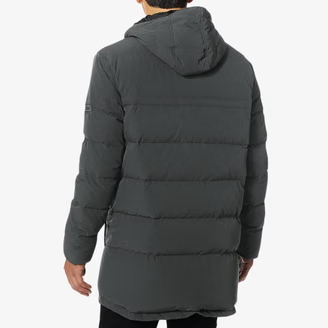
As winter’s final days loom, the quest for the perfect, long-lasting winter jacket becomes more than just a fashion choice; it’s a lifestyle necessity for those who spend significant time outdoors—be it explorers, professionals in extreme environments, or dedicated enthusiasts braving the elements. Recent insights from experts who have experienced the cold firsthand reveal that choosing a high-performance, ultra-warm jacket is not only about comfort but also about personal health and resilience. Whether you’re navigating icy terrains in the Arctic, reporting live from Toronto’s brisk streets, or simply enduring America’s colder regions, the right gear can define your winter experience, making style and function a seamless blend.

In a landscape where brands like Canada Goose, Shackleton, and Scandinavian-inspired Rains dominate the premium winter wear scene, the focus has shifted toward jackets that combine elegance, sustainability, and unprecedented warmth. For instance, Canada’s infamous cold climate has cultivated a tradition of serious outdoor apparel, and their models like the Langford Parka have become iconic not only for their durability but also for their understated style. As Winston Sih, a seasoned broadcast journalist in frigid environments, points out, a jacket that holds up in extreme conditions—with generous coverage and insulation—becomes essential when your outside time exceeds a few minutes.

Furthermore, innovation meets lifestyle with eco-friendly options like the WeatherWool All-Around Jacket. Made from 100% wool sourced locally in Connecticut, this jacket exemplifies an era where sustainability and quiet comfort are prioritized. Such pieces appeal strongly to a new generation of outdoor lovers eager to maintain their personal impact on the environment without sacrificing high-level performance. As Carl Murawski, a licensed electrician and outdoor gear reviewer, emphasizes, wool’s water resistance, strength, and warmth—qualities far superior to cotton—make it a standout choice for the socially conscious and adventurous alike. These jackets serve not just as attire but symbolize a lifestyle rooted in authentic connection to nature and responsibility.

The evolution of winter fashion is also about finding the perfect blend of luxury and utility. Premium options like the Goldwin Pertex Quantum Down Jacket or the Shackleton Titan Challenger exemplify jackets that are lightweight yet capable of withstanding the harshest cold snaps—ideal for those who view their outdoor gear as a personal statement of resilience. Such apparel, often transforming packability into an art form, allows wearers to move fluidly from winter hikes to urban commutes—embracing a lifestyle that prioritizes versatility, durability, and self-expression. As fashion historian Elizabeth Semmelhack describes, the modern jacket is an extension of individual identity, a reflection of values that include adventure, sustainability, and the pursuit of well-being—motifs that define the contemporary outdoor ethos.

In embracing these lifestyle shifts, young explorers and outdoor enthusiasts are creating a narrative where quality over quantity and personal impact become compass points. It’s about understanding that the ‘journey’—whether through winter storms or urban landscapes—is a pursuit of authenticity, strength, and wellness. By selecting apparel crafted with intention—be it from resilient wool, innovative down, or Scandinavian design—individuals are not merely dressing for the cold but consciously shaping their identity in a world that values a resilient spirit and self-reliance. As we look to the horizons of resilience and stylish practicality, it becomes clear that true outdoor lifestyle is not just about gear but about the commitment to forge a path where personal wellness and environmental consciousness walk hand in hand.

  • Invest in versatile, _weather-resistant jackets_ that serve multiple environments.
  • Prioritize _sustainable and ethically-made_ options to minimize impact.
  • Choose long-length, well-insulated pieces to ensure _core warmth_ during extended outdoor activities.
  • Remember, your clothing is a _reflection of your lifestyle_, resilience, and values—make it count.

The journey to embracing winter is ultimately a metaphor for life itself: a path requiring strength, choice, and adaptation. Every layer, every fabric, becomes more than just protection against cold—it embodies a desire to live intentionally, to challenge oneself, and to find joy in resilience. In a world where climate and culture intersect to forge our identities, these jackets stand as silent witnesses to our personal impact, guiding us not only into the cold but into a life of purpose and self-reliance.

Hisense Drops Stylish 32-Inch QLED S5 DécoTV for Just $299.99 at Amazon—The Perfect Blend of Tech and Trend for Young Fans

Revolutionizing Small-Space Living: The Cultural Shift Toward Affordable, Aesthetically Pleasing TVs

In a move that is reshaping how younger generations perceive home entertainment, Hisense recently introduced a sleek new addition to the TV market — the 32-inch DécoTV QLED Fire TV. Priced at just $299.99 on Amazon, this device exemplifies a fascinating trend: the merging of affordable price points with high-end aesthetics. Gone are the days when a practical TV was synonymous with bulky, utilitarian design. Now, thanks to models like Hisense’s latest release, small living spaces such as apartments, bedrooms, and kitchens are becoming focal points for a new cultural wave. These TVs are not just tools for entertainment; they serve as stylish design statements, echoing broader societal shifts towards personalized, Instagram-worthy living spaces.

The Social and Cultural Impact of Design-Oriented Tech

The Themes of form and function are blending in ways that challenge traditional notions of what a television should be. The Hisense DécoTV, with its art-inspired white curved stand, signifies more than just a technology upgrade — it embodies a cultural move towards minimalist elegance and spatial efficiency. Influencers and lifestyle experts are increasingly focusing on the idea that every item in a home should serve both purpose and style. Sociologist Dr. Lisa Chang argues that this trend reflects a broader societal recognition of the importance of visual harmony and personal expression within our living environments. For the digital-native youth, the TV is now a central aesthetic element, a device that complements their curated lifestyles rather than just serving as a screen for binge-watching.

Technology and Lifestyle: A Symbiotic Relationship

Beyond aesthetics, these new budget-friendly TVs carry cutting-edge features that enhance lifestyle convenience. The Hisense S5 DécoTV Fire TV sports an intuitive platform that makes content discovery effortless, aligning perfectly with the tech-savvy nature of younger users who prefer their devices to seamlessly integrate into their daily routines. Moreover, the emphasis on brightness for small spaces showcases an understanding of modern living—most viewers watch during daytime, whether multitasking in the kitchen or relaxing in their bedrooms. The introduction of QLED technology in such affordable models signifies a breakthrough in delivering high-quality visual experiences, especially vital for watching sports or vibrant content in well-lit environments.

This synergy between technology and social behavior pushes the cultural narrative of personal space and self-expression ever forward. Influencers like @ModernLiving and trend analysts note that these TVs are more than gadgets; they’re mediums of self-expression and social engagement. As a result, home entertainment transforms from a purely functional necessity into a lifestyle statement, where affordable design-driven tech fosters a sense of individual identity, especially among younger demographics eager to express their taste without breaking the bank.

The Next Big Question

As the market continues to evolve with these stylish yet budget-conscious TVs, a compelling question looms: Will this shift alter the larger consumer electronics landscape, encouraging brands to prioritize aesthetics and social relevance alongside technological innovation? With small living spaces becoming the norm, and a culture increasingly centered on visual harmony and personal branding, the future of home entertainment might hinge less on size and more on how well these devices integrate into our social identities. Could this be the beginning of a new era where affordability, aesthetics, and social relevance create a new standard for all consumer tech? Only time will tell, but one thing’s clear — the way we define cutting-edge is becoming as much about style and social meaning as it is about technical specs.

Stylish and bold, but always classy: sheer skirts punch above their weight in youth fashion trends

In an era where extreme fashion trends often push the boundaries of everyday wear, a compelling shift is quietly reshaping the style landscape. Enter the sheer skirt, a versatile piece that combines daring transparency with an innate sense of modern sophistication. While the concept of naked dressing—wearing transparent or minimal attire on red carpets—still turns heads at events like Cannes, today’s fashion scene is embracing a more accessible, yet equally impactful, alternative. This trend is bridging the gap between high-octane runway statements and wearable street style, signaling a societal shift toward more nuanced expressions of individuality.

What makes the sheer skirt particularly noteworthy is its cultural and social relevance. With appearances on influential runways at brands like Chanel and Simone Rocha, and celebrities such as Jacqueline Bisset and Victoria Beckham sporting them at high-profile events and casual outings alike, the sheer skirt has transcended its initial novelty status. It’s not just a passing trend; it symbolizes a broader movement emphasizing layered, multi-dimensional fashion. According to sociologists and trend analysts, this shift mirrors society’s fascination with reinterpreting classic femininity and masculinity through the lens of subtle transparency, allowing wearers to convey confidence without fully revealing themselves. The trend’s popularity on platforms like Depop, with searches up nearly 100% since January, underlines its burgeoning appeal across generations, especially among youth eager to express their bold individuality within a socially conscious framework.

Experts like Gaëlle Drevet, founder of The Frankie Shop, highlight how the perceived balance of daring and subtlety makes the sheer skirt a modern staple. Drevet notes that their bestselling Peri skirt exemplifies this, striking a “sexiness” that remains approachable. Meanwhile, Karin Gustafsson, creative director of Cos, attributes its rising popularity to the “underwear as outerwear” trend” and a fresh approach to layering, especially with transparent fabrics that radiate color and light. This desire for innovation in self-expression is also reflected in how fashion-forward individuals imagine pairing sheer skirts with winter-ready pieces, such as turtlenecks, tights, and boots—making transparency a year-round statement of style.

Interestingly, the appeal isn’t solely rooted in exposing skin. Many see the sheer skirt as an elegant tool to hint at sensuality—a delicate balance that allows women to “show their legs without showing,” as Gustafsson describes it. This shift indicates a broader cultural conversation about the power of modesty and confidence in fashion. As layering becomes more sophisticated, the sheer skirt offers a platform for personal storytelling through style, emphasizing that fashion’s next frontier isn’t about revealing everything but about revealing just enough. So, as we enjoy this low-key revolution in the wardrobe, one glaring question remains: Will future trends continue to blur the lines, making transparency and layering not just a temporary phase but the next permanent evolution in how society defines beauty and self-expression? Only time will tell, but one thing is clear—fashion’s willingness to experiment with boundaries reveals much more than just style; it reflects a society increasingly eager to challenge norms and redefine identity.

Sydney’s Stylish New Pattern Designs: The Next Art Deco or Red Brick Classic?

Australia’s Urban Transformation: A Local Solution with Global Ramifications

In a move reflecting both dedication to modern urban planning and a broader international push toward sustainable, affordable housing, New South Wales (NSW) has unveiled a series of innovative mid-rise apartment designs aimed at addressing the nation’s housing crisis. These new pattern books, a product of the recent government’s design competition, lay the groundwork for constructing over 112,000 homes in the next five years. The move, while rooted in local policy, emerges against a backdrop of rising global concerns over urban overcrowding, housing affordability, and climate resilience. It underscores how decisions made in Sydney could influence urban development models worldwide.

The core of NSW’s reforms is a set of nine mid-rise building design patterns, ranging from three to six stories, tailored to suit diverse lot sizes and city districts. These patterns, developed by leading Australian and New Zealand architectural firms, incorporate energy-efficient and cross-ventilated features—reflecting a broader international trend towards sustainable living solutions. The designs are not merely aesthetic; they intend to facilitate a more rapid, streamlined construction process by simplifying approval procedures with local authorities. As analysts and historians note, this approach echoes Sydney’s historic use of pattern books dating back to the colonial period—building a bridge between the city’s architectural past and its future ambitions. Yet critics warn that such reforms, if not properly managed, could threaten the city’s cherished historic neighborhoods that feature art deco and red brick styles, raising questions about the preservation of cultural identity amidst relentless urban expansion.

Global Impact and International Concerns

This localized initiative resonates far beyond Australia’s borders. The push for “missing middle” housing—denser, affordable, and sustainable—has become a hot topic in global urban planning dialogues, especially in countries grappling with housing shortages like the United States and Canada. The NSW government’s strategic move aims to address the alarming exodus of youth from Sydney—a trend highlighted by the recent NSW Productivity Commission report, revealing that 45,000 young residents left the state for other regions or countries last year alone. The NSW premier, Chris Minns, emphasizes that “the onus is on us, builders, and architects, to design buildings that stand the test of time, are beautiful, and serve the most urgent societal needs.” Such rhetoric echoes a broader international demand for urban centers to become hubs of innovation, lifestyle, and economic vitality.

However, critics and international observers warn that these reforms have potential pitfalls. While the government claims the new designs will expedite housing projects and curb urban sprawl, questions remain about their long-term social and cultural impacts. Some argue that the rush to develop “highly sought-after” properties commodifies historical neighborhoods, risking the loss of local character. The United Nations and other international organizations have long called for sustainable, community-focused urban design—yet the rapid pace of development in Sydney suggests a tension between growth and preservation. As historians such as Dr. Elizabeth Evans caution, “urban reform must balance progress with cultural memory, lest cities become soulless mosaics of glass and concrete.”

The Future of Urban Development and the Weight of History

As the NSW reforms gain momentum, the question remains: how will this wave of change shape the city’s future and influence global urban policies? The design’s emphasis on speed and economy may serve as a blueprint for other nations seeking quick, affordable solutions to their housing crises. Yet, history teaches that rapid development often inadvertly erodes the very fabric that gives a city its identity. The decision to prioritize new, energy-efficient mid-rises over cherished historic districts symbolizes a broader geopolitical narrative—one of modernization versus preservation, speed versus sustainability.

In the shadows of these policy shifts, the world watches and debates—each city nervously contemplating how to move forward without losing its soul, each leader weighing the cost of progress against the weight of heritage. The unfolding story of Sydney’s urban transformation is not merely local—it is a chapter in the larger story of 21st-century civilization, where the choices made today will echo through generations. As history pivots on these crossroads, the question endures: will the future be built on the foundations of tradition or the visions of innovation? Beneath the bright facades, the true import of this moment lies in what cities and societies decide to preserve—and what they choose to leave behind.

Time Out names the coolest neighborhood of 2022—where young, stylish locals are redefining the city vibe

Embracing Local Vibes: The Hidden Gems Shaping Our Lifestyle

Travel isn’t just about crossing destinations off a bucket list; it’s an immersive journey into the essence of local culture, cuisine, and community. As modern explorers, we’ve brushed past the typical tourist traps, seeking instead the neighborhoods that pulse with authenticity—those that provide a deep **personal impact** on our health, leisure, and inspiration. Thanks to thought leaders like Time Out and cultural curators worldwide, a curated list of the world’s coolest neighborhoods now guides us toward these vibrant, less-trodden paths.

At the top of this list is Colonia Americana in Guadalajara, Mexico. Here, art deco terraces intertwine with warehouse venues, fuelling a **boundary-pushing creative community**. Such neighborhoods aren’t just picturesque—they become catalysts for personal growth, inviting us to indulge in local culinary innovations and revel in nightlife that invigorates the soul. Guadalajara’s burgeoning scene exemplifies how authentic, independent hotspots can transform a city’s identity, inspiring visitors to embrace new ways of living.»

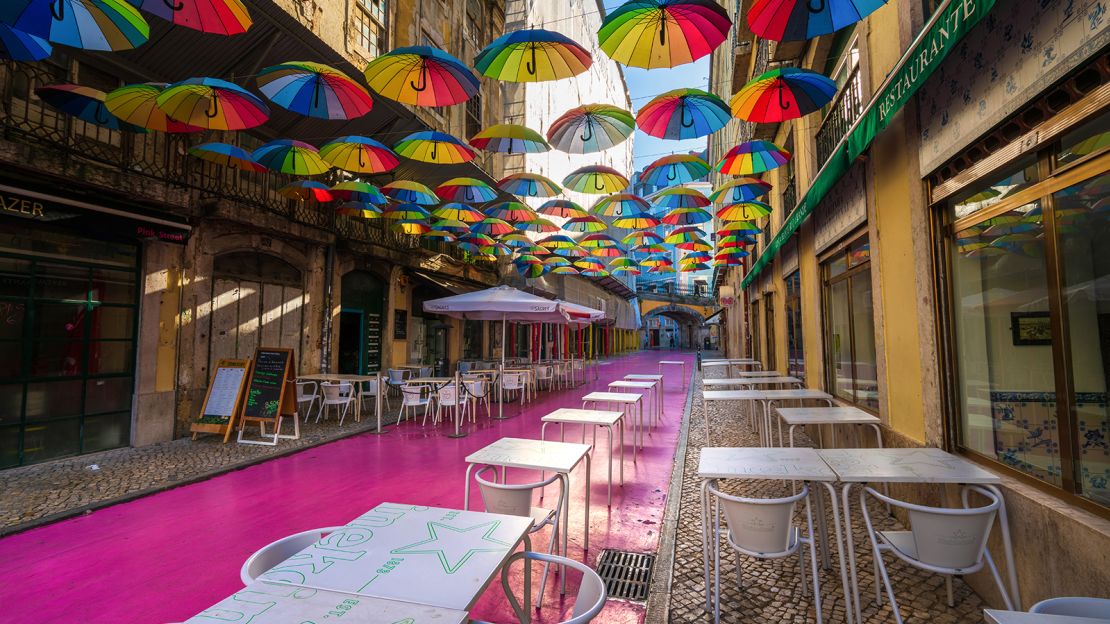
Following closely is Cais do Sodré in Lisbon, Portugal. Once famed solely for its lively nightlife, this riverside neighborhood is now a **foodie’s paradise**, showcasing Lisbon’s promising young chefs and innovative dining experiences. For the youth seeking wellness and inspiration, exploring such areas means reconnecting with the vibrant energy of emerging talent and authentic cuisines—elements proven to boost *mental well-being and creative vitality*. As wellness expert Dr. John Lee emphasizes, our environment directly influences our *state of mind*—neighborhoods like Cais do Sodré remind us that vitality can be found in the simplest pleasures, like a well-crafted meal or a spirited street conversation.

Not limited to Europe and North America, the list spans global cultural tapestries. Wat Bo Village in Siem Reap, Cambodia, has undergone a **’serious glow-up**, becoming a social enterprise hub that empowers women through local organic cuisine and boutique hospitality. Such transformations highlight the importance of engaging with LOCAL initiatives that align with the \underline>shift towards conscious, wellness-driven lifestyles. They also serve as inspiration for young individuals aspiring to make meaningful *personal impacts* through travel and cultural appreciation.

  • Seek neighborhoods with independent eateries and creative spaces—these foster community connection and mental wellness.
  • Prioritize areas with local social enterprises—support small businesses that empower and uplift communities.
  • Focus on destinations that balance leisure with cultural authenticity, creating a holistic experience.

As highlighted by Times Out, exploring these less conventional neighborhoods offers a treasure trove of experiences—many within a walkable distance—that inspire adventurous spirits to immerse themselves fully in their journeys. Whether wandering through Shimokitazawa in Tokyo or strolling along Rue Julien in Marseille, travelers can unlock a renewed sense of purpose and *well-being*. Unlike homogenized tourist hubs, these neighborhoods stand as testaments to the power of local culture and independent enterprise in shaping a vibrant, healthy lifestyle for the younger generation eager to forge their own paths.

And so, the journey continues—not just across borders, but inward. To discover not only the hidden nooks of the world but also the untapped reservoirs within ourselves—where curiosity, community, and purpose intertwine. In embracing these unique neighborhoods, we embrace a lifestyle dedicated to wellness, authenticity, and *the pursuit of personal inspiration*. As the philosopher Rainer Maria Rilke once suggested, “The only journey is the one within.” Keep exploring. The world—the true one—is waiting for you to find your place in it.

Hoka Kaha 3 Low GTX TP & Kaha 3 GTX TP Launch: Where Rugged Trail Tech Meets Stylish Youth Lifestyle

Style Meets Function: The HOKA Kaha Craze Takes Over Youth Culture

In recent months, an undeniable shift has taken hold among young outdoor enthusiasts and fashion-forward individuals alike — a movement fueled by the latest releases from HOKA. The brand’s new Kaha 3 Low GTX TP and Kaha 3 GTX TP silhouettes are not just footwear; they are symbols of a cultural shift that blurs the lines between performance and lifestyle. As trail tech meets urban fashion, these limited-edition shoes are redefining what it means to be stylishly prepared, all while making a statement about authenticity and versatility.

What makes these releases particularly compelling is their integration of technical innovation into everyday aesthetics. With rugged designs in shades like Honeydew and Black, these shoes appeal to a generation that values function as much as form. According to lifestyle trend analysts at TrendHunter, the appeal of HOKA Kaha lies in its dual purpose: seamlessly transitioning from trail to street. This versatility resonates strongly with multifaceted young consumers who refuse to compromise on style or substance. Influencers focused on outdoor fashion, like TikTok content creators and Instagram trendsetters, have been championing these shoes, elevating them from niche performance gear to must-have fashion staples.

Social and Cultural Repercussions of Trail Tech Lifestyle

  • Rejection of traditional sneakers: The Kaha series represents a shift away from conventional sneakers, emphasizing durability and outdoor readiness.
  • Embracing authenticity: As societal values evolve, young people increasingly seek “real” experiences—whether conquering urban jungles or actual mountain trails.
  • Limited editions fueling exclusivity: Limited runs in striking colors boost desirability and social status among youth, creating a sense of belonging within exclusive communities.

This cultural nexus points to a larger narrative: the elevation of outdoor gear into cultural symbols. Sociologists like Dr. Emily Carter from the Institute of Youth Studies argue that this reflects a society craving authentic connection—linking nature, adventure, and personal identity through wearable symbols. Influencers and celebrities are now endorsing this trend, not just because of its aesthetic appeal, but because it embodies a lifestyle rooted in resilience, exploration, and self-expression.

The Future of Youth Lifestyle Trends: What’s Next?

As this trail-tech-inspired aesthetic continues to infiltrate popular culture, one might ask: will this shift toward adventure-ready urban fashion lead to a more adventurous, back-to-nature mindset among the next generation? Or could it signal a deeper societal yearning for authenticity in a digital age dominated by virtual identities? The rise of the HOKA Kaha movement is more than just about footwear—it’s a window into a future where the boundaries between the outdoor and urban worlds blur even further.

With brands like HOKA redefining norms and influencing a new wave of youth identity, the pressing question remains: how long until outdoor tech becomes the default aesthetic for the next wave of cultural icons? The answer might determine whether this trend is a fleeting fashion fad or the foundation of a profound societal movement rooted in resilience, adventure, and authenticity.

Heidi Klum’s stylish bash, Demi Lovato’s powerful message, and Megan Thee Stallion’s hits ignite the scene

As Halloween 2025 reaches its crescendo, the world witnesses a spectacle that transcends costumes and candy—an intricate dance of geopolitical stakes and societal shifts. From Hollywood to the corridors of power, the annual festivities have once again spotlighted how culture, politics, and international influence are increasingly intertwined. Celebrities and politicians alike embrace elaborate costumes, yet beneath their costumes lies a reflection of the trajectories shaping our global landscape. Historians and analysts recognize this tradition as more than entertainment; it’s a mirror held up to society’s evolving identity and the lingering shadows of power plays.

At the heart of this cultural tapestry, Heidi Klum has cemented her reputation as the undisputed Queen of spooky season, captivating global attention with her jaw-dropping costume collaborations. This year’s Medusa theme—complete with animated serpents and a grotesque visage—symbolizes more than Halloween flair; it echoes the rising tension between ancient myth and modern chaos. Her crew, including Oscar-nominated make-up artists, worked tirelessly to craft a spectacle reflecting society’s fascination with monstrosity and transformation. Such displays underscore how costume culture captures the collective psyche—a visual metaphor for societal fears, anxieties, and hopes. Meanwhile, her Hollywood peers and global elites don costumes that range from the humorous to the horrifying, illustrating a desire to confront or escape the tumult of today’s world—be it through homage, satire, or pure spectacle.

Political figures, too, have entered the fray, turning Halloween into an arena for public displays of symbolic authority. President Trump, hosting a party at his Florida home, joins a tradition where costumes serve as political commentary. Social media captures images of national leaders and cultural icons embodying characters that both entertain and subtly critique the current geopolitical climate. For example, the use of meme culture—such as the bizarre meme-version of Vice President JD Vance—highlights how digital narratives influence public perception and societal discourse. International institutions like the United Nations have long warned about the amplifying effects of media and culture on global stability; this year’s festivities reinforce that they view societal reflections through pop culture as strategic components of national identity and influence.

Beyond Hollywood and political theatrics, international reactions underscore the how decisions and cultural expressions affect nations and societies. The costumes worn by global elites and celebrities broadcast messages that resonate locally and internationally, shaping perceptions and sometimes stirring controversy—such as Julia Fox’s costume perceived as in poor taste, or Darren Criss’s playful Shrek homage. Analysts argue that these choices serve as both personal expression and geopolitical signals—reflecting internal societal tensions, national moods, or cultural allegiances. As historians note, these moments become part of the ongoing narrative of history being written in real time—an era where images and symbols wield influence over diplomatic relations, societal cohesion, and collective memory.

As the night concludes and the world prepares for what’s next, one cannot ignore the profound truth that beneath the masks, the world’s story continues to evolve—fraught with danger, opportunity, and the relentless quest for identity. Each costume, each flickering image, and each viral meme reminds us that history is a living tapestry, spun from the choices of today’s actors—whether they wear crowns, masks, or Medusa’s serpents. The question remains: what future chapters will be inscribed in this ongoing saga of cultural transformation and geopolitical upheaval? The night stands silent now, but the echoes of these fateful moments will linger—haunting, inspiring, and defining the unfolding story of our time.

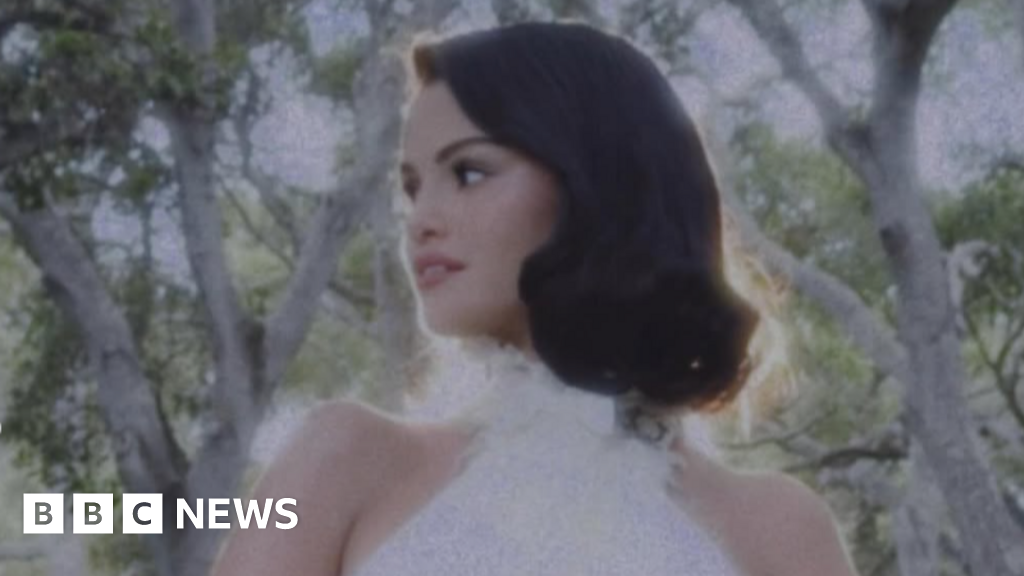
Selena Gomez Couples Up with Music Producer Benny Blanco in Stylish California Wedding

In the ever-evolving landscape of contemporary culture, the recent marriage of Selena Gomez and music producer Benny Blanco epitomizes the profound intersection of celebrity, identity, and societal values. Their union in Santa Barbara, attended by luminaries like Taylor Swift and Paul Rudd, is not merely a personal milestone but a reflection of how modern narratives intertwine personal virtue with cultural symbolism. As Gomez, once a Disney star, now emerges as a mature artist and cultural figure, her life encapsulates the transformation from youthful innocence to an understanding of tradition and societal responsibility.

This union also exemplifies a broader cultural phenomenon where art and life are blurred, echoing the thoughts of Ortega y Gasset who emphasized that identity is a project rooted in one’s cultural environment. Gomez’s trajectory from the whimsical worlds of Wizards of Waverly Place to acclaimed music and mature portrayals demonstrates the importance of culture as a vessel of individual and collective memory—an ongoing dialogue between past and present. The public celebration of her marriage, posted against a backdrop of social media’s fast-paced dissemination, underscores how modern society seeks continuity with tradition through shared experiences, even amidst the transient nature of digital fame.

  • Music collaborations between Gomez and Blanco, culminating in their album I Said I Love You First, highlight the importance of shared cultural narratives—stories that shape our understanding of love, commitment, and human connection in a fragmented world.
  • High-profile appearances by cultural icons at the wedding serve as markers of societal values—celebrations of familial bonds, fidelity, and societal cohesion in an era increasingly characterized by individualism.

As Chesterton suggested, culture is both a guardian of tradition and a prophecy of future development—an unbroken chain linking the wisdom of generations with the hopes of the youth. Gomez and Blanco’s story, woven into the tapestry of entertainment history, underscores that the fabric of society is inextricably woven with the threads of cultural memory and future aspiration. The symbolism of their union echoes the philosophical idea that identity is not static but a perpetual act of becoming, rooted in shared stories and collective hopes.

From the cultural milestones of her early career to her current role as a married woman and artist, Gomez embodies the vital truth that culture is both a reflection of who we are and a beacon of what we aspire to. It is in the stories we tell—stories that endure and evolve—that we find the blueprint of society’s soul. Like a lyrical refrain that echoes through the corridors of time, culture remains both the memory of humanity and the prophecy of its future—fostering a landscape where tradition sustains hope, and hope reforms tradition into a living, breathing testament to our shared humanity.

Social Media Auto Publish Powered By : XYZScripts.com