Matox News

Truth Over Trends, always!

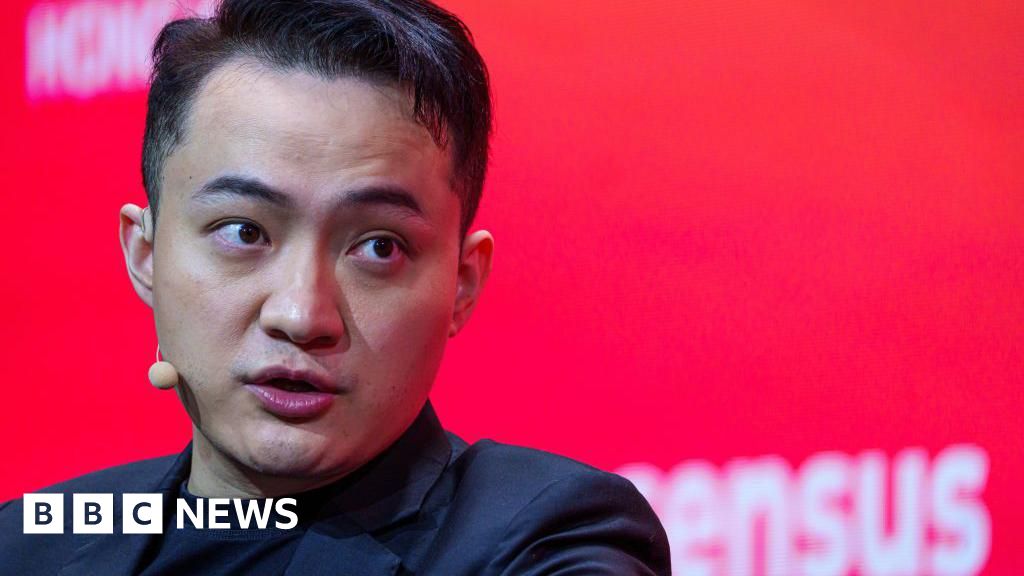
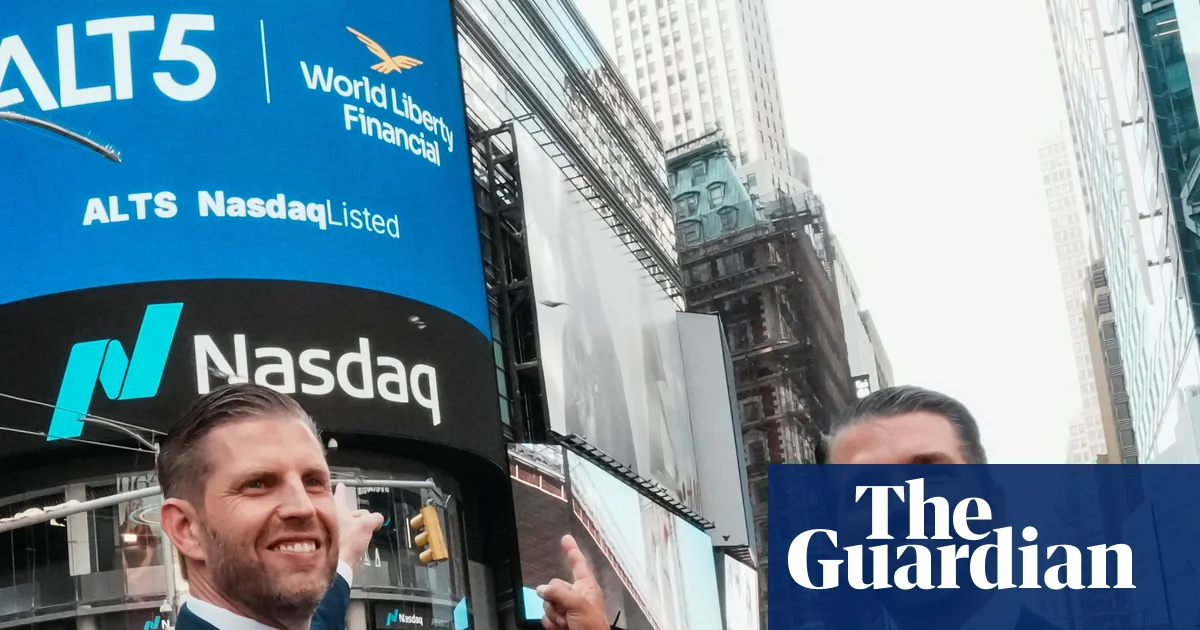
Billionaire Investor Sues Trump Family’s Crypto Firm Over Alleged Extortion

In a development that has sent shockwaves through the international financial and tech sectors, billionaire investor Justin Sun has initiated a lawsuit against the family-run World Liberty crypto venture, citing a loss of $45 million following his substantial investment in their tokens. This legal action not only highlights the volatile nature of the emergent cryptocurrency landscape but also underscores broader concerns about transparency and regulation within this rapidly expanding economic frontier.

The clash has immediate geopolitical implications that extend beyond the realm of individual investors. As Sun’s lawsuit unfolds, financial authorities and regulatory bodies across multiple jurisdictions are paying close attention. Many analysts warn this case could become a \u201Cbenchmark\u201D for future governmental crackdowns on unregulated digital assets, especially amid a global push for stricter oversight of cryptocurrencies. According to leading economic historians and international organizations such as the International Monetary Fund and World Bank, this conflict is emblematic of a larger struggle—one where nascent blockchain innovations collide with entrenched financial regulatory frameworks, often with unpredictable repercussions for ordinary citizens and national economies alike.

For U.S., European, and Asian regulators, such disputes serve as a crucial test case. The case reveals the urgent need for a cohesive global approach to regulate digital asset markets, which remain plagued by a patchwork of rules and inconsistent enforcement. Potential consequences range from increased regulatory clampdowns to restrictions on cross-border crypto transactions, thus altering global trade flows and investment strategies. Some experts suggest this crisis could accelerate a shift toward clearer international standards, yet others warn of the risk that overregulation might stifle innovation and push activity into clandestine channels, threatening the very essence of a decentralized digital economy.

As Justin Sun and the World Liberty family prepare for court proceedings, the broader battle over control, legitimacy, and the future of digital currencies remains unresolved. Observers like geopolitical analyst Dr. Michelle Porter emphasize that this incident is a harbinger—signaling a critical juncture where economic, legal, and technological forces collide. Her warning echoes a warning often sounded by historians: that history’s most pivotal moments often arise from conflicts that challenge the status quo, shaping the landscape for generations to come. With many nations watching closely, the outcome of this lawsuit could well alter the very fabric of the digital economy, embedding lasting lessons for investors, regulators, and societies worldwide.

As the story continues to unfold, the tale of Justin Sun’s legal challenge against World Liberty stands as a stark reminder of the tumultuous path humanity treads in the quest to harness the revolutionary potential of cryptocurrency. In a world teetering between innovation and regulation, the true impact of this clash remains uncertain—yet its echoes will resonate through history, hinting at a future where old paradigms are finally challenged by new, unpredictable forces. The narrative of global finance is still being written, and with every passing chapter, the stakes grow higher—shaping the destiny of nations and societies in ways that may never be fully understood.

Pedro Pascal Sues Chilean Spirit Brand in Legal Clash

In an era where cultural identity and economic power intersect, legal battles over name recognition demonstrate the evolving geopolitical landscape. The recent dispute between the internationally acclaimed actor Pedro Pascal and a Chilean pisco merchant exemplifies how individual and cultural symbols can spark wider debates about global influence. Pascal’s legal challenge against a Chilean brand called Pedro Piscal has garnered attention not only within legal circles but also across the international stage, highlighting the significance of names, brands, and cultural symbols in a globalized economy. This specific case underscores how individual reputation, local entrepreneurship, and national identity are now entangled in a broader contest of soft power, especially as Latin America’s cultural exports continue to gain influence worldwide.

Historically, international trademark laws have become crucial tools in safeguarding personal and cultural identity against potential misappropriation. As noted by several global legal analysts, the effort by Pascal to retain control over the use of his name reflects a broader pattern across multiple countries where celebrity branding and national symbols have become commodities. Similar cases span continents—from Hollywood-based lawsuits over Pun-based brand names to European intellectual property disputes over cultural icons. The Pedro Piscal controversy is emblematic of how social media, branding, and legal frameworks are converging to shape a new frontier of cultural sovereignty. How nations and societies respond to such challenges could define their stance on protecting cultural symbols in an increasingly interconnected world.

Experts like international law firm Clifford Chance and historians warn that these seemingly trivial brand disputes could have real geopolitical implications. For example, Chile‘s rising stature as a globally recognized cultural and economic nation hinges on its ability to defend its symbols from diluted or misused representations. Cases like Pedro Piscal, along with Chilean entrepreneurial stories involving cheeky pun-based brands reminiscent of Hollywood’s trademark battles, showcase the tension between local innovation and global influence. The ongoing battle over Star Wash’s use of Star Wars-themed branding exemplifies how international corporations are deploying legal tools to assert control—yet, they also risk alienating local communities and youthful entrepreneurs eager to celebrate their pop culture heritage. The result can be a kind of cultural pincer movement where economic interests threaten to overshadow genuine national expression.

As the international community watches these conflicts unfold, the decisions made today will reverberate for generations. Will international legal standards evolve to protect cultural expressions, or will they be co-opted by corporate interests that prioritize trademarks over societal identity? The United Nations and World Intellectual Property Organization regularly debate these issues, but critics argue that the current system favors powerful multinational corporations over local cultural sovereignty. Ultimately, these legal skirmishes serve as a stark reminder of how fragile our shared history is—whether in the form of a celebrity’s name or a heritage spirit—each battleground is a part of a larger contest for influence and authenticity in a world where history is constantly being rewritten. As societies stand at this crossroads, the weight of future memories—and their implications—hangs in the balance, waiting to be shaped by decisions that will define the line where culture ends and commerce begins.

Halide co-founder sues Sebastiaan de With over code transfer to Apple

In a significant development within the technology landscape, Apple has once again demonstrated its relentless pursuit of innovation by bolstering its mobile photography capabilities through high-profile talent acquisitions. The recent hiring of Sebastiaan de With, co-founder of Lux Optics, underscores Apple’s strategic focus on elevating iPhone camera technology to meet professional-grade standards. Lux Optics, known for its flagship app Halide, revolutionized mobile photography by offering robust, pro-level controls, which significantly disrupted the traditional camera market.

This move not only highlights Apple’s unwavering commitment to integrating cutting-edge software solutions, but also signals a broader industry trend: the blurring of lines between dedicated hardware and software-driven ecosystems in consumer electronics. Filings reveal that Apple was so captivated by Lux’s technology that it contemplated acquiring the startup altogether—a testament to how much innovation is concentrated around disruptive software capable of redefining user experiences. The hiring of de With, therefore, reflects a strategic intent to shift industry standards and further entrench Apple’s dominance in the photography app niche, while maintaining technological leadership.

However, recent allegations related to de With’s departure cast a shadow over these strategic ambitions. A lawsuit filed by Lux co-founder Ben Sandofsky in California claims that de With was dismissed due to financial misconduct, specifically regarding the unauthorized use of over $150,000 for personal expenses and the alleged theft of Lux source code. Such claims reveal the zero-sum nature of innovation and talent acquisition in Silicon Valley, where internal conflicts can have ripple effects on broader industry disruption. Nevertheless, Apple’s defense dismisses these allegations as mere attempts to leverage the situation, emphasizing the importance of focus on technological advancement rather than internal disputes.

From a business perspective, this episode exemplifies the high stakes involved in talent acquisition and intellectual property management amid fierce industry rivalry. The disruption initiated by innovations like Lux’s camera technology, now under Apple’s wing, exemplifies what Gartner and MIT have highlighted: the convergence of AI, software, and hardware is reshaping consumer electronics at an unprecedented pace. Companies that successfully harness this synergy will not only redefine user experiences but also solidify market leadership, disrupting entrenched players who resist digital transformation. As industry observers watch these developments unfold, one thing remains clear: the future of mobile technology hinges on innovation that blurs traditional boundaries, and those who fail to adapt risk obsolescence.

In light of this, industry analysts warn that the race to dominate AI-driven camera software is intensifying. The fusion of proprietary algorithms, hardware enhancements, and intuitive interface design will determine who leads the next wave of mobile disruption. As Elon Musk and Peter Thiel have emphasized, pioneering ventures in AI and software integration will be central to future technological supremacy. Future implications point towards a landscape where ‘pro-consumer’ tools become more sophisticated, and companies must accelerate their innovation cycles to stay ahead. Time is of the essence: those who ignore the fast-evolving dynamics risk falling behind in the race to redefine what is possible in digital imaging and mobile tech itself.

Trump administration sues Harvard over alleged antisemitism—taking a stand for fair treatment

The ongoing clash between the United States federal government and Harvard University underscores a mounting phase in the broader ideological and geopolitical battlegrounds shaping the 21st century. With the recent legal actions initiated by the Trump administration, the stakes are not confined merely to campus debates but extend into the realm of international influence and sovereignty. This confrontation signals a deliberate move by the U.S. government to assert control over ideological currents within elite institutions, and by extension, influence how global values are interpreted and enforced across the world.

The latest lawsuit, filed in the U.S. federal court for Massachusetts, charges Harvard with failing to combat anti-Semitic and anti-Israel conduct on campus, alleging the university turned a blind eye to disruptive protests and violent harassment of Jewish students. While Harvard has publicly insisted it is addressing these issues, the government’s legal challenge broadens the debate, arguing that the university violated Title VI protections against racial and national origin discrimination—directly linking the internal campus conflicts to the wider international struggle over anti-Semitism and free speech. This move is emblematic of a U.S. attempt to set a precedent: academic institutions receiving federal funds must adhere strictly to a narrative aligned with what the administration perceives as America’s moral and geopolitical stance.

Historian John Miller and analysts from the Foreign Policy Council interpret the situation as a strategic effort to recalibrate the value system by which American power projects itself at home and abroad. They warn that by threatening billions in research funding—funds that constitute roughly 11% of Harvard’s revenue—America signals that it will not tolerate educational environments that dissent from certain ideological orthodoxies. Such external pressure could ripple through the global landscape by influencing similar policies in allied nations, thereby shaping an international narrative that aligns with American interests—but at what cost to academic independence and free inquiry?

Moreover, this controversy unveils a pivotal turning point in the U.S.-centered fight over domestic ideological conflicts. Harvard’s resistance to the administration’s accusations, including its countersuit, underscores the ongoing struggle for institutional autonomy in an era where geopolitical influence often hinges on the control of knowledge and cultural narratives. As federal authorities threaten to withhold vast sums and potentially recoup past grants, the implications extend beyond Harvard’s gates. Other universities and international educational institutions are observing these developments closely, aware that the outcome could reshape the very foundation of academic freedom—an institution once thought inviolable—under the heavy hand of government oversight with geopolitical undertones.

As history charts an uncertain course, the relentless cadence of international shifts and internal disputes over ideological control portends a future where the fight over campus conflicts becomes a microcosm of the larger struggle for global influence. With each court ruling, each policy adjustment, and each geopolitical maneuver, the fate of national sovereignty, the integrity of education, and the values underpinning the West are being inscribed into the annals of history—an unfolding epic where the weight of the present will inevitably shape the destiny of nations yet to come.

Grammarly ‘Expert’ Sues Over Identity Theft in New AI Tool

Disruption in AI-Powered Content Curation: Grammarly’s Privacy Controversy Sparks Industry Wake-up Call

In a move that could reshape the landscape of AI-driven content and user data privacy, Grammarly is currently embroiled in a significant legal dispute over its recent “Expert Review” feature. The innovative tool, designed to enhance user writing with AI-generated suggestions, has been found to leverage the identities of real individuals—without their explicit consent—raising questions about the boundaries of AI personalization and privacy rights. This controversy underscores a broader trend of disruption within the tech industry, where the pursuit of more personalized, influential AI systems is increasingly clashing with established legal and ethical standards.

The class-action lawsuit, initiated by journalist Julia Angwin and documented by Wired, alleges that Grammarly violated individuals’ rights by using their identities for commercial purposes without permission. The complaint points out that the tool not only employed real names—such as Casey Newton—but also included current Verge staff, including Editor-in-Chief Nilay Patel. This case spotlights a critical flaw in how AI companies are handling data, emphasizing the need for greater transparency and respect for individual privacy—principles fundamental to skeptics and regulators alike in today’s digital economy.

From an innovation standpoint, Grammarly’s controversy exemplifies the potential risks and business implications that accompany rapid AI deployment without rigorous oversight. Industry analysts like Gartner and MIT scholars warn that technology firms must integrate ethical frameworks alongside technical advances, or risk eroding public trust and attracting severe regulatory scrutiny. As AI disruption accelerates, other industry giants, including OpenAI and Google, are investing heavily in developing compliant, privacy-respecting AI systems. The incident serves as a cautionary tale to startups and incumbents alike: innovation cannot come at the expense of user privacy, or the market risks backlash, fines, and loss of credibility.

CEO Shishir Mehrotra responded to the controversy with acknowledgment that Grammarly’s technology “fell short” and pledged to rethink its approach. This willingness to adapt signals a broader industry shift—where disruption is driven not just by technological ingenuity but by the imperative for responsible innovation. Looking forward, industry leaders argue that the next wave of AI development will prioritize ethical data use, transparency, and user consent, fostering a more sustainable, trustworthy digital environment. As Peter Thiel and other forward-thinking entrepreneurs emphasize, the future belongs to those who can innovate responsibly while maintaining the social license to operate.

Ultimately, the Grammarly case underscores a fundamental truth: the race for AI dominance is inseparable from ethical considerations and legal compliance. As regulatory bodies around the globe, such as the EU’s GDPR and California’s CCPA, tighten their standards, the companies that can align innovation with accountability will be best positioned to lead the industry’s next chapter. Today’s legal battles and public debates will shape tomorrow’s market realities, demanding urgent action from tech firms eager to disrupt responsibly. The window for safe, groundbreaking AI innovation is narrowing, and those who recognize this now will determine the trajectory of the entire digital economy’s future.

Nintendo sues US government for Trump-era tariffs, demanding refund to protect gaming legacy

Major Companies Challenge Tariff Policies Amid Legal Battles

The ongoing tariff disputes initiated during the Trump administration are reshaping the landscape of international trade and corporate strategy. Nintendo of America has taken an unprecedented step by filing a lawsuit against the U.S. government, demanding a prompt refund with interest for duties paid under tariffs deemed illegal by the Supreme Court last month. This move underscores a broader trend of corporate pushback against government policies perceived as punitive or disruptive to business operations. Innovation-driven companies are increasingly asserting their rights in court, signaling a shift in how corporations will engage with regulatory frameworks in the future.

The Supreme Court’s ruling is a clear turning point, declaring that President Trump’s use of the International Emergency Economic Powers Act (IEEPA) to impose “reciprocal” tariffs was illegal. This decision threatens to undermine the legal basis for future trade restrictions that rely on emergency powers, creating a ripple effect that impacts not only government authority but also the broader ecosystem of innovation, import-export businesses, and supply chains. FedEx, a logistics giant, has joined the chorus by suing for a full refund of tariff payments, emphasizing its role in the disruption. If granted, FedEx has announced plans to pass refunds onto consumers, challenging the traditional burden placed on small shippers and signaling a push towards greater transparency and fairness in trade practices.

From an industry perspective, these legal confrontations highlight the disruptive power of legal and policy frameworks in shaping technological and commercial ventures. The ongoing battles are not just about tariffs; they are about business resilience and innovation resilience in the face of government overreach. Companies such as Nintendo and FedEx leverage legal channels to challenge policies they perceive as detrimental to their growth and operational efficiency. Such actions create a new precedent, where corporate legal strategies become critical tools in navigating the increasingly complex global trade environment. Experts from institutions like MIT, alongside forward-thinking analysts such as Elon Musk and Peter Thiel, suggest that this wave of legal resistance and policy pushback could catalyze reforms that favor more equitable and innovation-friendly trade policies.

Looking ahead, the implications extend beyond mere tariffs. The dynamic dispute signals a potential redefinition of the relationship between government authority and corporate innovation. As regulatory landscapes evolve, the importance of agile legal strategies, disruptive technology threats, and proactive lobbying will only intensify. Stakeholders must recognize that future progress hinges on not just technological innovation but also on the ability to challenge and reshape legal frameworks. The pursuit of fair trade practices and regulatory reform might serve as catalysts for the next wave of transformative technological disruption, with companies leading the fight for a more open, competitive ecosystem. The urgency for businesses to stay ahead of this curve is undeniable—those who adapt swiftly will hold the keys to future market dominance in a rapidly shifting global economy.

Richard Desmond sues UK Gambling Commission for £1.3bn over lottery dispute

In a case that underscores the intense complexities of national regulation mingled with high-stakes capitalism, Britain’s judiciary is set to scrutinize a legal battle involving Richard Desmond, a billionaire media tycoon renowned for his ownership of outlets such as the Daily Express. This dispute, centered around a £1.3 billion damages claim against the Gambling Commission, exemplifies how private interests can clash with public regulatory frameworks, shaping the geopolitical landscape of economic sovereignty and regulatory integrity. What is at stake extends far beyond Britain’s borders—reflecting broader international tensions over regulatory oversight, market fairness, and the costs of political influence.

Desmond’s legal challenge alleges manifest errors in the competitional process that awarded Britain’s largest public sector lottery contract to Allwyn, a Czech-backed entity controlled by billionaire Karel Komárek. His lawyers contend that procedural flaws, including a changed contract after the award—an accusation that hints at underhanded manipulations—justify rerunning the bidding process. The legal confrontation reveals not only a dispute over billions in potential damages but also highlights the vulnerability of national regulatory agencies to private legal maneuverings. This case could set a precedent on how courts interpret regulatory fairness and transparency, influencing how governments across the globe craft engagement rules and safeguard their economic interests.

From an international perspective, the case holds profound geopolitical significance. It serves as a stark reminder of the geopolitical influence wielded by wealthy global financiers, such as Komárek, and the potential for foreign capital to sway national policy and economic outcomes. Analysts like those from the International Economic Forum warn that escalating legal challenges like this threaten to undermine the independence of national regulatory agencies, fostering an environment where political and economic meddling could increasingly dictate market access—for better or worse. Such disputes also illuminate the broader contest for control over lucrative industries—particularly in gambling and finance—that are fueling national debts and social policy debates worldwide.

At the heart of this legal drama lies a broader societal question: how do nations balance the need for fair, transparent regulation with the influence of wealthy private interests? The potential costs of a win for Desmond could extend beyond the courtroom. A payout exceeding the lottery fund—estimated at approximately £30 million weekly—might necessitate taxpayer-funded compensation. This unfolding saga mirrors the wider pressures faced by governments faced with privatization, regulation, and the delicate dance of protecting societal interests while fostering economic competitiveness. As international organizations such as OECD and World Bank continue to emphasize transparency and accountability in governance, legal battles like this serve as a warning of the power struggles threatening to tip the scales in favor of the well-connected elite.

In an era riddled with economic uncertainty and geopolitical tension, the unfolding legal contest in Britain is more than a national dispute—it is a reflection of a world where the lines between sovereignty, capitalism, and influence are increasingly blurred. The decisions made in this courtroom could ripple across borders, echoing in the halls of power and markets worldwide, as each side stakes its claim to a slice of global economic dominance. With history at a crossroads, the outcome may well define not just the fate of a British lottery but the very fabric of international regulation—leaving the world to watch as, once again, the future is written in the ink of legal battles and the shadows of unearthed influence.

Social Media Auto Publish Powered By : XYZScripts.com