Matox News

Truth Over Trends, always!

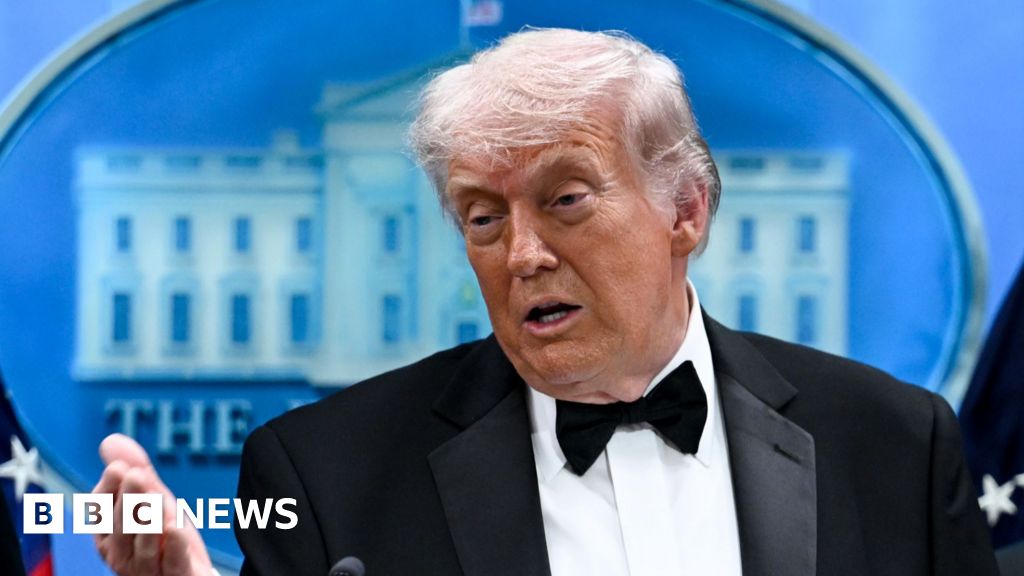
Authorities suggest Trump and officials were likely targets in press dinner shooting suspect’s sights

Global Power Dynamics Shift as U.S. Politics Enter Turbulent Waters

The recent public spat between former President Donald Trump and journalist Norah O’Donnell on 60 Minutes underscores a broader turbulence in American political discourse, with potential repercussions that extend well beyond U.S. borders. While the quarrel seemed localized to domestic media, it echoes a mounting global concern: the fragility of U.S. leadership amid internal discord, which can have profound geopolitical consequences. As international allies and adversaries alike watch for signs of internal fracture, the stability of the world’s superpower appears increasingly uncertain.

Analysts suggest that Trump’s defensiveness and accusations of misconduct during the interview are symptomatic of a broader political crisis within America. This internal strife could influence how the U.S. interacts on the global stage, particularly in matters of security, diplomacy, and economic policy. For emerging powers seeking influence or challenging the established order, such instability offers an opening. Historians caution that domestic discrediting of leaders and dysfunction can be exploited by geopolitical competitors, such as China and Russia, to extend their spheres of influence while the U.S. grapples with its internal divisions.

Meanwhile, international organizations keenly observe this tumult, with many warning that Washington’s internal misfortunes threaten to undermine shared global initiatives. The United Nations, for instance, has repeatedly emphasized the importance of political stability in maintaining international peace and security. As the debates around leadership, integrity, and national character escalate in the U.S., other nations are forced to recalibrate their strategies. Moving forward, the decision whether to engage with a nation seemingly embroiled in internal conflict could redefine alliances and influence global decision-making in ways that historians and political scientists will analyze for generations.

As American politics continues to ripple through the fabric of international relations, the geopolitical landscape confronts a shift: alliances could become more fragile, and confrontations more unpredictable. The narrative of a superpower in crisis is no longer confined to domestic media but has become a mirror held up to the world—highlighting how internal decisions and conflicts infuse the global arena with uncertainty. As history unfolds in this uncertain chapter, nations worldwide watch with bated breath, realizing that the true weight of leadership is often measured in moments of internal adversity, which can swiftly ripple outward to shape the course of history itself.
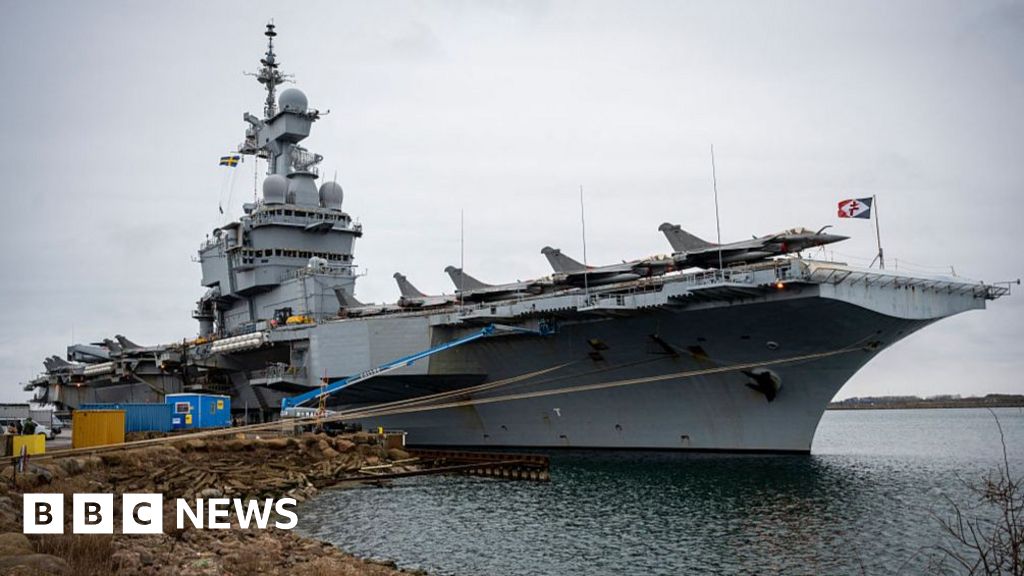

Swedish officials suggest suspected Russian drone targeted French carrier—raises tension in Europe

STOCKHOLM— In a striking display of regional concern, Swedish Prime Minister Ulf Kristersson addressed the nation from the deck of a military carrier, emphasizing the gravity of recent military incidents that have escalated tensions along the Nordic border. In a candid assessment, Kristersson declared the event, which he characterized as serious, to be not entirely unexpected, signaling a brewing storm that threatens to alter the security landscape of Northern Europe.

Kristersson’s remarks highlight a disturbing pattern, as many analysts interpret the incident as part of a broader Russian strategy aimed at projecting power beyond its traditional spheres of influence. “It is very difficult to see as a coincidence,” he remarked, pointing to the persistent tempo of Russian military movements and provocative actions that mirror tactics observed in other regions where Russia has sought to assert dominance. Historically, such behaviors have been a prelude to more aggressive policies, raising alarms both within NATO and among neighboring nations wary of increased Russian assertiveness.

International organizations and security experts have sounded the alarm over these developments. The NATO alliance, already on edge after recent provocations, views these incidents as a potential preamble to further destabilization. According to analysts from the International Crisis Group, “This pattern of behavior signifies a calculated effort by Russia to challenge the existing security order in the region, and while escalations may seem isolated, they are part of a larger strategy of intimidation and influence.” The implications of such actions extend beyond regional borders, threatening the fragile balance of peace and risking a broader confrontation that could ignite across Europe.

Decisions made today echo profoundly on the geopolitical stage. Sweden’s decision to bolster its military readiness signifies a clear shift in policy, aligning with NATO’s efforts to deter Russian expansionism. The analyses of historians like Dr. Eric L. Hanley suggest that these moments could serve as either a reaffirmation of Western resilience or, conversely, a catalyst for renewed conflict if diplomatic channels fail to contain the crisis. Meanwhile, international institutions such as the United Nations have expressed concern but lack the decisive authority to curb such aggressive maneuvers without a unified response from the West.

As the world watches, the unfolding series of provocations and countermeasures signals a pivotal chapter—one that could determine the stability of Europe for generations. The weight of history presses heavily on today’s leaders, whose choices will shape a continent teetering on the edge of a potential new Cold War. The tense silence before the next move is deafening, and the eyes of history remain fixed on the unfolding narrative, where every decision could either forge a new era of peace or plunge the region into chaos, echoing the tumult of the 20th century’s darkest hours.

Social Media Auto Publish Powered By : XYZScripts.com


