
The escalation of violence in Gaza has once again thrust the Middle East into the global spotlight, with US President Donald Trump taking an unprecedented stance. On his Truth Social platform, Trump issued a stark ultimatum to Hamas, demanding the militant group accept a proposed US peace plan or face “all hell,” a phrase that underscores the gravity of the current situation. The plan, set to be enforced by a strict deadline of 18:00 Washington time (22:00 GMT) on Sunday, calls for an immediate cessation of hostilities and the release of 20 Israeli hostages within 72 hours—along with the remains of those believed to be deceased— in exchange for hundreds of Gazans detained by Hamas. This intense diplomatic ultimatums reflect America’s strategic pivot to project influence amidst rising tensions, a move strongly opposed by many analysts concerned about the unpredictable consequences of such escalations.
International mediators have reportedly engaged with Hamas’s military leadership in Gaza, but internal divisions threaten the viability of the US proposal. According to credible sources, Hamas’s military wing refuses to accept the plan, primarily because it demands the immediate handover of all hostages within the first three days of a ceasefire—a move analysts describe as effectively stripping Hamas of its strongest leverage. Meanwhile, some elements within Hamas’s political hierarchy in Qatar appear more receptive, though their influence remains limited due to their lack of control over the armed group’s core operations and hostages. Such internal disagreements highlight the complex web of power struggles within Hamas itself, complicating international efforts to mediate a sustainable resolution. The fact that only 20 of the roughly 48 hostages believed to be held are confirmed alive adds a layer of tragedy and urgency to the negotiations, with many fearing that the window for safe resolution is rapidly closing.
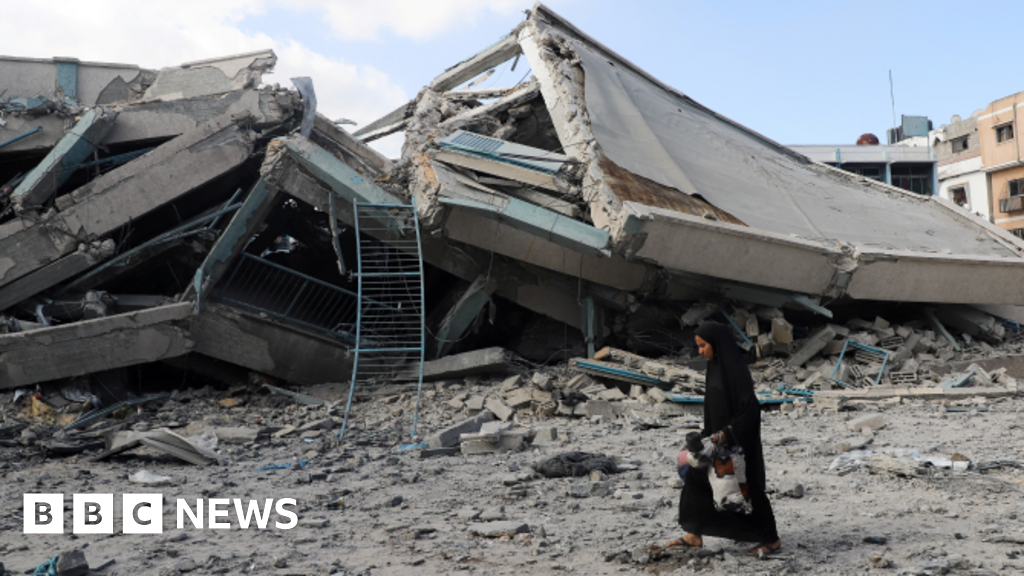
The backdrop to this crisis is the devastating Israeli offensive launched in response to the October 7 attack by Hamas, which resulted in approximately 1,200 fatalities and 251 hostages taken—an atrocity that shattered Israel’s sense of security and prompted a sweeping military campaign in Gaza. The Israeli Defense Forces have responded with relentless aerial and ground assaults, leading to over 66,288 Gaza residents reported killed by Hamas-controlled health authorities. These staggering figures illustrate the profound human toll of the conflict, and experts warn that continued fighting risks a broader regional escalation, with global powers watching intensely. The United Nations and other international organizations have issued calls for ceasefires and negotiations, but their influence is waning in the face of entrenched hostility and deep-seated grievances.
Within this maelstrom of violence and diplomacy, the geopolitical impact is undeniable. The unfolding crisis tests the limits of international diplomacy and underscores the fragile balance of power in the Middle East. Leaders from Europe to Asia are watching with wary eyes, aware that any misstep could trigger a larger regional conflict. Historians and strategic analysts warn that decisions made in these critical days could shape the course of history—either paving the way towards peace or unleashing a relentless cycle of violence. As civilians bear the brunt of these hostilities—caught between political agendas and military might—the question remains: how much longer can the world afford to stand by and watch as history continues to be written in blood?
In the shadows of diplomacy and war, the future hangs precariously, with each decision echoing through the corridors of power and the lives of those entangled in this enduring conflict. The weight of history presses down heavily—every choice a chapter in a story still unwritten, yet profoundly felt. The question now is whether the international community can forge a path toward lasting peace, or if the flames of ongoing hostilities will consume all hopes of resolution, plunging the region—and perhaps the world—into chaos once more.