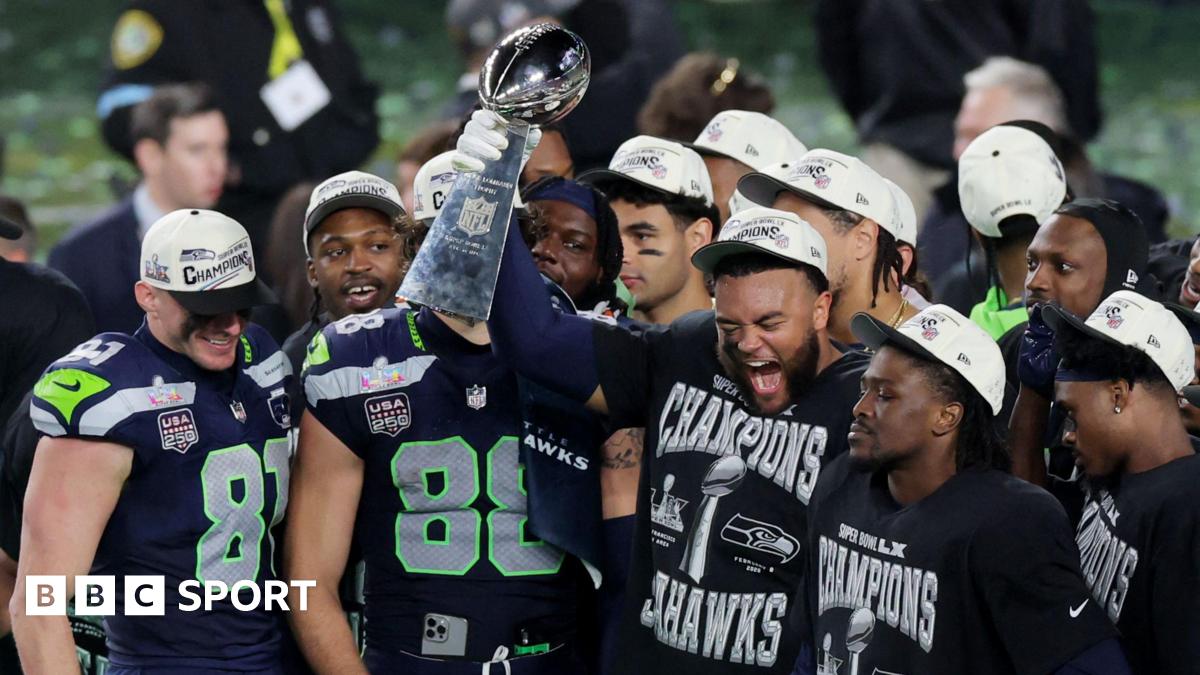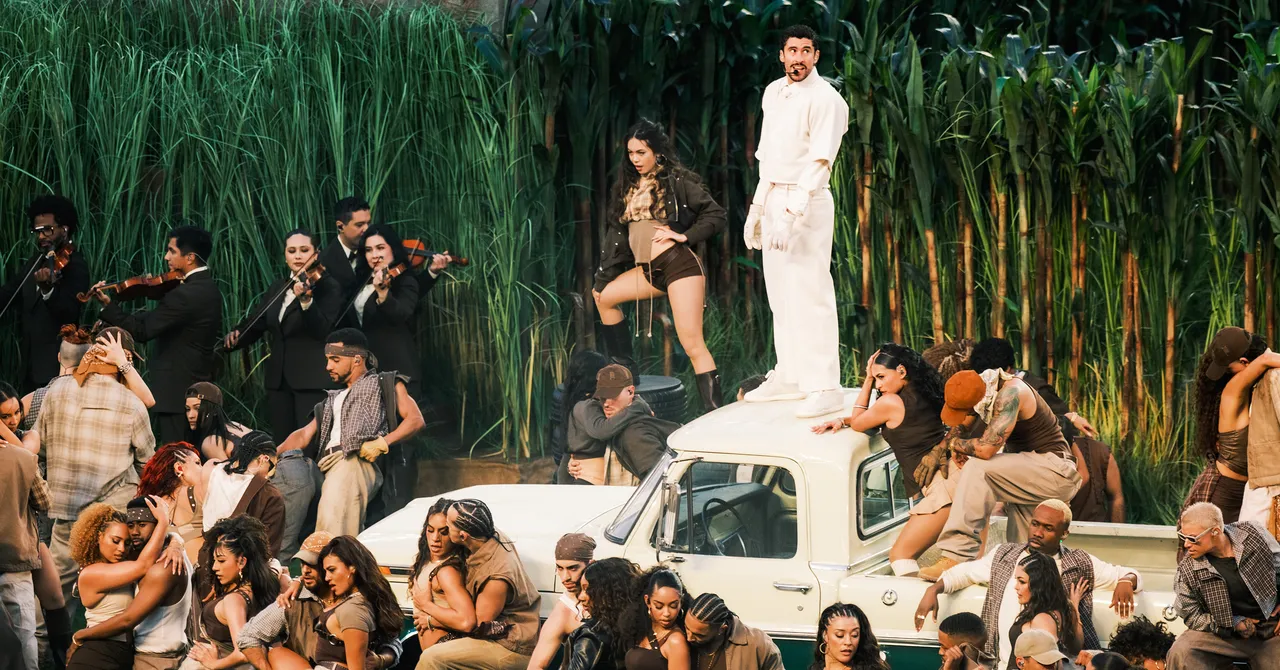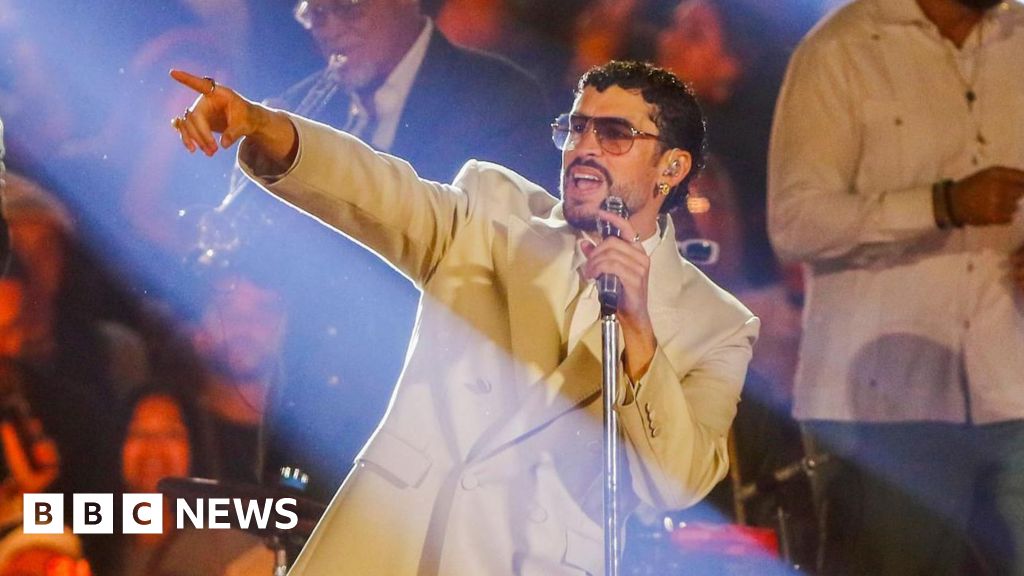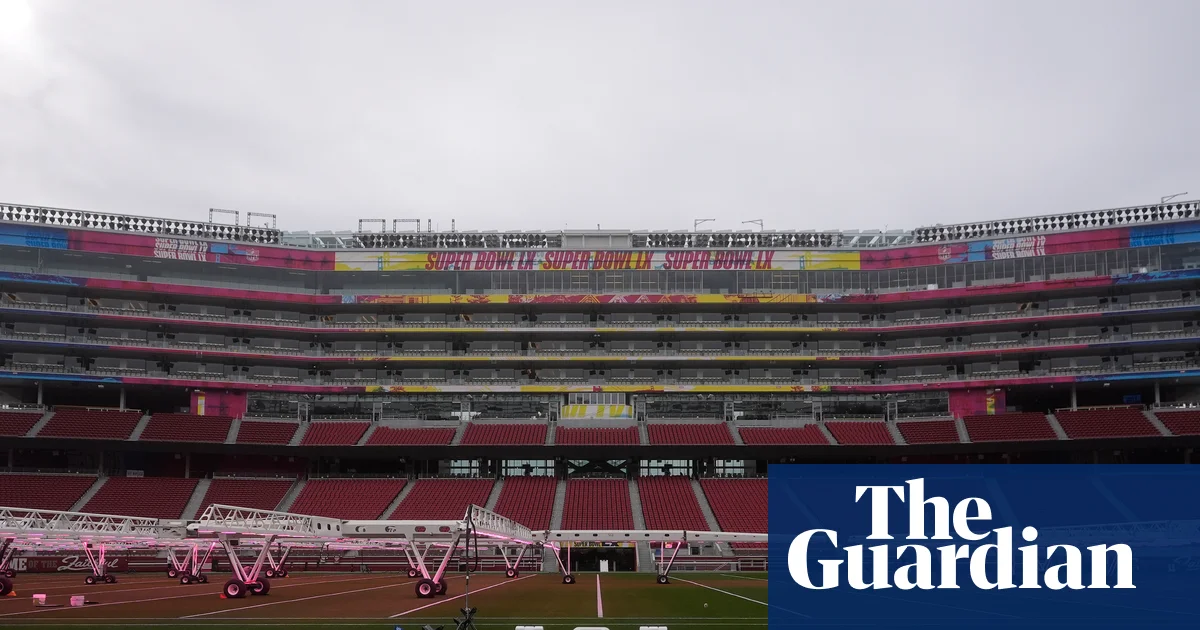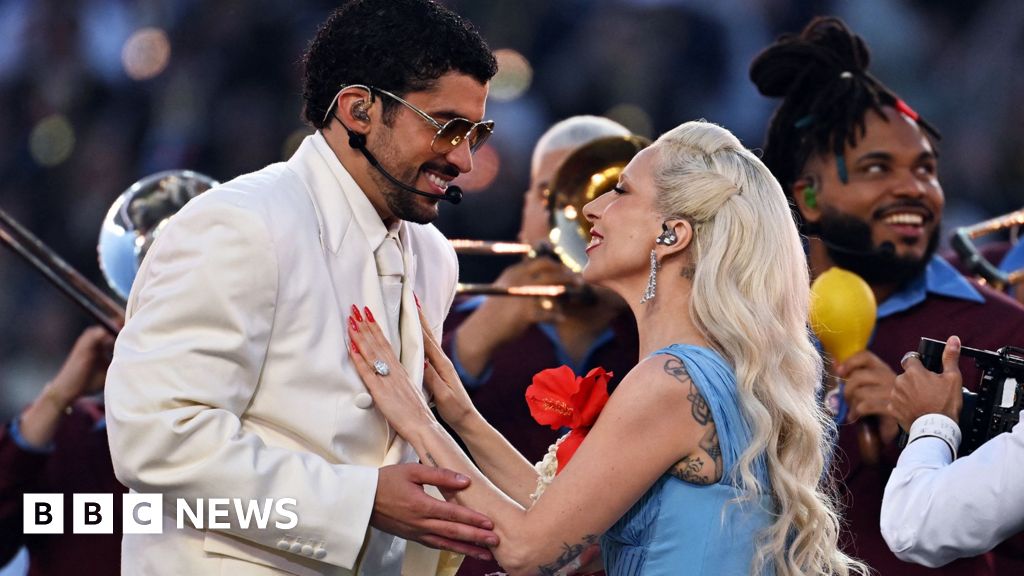

The latest chapter in the global cultural landscape was written not through traditional political declarations, but via the unprecedented presence of Puerto Rican artist Bad Bunny on the world’s biggest sporting stage. Breaking the mold of language barriers, Bad Bunny’s performance, entirely conducted in Spanish, marks a significant milestone in the ongoing cultural shift within international sports and entertainment. As global audiences tuned in, this act of artistic assertion transcended entertainment, signaling a broader undercurrent of regional influence gaining prominence in a landscape often dominated by English-language narratives.
International organizations and sports forums, long viewed as symbols of global unity, have historically favored English as the lingua franca to facilitate communication across diverse nations. However, in recent years, there has been a palpable push towards greater inclusion of diverse cultures and languages, driven by burgeoning regional markets and an increasingly interconnected world. The Tension between globalization and regional identity is now palpable; Bad Bunny’s historic performance exemplifies how this cultural assertiveness challenges the traditional dominance of Anglo-American influence. Historians like Dr. Marco Ríos, a noted analyst of Latin American cultural movements, assert that this moment marks a turning point where “regional voices are asserting their rightful place on the world stage, reshaping cultural dominance.”
From a geopolitical perspective, the rising prominence of Spanish-language entertainment figures directly impacts the economic and political balances within the international arena. As nations like Spain and Latin American countries enhance their soft power, their cultural exports become not just sources of pride but strategic tools—particularly in regions of the world seeking alternatives to Western-dominated narratives. Experts from organizations such as the United Nations have acknowledged this cultural shift as part of a broader reassertion of regional identities. The implications are profound; geopolitical influence, economic prowess, and even diplomatic leverage are increasingly intertwined with cultural production, making events like Bad Bunny’s historic performance a symbolic battleground of influence.
How nations and societies respond to these shifts will shape the future of international relations. The decision of a single artist or event to embrace and elevate regional identity can rally millions, challenge established power structures, and redraw the cultural map of the world. As history continues to be written in this new era, the importance of such moments cannot be overstated. Ultimately, the unfolding narrative suggests that the struggle for cultural supremacy remains at the heart of geopolitics—a contest that can no longer be ignored but demands acknowledgment, for it carries the weight of history yet to be fully realized.