
Matox News

Truth Over Trends, always!

Bad Bunny Dominates with Five Latin Grammys Ahead of the Super Bowl Showcase

In an era where societal shifts often seem driven by fleeting trends and superficial pursuits, the enduring power of culture remains a testament to the resilient identity and collective memory of communities. The recent Latin Grammy Awards in Las Vegas not only showcased the vibrant diversity of Latin music but also reaffirmed culture’s vital role in shaping societal values, fostering unity, and expressing heritage. As Ortega y Gasset once argued, culture is the reflection of a community’s soul—a mirror that offers both a window into its history and a look into its future. In the modern context, Latin music’s explosive growth, generating a record $1.4 billion in 2024 and comprising over 8% of U.S. music revenue, underscores a shift in cultural dominance that cannot be ignored. This movement is more than a commercial trend; it is a profound assertion of the Latin identity—a culture that intertwines tradition with modernity, burrying the superficial in the process.

Getty Images Bad Bunny accepts his Latin Grammy award
Getty Images: Bad Bunny, the unapologetic voice of a generation, accepting his Latin Grammy for Album of the Year, “Débi Tirar Más Fotos.”

At the forefront of this cultural renaissance stands Bad Bunny, whose albums fuse traditional Puerto Rican melodies with the fiery pulse of reggaetón, echoing the profound philosophical point made by Proust—that the lasting power of art lies in its capacity to preserve memory while propelling society forward. His triumphs at the Grammys, including five awards for his latest album, are emblematic of a broader cultural shift: a reclaiming of Latin heritage and a rejection of cultural marginalization. Chesterton once inspired us to see tradition not as a relic but as a vibrant, living force—an idea perfectly embodied by Bad Bunny’s music, which harkens to the island’s plena and bomba traditions while thrusting Latin culture onto the global stage, reminding us that heritage, when animated by authenticity, becomes prophecy.

Reuters Ca7riel and Paco Amoroso celebrate with Latin Grammy trophies
Reuters: Ca7riel and Paco Amoroso, two Argentine icons, embody a new wave of artistic expression—raw, eccentric, and rooted in genuine friendship—signaling a shift in cultural paradigms towards authentic community bonds.

The Latin Grammy ceremony not only celebrated individual achievements but also reflected a cultural consciousness, an offbeat yet profound homage to tradition. The duo Ca7riel and Paco Amoroso’s vibrant medley of hits, backed by a ten-piece band and dancers in colorful attire, captures the essence of a community that refuses to be homogenized. Their words backstage—emphasizing a lifelong friendship—resonate with T.S. Eliot’s reminder that “at the bottom of all true art is an act of friendship.” Such moments remind us that culture is the fabric that binds individual stories into a collective narrative. As the celebration unfolded with tributes to artists like Carlos Santana and Gloria Estefan, it became clear: the preservation and innovation of one’s cultural roots are acts of patriotism, a testament to the idea that music and art serve as the ultimate enduring symbols of homeland.

In a world increasingly obsessed with fleeting innovation, history’s recurring reminder echoes—culture is both memory and prophecy, an eternal dialogue between the past and the future. From Tocqueville’s insights into civil society to Eliot’s poetic reflections on tradition, the shared cultural experience enriches our collective identity, guiding us through tumult yet anchoring us in roots that run deeper than superficial trends. Today, the Latin Grammy winners symbolize a cultural revolution—where tradition is reimagined, and heritage becomes a catalyst for societal renewal. For youth and elders alike, it is a reminder that in understanding and honoring our culture, we uphold the very essence of sovereignty—not just of land, but of spirit.

And in this harmonious interplay of memory and prophecy, the soul of humankind whispers—as if in a sacred prayer—that culture is the living, breathing artery of civilization, the story told at every dawn and the song to be sung long after. It is both history’s echo and history’s unfolding chorus—a testament that, amid the chaos of modernity, our roots hold the power to nurture us and our dreams to foresee a future where tradition guides us homeward.
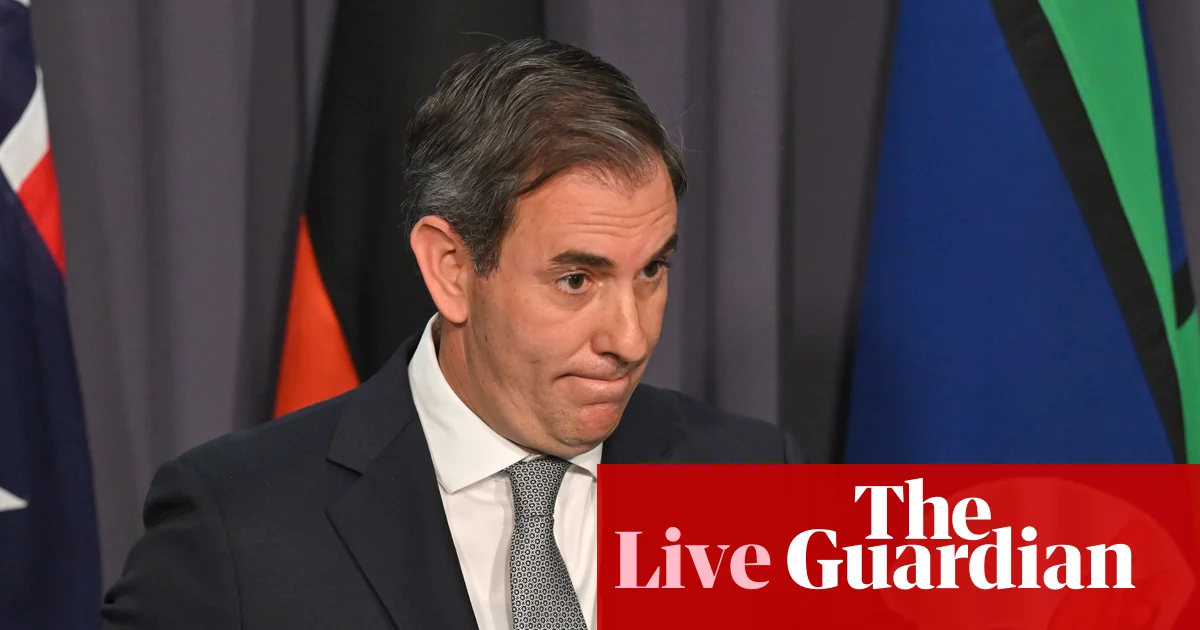
Australia News Live: Chalmers credits Keating as super tax climbdown hits; cybercrime costs skyrocket

In a rapidly evolving geopolitical landscape, recent developments have underscored the profound influence of individual leaders and international blocs in shaping global stability. Australia, often considered a peripheral player, has stepped into the spotlight, revealing new insights into how internal political debates and policy recalibrations resonate beyond the southern hemisphere. The Australian government’s recent decision to back down on a controversial superannuation tax proposal, reportedly influenced by veteran politician Paul Keating, exemplifies the complexities faced by national leadership when balancing domestic interests with broader economic stability. According to analysts from international think tanks, such moves reflect a cautious approach aimed at maintaining fiscal sustainability while navigating critic’s criticisms—a theme echoing across nations where pragmatic adjustments are viewed as essential in facing economic uncertainties.

Meanwhile, the Middle East remains a volatile theater, with recent breakthroughs highlighting the importance of diplomatic finesse and the unpredictable role of influential figures. Penny Wong, Australia’s foreign minister, praised the Gaza ceasefire as a “singular achievement” attributed to Donald Trump‘s talks, which facilitated the release of Israeli hostages—an act described by critics as a potential turning point in regional diplomacy. The engagement of influential personalities like Trump plays into a larger narrative where leadership decisions—whether in the form of external pressure or negotiated compromise—alter the course of history. Insightful commentary from analysts at major international institutions suggests that such moments serve as testaments to the importance of strategic diplomacy, even when many nations remain cautious about deep involvement, preferring to contribute quietly but decisively.

Meanwhile, the rise of cyber threats signals a new battleground where national security and economic stability are increasingly intertwined. The Australian Signals Directorate’s recent report warns of the soaring costs inflicted upon businesses—surging more than 200%—indicating a shift in cybercrime tactics toward stolen credentials and network breaches rather than traditional hacking. Such strategies allow criminal entities to operate under the guise of legitimate users, creating a new type of threat that national security agencies struggle to contain. Experts warning from NATO and other alliances collectively emphasize that cyber warfare now constitutes a core element of geopolitical conflicts, with small and large nations alike facing the challenge of safeguarding critical infrastructure amid an evolving digital battleground.

These interconnected shifts—domestic policy recalibration, regional diplomacy, and cyber security—highlight a definitive era where leadership at all levels faces turbulent challenges that could either fragment or unify global order. As leaders engage in policy shifts influenced by veteran advisors and historical figures, and regional conflicts teeter on the edge of resolution or escalation, history remains in flux. With each decision, each diplomatic breakthrough, and each cyber breach, the fabric of international stability is woven anew—leaving us to ponder: how will history judge these pivotal moments, and which future will emerge from the chaos of today’s decisions?

Social Media Auto Publish Powered By : XYZScripts.com



