Matox News

Truth Over Trends, always!

Could Iran's Conflict Cut India's Gas Supplies?
Could Iran’s Conflict Cut India’s Gas Supplies?

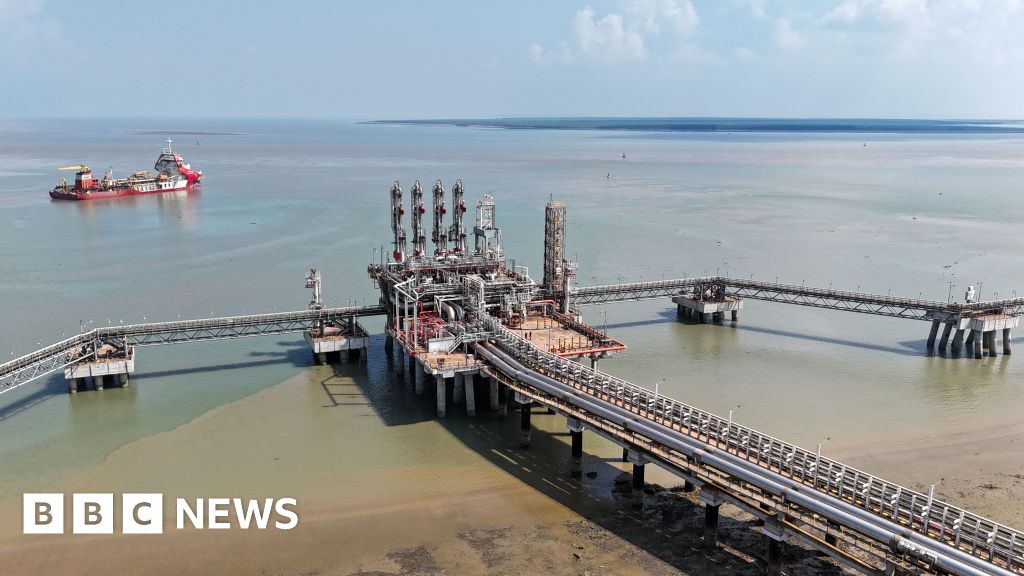
Amidst tense global energy markets, India continues to emphasize its strategic priority on securing domestic energy supplies, particularly in the context of ongoing geopolitical uncertainties. Rahul Chopra, managing director of Haryana City Gas Distribution Limited—which serves around 100,000 domestic consumers and operates 195 CNG stations—confirmed that no disruption is expected for homes and vehicles reliant on piped gas. This steadfast commitment underscores the government’s focus on safeguarding essential services amid rising global tensions, notably the disruptions caused by regional conflicts and international sanctions.

As major powers navigate a complex web of trade restrictions, energy shortages, and shifting alliances, countries like India are pursuing a delicate balance—ensuring resource security while avoiding escalation of tensions. Analysts from the International Energy Agency warn that the risk of supply chain disruptions persists, especially given the fragility of global markets and the unpredictability of international conflicts. Governments are meticulously managing their assets to prevent socio-economic destabilization, particularly in essential sectors such as domestic heating and transportation, which are vital for societal cohesion and economic stability.

In this context, the geopolitical impact of energy decisions becomes a focal point. The commitment to maintain stable gas supplies not only reassures millions of households but also influences broader regional dynamics. Nations with significant energy dependencies are increasingly aligning their policies to diversify sources and reduce reliance on geopolitically risky suppliers. Countries like China and Russia are concurrently engaged in their strategic moves—whether through energy diplomacy or sanctions regimes—that ripple across continents, affecting global markets and international alliances. The actions of key stakeholders, including the United States and the European Union, are designed with long-term geopolitical outcomes in mind, wary of creating new flashpoints while seeking stability.

According to historians and international analysts, such decisions are shaping what could become a new era of energy diplomacy—one where resource security is directly intertwined with geopolitical influence. The United Nations and other multinational organizations often caution that energy independence and resilience are vital for national sovereignty. Yet, despite these warnings, the ongoing conflict zones—such as in Ukraine and the Middle East—continue to threaten global stability, reminding nations of the fragile balance they must sustain. As the world watches, the choices made today will determine whether future generations inherit a world defined by cooperation or conflict, peace or chaos.

In the shadow of ongoing upheaval, the importance of steady energy supplies remains a cornerstone of national security and economic resilience. History teaches us that disruptions in vital infrastructure often serve as catalysts for deeper geopolitical shifts. As nations fortify their energies and alliances, the stage is set for a new chapter in global power politics—one where energy security is the key to sovereignty, and where each decision echoes through the corridors of history, writing the future in these critical moments of crisis and opportunity. The unfolding story is far from over; the world braces itself for the implications of each move, poised on the brink of a new geopolitical epoch that could redefine the very fabric of global order.

Iran War Could Hit Global Food Supplies, Fertilizer Exec Warns

In a striking warning to the international community, Svein Tore Holsether, CEO of the prominent Norwegian fertiliser giant Yara International, has sounded the alarm over the profound geopolitical impact of the ongoing conflict involving Iran. As the war drags on, it threatens to unleash a cascade of disruptions across the global food system, especially in regions already vulnerable to hunger and economic instability. Holsether’s comments highlight a critical juncture, emphasizing that the conflict’s regional tinderbox status could ignite a worldwide food crisis, if decisive international measures are not swiftly implemented.

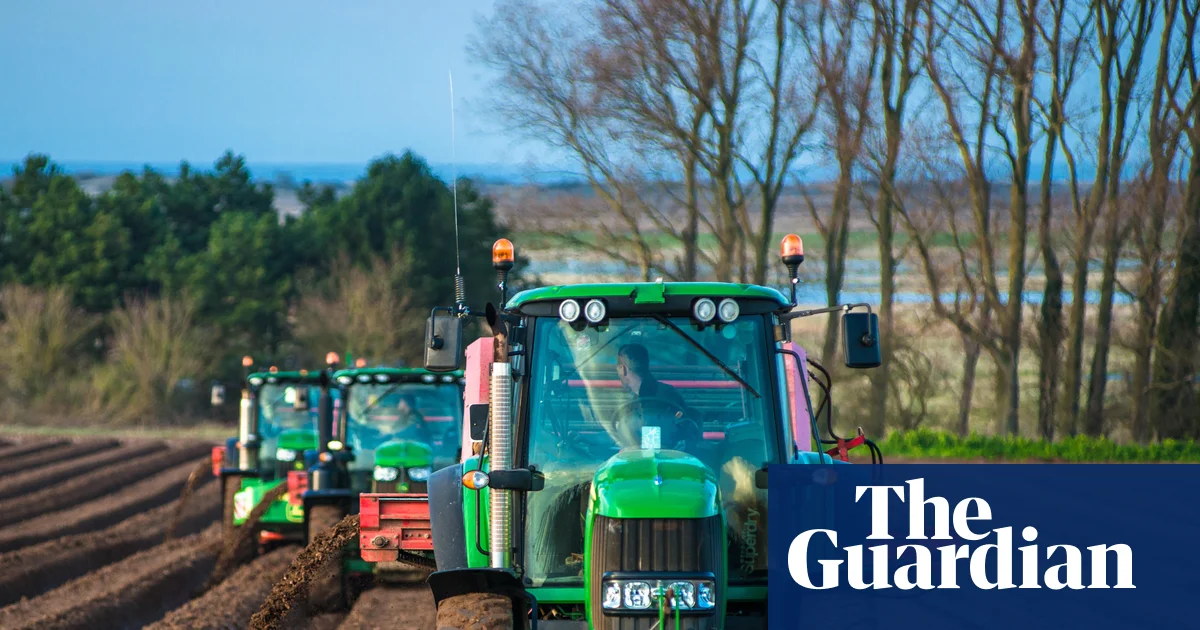
The core of the crisis lies in the vital raw materials used in fertiliser production, predominantly sourced from the Gulf region. Since the conflict erupted two weeks ago, prices for key components like urea and ammonia have skyrocketed, with urea soaring from $487 to $700 per tonne. This surge, driven by the blockade of Gulf ports and the turmoil in Iran and Qatar, has slashed supply lines—constituting roughly a third of the world’s urea and a quarter of globally traded ammonia. As Holsether underscores, cutting off these critical supplies could reduce crop yields by up to 50%, jeopardizing the harvests of staples such as potatoes and cereals in Europe and beyond. The economic and nutritional impacts threaten to cascade into a broader famine scenario for impoverished nations, especially in Africa and Asia, where reliance on imported fertiliser is higher.

Adding to the crisis is the skyrocketing price of natural gas, fundamental for synthesizing nitrogen in fertiliser production. Holsether notes that gas prices have increased exponentially, forcing production cuts in key regions like Iran and Qatar while prompting Asian governments to ration supplies. This double impact—limited raw material availability and inflated energy costs—puts the entire global fertiliser industry on a fragile brink. The United Nations and numerous analysts warn that these disruptions are not confined to economic repercussions alone but threaten to dismantle the very fabric of global food security. As international institutions scramble to assess the potential for famine and social unrest, the message from many experts is clear: the world must act quickly before hunger becomes an unmanageable specter in the developing world.

The geopolitical impact of these events extends beyond mere economics, challenging longstanding alliances and regional balances of power. Europe, with its significant purchasing power, may outbid less wealthy nations, exacerbating inequalities and fueling international tensions. Countries like India and South East Asian nations are already considering gas rationing and stockpiling, foreshadowing a potential global scramble for vital resources. The discourse among historians and geopolitical analysts emphasizes a sobering reality: this conflict could reshape international trade and diplomatic relations for decades to come. As the attack on Iran persists, policymakers stand at a crossroads—whether to escalate the conflict or seek pathways toward de-escalation, understanding that the decisions made today will echo in the crises of tomorrow.

As the dust of this geopolitical upheaval begins to settle, if it ever does, history will remember this chapter as a defining moment—one where choices made amid the turmoil could either forge a more resilient global order or plunge humanity into an unanticipated era of scarcity and unrest. The fragile threads that bind global stability are stretching ever thinner, and in the shadows of this unfolding story lies a stark reminder: history’s weight is gathering, and the future remains unwritten—yet every day’s decision shapes the next wave of history’s relentless tide.

Social Media Auto Publish Powered By : XYZScripts.com


