Matox News

Truth Over Trends, always!

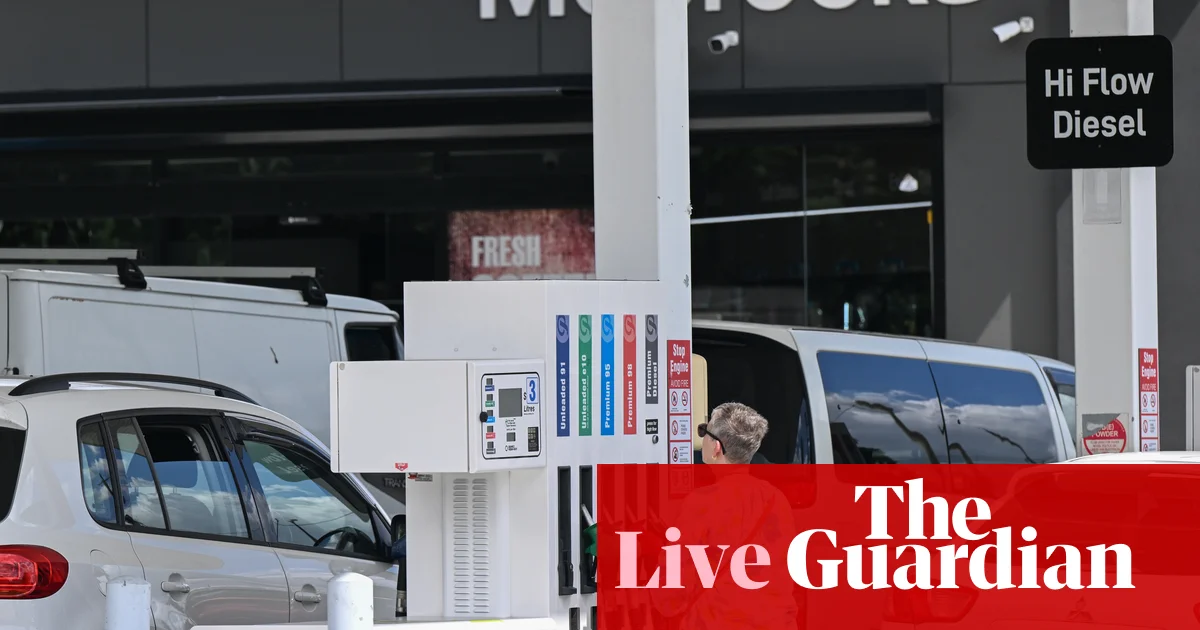
Australia News: Govt Launches Campaign to Cut Fuel Use Amid Ongoing Supply Crisis

As the world grapples with ongoing disruptions to global supply chains, **energy security** has become an increasingly critical issue. Australia, a nation heavily dependent on imported fuel, has recently taken strategic steps to mitigate the potential fallout from these unprecedented challenges. The Australian government has launched a nationwide advertising campaign aimed at encouraging its citizens to reduce fuel consumption amidst persistent shortages. This initiative underscores the broader dilemma facing nations worldwide: balancing immediate energy needs with long-term geopolitical stability. Federal officials, including Transport and Infrastructure Minister Catherine King, emphasize the importance of public cooperation in navigating these turbulent times, while highlighting the delicate interplay between national policies and global supply dynamics.

In a move that signals Australia’s intent to diversify its fuel sources and safeguard its energy supplies, Prime Minister Anthony Albanese recently negotiated a bilateral agreement with Singapore. This pact seeks to ensure mutual access to fuel supplies, a strategic maneuver aimed at reducing reliance on unstable regional logistics and geopolitical chokepoints. However, experts warn that this isn’t a quick fix. Energy Minister Chris Bowen warns of a *“long tail”* of supply disruptions—meaning the ripple effects of the conflict in the Middle East, particularly the ongoing instability in the region’s oil-producing territories, may linger well beyond the immediate crisis. This foresight highlights the interconnectedness of global oil markets and the vulnerability of nations significantly dependent on imports.

From an international perspective, analysts view Australia’s approach as a microcosm of what many nations are forced to confront: how to maintain economic stability and societal wellbeing amid uncertain geopolitical tensions. The global energy crisis has become a crucial flashpoint, especially as OPEC nations and other key producers make unpredictable decisions affecting supply and prices. Several international organizations, such as the International Energy Agency, have issued warnings about the risk of prolonged instability, urging nations to bolster strategic reserves and explore alternative energy sources. Nonetheless, the reality remains stark: the decisions made today—whether to diversify supply routes or to incentivize domestic production—will shape the geopolitical landscape for decades.

Historians and analysts alike recognize that energy conflicts often serve as catalysts for larger geopolitical shifts. As nations scramble to protect their interests, new alliances are forged, and old rivalries are reignited. The current global supply chain crisis and the response of individual countries illustrate a broader truth: in an era of interconnected vulnerabilities, decisions made in Canberra, Washington, or Beijing resonate far beyond their borders and contribute to a sweeping story of strategic recalibration. This fragile balance of power and resource has the potential to ignite conflicts, alter alliances, or even redefine notions of sovereignty. As history continues to unfold, one thing remains certain—the weight of this new age of energy diplomacy will be felt for generations, shaping the geopolitics of the 21st century with every critical decision.

Iran Hits Kuwait’s Oil Assets Ahead of OPEC+ Supply Talks

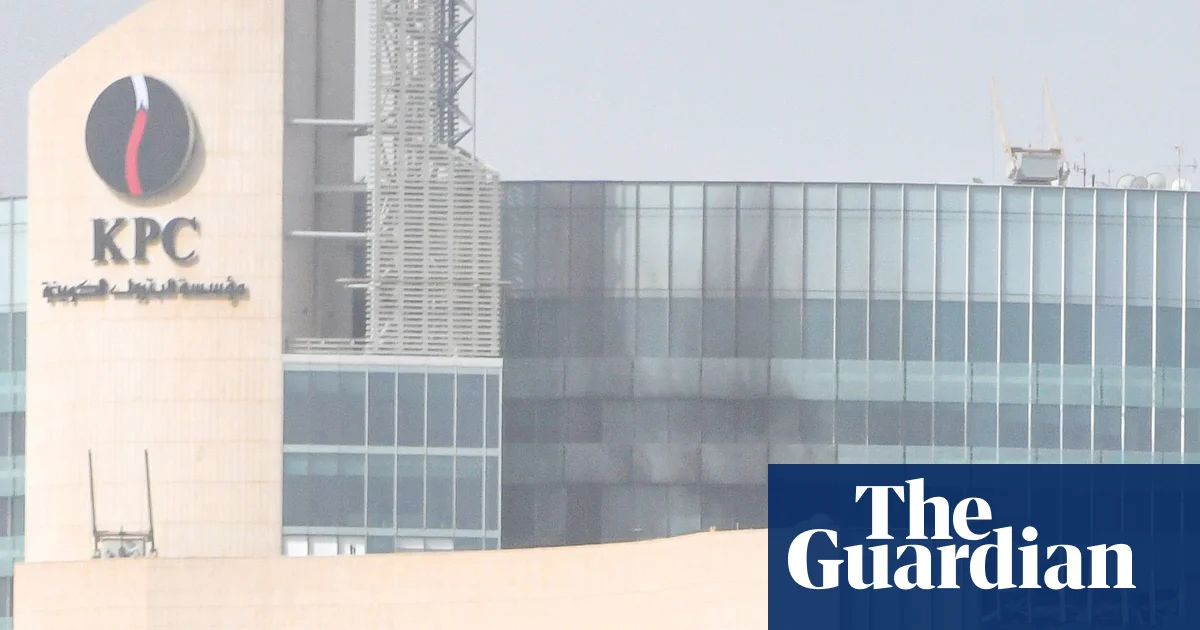
In a stark demonstration of the escalating tensions in the Middle East, Iranian drones have recently struck vital Kuwait oil infrastructure, inflicting “severe material damage” and threatening to further destabilize global energy markets. The attacks targeted petrochemical facilities, power and water desalination plants, and government offices, causing fires, damage, and potential long-term disruptions. The Islamic Revolutionary Guard Corps claimed responsibility, asserting that these strikes form part of Iran’s broader response to ongoing regional hostilities. These developments underscore the fragile security environment in the Gulf, where strategic interests and regional rivalries continually threaten the stability of global oil supplies.

This assault comes on the heels of a series of aggressive moves by Iran amid a tense backdrop of conflict involving the US and Israel. Just hours before the attack, members of OPEC+—the cartel of major oil-producing nations—convened to discuss measures to bolster oil output, ostensibly to counter the effects of Iran’s recent tightening of the Strait of Hormuz. Yet, Iran’s effective blockade, which prevents about 20% of global crude oil from passing through the strategic waterway, remains a major obstacle to stabilizing the world’s energy markets. Analysts warn that the damage inflicted on critical infrastructure could take months or even years to repair, with the geopolitical impact reverberating through markets and societies worldwide.

Meanwhile, the broader regional conflict is intensifying, with Iran rejecting ultimatums—such as the one issued by Donald Trump—threatening to destroy Iranian infrastructure if Tehran refuses a peace deal. Israeli strikes in Iran’s petrochemical sector have already resulted in casualties, while Iran retaliates by striking targets across neighboring nations like Qatar and Oman. This cycle of aggression risks spiraling into a regional crisis with worldwide consequences. The ongoing violence and ongoing U.S.-backed sanctions further exacerbate Iran’s resolve, and many international observers—including historians like Robert Kaplan—warn that this is a turning point that risks transforming the Middle East into a prolonged theater of conflict, with oil being a pivotal prize.

While the OPEC+ nations have acknowledged the immense costs and logistical hurdles in restoring damaged facilities, they continue to press for increased oil output—initially agreed upon at a modest 206,000 barrels per day—hoping to keep global markets from tipping into chaos. However, the underlying issue remains Iran’s blockade of the Strait of Hormuz, which, even with increased production, cannot fully compensate for the disruptions caused by war and sabotage. The surging oil prices—up more than 50% year-to-date—have already driven energy costs sky-high in the UK, US, and beyond, inflating everyday expenses from fuel prices to heating bills, and fueling political debates. As energy costs tighten economic pressures on consumers and governments alike, the stakes are clear: this is more than a regional conflict; it’s a crisis with the potential to reshape international power dynamics.

As the world watches a specter of chaos unfold in the Persian Gulf, the question remains whether diplomacy can stem the tide of violence or if history will record this moment as the beginning of a new era of rivalry and resource conflict. The geopolitical chessboard is shifting rapidly, with each move echoing across continents: from the streets of London to the corridors of the United Nations, where the weight of history presses heavily. In a future yet unwritten, this struggle for control over energy routes and regional influence could determine the fate of nations, societies, and the global order—if it is not already too late to steer away from the precipice.

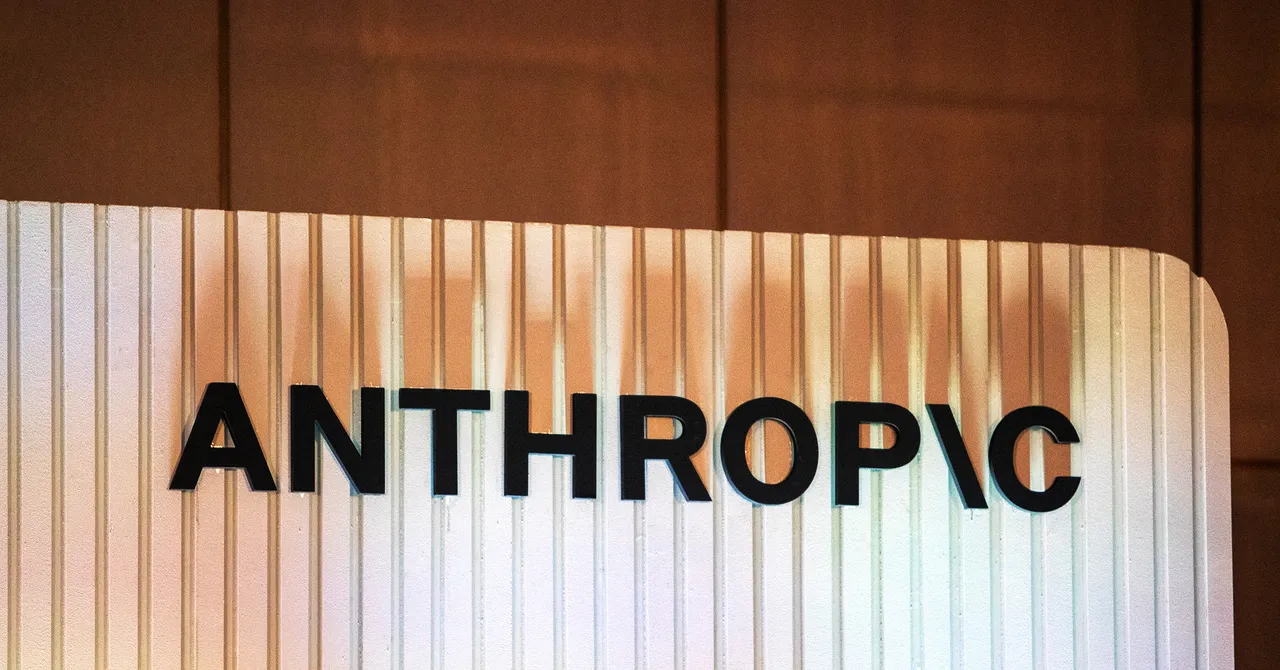
Anthropic takes DOD to court over supply chain crackdown

Anthropic Challenges Pentagon’s AI Supply Chain Risk Designation: Disruption at the Heart of National Security Tech

The AI landscape is witnessing a consequential clash between innovation, government regulation, and national security interests, as Anthropic, a leading AI firm founded by former OpenAI researchers, announces plans to contest the Department of Defense’s recent classification of the company as a “supply chain risk.” This move underscores the growing tension between emerging AI capabilities and entrenched military policies, with profound implications for disruption in defense technology procurement and strategic autonomy.

According to Dario Amodei, Anthropic’s CEO, the designation is not only legally unsound but also threatens the firm’s core operations and innovation pipeline. Amodei emphasized that most of Anthropic’s customer base remains unaffected, asserting, “the risk designation applies only to AI use within specific Department of War contracts.” This nuanced distinction highlights the industry-wide challenge of balancing government oversight with evolving AI innovation—a challenge that, if unresolved, could stifle private sector endeavors in critical technology sectors. The legal contest aims to redefine the scope of government-mandated restrictions, potentially setting a precedent for other AI firms eager to innovate while navigating complex military oversight.

The contentious issue revolves around how much control the Pentagon seeks over AI systems. The department advocates for unrestricted access to AI tools for “all lawful purposes,” including potentially mass surveillance and autonomous weaponry, which opponents like Anthropic argue contravene fundamental rights and ethical standards. The controversy surrounding Anthropic’s leaked internal memo, in which CEO Amodei criticized OpenAI’s cooperation with the Defense Department as “safety theater,” signals a broader industry debate over security, ethics, and the military’s role in shaping AI standards. This discord reveals an industry at a crossroads—where safeguarding innovation from intrusive regulations is becoming increasingly urgent to maintain competitive advantage and technological sovereignty.

The complexities extend beyond legal and ethical kerfuffles: business implications are profound. With the Pentagon shifting its support to OpenAI—signing a major deal to replace Anthropic—industry insiders warn that government contracts will increasingly favor firms aligned with national security priorities. As noted by analysts from Gartner and MIT, “companies that can demonstrate robust security and compliance protocols will likely dominate defense-related AI markets,” emphasizing that disruption in government partnerships could redefine industry leadership. Meanwhile, Anthropic’s commitment to continue supporting U.S. military operations “at nominal cost” underscores the importance of agility and resilience in a landscape where futures are determined by legal battles and strategic alliances.

Looking forward, the implications extend beyond the U.S. borders. Emerging markets and global competitors are closely watching these developments, recognizing that the enforcement—and potential loosening—of such regulatory policies could shape the global AI arms race. Leading voices like Elon Musk and Peter Thiel warn that “regulatory overreach” risks throttling innovation at a time when technological supremacy may determine geopolitical dominance. The industry stands at a pivotal juncture where the challenges of embedding ethical oversight into disruptive AI systems are surging alongside the race to dominate the next era of warfare and economic power. For stakeholders across tech, defense, and policy realms, the urgency is clear: more than ever, strategic agility and innovation-driven disruption are essential to shape a future where AI not only advances prosperity but also secures national sovereignty amidst rising global rivalry.

Anthropic Pushes Back After Pentagon Calls It a ‘Supply Chain Threat’

U.S. Pentagon Designates Anthropic as a Supply Chain Risk: A Disruptive Move with Far-Reaching Business Implications

In an unprecedented decision that underscores the escalating geopolitical stakes in AI innovation, United States Secretary of Defense Pete Hegseth has ordered the Pentagon to label Anthropic as a “supply-chain risk,” effectively banning U.S. military contracts with one of the industry’s leading AI firms. This move signals a radical shift in how government agencies perceive and regulate AI giants, especially those considered potential security vulnerabilities due to foreign influence or ownership, and could disrupt the flow of AI development for defense and commercial sectors alike. Previously, Anthropic was celebrated for its Claude AI model, a major player in the rapidly evolving AI ecosystem, but now faces the threat of being sidelined at a critical time of geopolitical tension and technological disruption.

This decision arrives after weeks of tense negotiations between Anthropic and the Pentagon, centered on ethical and strategic use of AI technology. The Department of Defense demanded a broad usage agreement, explicitly permitting AI to be applied for “all lawful uses,” including autonomous combat, which Anthropic rejected based on its ethical stance. With the designation of a “supply chain risk,” the Pentagon aims to shield itself from potential security vulnerabilities—foreign control, influence, or ownership—that could compromise sensitive defense systems. The move establishes a new precedent where AI companies could be classified as security risks, compelling Silicon Valley to rethink their engagement with government agencies under the specter of national security.

Critics and industry experts are raising alarms over the implications of this action, with Dean Ball, senior fellow at the Foundation for American Innovation, condemning it as “the most shocking, damaging, and overreaching thing I have ever seen the U.S. government do.” Such sentiments reflect a broader concern that the move might ignite a dangerous precedent, fostering a climate of lawfare and regulatory overreach that could stifle innovation. Meanwhile, Sam Altman, CEO of OpenAI, announced that his company had secured a deal with the Department of Defense to deploy models in classified environments, emphasizing safety principles such as prohibitions on domestic mass surveillance and autonomous weapons. This delineation signals a potential bifurcation in AI applications, where some firms may be selectively allowed to work with military and intelligence agencies.

From a strategic business perspective, the designation of Anthropic as a security risk could accelerate industry shifts towards more government-friendly AI solutions or push companies to develop sovereign and domestically controlled AI platforms.

  • Disrupts supply chains of AI models crucial for national security and commercial innovation.
  • Raises questions about governmental influence over proprietary AI technology.
  • Set a potential precedent for further restrictions on emerging AI firms linked to foreign influence.

This movement also indicates that AI’s role in national security is stepping into a new era, where innovation pathways are increasingly being dictated by geopolitical considerations rather than purely technological capabilities. As industry leaders and policymakers grapple with defining AI’s ethical and strategic boundaries, disruption in the AI landscape becomes inevitable.

Looking ahead, the industry faces a crucial crossroads: Whether to adapt to a cautiously constrained regulatory environment or forge ahead with a more autonomous, globally competitive approach. The decision will have profound implications for American leadership in AI innovation, cybersecurity resilience, and tech sovereignty. The stakes are high—the coming years will determine if American AI firms can continue to innovate free from overreach or if they will be confined by an increasingly securitized national agenda. In this dynamic, the urgency for stakeholders to embrace disruptive innovation with strategic foresight has never been clearer, as the battle for AI dominance intensifies on multiple fronts. The future of American AI—its autonomy, security, and global competitiveness—hangs in the balance.

Social Media Auto Publish Powered By : XYZScripts.com