Matox News

Truth Over Trends, always!

Diane Keaton’s Family Thanks Fans for Enduring Love and Support Following Actress’s Passing

In the landscape of American culture, few figures evoke the essence of timeless artistry and personal authenticity as profoundly as Diane Keaton. Her recent passing at age 79, caused by pneumonia, prompts us to reflect not only on the transient nature of life but on the enduring power of arts and culture as repositories of our collective memory and expressions of societal identity. Keaton’s career, spanning more than five decades, exemplifies how *film*, as a mirror of the human condition, sustains the threads of tradition and innovation that weave our social fabric. Her portrayal of characters grounded in sincerity and wit resonates deeply within the philosophical notion, —as Ortega y Gasset might suggest—— that culture is a ‘horizon’ shaping the pursuit of individual fulfillment.

Throughout her illustrious career, Keaton became a defining icon of a cultural ethos that prizes authenticity, wit, and an unapologetic approach to style—marked notably by her trademark turtlenecks, hats, and thick-rimmed glasses. Her role in Annie Hall, which earned her an Academy Award in 1978, is emblematic of her ability to encapsulate modern existential dilemmas within a comedic, yet profound, cinematic language. Her collaborations with auteurs like Woody Allen—stars in films like Manhattan, Love and Death, and Play It Again, Sam—embody an era where intellectual undercurrents and artistic experimentation redefined American culture. These works serve as living documents of the shifting values, where tradition meets modernity, echoing Tocqueville’s observations about the American penchant for reinvention rooted in cultural foundations.

As the Western world confronts rapid social change, the importance of cultural memory becomes even more evident. Keaton’s influence stretches beyond her performances; her style and wit have become symbols of a resilient tradition that values individual expression and societal continuity. The tributes from her peers—like Goldie Hawn describing her as leaving “a trail of fairy dust,” or Bette Midler calling her “brilliant and extraordinary”—highlight the cultural reverence for those who embody a kind of artistic patriotism. These reflections serve as reminders that cultural icons are not merely entertainers but are custodians of societal values, bearings upon which a community’s identity is constructed. To quote Chesterton, culture is the thoughts we think after we’ve thought them, reaffirming the role of such figures in maintaining the continuity of shared wisdom, humor, and style.

In the end, Keaton’s legacy reminds us that culture is neither a static relic nor a fleeting trend but a living monument—both memory and prophecy. Her films, her style, her wit form a tapestry woven with threads of tradition, innovation, and human aspiration. As we consider her passing, let us hear that whisper echoing through history: culture is humanity’s living memory, a prophecy of the future yet to be realized, a testament to our constant quest for meaning amid the shifting sands of time. In embracing the essence of Keaton’s spirit, we are invited to see our shared humanity anew—not merely as individuals passing through life but as custodians of a cultural legacy that endures, inspiring the generations yet to come.
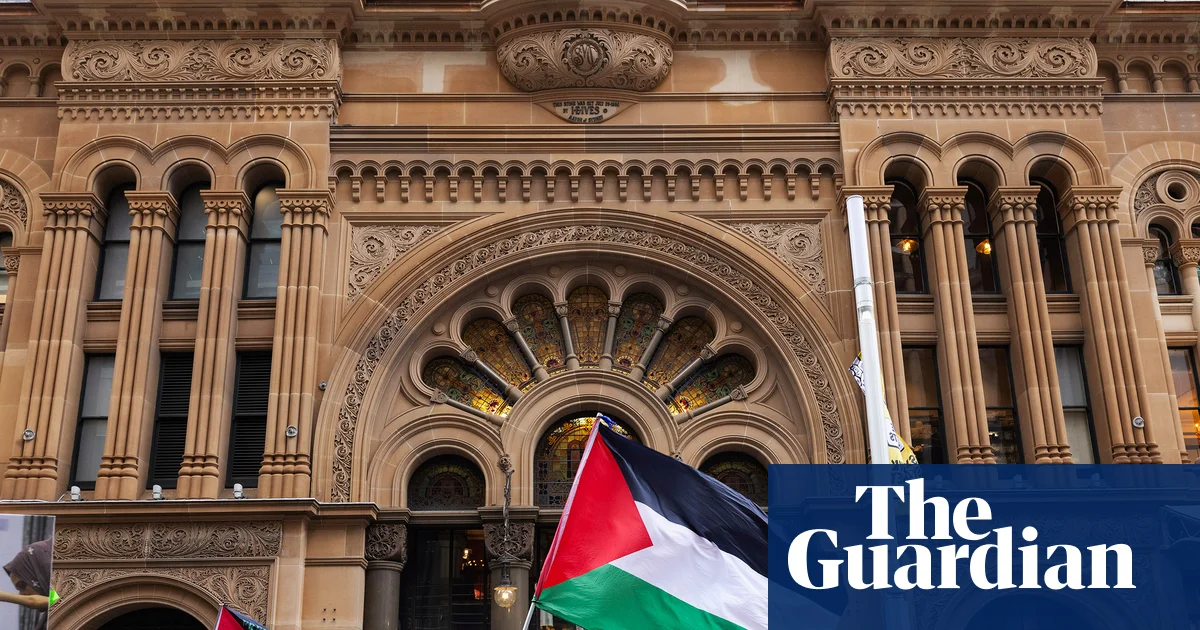
Mass Youth Show Support for Palestine Across Australia, Promise Continued Protests After Gaza Ceasefire

As tensions in the Middle East continue to ignite a global response, countries across the world are witnessing a surge in activism and diplomatic maneuvers that reveal the profound geopolitical impact of recent events. The recent ceasefire deal brokered by Donald Trump in Gaza initially brought a glimmer of hope for peace, but skepticism remains high among international analysts. The deal, which has temporarily alleviated some violence, remains unpopular among many Palestinians and defending voices who argue that real change requires more comprehensive negotiations and local consultation, not just US-led agreements. Many see this move as yet another example of how powerful nations, particularly the United States, influence conflicts to serve broader strategic interests, often at the expense of self-determination for the Palestinian people.

In Australia, waves of demonstrations underscore how global conflicts inexorably ripple into local political and social spheres. Tens of thousands have gathered in cities like Sydney, with organizers affirming an enduring commitment to supporting Palestine. Despite police estimates of 8,000 attendees in Sydney, reports indicate that the rallies are far larger, symbolizing widespread concern and a sense of shared responsibility among youth and activism groups. Notably, these protests aim to maintain pressure on Australian policymakers to implement more aggressive sanctions on Israel and cease trade in military equipment—a move supported by numerous analysts who see economic leverage as a vital tool for fostering real change. The significance of these protests lies not only in the numbers but in their defiance against a backdrop of international diplomacy often perceived as tepid or superficial, further exemplified by the recent Gaza ceasefire mediations.”

The protests also carried a personal and emotional weight, as many families like Shamikh Badra and Abubakir Rafiq highlighted the ongoing human tragedy—families torn apart and lives on hold while seeking justice and closure. These deeply personal stories serve as a stark reminder that decisions made on political and diplomatic levels have immediate, devastating effects on societal fabric and individual lives. International organizations, including Unrwa and Unicef, are preparing to deliver aid to Gaza, an effort seen as critical in a region where the aftermath of the recent conflict continues to threaten survival and stability.

Among the most striking features of this rising activism is the resilience of grassroots movements that challenge institutional constraints. In Sydney, protesters defied the NSW court of appeal and police opposition, demonstrating how civil disobedience remains a powerful tool for marginalized voices. Leaders like Jenny Leong of the NSW Greens have explicitly condemned the influence of Trump and his policies, warning against the dangerous precedent set when the future of Palestinians is dictated by foreign powers rather than their own communities. In history, such local acts of defiance have often foreshadowed larger geopolitical shifts, and observers warn that as conflicts persist, the struggle for self-determination and justice becomes increasingly intertwined with global power calculus.

As the world watches this unfolding narrative—a testament to the enduring complexity of geopolitics—a somber realization emerges: the decisions made in diplomatic chambers and on city streets will echo for generations to come. Each rally, each diplomatic summit, and each tragic story from Gaza and beyond weaves into the fabric of history, reminding us that in the age of globalized conflict and intervention, the fight for sovereignty, justice, and peace remains an ongoing saga where the weight of the past shapes the unpredictable contours of the future.

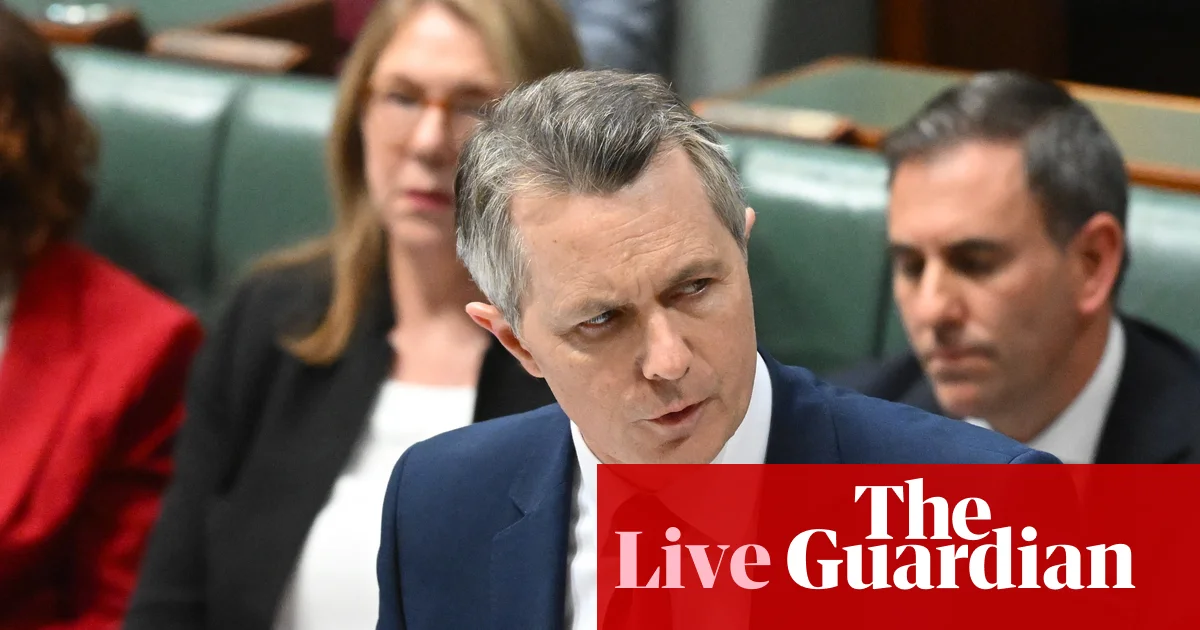
Australia News Live: Hecs Debt Relief Starts November – Waters Demands More Support for Detained Flotilla Activists

Global Power Play: Navigating Conflicts, Alliances, and Domestic Policy Shifts

In an era where the geopolitical landscape shifts rapidly, nations are increasingly compelled to reassess alliances and strategic priorities. Australia, under the leadership of Prime Minister Anthony Albanese, exemplifies this dynamic as it grapples with complex international issues—from supporting activists attempting to break the Gaza blockade to navigating climate commitments and domestic policy reforms.

One of the most striking international developments involves the interception of a flotilla attempting to breach the naval **blockade on Gaza**, aimed at delivering critical aid to the beleaguered Palestinian territory. Six Australians who participated face detention by **Israel**, prompting calls from Australian politicians, including opposition figures such as Larissa Waters, for the government to escalate diplomatic efforts. Waters has demanded greater action from Foreign Minister Penny Wong, including “calling on the Israeli ambassador” and even contemplating the expulsion of that ambassador if Australia’s nationals are not treated with due security and respect. The situation underscores the **geopolitical impact** of America’s close alliance with Israel—a relationship that many analysts argue complicates Australia’s ability to adopt a balanced foreign policy amid rising tensions.

Meanwhile, in domestic policy, the Albanese government has announced significant steps to ease economic burdens for Australians. Starting mid-November, the **Higher Education Contribution Scheme (HECS)** debt will be cut by 20%, a move aimed at alleviating the student debt crisis faced by millions. This policy shift, backdated to balances as of June, reflects a broader economic strategy to boost domestic affordability and social mobility. Critics, however, argue that such measures serve political ambitions more than systemic reform, especially as debates around **climate change** intensify. The Greens, led by Larissa Waters, have repeatedly accused the government of ignoring expert advice—asserting that the **62-70% emissions reduction targets** are “low-balled” and favoring coal and gas industries with too lenient policies. This rift demonstrates how domestic policy decisions are deeply intertwined with **global climate commitments**, which, if rushed or compromised, could undermine Australia’s credibility on the international stage.

In the broader arena, the **Green parties worldwide** are pushing hard for environmental protections and a shift away from fossil fuels. Waters has called for an end to native forest logging and stronger environmental safeguards, criticizing the government’s willingness to negotiate with powerful fossil fuel interests—particularly the notorious “go zones” that reportedly include 22 coal projects seeking approval in the Bowen Basin. International organizations like the Climate Change Authority warn that actual commitments are insufficient to meet the looming climate crisis, a concern echoed by Australian experts who emphasize that **how nations choose to act now will define their legacy**. The tension between economic growth’s reliance on fossil fuels and the urgent need for ecological sustainability continues to be a defining feature of Australia’s **geopolitical impact** on global climate efforts.

As these internal and external tensions unfold, history remains at the crossroads. Decisions made in the coming months will resonate across nations—impacting alliances, influencing international perceptions, and shaping the lives of generations to come. From the **growing unrest in Gaza** to the **policy debates within Australia’s halls of power**, it is clear that the true test of leadership is whether a nation can uphold justice, security, and sustainability—all while navigating the turbulent currents of the world’s future. The unfolding narrative is a stark reminder that history’s weight lies not just in the decisions of today, but in the legacy of what is yet to be written.

Parents deserve real support — Why is free 30-hour childcare still out of reach?

In recent years, the landscape of childcare in the United Kingdom has undergone significant shifts, reflecting broader societal transformations and underlying social tensions. The expansion of government-funded childcare hours represents a conscious effort by policymakers to bolster family stability and support working parents. As of 2025, working parents with children aged nine months to four years can access 30 hours per week of funded childcare during term time—an increase from previous provisions and an acknowledgment of the critical role early childhood education plays in society’s fabric. However, beneath these policy initiatives lies a complex reality for families and communities, shaped by economic pressures, staffing shortages, and regional disparities.

While the scheme has benefitted approximately 530,000 more children since its expansion, the challenges are evident. The high costs of childcare remain a major societal concern, with the average full-time nursery place costing £12,425 annually for children under two — a figure that has declined by 22% following recent policy implementation. Yet, affordability is not evenly distributed across the nation. Wales, for instance, witnesses the highest average costs at £15,038, while Northern Ireland reports monthly expenses around £520 for infants. For working families, the financial burden of early childhood care can hinder employment prospects and economic independence, especially in social strata where household incomes are lower and “childcare deserts” are more prevalent, according to Ofsted. 

The quality and accessibility of early years education are further compromised by systemic issues. The decrease in the number of childminders—as fewer providers operate in private homes—exacerbates regional inequalities, creating disparities that sociologists like David H. Shonnard have identified as deeper manifestations of *social stratification*. The government’s promise to add 100,000 new childcare places and foster more nurseries could help bridge the gap, but the distribution remains unequal, with disadvantaged communities disproportionately impacted. Many children from these backgrounds are now receiving fewer free hours—nor is there clear evidence that current efforts sufficiently reach the most vulnerable families.

The moral question at the core of this social issue revolves around the societal responsibility to nurture equitable childhood development and empower families. Early childhood sociologists like Katherine Levine Einstein emphasize that investing in affordable, accessible quality care is not merely a family issue but a societal imperative. As policymakers debate funding rates and regulations, the human cost of inaction endures in communities where parental employment hinges on unreliable or prohibitively expensive childcare. With the societal fabric stretched thin, the hope remains that continuous reform, combined with community-driven solutions, can transform these challenges into opportunities. Society’s true resilience lies in its capacity to adapt, to believe in a future where every child, regardless of social standing, begins life on an equal footing—so that society as a whole can thrive in the face of longstanding social tensions and economic uncertainties.

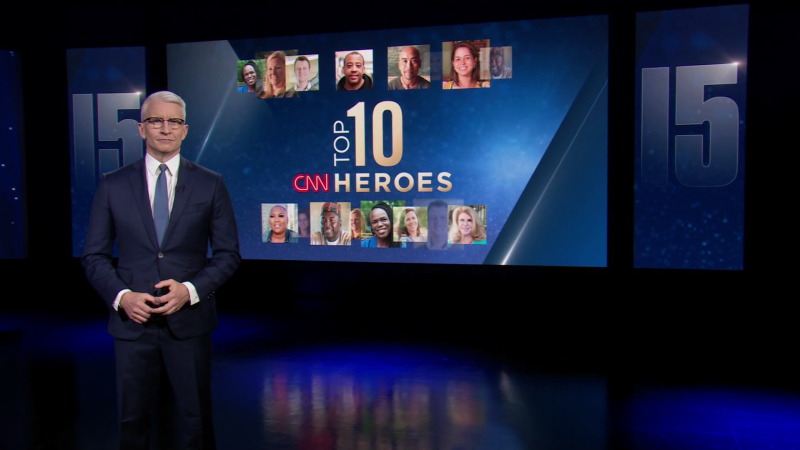
Support a Top 10 CNN Hero—Give Now!

In an era defined by shifting alliances and a tumultuous geopolitical landscape, the role of civil society and international humanitarian efforts remains crucial. The recent emphasis by media outlets such as CNN on promoting donations to 2021 Top 10 Heroes underscores a broader recognition of grassroots activism in shaping global futures. As international organizations like the United Nations stress, *citizen-led initiatives* are increasingly shaping the narrative of resilience and recovery amid ongoing crises. These actions, while often viewed through local lenses, carry profound geopolitical impact—reverberating across borders and influencing diplomatic relations.*

Recent analyses from leading think tanks highlight that *the rise of philanthropic contributions from individuals and communities worldwide acts as a counterbalance to some governments’ insufficient responses to crises.* Such grassroots initiatives frequently focus on issues like health, education, and social justice, fostering a sense of agency beyond traditional power structures. The focus on donor-driven projects continues to challenge the old paradigms of foreign aid, emphasizing “bottom-up” approaches that resonate with young populations worldwide eager for change. These efforts bring to light how societal engagement can sway national policies, especially as geopolitical tensions escalate, and states face internal and external pressures.

Historian and geopolitical analyst Samuel Richards emphasizes that *these movements reveal a critical shift in global power dynamics.* He notes, “How nations respond to the growing chorus of civil society is increasingly determining their place on the international stage.” The recent recognition of humanitarian heroes such as those supported by CNN exemplifies the importance of public diplomacy—a soft power that strengthens national identities and informs global perceptions. Countries that harness this wave of civic engagement effectively can bolster their soft power and redefine diplomatic interactions in a world where traditional military and economic strength no longer sole indicators of influence.

However, these developments do not come without warning. Many experts caution that the rise of decentralized activism could threaten the existing international order if left unchecked. As global institutions grapple with *how to integrate these grassroots movements into formal policy frameworks,* questions arise about sovereignty, accountability, and the potential for increased polarization. For instance, analysts stress that the quest for influence through bottom-up initiatives may muddy lines between local activism and global geopolitics, complicating efforts to maintain stability. As the world witnesses this ongoing transformation, the importance of strategic foresight and diplomatic agility becomes more evident. History has shown that when society’s voice is amplified—whether through donations, activism, or civic engagement—it can catalyze a seismic shift in international relations. The next chapter of history remains unwritten, and the weight of its story will depend on how nations and societies choose to respond to these emerging forces.

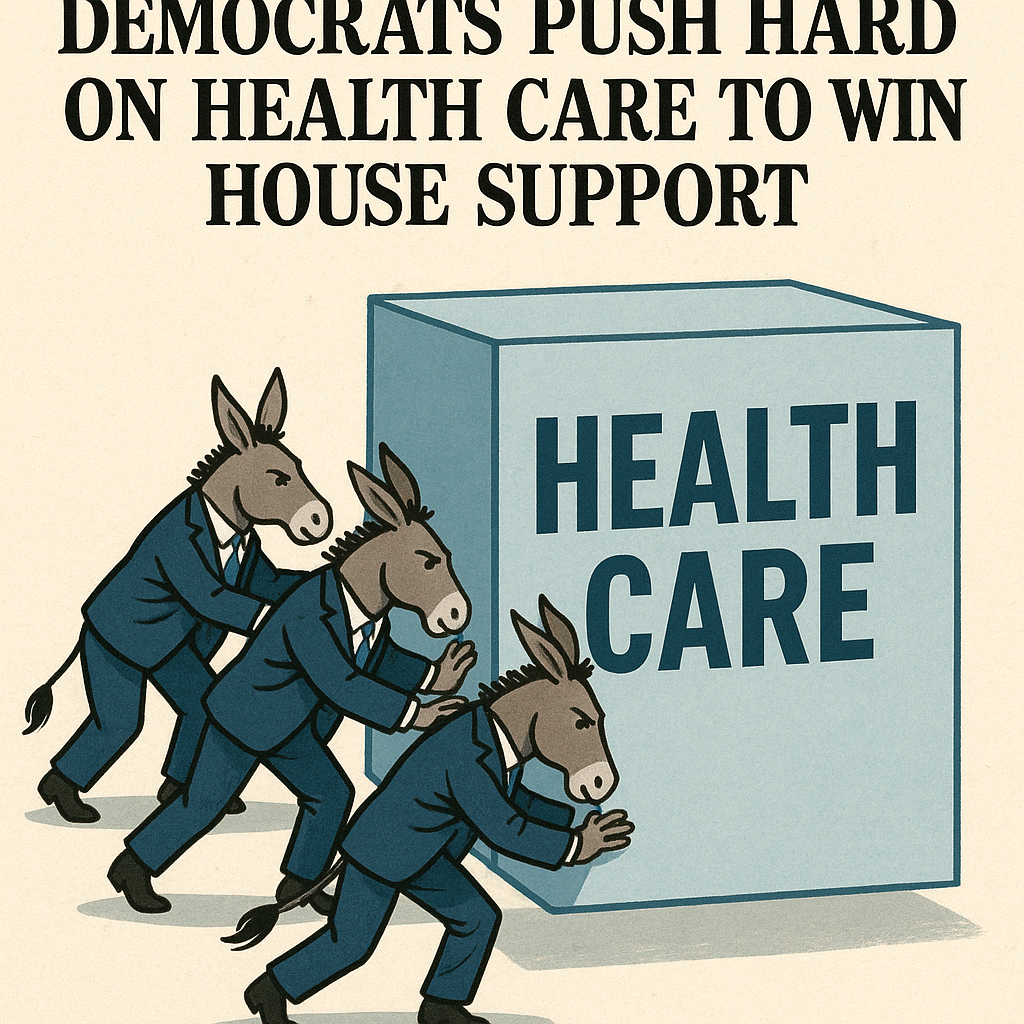
Democrats Push Hard on Health Care to Win House Support

Political leaders in confrontation

The Political Arena Prepares for a Confrontation Over Healthcare and Shutdown Politics

As the specter of a looming government shutdown casts a shadow over Washington, the strategic posturing by Democratic leaders signals an unfolding chapter in the ongoing battle for control of the legislative narrative. With the midterm elections approaching in less than a year, Democrats are doubling down on healthcare as their pivotal wedge issue, betting that the political climate is ripe for a decisive confrontation. Historically, healthcare has been a potent rallying cry—while it offers tangible benefits to voters, it also functions as a powerful symbol of ideological divides, exemplified by the Republican triumvirate currently exerting influence over Congress. Democratic strategists believe that any government shutdown efforts by their opponents would serve to galvanize their base and challenge the entrenched Republican posture, which they perceive as fostering inaction and obstruction.

The decision to leverage healthcare as a battleground is rooted in a deep understanding of how voters process political messages. For decades, Democrats have successfully capitalized on healthcare issues to mobilize their base, as seen in the post-Obamacare landscape where health policy remains a rallying point. The impending showdown appears to be less about concrete policy reform and more about staking ideological dominance. Political theorists such as James Madison and John Rawls would observe that such confrontations exemplify the enduring power struggles inherent in constitutional governance—where the scope of government and individual rights collide, shaping the very fabric of society. The Democrats’ gamble is that a government shutdown, framed around their healthcare agenda, will be portrayed as a battle for middle-class security against Republican extremism, thus reversing recent losses and reshaping the electoral map in their favor.

Beneath these strategic calculations lies a core conflict over who holds the moral and constitutional authority. Legal scholars acknowledge that the power struggle is not just about legislative wins but also about who defines the narrative of American health policy. The Democratic push for expanding healthcare access and defending Obamacare aligns with what many see as a broader societal shift—one that favors government intervention and social welfare. Conversely, the Republican insistence on reducing federal influence and empowering states reflects a longstanding tradition rooted in constitutional conservatism and individual liberty. These conflicting visions are more than policy debates; they are the battleground where the destiny of the nation’s social fabric is delineated. The decision to threaten a shutdown over healthcare reflects a strategic assertion of power—where policy becomes a weapon, shaping how millions experience their rights and protections.

Ultimately, the unfolding political drama emphasizes that power struggles are at the heart of American democracy, dictating not only legislative outcomes but also the future character of the nation. As history has demonstrated—through moments like the Civil Rights Movement or the New Deal—whose vision prevails on the political stage often determines the societal trajectory for generations. The current confrontation over healthcare and the threat of shutdown are not merely tactical moves; they are ideological turf battles that will mark the contours of an American identity in crisis. Politics, in essence, is where the very currents of history are written—each decision, each clash of wills sculpting the destiny of a nation poised between tradition and transformation.

Italy Responds Strongly to Gaza Aid Flotilla Incident, Sends Frigate for Support

Drone Attack on Global Sumud Flotilla Sparks International Controversy

Italy’s Defense Minister, Guido Crosetto, condemned a recent drone attack on the Global Sumud Flotilla (GSF), which attempted to breach Israel’s naval blockade of Gaza to deliver humanitarian aid. The incident occurred approximately 50 kilometers south of Crete, in what has been characterized as an aggressive escalation by unidentified forces. To safeguard Italian citizens aboard the flotilla, Crosetto announced the deployment of an Italian Navy frigate to the region.

The GSF, comprising 52 vessels, reported multiple explosions and indicated that drones were present during the incident. The organization accused Israel of increasing tensions in an already volatile area. This has led to repercussions not just for passengers on the boats, but also raises broader questions about international intervention and the risks associated with navigating contested waters.

Israeli authorities have maintained a strict stance on the flotilla’s activities. While the Israeli government has refrained from commenting on the latest incident, it has previously declared its intent to prevent the flotilla from reaching Gaza. The Israeli foreign ministry has characterized the mission as being organized by Hamas, urging the ships to deliver their supplies to the port of Ashkelon instead. Israeli officials have reiterated that vessels attempting to breach the blockade would face legal action, citing national security concerns.

Adding further layers to the unfolding situation, environmental activist and prominent pro-Palestinian figure Greta Thunberg, who is involved in the flotilla, labeled the drone attacks as “scare tactics.” This perspective echoes sentiments among supporters of the flotilla who argue for the necessity of humanitarian assistance in Gaza. In response to the crisis, the United Nations has echoed demands for unrestricted humanitarian access, asserting that Israel’s obligation under international law includes providing sufficient aid to those in need.

The backdrop to this incident is a complex humanitarian crisis unfolding in Gaza, exacerbated by ongoing conflict, which has led to severe malnutrition and widespread famine. Reports indicate that since the outbreak of hostilities following the Hamas-led attack on Israel earlier this month, approximately 440 Palestinians have died from malnutrition-related causes. In light of these statistics, the GSF claims its mission is critical for breaking what it refers to as an “illegal siege” and for opening a humanitarian corridor to support the beleaguered population of Gaza.

The implications of the drone attack extend beyond immediate concerns for those aboard the flotilla. It raises critical questions about the legality of naval blockades, the role of international observers in conflict zones, and how countries like Italy choose to respond in complex geopolitical scenarios. As the situation continues to unfold, the international community remains watchful, closely monitoring responses from both governmental and non-governmental organizations in the context of human rights, international law, and humanitarian efforts.

Source link

Millionaire encourages Lib Dems to support a wealth tax initiative.

A campaign group is gearing up to influence policymakers this autumn by advocating for an increase in taxes on the ultra-wealthy. This initiative aims to rally support around the idea of financial responsibility among the nation’s richest individuals, arguing that they should contribute a fairer share to the public good. This movement reflects growing sentiment among certain segments of the population, particularly younger voters, who are increasingly skeptical of income inequality and its impact on society.

As the government debates fiscal policy and budget allocations, proponents of higher taxes on the wealthiest argue that such measures could provide much-needed resources for essential public services. Educators, healthcare proponents, and advocates for social programs are citing evidence that higher tax rates on the rich can lead to more equitable funding for critical initiatives. This aligns with a broader desire among younger generations for a fairer economy that works for all, not just the elite few.

Critics, however, warn that higher taxes on the wealthy could deter investment and slow economic growth, potentially harming the very people these new policies aim to help. There’s a growing conversation about striking the right balance—ensuring that the wealthy pay their dues while also maintaining an environment that fosters innovation and job creation. This debate is crucial as it lays the groundwork for potential reforms that could shape the economy for decades.

As the campaign group gears up for a season of advocacy, it brings to the forefront the question of how to foster a fair economic landscape without stifling growth. Young voters have a significant stake in this issue, and understanding both sides of the tax debate is crucial as they engage with the electoral process. With their financial futures on the line, the coming months will be pivotal in determining how tax policy evolves, and whether it will prioritize equity or economic growth.

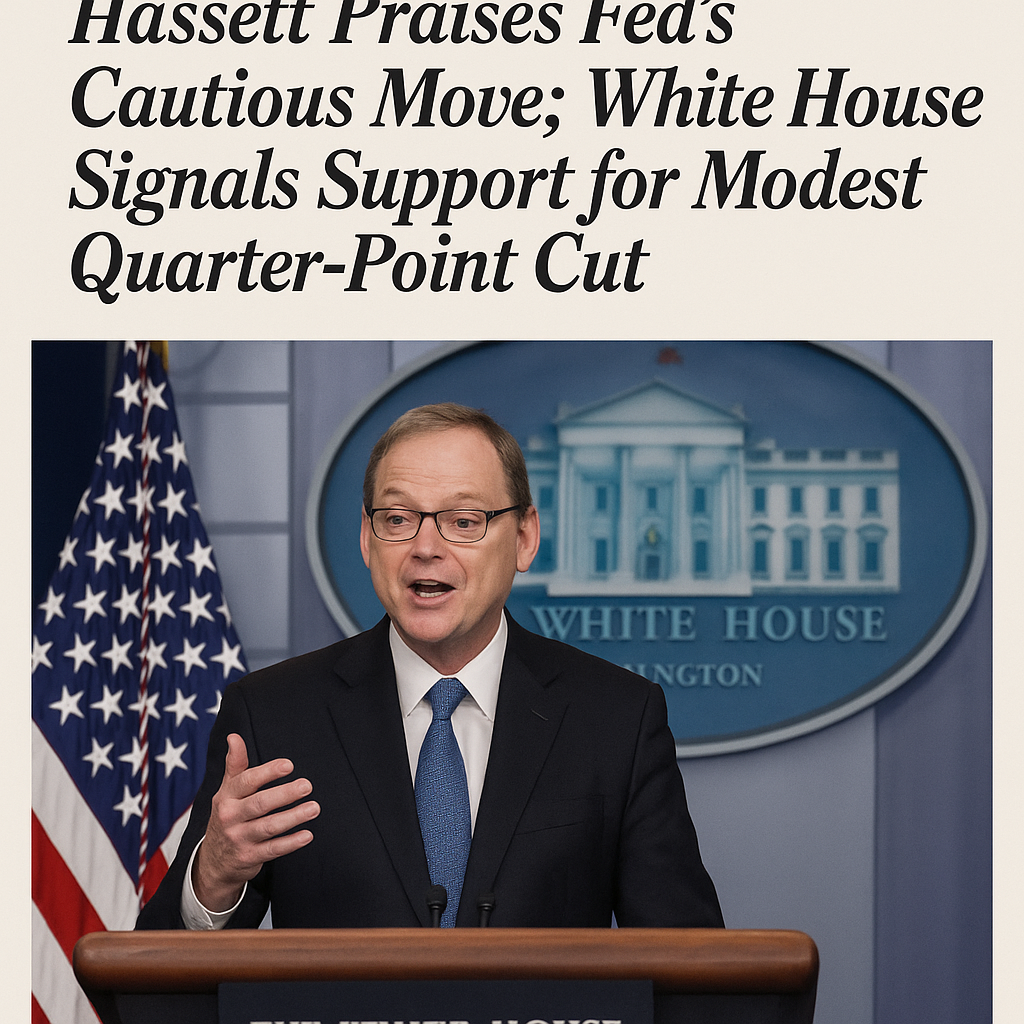
Hassett praises Fed’s cautious move; White House signals support for modest quarter-point cut

Federal Reserve’s Rate Cut Sparks Market Movements and Policy Debates

The Federal Reserve recently implemented a modest quarter-percentage-point cut to its key borrowing rate, signaling a cautious approach as it navigates a complex economic landscape. This decision, perceived by some as a step towards economic stabilization, comes amid shifting market sentiments and ongoing debates among policymakers, economists, and investors. As the global economy faces rising inflationary pressures yet remains resilient, the Fed’s move exemplifies the delicate balancing act it must perform—tamping inflation without stifling growth.

Notably, the White House expressed support for the Fed’s measured approach, with National Economic Council Director Kevin Hassett emphasizing the prudence of a “slow and steady” policy. While some within the administration advocated for a more aggressive half-point cut, the Fed’s decision reflects a consensus aimed at cautious optimism. The recent economic indicators show a robust third-quarter growth rate exceeding 3%, a figure that traditionally would argue against easing monetary policy. Still, inflation running above the Fed’s 2% target, combined with concerns about persistent financial risks, has prompted a nuanced response that favors gradualism over rapid cuts.

Market impacts from this decision are multifaceted. Investors remain vigilant, with equities, bonds, and commodities reacting to the delicate narrative of growth versus inflation control. The policy considerations extend beyond immediate market behavior, touching on policy consequences that could shape future economic stability. Analysts from think tanks and leading economists, including those linked to the Federal Reserve and major banks, indicate that this cautious move might set the stage for future rate adjustments. The decision also underscores ongoing debates about the policy trajectory—should the Fed prioritize containing inflation or supporting a thriving housing market and manageable debt levels?

Importantly, the political dimension persists, with President Donald Trump advocating for more aggressive cuts—arguing that the current rates are insufficient to boost the struggling housing sector and manage the national debt. Such political influences, though not directly altering Fed decisions, shape the policy environment and investor sentiment. As the Fed considers its next moves amid diverse economic signals, the broader implications for market impact and policy stability will be paramount. The coming months will test whether this measured approach will secure sustained growth or prompt future rallying cries for more rapid easing, reflecting the eternal tug-of-war at the heart of economic policy.

Looking ahead, the pulse of the economy remains a reflection of national strength and future global influence.

In this high-stakes game, where monetary policy acts as both shield and sword, the resilience of economies hinges on informed decision-making and bold leadership. Investors, policymakers, and citizens alike watch with anticipation, realizing that the economic landscape is a grand stage—an epic arena where the forces of innovation, policy, and global power collide. While uncertainties persist, the underlying momentum suggests that the future economy will be shaped by those willing to navigate its shifting tides with vision, precision, and resolve. This moment underscores the vital truth: **the economy is not merely a system of numbers, but the beating pulse of nations, heralding the dawn of a new era of global influence and economic ascendancy**.

Social Media Auto Publish Powered By : XYZScripts.com