Matox News

Truth Over Trends, always!

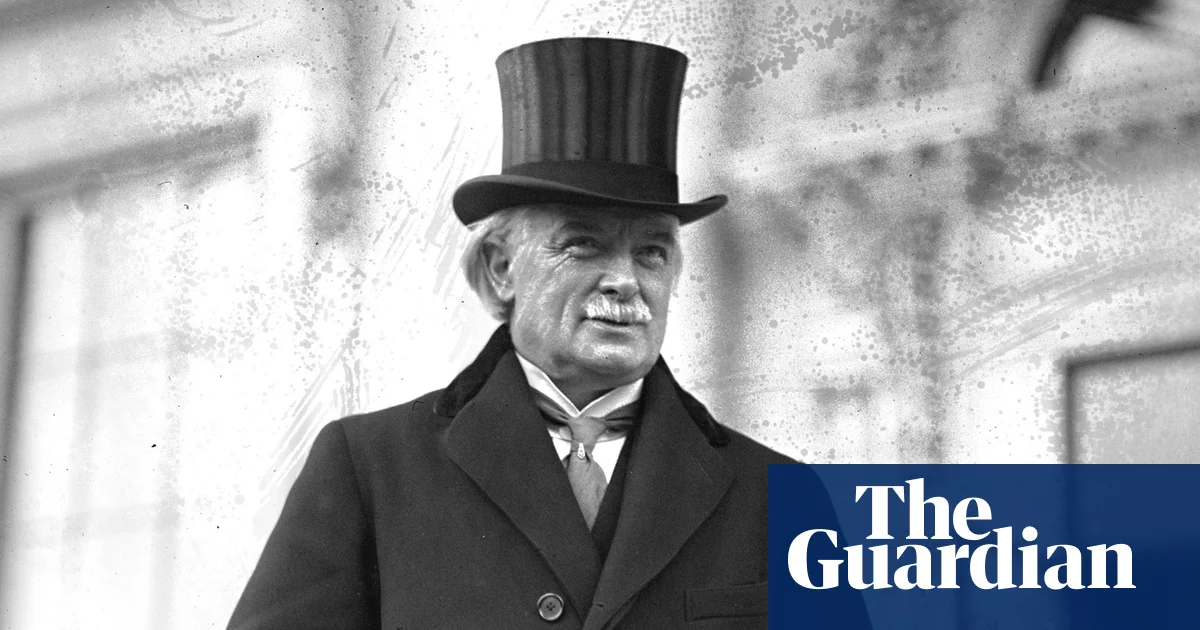
Could 1911 Act Empower Supporters to Overcome Lords on Assisted Dying?

In contemporary society, the interplay between political institutions and social activism continues to shape the fabric of communities, especially as debates around private moral issues intensify. One such poignant debate surrounds the potential use of the Parliament Act to bypass the House of Lords in passing legislation on assisted dying. This scenario exemplifies a societal conflict: balancing democratic processes with the imperative for social reform, especially when communities feel marginalized by traditional institutions.

Throughout history, the Parliament Act of 1911 was a revolutionary tool that curtailed the veto power of the Lords, marking a critical shift toward parliamentary sovereignty. Originally introduced amid tensions over social justice and political accountability, its usage has remained rare, often reserved for contentious issues touching on individual rights. The recent push by supporters of assisted dying to invoke this Act demonstrates an evolving societal landscape where moral debates increasingly challenge entrenched legal and institutional barriers. Such efforts reveal how families and communities are deeply affected when the legislative machinery is utilized not just to implement policy but to reshape societal morals.

This political maneuvering exposes a critical tension: How do institutions adapt to shifting social values? Sociologists like Anthony Giddens warn that cultural shifts—such as increasing acceptance of assisted dying—must be matched with institutional flexibility. Yet, the demographic changes and moral reevaluations often collide with traditional hierarchies, fostering conflicts within society’s families and local communities. When debates around medical autonomy and personal dignity come to the forefront, they challenge society to reconceptualize what ethical leadership really entails, risking societal division if progress is blocked by outdated legislative entrenchments.

Moreover, the social issues at stake extend beyond policy discussions—they have profound consequences for education and community cohesion. As these debates unfold, youth and families are often caught in the crossfire, with disagreements over moral values impacting child-rearing, educational content, and community engagement. Historians like Eric Hobsbawm highlight that societal transformations—whether through legal reforms or cultural shifts—are processes that require inclusive dialogue and respect for diverse moral outlooks. Yet, the current political climate reveals a tendency toward cherry-picking reforms, sometimes bypassing meaningful consultation or democratic consensus, raising questions about public trust and legitimacy.

At this pivotal moment, society faces a stark choice: continue navigating the turbulent waters of moral progress through contested legislative battles or seek unified pathways of social reconciliation. As communities grapple with the moral terrain of assisted dying, one hopes that the greatest legacy we leave future generations is not the victory of one political faction but the societal willingness to embrace ethical pluralism and compassionate dialogue. Only then can society evolve beyond its divisions, transforming its collective moral landscape into a realm where justice is truly grounded in respect for human dignity—an enduring testament to our capacity for moral growth amidst social upheaval.
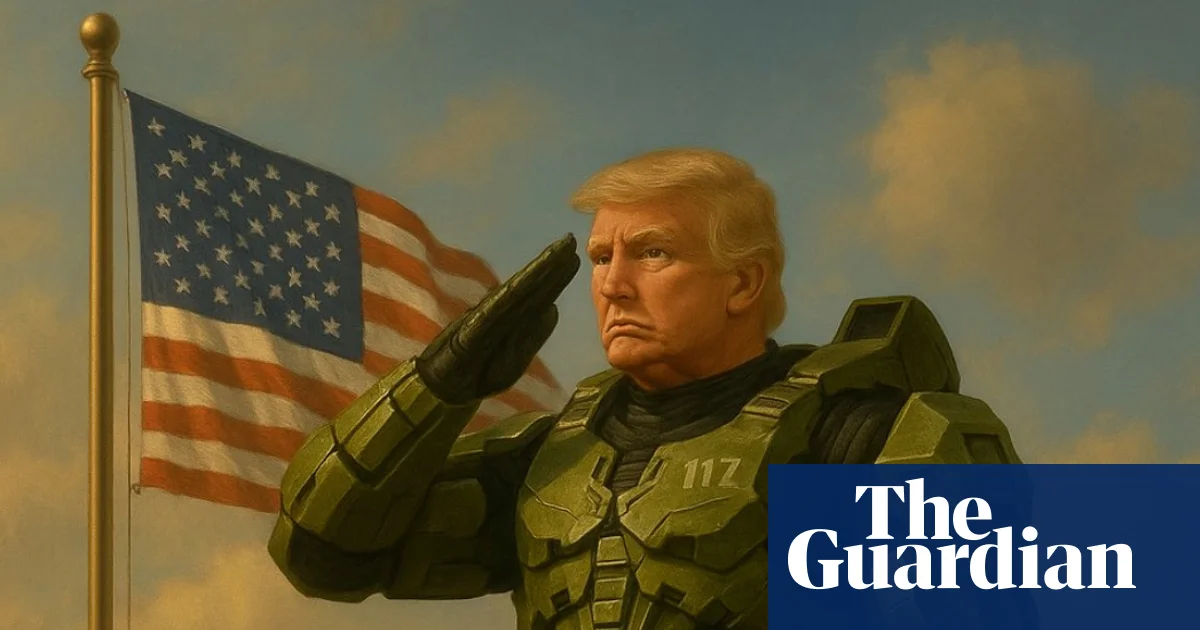
How Trump’s White House Leverages Video Game Memes to Inspire a New Generation of ICE Supporters | Games

In an era where cultural symbols serve as battlegrounds for political identity, the convergence of gaming culture and state symbolism reveals a profound shift in the sociopolitical landscape. Recently, the White House intertwined the realm of video games and political messaging in a manner that underscores the growing significance of culture as both a reflection and an instrument of societal power. An image posted on X — showing President Donald Trump clad in the armor of Master Chief, the iconic hero of Halo — demonstrates how modern political figures are increasingly harnessing pop culture icons to resonate with younger demographics. This strategic cultural syncretism echoes historical parallels, where national identity was often crafted through shared symbols, from Roman standards to the Churchillian war posters, but now manifests through the pixelated and meme-infused language of our digital age.

What makes this development particularly notable is the deliberate deployment of gamer culture as a tool for political mobilization and narrative shaping. The involvement of figures like Steve Bannon, who previously confronted the power dynamics within online gaming communities, demonstrates an understanding that the virtual realm is a potent domain for ideological influence. His recognition that “these rootless white males have monster power” highlights how this demographic, often dismissed as a niche, wields significant cultural and political influence—an influence that Bannon exploited to activate a memetic army supporting Trump’s campaigns. The imagery of Halo and other video game references have not only infiltrated political discourse but also redefined how political warriors rally their base, emphasizing that culture is the bedrock of societal loyalty and collective identity.

This strategic recasting of culture takes on even more significance when viewed through the lens of history’s recurring theme: societies mobilize and reinforce their values through shared myths, heroes, and narratives. As Ortega y Gasset argued, culture sustains a unity of purpose and a sense of continuity, anchoring societal identity amidst chaos. In the contemporary landscape, the White House’s engagement with gaming imagery—be it memes about ICE raids or the humorous use of Pokémon references—serves as a reminder that the cultural battlefield is where the values of sovereignty, tradition, and national pride are contested and reaffirmed. These media tactics, whether innocent or calculated, reinforce the idea that culture is both memory and prophecy, a vital force that shapes where we come from and guides where we are headed.

As we stand on this digital frontier where politics, culture, and identity collide, we are reminded that the deeper significance of this syncretism lies in its ability to forge a collective narrative. It echoes the notion by T.S. Eliot that “the past blows like a wind into the future,” urging us to view these cultural currents not merely as transient memes but as carriers of our enduring identity. In the theatre of history and life, culture becomes a living memory—a prophecy whispered through symbols, stories, and images—reminding us that the human story is told not only through grand edifices or sacred texts but also through the smallest of icons, the shared jokes, the heroic myths of our digital age. To engage with this landscape is to recognize that culture, at its core, remains the living, breathing testimony of humanity—what we remember and what we yet may become.

Social Media Auto Publish Powered By : XYZScripts.com



