Matox News

Truth Over Trends, always!

Prince Harry and Meghan stand with Bondi terror attack survivors

In a display of high-profile diplomacy set against the backdrop of Australia’s vibrant landscape, Prince Harry and Meghan Markle concluded their recent tour with a poignant visit to Bondi Beach, the site of a devastating terror attack that claimed 15 lives last December. Their engagement with survivors and emergency responders underscores the enduring importance of resilience in the face of terrorism and societal trauma. Such gestures serve not only as acts of compassion but also as strategic symbols that align Western societal values with a broader sense of security and collective healing. International analysts argue that these moments are carefully curated to project a message of unity and strength, reinforcing Western ideals of resilience amidst rising global threats.

Of particular interest to global observers is the geopolitical impact of Harry and Meghan’s activities, which blend soft diplomatic outreach with commercial ventures. Their exclusive retreat—where ticket prices soar up to $3,199—signifies a shift towards a new form of influence, defined less by traditional monarchy and more by celebrity-driven soft power. Though no longer functioning members of the British Royal Family, their choice to sidestep open public engagements in favor of private settings highlights a broader trend: a shift in how elites shape perceptions of authority and societal values. Historians like Dr. Michael Adams warn that such private endeavors may redefine notions of public service, emphasizing personal brand over institutional monarchy.

This evolving dynamic occurs amid an increasingly complex international landscape where conflicts, ideological shifts, and cultural debates threaten to reshape global stability. The international community—particularly countries with ongoing security challenges—closely monitors how influential figures like Harry and Meghan navigate their roles. Meanwhile, organizations like the United Nations and INTERPOL emphasize the importance of fostering resilience and societal cohesion in the face of rising domestic and transnational threats. Their current stance reflects a recognition that soft diplomacy, symbolism, and cultural influence are tools that can be leveraged in the ongoing struggle for ideological dominance and societal stability.

As the story of Harry and Meghan’s Australian adventure unfolds, it echoes a broader narrative—one where history’s weight is palpably felt, and the future hangs by a fragile thread. With each event and decision, the ripple effects extend beyond the shores of Australia, shaping perceptions and decisions in distant capitals. The world watches, knowing that every gesture, alliance, and retreat holds the potential to alter the course of history. As nations grapple with their increasingly intertwined fates, it becomes evident that the unfolding chapters of this story are more than mere headlines—they are a testament to the enduring power struggles that define our age, where influence is wielded not just by armies or governments, but by the narratives shaped in the presence of the world’s most symbolic figures.
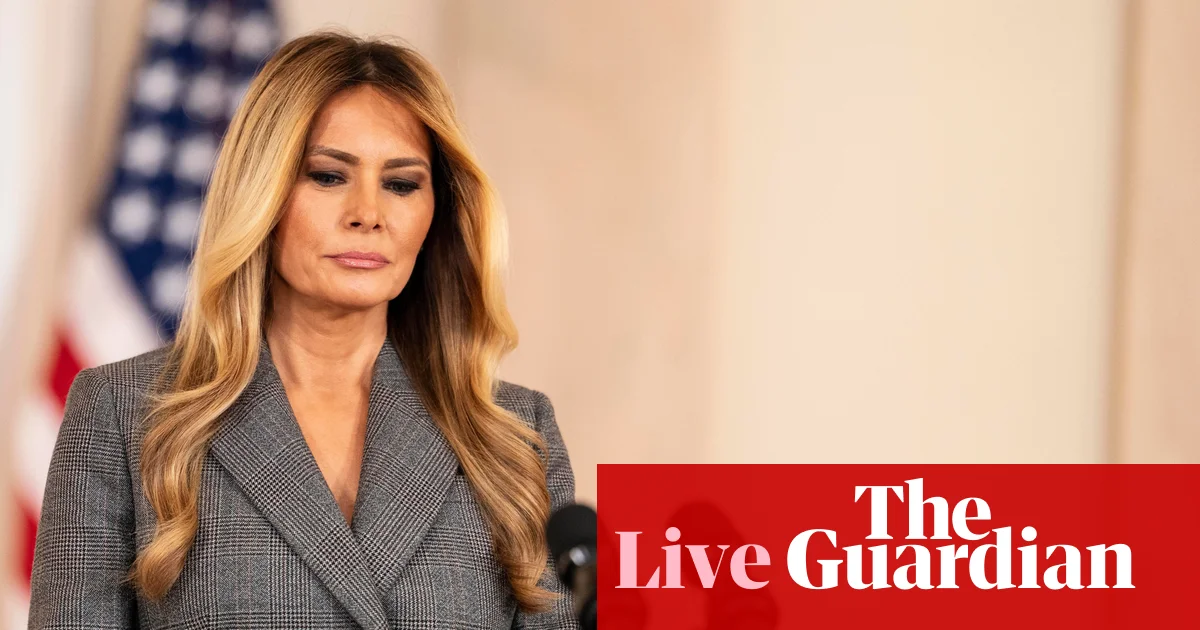

Epstein survivors hit back at Melania Trump’s unexpected remarks—US political drama heats up

Global Geopolitics in Flux: The Power Struggles and International Turning Points of 2026

As the world enters a tumultuous year, a series of high-stakes developments across the globe underscore how pivotal decisions made today will shape the geopolitical landscape for decades to come. From contentious diplomatic negotiations and ideological conflicts to economic upheavals fueled by war, nations are confronting crises that threaten stability and order. The shifting alliances, tense negotiations, and regional tensions highlight the fragile balance of power, with emerging narratives that could rewrite the history books.

In the Middle East, diplomacy is at a crossroads. Israel and Lebanon, two historically adversarial neighbors, are preparing for a first round of talks brokered in Washington. These discussions, primarily aimed at disarming Hezbollah and establishing peace, are complicated by Lebanon’s demand for a ceasefire prior to negotiations, a demand that reflects ongoing Israeli bombardments. The involvement of international mediators, including Yechiel Leiter and Nada Hamadeh Moawad, signals a renewed effort to contain regional escalation. However, with Iran’s role as a key influencer in Lebanon and Israel’s persistent military posturing, the U.S.-led talks serve as a reminder of the inherently volatile nature of Middle East geopolitics. Such negotiations, though lauded as steps toward peace, carry the risk of further destabilization if demands are unmet or if military action resumes.

Meanwhile, in Washington, internal political battles unfold amid rising economic tensions. The latest consumer price index (CPI) reveals a surge in inflation—3.3% over the past year— fueled largely by the ongoing war on Iran and soaring energy prices. Senior Democratic leaders like Elizabeth Warren and Chuck Schumer condemn the Trump administration’s approach, linking aggressive foreign policy shifts to economic destabilization at home. This economic unrest, analysts warn, reflects a broader trend: global conflicts increasingly imperil not only regional stability but also the economic fabric of superpowers. The potential for widespread inflation and market instability raises questions about the resilience of Western economies and the strategic priorities shaping U.S. foreign policy.

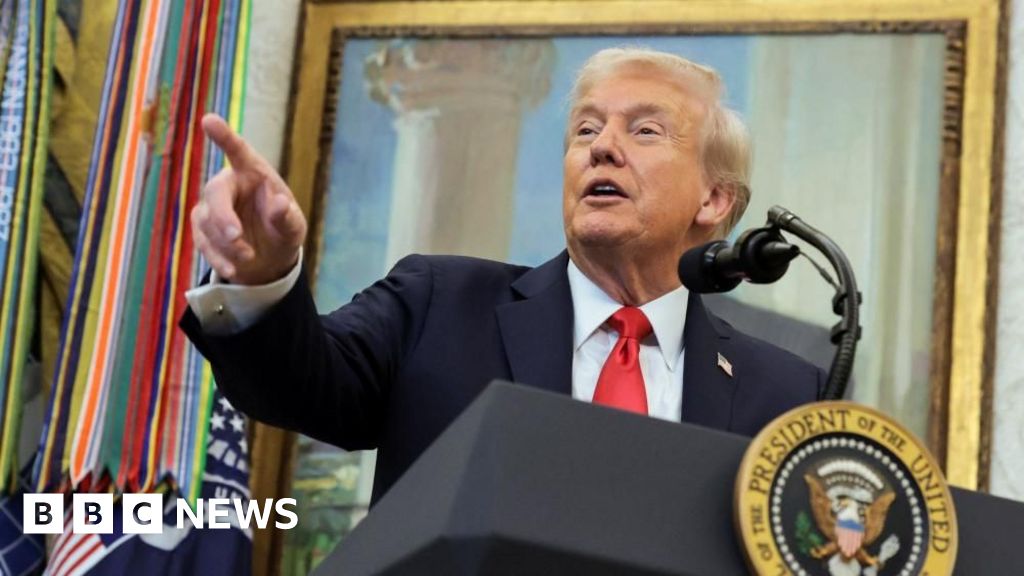
Adding to the global theater, Iran remains a focal point of tension. President Donald Trump has publicly declared that Iran’s regime “has no cards” and only survives by virtue of negotiations that favor the U.S. interests. As diplomatic talks in Pakistan loom, Trump’s comments on loading warships with unprecedented firepower underscore a readiness to escalate military confrontations if diplomacy fails. The threat—paired with Iran’s diplomatic ambiguity—illustrates how military threats and negotiations are entwined in a complex dance of power and deterrence. The potential for miscalculation remains high, with regional destabilization possibly igniting wider conflict, as seasoned military analysts warn that a single misstep could spiral into a larger regional war.

On the spiritual front, voices like Pope Leo caution against the destructive power of militarism, preaching that “God does not bless any conflict” and emphasizing dialogue over violence. This spiritual call echoes across religious and secular spheres, highlighting the moral dilemmas inherent in how nations pursue power. As conflicts ripple and alliances shift, the world is increasingly urged to reflect on the true cost of war. The clash of military, diplomatic, and moral imperatives creates a fog of uncertainty, where the future of peace remains precariously balanced against the relentless pursuit of national interests. As history continues to unfold, accumulating crises test the resolve of international institutions and the moral fabric of civilization itself, reminding us that the next chapter remains unwritten—fraught with peril, yet also filled with the possibility for redemption or catastrophe.

Survivors blast Melania Trump for “shifting blame” in Epstein abuse case

In the realm of international geopolitics, few scandals have cast as long a shadow as the Jeffrey Epstein case, revealing deep fissures within United States political and social institutions. Recent events underscore the delicate balance between national sovereignty, justice, and the influence of powerful elites. As survivors of Epstein’s heinous crimes continue to demand accountability, their stories threaten to unravel the carefully curated narratives maintained by factions within the US government. The controversy surrounding how the Biden administration handles these revelations is seen as a critical test of its commitment to justice and transparency, with potential ripple effects on US diplomatic relations and global perceptions of American governance.

Amidst this turmoil, the White House has faced mounting pressure to release the remaining Epstein Files—a move that many analysts, including leading international watchdogs and legal experts, argue is vital for restoring trust in American institutions. However, key figures like Pam Bondi, who has refused to comply with congressional subpoenas, exemplify a broader pattern of protectionism for the powerful, which critics say undermines the very foundations of rule of law. These actions do not merely impact domestic politics; they send disturbing signals to allies and adversaries alike that the US may be retreating from its moral obligations in the face of elite corruption. Historically, such internal conflicts have exposed vulnerabilities that external actors—China, Russia, and Iran—are quick to exploit, viewing these scandals as signs of American decadence and decay.

Meanwhile, international pressure intensifies as survivors, human rights advocates, and foreign policymakers urge the US to prioritize accountability and justice. The International Criminal Court and United Nations have weighed in, emphasizing the importance of safeguarding victims and ensuring transparency in the investigation process. Yet, there remains a palpable disconnect between official US actions and the expectations of an increasingly globalized world that demands honesty and reform. Historians warn that, much like previous internal crises—such as Watergate or the Iran-Contra scandal—these revelations could mark a pivotal point in America’s moral trajectory. If the US fails to address these internal malpractices decisively and transparently, it risks further erosion of its credibility abroad, empowering rivals to challenge its global leadership.

As the story continues to unfold, the echoes of this scandal threaten to redefine the geopolitical landscape. The public’s focus on elite impunity and the US government’s response will shape perceptions of strength or weakness in a world where nations now vie for influence through a complex web of alliances, conflicts, and economic rivalries. The survivors’ voices serve as a sobering reminder of how internal crises can act as catalysts for global recalibration: powerful states watching with keen interest because, in truth, the underlying fractures within America’s moral fabric represent more than domestic turmoil—they are, whether recognized or not, a challenge to the order of the international system. As history waits in the wings, ready to record the decisions of today, the question remains: will the US confront its crises with conviction, or will it allow the shadows of the past to consume its future? All eyes are now on a nation whose choices in these defining moments will resonate through generations and across continents, leaving a legacy whose true measure is yet to be written.

UK drops plan to cut benefits for Ireland’s mother and baby home survivors

UK and Ireland Reach Breakthrough in Historical Justice for Mother and Baby Home Survivors

The recent decision by Downing Street to drop plans to cut benefits for survivors of Ireland’s notorious mother and baby homes marks a significant turn in the ongoing effort to address a dark chapter in Irish history. This move follows intense international pressure and underscores the geopolitical significance of the relationship between Britain and Ireland. As a result, survivors living in the UK—estimated at up to 13,000—will retain access to essential benefits regardless of whether they accept compensation from Dublin, thereby protecting their dignity and social wellbeing. This decision signals a shift across the transnational landscape, with implications for the future of justice, reconciliation, and the role of historical accountability within the broader UK-Irish dynamics.

The government’s initial plans to restrict survivors’ benefits stemmed from concerns over the financial implications of Ireland’s redress scheme. Introduced after a 2021 inquiry exposed systemic cruelty, neglect, and the unnecessary death of hundreds of infants, Ireland’s compensation effort sought to provide recognition and redress to tens of thousands of victims. However, officials in Britain had feared the scheme’s classifications—particularly regarding savings—could jeopardize means-tested benefits like universal credit and social care funds, creating fear and distress among survivors. Campaigners such as Patricia Carey and community organizations like Irish in Britain warned that such policies risked re-traumatizing a community still seeking justice. Their advocacy and international diplomatic engagement—highlighted during the recent Anglo-Irish summit—culminated in recognition of the deep ripple effects these policies could have on society and the geostrategic alliance between the two nations.

At the heart of this corporate and diplomatic endeavor lies the geopolitical impact, which cannot be understated. The Irish government’s redress scheme aims to confront a painful legacy, yet its initial economic framing threatened to isolate survivors within a system of social stigma—one that historians and analysts suggest has long been a barrier to true reconciliation. The decision to disregard Ireland’s payments for survivors in Britain signifies a nuanced approach by both governments, emphasizing acknowledgment and solidarity over fiscal austerity. This alignment not only reflects renewed diplomatic cooperation but also signals to the rest of the international community that resolving historic injustices requires more than monetary compensation; it demands a moral commitment that transcends borders. As Liam Conlon, a Labour MP who championed Philomena’s law, articulated, the effort is about “tackling stigma, shame, and ensuring dignity,” embodying a moral blueprint with wider implications for how nations confront their pasts and aim for healing.

In a broader sense, these developments echo the ongoing evolution of international justice and the role of societal memory. As historians caution, these moments are pivotal; they serve as benchmarks for how societies reckon with historic trauma while balancing political, economic, and social interests. The survivors’ stories—like that of Philomena Lee, whose decades-long search for her son inspired the Oscar-nominated film—are emblematic of a collective yearning for acknowledgment and redemption. Yet, the fight continues, and as this chapter closes with meaningful progress, the path ahead remains fraught with challenges. The weight of history presses on, reminding the global community that the true cost of injustice is paid not just in monetary terms, but in the dignity and lives of those who suffered in silence. As the world watches, it is yet to be seen if this moment will be remembered as a turning point—or if, in the shadows of unresolved pain, history’s most profound lessons will still go unheeded.

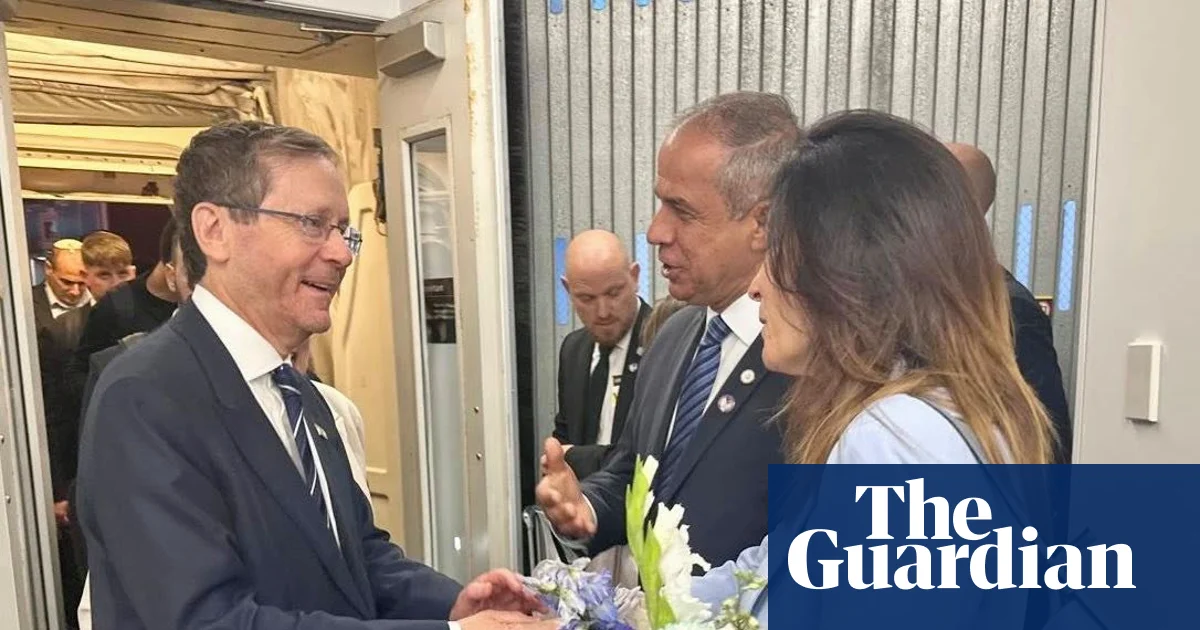
Isaac Herzog visits Bondi to stand with terror attack survivors amid heavy security

Geopolitical Tensions Flare as Israel and Australia Navigate Sensitive Diplomatic Terrain

The recent diplomatic visit of Israel’s President Isaac Herzog to Australia marks a pivotal moment in the ongoing transnational diplomacy surrounding the Israel-Palestine conflict. Herzog’s four-day trip, primarily aimed at engaging with Jewish communities and advocating for bilateral relations, has ignited both support and fierce opposition across the Australian political landscape. While the Australian government, led by Prime Minister Anthony Albanese, positioned the visit as a step toward forging greater unity amidst regional tensions, critics within and outside of the Jewish community viewed it as a provocative act that risks deepening existing divisions.

The visit’s implications extend far beyond symbolic gestures. Herzog’s meetings with top Australian officials, including the prime minister and representatives from across political spectrum, are seen as strategic steps to bolster international support for Israel, especially in the wake of recent violence and antisemitic incidents. The Bondi terror attack, which served as a catalyst for Herzog’s visit, underscored the delicate atmosphere of the Jewish diaspora in Australia, prompting expressions of solidarity from the government and community leaders alike. Yet, the response of sections of Australia’s Jewish community—particularly those critical of Israel’s government—highlight the ethnic and political rifts that continue to challenge cohesion among diaspora populations.

Controversies and the Path Toward International Diplomacy

  • Australia’s Jewish community remains deeply divided, with over 600 members explicitly voicing opposition through full-page ads, criticising Herzog’s visit as a betrayal to multicultural values and Palestinian human rights.
  • Herzog’s international standing has come under scrutiny, with some human rights organizations and analysts accusing him of inciting violence, and even drawing parallels to a “blood libel” by denying allegations of genocide.
  • Adding complexity, recent findings by a UN commission—albeit unofficial and contested—have accused Herzog and Israeli leaders of incitement, a claim that Israeli officials vehemently dismiss as politically motivated propaganda aimed at undermining Israel’s national integrity.

This controversy underscores the geopolitical impact of Israel’s international diplomacy, especially as it navigates accusations of war crimes and genocide in global courts. Such assertions threaten to isolate Israel further on the world stage, forcing the government to rehearse diplomatic responses while managing domestic and diaspora pressures. Meanwhile, Australian authorities, keen to avoid escalation, have been engaged in tense negotiations concerning a planned protest march by pro-Palestinian groups. Prime Minister Albanese and NSW Premier Chris Minns seek a careful balance—preserving the right to assemble while maintaining public order.

The Broader Global Ripple Effect

The Herzog visit occurs within a broader context of shifting international alliances and increasing polarization over Israel’s policies. Historically, Australia has maintained close ties with Israel, often siding with Western allies, yet recent domestic unrest reveals the fragile undercurrents within Australian society regarding Middle Eastern politics. Experts from institutions like the International Crisis Group warn that such diplomatic moves—when coupled with domestic protests and global accusations—could fracture alliances and hinder collaborative efforts in peacekeeping or security initiatives across the Indo-Pacific.

Underlying these developments is a new generation of leaders and analysts who warn that decisions made in these tense moments will echo through history, possibly shaping Australia’s future role on the world stage. As protests flare and diplomatic language tightens, the weight of history presses down, reminding all involved that the decisions taken today may fuel the flames of division or sow seeds for reconciliation. In an era where geopolitics is marked less by clear alliances and more by complex, often contradictory motives, the enduring question remains: How will nations navigate the perilous waters of justice, loyalty, and international diplomacy when history itself continues to unfold before their eyes?

Tuesday Brief: Epstein Survivors Share Their ‘ Life-Shattering’ Stories

International Spotlight: Unveiling Power, Corruption, and the Shifting Balance of Global Influence

Recent high-profile releases of sealed documents related to the notorious Jeffrey Epstein case have cast a revealing light on a shadowy network of elite enablers interconnected with some of the world’s most influential figures. These disclosures, elicited by persistent investigative journalism and legal pursuits, expose a sprawling web of corruption, entrenching questions about systemic accountability among powerful governments, banking institutions, and international law enforcement agencies. While the headlines focus on the wealth of salacious details—names of politicians, entrepreneurs, and even royal connections—the deeper geopolitical impact underscores how intertwined privilege, entitlement, and impunity genuinely are in shaping global stability.

The revelations serve as a stark reminder that justice, particularly against the backdrop of international elites, often operates at a snail’s pace, favoring public relations over real accountability. As the US Department of Justice indicates, the release of these files is unlikely to yield new prosecutions—highlighting a troubling disparity between appearance and reality. Experts, including prominent historians and legal analysts, warn that this pattern of delayed responses and redacted information fosters a sense of ongoing injustice among victims, many of whom have faced systemic neglect and retraumatization. This systemic failure not only tarnishes the credibility of the US legal system but also signals an erosion of the rule of law, especially when powerful figures seem to skate free while vulnerable victims are left in the shadows.

In London and across Europe, political figures like Peter Mandelson face scrutiny over alleged leaks linked to Epstein, raising questions about the depths of diplomatic and financial corruption—ranging from market-sensitive information leaks to shady dealings with figures connected to the scandal. Media outlets such as The Guardian, Mail, and The Times report that investigations into Mandelson’s conduct are intensifying, reflecting a broader international effort to confront the entrenched networks enabling these high-stakes abuses. Such developments underscore a vital geopolitical impact: individuals operating at the highest echelons of power are shielded not merely by legal loopholes but also by the tacit support of institutional elites. This “elite protection” threatens to destabilize societal trust and fuels populist upsurges that demand transparency and justice.

Meanwhile, global institutions such as the European Union face their own crises, with a recent report declaring that EU’s renewable energy goals for 2030 are “out of reach”, exposing possible failures in governance and domestic policy execution. This reflects a broader concern about how international commitments often clash with national interests, especially when economic or political gains are prioritized over environmental and social stability. Analysts warn that these systemic vulnerabilities could diminish the EU’s global standing economically and politically—potentially ceding ground to emerging powers, notably China. As international power shifts decisively, the global balance of influence is vulnerable to redefinition, with nation-states and societies caught in the crossfire.

In essence, these interconnected stories serve as chapters in a larger narrative of seismic geopolitical change. The enduring legacy of corruption, the uneven pursuit of justice, and the erosion of institutional integrity symbolize a world grappling with a fundamental question: Who truly holds power, and at what cost to society’s moral fabric? As the threads of history continue to weave together—highlighting the ambitions of those seeking dominance and the resilience of the victims left to pick up the pieces—the weight of tomorrow’s choices looms large. The unfolding drama leaves us with an urgent reminder: the destiny of nations—like the lives fractured by these scandals—remains in flux, hanging precariously on the edge of justice or chaos.

Starmer’s Grooming Gang Probe Sparks Chaos as Two Survivors Drop Out

The ongoing crisis surrounding Keir Starmer’s national grooming gang inquiry underscores a broader societal failure to prioritize justice for victims and to confront deeply rooted social and institutional issues. Recent revelations, including resignations from key oversight panel members such as Ellie-Ann Reynolds and Fiona Goddard, reveal a disturbing pattern of political interference and disrespect toward survivors’ voices. These developments threaten to stall an inquiry that is essential not only for uncovering truths but also for safeguarding families and communities that are victims of these heinous crimes.

In an era where social trust is fragile, and the integrity of justice institutions is often called into question, the controversy surrounding this inquiry exposes a climate of cynicism and bureaucratic opacity. Survivor advocates warn of a watering down of investigations, fearing that political interests, exemplified by local figures such as West Yorkshire’s mayor Tracy Brabin, are pushing for an expanded scope that might dilute focus and delay justice. Sociology experts argue that this approach, reminiscent of the long and painful path of the IICSA inquiry, risks once again turning a blind eye to specific victims and local realities. Consequently, communities face a heightened sense of betrayal, especially for families bearing the scars of complex social failures.

Demographic and cultural shifts continue to shape the social fabric, fueling tensions and highlighting the need for precise, community-focused investigations. Researchers such as sociologist David Brooks emphasize that while expanding the scope might appear to address larger regional issues, it also endangers targeted justice. Critics assert that efforts should be centered on proven victims and local authorities’ knowledge, rather than broad strokes that risk obscuring accountability. This debate, however, is not merely a matter of logistics but touches moral depths: how society ensures respect for victims’ dignity and accountability for systemic failures.

Embedded within these narratives are profound questions about social trust and the role of public institutions. Leaders like Gamble and Hudson face mounting scrutiny over their potential conflicts of interest, with fears that service providers may have previously concealed criminal acts or abused their authority. As social commentators remind us, history demonstrates that trust in social institutions—schools, police, social services—is vital for building resilient communities. When that trust erodes, so too does the fabric that holds societies together, leaving families isolated and vulnerable to the forces of corruption and misinformation.

  • Survivors demand genuine justice that zeroes in on localities and proven cases
  • Concerns over political interference threaten the integrity of investigations
  • Expanding inquiry scope risks delaying resolution and diluting accountability
  • Corruption and systemic failings continue to undermine public trust

Ultimately, this turbulent episode reflects a society at a crossroads—a community grappling with its past and uncertain future. The resilience of families, the integrity of our social institutions, and the recognition of victims’ rights all hinge on our collective resolve to confront uncomfortable truths. Moving forward, there lies an opportunity to forge more transparent, community-centered approaches that restore faith and foster genuine healing. Society’s greatest hope resides in its capacity to learn from its failures, to rebuild with honesty, and to ensure that every child’s voice is heard and protected. As history teaches, only through unwavering commitment to justice and accountability can society truly evolve beyond its wounds, transforming pain into a catalyst for lasting change.

U.S. to Bring Back Survivors of Strike on Drug-Running Submarine, Trump Confirms

A New Chapter in the Geopolitical Conflict Over Drug Trafficking and Sovereignty

In a series of aggressive military actions taking place in the Caribbean Sea, the United States has reportedly targeted what President Donald Trump describes as a drug-carrying submarine. The strike, which resulted in at least two survivors being rescued and returned to Colombia and Ecuador, marks a significant escalation in Washington’s clandestine campaign against narcotrafficking routes. Over recent weeks, at least six such strikes have been recorded, with the latest incident raising serious diplomatic concerns, especially from Colombia, whose President Gustavo Petro condemned the attack as a violation of sovereignty and, he claimed, an act of murder.

This latest intervention underscores a complex and contentious effort by the US to combat a thriving network of illicit narcotics flowing from Latin America into North America. ^This approach reflects a broader shift toward unilateral military actions against suspected drug trafficking vessels, often classified as narco-subs—homemade, fibreglass vessels capable of avoiding detection and sinking after delivering their deadly cargo. Such operations, while justified publicly as anti-drug efforts, have attracted harsh criticism from human rights monitors and international law specialists. The UN-appointed human rights experts have described the strikes as “extrajudicial executions,” pointing to the profound legal and moral questions surrounding targeted killings without due process.

The Geopolitical Impact of US Naval Interventions

Historians and international analysts warn that these actions could deepen regional instability and foster distrust between the United States and Latin American nations. How decisions made in Washington ripple across the region is critical for understanding future security dynamics. Venezuela, under the leadership of President Nicolás Maduro, has vehemently accused the US of trying to make the nation a colony through covert operations, including the targeting of alleged drug traffickers. Maduro’s accusations echo a long-standing US suspicion that Latin American governments are either complicit in or vulnerable to US influence campaigns.

Moreover, the implications extend beyond immediate military actions. The US‘ stance—emphasizing that these vessels are primarily used for drug smuggling—aligns with a tough-on-crime posture that many analysts see as part of a broader geopolitical strategy to exert power in the hemisphere. Critics argue that this approach risks stoking anti-American sentiment and encourages closer ties among countries like Venezuela and Colombia to evade US efforts or resist its influence. The sanctions and covert military efforts risk transforming local conflicts into proxy struggles, further destabilizing already fragile states.

How International Communities Are Responding

International organizations and scholars are scrutinizing the legality and morality of these targeted operations. UN human rights experts have condemned the strikes, asserting that they violate international law by bypassing judicial processes. Meanwhile, some policy analysts argue that such unilateral actions set dangerous precedents, potentially opening the door to more extrajudicial killings under the guise of the war on drugs. The tension between sovereignty and security remains unresolved, and the global community watches anxiously as the US continues its campaign, which appears to be aimed at curbing the flow of narcotics but at the cost of international norms and trust.

As history unfolds in the turbulent waters of Latin America, the weight of these choices hangs heavy. The narrative of intervention—justified or not—serves as a stark reminder of how fragile peace and sovereignty are in a region where the echoes of history’s conflicts continue to shape the present. Today’s actions reverberate into tomorrow, setting the stage for a new chapter of conflict—one that the world must confront with clarity, caution, and unwavering commitment to justice.

Tennessee Explosives Plant Blows, No Survivors Found

The Catastrophic Explosion in Tennessee: A Wake-up Call for Global Security and Industrial Accountability

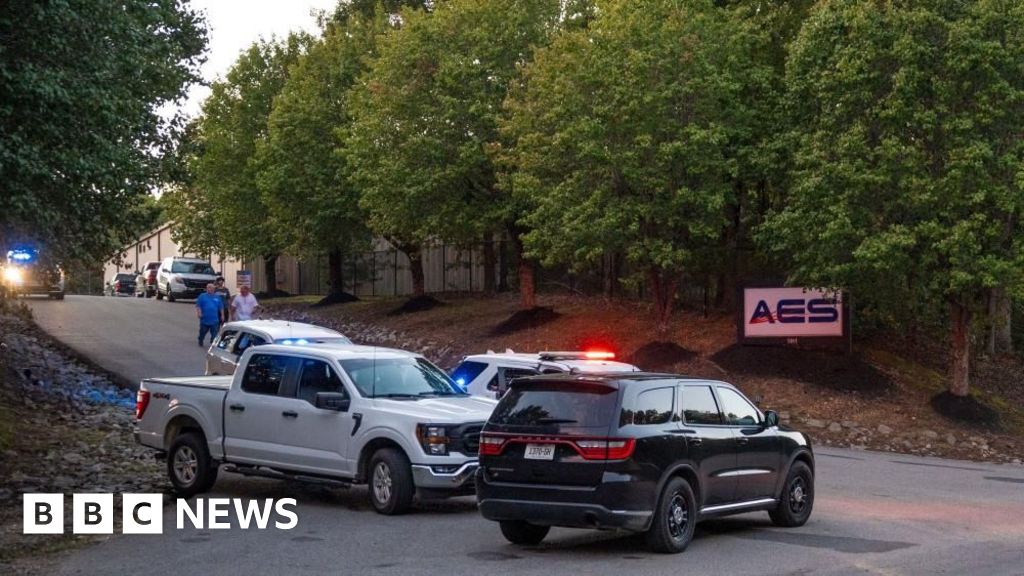
In an event that has sent shockwaves through both local communities and international corridors of power, a devastating explosion at an explosives manufacturing plant in Bucksnort, Tennessee, has resulted in the presumed loss of multiple lives and left a significant mark on industrial safety discourse. The incident, which occurred on Friday, has left 18 individuals unaccounted for, with authorities now confirming that recovery efforts are transitioning into a mourning and investigative phase. The severity of the blast not only highlights the vulnerabilities of local industrial infrastructure but also raises urgent questions regarding the safety standards regulating explosive manufacturing—a concern magnified by the plant’s history, with a similar fatal explosion recorded in 2014.

The proximity of this tragedy to a close-knit American community underscores the profound societal and economic impacts of such industrial failures. Residents, some hearing the explosion from miles away, describe scenes of chaos — fires burning fiercely, debris scattering over half a mile, and emergency responders working tirelessly amid danger. Sheriff Chris Davis and local officials describe the situation as “more devastating than initially expected,” emphasizing the dangerous conditions at the site and the unlikelihood of survivors. The FBI’s involvement, especially with rapid DNA identification, signals the gravity with which the federal government approaches such incidents, not just as an industrial accident but as potential catalysts for international security considerations.

Analysts and historians increasingly see these tragedies as turning points—moments that expose the fissures in regulatory oversight and demand a reevaluation of national security protocols regarding critical infrastructure. With the Bureau of Alcohol, Tobacco, and Firearms and the FBI coordinating investigations, the incident has garnered attention far beyond Tennessee. Such explosions are often overlooked as isolated local events, yet experts warn they may be symptomatic of broader vulnerabilities in global supply chains and the unchecked proliferation of dangerous materials. The incident has prompted a renewed debate among international organizations about the adequacy of safety standards and the potential for such sites to become targets of sabotage or terrorism.

The geopolitical impact of this tragedy extends into considerations of global instability centered on critical resource management. As analysts point out, the ability to manufacture and control explosive materials is a key component of both national security and economic strength. When such facilities fail—regardless of cause—the resulting fallout reverberates, threatening local economies and national security alike. Governments face pressing questions about oversight and safeguarding, with some national leaders warning of the need for more stringent restrictions. The incident—coming on the heels of other recent security lapses—marks a potential shift in how nations prioritize the protection of industrial security and civilian safety, illustrating the delicate balance between technological advancement and oversight.

In conclusion, the Tennessee explosion stands as a grim reminder that history is constantly being written in moments of tragedy. As communities mourn and investigations unfold, the weight of how nations safeguard their most vital resources presses heavily on policymakers’ shoulders. The scars left on Bucksnort may fade with time, but the lessons learned from this catastrophe—about the fragility of industrial safety and the interconnectedness of global security—will persist. The world watches as the story unfolds, knowing that behind every explosion lies the potential to reshape international norms, awaken dormant vulnerabilities, and forever alter the trajectory of history itself.

Philippines earthquake claims 22 lives as rescue teams battle to save survivors

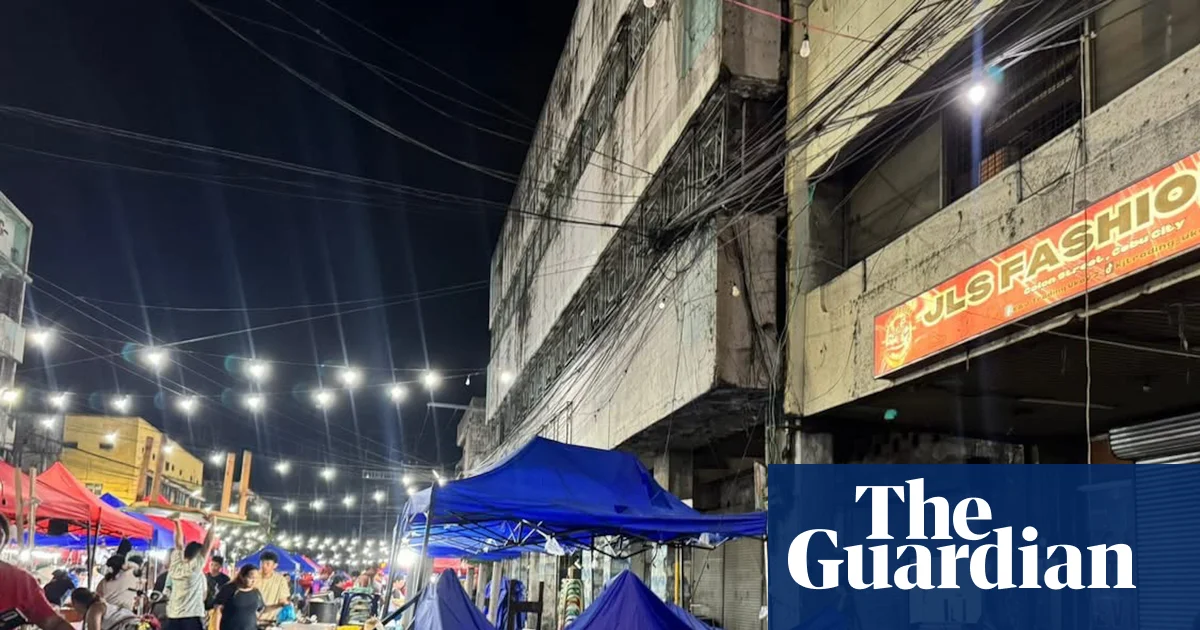
The recent magnitude 6.9 earthquake in the Philippines has not only caused devastating loss of life and widespread destruction but has also highlighted the fragile geopolitical stability of a nation situated on the volatile Pacific Ring of Fire. The death toll, which has risen to at least 22, underscores the urgent need for a reassessment of disaster preparedness in this notoriously disaster-prone country. While local authorities scrambled to conduct rescue operations following the tremor’s epicenter near Bogo in Cebu, experts worldwide are watching the unfolding crisis with a mixture of concern and reflection.

Among the key consequences of the quake, there is increased attention on the geopolitical significance of regional resilience. The Philippines, strategically positioned in Southeast Asia and a key ally of Western powers like the United States, often finds itself at the crossroads of natural and geopolitical disturbances. The disaster exposed vulnerabilities – damaged infrastructure, communication breakdowns, and power outages – which not only hindered rescue efforts but also serve as a stark reminder to national leaders and international allies alike. Analysts from the World Bank and regional security think tanks warn that such natural disasters could exacerbate regional instability if effective emergency response mechanisms are not strengthened due to rising climate unpredictability and increasing tectonic activity.

The seismic activity, initiated by a local fault, has prompted a wider debate among historians and environmental analysts about the increasing frequency of natural catastrophes as a potential sign of shifting global climatic patterns. For many nations within the Pacific Rim, the Philippines’ experience is becoming all too familiar, adding to the geography of risk that defines their geopolitical landscape. The damage inflicted — collapsing buildings, damaged roads, water shortages, and power failures — leaves communities vulnerable not only to further aftershocks but also to political and social upheavals. Such events directly impact the society’s resilience and challenge governments to prioritize infrastructure upgrades versus other political commitments, a discussion echoed in reports by the International Disaster Emergency Response Forum.

Furthermore, this calamity serves as a warning of how hastily-drawn international aid or geopolitical alliances could influence regional stability. The Philippines’ strategic importance is undeniable, and how its government responds to the aftermath could influence regional alliances. Countries like China and the United States watch closely, knowing that natural disasters often become catalysts for diplomatic influence and economic aid packages. As analysts caution that repeated environmental shocks could fuel nationalist sentiments and opportunism among neighboring powers, the future of regional cooperation hinges on Manila’s ability to manage this crisis effectively. The response from international organizations continues to be vital, but the true measure of regional unity will be tested in the recovery efforts ahead.

As rescue teams excavate collapsed structures and communities grapple with darkness and aftershocks, the weight of history presses heavily upon the Philippines. This ongoing tragedy reminds us that nature remains an unpredictable force, capable of shifting the course of nations in a matter of moments. With the world watching, the resilience or fragility of this archipelago may well chart the course for Southeast Asia in the years to come, heralding a new chapter in the annals of natural and geopolitical history. How this moment is remembered will depend on the actions taken now — choices that echo through the corridors of power and indelibly mark the timeline of survival, sovereignty, and human resilience in an age of relentless planetary upheaval.

Social Media Auto Publish Powered By : XYZScripts.com