Matox News

Truth Over Trends, always!

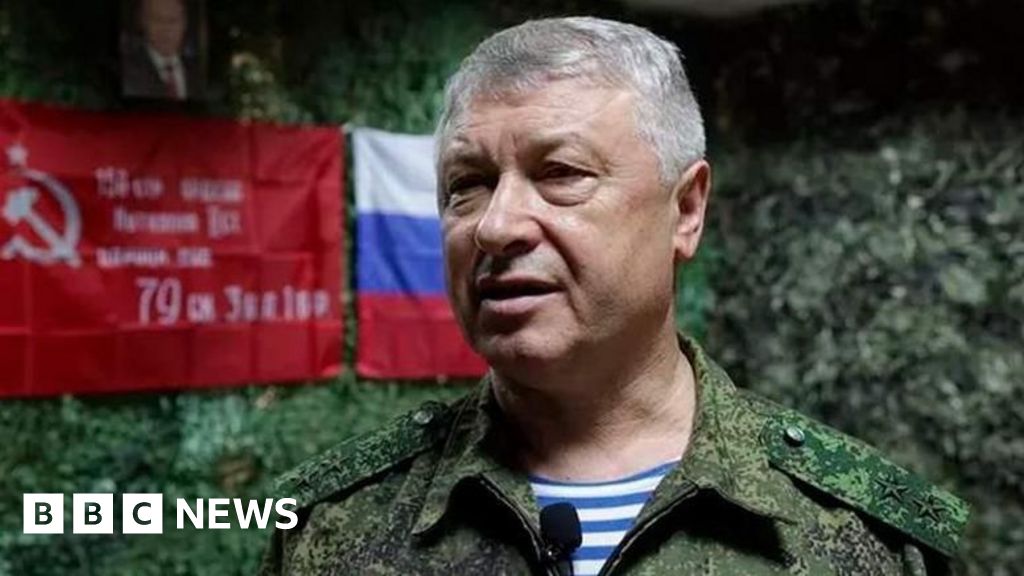
Identified: Three Suspects, Including Alleged Shooter, in Russian General Attack

The international community continues to grapple with the ramifications of a recent attack that has sent shockwaves through geopolitical circles. At the heart of the narrative is Lyubomir Korba, identified as the alleged gunman, whose whereabouts remain a focal point of concern for authorities worldwide. According to reports from Russia, Korba fled the scene of the incident and has reportedly crossed into the UAE, raising complex questions about border security, international law enforcement cooperation, and the shifting allegiances in a turbulent geopolitical landscape.

The incident itself—while details remain emerging—has profound implications for regional stability and the delicate balance of power. Experts and international agencies are closely scrutinizing whether this was an isolated act of violence or part of a broader pattern indicative of escalating internal or external pressures on nations involved. Russia, a key player on the global stage, has explicitly stated its concerns over the suspect’s escape, urging UAE authorities to apprehend Korba and facilitate an extradition process. The case underscores how conflicts or unrest in one nation inevitably ripple outward, impacting diplomatic relations, border policies, and security alliances.

Global Power Dynamics and Diplomatic Reactions

  • Russia has taken a firm stance, framing the incident within the context of regional security threats and emphasizing the importance of international cooperation to combat transnational crime. Analysts note that Russia’s emphasis on the suspect’s flight signals a broader push to extend influence and bolster alliances with key Gulf nations, such as the UAE, amidst a shifting geopolitical order.
  • The UAE faces mounting pressure to demonstrate its commitment to global security standards, a move that could either bolster or strain its diplomatic relations, particularly with Russia. The incident also spotlights the strategic importance of the Gulf region as a nexus point for international espionage, terrorism, and now, high-profile criminal escapes.
  • Meanwhile, international organizations—such as the United Nations and global security forums—are calling for a unified approach to prevent such incidents from undermining international law and stability. Experts warn that failures in border enforcement or intelligence sharing could have devastating consequences that extend far beyond the immediate region, risking wider chaos.

Historical and Analytical Perspectives on Geopolitical Consequences

Historian and geopolitical analysts caution that the fallout from this event may signal a turning point in how nations view security and sovereignty in an interconnected world. Historically, such incidents often serve as catalysts for deeper alliances or, conversely, point to vulnerabilities that adversaries can exploit. International institutions, tasked with maintaining peace and stability, must adapt quickly to these evolving threats. The case of Korba’s escape underscores the importance of international intelligence-sharing networks and the need for nations to reassess border protocols that have long relied on outdated frameworks.

The suspect’s flight into the UAE also sparks questions about the political and economic relations between Russia and Arab nations, as well as the influence of emerging global powers vying for dominance. The fallout from this incident could serve as a precedent for future cooperation—or conflict—that may redefine the international order. With each passing day, the weight of history presses down, and the world watches as the unfolding story continues to shape the trajectory of geopolitical stability or chaos.

In an era where conflicts are no longer confined within borders but extend across continents via digital, diplomatic, and clandestine channels, the significance of this event cannot be overstated. From the corridors of power in Washington and London to the diplomatic neighborhoods of Dubai and Moscow, the echoes of this case reverberate far beyond the immediate incident. The question remains: will this be a catalyst for renewed international cooperation or a harbinger of a fractured world landscape still waiting to be redefined?

Five suspects detained over plan to target German Christmas market

In a significant display of resilience and vigilant security measures, Germany thwarted an Islamist plot aimed at unleashing violence during one of its most cherished traditions — the Christmas market. Five men, comprising three Moroccans, an Egyptian, and a Syrian, were detained last Friday in the southern Bavarian state, suspected of conspiring or actively participating in a plan to ram a vehicle into festive crowds. Authorities underlined the Islamist motive behind this plot, reaffirming ongoing concerns about the resurgence of extremist threats amid a complex geopolitical landscape.

Prosecutors disclosed that the Egyptian suspect, a 56-year-old imam linked to a local mosque, allegedly called for a vehicle attack with the explicit goal of causing maximum casualties. Meanwhile, the Moroccan suspects, aged 22, 28, and 30, purportedly agreed to execute the attack, with the 37-year-old Syrian being accused of encouraging the others in their sinister intent. The detail that the Egyptian imam might have played a role in radicalization underscores a broader debate within Europe about religious extremism and the integration failures that facilitate such plots. While authorities did not specify the exact timing or the precise location of the planned assault, intelligence linked it to an area northeast of Munich—Dingolfing-Landau—heightening fears of a coordinated attack during an already sensitive season.

Germany’s robust security response highlights the heightened alertness following a history of Islamist violence against Christmas markets, including the deadly attack in Berlin in 2016, which claimed twelve lives. The swift cooperation between security agencies, as noted by Bavaria’s Interior Minister Joachim Herrmann, showcases a proactive stance against these threats. Yet, this incident also starkly reveals how international jihadi networks continue to pose a destabilizing influence across Europe, requiring persistent vigilance and intelligence-sharing. Analysts warn that temporary security gains must be reinforced with more effective counter-radicalization efforts, especially within integrated communities where extremist rhetoric sometimes still finds fertile ground.

The geopolitical impact of this thwarted attack extends beyond Germany’s borders, serving as a stark reminder of how international and regional conflicts—such as the destabilization in parts of the Middle East—fuel global terrorism. The incident underscores the persistent threat that radicalized fighters and ideologues from North Africa and Near East pose to Western societies and their values. International organizations, including the United Nations, have consistently called for coordinated efforts to combat extremism, but critics argue that such measures often fall short of addressing the root causes.

As nations grapple with their internal security challenges, the unfolding story of this attempted attack serves as a vivid reminder that the frontlines of radical Islam are as much ideological as they are geographical. History’s historians and security experts caution that today’s efforts to prevent such plots may only buy a temporary reprieve. The weight of this warning hangs heavy as Europe stands at a crossroads: will it succumb to fear and overreach, or will it forge a new path towards understanding and resilience? As the world watches and the shadows of history lengthen, one truth remains undeniable—the battle for society’s soul, and the integrity of its physical boundaries, is far from over.

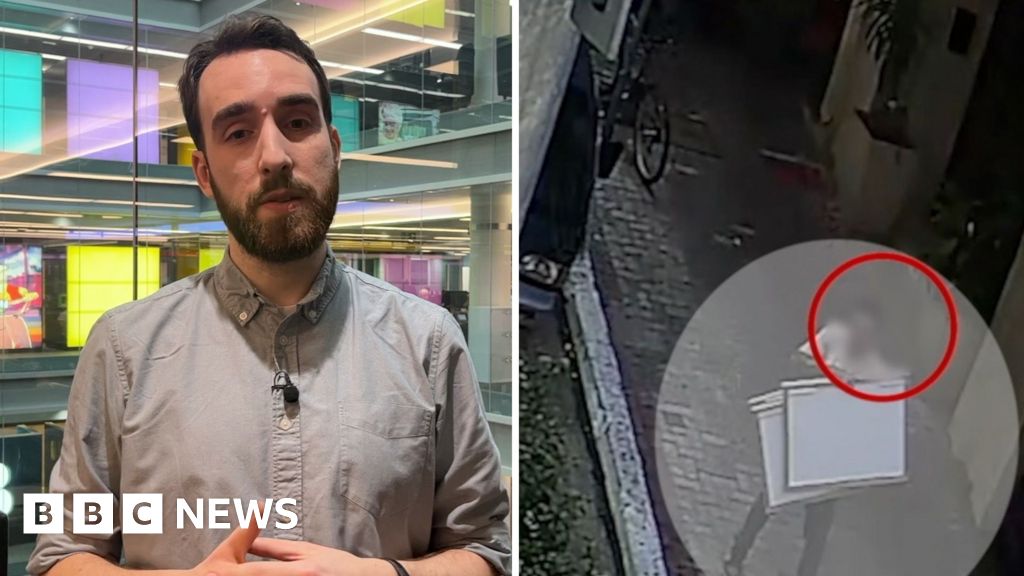
CCTV captures suspects fleeing on foot with stolen art—time for tougher crime crackdown

The recent theft of at least 13 priceless artworks from a library in São Paulo, Brazil, has sent shockwaves through the international art community and raised serious questions about security and geopolitical stability. Among the stolen items are eight engravings by the renowned French artist Henri Matisse, reflecting the cultural loss not only for Brazil but for the global heritage. The audacity and sophistication of the heist highlight a disturbing trend in transnational art theft, a crime that not only robs societies of their history but also fuels the black market on an international scale.

Authorities confirmed that they have located the “escape vehicle” linked to the crime and have arrested one suspect, yet the stolen artworks remain at large. Cooperation with Interpol underscores the severity of the case, as officials work tirelessly to recover the pieces before they are smuggled beyond national borders. Analysts warn that such thefts are often interconnected with larger networks operating across continents, shifting the balance of cultural influence and economic power. This incident serves as a stark reminder of the vulnerabilities faced by cultural institutions worldwide amid rising organized crime and a lack of robust security measures. As Brazilian law enforcement and international agencies collaborate, questions linger over the sophistication of the theft—was it merely a localized crime or part of a broader pattern involving transcontinental trafficking networks?

The unfolding situation highlights *how decisions made at the international governance level, such as border security and cooperation protocols, directly impact local and national efforts to safeguard cultural treasures*. According to international security experts, the theft underscores the necessity for stronger collaborations and technological innovations in protecting vital cultural assets. The incident also exposes the vulnerabilities of even seemingly secure cultural repositories in rapidly developing countries, where the appeal of black-market art trade continues to grow. Historians and analysts emphasize that this pattern, if unchecked, could result in irreversible losses of humanity’s shared cultural history, eroding the collective identity of nations and societies.

As the crisis unfolds, Brazil faces a pivotal moment that could influence regional stability and international norms surrounding cultural preservation. The compromised security at São Paulo’s library not only exemplifies the danger posed by organized crime but also raises urgent questions about how nations can protect their most precious cultural assets in an increasingly interconnected world. What remains at stake is not just a collection of artworks, but the integrity of history itself—an ongoing struggle where the stakes grow higher with each passing day. The world watches, and history hangs in the balance, waiting to see if justice and cultural recovery will triumph over the shadows cast by this audacious heist—one that may just rewrite the narrative of international cultural security forever.

OBR suspects 'outsider' behind budget leak as cyber expert steps in – UK politics updates
OBR suspects ‘outsider’ behind budget leak as cyber expert steps in – UK politics updates

Unfolding Geopolitical Ripples in the UK: Budget Leak and Domestic Policy Shifts

In a dramatic turn of events that underscores the fragile interplay of digital security and national governance, Richard Hughes, chair of the Office for Budget Responsibility (OBR), disclosed that an external individual may have inadvertently caused the early leak of the UK’s latest fiscal report. This incident, which surfaced just minutes before the Chancellor of the Exchequer, Rachel Reeves, formally announced the budget, has ignited concerns over cyber security at a time when international stability increasingly hinges on the integrity of government communications.

As Prof Ciaran Martin, former head of the UK’s National Cyber Security Centre, has been called in to oversee the investigation, critics warn of far-reaching geopolitical implications. This breach at the heart of the UK’s financial oversight not only raises questions about internal security protocols but also signals potential vulnerabilities that, if exploited, could ripple across allied nations and global markets. Analysts suggest that this incident is a stark reminder of how digital threats are reshaping the landscape of international politics, compelling leaders worldwide to revisit cybersecurity treaties and cooperation frameworks.

Domestic Politics and International Consequences

  • The UK government’s handling of fiscal transparency is now a subject of international scrutiny, especially within institutions such as the International Monetary Fund (IMF) and the G7.
  • Meanwhile, Rachel Reeves has defended her budget, emphasizing that none of her fiscal measures are designed to stimulate growth, a stance that contrasts sharply with the assessments of the Institute for Fiscal Studies (IFS). While she insists that her policies are designed to protect existing social frameworks, critics argue that her refusal to break manifesto promises on tax hikes risks exposing growing societal inequalities.
  • International observers, including leading economists and security experts, warn that such domestic discord, combined with vulnerabilities like the recent leak, can undermine Britain’s strategic alliances and its credibility in rallying international support for coordinated economic policies.

The Broader Impact: Rising Tensions and Evolving Alliances

This security lapse exemplifies the broader geopolitical shift where digital sovereignty and cyber diplomacy are now as critical as traditional military alliances. The incident offers a stark warning that how decisions inside nations’ borders influence global stability. With emerging powers like China and Russia deploying cyber tactics to bolster or destabilize existing structures, Western countries must accelerate efforts to forge resilient cybersecurity agreements.

Historical analyses by geopolitical scholars warn that such incidents could catalyze a new era of digital confrontation, compelling nations to rethink traditional alliances. According to the UNESCO, international cooperation in cyber governance must adapt swiftly to defend shared interests, lest fragile democracies fall victim to asymmetrical warfare that erodes trust in essential institutions.

Conclusion: The Unfolding Narrative of Power and Security

As the UK navigates this turbulent chapter, with its political landscape now under the shadow of cyber vulnerabilities and contentious fiscal policies, the weight of history presses heavily upon its future trajectory. The incident serves as a stark reminder that in an interconnected world, choices made within the vaults of London’s government chambers reverberate across continents, shaping the destiny of societies. The unfolding story — of leaks and policies, trust and treachery — leaves the global observer pondering: how resilient are the foundations of power in an age where information itself becomes the battlefield?

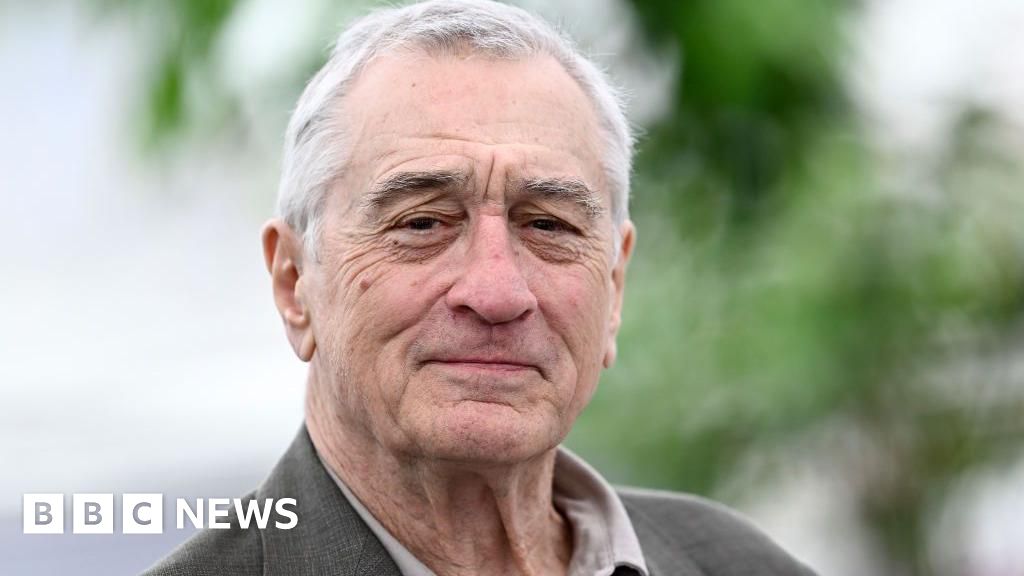
Five suspects face charges in Robert De Niro's grandson's overdose death
Five suspects face charges in Robert De Niro’s grandson’s overdose death

The recent crackdown on a fentanyl distribution network in New York has garnered international attention, representing a broader struggle faced by numerous nations grappling with the devastating opioid crisis. Five individuals—Bruce Epperson, Eddie Barreto, Grant McIver, John Nicolas, and Roy Nicolas—have been formally charged with conspiracy to distribute and possess with intent to distribute fentanyl-laced counterfeit prescription pills. This case underscores the lethal potency of illicit synthetic opioids, which have become a dangerous commodity in the global narco-economy and pose significant public health and security challenges to countries worldwide.

  • The suspects allegedly used social media platforms and encrypted messaging services to sell thousands of pills, resulting in at least three teenage deaths over the summer of 2023—highlighting how technological platforms are exploited for criminal enterprises.
  • The victims included Robert De Niro’s grandson, Leandro De Niro-Rodriguez, and others, revealing how the opioid epidemic is impacting prominent families and raising awareness among international audiences.
  • Authorities link these deaths to a broader network that traffics counterfeit pills containing fentanyl—a synthetic opioid many international organizations warn is up to 100 times more potent than heroin, significantly increasing overdose risks.

Analysts and international institutions, such as the United Nations Office on Drugs and Crime (UNODC), recognize this case as emblematic of a global epidemic. They warn that the proliferation of synthetic opioids—especially fentanyl and its analogs—has transformed the drug trade into a transnational battlefield. This escalation not only threatens national security but also destabilizes communities, especially among youth, whose vulnerabilities are exploited by organized crime syndicates. Turning points in law enforcement efforts—such as this recent case—highlight the importance of international cooperation in tracking illicit networks and dismantling supply chains that span borders.

The geopolitical impact of these domestic investigations reaches far beyond New York. Countries involved in or affected by the fentanyl trade face mounting pressure to strengthen border control, law enforcement capabilities, and international diplomatic efforts to curb drug flows. As historian and geopolitical analyst Dr. Maria Reynolds notes, “The drug trade has become a tool of asymmetric warfare—destabilizing governments and societies from within, while heightened enforcement can serve as a catalyst for greater international collaboration.” This case emphasizes that decisions made at the municipal level ripple through diplomatic channels, affecting relations between nations and shaping global drug policies.

Furthermore, the tragic death of Robert De Niro’s grandson serves as a stark reminder of societal vulnerabilities and the profound human toll of these clandestine networks. The narrative continues to unfold as authorities push for harsher penalties, with each conviction emphasizing the urgency of a global strategy against the synthetic opioid scourge. The charges, which carry mandatory minimum sentences of 20 years and up to life imprisonment if proven, represent a firm stance against organized crime but also raise questions regarding the social and economic factors that facilitate the surge of counterfeit pharmaceuticals. Society must recognize that battling this crisis involves not only law enforcement but also comprehensive public health initiatives and international cooperation.

As the world watches, history remains in the making. The story of this case intertwines with the broader arc of a dangerous era—one where synthetic drugs threaten to undermine social order and challenge national sovereignty. The sobering truth is that beneath these headlines lie potential flashpoints that could ignite larger conflicts—be they diplomatic, social, or economic. In this shadowy domain of modern drug wars, every arrest, court ruling, and international agreement shapes a future that remains unknowable, yet undeniably urgent—a stark reminder that, in the ongoing battle for global stability, history’s pen is still writing.

Louvre Heist Suspects Partially Admit Role, Prosecutor Reveals

The recent audacious theft at the Louvre, one of the world’s most iconic cultural institutions, has sent shockwaves through international security and diplomatic circles. On October 19th, four thieves executed a meticulously planned raid, leveraging stolen vehicles and power tools to breach the museum’s defenses during broad daylight. The loss of priceless jewels valued at €88 million not only represents a significant cultural blow to France but also underscores mounting concerns over the security of global heritage sites amidst rising organized crime and militant threats. The arrest of two suspects, both with prior criminal records, signaling a partial breakthrough, has raised questions about the breadth of the gang behind this brazen act.

According to prosecutors, the suspects — both men in their thirties — used a stolen vehicle-mounted lift to access the Louvre’s Galerie d’Apollon, stripping display cases housing some of the crown jewels, including items linked to French imperial history, such as the illustrious Parure Marie-Amélie diadème. The robbers, arriving just after opening hours, were inside for merely four minutes, during which they exploited a disc cutter to shatter display cases and make off with their loot. The escape, orchestrated on scooters and rapid vehicles, illustrates a highly coordinated operation designed to evade authorities. Paris prosecutor Laure Beccuau confirmed that the jewels, including a crown associated with Empress Eugenie, remain missing—damaged during the theft—and highlighted that the gang’s full size and scope remain uncertain, with security officials warning of a possible wider network involved.

International organizations and security analysts have voiced alarm over the implications of such an event for cultural sovereignty. Experts from UNESCO and INTERPOL warn that *theft of priceless artifacts not only impoverishes a nation’s cultural heritage but also profits global criminal syndicates*, fueling underground economies that threaten national stability. The attitude among many youth and international observers is one of concern—highlighting the precariousness of protecting tangible history against organized, well-funded gangs motivated by lucrative black markets. The decision to transfer some of the jewels to France’s Bank of France and to bolster security measures reflects the national government’s recognition of the need for reinforced defenses, though critics argue that this is merely reactive, with deeper systemic issues neglected.

  • The suspected gang’s use of illegal tools and rapid getaway underscores the importance of advanced security measures at cultural landmarks.
  • The vague involvement of potential accomplices or receivers of the stolen items signifies a broader threat to European cultural assets.
  • Analysts like Dr. Jean-Marc Dupont underline that such high-profile crimes are *turning points* in how nations perceive and combat organized crime’s infiltration into cultural institutions.*

As international authorities deepen their investigation, the weighing of foreign intelligence cooperation and domestic security reforms takes center stage. The ongoing debate questions whether, in an era of geopolitical upheaval, cultural treasures are becoming more vulnerable—an unfortunate reflection of a world where history is often a pawn in larger struggles for power. The Louvre heist leaves a haunting reminder: in the complex chess game of geopolitics, moments such as these threaten not only treasures but also the collective memory of nations. The *turning point* remains clear—how countries respond to such assaults will define the security landscape of the future, forging a legacy for generations to come, yet still unfolding in the shadows of history.

Florida Couple Targeted: Suspects Use Apple AirTag to Track and Ambush in Bold Attack

The Cultural Impact of AirTags: From Convenience to Controversy

In today’s fast-paced and interconnected society, technology companies continue to develop tools that shape our daily lives. Among the latest innovations, Apple’s AirTag stands out as a game-changer in personal item tracking, promising unparalleled convenience for the average user. With a simple attachment to personal belongings, users can now keep tabs on everything from keys to luggage, blending seamlessly into a lifestyle rooted in efficiency and security. This shift in behavior underscores a broader societal craving for control and peace of mind in an increasingly unpredictable world.

However, as with many technological advancements, the cultural impact of AirTags has extended beyond their initial purpose. The viral stories emerging from their misuse reveal a darker side: they are now being exploited for nefarious purposes. Recent reports from Florida highlight a disturbing trend where individuals use AirTags to stalk or track others without their knowledge, revealing a potential social rift. In a shocking incident, a Tampa couple was targeted by suspects who planted an AirTag on their SUV, tracking them to their home. The suspects then attempted an abduction at gunpoint before fleeing when an alarm was triggered. Such incidents have prompted public debates about privacy and security, reflecting a societal tension between innovation and the potential for misuse.

The Shift in Social Behavior and Norms

The escalating concerns about unwanted tracking highlight an urgent need for awareness. Apple’s efforts to educate users—through alerts and step-by-step guides—signal a recognition that technology’s social relevance is growing. For example, iPhone users are advised to activate location services, Bluetooth, and notifications to be alerted if an unknown AirTag is detected nearby. Android users are similarly encouraged to enable their own tracker alerts, emphasizing the shift in societal responsibility toward individual digital security. This evolution in user awareness demonstrates a societal acknowledgment that technological empowerment must go hand-in-hand with heightened vigilance.

Moreover, influencers and watchdogs on social media are amplifying these messages, encouraging young people to stay informed. Notable privacy advocates argue that these trends are not merely about gadgets but are central to understanding the social contract in a digital age. Sociologists suggest that this new awareness marks a cultural shift—from passive consumers of tech to active guardians of their own privacy. As tech companies continue to innovate, society’s collective behavior is echoing a need for ethical considerations and accountability—a move that could reshape future tech design and usage norms.

The Future: A Balancing Act

Where does this leave us? The narrative seems to be moving towards a delicate balancing act: innovation that enhances our lives without crossing into the territory of intrusion. The emergence of tracking misuse prompts a pressing question: will future advancements in personal technology prioritize privacy and ethical safeguards or continue to prioritize convenience at any cost? The next big question is whether society will leverage this awareness to push for stronger regulations and responsible design, or if the urge for convenience will outweigh concerns for individual rights.

As this debate unfolds, one thing remains clear: the technology we embrace today will inevitably shape the social norms of tomorrow. Young users, in particular, must ask themselves—are we crafting a future where innovation and privacy coexist, or are we unknowingly paving the way for a society where unseen eyes are always watching? The rise of AirTags may seem ordinary now, but the story they tell about our values and priorities could define the next chapter in the digital age.

Social Media Auto Publish Powered By : XYZScripts.com