Matox News

Truth Over Trends, always!

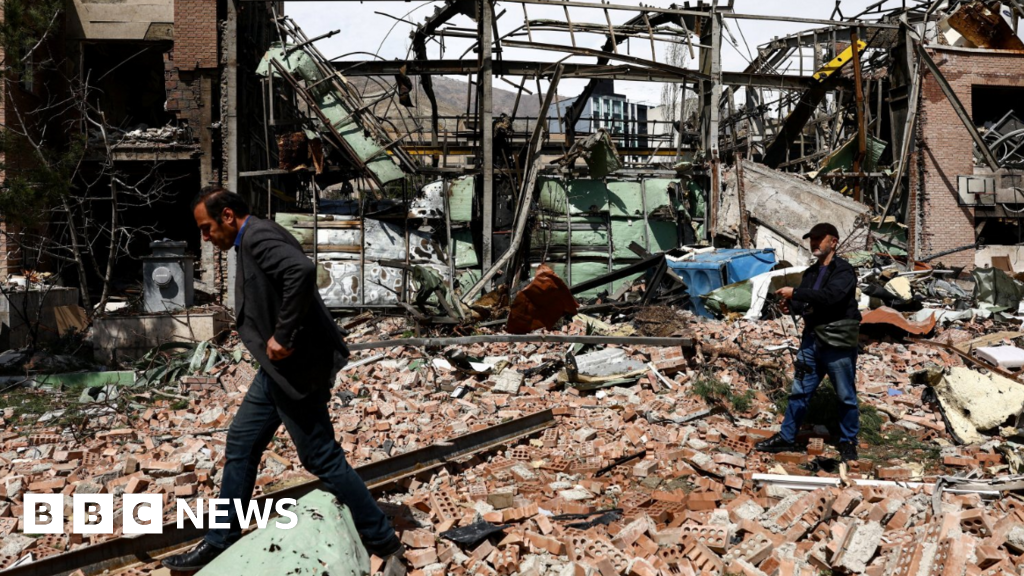
US and Iran swap warnings as search for missing airman intensifies—tensions boil over

In an era marked by burgeoning geopolitical tensions, the voice of Iran‘s leadership resonates with a stark warning that underscores the fragile stability of the Middle East. Ebrahim Zolfaghari, spokesperson for Khatam al-Anbiya Central Headquarters, issued a forceful declaration: “If hostility escalates, the entire region will turn into hell for you; the illusion of defeating the Islamic Republic of Iran will become a quagmire into which you will sink.” This statement, reflective of Iran’s increasing assertiveness, signals a clear warning to regional and global adversaries amid a complex web of alliances, rivalries, and power projections that dominate international diplomacy today.

Analysts note that Iran’s rhetoric is intertwined with a series of recent developments that reveal their strategic resilience. Tehran has been steadily advancing its regional influence, particularly through its support for allied groups and scope of missile and nuclear programs. This posture comes at a time when United States and European Union policymakers seek to navigate a landscape fraught with risks, including potential escalation into broader conflicts. The threat from Iran is viewed by many international organizations, such as the United Nations, as a pivotal factor in regional instability, capable of igniting conflicts with far-reaching consequences.

The global power struggle has shifted dramatically as Russia and China bolster their alliances with Iran, challenging the preeminence of Western influence in the Middle East. This geopolitical pivot risks transforming the region into a battleground for influence, resource control, and ideological clashes. While Washington seeks to uphold its commitments to regional allies like Israel and Saudi Arabia, Tehran’s defiant stance demonstrates how the Islamic Republic perceives itself as a resilient Axis of resistance, willing to confront what it deems external threats head-on.

  • Recent missile tests and nuclear advancements by Iran have prompted calls for renewed sanctions, yet Tehran remains undeterred, asserting its sovereignty and regional interests.
  • Diplomatic efforts towards reviving agreements like the JCPOA remain stalled amid mutual distrust, further complicating prospects for de-escalation.
  • Meanwhile, the Middle East continues to simmer with conflicts, many of which are exacerbated or manipulated by external powers seeking strategic footholds in the geopolitically vital zone.

International historians and geopolitical analysts warn that the current climate of confrontation risks plunging the region into *unprecedented chaos*. Dr. Philip Williams, a professor of Middle Eastern studies, emphasizes that “The decisions made in these crossing points of diplomacy and defiance will sculpt the future of international order itself.” As world leaders grapple with how to contain or confront Iran’s rising assertiveness, the global community stands on the precipice of a transformative epoch—one that could redefine the boundaries of peace and conflict for generations to come.

In the shadowy corridors of power, the echoes of history remind us that decisive moments are often born from the brink of catastrophe. Iran’s leadership, unwavering in its stance, signals a warning that the choices made today will ripple through the fabric of international stability. As the cold winds of geopolitics blow fiercely across the Middle East, the course of history remains in the delicate balance of diplomatic resolve and relentless confrontation. The world watches, perhaps unknowingly, as the next chapter of chaos or peace prepares to be penned—a chapter whose ending is yet unwritten, lingering in the mists of an uncertain future.
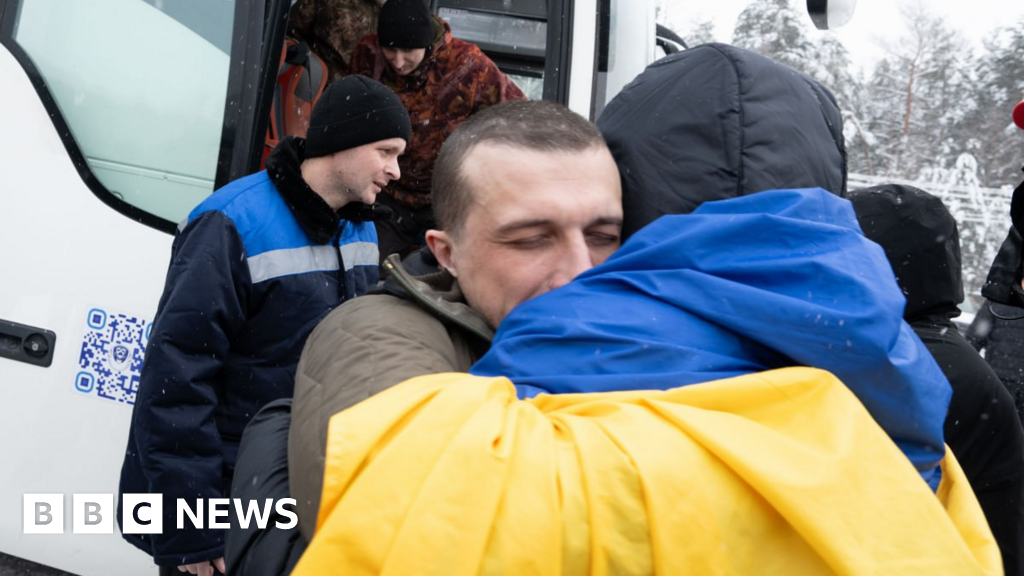

Russia and Ukraine Swap Prisoners as Peace Talks Stall

Diplomatic Efforts in the UAE Signal High Stakes in the Ukraine Conflict

In a pivotal move that underscores the escalating urgency of the ongoing Ukraine conflict, Russian, Ukrainian, and US delegations convened in the capital of the United Arab Emirates to negotiate, aiming to find a path toward peace. While details remain tightly guarded, sources indicate that the core issues revolve around territorial concessions Ukraine faces pressure to relinquish and security guarantees vital for Ukraine’s sovereignty and safety. These talks mark a significant shift in diplomatic efforts, illustrating an international community deeply concerned about the conflict’s destabilizing effect on regional and global stability.

Upholding the narrative of the West’s strategic interests, analysts suggest that the negotiations highlight a complex web of geopolitical calculations. The central question remains: can Ukraine surrender some territory without losing its sovereignty? or will the negotiations merely serve as a temporary respite before further escalation? The United States, alongside European allies, continues to weigh a delicate balance—supporting Ukraine’s fight for independence while simultaneously exploring avenues to contain the conflict. “This is about preventing a broader Eurasian conflict,” observes Dr. Jane Henshaw, a prominent historian in international relations, warning that missed opportunities could further entrench divisions and prolong the war.

Strategic Implications for Global Power Dynamics

The potential outcomes of this diplomatic dialogue have far-reaching consequences, extending well beyond the immediate East European theater. Russia’s strategic objectives appear aimed at securing territorial gains while asserting influence over Ukraine, positioning itself as a formidable regional power. Conversely, Ukraine and its western allies insist on maintaining sovereignty and territorial integrity, emphasizing the importance of security guarantees to deter future Russian aggression. The negotiations also hold significance for other global actors, who observe intently, aware that the decisions made will set precedents for international conflict resolution.

International organizations, including the United Nations and the European Union, are closely monitoring developments. While some analysts warn of the risk of a drawn-out stalemate, others contend that diplomatic engagement signals a possible pivot toward peace or at least a fragile ceasefire. Such shifts could alter the trajectory of this four-year war and reshape the geopolitical landscape for years to come. The implications for NATO and its eastern flank are profound—an unresolved conflict could test the alliance’s unity and redefine the boundaries of security cooperation in the 21st century.

History’s Unfolding and the Weight of the Present

As history records this critical juncture, the world stands on the precipice of a future that remains uncertain. Some scholars warn that the outcome of these negotiations could either forge a new era of peace or cement a period of enduring unrest and division. The weight of decisions made today will echo through generations, shaping international norms and expectations for conflict resolution. The shadow of history looms large, reminding all that diplomacy is often a delicate dance—one misstep can lead to chaos, yet prudent diplomacy offers the hope of a more stable future.

This chapter in global history remains unfinished, with each sideline and handshake carrying the potential to alter the course of nations. As the world watches with bated breath, the stakes could not be higher: the possibility of peace hangs in the balance, while the echoes of war continue to reverberate across borders, continents, and the collective consciousness of humanity. The unfolding story may yet reveal the resilience of diplomacy or the devastating cost of missed opportunities, but the next moves made today could define the future of international order for generations.

Social Media Auto Publish Powered By : XYZScripts.com


