Matox News

Truth Over Trends, always!

Three Killed in Sydney Home Shadowed by Arrested Relative, Police Confirm

Tragic Incident Unfolds in Sydney: A Closer Look at the Broader Implications

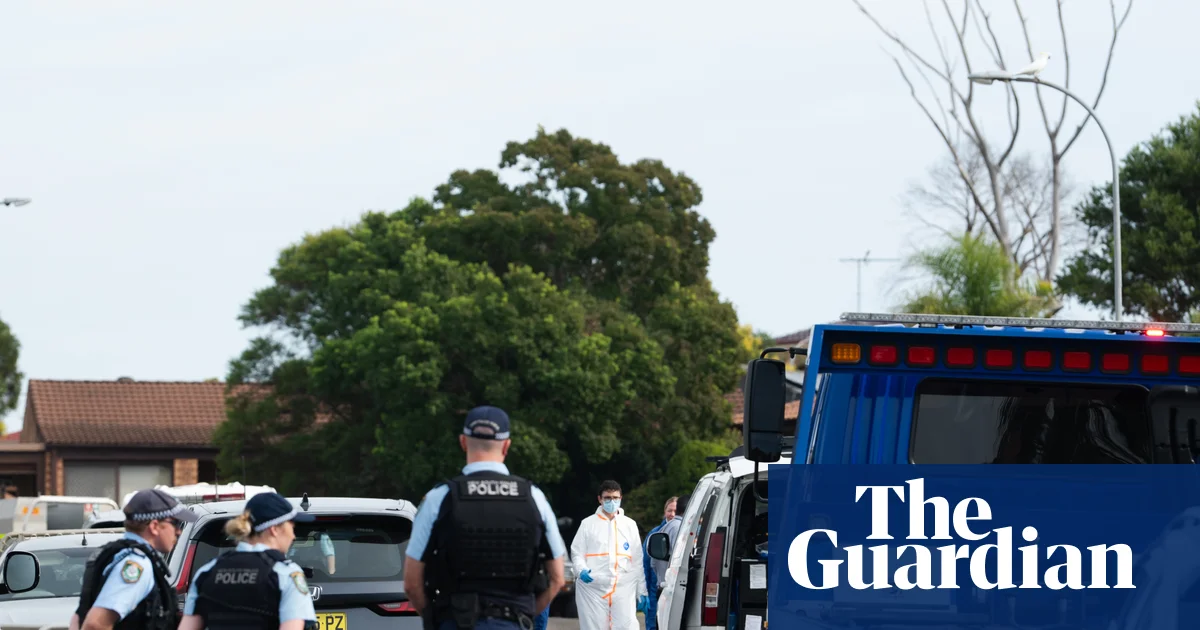
While headlines often focus on international conflicts and geopolitical tensions, domestic tragedies such as the recent violence in Sydney remind us of the persistent human stories that ripple through nations. In the early hours of Sunday in the New South Wales suburb of Rosemeadow, what appeared to be a family tragedy unfolded with devastating consequences. Three members of a family – a woman aged 65, a man aged 25, and a man aged 64 – lost their lives after an incident believed to involve multiple weapons, disturbing in its brutality. The perpetrator, a 32-year-old man, was arrested after allegedly attacking his family members, who are reported to be his parents and brother. The scene described by police was “confronting,” with injury patterns suggesting the use of various weapons, though no firearms were involved. This incident highlights how internal conflicts, often hidden behind closed doors, can erupt violently, leaving communities shattered and raising questions about societal safety.

International observers and analysts note that domestic violence and familial conflicts are universal issues transcending borders, yet they also underscore the importance of law enforcement readiness and social intervention. The police’s initial report indicates that the suspect, who left the scene before returning, was identified via a silver sedan. Their response underscores the importance of rapid police action and community cooperation in preventing further tragedy. Historians and security experts warn that such internal violence often goes unnoticed until it erupts, emphasizing the need for societal awareness, mental health support, and early intervention strategies. At a broader level, the incident serves as a stark reminder that the erosion of social cohesion and rising mental health crises can culminate in tragedy at home — a microcosm of societal fragility.

At the international level, these localized tragedies are often overshadowed by larger geopolitical conflicts, but they carry wide-ranging geopolitical impact. Governments around the world face mounting pressure to address domestic issues such as mental health, social inequality, and family violence. Critics argue that international aid and domestic policy often neglect these more insidious dangers, which can lead to destabilization within societies. As history warns us, when internal crises grow unchecked, they threaten to weaken the social fabric from within, making nations more susceptible to external destabilization and foreign interference. The tragic events in Rosemeadow serve as an urgent call for policymakers to prioritize holistic social reforms—before such violence becomes a persistent, fear-inducing normality.

From the United Nations to national governments, international organizations have recognized the importance of community safety initiatives, though their effectiveness varies by nation. Experts caution that without a comprehensive strategy incorporating mental health care, support systems, and social cohesion, such incidents will continue to occur with alarming frequency. As history demonstrates, unresolved domestic violence and mental health crises are often fertile ground for societal unrest and long-term destabilization. The unfolding narrative of this tragedy in Sydney — like countless others— underscores that beneath the veneer of national stability lies an undercurrent of vulnerability. The weight of history implores us: only through proactive, compassionate intervention can we hope to stave off more such tragedies. The story of this family’s destruction is not yet complete, and its echoes threaten to resound for generations unless decisive action is taken to root out the underlying causes of internal societal decay.


Australia News Live: Tragedy in Sydney as man arrested after 3 deaths; Liberals take Nepean seat in crucial Victorian byelection

In the wake of unprecedented domestic turmoil and a rapidly shifting geopolitical landscape, Australia finds itself at a formidable crossroads. Recent reports underscore a troubling spike in violence within the nation’s borders, exemplified by a tragic incident in Sydney’s southwest, where three lives were brutally lost, and a man currently in custody. The incident, which saw a 64-year-old man succumb to severe head injuries, alongside the bodies of a woman in her 60s and a man in his 20s, tragically represents the deepening social fractures gripping the country. NSW authorities have linked these acts of violence to a man known to the victims, raising urgent questions about underlying social issues. As the nation grapples with this violence, the call for resilient law enforcement and social cohesion becomes more pressing than ever.

The chaos extends beyond Australia’s borders, confronting the nation with a bilateral challenge that could influence global stability. Earlier this week, Australian activists joined an international protest—a paddle-out supporting the Global Sumud Flotilla—whose attempted aid delivery to Gaza was intercepted by Israeli defense forces. This act of solidarity highlights Australia’s complex role on the world stage, caught between an ongoing regional conflict and its desire to maintain strategic alliances. The incident underscores a broader geopolitical dilemma: how to uphold national interests while navigating the turbulent waters of Middle Eastern politics. International experts warn that these flashpoints could serve as catalysts for wider conflict, potentially drawing Australia into an even more active and contentious regional security environment.

Meanwhile, in domestic politics, the nation watched as the Liberal Party secured a commanding victory in a pivotal Victoria byelection—a clear political harbinger ahead of the upcoming state elections in November. With nearly 80% of votes counted, the opposition’s candidate, Anthony Marsh, garnered over 63% on a two-candidate basis, boosting the Liberals’ prospects and signaling a shift in voter sentiment. Such electoral shifts are not merely local victories but have broader geopolitical implications, revealing cracks in the political fabric that could influence Australia’s policy directions, especially in relation to defense and foreign policy under rising global tensions. As political analysts argue, these results could embolden opposition voices, impacting national unity and Australia’s strategic posture on the world stage.

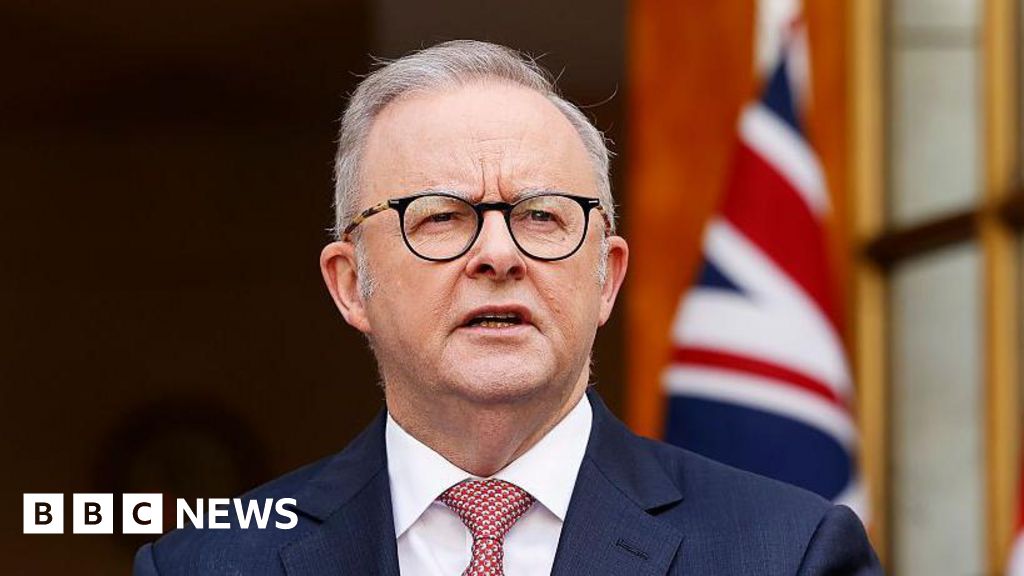
Adding to the international mosaic, Prime Minister Anthony Albanese prepares for a significant diplomatic engagement with Japanese Prime Minister Sanae Takaichi, who is scheduled to arrive in Australia for her inaugural official visit. The upcoming Australia–Japan Annual Leaders’ Meeting promises to bolster regional alliances amidst a backdrop of growing economic and security challenges. Japan’s strategic interests in the Indo-Pacific are increasingly intertwined with Australian policy, especially as global superpowers jostle for influence. Historians and strategic analysts warn that these diplomatic efforts are crucial for counterbalancing China’s expanding influence, signaling a renewed commitment to regional stability and collective security.

As history continues to unfold, Australia’s internal crises and external commitments form a complex tapestry—one that holds the power to influence not only its future but also the geopolitical equilibrium of an entire continent. From tragic episodes of violence to electoral shifts and rising diplomatic alliances, each decision, each vote, each diplomatic handshake carries the weight of an uncertain tomorrow. The answers lie in the choices made today, as the nation stands on the cusp of an epochal transformation—an unfolding chapter where the voices of the youth and the echoes of history will shape what comes next.

Sydney hospital incident: Patient Tased after allegedly attacking staff and visitors

Australia Faces Rising Hospital Violence Amid Broader Societal Tensions

In a stark illustration of increasing violence within healthcare settings, a Sydney hospital incident has once again spotlighted the mounting challenges confronting societies around the world. Over the weekend, a 51-year-old patient at Prince of Wales Hospital attacked multiple staff members, wounding a nurse severely and assaulting others including security personnel and a bystander. This event, precipitated by a seemingly despondent individual, culminated in police intervention, during which the man was subdued with a Taser and taken into custody. Such scenes, though alarming, are symptomatic of deeper societal issues that demand urgent international attention.

Health officials and law enforcement in New South Wales have responded with increased security measures, establishing specialized mental health units within emergency departments to mitigate further violence. Despite these efforts, the recent report from the NSW Nurses and Midwives’ Association reveals that a staggering 88% of healthcare workers experienced violence in the past year, underscoring a crisis that transcends borders. As nations grapple with the mental health fallout from the pandemic, social dislocation, and economic stress, hospitals have become frontline grounds for societal conflict. The incident in Sydney not only exposes gaps in mental health support but also raises concerns about the social fabric’s fragility in the face of mounting pressures.

Global Implications of Rising Hospital Violence

The international community has begun to question whether healthcare institutions can continue to serve as safe havens amidst increasing unrest. World Health Organization (WHO) data indicates that healthcare worker violence has become a global phenomenon, with underlying causes ranging from mental health crises to societal alienation. Experts like Dr. Laura Chen, a sociologist specializing in institutional violence, warn that such incidents threaten to undermine trust in public health systems, essential for societal stability. The geopolitical impact is profound: as sentiment shifts against social institutions, the risk for political destabilization escalates, especially in nations with fragile governance structures or uneven social development.

This incident in Sydney echoes stories from across the globe—be it the rising assaults on medical workers in United States hospitals or unrest in European health facilities linked to austerity and resource shortages. International organizations like the United Nations have sounded warnings about deteriorating societal cohesion and the resulting strain on social services. When healthcare providers are attacked, society’s most vulnerable segments—patients, elderly, and the mentally ill—are left even more exposed, while social trust continues to erode. The turning point, critics argue, lies in recognizing that these violent episodes are not isolated but symptomatic of deeper systemic failures.

How Decisions Today Will Shape Society’s Tomorrow

Policymakers worldwide face a critical choice: whether to prioritize social investment, mental health infrastructure, and community outreach, or to allow these conflicts to spiral further into chaos. As the conflict at Sydney’s hospital demonstrates, immediate tactical responses—such as deploying police and specialized mental health units—must be complemented with long-term strategies aimed at fostering societal resilience. The influence of international organizations, from the WHO to regional security councils, underscores the interconnected nature of this crisis. Ultimately, history will judge nations based on how they respond to these internal ruptures; whether they rise to the occasion or succumb to the chaos of neglect will determine their place in the future’s unfolding narrative.

With violence increasingly spilling over from societal fringes into the core institutions that sustain order, the weight of history presses heavily upon policymakers and society alike. The images of hospital staff battered and injured serve as stark reminders that beneath the veneer of civil order, societal fractures are widening—threatening to redefine the very fabric of social cohesion. As the world watches, the unfolding story of how nations confront these mounting challenges will decide whether we build a resilient future or watch civilization’s fragile veneer crack under the weight of internal turmoil.

Australia’s Prime Minister booed at Sydney mosque iftar during Ramadan

Global Ripples as Community Tensions Surge in Australia Amid Middle East Conflict

Since **Hamas** launched its devastating attack on **Israel** on 7 October 2023, the international community has been gripped by escalating tensions and a surge of divisive sentiments, with **Australia** experiencing a notable rise in both antisemitism and Islamophobia. The attack, which resulted in the tragic death of over 1,200 civilians and the kidnapping of 251 hostages, has ignited a firestorm of emotions worldwide. This violence has not only deepened regional instability but has also struck a chord within diaspora communities in **Australia**, exposing the fragility of social cohesion in an increasingly polarized world.

In response to the conflict, reports of community conflicts and discriminatory acts have risen sharply across **Australia**, illuminating the delicate balance between free expression and societal harmony. Reports indicate an alarming increase in antisemitic speech and violence directed at Jewish communities, alongside heightened Islamophobic incidents targeting Muslim populations. Experts warn that these trends threaten to undermine multicultural integration, risking the emergence of fractured societies in a nation that prides itself on diversity. International organizations, such as the **United Nations**, have expressed concern that unchecked hate crimes could fuel social divides, thereby complicating both domestic policy and international diplomacy. The situation underscores how *decisions made in international arenas have tangible repercussions on societal stability and social cohesion* in countries far from the conflict zone itself.

Meanwhile, the broader **geopolitical impact** of the Middle East crisis continues to unfold. Countries like **Iran**, **Turkey**, and **Egypt** are navigating complex diplomatic waters, balancing their regional interests while facing internal pressures to support Palestinian resistance or condemn violence. The escalation has prompted some to question whether a new Cold War is brewing, with nations aligning along ideological lines that threaten to fracture regional alliances and global peace. Historically, analysts like Samuel P. Huntington and recent reports from the **International Crisis Group** have warned that ongoing conflicts in the Middle East risk destabilizing the entire international order, with ripple effects that could threaten global security for decades to come.

As the conflict drags on, its *turning points* become more apparent. The Israeli military’s significant offensive in Gaza has resulted in catastrophic loss of life — more than 72,000 Palestinians according to the Hamas-run health ministry — raising serious questions about the path to enduring peace. The international community remains divided, with some nations calling for ceasefires and humanitarian corridors, while others advocate for military escalation. The outcome of these decisions will shape the fate of millions and determine the future of diplomacy in the Middle East. As historians assessing this moment warn of the potential for sustained conflict or even regional war, the world watches with bated breath. This is a pivotal chapter in history—one that will either forge a new path toward peace or plunge the region into deeper chaos, with consequences that will echo through generations.

Australia news: Luxury car tax tweak may boost EU deal; Dubai flights land in Sydney and Melbourne

The geopolitical landscape in the Indo-Pacific is witnessing a decisive shift as Australia prepares to amend its domestic policies to clinch a lucrative free trade agreement (FTA) with the European Union. This move isn’t just about economics; it signals a strategic realignment aimed at fortifying Australia’s international standing amid ongoing global tensions. Negotiations have been progressing swiftly, with Ursula von der Leyen, the President of the European Commission, potentially set to visit Australia in the coming days—an event that could mark a significant milestone in this diplomatic push.

Key to this diplomatic gambit is a controversial adjustment to Australia’s luxury car tax (LCT), a move that has caught international attention. According to reports, the Australian government is considering increasing the current $80,000 threshold to at least $100,000, a concession tailored to European automakers like BMW and Mercedes-Benz. This adjustment would reduce import tariffs on high-end vehicles, making Australian markets more accessible to European luxury brands while simultaneously positioning the nation as a more attractive partner in commerce. Analysts, including diplomatic strategists and trade experts, observe that this maneuver is a calculated effort to demonstrate Australia’s willingness to flex its economic muscles in service of broader geopolitical ambitions.

In tandem with negotiations with the EU, Australia’s military posture remains a subject of international intrigue. Reports suggest that Australian personnel may have been aboard a U.S. submarine during an operation off Sri Lanka, which resulted in the torpedoing and sinking of an Iranian warship—an incident that has sent ripples through international security circles. Defense Minister Madeleine King refused to disclose operational details, citing longstanding arrangements with allied foreign governments, notably the U.S. Navy. This situation underscores Australia’s deepening military integration within the AUKUS pact, a strategic alliance that signals a clear pivot towards aligning more closely with Western military interests amidst an increasingly unsettled international order.

Meanwhile, Australia is grappling with severe weather phenomena, as a tropical low threatens the northern coasts with flooding and damaging winds. Such natural disasters have become a stark reminder of the rising stakes in the region’s security and economic stability. Emergency preparations in Queensland highlight the country’s vulnerability to climate events that could further destabilize already precarious social and infrastructural conditions. Historians and Future Impact analysts warn that these environmental challenges, coupled with shifting geopolitical alliances, could accelerate regional realignments—an unfolding narrative of nations adjusting their course under the weight of history’s relentless tide.

Global analysts note that Australia’s dual focus—bolstering economic ties with the EU while navigating complex military alliances—embodies a broader pattern among Western-aligned nations seeking to preserve sovereignty and influence in a rapidly changing world. The decisions made today will ripple across continents, affecting societies, industries, and security architectures for generations to come. As diplomatic doors open and warships move unseen in distant waters, the weight of history presses heavily upon a nation poised on the brink of a new geopolitical chapter—one written as much in boardrooms as it is in the depth of the oceans and the fury of storms.

Human remains unearthed in hunt for kidnapped Sydney teen, police confirm

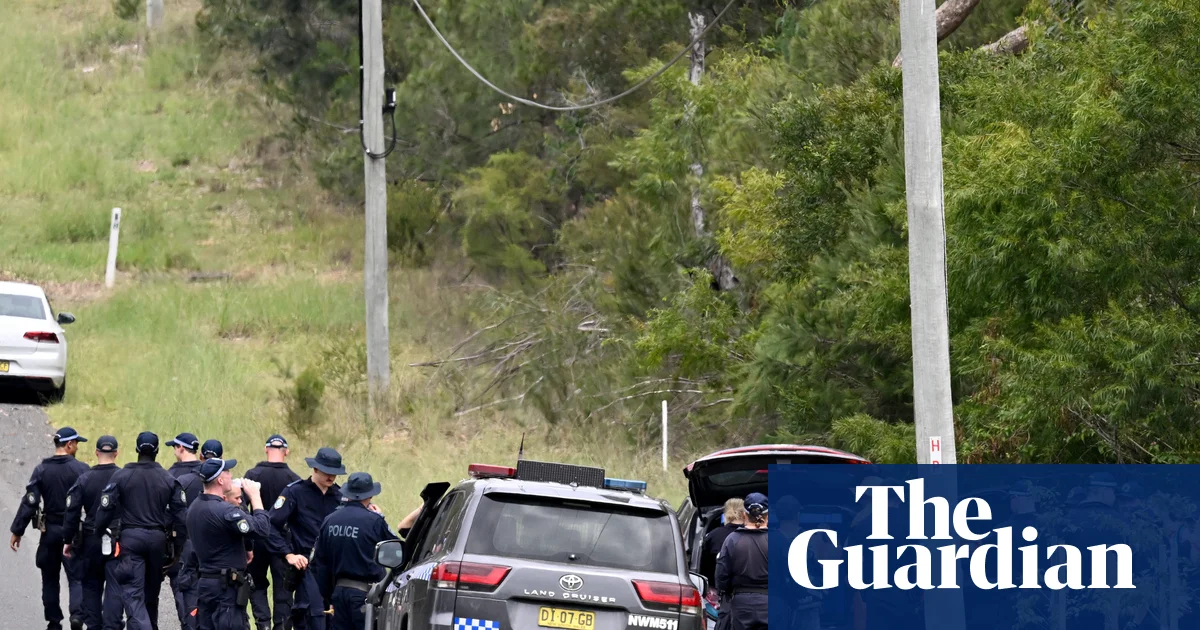
The recent developments in Australia have captured international attention, not just for the tragic human loss but for what it signifies amidst a landscape of geopolitical uncertainty. The case involves the shocking discovery of presumed human remains on the outskirts of Sydney, linked to the senseless kidnapping and probable homicide of an 85-year-old man, Chris Baghsarian. What initially appeared as a local criminal act has now morphed into a reflection of broader societal chaos, with security and law enforcement agencies across the globe watching closely.

This incident underscores the importance of strong national security policies in an era marked by unstable regional dynamics. The mistaken kidnapping, involving elements of organized crime connected to a Sydney crime family, raises questions about the fragility of law and order within developed nations. International analysts argue that localized acts of violence, if left unchecked, can serve as catalysts for broader social destabilization. The incident’s connection to a family linked to organized crime further highlights how societal fractures in even the most stable democracies can be exploited by criminal syndicates.

From a geopolitical perspective, this domestic turmoil occurs against a backdrop of shifting global alliances and regional tensions. The United States and China are engaged in a battle for influence, with regional stability in Asia-Pacific a key battleground. Such events in Australia could be exploited by adversaries seeking to undermine the perceived stability of allied nations. Experts warn that chaos within a vital ally like Australia might weaken its capacity to act as a counterbalance to China’s strategic ambitions in the Indo-Pacific, thereby affecting regional and global security.

Historic commentators and international watchdogs emphasize the importance of swift, decisive action to contain such threats, warning that domestic instability can serve as a pretext for foreign intervention or influence. The Global Crime and Security Forum recently issued a statement urging nations to bolster internal security frameworks, citing incidents like this as warning signs of potential vulnerabilities. As Sydney navigates through the fallout, the incident becomes a stark reminder that societal resilience hinges on the strength of institutions and a unified social fabric. The unfolding crisis in this island continent is a reflection of how interconnected our world truly is; a rupture in one society can ripple across borders, altering the course of history. As history continues to be written in these troubled times, the question remains: will nations rise to the challenge of defending not just their borders but the very social bonds that hold civilization together? Or will internal discord accelerate into a new chapter of international chaos, with all eyes turned toward Sydney’s darkening horizon?

Evidence Connects Sydney Kidnap Victim Chris Baghsarian, 85, to Burned Car as Search Persists

Embattled Australia Faces a Crisis with Broader Geopolitical Implications

In an unsettling turn of events, Australia is reeling after the kidnapping of 85-year-old Chris Baghsarian in what authorities believe to be a case of mistaken identity. The case, unfolding in the suburban landscapes of Sydney, has exposed more than just a personal tragedy; it underscores ongoing issues of criminality, law enforcement challenges, and the societal fractures that threaten to destabilize the nation. For over a week, forensic investigations have linked evidence from a burnt-out vehicle to a remote bushland area, where the elderly man had been held hostage, raising questions about the depth of organized crime infiltrating local communities.

While police have yet to confirm what precise evidence connects Baghsarian to the crime scene, authorities have indicated that a vehicle linked to the kidnapping was not entirely destroyed by fire, allowing forensic experts to establish crucial links. The fact that the car appeared in multiple locations, including Glenorie, suggests a calculated effort by the perpetrators to evade detection while highlighting how criminal networks exploit rural and suburban areas to hide illicit activities. It is a stark reminder that even a peaceful nation like Australia is vulnerable to covert operations that, if unchecked, could threaten its social fabric, especially as this case remains without a ransom demand or clear ties to organized underworld groups.

International Scope of Law Enforcement Struggles and Political Ramifications

Global analysts and criminal experts warn that Australia’s current predicament foreshadows a broader challenge faced by developed nations: the seepage of organized crime into civilian life, facilitated by weak borders, digital anonymity, and a lack of coordinated international strategies. The European Commission and Interpol have repeatedly emphasized that transnational crime syndicates now operate across borders with alarming agility, often turning local communities into battlegrounds. Analysts warn that if countries like Australia cannot enhance their investigative capabilities and international cooperation, their sovereignty and social order could be at grave risk.

The case also raises serious concerns about how decisions made in global and national policy impact societies at the grassroots level. The reluctance to openly confront criminal networks or implement comprehensive security reforms can embolden factions intent on destabilizing social trust. Furthermore, this incident exposes the limits of current law enforcement strategies, which are often hampered by bureaucratic hurdles, underfunding, or political hesitance, thereby enabling organized crooks to flourish in the shadows.

The Broader Geopolitical Impact and the Path Forward

This disturbing episode highlights a fragility that extends well beyond Australia. As international organizations like the United Nations and regional alliances grapple with the escalation of crime, terrorism, and illicit trade, the need for a fortified, coordinated approach becomes increasingly evident. Australia’s internal security failures could serve as a warning sign to other nations, prompting urgent calls for policies that prioritize border security, intelligence sharing, and community resilience. The ripple effects may well influence diplomatic relations, trade policies, and regional stability, especially if criminal enterprises find fertile ground in these nations’ social and political vulnerabilities.

Historians and security analysts warn that crises such as the Baghsarian kidnapping are chapters in a larger narrative of societal decline driven by unchecked criminal ambition and international neglect. As the authorities continue their search in the rugged Australian bush, the nation stands at a crossroads: either strengthen its defenses against insidious threats or risk surrendering its sovereignty to organized chaos. In the shadows, unseen forces watch, analyze, and adapt—leaving the final pages of this unfolding story unwritten but undeniably impactful, echoing across the corridors of power and history alike.

Man arrested after stabbing in western Sydney leaves one dead, two critically injured

Emerging Security Concerns in Australia: A Reflection of Societal Underbelly

In the heart of Australia, a tragic incident has underscored the persistent issues of societal unrest and internal security threats. A man is in police custody after stabbing three individuals near a train station in Merrylands, a suburb of western Sydney. The attack resulted in one death and two critically injured victims, raising troubling questions about community safety and mental health. Authorities swiftly responded, and within moments, managed to apprehend the suspect on Smythe Street. This incident, while localized, echoes broader concerns about social fragmentation and security risks that are beginning to affect developed nations globally.

While the incident appears isolated, analysts argue that such acts of violence are symptomatic of deeper fissures within society—fissures that, if left unchecked, could exacerbate national insecurity. Some security experts warn that the rise in unpredictable violence could undermine public confidence in law enforcement and strain social cohesion. As Australia grapples with internal challenges, the incident raises profound questions about resilience, social policy, and the capacity of Western democracies to protect their citizens. How nations respond to these tragedies can shape their social fabric for generations, a point emphasized by international security think tanks.

Global Implications: Connecting Local Violence to a Broader Geopolitical Canvas

Such outbreaks of violence, while seemingly confined, have global repercussions. In an era where international stability depends on internal cohesion, the European Union, United States, and China watch incidents like this with keen interest. Historians and analysts highlight that domestic disturbances can weaken a country’s soft power, making its geopolitical stance more vulnerable. As international organizations like the UN reiterate the importance of social stability, the ripple effects of violence in Australia underscore the essential need for comprehensive internal security strategies aligned with national interests.

Furthermore, the incident amplifies concerns over how decisions made within global power corridors impact internal security policies in nations worldwide. Australia’s internal security policies, including community policing and mental health initiatives, are now under increased scrutiny, with some observers warning of the dangers of underfunding social safety nets. The shift in policy directions could resonate beyond Australia, influencing security frameworks elsewhere, particularly in regions vulnerable to internal dissent and violence.

Looking Ahead: The Weight of History and Societal Transformation

As the world observes and reacts to such tragedies, the question remains: how will societies adapt and evolve? The incident in Merrylands is more than a local tragedy; it is a stark reminder of a larger turning point in global security and societal resilience. Historians warn that the path nations choose in response to internal crises will define future generations. Will governments strengthen social cohesion or succumb to division? Will policymakers prioritize mental health and social safety, or neglect these issues in favor of superficial measures?

In this unfolding narrative, Australia’s ordeal becomes a symbol of the fragile boundary between order and chaos. The decisions made in the coming weeks will determine if this violence remains an isolated incident or a sign of something far more troubling brewing beneath the surface. As history continues to turn, the weight of unresolved societal tensions hangs heavy, threatening to reshape the geopolitical landscape in ways yet to be fully understood.

E-bike injuries double at Sydney hospital—youth face rising risk of serious crashes

Australia Confronts E-bike Injury Surge: A Growing Threat to Society and Public Health

Amidst a global push towards sustainable urban transportation, Australia finds itself grappling with a troubling rise in e-bike related injuries, highlighting the complex challenges of innovation in modern cities. Recent data from St Vincent’s Hospital in Sydney reveals a staggering doubling of serious e-bike injuries in 2025 compared to the previous year, with a 350% increase since 2023. This statistic underscores a critical international issue—the unintended consequences that accompany technological adaptation. With over 200 cases requiring trauma response and nearly half necessitating surgical intervention, the aftermath paints a stark picture of how fast-paced, and sometimes reckless, adoption of new transport modes can destabilize societal safety nets.

This surge in injuries raises broader geopolitical and policy questions. The Australian government’s 2021 relaxation of import standards—aimed at encouraging cleaner transportation—accidentally facilitated the influx of illegal modifications and overpowered e-bikes, which now dominate accidents statistics. The recent re-tightening of standards in late 2025—restricting motors to 25 km/h and 250 watts—reflects a reactive step, yet the damage has been done. Analysts suggest that the unintended consequence of such policies might be a rise in emergency hospitalizations, especially when considering the illegal modifications making bikes faster and more dangerous. This phenomenon highlights how policy shifts can create societal ripple effects, necessitating more balanced, preventative approaches that prioritize safety over pushy innovation.

The international community and public health experts warn that Australia’s experience may soon mirror an emerging global crisis. Countries like Queensland report similar injury increases, with preliminary police data indicating four fatalities in 2025. Global organizations such as the World Health Organization have already flagged the rapid uptick in e-bike injuries as a potential health emergency. The surge predominantly affects young adults in their 30s, with reports suggesting an increasing incidence among younger populations. Experts caution that the dangers are amplified at night and under the influence of alcohol or drugs, making the injuries more severe and difficult to prevent. Such patterns threaten to strain healthcare systems worldwide and challenge the priorities of urban planners, law enforcement, and public health officials who must now address the fallout from ill-regulated e-bike proliferation.

As nations try to balance the benefits of eco-friendly mobility with public safety, the weight of history looms large. The urgent need for international cooperation, stricter safety standards, and public awareness campaigns is no longer optional—it is a matter of societal survival. The escalating toll serves as a sobering warning of how rapid technological changes, when left unchecked, can spiral into crises that threaten to unravel the social fabric. As cities and countries face the consequences of their choices, the story of e-bikes in Australia—yet again—becomes a narrative about the very limits of progress and the unyielding weight of history still unfolding on the streets of the future.

Australian Politics: Israeli President Visits Sydney; Ley Boosts Support Amid Coalition Reboot

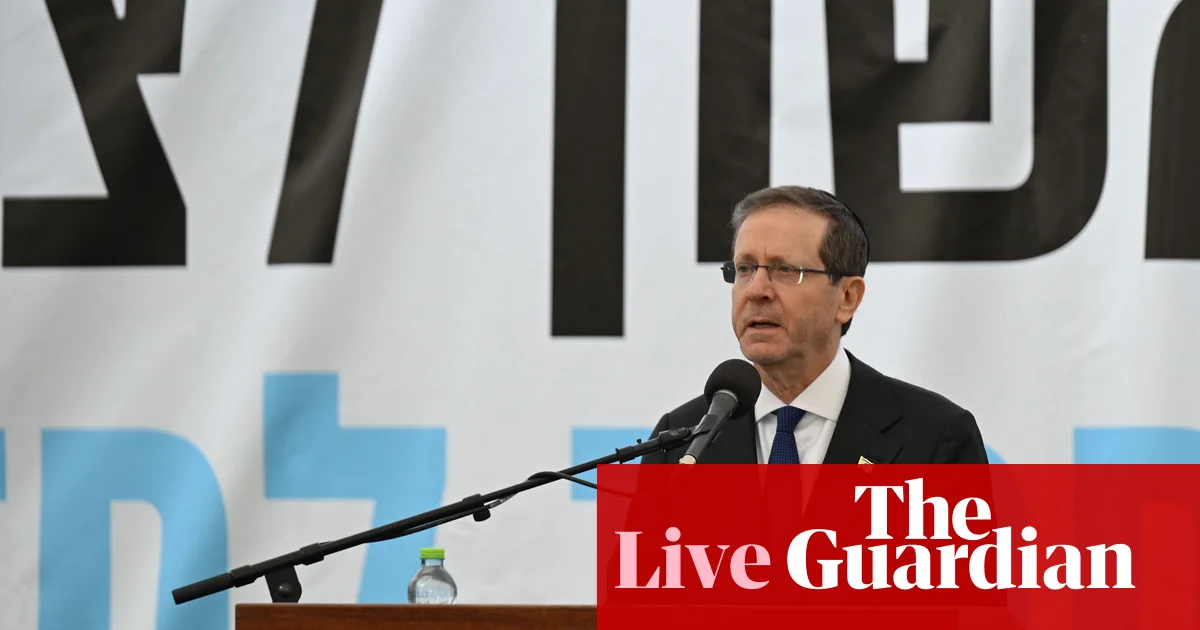
In a climate marked by mounting international conflicts and shifting alliances, recent events highlight the profound geopolitical impact that decisions on the global stage are exerting on nations and societies worldwide. Israeli President Isaac Herzog‘s arrival in Sydney underscores both diplomatic outreach and the contentious atmosphere surrounding Israel’s latest regional and international engagements. His visit aims to address survivors of the Bondi terror attack but has ignited a wave of protests and legal challenges, exemplifying the deep divisions that recent international lines of conflict have fostered.

  • Herzog’s four-day tour includes meetings with Australian officials and gatherings with local communities, emphasizing Israel’s intent to bolster its international relations amid ongoing tensions.
  • Controversy has erupted globally—demonstrations and legal disputes threaten to overshadow diplomatic efforts, reflecting how decisions made by leaders influence societal perceptions and domestic harmony.
  • Within Australia, the political landscape is also turbulent, with the ruling Labor government navigating its own internal and external challenges—highlighted by recent defense pacts with Indonesia and consequential shifts in foreign policy focus.

Analysts like Dr. Miriam Cohen from the International Institute of Geopolitical Studies suggest that Herzog’s Australian visit is more than ceremonial; it is a strategic move amidst broader regional destabilization. Meanwhile, domestic politics are shadowed by electoral despair, with the Coalition facing dire polling results—an 18% primary vote—embodying a broader decline in conservative influence. This collapse indicates not just a political crisis but a societal one, where citizens’ disillusionment is fueled by perceived internal disunity and policymaking.

Back home, Australia’s political arena mirrors global chaos. The Liberal-National coalition’s recent reunification comes amidst a wave of internal splitting and leadership speculation. Sussan Ley and David Littleproud are under pressure to craft a resonant message that can reverse dwindling fortunes, but polling indicates they remain in an increasingly untenable position. As former officials like Jane Hume articulate, a need for a comprehensive reset looms—a phrase that echoes across many nations facing political drift. Historians warn that such internal instability can have *long-term ramifications* on the societal fabric.

Simultaneously, the ongoing debate over Herzog’s visit exemplifies the complex intersection of international diplomacy and domestic activism. The anticipated protests and court challenges highlight how policy decisions echo within communities, often igniting fierce debates about morality, sovereignty, and national identity. These protests aren’t mere disruptions; they are visceral symbols of society’s struggle to reconcile international realities with domestic values, marking a moment in history where global conflict isn’t just a matter of policy but an intensely personal battleground.

As the world stands at this multipolar crossroads, the weight of history presses down—each diplomatic gesture, each political maneuver, shaping the future amidst uncertainty. Will nations find common ground in this storm, or will internal discord turn to open conflict? The answers remain unwritten, but the unfolding story of international alliances, domestic upheaval, and international conflicts continues to cast its shadow. The stage is set for a tense chapter of history—one where the choices of today could determine the destiny of nations and the very fabric of global society.

Social Media Auto Publish Powered By : XYZScripts.com