Matox News

Truth Over Trends, always!

Qantas Unveils Game-Changing Ultra-Long-Range Airbus for Non-Stop Sydney to London & New York Flights

The global landscape of aviation and international connectivity is on the brink of a transformative shift, driven by the ambitious plans of Qantas and the ongoing evolution of aerospace technology. The Australian airline recently unveiled the first images of its next-generation aircraft, an Airbus A350-1000ULR, which is set to revolutionize long-haul travel by enabling non-stop flights from Sydney to London and New York starting in 2027. This development signifies more than just a new type of aircraft; it symbolizes a strategic move by Qantas to establish dominant global routes, reduce travel times, and secure competitive advantages in the fierce international aviation market. Such advancements, while promising for travelers, have wide-ranging implications for geopolitics, economic influence, and societal change.

In crafting this ultra-long-haul flight network, Qantas is positioning itself to challenge existing transcontinental aviation standards, with the aircraft scheduled for test flights in 2026 at Airbus’s Toulouse assembly line. The airline has ordered a dozen of these aircraft as part of its Project Sunrise, a strategic initiative aimed at connecting Australia directly to global hubs, bypassing traditional stopover points.

  • These non-stop flights will cut travel times up to four hours, significantly altering international mobility and opening new avenues for global commerce, tourism, and cultural exchange.

While some analysts, such as those at the International Air Transport Association, highlight the benefits of reduced travel time, critics warn that this acceleration of global connectivity could deepen geopolitical tensions and economic disparities. The dominance of Australia in long-haul aviation might diminish reliance on transcontinental hubs in Asia or the Middle East, impacting regional influence and shifting international power balances.

Beyond the technological and economic implications, these developments further underscore how decisions made by multinational corporations like Qantas impact societies worldwide. The push for faster, more direct routes exemplifies a growing trend towards minimizing geographical barriers, which, according to historians specializing in globalization, could lead to a new era of interconnectedness—yet also exacerbate existing inequalities. The emphasis on efficient global travel aligns with broader geopolitical strategies that favor the free flow of capital and people, often at the expense of local industries and national sovereignty. International organizations such as the World Trade Organization have noted that such advancements may foster economic growth but also pose challenges for labor markets, especially in regions less equipped to adapt to rapid technological shifts.

As the world hurtles toward an era where the boundaries of distance are continually compressed, the weight of history presses ever more heavily. The unfolding story of Qantas’s bold leap into ultra-long-haul aviation is not just about advancements in flight; it is a reflection of an era where technological progress and geopolitical ambitions intertwine, shaping the future of global society. Whether these developments herald a new age of prosperity or deepen divisions remains to be seen. What is certain, however, is that the decisions now being made will echo through history, for better or worse, as the world watches with bated breath—an unfolding saga where every mile traveled is a step further into a future yet unknown.

Pro-Israel Activist Files Suit Against Sydney Restaurant Over Shunning and Vilification Following News Corp Stunt

Global Power Struggles and the Ripple Effect of a Sydney Restaurant Incident

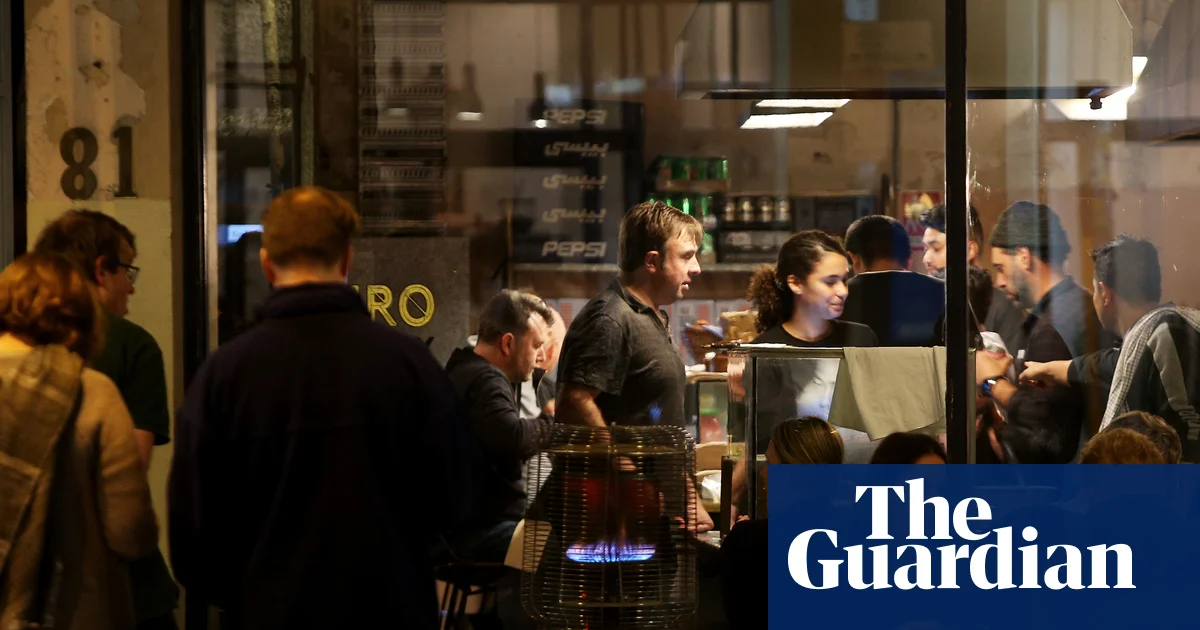
In an era marked by intensifying geopolitical tensions, a recent controversy in Australia showcases how local disputes can mirror and magnify global conflicts. The incident at Cairo Takeaway, a popular Sydney restaurant, began with an undercover journalist’s attempt to explore societal divisions through a masked visit. Clad in pro-Israel symbols amidst increasing Palestinian-Israeli conflicts, the visit became a flashpoint, igniting debates about media ethics, societal polarization, and international politics. As Australia grapples with its own issues of multicultural integration and political discourse, this affair exposes the profound influence of global conflict narratives on local communities.

The Incident and Its International Repercussions

The controversy revolves around Ofir Birenbaum, a pro-Israel activist who visited Cairo Takeaway dressed with symbols of Jewish identity. His visit, intended as a journalistic exploration of rising antisemitism, was carried out covertly with reporters from a major Sydney newspaper. The operation was initially dubbed “undercover Jew,” reflecting an alarming trend toward disguised journalism that raises serious questions about media responsibility. The restaurant’s subsequent social media posts claimed Birenbaum provoked a confrontation, implying that he verbally taunted staff with accusations of antisemitism and created an unsafe environment. However, these claims were later retracted, revealing a narrative heavily influenced by heightened regional conflicts and emotional reactions.

The incident quickly escalated, with Birenbaum launching defamation proceedings against the restaurant and its staff. Legal documents obtained by international outlets reveal a starkly different version of events from the restaurant’s initial social media claims. Critics warn that such misrepresentations risk inflaming societal divisions, especially amid the current rise in international tensions over Palestinian and Israeli pursuits, which many analysts say have become a proxy battleground for broader ideological struggles involving Western and Middle Eastern powers. The case exemplifies how media narratives in local contexts can influence international perceptions, especially when amplified by social media and sensational reporting.

Geopolitical Consequences and Societal Ramifications

As the United Nations and regional alliances such as the Arab League and European Union scrutinize the fallout, experts argue this incident underscores the fragility of multicultural societies facing external conflicts. Historians like Dr. Lisa Friedman warn that the escalation of emotional tensions over Israel and Palestine can destabilize community cohesion in diasporic populations. International organizations are increasingly concerned that misrepresentations and inflammatory media coverage can fuel divisiveness and extremism, undermining social solidarity and fostering political radicalization.

Analysis by geopolitical think tanks suggests that such localized controversies serve as microcosms of broader power struggles. Governments and political actors view these incidents as an opportunity to sway public opinion and reinforce ideological narratives, whether through diplomatic channels or wartime rhetoric. The case, therefore, is emblematic of a larger pattern: how the politics of identity and religion in local communities are deeply intertwined with and manipulated by global geopolitical agendas.

As history continues to unfold, this Sydney incident is more than a mere dispute over social media posts; it is a testament to an era where conflicts are no longer confined within borders but are woven into the fabric of daily life, shaping societies and policy on a fundamental level. The decisions made today—whether about media ethics, diplomatic relations, or social cohesion—will resonate for generations. The weight of history hangs heavily in the balance, as the world watches how these stories of division and unity ultimately unfold amidst a rapidly shifting geopolitical landscape.

’Kill crew’ reportedly threatened Sydney woman with photos before her murder, police reveal

In a stark reminder that organized crime continues to specialize in brutality and international connectivity, Australia has witnessed a violent and high-profile incident involving a local crime syndicate. According to police investigations, a gruesome murder in suburban Sydney has not only shocked the nation but also raised significant questions about the reach and influence of transnational criminal groups. Three men, who police allege were “guns for hire,” have been charged with the execution-style killing of 45-year-old Thi Kim Tran, found murdered in a burnt-out SUV. This case exemplifies how local criminal enterprises may serve as nodes in the larger web of global illicit networks, impacting national security and societal stability.

The events leading to Tran’s death illuminate a much broader phenomenon: the intertwining of organized crime and international drug trafficking, with some analysts suggesting this incident signals an alarming escalation in criminal violence fueled by potent drug markets. Police allege that the killers, aged 20 to 32, operated as mercenaries, purchasing “kill kits” and procuring clothing to disguise their operations — an indication of a highly organized and well-funded syndicate. Furthermore, investigators have traced these men to connections with criminal groups based in Victoria, involved in theft and drug distribution. The remarkable aspect of this case lies in the suspected high-level ordering—whether from inside Australia or abroad—highlighting an ongoing struggle for sovereignty in the face of transnational criminal influence. The international ramifications are undeniable: such evidence points to illegal operations that could be linked to global drug cartels, with potential repercussions for law enforcement cooperation across borders.

Experts and international organizations, including INTERPOL, warn that this type of violence underscores how criminal organisations are increasingly adopting sophisticated methods that threaten both domestic order and international security. The Australian case has echoes of patterns observed in other parts of the world, where the convergence of organized crime and political or economic interests creates a complex web of influence. The incident also underscores the importance of robust border controls and international data-sharing agreements, as nations grapple with the ways in which illicit activities can seep across borders in the digital age. The case has prompted calls from analysts for increased cooperation and resource allocation to confront these transnational threats, which, if unchecked, could destabilize entire regions.

As the weight of this unfolding story bears down, history reminds us that such violence and crime are not isolated but symptomatic of broader geopolitical shifts. The rise of well-armed, well-funded criminal factions challenges the very fabric of national sovereignty, where cities like Sydney serve as battlegrounds for a clandestine war that refuses to be contained. The arrest of the alleged killers and the ongoing investigation reveal only a fraction of a larger puzzle: a struggle for control over resources, influence, and territory on a scale that transcends borders. In the shadow of this dark episode looms the question: how long before these acts of violence spill into international corridors, threatening peace and security on a broader canvas? History yet again beckons us to watch closely, for in these dark narratives lie the seeds of future upheaval—an enduring reminder that the fight against transnational crime is a pivotal chapter in the ongoing saga of global stability.

Sydney braces for fierce heat as record temperatures shift east and powerful winds threaten southern Australia

The Rising Temperatures and Political Stakes in the Age of Climate Crisis

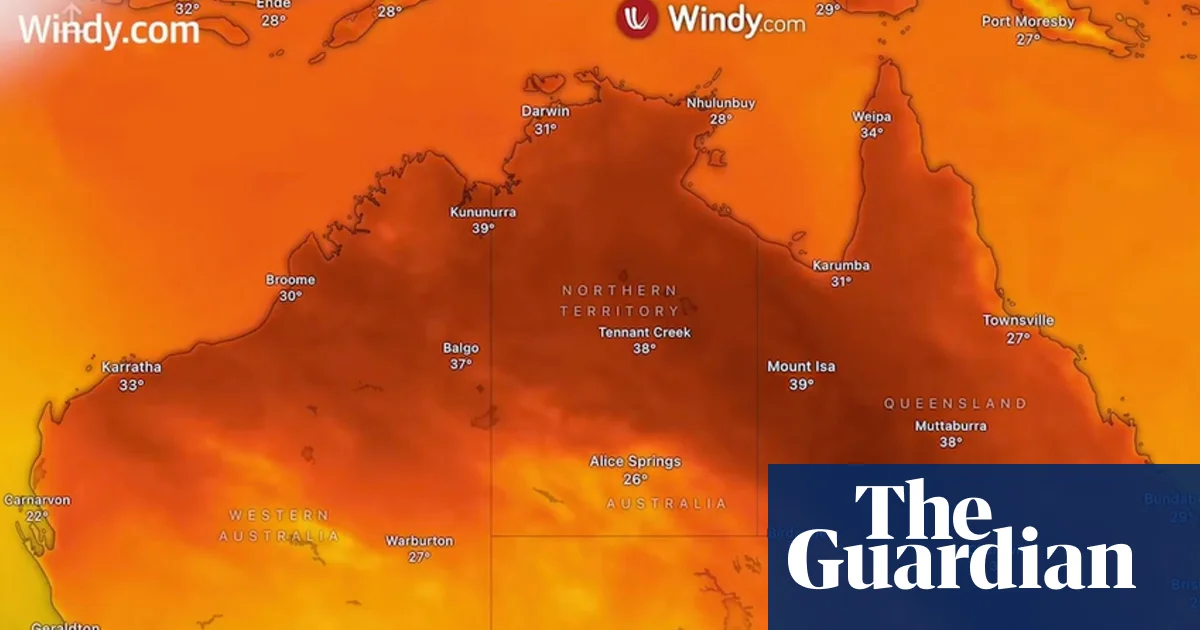
As the weather patterns across Australia reach unprecedented heights, the underlying message for the international community becomes clear: climate change is accelerating, and its geopolitical impact is profound and far-reaching. Recent reports from the Bureau of Meteorology reveal that both New South Wales and Queensland set records for their hottest October temperatures, with Birdsville in outback Queensland reaching 46.1°C and Bourke in NSW hitting 44.8°C. These extreme heatwaves reflect a disturbing trend that, according to climate analysts, is largely driven by human activity and the ongoing climate crisis.

The impact is not contained to environmental implications alone; it also bears heavily on political stability, resource management, and global reputation. Australia’s climate crisis has ignited intense debates among policymakers and environmental groups alike. As prime minister of Australia, Anthony Albanese, faces mounting pressure to implement more aggressive climate policies, international observers watch with concern that insufficient action could undermine the nation’s global standing and economic resilience. Historians warn that this era could be remembered as a pivotal point where inaction may have cost entire communities their livelihoods, especially vulnerable rural towns like Birdsville where heatwaves are becoming the new normal.

Disaster on the Horizon: Extreme Weather Spurs International Response

Simultaneously, severe weather warnings across Victoria, South Australia, and along the Australian coast underscore the growing risk of natural disasters. Widespread strong winds—up to 130 km/h— and raging bushfires reported by the NSW Rural Fire Service highlight the dangerous cascading effects of climate change—drought, heatwaves, and destructive winds—often intersecting into a perfect storm of environmental and societal crises. These developments heighten the warning issued by climate experts that borderless phenomena require the global community to intensify cooperation, sharing resources and technology to adapt and mitigate.

This global challenge transcends Australia. Regions from the United States to India are witnessing record-breaking heat and supercharged storm systems. International organizations, such as the United Nations and Intergovernmental Panel on Climate Change (IPCC), emphasize that these patterns are no longer isolated incidents but part of a grim trend that demands urgent policy shifts. Some analysts warn that failure to address these problems could destabilize regional economies, trigger displacement, and spur international conflict over scarce resources, namely water and arable land.

Decisions That Define the Future

The recent climate events serve as a stark reminder that international cooperation and national leadership must evolve in tandem if humanity is to navigate this crisis. Countries must confront their responsibilities; for Australia, this means not only reducing emissions but also preparing societies for the unavoidable consequences of climate extremes. Likewise, global leaders face a choice: continue on a path of short-term economic gains at the expense of environmental stability or embrace bold reforms that will safeguard future generations.

As climate scientists warn that the current trajectory could lead to irreversible damage, the decisions made in the coming years will be etched into history. The world stands at a turning point—one where climate resilience, geopolitical stability, and social cohesion hang in the balance. The ongoing narrative is still being written, yet the warning signs are unmistakable: history’s true test lies ahead, demanding leadership and willpower amid an unfolding era of climate upheaval.

Sydney gay nightclub apologizes after backlash over ‘Pink Pony’ name referencing hit lesbian pop song

Shifting Cultural Norms and Their Broader Geopolitical Impact

In recent times, societies around the world have witnessed profound shifts in cultural norms, reflecting an ongoing debate over identity, community, and tolerance. A striking example emerges from Sydney, where a newly launched LGBTQ+ nightclub faced backlash over its choice of name and target demographic. The venue, initially dubbed “Pink Pony“, aimed to create a safe space for young gay men but soon encountered criticism, prompting the owners to withdraw the name and issue a heartfelt apology. This controversy underscores not merely a local cultural clash but exemplifies how internal debates within societies can ripple outward, influencing the global narrative on social cohesion and national identity.

This incident is more than a local or even national concern; it signals a deeper underlying tension about how nations navigate with evolving social standards and the expectations of their communities. Critics argue that the name “Pink Pony” and the specified audience reflect a broader tendency towards identity politicization that some perceive as divisive. International organizations such as the United Nations and various human rights bodies have long debated the balance between protecting individual freedoms and maintaining societal cohesion—an issue at the core of this controversy. As nations grapple with this tension, their external diplomatic posture often becomes entangled in internal social dynamics, impacting regional stability and diplomatic relations.

Historian and geopolitical analyst Dr. John Reynolds highlights that such cultural conflicts have a direct impact on geopolitical stability. He asserts that when societies are torn between traditional values and progressive ideologies, the resulting discord can influence international alliances and trade policies. Moreover, Australia’s position in the Indo-Pacific region, often seen as a Western-leaning democracy, is now under scrutiny for how it manages these social debates publicly. Countries like China and Russia observe such internal debates, often leveraging them to criticize Western liberalism, which they argue fosters social fragmentation. This, in turn, influences the global power dynamic, where cultural values are increasingly becoming a facet of geopolitical rivalry.

Furthermore, the controversy surrounding the Sydney nightclub offers a lens into how decision-making processes at the community level can serve as microcosms of larger international trends. The owners’ attempt to define a “preferred clientele” raises questions about free association and discrimination laws, which vary by jurisdiction but are often rooted in the broader framework of international human rights standards. The Australian Human Rights Commission has maintained that discrimination based on gender identity or sexual orientation must be carefully balanced against anti-discrimination laws. Such legal debates reflect broader tensions in many democracies: how to uphold individual rights without encouraging exclusion or marginalization. As the debate continues, it reveals underlying issues of societal values, national sovereignty, and the role of law in fostering social harmony or division.

In the unfolding story of cultural change, history reminds us of the profound outcomes that can emerge from seemingly localized conflicts. The Pink Pony incident underscores the critical importance of both societal introspection and international dialogue as nations forge their paths through social evolution. Like a volatile geopolitical chessboard, where each move echoes beyond national borders, society’s choices today shape the very fabric of future history. As this story continues to unfold, it leaves us with a poignant reminder: in the theater of global politics, the stage of cultural identity is perhaps the most unpredictable and consequential arena of all. The weight of history still presses forward, silent but inexorable, shaping the world that we inherit and pass on—an uncertain future amid the moral and social upheaval of the present.

University of Sydney Blocks International Student Enrollment Increase for Next Year

In a clear reflection of shifting geopolitical priorities and internal policy struggles, Australia has announced it will not expand its international student intake for the year 2026. Despite its reputation as a global educational hub, the country’s plan to allocate 295,000 new places, after the failed attempt to impose a cap at 270,000, now signals a calculated move amidst mounting internal debates and international competition. This decision highlights a strategic recalibration—one that navigates the complex intersection of economic benefits, domestic social pressures, and international influence.

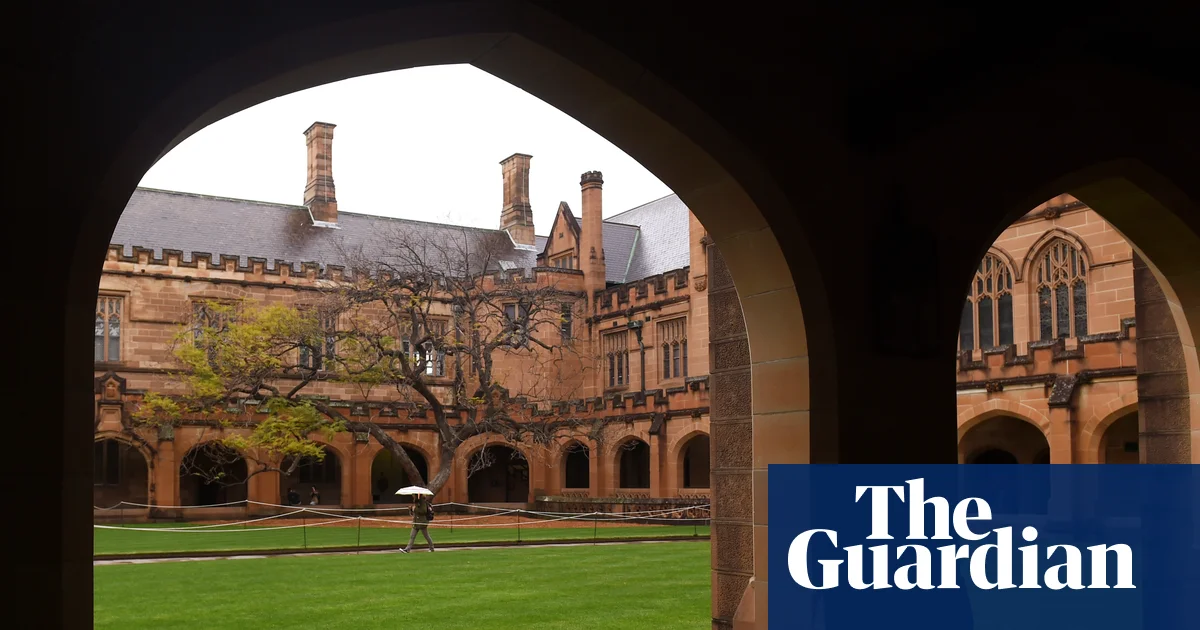
Notably, the University of Sydney, which retains the title of Australia’s leading institution for international students with 11,900 enrolments, was bypassed in the allocation process, receiving no additional places. The government’s reasoning underscores the importance of market diversification, assessing universities on their engagement with South-East Asia—a region of rising geopolitical significance. The emphasis on regional focus aligns with Australia’s broader goal of bolstering its influence amid the escalating strategic rivalry with China, India, and other emerging powers. Analysts warn that this tightened control could serve to channel international educational efforts towards more “trustworthy” alliances, effectively politicizing the sector as part of a larger diplomatic chess game.

International organizations and independent analysts continue to scrutinize the broader implications. Many point out that the controversy surrounding international students is more than academic—it’s a proxy for national identity, sovereignty, and economic sovereignty. Critics argue that the narrative linking international students to housing pressures is often exaggerated, with some studies indicating negligible impact on rental markets. Nevertheless, the government has responded by promising incentives for universities investing in student accommodation, signaling a shift towards embedding security and control in Australia’s educational diplomacy. This approach mirrors a wider global trend—nations consolidating borders and influence in response to an increasingly unpredictable international environment.

Such moves ripple well beyond the classroom. Monash University and regional institutions like Charles Sturt and Federation University are now seen as part of a broader strategy to foster regional resilience and resourceful adaptation. As the international landscape shifts, the impact on global influence and societal cohesion becomes more pronounced—shaping perceptions of national strength and cultural identity. According to prominent historians and policy analysts, these policies could be viewed as attempts to orchestrate a narrative of resilience amid the chaos, but they also risk entrenching divisions and fueling international tensions.

As Australia forges ahead, the stakes remain high. The decision not to expand international student numbers is a reflection of a wider, more pressing reality: the global order is in flux, and nations must redefine their roles on the world stage. As history continues to unfold, the coming years will reveal whether these calculated moves will fortify Australia’s position or deepen its vulnerabilities. In a world where educational diplomacy is increasingly intertwined with geopolitical strategy, the narrative remains unwritten—one where the weight of history presses heavily upon the decisions made today, shaping the future for generations to come.

Social Media Auto Publish Powered By : XYZScripts.com