Matox News

Truth Over Trends, always!

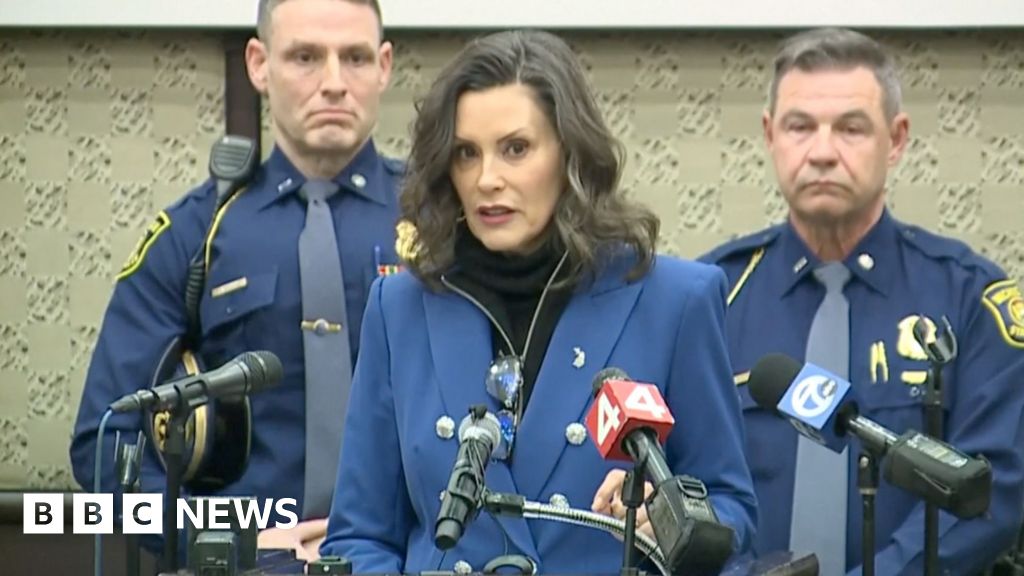
Michigan synagogue attack a clear act of hate, warns governor

In what experts are calling a disturbing escalation of domestic violence, authorities in the United States have officially classified a recent incident as a “targeted act of violence against the Jewish community”. The FBI’s investigation underscores the ongoing challenges faced by minority communities within national borders, yet the motive behind this attack remains elusive, leaving many to question the underlying societal tensions that continue to threaten social cohesion in Western democracies.

From a geopolitical perspective, such acts of targeted violence trigger a ripple effect that extends far beyond national borders, fueling concern in Israel, European Union, and allied nations. Many analysts argue this incident is symptomatic of a rising tide of anti-Semitism and political extremism, fueled by a volatile global climate of misinformation, radical rhetoric, and socio-economic upheaval. International organizations like the United Nations and European Parliament have continually warned that domestic terror tactics threaten the ideological stability of multicultural societies and can destabilize geopolitical alliances.

Historian and geopolitical analyst Dr. Edward Marks emphasizes that such violence acts as a catalyst for destabilization, often prompting international scrutiny and diplomatic tensions that complicate efforts for global cooperation. The incident exemplifies the fragile nature of social trust within liberal democracies, where internal divisions can ignite wider conflicts if not addressed decisively. Meanwhile, critics are drawing parallels to similar episodes in Europe and elsewhere, where rhetoric aligning with anti-establishment and nationalist movements has created fertile ground for hate crimes. The FBI’s cautious stance—avoiding immediate attribution of motives—reflects the complexity of the threat, which is often intertwined with broader geopolitical shifts and the resurgence of ideological extremism worldwide.

As nations around the globe monitor the fallout, the decision-making networks facing this crisis are grappling with how best to contain and counteract these threats. The incident is viewed not merely as an isolate event but as part of a larger pattern of rising nationalist sentiments and ideological polarization. The international community is increasingly aware that these internal conflicts threaten the stability of alliances and international norms. As the United States grapples in its internal political arena, the echoes of this incident serve as a stark reminder that the fight against violence and hatred must be fought on numerous fronts, from law enforcement to educational reform and social policy.

Ultimately, this event leaves a profound question hanging in the air: how will nations respond to the mounting evidence that ideological extremism is a growing global threat? With history witnessing the devastating consequences of unchecked hatred and division, the decision to confront and address these issues decisively will shape the course of societal development for generations to come. As the world watches, the weight of history presses heavier, threatening to tilt the fragile balance of peace toward chaos if decisive action is not taken—reminding us that in the relentless march of history, the battle for societal stability is never truly over, and the next chapter remains unwritten.
Suspect killed after attempting deadly attack on Michigan synagogue

In a concerning development that underscores rising tensions worldwide, the FBI has announced that an incident occurring recently is under investigation as a targeted act of violence against the Jewish community. This move signals not only the gravity of the event but also highlights an escalation in attacks directed at religious and ethnic minorities across the globe. With political rhetoric and extremist ideologies fueling divisions, authorities now face the formidable challenge of safeguarding vulnerable populations amidst a shifting geopolitical landscape.

Historically, acts of violence against minority groups have often presaged broader societal fragmentation. Experts from international institutions, such as the United Nations, have repeatedly warned about the dangerous consequences of unchecked hate crimes, noting that such events often serve as catalysts for social upheaval. Analysts emphasize that movements driven by nationalist, supremacist, or divisive narratives tend to gain momentum during periods of political uncertainty, amplifying the threat of violence. The recent FBI statement underscores how, in the digital age, radicalization can rapidly manifest into dangerous acts, impacting diplomatic relations and domestic stability alike.

The geopolitical impact of these incidents extends beyond national borders. Countries that harbor large Jewish communities or are engaged in ongoing conflicts with extremist factions have become increasingly vulnerable to retaliatory violence and diplomatic tensions. The incident’s investigation may influence international relations, particularly if it connects with broader plots or extremist networks. As geopolitical analysts caution, when acts of terror strike minority communities, the repercussions ripple through diplomacy, security policies, and societal cohesion in multiple nations. This event comes at a time when many governments are reevaluating their counter-terrorism strategies amidst a backdrop of global instability and ideological conflict.

Through the lens of history, such episodes are reminders that the struggle over identity, security, and sovereignty is far from over. Prominent historians have noted that societies often grapple with these issues during moments of change, potentially marking turning points in national narratives. International organizations, meanwhile, stress the importance of unity in the face of division, urging countries to combat hate with resilience and strengthened cooperation. Yet, as events unfold, the shadow of history reminds us that the choices made today will shape the very fabric of future societies. As night falls on a fragile world, the weight of this unfolding saga leaves one question posed to all: how will nations rise to meet the tide of hatred, or succumb to it?

Suspect in Michigan synagogue attack shot dead by security—justice served

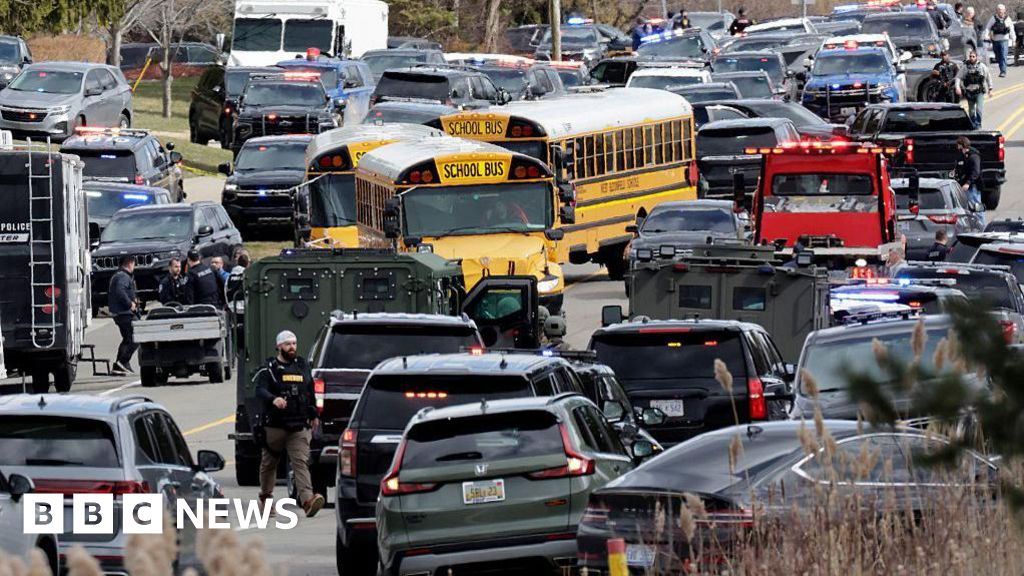
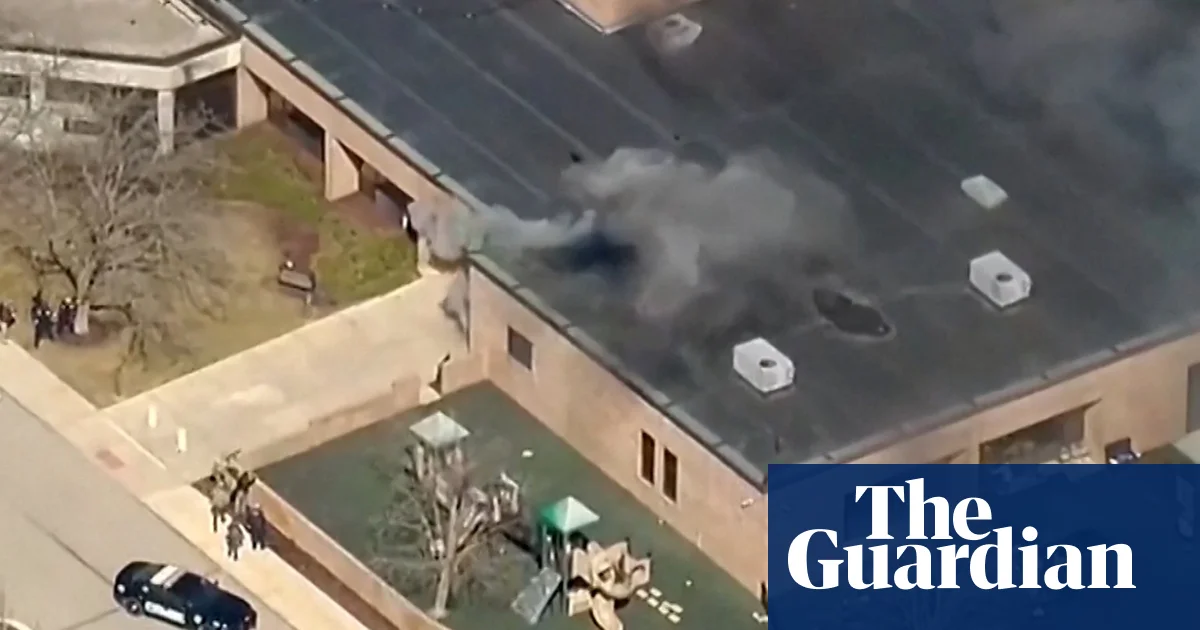
The recent attack at Temple Israel in West Bloomfield, Michigan underscores a growing concern over domestic threats catalyzed by wider geopolitical and ideological shifts. A man drove his vehicle into the synagogue, an act quickly neutralized by security personnel. While no fatalities occurred, the incident resulted in injuries and the discovery of explosives within the vehicle, prompting a swift law enforcement response. This event appears to be more than isolated violence; it is emblematic of escalating antisemitic rhetoric and targeted violence within vulnerable communities in the United States, raising alarms among international observers and policymakers about the stability of social cohesion amidst rising tensions.

Analysts note that incidents like this occur within a broader context of ideological polarization and radicalization fueled by global conflicts. The FBI’s presence at the scene and the deployment of bomb squads reflect the seriousness with which authorities are treating domestic terrorist threats. According to international security experts, such acts are often exacerbated by echo chambers online and political rhetoric that fosters division. The incident echoes a disturbing pattern highlighted by academics such as Dr. Laura Shepherd, who warns that “domestic extremism is increasingly intertwined with global narratives of conflict, turning localities into battlegrounds for ideological supremacy.”

The geopolitical impact of these tragedies extends beyond national borders. The United States, as a global leader, must grapple with how internal conflicts impact its international standing and security partnerships. The incident coincides with ongoing debates about security policies and the balance between civil liberties and national safety. Meanwhile, authoritarian regimes worldwide see such events as opportunities to discredit democratic systems—portraying them as fragile or incapable of maintaining law and order. The international community observes, in particular, the response of the United States in demonstrating resilience and commitment to protecting minority rights, a vital measure amidst a geopolitical climate rife with instability and conflict.

As officials and communities vigilantly respond to this attack, the core question remains: how will this event shape societal resilience in the face of rising domestic terrorism and ideological strife? History suggests that moments of crisis often serve as crucibles, testing national values and unity. The incident at Temple Israel could be a catalyst for renewed debate on security, social cohesion, and the role of international influence in shaping domestic ideology. How nations respond—by strengthening defenses, addressing root causes, or succumbing to division—will determine whether the fabric of pluralistic societies unravels or gains strength.

In the shadows of these unfolding events, history continues to write itself. The weight of collective memory presses heavily upon this moment—a reminder that the flames of intolerance can ignite with devastating speed, yet human resolve and international cooperation can forge pathways toward understanding and security. The distant echoes of past conflicts and the flashpoints of today merge in a reminder that the future remains unwritten, yet every decision holds the power to shape the course of history. As the world watches, it is crucial that this chapter not be defined by fear and division, but by courage and resolve—a legacy that, no matter how fragile, can be defended against the darkness that seeks to engulf it.

Manchester Synagogue Attack: Volunteer Among Injured, Society Must Stand Strong

Rising Hate Crimes and Society’s Response: The Role of Community Security in Protecting Our Future

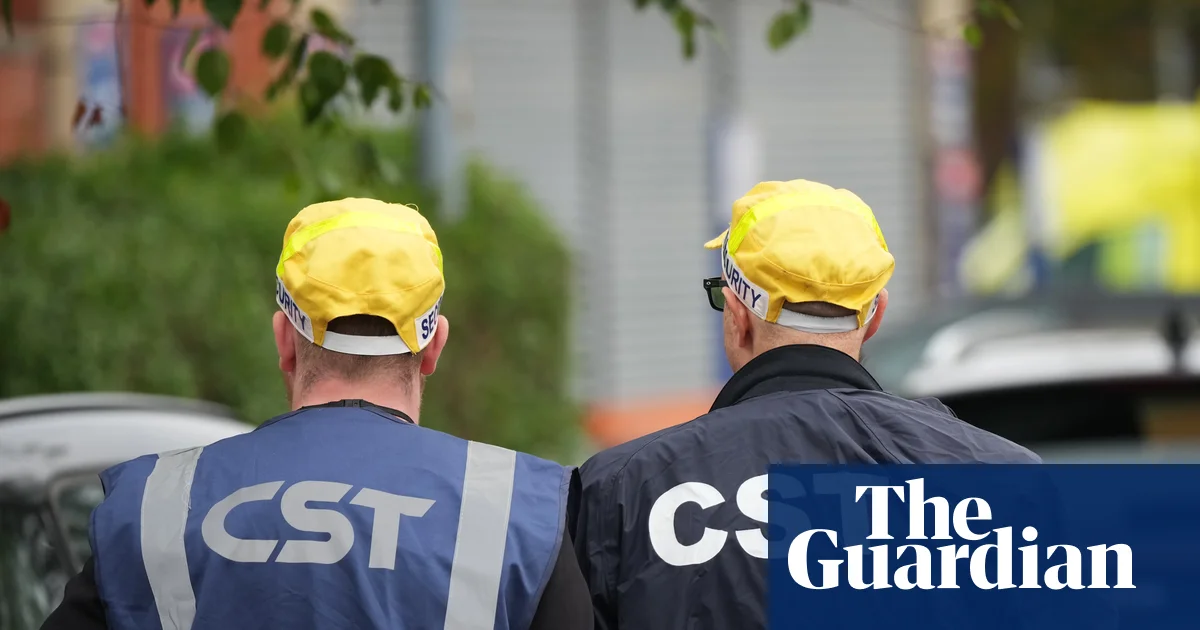
In recent years, the fabric of multicultural communities across the UK has been strained by a troubling surge in hate crimes, particularly targeting the Jewish population. The recent attack on a synagogue in Manchester, which resulted in severe injuries to a Community Security Trust (CST) volunteer, underscores the grave reality that some of our communities are facing. The CST, a pivotal community organization dedicated to monitoring and combating antisemitism since 1984, has become an essential line of defense, deploying extensive security measures to safeguard places of worship, schools, and communal spaces. The injuries sustained by one of its personnel, believed to be the most severe yet, reflect the dangerous escalation of violence and the importance of resilience in our social fabric.

This incident is not isolated but part of a disturbing trend that saw anti-Jewish hate crimes in the UK surge by over 100% in just a year—jumping from 1,543 to 3,282 reported incidents by March 2024, according to Home Office statistics. The CST’s own data indicated 1,521 antisemitic incidents in the first half of this year alone. These numbers expose a future where intolerance and hate threaten to undermine the societal cohesion necessary for families and communities to thrive. Sociologists like Dr. Samuel Abrams have pointed out that radicalization and societal fractures often manifest through such hate crimes, which target the emotional and physical safety of vulnerable communities, eroding trust and fostering division.

To counter this rising tide of hostility, organizations like the CST have stepped up their efforts, employing over 100 staff members and more than 2,000 trained volunteers. Their training spans from first aid to advanced security procedures, often working alongside private security firms funded by government grants—including an £18 million annual subsidy from the Home Office to protect sites ranging from nurseries to high-profile communal buildings. Beyond physical security, the CST dedicates resources to intelligence work, analyzing neo-Nazi and Islamist sources that fuel hate, and collaborating with wider anti-hate networks such as Tell Mama. This united front demonstrates a community-led resilience that refuses to be intimidated, emphasizing that the fight against hatred requires both vigilance and proactive policy measures.

The societal implications of such efforts extend beyond mere security. They serve as a moral bulwark to preserve the integrity of families and the youthful generations who will inherit the society we shape today. While these measures are essential, some social commentators argue that addressing root causes—such as ignorance and economic disenfranchisement—remains critical. Historians like Niall Ferguson have emphasized that societal stability depends on integrating diverse communities and fostering shared values, making it paramount that our institutions invest in education and intercultural dialogue. Initiatives like youth awareness courses, which engage teenagers in street-level understanding of the importance of tolerance, are steps in this direction, echoing a broader societal need to unite against divisiveness at its core.

Looking ahead, the challenge remains: how do communities ensure that the ideals of respect, safety, and shared purpose are not just ideals, but lived realities for the next generation? As societal rifts widen in some areas, it is vital to remember that beneath the divisions lie communities longing for safety and understanding. The story of Manchester’s synagogue is a stark reminder of the ongoing struggle but also of the resilience that emerges when communities and institutions stand together. This society’s future depends on whether we dare to bridge the gaps, prioritize unity, and invest in collective hope—because in every act of protection and understanding, we forge the path toward a society where all can flourish free of fear.

Social Media Auto Publish Powered By : XYZScripts.com